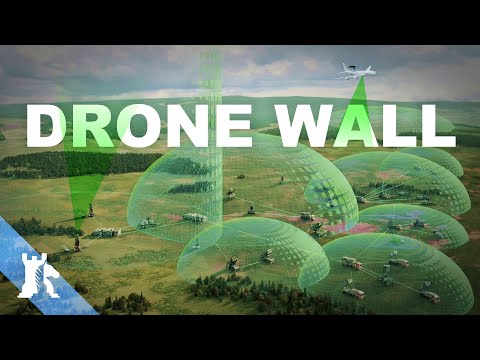
drones در ۳۰ ثانیه
- Drones are primarily known as unmanned aerial vehicles (UAVs) used for various tasks ranging from recreation to military operations and commercial delivery services.
- The term also describes a continuous, low-pitched humming sound, which can be mechanical, biological (like bees), or musical (a sustained note).
- In biology, drones are the male bees in a colony whose primary function is mating, leading to the metaphorical use for mindless workers.
- Grammatically, 'drones' is the plural of 'drone' and can also function as a verb meaning to speak or sound in a monotonous way.
The word drones is a multifaceted noun that has evolved significantly over the last century. In its most common modern context, it refers to unmanned aerial vehicles (UAVs) or uncrewed aircraft systems (UAS). These are flying robots that can be controlled remotely by a human pilot or can fly autonomously using complex onboard software and sensors. When people talk about drones today, they are usually referring to the small, multi-rotor quadcopters used for photography, the large fixed-wing aircraft used by the military, or the delivery vehicles being tested by major tech corporations. However, the linguistic roots of the word are far more organic. Historically, a drone is a male bee, specifically one that does not gather nectar or pollen and has no stinger; its sole purpose is to mate with the queen. This biological origin led to the metaphorical use of 'drone' to describe a person who does tedious, repetitive work without much initiative, or someone who lives off the labor of others.
- Technological Context
- In technology, drones represent the pinnacle of remote sensing and robotics. They are used in agriculture to monitor crop health, in search and rescue to find missing persons in rugged terrain, and in cinematography to capture sweeping aerial shots that were previously only possible with expensive helicopters.
The photographer launched one of his drones to capture the sunset over the valley.
Beyond the physical objects, 'drone' also describes a specific type of sound. A drone is a continuous, low-pitched humming or buzzing noise. This can be the literal sound of a bee or a machine, but it is also a term used in music. In musical theory, a drone is a harmonic or monophonic effect where a note or chord is continuously sounded throughout most or all of a piece. Think of the steady hum of a bagpipe's chanter or the deep, resonant 'Om' in certain types of chanting. This auditory definition ties back to the mechanical definition; the sound of a UAV's propellers is often described as a persistent, high-pitched drone, which is why the name fits the technology so perfectly. People use this word in everyday conversation to complain about background noise, such as the drone of an air conditioner or the drone of a boring lecturer's voice.
- Acoustic Context
- The low, constant drone of the machinery in the factory made it difficult for the workers to communicate without shouting.
I couldn't concentrate on the book because of the distant drones of the lawnmowers in the neighborhood.
In social and corporate settings, 'drones' can take on a pejorative (negative) tone. When someone refers to office workers as 'corporate drones,' they are implying that these individuals lack creativity, autonomy, or passion, merely following orders like the male bees in a hive. This usage highlights the lack of individuality. However, in the 21st century, the 'robot' definition has largely overtaken all others. If you see a headline about 'drones,' it is 99% likely to be about aviation technology. The word has become a catch-all term that simplifies complex aerospace engineering into a single, punchy syllable. Whether it is a hobbyist flying a DJI Spark in a park or a Predator drone on a reconnaissance mission, the term 'drones' covers the entire spectrum of unmanned flight.
- Biological Context
- In a honeybee colony, the drones are the only males, and they die immediately after mating with a queen during a nuptial flight.
The hive was full of activity, with workers cleaning and drones waiting for their chance to fly.
Using the word drones correctly requires an understanding of its grammatical role as a plural noun and its occasional use as a third-person singular verb. As a noun, it follows standard English pluralization rules. For example, 'One drone is flying' versus 'Many drones are flying.' When discussing technology, it is often paired with verbs like 'deploy,' 'launch,' 'pilot,' or 'intercept.' For instance, 'The coast guard deployed several drones to scan the shoreline for the missing vessel.' Here, 'drones' acts as the direct object of the action. It is also common to see 'drones' used in possessive forms, such as 'the drone's battery life' (singular) or 'the drones' flight paths' (plural), where the apostrophe placement is crucial for indicating how many devices are being discussed.
- Subject-Verb Agreement
- Because 'drones' is plural, it must be followed by plural verb forms: 'The drones provide high-resolution data,' not 'The drones provides.'
Modern drones are equipped with thermal imaging cameras to assist in nighttime rescue operations.
When referring to sounds, 'drones' is frequently used to describe an ambient environment. You might say, 'The drones of the city traffic lulled him to sleep,' or 'The distant drones of aircraft were a constant reminder of the nearby airport.' In this context, the word emphasizes the repetitive and non-distinct nature of the noise. It is rarely used to describe a sharp or sudden sound; it is almost always reserved for something sustained. Interestingly, 'drone' can also function as a verb. While the prompt focuses on the noun, knowing the verb form helps you understand the noun better. To 'drone on' means to speak in a boring, monotonous way. Therefore, a person who 'drones on' creates a 'drone' (noun) with their voice. For example: 'His voice was one of those low drones that makes you want to nap.'
- Compound Nouns
- 'Drones' often appears in compound structures like 'drone strikes,' 'drone racing,' 'drone delivery,' and 'drone pilot.'
The government is drafting new regulations to manage the increasing number of commercial drones in urban airspace.
In metaphorical usage, 'drones' is often used in the phrase 'worker drones' or 'corporate drones.' This is almost always plural because it describes a mass of people. You wouldn't usually call one person 'a drone' unless you were being particularly harsh about their lack of personality. Instead, you describe the collective: 'The office was filled with drones staring blankly at their monitors.' This evokes the image of a beehive where everyone is doing the same task without thought. When writing about this, ensure the context makes it clear you aren't talking about flying robots. For example, 'The factory drones worked in perfect synchronization' could be ambiguous today—are they robots or people? Adding adjectives like 'human drones' or 'mechanical drones' can help clarify your meaning in creative writing.
- Prepositional Usage
- We often use 'with' or 'by' when talking about drones: 'The area was surveyed with drones' or 'Delivery by drones is the future of logistics.'
The music was characterized by heavy bass and rhythmic drones that created a hypnotic atmosphere.
The word drones is ubiquitous in the 21st-century media landscape. You will hear it most frequently in news broadcasts, particularly those covering technology, warfare, or logistics. News anchors might report on 'drone warfare' in conflict zones or 'drone regulations' being debated in parliament. In these contexts, the word often carries a weight of seriousness, touching on themes of privacy, security, and ethics. If you watch tech reviews on YouTube, you'll hear creators comparing the latest 'consumer drones,' discussing 'flight time,' 'gimbal stability,' and '4K video quality.' In this hobbyist world, the word is associated with excitement, creativity, and the democratization of aerial photography. It’s a word of the future, often linked to the 'next big thing' in tech.
- In the News
- 'Authorities are investigating the sighting of unauthorized drones near the international airport, which caused several flight delays.'
The documentary explored how drones are revolutionizing wildlife conservation by tracking endangered species.
In a professional or academic setting, you might hear the word used in discussions about 'smart cities' or 'precision agriculture.' Farmers now use drones to spray crops with surgical precision, reducing the need for bulk pesticides. Scientists use them to measure melting glaciers or to map ancient ruins hidden under dense jungle canopies. In these environments, the word 'drones' is synonymous with 'efficiency' and 'data collection.' You'll also hear it in the film industry; directors no longer need to rent a crane or a helicopter for a simple overhead shot; they just 'send up the drones.' This has fundamentally changed the visual language of modern cinema and television, making high-production-value shots accessible even to low-budget indie filmmakers.
- In Entertainment
- 'The halftime show featured a spectacular light display involving over five hundred synchronized drones.'
Sci-fi movies often depict a future where surveillance drones patrol every street corner.
On a more mundane level, you'll hear the word in casual complaints about the modern world. Someone might mention the 'drone of the refrigerator' that's keeping them awake, or the 'drone of the neighbor's leaf blower.' In these cases, the word is used to describe an annoying, persistent auditory presence. You might also hear it in a metaphorical sense in literature or social commentary. An author might describe the 'drones of the industrial machine,' referring to the workers who have been stripped of their humanity by repetitive labor. Finally, in the world of music, especially in genres like ambient, shoegaze, or traditional Indian classical music, 'drones' refers to the sustained notes that provide a foundation for the melody. Musicians will talk about 'layering drones' to create a rich, immersive soundscape.
- In Music Production
- 'The track opens with a series of low-frequency drones that slowly build in intensity.'
He spent the afternoon recording the mechanical drones of the city to use in his next electronic album.
Despite its simple sound, the word drones is the subject of several common linguistic and conceptual errors. One of the most frequent mistakes is confusing the noun 'drones' with the verb 'drowns.' While they sound somewhat similar, 'drowns' refers to suffocating in water, whereas 'drones' refers to a sound or a machine. For example, 'The noise of the crowd drones out the speaker' is a common error; the correct verb is 'drowns out.' However, you *could* say 'The drones of the crowd were deafening,' using it as a noun to describe the sound. Another common error is using 'drone' to describe any remote-controlled toy. Technically, a drone must have some level of autonomous capability (like GPS hovering or auto-return). A simple RC car with no internal intelligence is just a remote-controlled vehicle, not a drone, though the lines are blurring in common parlance.
- Spelling & Homophones
- Mistake: 'The music drowns on and on.' Correct: 'The music drones on and on.' (Note: 'drones on' is the verb form of the noun 'drone').
Be careful not to confuse the plural drones with the possessive drone's.
Another mistake involves the pluralization and possessive forms. Learners often struggle with 'drones' vs 'drone's' vs 'drones'.' Remember: 'drones' is many machines; 'drone's' is something belonging to one machine (e.g., the drone's camera); and 'drones'' is something belonging to many machines (e.g., the drones' flight controllers). In speech, these all sound identical, but in writing, the apostrophe is vital. Furthermore, people often use 'drones' as a synonym for 'robots' in a general sense. While all drones are robots, not all robots are drones. A drone specifically implies an unmanned vehicle, usually one that flies. Calling a robotic vacuum cleaner a 'drone' is technically incorrect, though it might be used humorously because of the similar humming sound it makes.
- Misuse of Register
- In a formal military report, using the word 'drones' might be seen as too informal or imprecise. Professionals prefer 'UAS' (Unmanned Aircraft Systems).
The student wrote about 'bee drones' but forgot that they are specifically the males of the species.
Finally, there is a common misconception about the 'drone' sound. Not every continuous sound is a drone. A drone is typically low-frequency and unchanging. A siren, which changes pitch, is not a drone. A rhythmic tapping is not a drone. Understanding this distinction is important for descriptive writing. Similarly, in the context of 'worker drones,' it is a mistake to use this term for someone who is simply busy. A 'drone' in this sense is someone whose work is mindless and repetitive. If a person is doing complex, creative work under pressure, they are not a drone; they are an overstressed professional. Using the word incorrectly can diminish the impact of your social commentary or character descriptions.
- Pronunciation Error
- Some non-native speakers pronounce the 'o' like in 'on' (short o), but it should be a long 'o' like in 'bone' or 'stone'.
The teacher corrected the student: 'It's not a drone of bees, it's a swarm of drones (the bees themselves).'
When you want to describe something similar to drones, the choice of word depends entirely on which definition you are using. If you are talking about the technology, the most formal alternative is Unmanned Aerial Vehicle (UAV) or Unmanned Aircraft System (UAS). These terms are preferred in aviation and military circles because they sound more professional and less like a science-fiction trope. For smaller, consumer-grade devices, you might use quadcopter (if it has four rotors) or multicopter. These are more specific and describe the physical configuration of the machine. In casual conversation, people sometimes just say 'remote-controlled plane' or 'RC flyer,' though these are becoming less common as 'drone' becomes the standard term.
- Drones vs. UAVs
- 'Drones' is the popular, media-friendly term. 'UAV' is the technical term used by engineers and pilots. 'UAV' implies a professional or military context.
While the public calls them drones, the Air Force refers to them as Remotely Piloted Aircraft (RPA).
If you are using 'drones' to describe a sound, alternatives include hum, buzz, murmur, or thrum. A 'hum' is usually softer and more pleasant than a drone. A 'buzz' is sharper and more vibrating. A 'thrum' implies a low-frequency vibration you can almost feel in your chest, like a large ship's engine. 'Murmur' is usually reserved for voices or water. If the sound is particularly annoying and persistent, you might call it a monotone or a whir. Choosing the right word can help you paint a much more vivid picture for your reader. For example, 'the drone of the computer fan' sounds mechanical and boring, while 'the whir of the computer fan' sounds a bit more active and energetic.
- Drones vs. Robots
- A 'robot' is a general term for any programmable machine. A 'drone' is a specific type of robot that is mobile and usually unmanned.
The steady drones of the ventilation system provided a background hum that most employees eventually ignored.
In the metaphorical sense of 'worker drones,' you could use automaton, cog, lackey, or drudge. An 'automaton' suggests someone who acts without thinking, much like a machine. A 'cog' (as in 'a cog in the machine') emphasizes that the person is just a small, replaceable part of a large organization. A 'drudge' is someone who does hard, humble, or uninteresting work. 'Lackey' has a more servile connotation, implying someone who does menial tasks for a powerful person. 'Drone' remains a powerful choice here because it combines the idea of being a mindless worker (like the bee) with the idea of being a repetitive machine (like the UAV). It is a uniquely modern insult that bridges biology and technology.
- Drones vs. Swarms
- A 'swarm' refers to the collective behavior of many drones. You might see one drone, but you witness a swarm of drones working together.
The factory was full of drones—not the flying kind, but people who had lost their spark of creativity.
چقدر رسمی است؟
نکته جالب
The modern use of 'drone' for aircraft actually started as a joke. In 1935, the British developed a remote-controlled plane called the 'DH.82B Queen Bee'. In response, the US Navy developed its own version and called it a 'drone' to keep with the bee theme!
راهنمای تلفظ
- Pronouncing it like 'draw-nz' (short o).
- Confusing the ending with 's' instead of the voiced 'z' sound.
- Mixing it up with 'drowns' /draʊnz/.
- Over-emphasizing the 'd' and 'r' separately.
- Pronouncing the 'e' (it is silent).
سطح دشواری
Easy to recognize in modern texts about technology.
Requires care with apostrophes (drones vs drone's).
Simple one-syllable word, easy to pronounce.
Can be confused with 'drowns' in fast speech.
بعداً چه یاد بگیریم؟
پیشنیازها
بعداً یاد بگیرید
پیشرفته
گرامر لازم
Plural Nouns
Drones (plural) vs Drone (singular).
Possessive Apostrophes
The drone's camera (one) vs The drones' cameras (many).
Subject-Verb Agreement
The drones are (not is) loud.
Compound Nouns
Drone photography, drone strike, drone pilot.
Verbs of Sound
The engine drones (verb) vs The drone of the engine (noun).
مثالها بر اساس سطح
The boy has two drones.
El niño tiene dos drones.
Plural noun 'drones' follows the number 'two'.
Drones can fly very high.
Los drones pueden volar muy alto.
Subject 'Drones' is plural, so we use 'can fly'.
I hear the drones of bees.
Escucho el zumbido de las abejas.
Here 'drones' refers to the male bees or their sound.
Do you like drones?
¿Te gustan los drones?
Question form using the plural 'drones'.
The drones are white and red.
Los drones son blancos y rojos.
Plural 'are' matches the plural 'drones'.
Look at those drones in the sky!
¡Mira esos drones en el cielo!
Use 'those' for plural objects far away.
My dad flies drones on Sundays.
Mi papá vuela drones los domingos.
Present simple tense for a habit.
Drones are not birds.
Los drones no son pájaros.
Negative statement with plural 'are not'.
Many photographers use drones for work.
Muchos fotógrafos usan drones para el trabajo.
Plural noun 'drones' as a direct object.
The drones have small cameras.
Los drones tienen cámaras pequeñas.
Plural 'have' matches 'drones'.
He bought two new drones yesterday.
Él compró dos drones nuevos ayer.
Past tense 'bought' with plural object.
The drones of the fans were loud.
El zumbido de los ventiladores era fuerte.
Here 'drones' refers to the sounds of the fans.
Are these drones easy to fly?
¿Son estos drones fáciles de volar?
Interrogative plural form.
The drones landed on the grass.
Los drones aterrizaron en el césped.
Past tense verb 'landed'.
She studies how drones work.
Ella estudia cómo funcionan los drones.
Subordinate clause with 'how'.
Drones are helpful for farmers.
Los drones son útiles para los agricultores.
Adjective 'helpful' describing 'drones'.
Drones are revolutionizing the delivery industry.
Los drones están revolucionando la industria del reparto.
Present continuous to show an ongoing change.
The drones were used to find the lost hikers.
Los drones se utilizaron para encontrar a los excursionistas perdidos.
Passive voice 'were used'.
The steady drones of the machines made me sleepy.
El zumbido constante de las máquinas me dio sueño.
Noun 'drones' used for repetitive sounds.
There are strict rules for flying drones near airports.
Hay reglas estrictas para volar drones cerca de los aeropuertos.
Gerund 'flying' followed by the object 'drones'.
Scientists use drones to monitor climate change.
Los científicos usan drones para monitorear el cambio climático.
Infinitive of purpose 'to monitor'.
The drones' batteries only last for twenty minutes.
Las baterías de los drones solo duran veinte minutos.
Plural possessive 'drones''.
I prefer drones that have a long range.
Prefiero los drones que tienen un largo alcance.
Relative clause starting with 'that'.
The drones captured amazing footage of the volcano.
Los drones capturaron imágenes increíbles del volcán.
Collective action of multiple devices.
The ethical implications of using drones in warfare are complex.
Las implicaciones éticas del uso de drones en la guerra son complejas.
Complex subject phrase ending in 'warfare'.
The low drones of the bagpipes filled the hall.
El zumbido bajo de las gaitas llenó la sala.
Musical context for the noun 'drones'.
Many people fear that drones will invade their privacy.
Mucha gente teme que los drones invadan su privacidad.
Noun clause following the verb 'fear'.
The company replaced its human workers with drones.
La empresa reemplazó a sus trabajadores humanos por drones.
Preposition 'with' used for the instrument of replacement.
The drones' flight paths must be carefully coordinated.
Las trayectorias de vuelo de los drones deben coordinarse cuidadosamente.
Modal verb 'must be' in the passive voice.
He felt like one of the office drones, doing the same task every day.
Se sentía como uno de los zánganos de la oficina, haciendo la misma tarea todos los días.
Metaphorical use of 'drones' for repetitive workers.
Drones are becoming increasingly autonomous thanks to AI.
Los drones son cada vez más autónomos gracias a la IA.
Adverb 'increasingly' modifying the adjective 'autonomous'.
The drones of the city were a constant background noise.
El zumbido de la ciudad era un ruido de fondo constante.
Abstract use of 'drones' for urban soundscapes.
The proliferation of drones has necessitated new airspace regulations.
La proliferación de drones ha hecho necesarias nuevas regulaciones del espacio aéreo.
Present perfect 'has necessitated' with a singular subject 'proliferation'.
The composer utilized electronic drones to create a sense of dread.
El compositor utilizó zumbidos electrónicos para crear una sensación de pavor.
Specific musical terminology for sustained tones.
The drones' sensors are capable of detecting minute changes in temperature.
Los sensores de los drones son capaces de detectar cambios mínimos de temperatura.
Plural possessive and technical vocabulary ('minute', 'sensors').
Critics argue that drones dehumanize the act of combat.
Los críticos sostienen que los drones deshumanizan el acto del combate.
Transitive verb 'dehumanize' with 'drones' as the subject.
The hive was purged of drones once the mating season ended.
La colmena fue purgada de zánganos una vez que terminó la temporada de apareamiento.
Biological context using the passive voice 'was purged'.
The film's soundtrack is dominated by low, oscillating drones.
La banda sonora de la película está dominada por zumbidos bajos y oscilantes.
Participial adjective 'oscillating' modifying 'drones'.
Agricultural drones provide data that helps optimize crop yields.
Los drones agrícolas proporcionan datos que ayudan a optimizar el rendimiento de los cultivos.
Compound noun 'Agricultural drones'.
The drones' ability to hover makes them ideal for surveillance.
La capacidad de los drones para mantenerse en el aire los hace ideales para la vigilancia.
Infinitive phrase 'to hover' modifying 'ability'.
The ubiquitous presence of drones in modern warfare signals a paradigm shift.
La presencia ubicua de los drones en la guerra moderna señala un cambio de paradigma.
Advanced vocabulary: 'ubiquitous', 'paradigm shift'.
He dismissed the protestors as mere drones of a larger political machine.
Desestimó a los manifestantes como meros zánganos de una maquinaria política más grande.
Metaphorical use implying a lack of individual thought.
The installation featured a symphony of mechanical drones and flashing lights.
La instalación presentaba una sinfonía de zumbidos mecánicos y luces intermitentes.
Artistic context for 'drones' as sound elements.
Drones' integration into the logistics chain is fraught with regulatory hurdles.
La integración de los drones en la cadena logística está plagada de obstáculos regulatorios.
Complex sentence structure with 'fraught with'.
The biological drones are essentially reproductive expendables in the colony.
Los zánganos biológicos son esencialmente elementos reproductivos prescindibles en la colmena.
Technical biological description.
The drones' surveillance capabilities have sparked intense civil liberty debates.
Las capacidades de vigilancia de los drones han provocado intensos debates sobre las libertades civiles.
Subject-verb agreement with a complex possessive subject.
Ambient music often relies on the psychoacoustic effects of sustained drones.
La música ambiental a menudo se basa en los efectos psicoacústicos de los zumbidos sostenidos.
Scientific/musical terminology.
The drones' autonomy is governed by sophisticated neural networks.
La autonomía de los drones se rige por sofisticadas redes neuronales.
Passive voice with technical AI terminology.
مترادفها
متضادها
ترکیبهای رایج
عبارات رایج
— To talk for a long time in a very boring and repetitive way.
The professor drones on and on about ancient history every Monday.
— People who do repetitive, boring work without much power or creativity.
The factory was filled with worker drones assembling parts.
— A perspective from high above, as seen through a drone's camera.
The video gave us a drone's eye view of the entire festival.
— The collective, constant background noise of an urban environment.
I missed the quiet of the country after living with the drone of the city.
— A sport where pilots compete to fly drones through obstacle courses.
Drone racing is becoming a popular televised event.
— An area where flying unmanned aerial vehicles is strictly prohibited.
The airport is a strictly enforced drone-free zone.
— Drones used specifically for monitoring or spying on an area.
The police used surveillance drones to monitor the large protest.
— An entertainment display using many synchronized, illuminated drones.
The New Year's Eve celebration featured a massive drone light show.
— The field of engineering and software related to unmanned vehicles.
Advances in drone technology have made them much more affordable.
— Sustained sounds in the background of a recording or environment.
The movie used background drones to build a sense of mystery.
اغلب اشتباه گرفته میشود با
Drowns is a verb about water; drones is a noun about sound or machines.
Drums are musical instruments that make a rhythmic sound, not a steady hum.
Drains are pipes for water; they sound similar but have no relation to drones.
اصطلاحات و عبارات
— To make a sound so loud or persistent that it makes other sounds hard to hear.
The loud music served to drone out the sound of the construction.
Informal— Doing exactly what everyone else is doing without any individuality.
He felt like a drone in a hive, just following the daily routine.
Literary— To continue speaking in a dull, monotonous manner.
She will drone on for hours if you don't interrupt her.
General— The constant, sometimes annoying sound of development and machinery.
The drone of progress echoed through the once-quiet valley.
Metaphorical— A derogatory term for people who follow orders without questioning.
The dictator wanted a population of mindless drones.
Informal/Critical— A life of repetitive, uninspired work (or, conversely, a life of leisure like the male bee).
He escaped the drone's life by starting his own creative business.
General— To be overwhelmed by constant, repetitive noise or technology.
The modern world is drowned in drones of notifications and screens.
Creative— Refers to threats or technologies that operate without being noticed.
The silent drones of data collection are everywhere on the internet.
Metaphorical— While literal, it is often used as a metaphor for a sudden, remote, and precise attack.
The CEO's email was a drone strike on the marketing department's plans.
Business Slang— A sound or person that lacks any human warmth or variation.
His apology was a mechanical drone with no real emotion.
Descriptiveبهراحتی اشتباه گرفته میشود
They mean the same thing.
UAV is the technical acronym; drone is the common name.
The engineer checked the UAV's sensors, while the kid played with his drone.
Many drones are quadcopters.
A quadcopter specifically has four rotors; a drone can have any number or even wings.
Not all drones are quadcopters; some look like small airplanes.
Drones are a type of robot.
A robot can be anything (like a vacuum); a drone specifically flies or moves remotely.
The factory uses robots on the floor and drones in the air.
Both describe a steady sound.
A hum is usually pleasant or quiet; a drone is often mechanical or boring.
The hum of a song is nice, but the drone of a fan is annoying.
Both are controlled from a distance.
RC toys usually need constant human input; drones often have some computer autonomy.
This isn't just an RC plane; it's a drone that can fly itself home.
الگوهای جملهسازی
I have [number] drones.
I have three drones.
Drones are [adjective].
Drones are very fast.
Drones are used for [verb-ing].
Drones are used for taking photos.
The [noun] of the drones is [adjective].
The battery life of the drones is short.
Despite the [noun], the drones [verb].
Despite the wind, the drones remained stable.
The [abstract noun] of drones remains a [noun].
The ethical regulation of drones remains a contentious issue.
I can hear the drones of [something].
I can hear the drones of the distant traffic.
He is nothing but a [adjective] drone.
He is nothing but a mindless corporate drone.
خانواده کلمه
اسمها
فعلها
صفتها
مرتبط
نحوه استفاده
Very high in modern English, especially in tech and news.
-
The drones is flying.
→
The drones are flying.
Drones is a plural noun and requires a plural verb.
-
I heard the drowns of the bees.
→
I heard the drones of the bees.
Drowns means dying in water; drones refers to the sound or the bees.
-
The drone's are in the box.
→
The drones are in the box.
Do not use an apostrophe for a simple plural.
-
He drones out the other speakers.
→
He drowns out the other speakers.
To make someone impossible to hear, the correct verb is 'drown out'.
-
A drone of people were working.
→
A group of drones were working.
Drone is usually used for individuals or as a collective 'swarm', but 'a drone of people' is awkward.
نکات
Plural vs. Possessive
Remember that 'drones' is just the plural. If you want to talk about something the drones own, use 'drones''. Example: 'The drones' cameras were high-quality.'
Technical Accuracy
If you are writing a school paper, use 'Unmanned Aerial Vehicles' at least once to show you know the formal term.
Metaphorical Use
Use 'corporate drones' to describe a boring office environment in your creative writing to evoke a strong image of a beehive.
Sound Recognition
When you hear a steady, low-pitched noise in a movie, you can describe it as a 'drone' in your review.
Clear Vowels
Don't rush the word. Ensure the 'o' is long so people don't think you are saying 'drowns'.
Social Sensitivity
Be aware that 'drones' can be a political word. In some contexts, it refers to warfare, while in others, it refers to toys.
Silent E
The 'e' in 'drone' is silent, but it changes the 'o' into a long sound. Without the 'e', it would be 'dron' (not a word).
Drone Music
If you like relaxing music, search for 'drone ambient' to find tracks that use sustained, peaceful sounds.
Bee Facts
Remember that drones are the only male bees. This helps you remember why the word is used for people who don't do 'work' in the traditional sense.
Drone Safety
If you buy drones, always read the safety manual. They are robots, not just toys, and can be dangerous if used incorrectly.
حفظ کنید
روش یادسپاری
Think of a 'DRone' as a 'Distant Robot' that makes a 'Dull Roar'. The 'DR' starts both 'Drone' and 'Dull Roar'.
تداعی تصویری
Imagine a giant mechanical bee (drone) flying over a factory full of people who look like bees (worker drones), all while a loud humming sound (drone) plays in the background.
شبکه واژگان
چالش
Try to use the word 'drones' in three different ways in one paragraph: as a machine, as a sound, and as a metaphor for a person.
ریشه کلمه
The word comes from the Old English 'drān', which referred to the male honeybee. This word is related to the Middle Low German 'drane' and the Old High German 'treno'. The connection to sound comes from the loud humming noise that male bees make. The application to unmanned aircraft began in the 1930s, specifically with the 'Queen Bee' target aircraft used by the British Royal Navy.
معنای اصلی: A male honeybee.
Germanicبافت فرهنگی
Be careful when using 'drones' around people from war-torn areas, as it may have very negative emotional associations.
In the US and UK, drone racing has become a professional sport with its own leagues and TV deals.
تمرین در زندگی واقعی
موقعیتهای واقعی
Photography
- Aerial footage
- Gimbal stabilization
- Flight time
- 4K resolution
Nature
- Bee colony
- Mating flight
- Worker bees
- Hive hierarchy
Music
- Sustained note
- Ambient soundscape
- Harmonic drone
- Tonal center
Workplace
- Repetitive tasks
- Mindless work
- Following orders
- Lack of creativity
Military
- Reconnaissance mission
- Target acquisition
- Remote operator
- Stealth technology
شروعکنندههای مکالمه
“Do you think drones should be allowed to deliver packages to people's houses?”
“Have you ever flown a drone or would you like to try one?”
“What do you think about the use of drones for police surveillance?”
“Does the sound of a drone (the machine) bother you, or do you find it interesting?”
“In your opinion, what is the most useful thing drones can do for society?”
موضوعات نگارش
Imagine you are a drone flying over your city. Describe what you see from above.
Write about a time when a constant sound (a drone) made it hard for you to focus.
Do you ever feel like a 'worker drone' in your daily life? Why or why not?
Discuss the pros and cons of using drones in modern agriculture.
Predict how drone technology will change the way we live in the next twenty years.
سوالات متداول
10 سوالNo, drones are subject to strict regulations. In most countries, you cannot fly them near airports, over crowds, or in national parks without a permit. Always check local laws before flying your drones.
They are called drones because they do not work like the female worker bees. Their name comes from the Old English word for a 'hummer,' referring to the sound they make while flying.
Most consumer drones are not waterproof and can be damaged by rain. However, some professional and military drones are specifically designed to operate in bad weather.
In music, a drone is a sustained note or chord that sounds continuously throughout a piece. It provides a foundation for the other instruments. Bagpipes are a famous example of an instrument that uses drones.
Small consumer drones usually fly for 20 to 30 minutes. Larger industrial or military drones can stay in the air for many hours or even days.
No, 'drone' is the singular form. You use 'drones' when talking about more than one machine, more than one bee, or multiple sustained sounds.
It is a phrasal verb meaning to talk in a very boring, repetitive way that makes the listener lose interest. It's like the person's voice has become a monotonous drone.
No. While quadcopters (with four rotors) are the most common type of consumer drone, there are also hexacopters (six rotors), octocopters (eight rotors), and fixed-wing drones that look like planes.
There is no functional difference. 'Drone' is the popular name used by the public, while 'UAV' (Unmanned Aerial Vehicle) is the technical term used by professionals.
Yes, companies like Amazon and Alphabet are currently testing drones to deliver small packages, medical supplies, and food directly to customers' doors.
خودت رو بسنج 180 سوال
Describe three ways drones are used in the modern world.
خوب نوشتید! تلاش خوبی بود! پاسخ نمونه را ببینید.
Write a short story about a drone that gets lost in a forest.
خوب نوشتید! تلاش خوبی بود! پاسخ نمونه را ببینید.
Compare the 'bee' definition of drone with the 'machine' definition.
خوب نوشتید! تلاش خوبی بود! پاسخ نمونه را ببینید.
Argue for or against the use of drones for home delivery.
خوب نوشتید! تلاش خوبی بود! پاسخ نمونه را ببینید.
Explain why some people find the sound of drones annoying.
خوب نوشتید! تلاش خوبی بود! پاسخ نمونه را ببینید.
Describe a 'drone's eye view' of your neighborhood.
خوب نوشتید! تلاش خوبی بود! پاسخ نمونه را ببینید.
Write a dialogue between two people debating drone privacy.
خوب نوشتید! تلاش خوبی بود! پاسخ نمونه را ببینید.
How has drone technology changed photography?
خوب نوشتید! تلاش خوبی بود! پاسخ نمونه را ببینید.
Write a poem that uses the word 'drones' as a sound effect.
خوب نوشتید! تلاش خوبی بود! پاسخ نمونه را ببینید.
What are the legal challenges of flying drones in cities?
خوب نوشتید! تلاش خوبی بود! پاسخ نمونه را ببینید.
Describe the life of a 'corporate drone'.
خوب نوشتید! تلاش خوبی بود! پاسخ نمونه را ببینید.
How do drones help in natural disasters?
خوب نوشتید! تلاش خوبی بود! پاسخ نمونه را ببینید.
Explain the etymology of the word 'drone'.
خوب نوشتید! تلاش خوبی بود! پاسخ نمونه را ببینید.
What is drone racing, and why is it popular?
خوب نوشتید! تلاش خوبی بود! پاسخ نمونه را ببینید.
Describe the sound of a factory using the word 'drones'.
خوب نوشتید! تلاش خوبی بود! پاسخ نمونه را ببینید.
Should drones be used by the police? Why or why not?
خوب نوشتید! تلاش خوبی بود! پاسخ نمونه را ببینید.
Write a technical description of a quadcopter.
خوب نوشتید! تلاش خوبی بود! پاسخ نمونه را ببینید.
How do drones affect wildlife?
خوب نوشتید! تلاش خوبی بود! پاسخ نمونه را ببینید.
What would a world with millions of drones look like?
خوب نوشتید! تلاش خوبی بود! پاسخ نمونه را ببینید.
Summarize the different meanings of the word 'drones'.
خوب نوشتید! تلاش خوبی بود! پاسخ نمونه را ببینید.
Explain what a drone is to a five-year-old.
این را بلند بخوانید:
تو گفتی:
تشخیص گفتار در مرورگر شما پشتیبانی نمیشود. از کروم یا اج استفاده کنید.
Talk about the pros and cons of drones for 2 minutes.
این را بلند بخوانید:
تو گفتی:
تشخیص گفتار در مرورگر شما پشتیبانی نمیشود. از کروم یا اج استفاده کنید.
Describe a time you heard a loud drone sound.
این را بلند بخوانید:
تو گفتی:
تشخیص گفتار در مرورگر شما پشتیبانی نمیشود. از کروم یا اج استفاده کنید.
Would you like to work with drones? Why or why not?
این را بلند بخوانید:
تو گفتی:
تشخیص گفتار در مرورگر شما پشتیبانی نمیشود. از کروم یا اج استفاده کنید.
Discuss the ethical issues of drone warfare.
این را بلند بخوانید:
تو گفتی:
تشخیص گفتار در مرورگر شما پشتیبانی نمیشود. از کروم یا اج استفاده کنید.
Describe how a drone could help a farmer.
این را بلند بخوانید:
تو گفتی:
تشخیص گفتار در مرورگر شما پشتیبانی نمیشود. از کروم یا اج استفاده کنید.
Roleplay a conversation between a drone pilot and a policeman.
این را بلند بخوانید:
تو گفتی:
تشخیص گفتار در مرورگر شما پشتیبانی نمیشود. از کروم یا اج استفاده کنید.
How would you feel if a drone was flying over your house?
این را بلند بخوانید:
تو گفتی:
تشخیص گفتار در مرورگر شما پشتیبانی نمیشود. از کروم یا اج استفاده کنید.
Explain the difference between a drone and a bird.
این را بلند بخوانید:
تو گفتی:
تشخیص گفتار در مرورگر شما پشتیبانی نمیشود. از کروم یا اج استفاده کنید.
Talk about the use of drones in movies.
این را بلند بخوانید:
تو گفتی:
تشخیص گفتار در مرورگر شما پشتیبانی نمیشود. از کروم یا اج استفاده کنید.
What is the most annoying 'drone' sound you know?
این را بلند بخوانید:
تو گفتی:
تشخیص گفتار در مرورگر شما پشتیبانی نمیشود. از کروم یا اج استفاده کنید.
Discuss the future of drone delivery.
این را بلند بخوانید:
تو گفتی:
تشخیص گفتار در مرورگر شما پشتیبانی نمیشود. از کروم یا اج استفاده کنید.
How do drones change our view of the world?
این را بلند بخوانید:
تو گفتی:
تشخیص گفتار در مرورگر شما پشتیبانی نمیشود. از کروم یا اج استفاده کنید.
Describe the components of a drone.
این را بلند بخوانید:
تو گفتی:
تشخیص گفتار در مرورگر شما پشتیبانی نمیشود. از کروم یا اج استفاده کنید.
Tell a story about a 'corporate drone' who quits their job.
این را بلند بخوانید:
تو گفتی:
تشخیص گفتار در مرورگر شما پشتیبانی نمیشود. از کروم یا اج استفاده کنید.
Explain why drones are called 'unmanned'.
این را بلند بخوانید:
تو گفتی:
تشخیص گفتار در مرورگر شما پشتیبانی نمیشود. از کروم یا اج استفاده کنید.
What are the dangers of drones to airplanes?
این را بلند بخوانید:
تو گفتی:
تشخیص گفتار در مرورگر شما پشتیبانی نمیشود. از کروم یا اج استفاده کنید.
Describe a drone light show you've seen or heard about.
این را بلند بخوانید:
تو گفتی:
تشخیص گفتار در مرورگر شما پشتیبانی نمیشود. از کروم یا اج استفاده کنید.
How can drones help protect the environment?
این را بلند بخوانید:
تو گفتی:
تشخیص گفتار در مرورگر شما پشتیبانی نمیشود. از کروم یا اج استفاده کنید.
What is the difference between a drone and a toy plane?
این را بلند بخوانید:
تو گفتی:
تشخیص گفتار در مرورگر شما پشتیبانی نمیشود. از کروم یا اج استفاده کنید.
Listen to a sound and decide if it is a drone or a beep.
Listen to a news report and count how many times 'drones' is said.
Listen to a pilot's instructions and identify the drone's location.
Listen to a description of a beehive and identify the drone bees.
Listen to a lecture on acoustics and define a 'musical drone'.
Listen to a conversation about a drone purchase.
Listen to an interview with a drone engineer.
Listen to a poem and identify the metaphorical use of 'drones'.
Listen to a weather report for drone pilots.
Listen to a debate about drone privacy and summarize one side.
Listen to the sound of different engines and find the drone.
Listen to a story about a drone rescue.
Listen to a technical talk about UAV sensors.
Listen to a child describing their new toy drone.
Listen to a song and identify the drone instrument.
/ 180 درست
نمره کامل!
Summary
The word 'drones' most commonly refers to remote-controlled flying robots, but it also describes a steady humming sound or male bees. Example: 'The photographer used several drones to film the race, despite the loud drones of the engines below.'
- Drones are primarily known as unmanned aerial vehicles (UAVs) used for various tasks ranging from recreation to military operations and commercial delivery services.
- The term also describes a continuous, low-pitched humming sound, which can be mechanical, biological (like bees), or musical (a sustained note).
- In biology, drones are the male bees in a colony whose primary function is mating, leading to the metaphorical use for mindless workers.
- Grammatically, 'drones' is the plural of 'drone' and can also function as a verb meaning to speak or sound in a monotonous way.
Plural vs. Possessive
Remember that 'drones' is just the plural. If you want to talk about something the drones own, use 'drones''. Example: 'The drones' cameras were high-quality.'
Technical Accuracy
If you are writing a school paper, use 'Unmanned Aerial Vehicles' at least once to show you know the formal term.
Metaphorical Use
Use 'corporate drones' to describe a boring office environment in your creative writing to evoke a strong image of a beehive.
Sound Recognition
When you hear a steady, low-pitched noise in a movie, you can describe it as a 'drone' in your review.