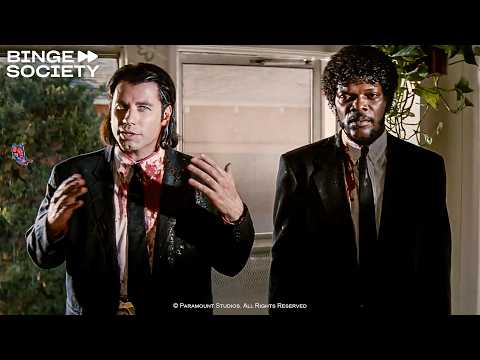
sticking en 30 secondes
- Sticking describes the act of adhering to a surface, like glue on paper or mud on boots.
- It refers to being jammed or difficult to move, such as a sticking door or a frozen computer screen.
- Metaphorically, it means staying committed to a plan, rule, or belief without changing.
- It can also describe something that is protruding or sticking out from a surface.
The word sticking is a dynamic and versatile present participle of the verb 'stick.' At its most fundamental level, it describes the physical process of two surfaces becoming joined together, often through the use of an adhesive substance like glue, tape, or resin. Imagine a child working on a craft project; they are sticking colorful pieces of paper onto a cardboard base. This physical sense extends to anything that adheres, such as mud sticking to your boots after a rainy walk or a stamp sticking to an envelope. However, the utility of 'sticking' goes far beyond the physical realm. In a metaphorical sense, it refers to the act of remaining loyal or committed to something, such as a person sticking to their principles even when faced with opposition. It also describes a state of being trapped or unable to move, like a drawer that is sticking because the wood has swollen in the humidity. Furthermore, it can describe something that protrudes or extends outward, such as a branch sticking out from a tree or a person sticking their tongue out. The word is ubiquitous in daily English because it captures both the literal mechanics of our world and the figurative ways we navigate our commitments and obstacles.
- Physical Adhesion
- The process where one object becomes attached to another via friction or a sticky substance. For example, 'The wet leaves are sticking to the pavement.'
- Metaphorical Persistence
- The act of continuing with a plan, habit, or belief despite difficulties. For example, 'She is sticking to her New Year's resolution to exercise every day.'
- Mechanical Obstruction
- When a moving part becomes jammed or difficult to operate. For example, 'The key is sticking in the lock, and I can't turn it.'
Even when the project got difficult, the team was sticking together to ensure they met the deadline.
In social contexts, 'sticking' often appears in phrases like 'sticking around,' which means staying in a place for a longer period than strictly necessary, or 'sticking up for someone,' which means defending them. In the world of sports, a gymnast might be praised for 'sticking the landing,' meaning they landed perfectly without moving their feet. In the kitchen, you might worry about the rice sticking to the bottom of the pot if there isn't enough water. The breadth of this word's application makes it essential for B1 learners to master, as it bridges the gap between basic physical descriptions and more complex idiomatic expressions. Whether you are talking about a post-it note on a monitor or a politician sticking to their campaign promises, the word provides a clear image of attachment, persistence, or protrusion. It is a word that describes the 'glue' of our physical and social lives.
The label is sticking to the bottle so tightly that I can't peel it off.
He is sticking his neck out by supporting such a controversial policy.
The pasta is sticking to the pan because I didn't use enough oil.
I can see a small piece of thread sticking out from your sleeve.
Using 'sticking' correctly requires understanding its grammatical role as a present participle. It is most commonly used in continuous tenses (am/is/are sticking) to describe an ongoing action or state. For example, 'The tape is sticking to my fingers' describes a current physical annoyance. It can also function as a gerund, acting as a noun in a sentence, such as in the phrase 'Sticking to a budget is difficult but rewarding.' When using it as a verb, you must be mindful of the prepositions that follow it, as they drastically change the meaning. 'Sticking to' usually refers to adherence to a surface or a plan, while 'sticking out' refers to protrusion or being noticeable. 'Sticking with' implies loyalty or continuing to use something, like 'I'm sticking with my old phone for another year.' Understanding these nuances allows for much more precise communication.
- Sticking To (Adherence)
- Used for physical attachment or following rules. 'The gum is sticking to my shoe.' / 'He is sticking to the script.'
- Sticking Out (Protrusion)
- Used when something extends beyond a surface. 'A bookmark was sticking out of the book.' / 'Her bright red hair made her sticking out in the crowd.'
- Sticking With (Persistence)
- Used for staying with a person or choice. 'I'm sticking with this brand because it's reliable.'
In more advanced usage, 'sticking' can be used to describe a lack of progress. In business or project management, you might hear someone say, 'The negotiations are sticking on the issue of price.' This means that the two parties cannot move past that specific point. Similarly, in a technical context, you might say, 'The video is sticking,' meaning it is freezing or buffering. This versatility makes 'sticking' a 'utility word'—one that can be used in almost any domain, from the kitchen to the boardroom. When you use 'sticking,' you are conveying a sense of persistence, whether that persistence is helpful (sticking to a goal) or problematic (a sticking valve in an engine). It is also important to note the difference between 'sticking' and 'stuck.' 'Sticking' is the process or the ongoing state, whereas 'stuck' is the completed state or the adjective describing the result. 'The door is sticking' means it is hard to open; 'The door is stuck' means it will not open at all.
By sticking to the facts, the journalist avoided any accusations of bias.
The cursor is sticking on the screen, so I think I need a new mousepad.
You will encounter the word 'sticking' in a vast array of real-world scenarios, ranging from the mundane to the highly specialized. In a household setting, it’s common to hear someone complain about a 'sticking door' or 'sticking windows' during the summer when wood expands. In the kitchen, a chef might warn a novice about 'sticking the dough' to the counter if they don't use enough flour. These are literal, physical applications that everyone understands. In professional environments, however, the word takes on a more abstract meaning. During a meeting, a manager might say, 'We are sticking to the original timeline,' emphasizing the need for consistency and discipline. If a project is delayed, a colleague might remark, 'The process is sticking at the approval stage,' indicating a bottleneck. In the world of technology, users often report that their 'keys are sticking' on a laptop keyboard, usually due to dust or a spill, or that a 'webpage is sticking' while loading.
- In the Office
- 'We need to be sticking to our core values during this transition.' / 'The printer is sticking again; it keeps jamming the paper.'
- In Sports
- 'He's really sticking his tackles today!' / 'She's sticking to her opponent like glue.'
- In Casual Conversation
- 'Are you sticking around for the after-party?' / 'Thanks for sticking up for me back there.'
Media and news also use 'sticking' frequently, particularly in political or economic reporting. You might read about a 'sticking point' in trade negotiations, which refers to a specific issue that is preventing an agreement from being reached. In weather reports, meteorologists might talk about snow 'sticking' to the roads, which is a crucial piece of information for drivers. In the arts, a critic might describe a melody as 'sticking in the mind,' meaning it is catchy and memorable. Even in medical contexts, a doctor might talk about a 'sticking plaster' (the British term for a Band-Aid) or a 'sticking valve' in the heart. The word's ability to describe both physical resistance and mental persistence makes it a staple of the English language. It captures the essence of things that refuse to move, whether those things are physical objects, people's opinions, or complex social processes.
The snow is finally sticking to the grass, so we might be able to build a snowman later.
The main sticking point in the contract was the clause about overtime pay.
One of the most frequent errors learners make with 'sticking' is confusing it with its past participle form, 'stuck.' While they are related, they are not interchangeable. 'Sticking' describes the ongoing action or a tendency, whereas 'stuck' describes a completed state or a result. For example, if you say 'The door is sticking,' you mean it is difficult to open but might still move. If you say 'The door is stuck,' you mean it is completely immobile. Another common mistake involves the misuse of prepositions. Many learners say 'sticking on' when they should say 'sticking to.' While 'on' is sometimes used, 'to' is the standard preposition for physical adhesion and metaphorical commitment. For instance, 'He is sticking to his story' is correct, whereas 'He is sticking on his story' sounds unnatural.
- Sticking vs. Stuck
- Mistake: 'I am sticking in traffic.' Correct: 'I am stuck in traffic.' (Sticking implies the traffic is adhering to you, which is impossible!)
- Preposition Errors
- Mistake: 'She is sticking with the rules.' Correct: 'She is sticking to the rules.' (Use 'to' for rules/plans, 'with' for people/choices.)
- Spelling Confusion
- Mistake: 'Sticky' vs. 'Sticking'. 'Sticky' is an adjective (The floor is sticky). 'Sticking' is a verb form (The tape is sticking to the floor).
Furthermore, learners often struggle with the phrasal verb 'sticking out.' If you say someone is 'sticking out,' it usually means they are very noticeable or prominent. However, if you say they are 'sticking it out,' it means they are enduring a difficult situation until the end. Forgetting the 'it' completely changes the meaning from 'being noticeable' to 'persevering.' Another nuance is the difference between 'sticking to' and 'clinging to.' While 'sticking to' is often neutral or positive (sticking to a diet), 'clinging to' often has a negative connotation of desperation (clinging to the past). Being aware of these subtle differences in meaning and prepositional use will help you avoid sounding like a beginner and move toward more natural, fluent English. Always remember: 'sticking' is about the process of attachment or persistence.
Incorrect: The glue is not stuck well. Correct: The glue is not sticking well.
Incorrect: I'm sticking at this job. Correct: I'm sticking it out at this job.
While 'sticking' is a very common word, English offers many synonyms that can provide more specific meaning depending on the context. If you are talking about physical adhesion, words like adhering, clinging, or cohering might be more appropriate. 'Adhering' is often used in formal or scientific contexts, such as 'The substance is adhering to the cell wall.' 'Clinging' suggests a tighter, more desperate form of sticking, often used for clothing or emotions, like 'The wet shirt was clinging to his back.' 'Cohering' is used when parts of a whole stick together, such as 'The particles are cohering to form a solid mass.' If you are talking about persistence, you might use persisting, persevering, or enduring. These words carry a stronger sense of effort and willpower than the relatively simple 'sticking to.'
- Adhering vs. Sticking
- 'Adhering' is formal; 'sticking' is casual. Use 'adhering' in reports and 'sticking' in daily life.
- Clinging vs. Sticking
- 'Clinging' implies a lack of space or a strong emotional hold. 'Sticking' is more about the surface contact.
- Protruding vs. Sticking Out
- 'Protruding' is the formal term for 'sticking out.' 'The bone was protruding' sounds more clinical than 'The bone was sticking out.'
In the context of being 'jammed,' you might use words like binding or obstructing. If a drawer is 'sticking,' a carpenter might say it is 'binding' against the frame. In a metaphorical sense, if you are 'sticking' to a plan, you might also say you are abiding by it or complying with it. These alternatives are useful for academic writing or formal presentations where 'sticking' might feel too informal. However, 'sticking' remains the most versatile and widely understood term. It covers a spectrum of meanings that few other words can match. By learning these alternatives, you can choose the word that perfectly fits the 'flavor' of your sentence—whether you want to sound scientific, emotional, formal, or just plain and clear. The key is to understand that 'sticking' is the broad umbrella, and these other words are the specific tools underneath it.
Instead of just sticking to the rules, he decided to abide by the spirit of the law.
The label was adhering so firmly that it required a solvent to remove.
How Formal Is It?
Le savais-tu ?
The phrase 'sticking to your guns' originally referred to sailors in the navy who were ordered to stay at their cannons even under heavy fire.
Guide de prononciation
- Pronouncing the 'g' too hard at the end.
- Confusing the vowel sound with 'steeking' (long e).
- Dropping the 'g' entirely (stickin').
- Adding an extra 'e' sound before 'ing'.
- Stress on the second syllable.
Niveau de difficulté
Easy to recognize in most contexts.
Requires knowledge of prepositions (to, with, out).
Idiomatic uses can be tricky for learners.
Clear pronunciation, but 'ng' can be soft.
Quoi apprendre ensuite
Prérequis
Apprends ensuite
Avancé
Grammaire à connaître
Present Participle as Adjective
The sticking door needs some oil.
Gerund as Subject
Sticking to the rules is important for safety.
Present Continuous for Ongoing Problems
The printer is sticking again.
Phrasal Verb Word Order
She is sticking up for him (Not: sticking him up for).
Prepositional Choice
Stick to (rules) vs Stick with (people).
Exemples par niveau
The glue is sticking the paper.
Le colle colle le papier.
Present continuous tense.
Is the tape sticking?
Est-ce que le ruban adhésif colle ?
Question form of present continuous.
The rice is sticking to the pan.
Le riz colle à la poêle.
Sticking + to (preposition).
Mud is sticking to my shoes.
La boue colle à mes chaussures.
Subject + is + sticking + to + object.
The sticker is sticking on the wall.
L'autocollant colle sur le mur.
Sticking used for physical objects.
Her hair is sticking up.
Ses cheveux se dressent.
Sticking up (phrasal verb).
The candy is sticking to my hand.
Le bonbon colle à ma main.
Simple present continuous.
Is the label sticking well?
L'étiquette colle-t-elle bien ?
Adverb 'well' modifying 'sticking'.
The door is sticking because of the rain.
La porte coince à cause de la pluie.
Sticking meaning 'jammed'.
We are sticking to our original plan.
Nous nous en tenons à notre plan initial.
Metaphorical use for plans.
Are you sticking around for lunch?
Restes-tu pour le déjeuner ?
Sticking around (staying).
The key is sticking in the lock.
La clé coince dans la serrure.
Mechanical obstruction.
He is sticking out his tongue.
Il tire la langue.
Sticking out (physical action).
The poster is sticking to the window.
L'affiche colle à la fenêtre.
Physical attachment.
She is sticking with her old car.
Elle garde sa vieille voiture.
Sticking with (continuing to use).
Why is this drawer sticking?
Pourquoi ce tiroir coince-t-il ?
Interrogative sentence.
I am sticking to my diet this week.
Je m'en tiens à mon régime cette semaine.
Commitment to a habit.
The cursor is sticking on the screen.
Le curseur se bloque sur l'écran.
Technical glitch.
Thank you for sticking up for me.
Merci de m'avoir défendu.
Sticking up for (defending).
The price is the main sticking point.
Le prix est le principal point de blocage.
Sticking point (idiom).
A bone was sticking out of the fish.
Une arête dépassait du poisson.
Protrusion.
The paint is still sticking to my fingers.
La peinture colle encore à mes doigts.
Ongoing physical state.
They are sticking together during the crisis.
Ils restent soudés pendant la crise.
Social cohesion.
Is the stamp sticking properly?
Le timbre colle-t-il correctement ?
Adverbial modification.
The gymnast is famous for sticking the landing.
La gymnaste est célèbre pour avoir réussi sa réception.
Sporting idiom.
The melody has been sticking in my head all day.
La mélodie me trotte dans la tête toute la journée.
Mental persistence.
We are sticking it out until the project ends.
Nous tenons bon jusqu'à la fin du projet.
Sticking it out (endurance).
The evidence is sticking to the suspect.
Les preuves accablent le suspect.
Metaphorical adherence of guilt.
He's sticking his neck out for this deal.
Il prend des risques pour ce marché.
Sticking your neck out (taking a risk).
The labels are sticking to the wrong boxes.
Les étiquettes sont collées sur les mauvaises boîtes.
Error in process.
The zipper is sticking again.
La fermeture éclair coince encore.
Mechanical failure.
She is sticking to her guns despite the criticism.
Elle campe sur ses positions malgré les critiques.
Sticking to your guns (idiom).
The bureaucratic red tape is sticking the entire process.
La paperasserie bloque tout le processus.
Transitive use meaning 'to stall'.
The narrative is sticking in the public consciousness.
Le récit s'ancre dans la conscience publique.
Sociological context.
The valve is sticking, causing a pressure buildup.
La soupape coince, provoquant une montée de pression.
Technical/Engineering context.
He is sticking to the letter of the law.
Il s'en tient à la lettre de la loi.
Legal idiom.
The cold was sticking to our bones.
Le froid nous glaçait jusqu'aux os.
Literary personification.
The company is sticking with its legacy systems.
L'entreprise conserve ses anciens systèmes.
Technological persistence.
The smell of smoke was sticking to her clothes.
L'odeur de fumée imprégnait ses vêtements.
Sensory adherence.
The negotiator is sticking on the sovereignty clause.
Le négociateur bloque sur la clause de souveraineté.
Sticking on (stalling).
The sticking coefficient of the gas was measured precisely.
Le coefficient de collage du gaz a été mesuré avec précision.
Scientific terminology.
The vestigial remains were sticking out like an architectural sore thumb.
Les restes vestigiaux juraient dans le paysage architectural.
Complex simile.
The policy's failure is sticking to the minister's reputation.
L'échec de la politique entache la réputation du ministre.
Abstract adherence.
They are sticking to a rigid, outdated dogma.
Ils s'en tiennent à un dogme rigide et dépassé.
Philosophical context.
The humidity was sticking the pages of the ancient manuscript together.
L'humidité collait les pages du manuscrit ancien.
Historical preservation context.
He is sticking to his story with pathological intensity.
Il s'en tient à sa version avec une intensité pathologique.
Psychological nuance.
The economic recovery is sticking at the structural level.
La reprise économique bloque au niveau structurel.
Macroeconomic context.
The artist is sticking to a minimalist aesthetic.
L'artiste reste fidèle à une esthétique minimaliste.
Artistic commitment.
Collocations courantes
Phrases Courantes
— Refusing to change your opinion or decision even when others disagree.
He's sticking to his guns about the budget cuts.
— Taking a risk that might lead to trouble or criticism.
I'm sticking my neck out by recommending you for this job.
— Following a prepared plan or set of words exactly.
The politician is sticking to the script during the interview.
— Rebelling against authority or the establishment.
They are sticking it to the man by starting their own company.
— An issue that prevents progress in a discussion.
The location of the new office is a major sticking point.
— Defending someone who is being criticized.
Thanks for sticking up for me when the boss was angry.
— Continuing to do something difficult.
Learning a language is hard, but you should be sticking with it.
— Completing a difficult task perfectly at the very end.
He really stuck the landing on that final presentation.
Souvent confondu avec
Sticking is the process; stuck is the result.
Sticking is a verb form; sticky is an adjective describing a surface.
Stacking means putting things on top of each other; sticking means joining them.
Expressions idiomatiques
— To maintain one's position or belief in the face of opposition.
Despite the pressure, she is sticking to her guns.
informal— To take a risk for someone or something.
I'm sticking my neck out for you, so don't let me down.
informal— A specific problem that stops a process from moving forward.
The price was the only sticking point in the deal.
neutral— To endure a difficult situation until it ends.
It's a long movie, but we're sticking it out.
neutral— Used to describe food that is very filling and heavy.
This oatmeal is really sticking to my ribs.
informal— To stay very close to someone, often in an annoying way.
The toddler was sticking like a burr to his father.
informal— Something that is very difficult to accept or say.
The apology was sticking in his throat.
literary— To interfere in something that is not your business.
Stop sticking your oar in our private conversation!
informal— Following rules exactly as they are written.
The judge is sticking to the letter of the law.
formal— To finish something perfectly.
The CEO really stuck the landing with that speech.
neutralFacile à confondre
Both are forms of 'stick'.
Sticking is the ongoing action (The door is sticking). Stuck is the state (The door is stuck).
I am sticking the label on, but it's already stuck to my thumb.
They sound similar.
Sticky describes a quality (The floor is sticky). Sticking describes an action (The mud is sticking to the floor).
The sticky honey is sticking to the jar.
Similar meaning of attachment.
Clinging is more intense or emotional. Sticking is more general and physical.
The wet clothes were clinging to him, while the mud was sticking to his boots.
Synonyms.
Adhering is formal/scientific. Sticking is everyday English.
The glue is sticking the wood, while the cells are adhering to the slide.
Both mean unable to move.
Jamming is usually more sudden and complete. Sticking is often a gradual friction.
The drawer is sticking, but the printer is jamming.
Structures de phrases
Subject + is + sticking.
The glue is sticking.
Subject + is + sticking + to + object.
The tape is sticking to the box.
Subject + is + sticking + up for + person.
He is sticking up for his friend.
Subject + is + sticking + to + abstract noun.
She is sticking to her diet.
Subject + is + sticking + it + out.
They are sticking it out.
Noun + is + the + sticking point.
Money is the sticking point.
Gerund phrase + is + adjective.
Sticking to the timeline is essential.
Metaphorical subject + is + sticking + to + reputation/legacy.
The scandal is sticking to his legacy.
Famille de mots
Noms
Verbes
Adjectifs
Apparenté
Comment l'utiliser
Very high in both spoken and written English.
-
I am sticking in traffic.
→
I am stuck in traffic.
Traffic doesn't 'stick' to you; you are 'stuck' (immobile) within it.
-
The glue is not stuck well.
→
The glue is not sticking well.
Use the present participle to describe the quality of the adhesive action.
-
She is sticking on her diet.
→
She is sticking to her diet.
The correct preposition for following a plan is 'to'.
-
He is sticking out his neck.
→
He is sticking his neck out.
While both are used, 'sticking his neck out' is the more common idiomatic order.
-
The key is sticky in the lock.
→
The key is sticking in the lock.
'Sticky' means it has glue on it; 'sticking' means it is jammed.
Astuces
Preposition Power
Always remember: stick TO a plan, stick WITH a person, and stick OUT of a surface.
Formal vs Informal
Use 'adhering' in your science reports and 'sticking' when talking to your friends.
Natural Phrasing
Use 'sticking around' instead of 'staying' to sound more like a native speaker.
Vivid Imagery
Use 'sticking out' to describe things that are noticeable or unusual in a scene.
Idiom Alert
'Sticking to your guns' is a great way to describe someone who is brave and firm.
Tech Talk
If your computer is slow, you can say the 'interface is sticking' to describe the lag.
Kitchen Tip
To prevent sticking, make sure your pan is hot before adding the food.
Loyalty
'Sticking together' is a strong phrase to use when talking about team unity.
Mnemonic
S-T-I-C-K: Stay To It, Constant Knowledge. (Sticking to your studies!)
Sticking vs Stuck
If it's still moving a little, it's sticking. If it's totally stopped, it's stuck.
Mémorise-le
Moyen mnémotechnique
Think of a STICKer STICKing to a STICK. It stays there and won't move.
Association visuelle
Imagine a fly sticking to flypaper. It is trying to move but is held in place.
Word Web
Défi
Try to use 'sticking' in three different ways (physical, metaphorical, and mechanical) in one paragraph.
Origine du mot
Derived from the Old English 'stician', which meant to pierce, stab, or remain fixed. It has Germanic roots, related to the Old High German 'stechen'. Over centuries, the meaning evolved from the act of piercing to the state of being fixed or attached.
Sens originel : To pierce or stab with a sharp object.
GermanicContexte culturel
Be careful using 'sticking' to describe people (e.g., 'he is sticking to me') as it can imply they are annoying or clingy.
Valued as a sign of loyalty and grit.
Pratique dans la vie réelle
Contextes réels
DIY/Crafts
- sticking the pieces
- glue is sticking
- tape isn't sticking
- sticking to the surface
Business
- sticking to the budget
- sticking point
- sticking to the timeline
- sticking with the vendor
Social
- sticking around
- sticking up for
- sticking together
- sticking with friends
Technology
- keys are sticking
- screen is sticking
- cursor is sticking
- video is sticking
Home
- door is sticking
- drawer is sticking
- window is sticking
- food is sticking
Amorces de conversation
"Are you sticking to your New Year's resolutions this year?"
"Do you find it hard sticking to a strict schedule at work?"
"What's the biggest sticking point in your current project?"
"Are you sticking around for the weekend, or are you traveling?"
"Have you ever had to stick up for a friend in a difficult situation?"
Sujets d'écriture
Write about a time you were sticking to a plan even when it was difficult.
Describe a situation where you felt you were sticking out from the crowd.
What is a 'sticking point' in your life right now that you need to resolve?
Think of a song that is sticking in your head today. Why do you think it's there?
Write about a person who is always sticking up for others.
Questions fréquentes
10 questionsIt can be both. In 'The glue is sticking,' it is a verb. In 'The sticking door,' it functions as an adjective.
A sticking point is a specific issue or problem that prevents an agreement or progress from being made.
It is better to say 'sticking to' for physical attachment and metaphorical commitment.
It means to continue doing something difficult or unpleasant until it is finished.
It is generally neutral, but in very formal writing, 'adhering' or 'persisting' might be preferred.
Use it when you defend someone. 'She is sticking up for her colleague.'
Rice sticks when there is too much starch or not enough water/oil in the pan.
It means to land perfectly after a jump or to finish a task flawlessly.
Yes, like a branch 'sticking out' from a wall.
Yes, and 'sticking plaster' is the specific British term for a Band-Aid.
Teste-toi 190 questions
Write a sentence using 'sticking' to describe glue.
Well written! Good try! Check the sample answer below.
Write a sentence using 'sticking to' for a diet.
Well written! Good try! Check the sample answer below.
Write a sentence using 'sticking around'.
Well written! Good try! Check the sample answer below.
Write a sentence using 'sticking out'.
Well written! Good try! Check the sample answer below.
Write a sentence using 'sticking up for'.
Well written! Good try! Check the sample answer below.
Write a sentence using 'sticking point'.
Well written! Good try! Check the sample answer below.
Write a sentence using 'sticking it out'.
Well written! Good try! Check the sample answer below.
Write a sentence using 'sticking' for a jammed drawer.
Well written! Good try! Check the sample answer below.
Write a sentence using 'sticking' for a computer problem.
Well written! Good try! Check the sample answer below.
Write a sentence using 'sticking to the rules'.
Well written! Good try! Check the sample answer below.
Describe a physical object that is sticking to another.
Well written! Good try! Check the sample answer below.
Use 'sticking' to describe a catchy song.
Well written! Good try! Check the sample answer below.
Use 'sticking' in a sentence about loyalty.
Well written! Good try! Check the sample answer below.
Write a sentence about a sticking key on a keyboard.
Well written! Good try! Check the sample answer below.
Use 'sticking' to describe snow.
Well written! Good try! Check the sample answer below.
Write a sentence about sticking to a budget.
Well written! Good try! Check the sample answer below.
Use 'sticking' to describe a person's tongue.
Well written! Good try! Check the sample answer below.
Write a sentence about a sticking valve.
Well written! Good try! Check the sample answer below.
Use 'sticking' to describe mud.
Well written! Good try! Check the sample answer below.
Write a sentence about sticking to the script.
Well written! Good try! Check the sample answer below.
Describe a time you had to stick to a difficult plan.
Read this aloud:
Tu as dit :
Speech recognition is not supported in your browser. Try Chrome or Edge.
Talk about a sticking point you had in a group project.
Read this aloud:
Tu as dit :
Speech recognition is not supported in your browser. Try Chrome or Edge.
Explain what 'sticking around' means to a friend.
Read this aloud:
Tu as dit :
Speech recognition is not supported in your browser. Try Chrome or Edge.
Describe something that is sticking out in your room right now.
Read this aloud:
Tu as dit :
Speech recognition is not supported in your browser. Try Chrome or Edge.
How do you feel when you are sticking up for someone?
Read this aloud:
Tu as dit :
Speech recognition is not supported in your browser. Try Chrome or Edge.
Talk about a song that is sticking in your head.
Read this aloud:
Tu as dit :
Speech recognition is not supported in your browser. Try Chrome or Edge.
What do you do when a drawer is sticking?
Read this aloud:
Tu as dit :
Speech recognition is not supported in your browser. Try Chrome or Edge.
Are you sticking to your English study goals?
Read this aloud:
Tu as dit :
Speech recognition is not supported in your browser. Try Chrome or Edge.
Tell a story about sticking it out in a difficult situation.
Read this aloud:
Tu as dit :
Speech recognition is not supported in your browser. Try Chrome or Edge.
Describe how glue is sticking things together.
Read this aloud:
Tu as dit :
Speech recognition is not supported in your browser. Try Chrome or Edge.
Explain 'sticking to your guns'.
Read this aloud:
Tu as dit :
Speech recognition is not supported in your browser. Try Chrome or Edge.
What is sticking to your shoes after a walk in the park?
Read this aloud:
Tu as dit :
Speech recognition is not supported in your browser. Try Chrome or Edge.
Why is sticking together important for a team?
Read this aloud:
Tu as dit :
Speech recognition is not supported in your browser. Try Chrome or Edge.
Have you ever had a key sticking in a lock?
Read this aloud:
Tu as dit :
Speech recognition is not supported in your browser. Try Chrome or Edge.
What is a sticking plaster used for?
Read this aloud:
Tu as dit :
Speech recognition is not supported in your browser. Try Chrome or Edge.
Is the snow sticking in your city today?
Read this aloud:
Tu as dit :
Speech recognition is not supported in your browser. Try Chrome or Edge.
Talk about sticking to the rules at school.
Read this aloud:
Tu as dit :
Speech recognition is not supported in your browser. Try Chrome or Edge.
What does it mean to stick your neck out?
Read this aloud:
Tu as dit :
Speech recognition is not supported in your browser. Try Chrome or Edge.
Why is the video sticking?
Read this aloud:
Tu as dit :
Speech recognition is not supported in your browser. Try Chrome or Edge.
Are you sticking with your current job?
Read this aloud:
Tu as dit :
Speech recognition is not supported in your browser. Try Chrome or Edge.
Listen to the sentence: 'The tape is sticking to the wall.' What is the tape doing?
Listen to the sentence: 'We are sticking to the plan.' Are they changing the plan?
Listen to the sentence: 'The drawer is sticking.' Is the drawer easy to open?
Listen to the sentence: 'He is sticking up for his sister.' Who is he defending?
Listen to the sentence: 'The price is the sticking point.' What is the problem?
Listen to the sentence: 'Are you sticking around?' What does the speaker want to know?
Listen to the sentence: 'The snow is sticking.' Is the snow melting?
Listen to the sentence: 'The melody is sticking in my head.' Is the song catchy?
Listen to the sentence: 'The key is sticking.' What is wrong?
Listen to the sentence: 'She is sticking to her guns.' Is she giving up?
Listen to the sentence: 'The label is sticking.' Is it attached?
Listen to the sentence: 'They are sticking together.' Are they a team?
Listen to the sentence: 'The cursor is sticking.' Is the mouse working well?
Listen to the sentence: 'He is sticking his neck out.' Is he safe?
Listen to the sentence: 'We are sticking it out.' Are they finishing?
/ 190 correct
Perfect score!
Summary
The word 'sticking' is a versatile verb form that covers physical adhesion, mechanical friction, and metaphorical persistence. Example: 'The glue is sticking the pieces together, and I am sticking to my goal of finishing the project today.'
- Sticking describes the act of adhering to a surface, like glue on paper or mud on boots.
- It refers to being jammed or difficult to move, such as a sticking door or a frozen computer screen.
- Metaphorically, it means staying committed to a plan, rule, or belief without changing.
- It can also describe something that is protruding or sticking out from a surface.
Preposition Power
Always remember: stick TO a plan, stick WITH a person, and stick OUT of a surface.
Formal vs Informal
Use 'adhering' in your science reports and 'sticking' when talking to your friends.
Natural Phrasing
Use 'sticking around' instead of 'staying' to sound more like a native speaker.
Vivid Imagery
Use 'sticking out' to describe things that are noticeable or unusual in a scene.