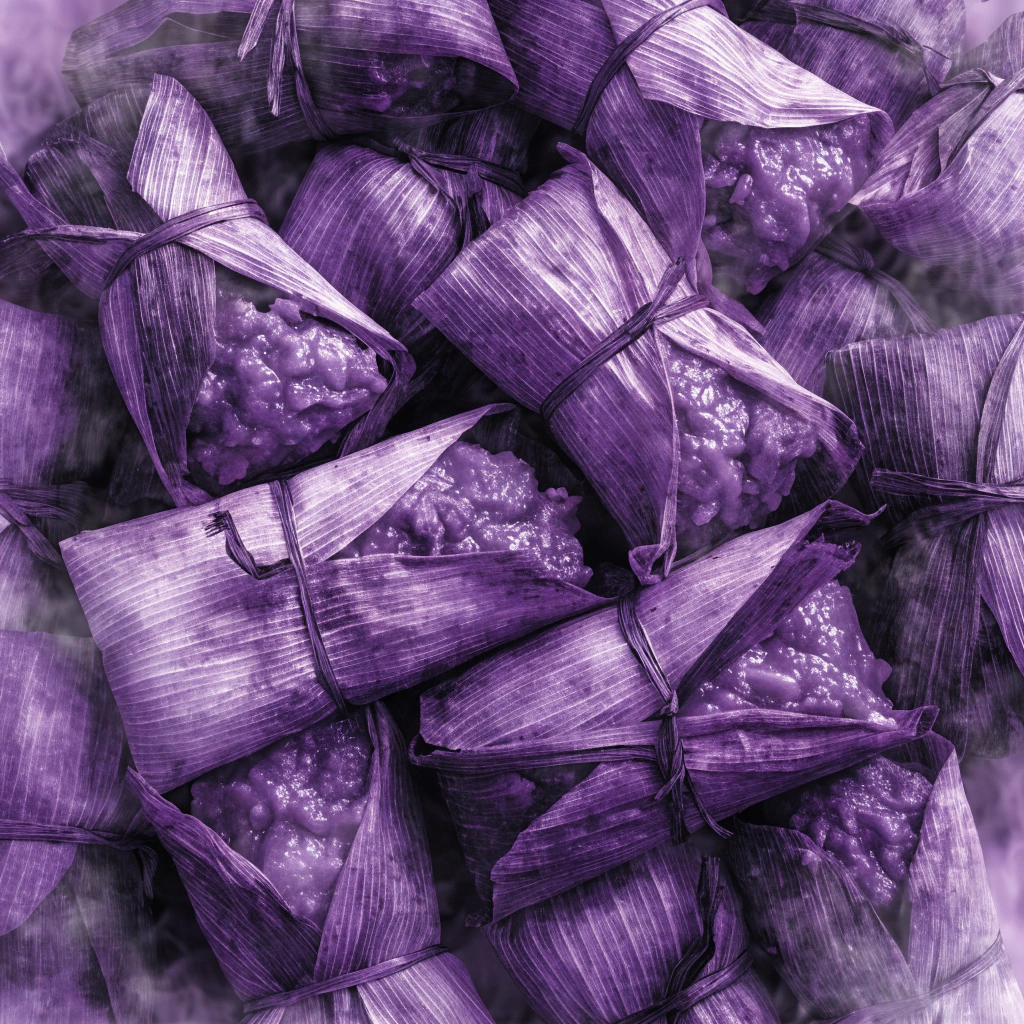
मैक्सिको का तमाल
मैक्सिको में "तमाल" एक बहुत पुराना खाना है। यह पाँच हज़ार साल से भी ज़्यादा पुराना है। पुराने समय में माया और एज़्टेक लोग इसे बहुत पसंद करते थे। आज भी लोग इसे प्यार से खाते हैं।
तमाल मक्के के आटे से बनता है। इसके अंदर मांस, सब्ज़ी या मिर्च होती है। लोग इसे मक्के या केले के पत्तों में लपेटते हैं। फिर इसे भाप में पकाते हैं।
तमाल का मतलब है "लपेटा हुआ"। यह खाना यात्रियों और शिकारियों के लिए बहुत अच्छा है। पुराने समय में लोग इसे भगवान को भी चढ़ाते थे। यह खाना बहुत स्वादिष्ट होता है।
व्याकरण स्पॉटलाइट
पैटर्न: वर्तमान काल (Present Tense - है/हैं)
"तमाल एक बहुत पुराना खाना है।"
'है' का प्रयोग एकवचन संज्ञा के लिए होता है। यह वाक्य के अंत में आता है और वर्तमान स्थिति बताता है।
पैटर्न: संबंधबोधक 'में' (Postposition 'in')
"मैक्सिको में तमाल एक बहुत पुराना खाना है।"
'में' का उपयोग स्थान या स्थिति बताने के लिए किया जाता है। यह हमेशा संज्ञा के बाद आता है।
अपनी समझ जाँचें
10 सवाल · A1 शुरुआती · 1 मुफ्त प्रीव्यू
इस लेख से आपने जो सीखा उसकी जाँच करें। सभी सवालों के जवाब दें और XP कमाएँ!
तमाल कहाँ का प्रसिद्ध खाना है?
क्या आप क्विज़ समाप्त करना चाहते हैं?
9 और सवाल आपका इंतज़ार कर रहे हैं। पूरा क्विज़ अनलॉक करने और XP कमाने के लिए मुफ्त साइन अप करें!
मुफ़्त साइन अप करोपहले से अकाउंट है? साइन इन करो
बहुत बढ़िया!
अभ्यास जारी रखें!
पहले से पूर्ण — कोई अतिरिक्त XP नहीं
XP कमाने के लिए साइन अप करोसवालों का विवरण
तमाल कहाँ का प्रसिद्ध खाना है?
आपका जवाब:
सही जवाब: मैक्सिको
तमाल एक नया खाना है।
आपका जवाब:
सही जवाब: गलत
'स्वादिष्ट' शब्द का क्या अर्थ है?
आपका जवाब:
सही जवाब: बहुत अच्छा स्वाद
तमाल मक्के के _____ से बनता है।
आपका जवाब:
सही जवाब: आटे
मेक्सिको के स्वादिष्ट तमालेस का इतिहास
मेक्सिको में एक बहुत पुराना और स्वादिष्ट खाना है जिसे "तमालेस" कहते हैं। यह खाना 5,000 साल से भी ज़्यादा पुराना है। ओलमेक, माया और एज़्टेक जैसी पुरानी सभ्यताएँ इसे खाती थीं। तमालेस उनके लिए बहुत महत्वपूर्ण खाना था।
तमालेस को ले जाना आसान था। इसलिए शिकारी, यात्री और सैनिक इसे अपने साथ ले जाते थे। यह उनके लिए अच्छा खाना था क्योंकि यह उन्हें ताकत देता था। पुराने समय में, तमालेस को पवित्र माना जाता था। लोग इसे देवताओं को चढ़ाते थे। यह पूजा का एक हिस्सा था।
"तमाल" शब्द "तमाल्ली" से आया है। यह नहुआत्ल भाषा का शब्द है जिसका मतलब है "लपेटा हुआ"। तमालेस मक्के के आटे से बनते हैं और उनके अंदर मांस या सब्ज़ियाँ भरी जाती हैं। फिर उन्हें मक्के के पत्तों में लपेटकर भाप में पकाया जाता है।
आज भी मेक्सिको में लोग तमालेस बहुत पसंद करते हैं। वे इसे सुबह के नाश्ते में या त्योहारों पर खाते हैं। यह उनका पारंपरिक खाना है और इसे बनाना एक खास कला है। बच्चे और बड़े सभी इसे मज़े से खाते हैं।
व्याकरण स्पॉटलाइट
पैटर्न: भूतकाल में क्रिया का प्रयोग (Past Tense Verb Usage)
"ओलमेक, माया और एज़्टेक जैसी पुरानी सभ्यताएँ इसे खाती थीं।"
भूतकाल में किसी आदत या लगातार हुई क्रिया को बताने के लिए क्रिया के साथ 'था', 'थी', 'थे' का प्रयोग होता है। 'खाती थीं' बताता है कि वे इसे नियमित रूप से खाते थे। 'था' पुल्लिंग एकवचन, 'थी' स्त्रीलिंग एकवचन और 'थे' या 'थीं' बहुवचन के लिए प्रयोग होता है।
पैटर्न: के लिए (For/Because of)
"तमालेस उनके लिए बहुत महत्वपूर्ण खाना था।"
'के लिए' एक पोस्टपोज़िशन है जिसका अर्थ 'for' या 'on behalf of' होता है। यह बताता है कि कोई चीज़ किसके वास्ते है या किस उद्देश्य से है। यह हमेशा संज्ञा या सर्वनाम के बाद आता है।
अपनी समझ जाँचें
11 सवाल · A2 बिगिनर · 1 मुफ्त प्रीव्यू
इस लेख से आपने जो सीखा उसकी जाँच करें। सभी सवालों के जवाब दें और XP कमाएँ!
तमालेस कितने साल से भी ज़्यादा पुराना खाना है?
क्या आप क्विज़ समाप्त करना चाहते हैं?
10 और सवाल आपका इंतज़ार कर रहे हैं। पूरा क्विज़ अनलॉक करने और XP कमाने के लिए मुफ्त साइन अप करें!
मुफ़्त साइन अप करोपहले से अकाउंट है? साइन इन करो
बहुत बढ़िया!
अभ्यास जारी रखें!
पहले से पूर्ण — कोई अतिरिक्त XP नहीं
XP कमाने के लिए साइन अप करोसवालों का विवरण
तमालेस कितने साल से भी ज़्यादा पुराना खाना है?
आपका जवाब:
सही जवाब: 5,000 साल
तमालेस को ले जाना मुश्किल था।
आपका जवाब:
सही जवाब: गलत
शब्द "पवित्र" का क्या अर्थ है?
आपका जवाब:
सही जवाब: धार्मिक रूप से शुद्ध और पूजनीय
तमालेस मक्के के _____ से बनते हैं।
आपका जवाब:
सही जवाब: आटे
"तमाल" शब्द किस भाषा से आया है?
आपका जवाब:
सही जवाब: नहुआत्ल
मेक्सिको का प्राचीन स्वाद: तमाले की कहानी
मेक्सिको के इतिहास में 'तमाले' का स्थान बहुत महत्वपूर्ण रहा है। यह भोजन ५,००० से भी अधिक वर्षों से खाया जा रहा है। प्राचीन काल में ओल्मेक, माया और एज़्टेक जैसी सभ्यताओं के लिए यह एक मुख्य आहार था। तमाले को मक्के के आटे से बनाया जाता है और इसे अक्सर मांस या सब्जियों से भरा जाता है।
तमाले की सबसे बड़ी विशेषता इसकी सुवाह्यता है। प्राचीन समय में, शिकारियों और यात्रियों के लिए इसे अपने साथ ले जाना बहुत आसान होता था। जो योद्धा युद्ध के लिए दूर जाते थे, वे तमाले को एक शक्तिवर्धक भोजन के रूप में इस्तेमाल करते थे। इसे मक्के के पत्तों में लपेटा जाता है, जिससे यह लंबे समय तक ताज़ा रहता है।
इतिहासकारों के अनुसार, प्राचीन काल में तमाले को केवल भोजन ही नहीं बल्कि देवताओं को दी जाने वाली भेंट के रूप में भी देखा जाता था। धार्मिक उत्सवों के दौरान इसे अत्यंत पवित्र माना जाता था। 'तमाले' शब्द नहुआत्ल भाषा के 'तमाली' शब्द से आया है, जिसका अर्थ है 'लपेटा हुआ'।
आज भी मेक्सिको की संस्कृति में तमाले का बहुत महत्व है। इसे विशेष अवसरों और पारिवारिक समारोहों में बड़े चाव से खाया जाता है। यद्यपि समय बदल गया है, लेकिन तमाले बनाने की पारंपरिक विधि आज भी वैसी ही है जैसी सदियों पहले थी। यह व्यंजन न केवल पेट भरता है, बल्कि मेक्सिको की समृद्ध विरासत की याद भी दिलाता है।
व्याकरण स्पॉटलाइट
पैटर्न: कर्मवाच्य (Passive Voice)
"यह भोजन ५,००० से भी अधिक वर्षों से खाया जा रहा है।"
जब वाक्य में कर्ता (subject) के बजाय कर्म (object) को प्राथमिकता दी जाती है, तो उसे कर्मवाच्य कहते हैं। यहाँ 'जा रहा है' का प्रयोग निरंतरता दर्शाने के लिए किया गया है।
पैटर्न: संबंधवाचक उपवाक्य (Relative Clauses)
"जो योद्धा युद्ध के लिए दूर जाते थे, वे तमाले को एक शक्तिवर्धक भोजन के रूप में इस्तेमाल करते थे।"
'जो... वे' का प्रयोग दो वाक्यों को जोड़ने और संज्ञा की विशेषता बताने के लिए किया जाता है। यह जटिल वाक्यों के निर्माण में सहायक होता है।
अपनी समझ जाँचें
11 सवाल · B1 मध्यम · 1 मुफ्त प्रीव्यू
इस लेख से आपने जो सीखा उसकी जाँच करें। सभी सवालों के जवाब दें और XP कमाएँ!
तमाले कितने वर्षों से खाया जा रहा है?
क्या आप क्विज़ समाप्त करना चाहते हैं?
10 और सवाल आपका इंतज़ार कर रहे हैं। पूरा क्विज़ अनलॉक करने और XP कमाने के लिए मुफ्त साइन अप करें!
मुफ़्त साइन अप करोपहले से अकाउंट है? साइन इन करो
बहुत बढ़िया!
अभ्यास जारी रखें!
पहले से पूर्ण — कोई अतिरिक्त XP नहीं
XP कमाने के लिए साइन अप करोसवालों का विवरण
तमाले कितने वर्षों से खाया जा रहा है?
आपका जवाब:
सही जवाब: ५,००० से अधिक वर्ष
प्राचीन काल में तमाले को केवल मांस से ही भरा जाता था।
आपका जवाब:
सही जवाब: गलत
'लपेटा हुआ' का अर्थ नहुआत्ल भाषा में क्या है?
आपका जवाब:
सही जवाब: तमाली
तमाले को _____ के पत्तों में लपेटा जाता है ताकि वह ताज़ा रहे।
आपका जवाब:
सही जवाब: मक्के
योद्धा तमाले का उपयोग क्यों करते थे?
आपका जवाब:
सही जवाब: शक्तिवर्धक भोजन के रूप में
The Cultural Resilience of the Tamal: From Sacred Rituals to Global Staple
Throughout the extensive history of the Americas, few culinary items have demonstrated as much cultural resilience as the tamal. Originating over five millennia ago, this maize-based dish has served as a fundamental staple for the Olmec, Maya, and Aztec civilizations. While modern consumers might view it as a convenient street food, its historical significance is deeply rooted in the socio-political and spiritual fabric of Mesoamerican societies.
One of the primary reasons for the tamal's endurance was its remarkable portability. In an era where long-distance travel and military campaigns were common, having a nutritious, pre-packaged meal was essential. Consequently, warriors and hunters relied heavily on these 'wrapped' delicacies. The term 'tamal' itself is derived from the Nahuatl word 'tamalli,' which literally translates to 'wrapped.' This physical characteristic allowed the food to be transported across vast distances without spoiling, facilitating the expansion of ancient empires.
Beyond its practical utility, the tamal occupied a sacred position within religious rituals. It was frequently utilized as a symbolic offering to the gods, representing the connection between the earth and the divine. Historical records suggest that specific types of tamales were prepared for various festivals, with ingredients chosen to reflect the nature of the deity being honored. Not only were they consumed by the elite, but they were also integrated into the communal identity of the general population.
Furthermore, the evolution of the tamal reflects the broader history of cultural exchange in Mexico. Following the Spanish conquest, new ingredients such as lard and pork were introduced, yet the core technique of steaming maize dough in a leaf remained unchanged. This synthesis of indigenous traditions and foreign influences has resulted in the diverse variety of tamales found across Mexico today.
In conclusion, the tamal is far more than a simple dish; it is a living artifact of history. By examining its journey from a ritualistic offering to a contemporary dietary staple, one can appreciate the complex layers of Mexican heritage. The tamal continues to flourish, serving as a testament to the ingenuity and spiritual depth of the civilizations that first created it.
व्याकरण स्पॉटलाइट
पैटर्न: Inversion for Emphasis
"Not only were they consumed by the elite, but they were also integrated into the communal identity..."
This structure is used to emphasize a point by reversing the subject and the auxiliary verb after a negative expression. It creates a formal and dramatic tone suitable for B2 level writing.
पैटर्न: Passive Voice
"It was frequently utilized as a symbolic offering to the gods..."
The passive voice is used here because the action (utilizing the tamal) and the object (the tamal) are more important than the specific people performing the action. It is formed using 'to be' + past participle.
पैटर्न: Non-defining Relative Clause
"The term 'tamal' itself is derived from the Nahuatl word 'tamalli,' which literally translates to 'wrapped.'"
This clause provides extra, non-essential information about a noun. It is separated from the rest of the sentence by commas and usually starts with 'which' or 'who'.
अपनी समझ जाँचें
11 सवाल · B2 अपर इंटरमीडिएट · 1 मुफ्त प्रीव्यू
इस लेख से आपने जो सीखा उसकी जाँच करें। सभी सवालों के जवाब दें और XP कमाएँ!
What was a primary reason for the tamal's importance to ancient warriors?
क्या आप क्विज़ समाप्त करना चाहते हैं?
10 और सवाल आपका इंतज़ार कर रहे हैं। पूरा क्विज़ अनलॉक करने और XP कमाने के लिए मुफ्त साइन अप करें!
मुफ़्त साइन अप करोपहले से अकाउंट है? साइन इन करो
बहुत बढ़िया!
अभ्यास जारी रखें!
पहले से पूर्ण — कोई अतिरिक्त XP नहीं
XP कमाने के लिए साइन अप करोसवालों का विवरण
What was a primary reason for the tamal's importance to ancient warriors?
आपका जवाब:
सही जवाब: Its remarkable portability
The core steaming technique of tamales was changed after the Spanish conquest.
आपका जवाब:
सही जवाब: गलत
What does 'staple' mean in the context of the article?
आपका जवाब:
सही जवाब: A main or fundamental food item
The tamal is described in the conclusion as a living _____ of history.
आपका जवाब:
सही जवाब: artifact
What does the Nahuatl word 'tamalli' translate to?
आपका जवाब:
सही जवाब: Wrapped
मेक्सिको की सांस्कृतिक धरोहर: तमाले का ऐतिहासिक और आध्यात्मिक सफर
मेक्सिको के पाक-कला परिदृश्य में, 'तमाले' मात्र एक खाद्य पदार्थ नहीं, अपितु एक ऐतिहासिक दस्तावेज़ है जो सहस्राब्दियों की गाथा कहता है। इसकी जड़ें ओल्मेक, माया और एज़्टेक सभ्यताओं की गहराई में इतनी पैठी हुई हैं कि इसके बिना मेक्सिको के इतिहास की कल्पना करना भी दुष्कर प्रतीत होता है। पाँच हज़ार वर्षों से भी अधिक पुरानी यह परंपरा आज भी उतनी ही जीवंत है जितनी कि प्राचीन काल में थी। तमाले की महत्ता का अंदाज़ा इसी बात से लगाया जा सकता है कि यह न केवल पोषण का स्रोत था, बल्कि प्राचीन सभ्यताओं के सामाजिक और धार्मिक ताने-बाने का एक अविभाज्य अंग भी था।
प्राचीन मेक्सिको की महान सभ्यताओं के लिए तमाले की सुवाह्यता इसकी सबसे बड़ी विशेषता थी। शिकारियों, यात्रियों और विशेष रूप से युद्ध के मैदान में तैनात योद्धाओं के लिए यह एक आदर्श भोजन सिद्ध हुआ। इसे पत्तों में लपेटकर कहीं भी ले जाया जा सकता था और ज़रूरत पड़ने पर इसे दोबारा गर्म करना भी सरल था। यही कारण है कि तमाले ने उन विशाल साम्राज्यों के विस्तार में एक मूक लेकिन महत्वपूर्ण भूमिका निभाई। योद्धाओं की ऊर्जा बनाए रखने के लिए तमाले से बेहतर कोई विकल्प नहीं था, क्योंकि यह पोषक तत्वों से भरपूर और लंबे समय तक सुरक्षित रहने वाला व्यंजन था।
इतिहास के पन्नों को पलटें तो ज्ञात होता है कि तमाले का महत्व केवल भौतिक आवश्यकताओं तक सीमित नहीं था। इसे अत्यंत पवित्र माना जाता था और विभिन्न धार्मिक अनुष्ठानों में देवताओं को अर्पण के रूप में चढ़ाया जाता था। एज़्टेक और माया संस्कृति में, मकई को जीवन का प्रतीक माना जाता था, और मकई के आटे से बने तमाले को ईश्वर और मनुष्य के बीच एक सेतु के रूप में देखा जाता था। 'तमाले' शब्द की व्युत्पत्ति नहुआतल भाषा के शब्द 'तमाली' से हुई है, जिसका शाब्दिक अर्थ है 'लिपटा हुआ'। यह 'लिपटना' केवल सुरक्षा के लिए नहीं था, बल्कि यह उस रहस्यवाद का भी परिचायक था जो प्राचीन लोग अपनी पवित्र वस्तुओं के साथ जोड़ते थे।
आज के आधुनिक मेक्सिको में, तमाले का स्वरूप भले ही थोड़ा बदल गया हो, लेकिन इसकी आत्मा वही है। यह आज भी पारिवारिक समारोहों और राष्ट्रीय त्योहारों का केंद्र बिंदु बना हुआ है। तमाले बनाने की प्रक्रिया, जिसे 'तमालदा' कहा जाता है, अपने आप में एक सामुदायिक उत्सव है जहाँ परिवार की कई पीढ़ियाँ एक साथ बैठकर इसे तैयार करती हैं। यह प्रक्रिया न केवल पाक-कौशल का हस्तांतरण है, बल्कि सांस्कृतिक मूल्यों और कहानियों को अगली पीढ़ी तक पहुँचाने का एक माध्यम भी है।
निष्कर्षतः, तमाले मेक्सिको की उस अटूट परंपरा का प्रतीक है जिसने समय की मार को झेलते हुए भी अपनी मौलिकता को बनाए रखा है। यह व्यंजन हमें याद दिलाता है कि भोजन केवल स्वाद के लिए नहीं होता, बल्कि वह इतिहास, आध्यात्मिकता और सामुदायिक एकता का संवाहक भी होता है। तमाले के हर निवाले में हज़ारों वर्षों का संघर्ष, श्रद्धा और मेक्सिको की मिट्टी की महक समाहित है।
व्याकरण स्पॉटलाइट
पैटर्न: न केवल... अपितु (Not only... but also)
"तमाले की महत्ता का अंदाज़ा इसी बात से लगाया जा सकता है कि यह न केवल पोषण का स्रोत था, बल्कि प्राचीन सभ्यताओं के सामाजिक और धार्मिक ताने-बाने का एक अविभाज्य अंग भी था।"
यह एक कोरिलेटिव कंजंक्शन है जो दो समान महत्व वाले विचारों को जोड़ने के लिए उपयोग किया जाता है। 'अपितु' का प्रयोग 'बल्कि' के स्थान पर अधिक औपचारिक और साहित्यिक संदर्भों में किया जाता है।
पैटर्न: संज्ञाकरण (Nominalisation)
"योद्धाओं की ऊर्जा बनाए रखने के लिए तमाले से बेहतर कोई विकल्प नहीं था।"
यहाँ 'बनाए रखना' क्रिया को 'बनाए रखने' के रूप में संज्ञा की तरह उपयोग किया गया है। C1 स्तर पर, क्रियार्थक संज्ञाओं का प्रयोग वाक्यों को अधिक जटिल और संक्षिप्त बनाने के लिए किया जाता है।
पैटर्न: व्युत्क्रम और बल (Inversion for Emphasis)
"पाँच हज़ार वर्षों से भी अधिक पुरानी यह परंपरा आज भी उतनी ही जीवंत है जितनी कि प्राचीन काल में थी।"
इस वाक्य में समय सूचक वाक्यांश को वाक्य के प्रारंभ में रखकर परंपरा की प्राचीनता पर विशेष बल दिया गया है, जो सामान्य वाक्य विन्यास से भिन्न है।
अपनी समझ जाँचें
12 सवाल · C1 उन्नत · 1 मुफ्त प्रीव्यू
इस लेख से आपने जो सीखा उसकी जाँच करें। सभी सवालों के जवाब दें और XP कमाएँ!
प्राचीन सभ्यताओं के लिए तमाले का सबसे व्यावहारिक लाभ क्या था?
क्या आप क्विज़ समाप्त करना चाहते हैं?
11 और सवाल आपका इंतज़ार कर रहे हैं। पूरा क्विज़ अनलॉक करने और XP कमाने के लिए मुफ्त साइन अप करें!
मुफ़्त साइन अप करोपहले से अकाउंट है? साइन इन करो
बहुत बढ़िया!
अभ्यास जारी रखें!
पहले से पूर्ण — कोई अतिरिक्त XP नहीं
XP कमाने के लिए साइन अप करोसवालों का विवरण
प्राचीन सभ्यताओं के लिए तमाले का सबसे व्यावहारिक लाभ क्या था?
आपका जवाब:
सही जवाब: इसकी सुवाह्यता और टिकाऊपन
एज़्टेक और माया सभ्यताओं में तमाले का कोई धार्मिक महत्व नहीं था।
आपका जवाब:
सही जवाब: गलत
'व्युत्पत्ति' शब्द का सही अर्थ क्या है?
आपका जवाब:
सही जवाब: शब्द के मूल का अध्ययन
तमाले शब्द नहुआतल भाषा के _____ शब्द से आया है जिसका अर्थ है 'लिपटा हुआ'।
आपका जवाब:
सही जवाब: तमाली
'तमालदा' शब्द किस प्रक्रिया को संदर्भित करता है?
आपका जवाब:
सही जवाब: सामुदायिक रूप से तमाले बनाने का उत्सव
प्राचीन काल में योद्धाओं के लिए तमाले ऊर्जा का एक मुख्य स्रोत थे।
आपका जवाब:
सही जवाब: सही
The Tamal: A Culinary Palimpsest of Mesoamerican Ontological Identity
The tamal stands as a culinary palimpsest, a testament to the enduring legacy of Mesoamerican civilizations that transcends mere sustenance to inhabit the realm of the sacred. Dating back over five millennia, this wrapped parcel of nixtamalized corn dough represents a sophisticated confluence of agricultural ingenuity and ritualistic devotion. Far from being a peripheral snack, the tamal was a quintessential bedrock for the Olmec, Maya, and Aztec civilizations. Were one to scrutinize the archaeological record, one would find that its prominence was predicated not merely on nutritional density but on its unparalleled portability. For the ancient hunter, the itinerant merchant, or the mobilizing warrior, the tamal provided a logistical advantage that few other foodstuffs could replicate, serving as a durable provision in the demanding topographies of the Americas.
Etymologically, the term 'tamal' finds its provenance in the Nahuatl word 'tamalli,' meaning 'wrapped.' Yet, the act of wrapping signifies more than a pragmatic containment of ingredients; it reflects an esoteric symbolism tied to the cycle of life and the protection of the germinal essence. In the pre-Hispanic worldview, maize was not merely a crop but a divine substance from which humanity itself was fashioned. Consequently, the tamal was inextricably linked to the divine, frequently appearing in codices as a ritualistic offering to the gods. During the 'Atlcahualo' festival, for instance, specific varieties were prepared to appease the rain deities, suggesting that the preparation of tamales was as much a liturgical act as it was a domestic one.
With the arrival of the Spanish in the sixteenth century, the tamal underwent a process of cultural syncretism. The introduction of lard and livestock by the colonizers altered the texture and flavor profile of the traditional tamal, yet the indigenous core of the dish remained remarkably resilient. This culinary hybridization did not result in the erasure of the original form; rather, it allowed the tamal to permeate the new colonial social hierarchy. It is widely posited by historians that the tamal’s ability to adapt to new ingredients while maintaining its structural integrity is emblematic of the broader survival of indigenous identity under the pressure of European hegemony.
In contemporary Mexico, the ubiquity of the tamal persists, though it has transitioned from a sacred offering to a symbol of communal conviviality. Whether it be the 'tamaliza' during the Candelaria feast or the daily ritual of a morning 'guajolota' (a tamal sandwich) in the bustling streets of Mexico City, the food remains a focal point of social cohesion. However, to view the tamal solely through the lens of modern street food is to overlook its analytical depth. Each regional variation—from the banana-leaf-wrapped tamales of Oaxacan tradition to the cornhusk-bound versions of the north—serves as a vestige of localized ecological knowledge and ancestral heritage.
Lest the cultural significance be understated, one must acknowledge that the tamal is a vessel of pedagogical transmission. The labor-intensive process of nixtamalization, grinding, and folding is typically a collective endeavor, often passed down through matrilineal lines. This ensures that the esoteric knowledge of the past is preserved in the present. In an era of increasing culinary homogenization, the tamal remains an indomitable icon of Mexican idiosyncrasy. It is not merely a dish; it is a historical document, wrapped in husk and steamed in the vapors of a thousand-year-old tradition, reminding us that the past is never truly consumed, but rather, continually reinterpreted.
व्याकरण स्पॉटलाइट
पैटर्न: Inverted Conditional (Were... to)
"Were one to scrutinize the archaeological record, one would find that its prominence was predicated not merely on nutritional density..."
This is a formal alternative to 'If one were to scrutinize'. It uses an inverted structure to provide a more academic and hypothetical tone, common in C2 writing.
पैटर्न: Negative Purpose Clause (Lest)
"Lest the cultural significance be understated, one must acknowledge that the tamal is a vessel of pedagogical transmission."
The word 'lest' is used to express a negative purpose, meaning 'to avoid the risk of'. It is followed by the subjunctive mood ('be understated').
पैटर्न: Academic Hedging
"It is widely posited by historians that the tamal’s ability to adapt to new ingredients..."
The phrase 'It is widely posited' is a form of hedging. It attributes an idea to a general academic consensus without making an absolute claim of truth.
अपनी समझ जाँचें
12 सवाल · C2 महारत · 1 मुफ्त प्रीव्यू
इस लेख से आपने जो सीखा उसकी जाँच करें। सभी सवालों के जवाब दें और XP कमाएँ!
What does the author imply by calling the tamal a 'culinary palimpsest'?
क्या आप क्विज़ समाप्त करना चाहते हैं?
11 और सवाल आपका इंतज़ार कर रहे हैं। पूरा क्विज़ अनलॉक करने और XP कमाने के लिए मुफ्त साइन अप करें!
मुफ़्त साइन अप करोपहले से अकाउंट है? साइन इन करो
बहुत बढ़िया!
अभ्यास जारी रखें!
पहले से पूर्ण — कोई अतिरिक्त XP नहीं
XP कमाने के लिए साइन अप करोसवालों का विवरण
What does the author imply by calling the tamal a 'culinary palimpsest'?
आपका जवाब:
सही जवाब: It is a dish that has been layered with different cultural influences over time while retaining traces of its past.
The introduction of Spanish ingredients like lard led to the total replacement of indigenous tamal recipes.
आपका जवाब:
सही जवाब: गलत
What does 'esoteric' mean in the context of the article?
आपका जवाब:
सही जवाब: Specialized knowledge intended for a small, initiated group.
The tamal was _____ linked to the divine in pre-Hispanic cultures.
आपका जवाब:
सही जवाब: inextricably
According to the article, why was the tamal particularly valued by ancient warriors and travelers?
आपका जवाब:
सही जवाब: Its portability and durability in difficult terrains.
The preparation of tamales is described as a collective endeavor often passed down through female family lines.
आपका जवाब:
सही जवाब: सही

