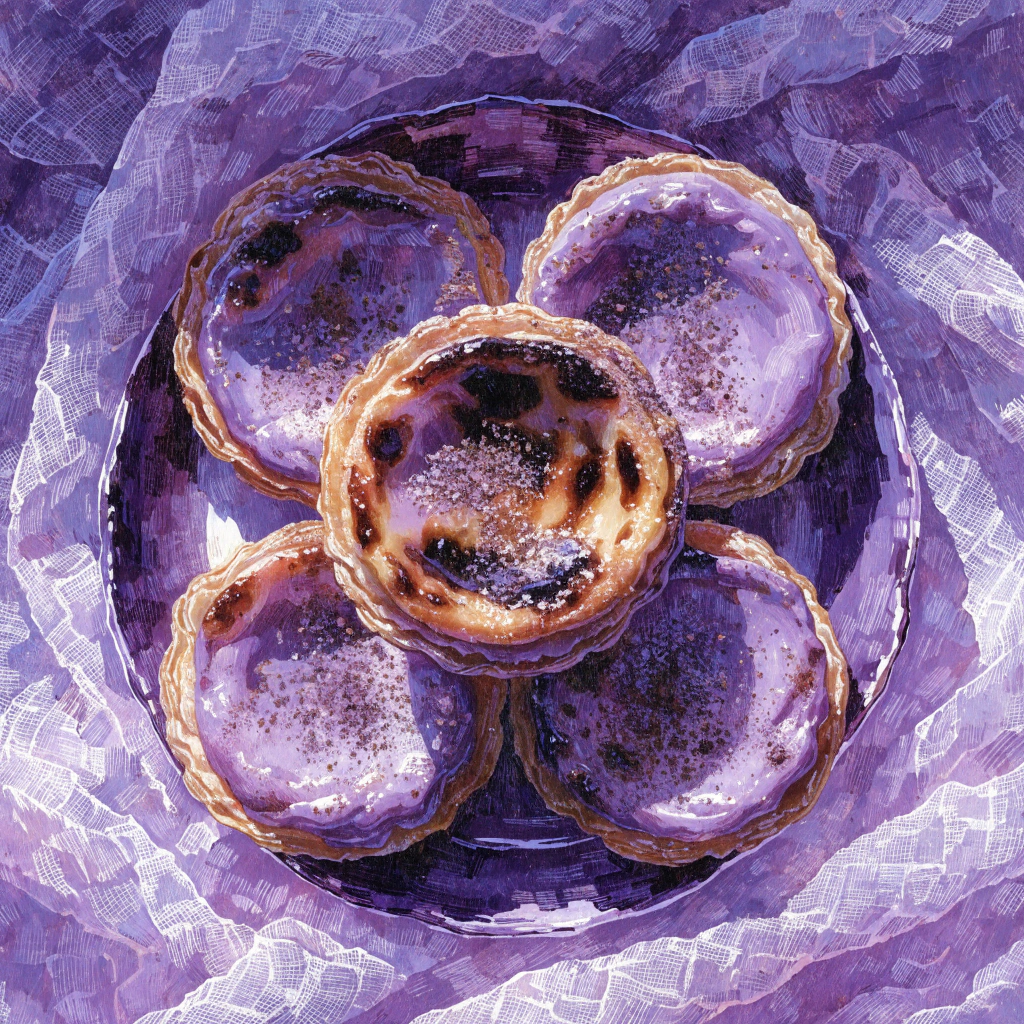
A Sweet Portuguese Treat
Portugal is a beautiful country. It has a very famous dessert. It is called Pastel de Nata. Many people love this small cake. It is a custard tart. It has egg yolks, milk, and sugar. The outside is thin and crispy. Long ago, monks in a monastery made the first cakes. Today, you can buy them in every cafe in Lisbon. People eat them with coffee. They are very delicious and sweet. Everyone enjoys this Portuguese tradition.
व्याकरण स्पॉटलाइट
पैटर्न: Present Simple (to be)
"Portugal is a beautiful country."
We use 'is' with singular subjects like Portugal to describe a state or fact. It is the most common verb for beginners.
पैटर्न: Present Simple (Regular Verbs)
"People eat them with coffee."
We use the base form of the verb 'eat' for plural subjects like 'people'. This shows a general habit or routine.
अपनी समझ जाँचें
10 सवाल · A1 शुरुआती · 1 मुफ्त प्रीव्यू
इस लेख से आपने जो सीखा उसकी जाँच करें। सभी सवालों के जवाब दें और XP कमाएँ!
Where is the Pastel de Nata from?
क्या आप क्विज़ समाप्त करना चाहते हैं?
9 और सवाल आपका इंतज़ार कर रहे हैं। पूरा क्विज़ अनलॉक करने और XP कमाने के लिए मुफ्त साइन अप करें!
मुफ़्त साइन अप करोपहले से अकाउंट है? साइन इन करो
बहुत बढ़िया!
अभ्यास जारी रखें!
पहले से पूर्ण — कोई अतिरिक्त XP नहीं
XP कमाने के लिए साइन अप करोसवालों का विवरण
Where is the Pastel de Nata from?
आपका जवाब:
सही जवाब: Portugal
The Pastel de Nata is a custard tart.
आपका जवाब:
सही जवाब: सही
What does 'delicious' mean?
आपका जवाब:
सही जवाब: Tastes very good
People eat them with _____.
आपका जवाब:
सही जवाब: coffee
पुर्तगाल की प्रसिद्ध मिठाई: पास्टेल डी नाटा
पास्टेल डी नाटा पुर्तगाल की एक बहुत प्रसिद्ध मिठाई है। यह एक छोटा सा कस्टर्ड टार्ट है जो खाने में बहुत स्वादिष्ट होता है। आज यह पूरी दुनिया में लोकप्रिय है, लेकिन इसकी कहानी बहुत पुरानी है।
अठारहवीं शताब्दी में, लिस्बन के जेरोनिमोस मठ में भिक्षु रहते थे। उस समय भिक्षु अपने धार्मिक कपड़ों को साफ और कड़क रखने के लिए अंडे के सफेद हिस्से का उपयोग करते थे। इस वजह से उनके पास बहुत सारे अंडे की जर्दी बच जाती थी। उन्होंने इस बची हुई जर्दी से अलग-अलग तरह की मीठी चीजें बनाना शुरू किया।
पास्टेल डी नाटा उन्हीं मिठाइयों में से एक थी। 1834 में मठ बंद होने के बाद, भिक्षुओं ने यह नुस्खा एक चीनी रिफाइनरी को बेच दिया। बाद में वहाँ एक दुकान खुली जो आज भी प्रसिद्ध है। आज लोग इसे गरम कॉफी के साथ खाना पसंद करते हैं। इसके ऊपर दालचीनी और पिसी हुई चीनी डालकर खाना और भी अच्छा लगता है। यदि आप पुर्तगाल की यात्रा करते हैं, तो इसे चखना न भूलें।
व्याकरण स्पॉटलाइट
पैटर्न: था / थी / थे (भूतकाल)
"पास्टेल डी नाटा उन्हीं मिठाइयों में से एक थी।"
यह क्रिया 'होना' का भूतकाल रूप है। यहाँ 'थी' का प्रयोग स्त्रीलिंग एकवचन मिठाई के लिए किया गया है।
पैटर्न: लेकिन (संयोजक)
"आज यह पूरी दुनिया में लोकप्रिय है, लेकिन इसकी कहानी बहुत पुरानी है।"
यह शब्द दो वाक्यों को जोड़ता है जिनमें विरोध या अंतर हो। यह 'परन्तु' के समान है।
अपनी समझ जाँचें
11 सवाल · A2 बिगिनर · 1 मुफ्त प्रीव्यू
इस लेख से आपने जो सीखा उसकी जाँच करें। सभी सवालों के जवाब दें और XP कमाएँ!
पास्टेल डी नाटा किस देश की मिठाई है?
क्या आप क्विज़ समाप्त करना चाहते हैं?
10 और सवाल आपका इंतज़ार कर रहे हैं। पूरा क्विज़ अनलॉक करने और XP कमाने के लिए मुफ्त साइन अप करें!
मुफ़्त साइन अप करोपहले से अकाउंट है? साइन इन करो
बहुत बढ़िया!
अभ्यास जारी रखें!
पहले से पूर्ण — कोई अतिरिक्त XP नहीं
XP कमाने के लिए साइन अप करोसवालों का विवरण
पास्टेल डी नाटा किस देश की मिठाई है?
आपका जवाब:
सही जवाब: पुर्तगाल
भिक्षु अंडे की जर्दी का उपयोग कपड़े साफ करने के लिए करते थे।
आपका जवाब:
सही जवाब: गलत
'स्वादिष्ट' शब्द का क्या अर्थ है?
आपका जवाब:
सही जवाब: बहुत अच्छा स्वाद
आज यह पूरी _____ में लोकप्रिय है।
आपका जवाब:
सही जवाब: दुनिया
इस मिठाई को सबसे पहले किसने बनाया था?
आपका जवाब:
सही जवाब: मठ के भिक्षुओं ने
Pastel de Nata: A Sweet Taste of Portuguese History
Portugal is famous for many things, but nothing is more iconic than the Pastel de Nata. This delicious custard tart, which is known for its creamy center and crispy crust, has been enjoyed by locals and tourists for centuries. If you visit Lisbon today, you will see these golden pastries in almost every bakery window.
The history of this sweet treat is deeply rooted in religious tradition. It was created by monks who lived at the Jerónimos Monastery in the district of Belém. During the 18th century, huge quantities of egg whites were used to starch religious robes. This process left a significant surplus of egg yolks. To avoid wasting these ingredients, the monks and nuns developed various recipes for sweet pastries.
After the Liberal Revolution in 1820, many religious orders were closed. To earn money, the monks began selling their custard tarts at a nearby sugar refinery. In 1837, the 'Fábrica de Pastéis de Belém' was opened, and the original recipe is still kept secret by the owners today. Only a few master chefs know the exact ingredients that are used to make the authentic version.
These tarts are usually served warm, straight from the oven. They are often topped with a sprinkle of cinnamon and powdered sugar, which adds a wonderful aroma. Today, the Pastel de Nata has become a global ambassador for Portuguese culture. It has been exported to cities all over the world, from London to New York and Macau.
For many travelers, eating a Pastel de Nata is an essential part of the Portuguese experience. It is a simple dessert that connects the past with the present. Whether you enjoy it with a strong cup of coffee or as a quick afternoon snack, it remains a timeless symbol of Portugal's culinary heritage.
व्याकरण स्पॉटलाइट
पैटर्न: Passive Voice
"It was created by monks who lived at the Jerónimos Monastery in the district of Belém."
The passive voice is formed with the verb 'to be' and the past participle. We use it when the action or the object of the action is more important than the person doing it.
पैटर्न: Present Perfect
"This delicious custard tart... has been enjoyed by locals and tourists for centuries."
The present perfect (have/has + past participle) connects the past to the present. Here, it shows that people started enjoying the tart in the past and continue to do so now.
अपनी समझ जाँचें
11 सवाल · B1 मध्यम · 1 मुफ्त प्रीव्यू
इस लेख से आपने जो सीखा उसकी जाँच करें। सभी सवालों के जवाब दें और XP कमाएँ!
Where was the Pastel de Nata originally created?
क्या आप क्विज़ समाप्त करना चाहते हैं?
10 और सवाल आपका इंतज़ार कर रहे हैं। पूरा क्विज़ अनलॉक करने और XP कमाने के लिए मुफ्त साइन अप करें!
मुफ़्त साइन अप करोपहले से अकाउंट है? साइन इन करो
बहुत बढ़िया!
अभ्यास जारी रखें!
पहले से पूर्ण — कोई अतिरिक्त XP नहीं
XP कमाने के लिए साइन अप करोसवालों का विवरण
Where was the Pastel de Nata originally created?
आपका जवाब:
सही जवाब: At the Jerónimos Monastery in Belém
The original recipe for the Pastel de Nata is known by everyone today.
आपका जवाब:
सही जवाब: गलत
What is the meaning of 'authentic'?
आपका जवाब:
सही जवाब: Real and original
The original _____ is still kept secret by the owners of the bakery today.
आपका जवाब:
सही जवाब: recipe
Why did the monks have so many leftover egg yolks?
आपका जवाब:
सही जवाब: They used egg whites to starch their robes
पुर्तगाली संस्कृति का मीठा प्रतीक: पास्टेल डे नाटा का इतिहास और लोकप्रियता
पास्टेल डे नाटा केवल एक साधारण मिठाई नहीं है, बल्कि यह पुर्तगाली संस्कृति का एक वैश्विक राजदूत बन चुका है। कस्टर्ड से भरी यह छोटी सी पेस्ट्री पुर्तगाल की पहचान का अभिन्न हिस्सा है, जिसकी जड़ें 18वीं शताब्दी की धार्मिक परंपराओं में गहराई से समाई हुई हैं। लिस्बन के बेलेम स्थित जेरोनमोस मठ के भिक्षुओं द्वारा इस व्यंजन का आविष्कार किया गया था। उस समय, मठों में धार्मिक पोशाकों को कड़ा करने के लिए अंडे की सफेदी का भारी मात्रा में उपयोग किया जाता था। इस प्रक्रिया के परिणामस्वरूप अंडे की जर्दी का एक बड़ा अधिशेष बच जाता था, जिसका उपयोग भिक्षुओं और नन ने विभिन्न प्रकार की मिठाइयां बनाने के लिए किया।
1820 की उदारवादी क्रांति के बाद, पुर्तगाल के कई मठों को बंद करने का आदेश दिया गया। अपनी जीविका चलाने के लिए, भिक्षुओं ने मठ के पास स्थित एक चीनी रिफाइनरी को अपनी गुप्त रेसिपी बेच दी। इसके परिणामस्वरूप, 1837 में प्रसिद्ध 'फेब्रिका डी पास्टिस डी बेलेम' की स्थापना हुई, जो आज भी उसी प्राचीन विधि का उपयोग करके इन पेस्ट्री को बनाती है। यह स्थान आज पर्यटकों और स्थानीय लोगों के लिए एक तीर्थस्थल के समान है, जहाँ लोग ताज़ा और गर्म पास्टेल डे नाटा का आनंद लेने के लिए लंबी कतारों में खड़े रहते हैं।
एक आदर्श पास्टेल डे नाटा की विशेषता इसकी बनावट में निहित है। इसकी बाहरी परत कुरकुरी और परतदार होनी चाहिए, जबकि भीतर का कस्टर्ड मलाईदार और हल्का मीठा होना चाहिए। पारंपरिक रूप से इसे दालचीनी और पिसी हुई चीनी छिड़क कर परोसा जाता है। यद्यपि आज यह दुनिया भर के कैफे और बेकरियों में उपलब्ध है, तथापि बेलेम की मूल रेसिपी आज भी एक रहस्य बनी हुई है, जिसे केवल कुछ ही लोग जानते हैं।
सांस्कृतिक दृष्टिकोण से, पास्टेल डे नाटा पुर्तगाल की लचीली और रचनात्मक विरासत का प्रतीक है। यह दर्शाता है कि कैसे एक साधारण आवश्यकता से जन्मी चीज़ समय के साथ एक राष्ट्रीय गौरव बन सकती है। आज, यह व्यंजन न केवल पुर्तगाल की अर्थव्यवस्था में योगदान देता है, बल्कि यह दुनिया भर के लोगों को पुर्तगाली इतिहास और आतिथ्य से जोड़ने का एक माध्यम भी है। यदि आप कभी लिस्बन की यात्रा करें, तो इस ऐतिहासिक स्वाद का अनुभव करना आपकी यात्रा का एक अनिवार्य हिस्सा होना चाहिए।
व्याकरण स्पॉटलाइट
पैटर्न: न केवल... बल्कि (Not only... but also)
"पास्टेल डे नाटा केवल एक साधारण मिठाई नहीं है, बल्कि यह पुर्तगाली संस्कृति का एक वैश्विक राजदूत बन चुका है।"
इस संरचना का उपयोग दो संबंधित विचारों पर ज़ोर देने के लिए किया जाता है, जहाँ दूसरा विचार पहले वाले से अधिक महत्वपूर्ण या पूरक होता है।
पैटर्न: कर्मवाच्य (Passive Voice) - 'जाना' के साथ
"जेरोनमोस मठ के भिक्षुओं द्वारा इस व्यंजन का आविष्कार किया गया था।"
हिंदी में जब कर्ता की तुलना में क्रिया या कर्म अधिक महत्वपूर्ण होता है, तब 'गया/गई' सहायक क्रिया का प्रयोग करके कर्मवाच्य बनाया जाता है।
पैटर्न: यद्यपि... तथापि (Although... yet)
"यद्यपि आज यह दुनिया भर के कैफे में उपलब्ध है, तथापि बेलेम की मूल रेसिपी आज भी एक रहस्य बनी हुई है।"
यह एक जटिल वाक्य संरचना है जिसका उपयोग दो विरोधाभासी उपवाक्यों को जोड़ने के लिए किया जाता है।
अपनी समझ जाँचें
11 सवाल · B2 अपर इंटरमीडिएट · 1 मुफ्त प्रीव्यू
इस लेख से आपने जो सीखा उसकी जाँच करें। सभी सवालों के जवाब दें और XP कमाएँ!
पास्टेल डे नाटा का आविष्कार मूल रूप से कहाँ हुआ था?
क्या आप क्विज़ समाप्त करना चाहते हैं?
10 और सवाल आपका इंतज़ार कर रहे हैं। पूरा क्विज़ अनलॉक करने और XP कमाने के लिए मुफ्त साइन अप करें!
मुफ़्त साइन अप करोपहले से अकाउंट है? साइन इन करो
बहुत बढ़िया!
अभ्यास जारी रखें!
पहले से पूर्ण — कोई अतिरिक्त XP नहीं
XP कमाने के लिए साइन अप करोसवालों का विवरण
पास्टेल डे नाटा का आविष्कार मूल रूप से कहाँ हुआ था?
आपका जवाब:
सही जवाब: जेरोनमोस मठ में
भिक्षुओं ने अंडे की सफेदी का उपयोग मिठाइयाँ बनाने के लिए किया था।
आपका जवाब:
सही जवाब: गलत
'अधिशेष' शब्द का सही अर्थ क्या है?
आपका जवाब:
सही जवाब: आवश्यकता से अधिक मात्रा
पास्टेल डे नाटा पुर्तगाली संस्कृति का एक ______ राजदूत है।
आपका जवाब:
सही जवाब: वैश्विक
1837 में किस प्रसिद्ध कारखाने की स्थापना हुई थी?
आपका जवाब:
सही जवाब: फेब्रिका डी पास्टिस डी बेलेम
Beyond the Crust: The Sociocultural Resilience of the Pastel de Nata
Rarely does a culinary artifact achieve such profound global resonance as the Pastel de Nata, the iconic Portuguese custard tart. While today it is a ubiquitous feature of international bakeries from London to Shanghai, its origins are steeped in the ecclesiastical traditions of 18th-century Lisbon. To understand the Pastel de Nata is to understand the resilience of Portuguese culture through centuries of political and social upheaval.
The narrative begins within the cloisters of the Jerónimos Monastery in Belém. During this era, the starching of religious habits was a common practice, requiring vast quantities of egg whites. This process inevitably led to a significant surplus of egg yolks, which the monks, resourceful by necessity, repurposed into various confections. It was within this environment of monastic frugality that the original recipe was born—a delicate balance of flaky puff pastry and creamy custard, charred to perfection.
However, the peaceful existence of the monastery was not to last. It was the Liberal Revolution of 1820 that ultimately catalyzed the transition of this pastry from a cloistered secret to a commercial sensation. Following the closure of many religious institutions, the monks began selling the tarts to a nearby sugar refinery to secure their livelihood. By 1837, the 'Pastéis de Belém' bakery opened its doors, utilizing the secret recipe that remains unchanged to this day. This shift from religious vestiges to a market-driven commodity illustrates the broader secularization of Portuguese society during the 19th century.
The global proliferation of the tart serves as a testament to Portugal’s colonial and modern influence. From the 'dan tat' in Macau to the gourmet versions found in New York, the Pastel de Nata has undergone various iterations. Yet, for many, the authenticity of the experience remains tied to the artisanal craftsmanship found in the streets of Lisbon. The tension between mass production and traditional methods raises poignant questions about the homogenization of global food culture. Can a mass-produced version ever truly capture the soul of the original?
Furthermore, the Pastel de Nata acts as a form of soft power. It is not merely a dessert; it is a cultural hallmark that invites international dialogue. The meticulous preparation—the specific temperature of the oven, the exact lamination of the dough—reflects a commitment to heritage that persists despite the pressures of modernization. In conclusion, the Pastel de Nata is a symbol of historical continuity. It bridges the gap between the sacred and the profane, the local and the global, and the past and the present. Its enduring popularity ensures that even as the world changes, these small, golden vestiges of Portuguese history will remain a staple of the global palate.
व्याकरण स्पॉटलाइट
पैटर्न: Inversion
"Rarely does a culinary artifact achieve such profound global resonance as the Pastel de Nata, the iconic Portuguese custard tart."
Inversion occurs when the auxiliary verb precedes the subject after restrictive adverbs like 'rarely'. It is used to add emphasis and a formal, literary tone.
पैटर्न: Cleft Sentences
"It was the Liberal Revolution of 1820 that ultimately catalyzed the transition of this pastry from a cloistered secret to a commercial sensation."
Cleft sentences use the structure 'It is/was... that...' to focus on a specific piece of information. They highlight the cause or the agent of an action.
पैटर्न: Nominalisation
"The global proliferation of the tart serves as a testament to Portugal’s colonial and modern influence."
Nominalisation turns verbs (proliferate) into nouns (proliferation). This technique allows writers to discuss complex concepts as objects, making the writing more concise and academic.
अपनी समझ जाँचें
12 सवाल · C1 उन्नत · 1 मुफ्त प्रीव्यू
इस लेख से आपने जो सीखा उसकी जाँच करें। सभी सवालों के जवाब दें और XP कमाएँ!
What was the primary reason for the abundance of egg yolks in 18th-century monasteries?
क्या आप क्विज़ समाप्त करना चाहते हैं?
11 और सवाल आपका इंतज़ार कर रहे हैं। पूरा क्विज़ अनलॉक करने और XP कमाने के लिए मुफ्त साइन अप करें!
मुफ़्त साइन अप करोपहले से अकाउंट है? साइन इन करो
बहुत बढ़िया!
अभ्यास जारी रखें!
पहले से पूर्ण — कोई अतिरिक्त XP नहीं
XP कमाने के लिए साइन अप करोसवालों का विवरण
What was the primary reason for the abundance of egg yolks in 18th-century monasteries?
आपका जवाब:
सही जवाब: Egg whites were used extensively for starching religious clothing.
The original recipe for Pastel de Nata was lost during the Liberal Revolution of 1820.
आपका जवाब:
सही जवाब: गलत
Which word describes the process of making different things uniform and similar?
आपका जवाब:
सही जवाब: Homogenization
The shift from religious _____ to a market-driven commodity illustrates secularization.
आपका जवाब:
सही जवाब: vestiges
Why did the monks initially begin selling the tarts to the public?
आपका जवाब:
सही जवाब: To maintain their livelihood after religious institutions were closed.
The Pastel de Nata is described in the text as a form of 'soft power' for Portugal.
आपका जवाब:
सही जवाब: सही
पुर्तगाली सांस्कृतिक अस्मिता का प्रतीक: पास्टेल डी नाटा का ऐतिहासिक एवं सामाजिक विश्लेषण
पुर्तगाली पाक-कला के इतिहास में 'पास्टेल डी नाटा' का स्थान केवल एक मिष्ठान्न तक सीमित नहीं है, अपितु यह पुर्तगाली सांस्कृतिक अस्मिता और वैश्विक कूटनीति का एक अपरिहार्य स्तंभ बन चुका है। लिस्बन की गलियों से निकलकर वैश्विक पटल पर छा जाने वाला यह कस्टर्ड टार्ट, अठारहवीं शताब्दी की धार्मिक परंपराओं और सामाजिक परिवर्तनों का एक जीवंत दस्तावेज है। यदि हम इसके उद्भव की परतों को खंगालें, तो हमें ज्ञात होता है कि इसका जन्म लिस्बन के बेलेम स्थित 'जेरोनimos मठ' (Mosteiro dos Jerónimos) की चारदीवारी के भीतर हुआ था। उस कालखंड में, मठवासी अपने धार्मिक चोगों और वस्त्रों को कड़ा करने के लिए अंडे की सफेदी का उपयोग 'कलफ' के रूप में किया करते थे। इस प्रक्रिया के फलस्वरूप, अंडों की जर्दी का एक विशाल अतिरेक शेष बच जाता था। अपव्यय से बचने की इसी विवशता ने मठवासियों को विभिन्न प्रकार के परिष्कृत मिष्ठान्न बनाने के लिए प्रेरित किया, जिनमें से पास्टेल डी नाटा सबसे प्रमुख बनकर उभरा।
वर्ष 1820 की उदारवादी क्रांति के पश्चात, जब पुर्तगाल में धार्मिक संस्थाओं को बंद करने का आदेश दिया गया, तब इन मठवासियों के समक्ष अस्तित्व का संकट उत्पन्न हो गया। अपनी आजीविका सुरक्षित करने हेतु, उन्होंने इस गुप्त नुस्खे को एक स्थानीय चीनी रिफाइनरी को बेच दिया। 1837 में, उसी रिफाइनरी के समीप 'फेब्रिका डी पास्टिस डी बेलेम' की स्थापना हुई, जहाँ आज भी उसी प्राचीन और गोपनीय विधि से इन टार्ट्स का निर्माण किया जाता है। यह तथ्य अत्यंत रोचक है कि आज के वैश्वीकरण के युग में भी, इस मूल व्यंजन की रेसिपी केवल मुट्ठी भर 'मास्टर शेफ' जानते हैं, जो इसे एक रहस्यमयी आभा प्रदान करता है।
पास्टेल डी नाटा की लोकप्रियता का विश्लेषण करते समय, इसके संवेदी गुणों की अनदेखी करना असंभव है। इसकी बाहरी परत की भंगुरता और उसके भीतर समाहित मखमली कस्टर्ड का सामंजस्य एक अद्वितीय गैस्ट्रोनोमिक अनुभव प्रदान करता है। दालचीनी और पिसी हुई चीनी का छिड़काव न केवल इसके स्वाद को बढ़ाता है, बल्कि यह पुर्तगाल के औपनिवेशिक इतिहास और मसालों के व्यापारिक मार्गों की भी याद दिलाता है। समकालीन परिप्रेक्ष्य में, पास्टेल डी नाटा पुर्तगाली 'सॉफ्ट पावर' का एक सशक्त माध्यम बन गया है। चीन से लेकर ब्राजील तक, यह व्यंजन पुर्तगाली विरासत के दूत के रूप में कार्य कर रहा है। अंततः, यह कहना अतिशयोक्ति नहीं होगी कि पास्टेल डी नाटा केवल चीनी और अंडों का मिश्रण नहीं है, बल्कि यह पुर्तगाल के लचीलेपन, नवाचार और उसकी गौरवशाली ऐतिहासिक निरंतरता का मधुर संश्लेषण है।
व्याकरण स्पॉटलाइट
पैटर्न: हेतुहेतुमद्भूत (Conditional Subjunctive)
"यदि हम इसके उद्भव की परतों को खंगालें, तो हमें ज्ञात होता है कि..."
यह संरचना एक काल्पनिक स्थिति या शर्त को दर्शाती है। 'यदि' के साथ क्रिया के संभाव्य रूप का प्रयोग भविष्य या सामान्य सत्य की शर्त रखने के लिए किया जाता है।
पैटर्न: कर्मवाच्य (Passive Voice)
"अंडों की जर्दी का उपयोग विभिन्न प्रकार के मिष्ठान्न बनाने हेतु किया जाता था।"
जब कर्ता की तुलना में कर्म (object) अधिक महत्वपूर्ण होता है, तब 'जाना' सहायक क्रिया के साथ मुख्य क्रिया के भूतकालिक रूप का प्रयोग किया जाता है।
पैटर्न: पूर्वकालिक क्रिया (Conjunctive Participle)
"लिस्बन की गलियों से निकलकर वैश्विक पटल पर छा जाने वाला यह कस्टर्ड टार्ट..."
जब एक क्रिया दूसरी क्रिया से पहले समाप्त होती है, तो पहली क्रिया के मूल रूप के साथ 'कर' जोड़कर पूर्वकालिक क्रिया बनाई जाती है।
अपनी समझ जाँचें
12 सवाल · C2 महारत · 1 मुफ्त प्रीव्यू
इस लेख से आपने जो सीखा उसकी जाँच करें। सभी सवालों के जवाब दें और XP कमाएँ!
मठवासियों ने अंडे की सफेदी का प्राथमिक उपयोग किस कार्य के लिए किया?
क्या आप क्विज़ समाप्त करना चाहते हैं?
11 और सवाल आपका इंतज़ार कर रहे हैं। पूरा क्विज़ अनलॉक करने और XP कमाने के लिए मुफ्त साइन अप करें!
मुफ़्त साइन अप करोपहले से अकाउंट है? साइन इन करो
बहुत बढ़िया!
अभ्यास जारी रखें!
पहले से पूर्ण — कोई अतिरिक्त XP नहीं
XP कमाने के लिए साइन अप करोसवालों का विवरण
मठवासियों ने अंडे की सफेदी का प्राथमिक उपयोग किस कार्य के लिए किया?
आपका जवाब:
सही जवाब: धार्मिक वस्त्रों को कड़ा करने के लिए
पास्टेल डी नाटा की मूल रेसिपी आज सार्वजनिक रूप से सभी शेफ के लिए उपलब्ध है।
आपका जवाब:
सही जवाब: गलत
'अतिरेक' शब्द का अनुच्छेद के संदर्भ में क्या अर्थ है?
आपका जवाब:
सही जवाब: बचा हुआ अतिरिक्त भाग
1820 की क्रांति के बाद मठवासियों ने अपनी आजीविका के लिए क्या किया?
आपका जवाब:
सही जवाब: चीनी रिफाइनरी को नुस्खा बेच दिया
पास्टेल डी नाटा की बाहरी परत की _____ और कस्टर्ड का सामंजस्य इसे अद्वितीय बनाता है।
आपका जवाब:
सही जवाब: भंगुरता
दालचीनी का उपयोग पुर्तगाल के औपनिवेशिक इतिहास का संकेत देता है।
आपका जवाब:
सही जवाब: सही

