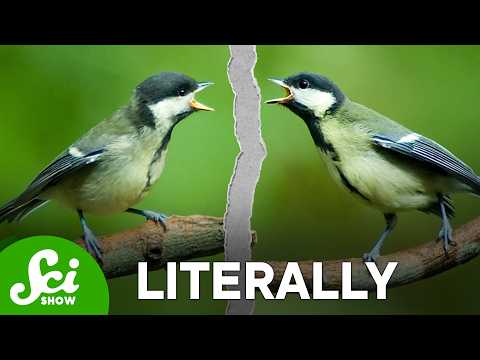
warblers 30秒で
- Warblers are small, energetic songbirds famous for their vibrant colors and melodic trills, primarily found in forests and woodlands during migration seasons.
- They are mostly insectivorous, using their thin, pointed beaks to glean bugs from leaves, playing a vital role in natural pest control.
- These birds are remarkable migrants, with many species traveling thousands of miles between North American breeding grounds and tropical wintering habitats.
- In birdwatching culture, they are highly prized sightings, though identifying them in the fall can be challenging due to their subdued plumage.
The term warblers refers to a vast and diverse group of small, perching birds belonging to several different families, most notably the Parulidae (New World warblers) and the Sylviidae (Old World warblers). These birds are celebrated for their diminutive size, energetic movements, and, most importantly, their intricate and often melodic songs. When people use the word warblers, they are usually referring to these avian gems that appear in forests and gardens, particularly during the spring and autumn migration seasons. They are often described as the 'butterflies of the bird world' because of their bright colors—ranging from brilliant yellows and deep blues to striking oranges—and their habit of flitting rapidly through the foliage in search of insects.
- Biological Classification
- In North America, warblers are primarily members of the family Parulidae. These are wood-warblers, distinct from the Old World warblers of Europe and Asia, which belong to families like Sylviidae or Phylloscopidae. Despite the shared name, these groups are not closely related, but they share similar ecological niches as small, insect-eating songbirds.
The birdwatcher spent hours in the marsh, hoping to catch a glimpse of the rare Prothonotary warblers nesting in the hollow trees.
The usage of this word is most common in the context of ornithology, nature conservation, and recreational birdwatching. Because many species of warblers are migratory, their arrival in temperate regions is a significant phenological event, signaling the definitive start of spring. Enthusiasts often speak of 'warbler waves,' which occur when weather conditions cause large numbers of different species to descend upon a specific area simultaneously during their journey north. This creates a high-energy environment where the air is filled with competing songs and flashes of color.
- Vocal Characteristics
- The name is derived from the verb 'to warble,' which means to sing with trills and quavers. Each species has a unique song, such as the 'sweet-sweet-sweet-I-am-so-sweet' of the Yellow Warbler or the buzzy 'zee-zee-zee-zreeee' of the Black-throated Blue Warbler.
During the dawn chorus, the high-pitched trills of various warblers dominated the forest soundscape.
Beyond the scientific and hobbyist realms, the word can be used metaphorically to describe people who sing in a high, trilling manner, though this is less common than the literal avian reference. In literature, warblers often symbolize the fleeting beauty of nature and the changing of seasons. Because they are so small and move so fast, they represent something precious and difficult to capture, requiring patience and keen observation to truly appreciate. Their dependence on specific habitats, like boreal forests or tropical wintering grounds, also makes them frequent subjects in discussions about climate change and habitat loss.
Conservationists are concerned that the decline in warblers indicates a larger problem within the ecosystem's health.
- Dietary Habits
- Warblers are primarily insectivorous, meaning they eat insects. They play a crucial role in controlling pest populations by gleaning caterpillars, aphids, and beetles from leaves and bark, or even catching them in mid-air (a behavior known as 'hawking').
The garden was suddenly alive with warblers feasting on the insects among the apple blossoms.
Many warblers travel thousands of miles from Central America to the Canadian wilderness every year.
Using the word warblers correctly involves understanding its role as a plural noun describing a specific category of birds. It is most frequently used in the context of observation, movement, and biological description. Because there are dozens of species, it is often paired with specific descriptors or used as a general term for the group. For example, one might say 'the warblers are migrating' to refer to the group as a whole, or 'I saw three different warblers today' to indicate variety. It is important to remember that 'warblers' is the plural form; the singular is 'warbler'.
- Subject of the Sentence
- When acting as the subject, 'warblers' often takes active verbs related to movement or sound. Example: 'Warblers flit through the canopy with incredible speed.'
In the early morning, the warblers begin their complex songs to defend their territories.
In descriptive writing, warblers is often modified by adjectives that highlight their physical beauty or their elusive nature. Words like 'vibrant,' 'tiny,' 'restless,' 'migratory,' and 'elusive' are common companions. When writing about their behavior, you might use phrases like 'foraging for insects' or 'navigating by the stars.' The word is also central to the jargon of birding, where 'confusing fall warblers' is a standard phrase used to describe the difficulty of identifying these birds after they have molted into their more subdued autumn plumage.
- Object of the Sentence
- As an object, it often follows verbs of perception or study. Example: 'The scientist is tracking the migratory routes of various warblers.'
We were lucky enough to photograph several rare warblers during our trip to the coastal sanctuary.
When using the word in a scientific or academic context, it is often accompanied by the family name or specific species names to ensure precision. You might write, 'The study focused on the nesting habits of wood-warblers in fragmented forests.' In more casual conversation, it is often used as a shorthand for the excitement of nature observation. For instance, 'The warblers are back!' is a common exclamation among nature lovers in April and May. It carries a connotation of joy and the renewal of life.
Because warblers are so small, they require high-protein diets to fuel their long-distance flights.
- Prepositional Phrases
- Commonly used in phrases like 'a flock of warblers' or 'the song of the warblers.' Example: 'The forest was filled with the trilling songs of hidden warblers.'
Identifying warblers by sound alone is a skill that takes many years of practice to master.
The presence of various warblers in the wetlands is a positive indicator of water quality.
You are most likely to encounter the word warblers in specific environments and media that focus on the natural world. If you visit a national park, a nature reserve, or even a well-maintained local park during the spring, you will hear park rangers and naturalists using this word frequently. They might be leading 'warbler walks' or pointing out specific species to visitors. In these settings, the word is spoken with a sense of excitement and reverence, as spotting these birds is often the highlight of the day.
- Nature Documentaries
- Narrators like David Attenborough often use the word when describing the incredible migratory journeys of small birds. You'll hear it in segments about the boreal forests of Canada or the tropical rainforests of the Amazon.
'Every year, millions of warblers cross the Gulf of Mexico in a single night,' the narrator explained.
In the world of literature and poetry, warblers appears as a classic trope for the beauty of the wild. Poets use the word to evoke the sound of the forest or the arrival of a new season. You might find it in the works of Mary Oliver or Henry David Thoreau, where the birds serve as symbols of the untamed world. Similarly, in scientific journals and environmental news reports, the word is used to discuss biodiversity and the impacts of climate change. Headlines like 'Decline in Migratory Warblers Linked to Habitat Loss' are common in publications like National Geographic or The Guardian's environment section.
- Gardening and Landscaping
- Gardeners who want to attract wildlife often talk about 'planting for warblers.' This involves choosing native shrubs and trees that host the insects these birds need to survive.
The local gardening club hosted a lecture on how to make your backyard a sanctuary for migrating warblers.
Furthermore, the word is a staple in the educational materials of museums and science centers. Exhibits on 'The Wonders of Flight' or 'Local Biodiversity' will almost certainly feature information about warblers. In these contexts, the word is used to teach children and adults about the complexity of animal behavior and the importance of conservation. You might also hear it in casual conversation among hikers or outdoor enthusiasts who notice a particularly vocal bird along the trail, even if they aren't 'serious' birdwatchers.
'Did you hear those warblers near the creek?' one hiker asked another as they passed on the trail.
- Podcasts and Radio
- Programs like 'BirdNote' or NPR's 'Science Friday' frequently feature segments on warblers, discussing everything from their unique vocal cords to their incredible navigational abilities.
The podcast episode explored how warblers use the Earth's magnetic field to find their way across oceans.
The museum's audio guide pointed out the differences between the songs of various European warblers.
One of the most frequent mistakes people make with the word warblers is using it too broadly to describe any small, singing bird. While many birds sing, not all are warblers. For instance, sparrows, finches, and wrens are distinct families with different physical characteristics and behaviors. Calling a sparrow a 'warbler' is a common error for beginners. Another mistake is confusing 'New World warblers' with 'Old World warblers.' While they share a name, they are biologically distinct and live on different continents, which is an important distinction in scientific writing.
- Confusing with Sparrows
- Sparrows are generally brown and seed-eating with thick beaks, while warblers are often brightly colored and insect-eating with thin, pointed beaks. Don't call a brown bird a warbler unless you're sure!
Incorrect: 'Look at those brown warblers eating seeds on the ground.' (They are likely sparrows).
Grammatically, a common error is failing to use the plural form when referring to the group. Because warblers are almost always seen in groups during migration or discussed as a family, the plural warblers is the standard. Using 'warbler' as a collective noun (e.g., 'The warbler are migrating') is incorrect. Additionally, some people confuse the noun 'warbler' with the verb 'warble.' While they are related, 'warbler' is the bird, and 'warble' is the action of singing. You wouldn't say 'The bird is a warble,' but rather 'The warbler is warbling.'
- Over-generalization
- Avoid saying 'all warblers are yellow.' While many are, species like the Black-and-white Warbler or the American Redstart have very different color palettes.
Correct: 'Many species of warblers display vibrant yellow plumage, but others are black, white, or blue.'
In the context of bird identification, a major 'mistake' (or rather, a challenge) is the 'confusing fall warbler' problem. In the autumn, many warblers lose their bright colors and look very similar—mostly olive-green or brownish. Beginners often misidentify these birds or give up entirely. It's important to use the term warblers cautiously in the fall unless you have a good field guide. Finally, avoid using 'warblers' to describe large birds. Warblers are tiny, usually no more than 5-6 inches long. If it's the size of a pigeon, it's definitely not a warbler.
Incorrect: 'The large warblers were circling high above the mountains.' (These were likely hawks or eagles).
- Singular vs. Plural Agreement
- Always match the verb to the number. 'This warbler sings' (singular) vs. 'These warblers sing' (plural). Mixing these up is a common grammatical slip.
The guide explained that warblers are often found in the upper canopy, making them hard to see.
We should not assume all small birds in the woods are warblers without checking their beak shape.
While warblers is a specific term, there are several other words you might use depending on how precise you want to be. If you are speaking generally, you might use 'songbirds' or 'passerines.' 'Songbirds' is a broad category that includes warblers, but also includes thrushes, finches, and many others. 'Passerines' is the scientific term for perching birds. If you want to be more specific to the family, you might use 'wood-warblers' (for the American species) or 'sylviid warblers' (for many European species).
- Songbirds vs. Warblers
- 'Songbirds' is the general category. All warblers are songbirds, but not all songbirds are warblers. Use 'songbirds' when you aren't sure of the specific type.
- Vireos vs. Warblers
- Vireos are very similar to warblers but are generally slower-moving and have slightly hooked beaks. Birders often compare the two when trying to identify a bird in the canopy.
While they look similar, vireos move much more deliberately than the frantic warblers.
Another set of alternatives involves the specific names of the birds. Instead of saying 'the warblers,' a seasoned birder might say 'the parulids' or name the specific species like 'Magnolia Warblers' or 'Tennessee Warblers.' In a more poetic or archaic sense, you might hear the word 'choristers' to describe a group of singing birds, including warblers. In some regions, local names might be used; for example, some people might refer to certain warblers as 'wild canaries' because of their bright yellow color, though this is scientifically inaccurate.
- Flycatchers vs. Warblers
- Flycatchers also eat insects but typically sit still on a branch and 'sally' out to catch bugs, whereas warblers are constantly moving through the leaves.
Unlike the patient flycatchers, warblers are always on the go, searching every leaf for a meal.
In terms of verbs, if you want to describe what warblers do without using the noun, you can use 'trilling,' 'chirping,' 'gleaning,' or 'flitting.' These words capture the essence of the warbler's existence. In a metaphorical sense, if you are describing a person who sings beautifully, you might use 'songstress' or 'crooner,' though these carry different stylistic connotations. Ultimately, warblers remains the most accurate and evocative term for this specific group of birds, blending scientific precision with a touch of natural wonder.
The researcher compared the metabolic rates of warblers to those of other small passerines.
- Wrens vs. Warblers
- Wrens are often brown with cocked tails and very loud, complex songs. Warblers are usually more colorful and have more varied song structures.
The thicket was home to both noisy wrens and the more delicate, colorful warblers.
Among all the songbirds, warblers are perhaps the most anticipated by birdwatchers each spring.
How Formal Is It?
豆知識
The term was originally used for people who sang in a specific style before it became the standard name for this group of birds in the 18th century.
発音ガイド
- Pronouncing the 'a' as in 'cat' (it should be 'o' as in 'for').
- Missing the 'l' sound in the second syllable.
- Adding an extra syllable like 'war-bel-ers'.
- Confusing the 'er' sound with 'ar'.
- Softening the 'b' too much so it sounds like 'waw-lers'.
難易度
The word itself is simple, but it often appears in complex scientific or descriptive texts.
Spelling 'warbler' can be tricky for some learners due to the 'le' and 'er' endings.
Pronunciation requires clear 'r' and 'l' sounds which can be challenging.
It can be easily confused with other similar-sounding words in fast speech.
次に学ぶべきこと
前提知識
次に学ぶ
上級
知っておくべき文法
Plural Noun Agreement
The warblers **are** (not is) singing.
Countable Nouns with 'Many'
There are **many** (not much) warblers in the tree.
Possessive Plurals
The **warblers'** songs (apostrophe after the s).
Collective Nouns
A **flock** of warblers is (the verb agrees with flock).
Adjective Order
The **tiny yellow** warblers (size before color).
レベル別の例文
The warblers are small and yellow.
Los chorlitos son pequeños y amarillos.
Plural noun 'warblers' matches the plural verb 'are'.
I hear the warblers singing today.
Escucho a los chorlitos cantando hoy.
Present continuous 'singing' describes the action.
Look at the warblers in the tree!
¡Mira los chorlitos en el árbol!
Imperative sentence starting with 'Look'.
Warblers eat many small bugs.
Los chorlitos comen muchos bichos pequeños.
Simple present tense for a general fact.
The warblers fly to warm places.
Los chorlitos vuelan a lugares cálidos.
Plural subject 'warblers' with plural verb 'fly'.
Do you like the warblers?
¿Te gustan los chorlitos?
Question form using 'Do'.
There are two warblers on the fence.
Hay dos chorlitos en la valla.
Use of 'There are' for plural existence.
The warblers are very fast.
Los chorlitos son muy rápidos.
Adjective 'fast' describes the noun.
Many warblers arrive in the park every spring.
Muchos chorlitos llegan al parque cada primavera.
Quantifier 'Many' used with count noun 'warblers'.
We saw several different warblers during our walk.
Vimos varios chorlitos diferentes durante nuestro paseo.
Past simple 'saw' for a completed action.
Warblers are smaller than most other garden birds.
Los chorlitos son más pequeños que la mayoría de las otras aves de jardín.
Comparative 'smaller than'.
The warblers build their nests with grass and hair.
Los chorlitos construyen sus nidos con hierba y pelo.
Possessive adjective 'their' refers to 'warblers'.
I love listening to the songs of the warblers.
Me encanta escuchar los cantos de los chorlitos.
Gerund 'listening' after the verb 'love'.
Warblers use their thin beaks to catch insects.
Los chorlitos usan sus picos delgados para atrapar insectos.
Infinitive of purpose 'to catch'.
In winter, the warblers live in the south.
En invierno, los chorlitos viven en el sur.
Prepositional phrase 'In winter' sets the time.
Are those warblers or sparrows in the bush?
¿Son esos chorlitos o gorriones en el arbusto?
Choice question using 'or'.
Birdwatchers often travel long distances to see rare warblers.
Los observadores de aves a menudo viajan largas distancias para ver chorlitos raros.
Adverb of frequency 'often' before the main verb.
The forest was filled with the beautiful trills of warblers.
El bosque estaba lleno de los hermosos trinos de los chorlitos.
Passive construction 'was filled with'.
Identifying warblers can be difficult because they move so quickly.
Identificar chorlitos puede ser difícil porque se mueven muy rápido.
Gerund 'Identifying' as the subject of the sentence.
Warblers are known for their incredible migratory patterns.
Los chorlitos son conocidos por sus increíbles patrones migratorios.
Phrase 'are known for' followed by a noun phrase.
Each species of warbler has a unique song to attract a mate.
Cada especie de chorlito tiene un canto único para atraer a una pareja.
Use of 'Each' with a singular noun 'species'.
We noticed several warblers foraging for insects in the oak tree.
Notamos varios chorlitos buscando insectos en el roble.
Participle phrase 'foraging for insects' modifying 'warblers'.
The population of warblers has declined due to habitat loss.
La población de chorlitos ha disminuido debido a la pérdida de hábitat.
Present perfect 'has declined' for a trend.
You need a good field guide to identify all the warblers.
Necesitas una buena guía de campo para identificar a todos los chorlitos.
Modal verb 'need' for necessity.
The arrival of warblers is a highly anticipated event for ornithologists.
La llegada de los chorlitos es un evento muy esperado por los ornitólogos.
Compound noun 'ornithologists' and passive adjective 'anticipated'.
Warblers exhibit a wide variety of colors, from bright yellow to deep blue.
Los chorlitos exhiben una amplia variedad de colores, desde el amarillo brillante hasta el azul profundo.
Verb 'exhibit' used in a formal descriptive sense.
Many warblers are neotropical migrants that winter in Central America.
Muchos chorlitos son migrantes neotropicales que invernan en Centroamérica.
Relative clause 'that winter in Central America'.
The 'confusing fall warblers' present a significant challenge for even experienced birders.
Los 'chorlitos confusos de otoño' presentan un desafío significativo incluso para los observadores experimentados.
Quotation marks used for a specific technical term.
Warblers play a vital role in the ecosystem by controlling insect populations.
Los chorlitos juegan un papel vital en el ecosistema al controlar las poblaciones de insectos.
Preposition 'by' followed by a gerund 'controlling'.
Male warblers use their vibrant plumage to establish dominance and attract females.
Los chorlitos machos usan su plumaje vibrante para establecer dominancia y atraer a las hembras.
Parallel infinitives 'to establish' and 'attract'.
Climate change is affecting the timing of migration for many warblers.
El cambio climático está afectando el momento de la migración de muchos chorlitos.
Present continuous 'is affecting' for an ongoing process.
The study analyzed how warblers adapt to fragmented forest environments.
El estudio analizó cómo los chorlitos se adaptan a entornos forestales fragmentados.
Indirect question 'how warblers adapt'.
The intricate songs of warblers are a result of complex evolutionary pressures.
Los intrincados cantos de los chorlitos son el resultado de complejas presiones evolutivas.
Noun phrase 'result of complex evolutionary pressures'.
Warblers demonstrate remarkable site fidelity, returning to the same nesting spot year after year.
Los chorlitos demuestran una notable fidelidad al sitio, regresando al mismo lugar de anidación año tras año.
Appositive phrase 'returning to the same nesting spot' explaining 'site fidelity'.
The diversification of warblers into various niches is a classic example of adaptive radiation.
La diversificación de los chorlitos en varios nichos es un ejemplo clásico de radiación adaptativa.
Abstract noun 'diversification' as the subject.
Ornithologists use mist nets to capture warblers for banding and research purposes.
Los ornitólogos usan redes de niebla para capturar chorlitos con fines de anillamiento e investigación.
Technical vocabulary 'mist nets' and 'banding'.
The physiological adaptations of warblers allow them to survive grueling transoceanic flights.
Las adaptaciones fisiológicas de los chorlitos les permiten sobrevivir a agotadores vuelos transoceánicos.
Adjective 'grueling' emphasizing the difficulty.
Loss of wintering habitat in the tropics is a primary driver of the decline in warblers.
La pérdida de hábitat de invernada en los trópicos es un factor principal del declive de los chorlitos.
Gerund phrase 'Loss of wintering habitat' as the subject.
Warblers are often categorized by their foraging behaviors, such as 'gleaning' or 'hawking'.
Los chorlitos a menudo se categorizan por sus comportamientos de búsqueda de alimento, como 'recolectar' o 'cazar al vuelo'.
Passive voice 'are often categorized'.
The taxonomic classification of warblers has undergone significant revisions due to DNA sequencing.
La clasificación taxonómica de los chorlitos ha sufrido revisiones significativas debido a la secuenciación del ADN.
Present perfect 'has undergone' for a historical change.
The phenotypic plasticity of certain warblers allows them to adjust their migratory timing in response to climatic shifts.
La plasticidad fenotípica de ciertos chorlitos les permite ajustar su cronología migratoria en respuesta a los cambios climáticos.
High-level scientific terminology 'phenotypic plasticity'.
MacArthur's seminal work on warblers elucidated the mechanisms of niche partitioning in avian communities.
El trabajo seminal de MacArthur sobre los chorlitos dilucidó los mecanismos de partición de nichos en las comunidades de aves.
Academic verb 'elucidated'.
The energetic constraints of migration necessitate that warblers optimize their fuel deposition rates at stopover sites.
Las limitaciones energéticas de la migración requieren que los chorlitos optimicen sus tasas de deposición de combustible en los sitios de escala.
Subjunctive mood 'necessitate that... optimize'.
Vocal mimicry in some Old World warblers complicates the acoustic identification of species in dense habitats.
El mimetismo vocal en algunos chorlitos del Viejo Mundo complica la identificación acústica de las especies en hábitats densos.
Complex subject 'Vocal mimicry in some Old World warblers'.
The phylogenetic relationships among warblers remain a subject of intense debate within the ornithological community.
Las relaciones filogenéticas entre los chorlitos siguen siendo un tema de intenso debate dentro de la comunidad ornitológica.
Formal phrase 'remain a subject of intense debate'.
Warblers serve as a quintessential model for studying the impacts of anthropogenic environmental degradation.
Los chorlitos sirven como un modelo de quintaesencia para estudiar los impactos de la degradación ambiental antropogénica.
Advanced adjective 'anthropogenic'.
The spatial distribution of warblers during the breeding season is heavily influenced by prey density and vegetation structure.
La distribución espacial de los chorlitos durante la temporada de reproducción está fuertemente influenciada por la densidad de presas y la estructura de la vegetación.
Passive voice with adverbial modification 'heavily influenced'.
Intraspecific competition among warblers often leads to the establishment of rigid territorial boundaries.
La competencia intraespecífica entre los chorlitos a menudo conduce al establecimiento de límites territoriales rígidos.
Scientific prefix 'Intraspecific'.
よく使う組み合わせ
よく使うフレーズ
— A sudden arrival of many different species of warblers during migration. It is used to describe a high-density birding event.
The cold front brought a massive wave of warblers to the coast.
— A humorous term for the physical strain caused by looking up into high trees for long periods. It is common among birdwatchers.
After a full day of birding, I have a serious case of warbler neck.
— The period at sunrise when warblers and other birds sing most intensely. It marks the start of the day in the forest.
The dawn chorus of warblers was so loud it woke us up.
— Warblers that have settled in a specific area to mate and raise young. It refers to their biological status.
The swamp is home to several species of breeding warblers.
— Warblers that are spending the cold months in a warmer climate. It describes their seasonal location.
We saw many wintering warblers during our trip to Costa Rica.
— Warblers that are actively searching for food. It describes their behavior.
The foraging warblers were oblivious to our presence.
— A common descriptive phrase highlighting the bright colors of the birds. It is often used in travel and nature writing.
The vibrant warblers looked like jewels among the leaves.
— Refers to species that are difficult to find or see. It emphasizes the challenge of birdwatching.
We spent all morning searching for the elusive warblers.
— Warblers that are currently in the process of traveling between habitats. It is a functional description.
The lighthouse beam can sometimes disorient migrating warblers.
— A general term for warblers that prefer forested environments. It categorizes them by habitat.
Woodland warblers are often heard before they are seen.
よく混同される語
A 'wobbler' is something that shakes or is unsteady. 'Warblers' are birds. They sound similar but are unrelated.
A 'waller' is someone who builds walls. This is a very rare word, but the pronunciation can be confused in fast speech.
The verb 'warbles' describes the action of singing, while the noun 'warblers' refers to the birds themselves.
慣用句と表現
— To talk or sing for a long time in a way that might be annoying or excessive. It is derived from the bird's continuous singing.
He tended to warble on about his birdwatching trips for hours.
informal— Extremely active and constantly moving. It reflects the bird's high-energy foraging behavior.
She was as busy as a warbler, preparing the house for the guests.
informal— To sing very beautifully and clearly, often with high notes and trills. It is a compliment to a singer.
The young soprano could sing like a warbler.
neutral— A keen ability to spot small details or hidden things. It refers to the bird's sharp vision for finding insects.
The editor had a warbler's eye for catching typos.
metaphorical— To be overwhelmed by a sudden influx of many small, exciting things. It is borrowed from birding terminology.
The tech conference felt like being caught in a warbler wave of new gadgets.
informal— Something beautiful or valuable that is difficult to find. It alludes to the bird's habit of hiding in foliage.
The small bookstore was a hidden warbler in the busy city.
poetic— A sound that is light, musical, and rapidly vibrating. It is used to describe voices or musical instruments.
The flute solo ended with a delicate warbler's trill.
artistic— To move quickly and lightly from one place or topic to another. It describes a restless or energetic person.
He flitted like a warbler from one conversation to the next.
descriptive— A person or thing that brings good news or signals a positive change. It refers to the bird as a harbinger of spring.
The first blooming flower was spring's warbler in the garden.
poetic— The idea of knowing when to move on or adapt to changes. It refers to their successful migratory instincts.
He followed his warbler's wisdom and left the company before it failed.
metaphorical間違えやすい
Both are small birds found in similar habitats.
Sparrows are usually brown with thick, seed-cracking beaks. Warblers are often colorful with thin, insect-catching beaks.
That brown bird on the ground is a sparrow, but the yellow one in the tree is one of the warblers.
They look very similar and live in the same parts of the tree canopy.
Vireos move more slowly and have a small hook at the end of their beak. Warblers are much more hyperactive.
I thought it was a warbler, but its slow movements showed it was actually a vireo.
Both can be brightly colored (like the Goldfinch and Yellow Warbler).
Finches have short, triangular beaks for eating seeds. Warblers have needle-like beaks for insects.
The goldfinch is eating from the bird feeder, but the warblers are looking for bugs in the leaves.
Both are small and have very loud, complex songs.
Wrens usually have brown, barred feathers and hold their tails upright. Warblers have more varied colors.
The wren is singing from the fence post, while the warblers are hidden high in the oak tree.
Both are small insect-eaters.
Flycatchers sit still and fly out to catch bugs in the air. Warblers move constantly through the foliage.
The flycatcher is waiting on that dead branch, but the warblers are busy gleaning insects from the leaves.
文型パターン
The [noun] is [adjective].
The warbler is small.
I like [verb]ing [noun].
I like watching warblers.
[Noun] are known for [noun phrase].
Warblers are known for their beautiful songs.
Despite [noun], [noun] [verb].
Despite their small size, warblers migrate long distances.
The [noun] of [noun] is a result of [noun phrase].
The diversification of warblers is a result of adaptive radiation.
[Gerund phrase] necessitates that [noun] [verb].
Migrating thousands of miles necessitates that warblers store significant fat.
It is [adjective] to [verb] [noun].
It is difficult to identify warblers in the fall.
There are [number] [noun] in the [place].
There are five warblers in the garden.
語族
名詞
動詞
形容詞
関連
使い方
Common in nature-related contexts; rare in urban or business contexts.
-
Calling all small birds 'warblers'.
→
Identify the bird by its beak and behavior first.
Many small birds like sparrows or finches are not warblers. Check for the thin, pointed beak characteristic of insect-eaters.
-
Thinking all warblers are yellow.
→
Look for black, white, blue, and orange species too.
While yellow is common, many species like the Black-and-white Warbler or American Redstart have no yellow at all.
-
Spelling it 'warbler' but pronouncing it 'wobbler'.
→
Ensure the 'r' sound is present.
A 'wobbler' is something that shakes. A 'warbler' is a bird. The pronunciation is distinct.
-
Using 'warbler' as a collective noun (e.g., 'The warbler are here').
→
Use 'The warblers are here'.
'Warbler' is a standard count noun and requires an 's' for the plural form.
-
Confusing New World and Old World warblers in scientific contexts.
→
Specify the family (Parulidae vs. Sylviidae).
They are not closely related despite the shared name. Using the specific family name shows higher expertise.
ヒント
Listen Before You Look
Because warblers are so small and hide in leaves, it is often easier to identify them by their unique songs before you try to find them with binoculars.
Look for Movement
Warblers are rarely still. Look for 'flitting' movements in the leaves rather than looking for a stationary bird shape.
Use Good Binoculars
A pair of binoculars with a wide field of view and good light gathering (like 8x42) is essential for tracking fast-moving warblers in dark forests.
The Early Bird
Warblers are most active and vocal in the first few hours after sunrise. This is the best time to see and hear the greatest variety of species.
Study the Patterns
Instead of just looking at colors, look for 'wing bars' (stripes on the wings) and 'tail spots'. These features often stay the same even when the bird's colors change.
Plant Native
Native plants support the specific insects that warblers need. By planting native oaks or willows, you provide a vital 'gas station' for migrating birds.
Protect Yourself
When looking for warblers in the woods, remember to wear tick repellent and sunscreen, as you will be spending a lot of time in brushy areas.
Join a Walk
Many local nature clubs offer free 'warbler walks' in the spring. Learning from experienced birders is the fastest way to improve your identification skills.
Fast Shutter Speed
If you are trying to photograph warblers, use a very fast shutter speed (at least 1/1000s) to freeze their rapid movements.
Keep Your Distance
During the breeding season, avoid getting too close to nests. Stressing the birds can cause them to abandon their young.
暗記しよう
記憶術
Think of a 'war' of 'bubbles' in the air—War-blers. Their songs are like tiny bubbles of sound popping quickly in the trees.
視覚的連想
Imagine a tiny, bright yellow lightbulb (the bird) flickering and jumping between green leaves.
Word Web
チャレンジ
Try to find a video of a 'Yellow Warbler' singing and try to imitate its 'sweet-sweet-sweet' trill. Then, write three sentences about where you might find warblers in your country.
語源
The word 'warblers' comes from the Middle English verb 'werbelen', which meant to sing with trills or quavers. This was derived from the Old Northern French 'werbler', which itself had Germanic roots, likely related to the Old High German 'wirbil' meaning a whirlwind or a turn. The name was applied to these birds because of their distinctive, trilling vocalizations.
元の意味: One who sings with a trilling or vibrating sound.
Germanic via Old French文化的な背景
No specific sensitivities, but be aware that 'warbler' is a broad term and using it incorrectly in scientific circles might be seen as a lack of knowledge.
In the US and Canada, 'warbler' almost always refers to the colorful wood-warblers. In the UK, it refers to the more subtly colored Old World warblers.
実生活で練習する
実際の使用場面
Birdwatching
- Did you see the warblers?
- Which species of warblers are these?
- I'm looking for warblers.
- The warblers are in the high branches.
Nature Conservation
- Protecting warbler habitats.
- Declining numbers of warblers.
- Warblers as indicator species.
- Migratory routes of warblers.
Scientific Research
- The study of warbler vocalizations.
- Genetic diversity among warblers.
- Warbler nesting success rates.
- Metabolic rates of warblers.
Gardening
- Plants that attract warblers.
- Warblers eating garden pests.
- Providing water for warblers.
- Warbler-friendly landscaping.
Poetry and Art
- The trill of the warblers.
- Vibrant warblers in the sun.
- The fleeting visit of warblers.
- Songs of the hidden warblers.
会話のきっかけ
"Have you ever gone birdwatching to look for migrating warblers in the spring?"
"What is your favorite type of songbird, and do you like warblers?"
"Did you know that some warblers fly thousands of miles every single year?"
"How many different species of warblers do you think live in our local area?"
"Why do you think warblers are so much more colorful than many other birds?"
日記のテーマ
Describe a time you saw a beautiful bird in nature. Was it one of the warblers?
Imagine you are one of the warblers migrating across the ocean. What do you see and feel?
Why is it important for us to protect the forests where warblers live and nest?
Write a short poem about the 'confusing fall warblers' and their hidden colors.
If you could have the singing ability of one of the warblers, which song would you choose?
よくある質問
10 問Warblers are a large group of small, insect-eating songbirds. In the Americas, they belong to the family Parulidae, while in Europe and Asia, the name is used for several other families. They are known for their bright colors, active nature, and melodic songs.
They are named after their vocalizations. The verb 'to warble' means to sing with trills and vibrating notes, which perfectly describes the complex and musical songs these birds produce during the breeding season.
Generally, no. Warblers are very small and tend to stay high in the tree canopy or deep in thickets. They also move very quickly, making them a challenge for birdwatchers to spot and identify clearly.
The best time is during spring migration (April and May in the Northern Hemisphere) when they are in their brightest plumage and singing loudly. Autumn migration is also good, but they are harder to identify then.
Warblers are primarily insectivores. They eat a wide variety of insects, including caterpillars, beetles, aphids, and flies. Some species will also eat berries or nectar, especially during the winter months.
Most warblers do not visit traditional seed feeders because they eat insects. However, some species, like the Pine Warbler or Yellow-rumped Warbler, might visit for suet, mealworms, or fruit.
Many warblers migrate incredible distances. Some species travel from the boreal forests of northern Canada all the way to the rainforests of South America, a journey of over 3,000 miles each way.
This is a term used by birdwatchers to describe warblers in the autumn. After the breeding season, many species molt into duller, olive-green or brown feathers, making different species look almost identical.
While some species are common, many are declining due to habitat loss in both their breeding and wintering grounds. Species like the Kirtland's Warbler or the Golden-cheeked Warbler are specifically protected.
The best way is to plant native trees and shrubs that host native insects. Providing a water source, like a birdbath with moving water (a 'dripper'), is also very effective at attracting them.
自分をテスト 180 問
Write a short description of a warbler's appearance.
Well written! Good try! Check the sample answer below.
Explain why warblers are difficult to see in the forest.
Well written! Good try! Check the sample answer below.
Describe the journey of a migratory warbler.
Well written! Good try! Check the sample answer below.
Why are warblers important for the ecosystem?
Well written! Good try! Check the sample answer below.
Compare warblers with sparrows in three sentences.
Well written! Good try! Check the sample answer below.
Write a poem about the return of warblers in the spring.
Well written! Good try! Check the sample answer below.
Discuss the challenges of identifying 'confusing fall warblers'.
Well written! Good try! Check the sample answer below.
How can people help protect warbler habitats?
Well written! Good try! Check the sample answer below.
Write a dialogue between two birdwatchers looking for a rare warbler.
Well written! Good try! Check the sample answer below.
Explain the meaning of the term 'warbler neck'.
Well written! Good try! Check the sample answer below.
Describe the sound of a warbler's song using creative adjectives.
Well written! Good try! Check the sample answer below.
What is the difference between New World and Old World warblers?
Well written! Good try! Check the sample answer below.
Write a diary entry from the perspective of a warbler during migration.
Well written! Good try! Check the sample answer below.
How does climate change affect warblers?
Well written! Good try! Check the sample answer below.
Describe a 'warbler wave' and the excitement it causes.
Well written! Good try! Check the sample answer below.
Why are native plants important for warblers?
Well written! Good try! Check the sample answer below.
List five species of warblers and one fact about each.
Well written! Good try! Check the sample answer below.
Write a formal paragraph about warbler conservation.
Well written! Good try! Check the sample answer below.
Describe the physical adaptations of warblers for eating insects.
Well written! Good try! Check the sample answer below.
What role do warblers play in literature or culture?
Well written! Good try! Check the sample answer below.
Pronounce the word 'warblers' correctly five times.
Read this aloud:
あなたの回答:
Speech recognition is not supported in your browser. Try Chrome or Edge.
Describe a warbler to a partner without using the word 'bird'.
Read this aloud:
あなたの回答:
Speech recognition is not supported in your browser. Try Chrome or Edge.
Give a 1-minute talk on why you find warblers interesting.
Read this aloud:
あなたの回答:
Speech recognition is not supported in your browser. Try Chrome or Edge.
Explain the concept of migration to a child using warblers as an example.
Read this aloud:
あなたの回答:
Speech recognition is not supported in your browser. Try Chrome or Edge.
Debate the importance of forest conservation for songbirds.
Read this aloud:
あなたの回答:
Speech recognition is not supported in your browser. Try Chrome or Edge.
Roleplay a conversation between a guide and a tourist on a bird walk.
Read this aloud:
あなたの回答:
Speech recognition is not supported in your browser. Try Chrome or Edge.
Describe the colors of three different warblers you know.
Read this aloud:
あなたの回答:
Speech recognition is not supported in your browser. Try Chrome or Edge.
Explain the term 'confusing fall warblers' in your own words.
Read this aloud:
あなたの回答:
Speech recognition is not supported in your browser. Try Chrome or Edge.
Discuss the pros and cons of using binoculars for birdwatching.
Read this aloud:
あなたの回答:
Speech recognition is not supported in your browser. Try Chrome or Edge.
Tell a story about a bird you once saw in a park.
Read this aloud:
あなたの回答:
Speech recognition is not supported in your browser. Try Chrome or Edge.
Practice saying 'Yellow Warbler', 'Pine Warbler', and 'Palm Warbler'.
Read this aloud:
あなたの回答:
Speech recognition is not supported in your browser. Try Chrome or Edge.
Describe the habitat where you would expect to find warblers.
Read this aloud:
あなたの回答:
Speech recognition is not supported in your browser. Try Chrome or Edge.
Explain how warblers help gardeners by eating insects.
Read this aloud:
あなたの回答:
Speech recognition is not supported in your browser. Try Chrome or Edge.
Discuss the impact of light pollution on migrating warblers.
Read this aloud:
あなたの回答:
Speech recognition is not supported in your browser. Try Chrome or Edge.
Present a short report on the Blackpoll Warbler's migration.
Read this aloud:
あなたの回答:
Speech recognition is not supported in your browser. Try Chrome or Edge.
Ask three questions about warblers to an imaginary expert.
Read this aloud:
あなたの回答:
Speech recognition is not supported in your browser. Try Chrome or Edge.
Describe the feeling of hearing the first bird songs of spring.
Read this aloud:
あなたの回答:
Speech recognition is not supported in your browser. Try Chrome or Edge.
Explain the difference between a warbler and a sparrow to a friend.
Read this aloud:
あなたの回答:
Speech recognition is not supported in your browser. Try Chrome or Edge.
Summarize a nature documentary segment about warblers.
Read this aloud:
あなたの回答:
Speech recognition is not supported in your browser. Try Chrome or Edge.
Give a speech about the beauty of biodiversity.
Read this aloud:
あなたの回答:
Speech recognition is not supported in your browser. Try Chrome or Edge.
Listen to a bird song and decide if it sounds like a warbler's trill.
Listen to a short description and identify which warbler is being described.
Listen to a lecture on migration and take notes on the distances traveled.
Identify the word 'warblers' in a fast-paced nature news clip.
Listen to a poem and count how many times bird names are mentioned.
Listen to a podcast about conservation and summarize the main threat.
Distinguish between the words 'warblers' and 'wobblers' in a recording.
Listen to a field guide audio and identify the 'sweet-sweet-sweet' song.
Listen to an interview with a birder and identify their favorite species.
Listen to a weather report and explain how it might affect migration.
Identify the tone of a narrator talking about warbler decline.
Listen to a child's story about a bird and identify the bird's name.
Listen to a discussion on 'niche partitioning' and explain the concept.
Listen to a list of birds and raise your hand when you hear 'warblers'.
Listen to a scientific explanation of magnetoreception in warblers.
/ 180 correct
Perfect score!
Summary
Warblers are the 'butterflies of the bird world'—tiny, colorful, and constantly in motion. They are essential indicators of environmental health and provide a spectacular display of nature's beauty and endurance through their songs and transcontinental migrations. For example, a single Yellow Warbler can eat thousands of insects in a season.
- Warblers are small, energetic songbirds famous for their vibrant colors and melodic trills, primarily found in forests and woodlands during migration seasons.
- They are mostly insectivorous, using their thin, pointed beaks to glean bugs from leaves, playing a vital role in natural pest control.
- These birds are remarkable migrants, with many species traveling thousands of miles between North American breeding grounds and tropical wintering habitats.
- In birdwatching culture, they are highly prized sightings, though identifying them in the fall can be challenging due to their subdued plumage.
Listen Before You Look
Because warblers are so small and hide in leaves, it is often easier to identify them by their unique songs before you try to find them with binoculars.
Look for Movement
Warblers are rarely still. Look for 'flitting' movements in the leaves rather than looking for a stationary bird shape.
Use Good Binoculars
A pair of binoculars with a wide field of view and good light gathering (like 8x42) is essential for tracking fast-moving warblers in dark forests.
The Early Bird
Warblers are most active and vocal in the first few hours after sunrise. This is the best time to see and hear the greatest variety of species.