batman in 30 Seconds
- A historical military term for an officer's personal servant and assistant.
- The name of a world-famous DC Comics superhero, Bruce Wayne.
- Derived from 'bat-horse,' referring to the pack-saddle the servant managed.
- Used as a common noun for the soldier and a proper noun for the hero.
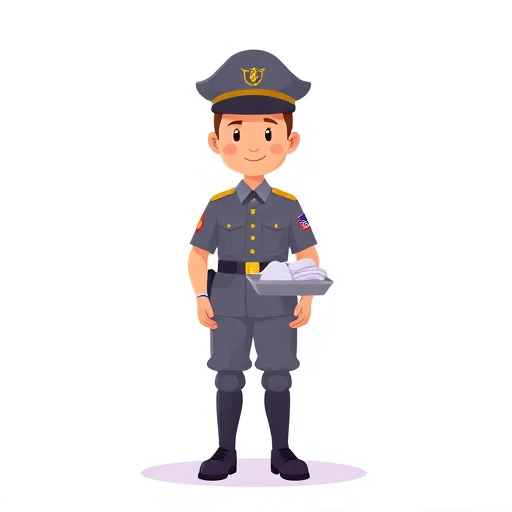
The term batman is a fascinating linguistic artifact that bridges the gap between historical military hierarchy and modern global pop culture. In its original and most literal sense, a batman is a soldier-servant assigned to a commissioned officer. This role was once a standard feature of the British Army and other military forces, where the batman would handle the officer's personal needs, ranging from uniform maintenance to cooking and message delivery. The word itself derives from the 'bat-horse' or 'pack-horse' (from the French 'bât' meaning pack-saddle), which carried the officer's equipment. Thus, the man in charge of the bat-horse became the batman. In a modern context, however, the word is almost universally associated with the DC Comics character Bruce Wayne, the Caped Crusader who protects Gotham City. When using this word, context is paramount; in a historical novel about World War I, it refers to a loyal servant, while in a discussion about cinema, it refers to a superhero.
- Military Context
- A personal assistant to an officer, often a private or non-commissioned soldier who performs domestic duties to allow the officer to focus on command.
The young lieutenant relied heavily on his batman to keep his boots polished and his spirits high during the long months in the trenches.
The nuances of the role were complex. A batman was not merely a servant; he was often a confidant and a protector. In literature, such as J.R.R. Tolkien's 'The Lord of the Rings', the relationship between Frodo and Samwise Gamgee is famously modeled after the bond between an officer and his batman, reflecting the deep loyalty and shared hardship of the Great War. This historical usage is still found in academic history, period dramas, and military memoirs. Conversely, the superhero Batman represents a shift in the word's primary meaning. Since 1939, the name has come to symbolize justice, darkness, and the duality of man. When people say 'I am Batman,' they are referencing the pop culture icon, not a military rank. This dual identity makes the word a unique study in how language evolves from specific technical jargon to a global household name.
- Pop Culture Context
- A fictional superhero created by Bob Kane and Bill Finger, known for his bat-themed costume and lack of innate superpowers.
Every child in the neighborhood wanted to dress up as Batman for Halloween, complete with a flowing black cape.
Furthermore, the word carries connotations of class and duty. In the British class system of the early 20th century, the batman represented the 'working class' support for the 'upper class' leadership. This dynamic is explored in shows like 'Downton Abbey', where the character of Bates serves as a valet, a role very similar to a civilian batman. Understanding this word requires an appreciation for both the gritty reality of historical warfare and the imaginative heights of modern mythology. Whether it is the man who carries the pack or the man who wears the cowl, the batman is a figure defined by service, identity, and the specific needs of his environment.
- Etymological Origin
- Derived from 'bat' (pack-saddle) and 'man', indicating the person responsible for the officer's pack-horse.
The term batman sounds strange to modern ears until you realize it refers to the 'bat' or pack-saddle of a horse.
In the novel, the batman was more of a friend to the major than his fellow officers were.
The signal in the sky meant that Batman was needed at the police station immediately.
Using the word batman correctly depends entirely on whether you are discussing military history or popular culture. In a military context, the word functions as a common noun. You might say, 'The colonel's batman prepared his uniform for the parade.' Here, it describes a specific job or role within a hierarchy. It is often preceded by a possessive noun or an article. In contrast, when referring to the superhero, 'Batman' is a proper noun and should always be capitalized. For example, 'Batman is known as the Dark Knight.' You would not say 'the batman' unless you are referring to a specific version of the character, such as 'the Batman portrayed by Christian Bale.' This distinction is vital for clear communication.
- Common Noun Usage
- Refers to the military servant. Example: 'He served as a batman during the war.'
The captain ordered his batman to fetch some water from the nearby stream.
When writing about the superhero, the word often appears in compound forms or as part of a title. Phrases like 'Batman comics,' 'the Batman movie,' or 'Batman's gadgets' are common. It is also used metaphorically to describe someone who works in the shadows or who has a secret, heroic identity. For instance, 'He's like a corporate Batman, fixing problems quietly at night.' In the military sense, the word is becoming increasingly rare in speech but remains a staple of historical fiction. If you are writing a story set in the 1940s, using the word 'batman' adds a layer of period-accurate detail that 'assistant' or 'servant' would lack. It evokes a specific time and place, specifically the British Empire's military traditions.
- Proper Noun Usage
- Refers to the DC character. Example: 'Batman is a member of the Justice League.'
Did you see the latest Batman film at the cinema last night?
Furthermore, the plural of the military term is 'batmen.' For example, 'The batmen were gathered in the mess hall discussing their officers.' The plural for the superhero is rarely used unless referring to different versions of the character across the 'multiverse,' in which case you might say 'The various Batmen from different dimensions teamed up.' In everyday conversation, you are 99% likely to be talking about the superhero. However, if you find yourself in a museum or reading a biography of a World War II veteran, keep an eye out for the lowercase version. It provides a window into a bygone era of military life where personal service was an integral part of an officer's rank and status.
- Plural Forms
- Military: batmen. Superhero: Batmen (rare).
The batmen of the regiment were known for their discretion and efficiency.
Is Batman your favorite character in the comics?
He acted as a batman to the General for three years during the campaign.
In the 21st century, you are most likely to hear the word Batman in the context of entertainment. It is a multi-billion dollar franchise spanning movies, television, video games, and merchandise. You will hear it in movie trailers, at comic book conventions, and in casual conversations about pop culture. However, if you delve into British period dramas like 'Downton Abbey' or 'The Crown,' or read classic 20th-century literature, the word appears in its military sense. For example, in the film '1917,' the depiction of military life includes the presence of men who serve their superiors in this capacity. It is also a common term in military history podcasts and documentaries focusing on the World Wars.
- Pop Culture Media
- Movies, comic books, video games (e.g., Arkham series), and animated shows.
The fans cheered when the Batman logo appeared on the screen.
In academic circles, specifically those studying the sociology of the military or the history of the British Empire, 'batman' is used to discuss the class dynamics of the armed forces. Historians might analyze the letters of a batman to understand the perspective of the common soldier. In some Commonwealth countries, the term might still linger in older military circles, though it has mostly been phased out in favor of more modern titles. You might also hear it in the context of 'batman's hill' or similar geographical names in Australia, though these are often named after John Batman, a historical figure, rather than the role or the hero. This highlights how one word can have wildly different origins and meanings depending on the specific field of interest.
- Historical/Academic Usage
- Military history books, sociological studies of class, and biographies of veterans.
The historian noted that the relationship between an officer and his batman was often the most significant bond in the army.
Interestingly, the word also appears in the names of certain tools or objects in niche industries, though this is rare. The most important thing to remember is that the 'superhero' meaning has effectively colonized the word in the global consciousness. If you are learning English to watch movies or read the news, you will encounter the superhero. If you are learning English to study history or literature, you will encounter the soldier. Both are valid, and both tell a story about service—one to a person, and one to a city. The word's presence in sports (as a name for a player) or in slang is minimal compared to these two primary pillars of meaning.
- Modern Conversations
- Daily talk about movies, Halloween costumes, and comic book lore.
I'm reading a biography of a WWI soldier who worked as a batman for a famous general.
The Batman signal was projected onto the clouds above the city.
He’s the Batman of our IT department; he solves everything in the middle of the night.
One of the most common mistakes learners make with the word batman is failing to distinguish between the common noun and the proper noun. In writing, this manifests as a capitalization error. If you write 'I saw the batman movie,' it implies a movie about a military servant, whereas 'I saw the Batman movie' correctly identifies the superhero. Another mistake is assuming the word refers to a man who turns into a bat (like a werewolf). Unlike 'Spider-Man,' who has spider-like powers, Batman is just a man in a suit. Confusing the character's nature can lead to misunderstandings in discussions about the genre. Furthermore, in a military context, people often confuse a 'batman' with a 'butler.' While their duties overlap, a batman is a soldier first and foremost, subject to military law and often present on the battlefield.
- Capitalization Error
- Using lowercase 'batman' for the superhero or uppercase 'Batman' for the servant.
Incorrect: I want to be batman for Halloween. Correct: I want to be Batman for Halloween.
Another error is the pluralization. Some learners try to say 'batmans,' but the correct plural for the military term is 'batmen.' For the superhero, 'Batmans' might be used colloquially to refer to multiple people dressed as the character, but 'Batmen' is the standard plural in comic book lore. There is also the risk of using the term in a modern military setting where it is no longer appropriate. If you are talking to a modern soldier, calling their assistant a 'batman' might sound antiquated or even offensive, as the term implies a level of personal servitude that has been modernized into professional roles like 'aide-de-camp' or 'orderly.' Understanding the social evolution of the word is key to avoiding these pitfalls.
- Pluralization Error
- Saying 'batmans' instead of 'batmen'.
Incorrect: The three batmans waited for the officers. Correct: The three batmen waited for the officers.
Finally, don't confuse 'batman' with 'batsman.' A 'batsman' is a player in cricket who hits the ball. This is a very common mistake in Commonwealth countries where cricket is popular. If you say, 'He is a great batman,' people might think you are talking about his ability to fight crime, whereas 'He is a great batsman' clearly refers to his sporting skill. These one-letter differences are crucial in English. Always double-check the spelling and the context to ensure you are conveying the intended meaning. Whether you are writing an essay on military history or a review of the latest blockbuster, precision is your best friend.
- Spelling Confusion
- Confusing 'batman' (servant/hero) with 'batsman' (cricket player).
The batsman hit a six, while Batman caught the villain.
Don't call the general's assistant a batsman unless he's playing cricket!
He forgot to capitalize Batman in his essay about DC Comics.
When looking for alternatives to batman, you must first decide which meaning you are trying to replace. If you are referring to the military servant, the most common modern equivalent is 'orderly.' An orderly performs similar tasks but in a more modernized, less personal capacity. Another term is 'aide-de-camp,' though this usually refers to a higher-ranking officer who acts as a confidential assistant to a general, rather than a private soldier doing laundry. In a civilian context, 'valet' is the closest equivalent, as it refers to a man's personal male servant who looks after his clothes and personal needs. 'Butler' is also related, though a butler typically manages a whole household rather than just one person.
- Military Alternatives
- Orderly, aide-de-camp, personal assistant, striker (US military slang).
The general's aide-de-camp handled all his correspondence, much like a batman of old.
If you are looking for alternatives to the superhero Batman, you might use titles like 'The Dark Knight,' 'The Caped Crusader,' or 'The World's Greatest Detective.' These are epithets used within the comics to describe him. In a broader sense, if you are using 'Batman' as a metaphor for a vigilante, you could use words like 'avenger,' 'guardian,' or 'sentinel.' However, none of these carry the specific 'bat' theme. In the realm of synonyms for 'servant' in a historical context, 'squire' is a good alternative if the setting is medieval. A squire served a knight in much the same way a batman served an officer, tending to his armor and horses. This shows the long lineage of the 'assistant-warrior' role in human history.
- Superhero Epithets
- The Dark Knight, The Caped Crusader, Bruce Wayne, The Masked Vigilante.
The Dark Knight vanished into the shadows before the police could arrive.
In terms of register, 'batman' is neutral but dated in its military sense. 'Orderly' is more formal and modern. 'Valet' is formal and associated with luxury. In the superhero sense, 'Batman' is the standard term, while 'The Dark Knight' is more dramatic and formal. Using the right alternative can change the tone of your writing significantly. For instance, calling someone a 'batman' in a modern office might be a humorous way to say they are a very loyal assistant, whereas calling them an 'orderly' might sound like they work in a hospital. Language is all about these subtle shifts in meaning and tone, and choosing the right word is an art form in itself.
- Comparison: Batman vs. Orderly
- Batman: Historical, personal, British. Orderly: Modern, functional, international.
While the officer had a batman, the rest of the unit relied on a single orderly for administrative tasks.
The valet laid out the tuxedo, much as a batman would have laid out a dress uniform.
Is he the Batman of the group, or more of a Robin?
How Formal Is It?
""
""
""
""
""
Fun Fact
The first 'batmen' were actually the men who looked after the pack-horses that carried an officer's luggage.
Pronunciation Guide
- Pronouncing it as 'bat-MON'
- Forgetting the 't' sound entirely
- Confusing it with 'batsman'
- Over-emphasizing the second syllable
- Using a long 'a' like 'bait-man'
Difficulty Rating
Easy to read but requires context to know which meaning is intended.
Capitalization is the main challenge for learners.
Simple pronunciation but avoid confusing with 'batsman'.
Easily recognized in pop culture contexts.
What to Learn Next
Prerequisites
Learn Next
Advanced
Grammar to Know
Proper Nouns
Batman (the hero) is capitalized; batman (the servant) is not.
Irregular Plurals
One batman, two batmen.
Compound Nouns
Batman is a combination of 'bat' and 'man'.
Possessive Nouns
The batman's duties or Batman's car.
Articles with Proper Nouns
We usually don't say 'the Batman' unless referring to a specific version.
Examples by Level
I like Batman.
J'aime Batman.
Proper noun, always capitalized.
Batman is a hero.
Batman est un héros.
Subject + is + noun.
He has a black cape.
Il a une cape noire.
Adjective 'black' before noun 'cape'.
Batman lives in a big city.
Batman vit dans une grande ville.
Present simple tense.
Is Batman strong?
Est-ce que Batman est fort ?
Question form with 'is'.
I have a Batman shirt.
J'ai un t-shirt Batman.
Noun used as an adjective.
Batman is not a bird.
Batman n'est pas un oiseau.
Negative sentence.
Look at Batman!
Regarde Batman !
Imperative sentence.
Batman's car is very fast.
La voiture de Batman est très rapide.
Possessive 's.
He fights crime at night.
Il combat le crime la nuit.
Third person singular 'fights'.
Batman does not have superpowers.
Batman n'a pas de super-pouvoirs.
Negative with 'does not'.
Do you like the Batman movies?
Aimes-tu les films de Batman ?
Plural noun 'movies'.
Batman is a smart man.
Batman est un homme intelligent.
Adjective 'smart'.
He wears a mask to hide his face.
Il porte un masque pour cacher son visage.
Infinitive of purpose 'to hide'.
Batman has many cool gadgets.
Batman a beaucoup de gadgets sympas.
Quantifier 'many'.
Bruce Wayne is Batman's real name.
Bruce Wayne est le vrai nom de Batman.
Proper noun identification.
The officer's batman cleaned his boots every morning.
L'ordonnance de l'officier nettoyait ses bottes chaque matin.
Common noun, lowercase.
In the story, the batman was very loyal to the captain.
Dans l'histoire, le batman était très fidèle au capitaine.
Definite article 'the'.
Batman is a complex character with a dark past.
Batman est un personnage complexe avec un passé sombre.
Complex sentence structure.
He acted as a batman during the First World War.
Il a servi comme batman pendant la Première Guerre mondiale.
Past simple tense.
The batman prepared the officer's breakfast in the field.
Le batman a préparé le petit-déjeuner de l'officier sur le terrain.
Prepositional phrase 'in the field'.
Many people forget that 'batman' is also a military term.
Beaucoup de gens oublient que 'batman' est aussi un terme militaire.
Noun clause with 'that'.
The batman's duties included running errands for his superior.
Les devoirs du batman incluaient de faire des courses pour son supérieur.
Gerund 'running'.
Batman uses his wealth to help Gotham City.
Batman utilise sa richesse pour aider Gotham City.
Present simple for habitual action.
The role of the batman was essential for maintaining military discipline.
Le rôle du batman était essentiel pour maintenir la discipline militaire.
Abstract noun 'role'.
The relationship between an officer and his batman was often quite close.
La relation entre un officier et son batman était souvent assez étroite.
Prepositional phrase 'between... and'.
Batman's moral code prevents him from killing his enemies.
Le code moral de Batman l'empêche de tuer ses ennemis.
Verb + object + from + gerund.
Historically, a batman was responsible for the officer's pack-horse.
Historiquement, un batman était responsable du cheval de bât de l'officier.
Adverb 'historically'.
The batmen were gathered in the mess hall after the battle.
Les batmen étaient rassemblés dans le réfectoire après la bataille.
Plural form 'batmen'.
The cinematic portrayal of Batman has changed significantly over the years.
La représentation cinématographique de Batman a changé de manière significative au fil des ans.
Present perfect tense.
He was assigned as a batman to a high-ranking general.
Il a été affecté comme batman auprès d'un général de haut rang.
Passive voice 'was assigned'.
The batman's life was often as dangerous as the officer's.
La vie du batman était souvent aussi dangereuse que celle de l'officier.
Comparison 'as... as'.
The batman served as a bridge between the officer class and the common soldiers.
Le batman servait de pont entre la classe des officiers et les simples soldats.
Metaphorical usage.
Literary critics often analyze the 'batman' archetype in war novels.
Les critiques littéraires analysent souvent l'archétype du 'batman' dans les romans de guerre.
Academic register.
The evolution of Batman from a pulp hero to a dark icon is fascinating.
L'évolution de Batman, d'un héros de magazine bon marché à une icône sombre, est fascinante.
Noun phrase as subject.
The term 'batman' is an example of how military jargon enters the mainstream.
Le terme 'batman' est un exemple de la façon dont le jargon militaire entre dans le courant dominant.
Relative clause with 'how'.
His devotion to his superior was reminiscent of a faithful batman.
Son dévouement envers son supérieur rappelait celui d'un fidèle batman.
Adjective 'reminiscent'.
The batmen of the British Army were eventually replaced by orderlies.
Les batmen de l'armée britannique ont finalement été remplacés par des ordonnances.
Passive voice with 'eventually'.
Batman's dual identity as Bruce Wayne explores the theme of the 'shadow self'.
La double identité de Batman en tant que Bruce Wayne explore le thème du 'moi de l'ombre'.
Appositive phrase.
The historical batman was a product of a rigid social hierarchy.
Le batman historique était le produit d'une hiérarchie sociale rigide.
Prepositional phrase 'of a... hierarchy'.
The semantic shift of 'batman' from servant to superhero is a remarkable linguistic journey.
Le glissement sémantique de 'batman' de serviteur à super-héros est un voyage linguistique remarquable.
Linguistic terminology.
The officer-batman dynamic is a recurring motif in 20th-century British literature.
La dynamique officier-batman est un motif récurrent dans la littérature britannique du XXe siècle.
Compound adjective.
One must distinguish between the etymological 'batman' and the pop-culture phenomenon.
Il faut distinguer le 'batman' étymologique du phénomène de la culture pop.
Formal pronoun 'one'.
The abolition of the batman role marked a significant shift in military egalitarianism.
L'abolition du rôle de batman a marqué un tournant significatif dans l'égalitarisme militaire.
Gerund phrase as subject.
Batman's enduring popularity lies in his vulnerability as a human without innate powers.
La popularité durable de Batman réside dans sa vulnérabilité en tant qu'humain sans pouvoirs innés.
Complex prepositional structure.
The term 'batman' encapsulates a specific era of class-based military service.
Le terme 'batman' résume une époque spécifique de service militaire basé sur les classes.
High-level verb 'encapsulates'.
In the context of the Great War, the batman was the unsung hero of the officer's daily life.
Dans le contexte de la Grande Guerre, le batman était le héros méconnu de la vie quotidienne de l'officier.
Idiomatic expression 'unsung hero'.
The deconstruction of the Batman mythos has become a staple of modern graphic novels.
La déconstruction du mythe de Batman est devenue un élément de base des romans graphiques modernes.
Abstract noun 'deconstruction'.
Common Collocations
Common Phrases
— A famous catchphrase from the movies, used to assert identity.
He lowered his voice and said, 'I am Batman.'
— Used to describe someone who is the best or most mysterious in a specific field.
She is the Batman of the accounting department.
— Refers to an inseparable duo or partnership.
Those two are like Batman and Robin; they go everywhere together.
— A humorous way to ask for a hero or an expert to solve a problem.
The computer crashed again; time to call for Batman!
— Refers to a collection of useful tools or resources.
His toolbox is like Batman's utility belt.
— Refers to the protector of a specific place.
He thinks he's Gotham's Batman, patrolling the streets at night.
— Refers to a life of service and hard work.
A batman's life was never easy during the war.
— An old catchphrase used to express surprise.
Holy smoke, Batman! Look at that explosion!
— Refers to a secret, well-equipped headquarters.
His basement is like a Batman's cave for gaming.
Often Confused With
A batsman is a cricket player. A batman is a servant or hero.
A badman is a villain or criminal. Batman is a hero.
A butler works in a house; a batman works for an officer in the army.
Idioms & Expressions
— To be a very loyal and helpful assistant who handles all the details.
He's been my batman for years, I don't know what I'd do without him.
Informal— To act as a vigilante or to try and solve problems secretly.
Stop playing Batman and just call the police.
Informal— To be working in a private, secluded place.
He's been in the Batcave all day working on his project.
Slang— To receive a dark, gritty, or serious makeover.
The new romantic comedy got the Batman treatment in the remake.
Pop Culture— To have a psychological need to save people or be a hero.
He has a Batman complex; he's always trying to fix everyone's lives.
Informal— To have everything you need exactly when you need it (referring to gadgets).
With Batman's luck, he found the key right in his pocket.
Informal— To disappear suddenly from a conversation or a room.
I turned around to ask him a question, but he had pulled a Batman.
Slang— A way of saying that someone's help is urgently needed.
The Batman signal is up; the boss needs you in his office.
Informal— To have an excessive amount of technology or tools.
His new car has more gadgets than Batman.
Informal— A person who is always helping a more prominent person.
She's tired of being Batman's sidekick and wants to lead her own project.
InformalEasily Confused
One letter difference.
A batsman hits a ball in cricket. A batman serves an officer or fights crime.
The batsman scored a run, while Batman caught the thief.
Similar military role.
An orderly is a modern, general assistant. A batman is a historical, personal servant.
The orderly filed the papers, but the batman cleaned the uniform.
Similar servant role.
A valet is a civilian servant for clothes. A batman is a military servant.
The count had a valet; the colonel had a batman.
Both assist officers.
An aide-de-camp is an officer themselves. A batman is a lower-ranking soldier.
The aide-de-camp planned the meeting, while the batman prepared the tea.
US military equivalent.
Striker is American slang; batman is British military terminology.
The American officer called him a striker, but the Brit called him a batman.
Sentence Patterns
I like [Batman].
I like Batman.
[Batman] is [adjective].
Batman is brave.
The [officer]'s batman [verb].
The captain's batman cleaned the boots.
He served as a [batman].
He served as a batman.
The role of the [batman] was [adjective].
The role of the batman was difficult.
The [batman] archetype in [literature]...
The batman archetype in war novels is common.
Reminiscent of a [faithful batman]...
His loyalty was reminiscent of a faithful batman.
The semantic shift of [word]...
The semantic shift of batman is fascinating.
Word Family
Nouns
Adjectives
Related
How to Use It
Very high for the superhero; low for the military term.
-
I saw a batman in the park.
→
I saw Batman in the park.
The superhero is a proper noun.
-
The officer had two batmans.
→
The officer had two batmen.
The plural of man is men.
-
He is a good batsman.
→
He is a good batman.
A batsman is for cricket; a batman is a servant/hero.
-
The batman cleaned the house.
→
The butler cleaned the house.
A batman is specifically for a military officer.
-
Batman has superpowers.
→
Batman has gadgets and skills.
Technically, Batman has no innate superpowers.
Tips
Capitalization
Always capitalize Batman when referring to the hero. Use lowercase for the soldier.
Context Clues
If you see 'officer' or 'army', it's the servant. If you see 'Gotham' or 'hero', it's Bruce Wayne.
WWI Literature
When reading WWI novels, 'batman' is a very common word for an officer's assistant.
Nicknames
You can use 'The Dark Knight' as a synonym for the superhero to vary your writing.
Don't add an 's'
Remember it's 'batman', not 'batsman' (unless you are talking about cricket).
Modern Usage
Call a modern assistant an 'orderly' or 'aide' to be more professional.
The Horse Connection
Remember the 'bat-horse' to remember the origin of the military term.
Stress
Put the emphasis on the first part: BAT-man.
Valet vs Batman
A valet is for a gentleman; a batman is for an officer.
Costumes
Batman is one of the most popular Halloween costumes in the world.
Memorize It
Mnemonic
Think of a man carrying a 'bat' (pack) for his officer. Or, think of a man who is half-bat, half-man.
Visual Association
Picture a soldier in a 1914 uniform polishing a boot, then picture that boot becoming a black superhero boot.
Word Web
Challenge
Try to use 'batman' in a sentence about history and a sentence about movies in the same paragraph.
Word Origin
The word originated in the mid-18th century from the British military. It is a combination of 'bat' and 'man'.
Original meaning: The 'bat' comes from the French word 'bât', which means a pack-saddle for a horse.
Germanic (English) with French influence.Cultural Context
Be careful using the term 'batman' for modern assistants as it can sound subservient.
Very common in the UK for history; universal in the US for the superhero.
Practice in Real Life
Real-World Contexts
Military History
- officer's batman
- duties of a batman
- WWI batman
- loyal servant
Comic Books
- Batman comics
- Dark Knight
- Gotham City
- Bruce Wayne
Movies
- Batman film
- Batman actor
- Batmobile
- superhero movie
Halloween
- Batman costume
- dress up as Batman
- Batman mask
- cape
Literature
- batman character
- faithful batman
- soldier-servant
- literary trope
Conversation Starters
"Who is your favorite actor to play Batman in the movies?"
"Did you know that 'batman' used to be a job in the army?"
"If you were an officer in WWI, what would you ask your batman to do?"
"Do you think Batman is the best superhero because he has no powers?"
"Have you ever seen a batman in a historical movie like Downton Abbey?"
Journal Prompts
Write about a day in the life of a military batman during World War I.
Compare the superhero Batman with a historical batman. How are they similar?
If you had a personal batman today, how would they help you with your life?
Explain why Batman is such a popular character all around the world.
Describe a situation where you had to be a 'batman' for someone else.
Frequently Asked Questions
10 questionsNo, Batman is a fictional superhero created by DC Comics. However, 'batman' was a real job in the military.
The superhero is called Batman because his costume and gadgets are inspired by bats. The military batman is named after the 'bat' or pack-saddle of a horse.
In most modern armies, the role has been abolished or replaced by 'orderlies' or 'personal assistants' to promote equality.
The plural is 'batmen'. This follows the same rule as 'man' and 'men'.
No, Alfred Pennyworth is a butler and valet. Ironically, he was a soldier in the past, but his role for Bruce Wayne is civilian.
Historically, the role was exclusively for men. In modern times, an assistant to an officer could be any gender, but they wouldn't be called a 'batman'.
Yes, there is a city and a province called Batman in southeastern Turkey.
They cleaned uniforms, polished boots, prepared meals, carried messages, and looked after the officer's equipment.
It is not offensive, but it is very old-fashioned. Using it today might imply a servant-master relationship that is outdated.
The superhero Batman first appeared in Detective Comics #27 in May 1939.
Test Yourself 180 questions
Describe the duties of a historical military batman in 3 sentences.
Well written! Good try! Check the sample answer below.
Write a short paragraph about why Batman is your favorite or least favorite superhero.
Well written! Good try! Check the sample answer below.
Explain the difference between 'batman' and 'batsman'.
Well written! Good try! Check the sample answer below.
Imagine you are a batman in WWI. Write a diary entry about your day.
Well written! Good try! Check the sample answer below.
Discuss how the meaning of the word 'batman' has changed over time.
Well written! Good try! Check the sample answer below.
Write a sentence using 'batman' as a common noun and 'Batman' as a proper noun.
Well written! Good try! Check the sample answer below.
What are some gadgets that Batman uses? List five and explain them.
Well written! Good try! Check the sample answer below.
Compare the role of a batman to a modern personal assistant.
Well written! Good try! Check the sample answer below.
Write a dialogue between an officer and his batman.
Well written! Good try! Check the sample answer below.
Why do you think the superhero was named Batman?
Well written! Good try! Check the sample answer below.
Describe the relationship between Bruce Wayne and Alfred.
Well written! Good try! Check the sample answer below.
What does the term 'pull a Batman' mean to you?
Well written! Good try! Check the sample answer below.
Write a review of a Batman movie you have seen.
Well written! Good try! Check the sample answer below.
Explain the etymology of the word 'batman'.
Well written! Good try! Check the sample answer below.
How does the class system relate to the role of a batman?
Well written! Good try! Check the sample answer below.
Write a story about a batman who becomes a hero.
Well written! Good try! Check the sample answer below.
What are the pros and cons of being a batman?
Well written! Good try! Check the sample answer below.
Describe Gotham City in five adjectives.
Well written! Good try! Check the sample answer below.
Why is the plural 'batmen' and not 'batmans'?
Well written! Good try! Check the sample answer below.
Write a letter from a batman to his family back home.
Well written! Good try! Check the sample answer below.
Pronounce the word 'batman' three times, focusing on the 't'.
Read this aloud:
You said:
Speech recognition is not supported in your browser. Try Chrome or Edge.
Explain the two meanings of 'batman' to a friend.
Read this aloud:
You said:
Speech recognition is not supported in your browser. Try Chrome or Edge.
Describe your favorite Batman movie scene.
Read this aloud:
You said:
Speech recognition is not supported in your browser. Try Chrome or Edge.
Discuss whether you would like to have a batman in real life.
Read this aloud:
You said:
Speech recognition is not supported in your browser. Try Chrome or Edge.
Talk about the history of the word 'batman' for one minute.
Read this aloud:
You said:
Speech recognition is not supported in your browser. Try Chrome or Edge.
Debate: Is Batman a hero or a vigilante?
Read this aloud:
You said:
Speech recognition is not supported in your browser. Try Chrome or Edge.
Roleplay: An officer giving orders to his batman.
Read this aloud:
You said:
Speech recognition is not supported in your browser. Try Chrome or Edge.
Tell a joke about Batman.
Read this aloud:
You said:
Speech recognition is not supported in your browser. Try Chrome or Edge.
Explain the etymology of 'batman' out loud.
Read this aloud:
You said:
Speech recognition is not supported in your browser. Try Chrome or Edge.
Describe Batman's costume in detail.
Read this aloud:
You said:
Speech recognition is not supported in your browser. Try Chrome or Edge.
What would you do if you saw the Bat-signal in the sky?
Read this aloud:
You said:
Speech recognition is not supported in your browser. Try Chrome or Edge.
Compare Batman to another superhero like Superman.
Read this aloud:
You said:
Speech recognition is not supported in your browser. Try Chrome or Edge.
Discuss the importance of loyalty in the batman-officer relationship.
Read this aloud:
You said:
Speech recognition is not supported in your browser. Try Chrome or Edge.
How has the character of Batman changed since 1939?
Read this aloud:
You said:
Speech recognition is not supported in your browser. Try Chrome or Edge.
Use the idiom 'pull a Batman' in a sentence.
Read this aloud:
You said:
Speech recognition is not supported in your browser. Try Chrome or Edge.
Explain why 'batman' is a compound word.
Read this aloud:
You said:
Speech recognition is not supported in your browser. Try Chrome or Edge.
What are the common errors in pronouncing 'batman'?
Read this aloud:
You said:
Speech recognition is not supported in your browser. Try Chrome or Edge.
Talk about a time you helped someone like a batman.
Read this aloud:
You said:
Speech recognition is not supported in your browser. Try Chrome or Edge.
Describe Gotham City to someone who has never heard of it.
Read this aloud:
You said:
Speech recognition is not supported in your browser. Try Chrome or Edge.
Is the word 'batman' still relevant today?
Read this aloud:
You said:
Speech recognition is not supported in your browser. Try Chrome or Edge.
Listen to a clip from a Batman movie and write down one sentence.
Listen to the pronunciation of 'batman' and 'batsman'. Can you hear the difference?
Transcribe the following: 'The officer called for his batman.'
Listen to a description of Bruce Wayne and identify his secret identity.
Identify the tone of the speaker when they say 'I am Batman'.
Listen to a history podcast about WWI and count how many times they say 'batman'.
Transcribe: 'Batman is the Dark Knight of Gotham.'
Listen to the word 'batman' in different accents (UK vs US).
What is the officer asking his batman to do in this audio clip?
Identify the idiom used in the conversation.
Listen to the stress pattern of the word 'batman'.
Transcribe: 'The batmen were loyal to their superiors.'
Listen to a child describing their Batman toy.
What gadgets are mentioned in the Batman gadget list audio?
Listen to the etymology explanation and write down the French word mentioned.
/ 180 correct
Perfect score!
Summary
The word 'batman' has two distinct lives: one as a historical military servant (common noun) and one as a modern superhero (proper noun). Example: 'The officer's batman was as loyal as the superhero Batman himself.'
- A historical military term for an officer's personal servant and assistant.
- The name of a world-famous DC Comics superhero, Bruce Wayne.
- Derived from 'bat-horse,' referring to the pack-saddle the servant managed.
- Used as a common noun for the soldier and a proper noun for the hero.
Capitalization
Always capitalize Batman when referring to the hero. Use lowercase for the soldier.
Context Clues
If you see 'officer' or 'army', it's the servant. If you see 'Gotham' or 'hero', it's Bruce Wayne.
WWI Literature
When reading WWI novels, 'batman' is a very common word for an officer's assistant.
Nicknames
You can use 'The Dark Knight' as a synonym for the superhero to vary your writing.