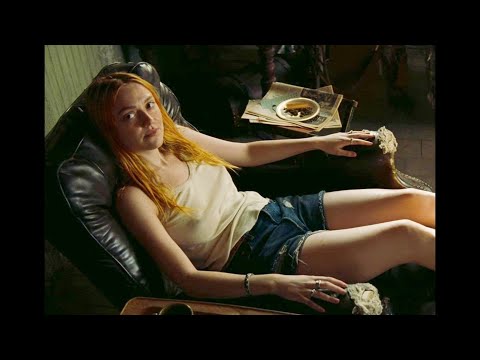
hippies in 30 Seconds
- Hippies were a 1960s counterculture group focused on peace, love, and personal freedom.
- They rejected mainstream society and were famous for their long hair and colorful fashion.
- The movement influenced modern environmentalism, music festivals, and alternative lifestyles globally.
- Today, the word can describe someone with a relaxed, nature-loving, or non-conformist attitude.
The term hippies refers to a vibrant and transformative counterculture movement that reached its zenith in the United States and the United Kingdom during the mid-to-late 1960s. At its core, being a hippie was not merely about a fashion statement, although the aesthetic was iconic; it was a profound rejection of the 'Establishment'—the traditional social, political, and economic structures that defined post-World War II life. Hippies sought to replace materialism and competition with a philosophy of communal living, environmental stewardship, and radical empathy. They were the 'flower children' who believed that love and individual expression could solve the world's most pressing conflicts, particularly the escalating Vietnam War. When people use this word today, they are often referring to this historical group, but the term is also applied to anyone who adopts a similar lifestyle characterized by non-conformity, peace-seeking, and a preference for natural or alternative ways of living.
- Historical Context
- The movement originated in the Haight-Ashbury district of San Francisco, where young people gathered to create a society based on shared resources and artistic freedom.
During the Summer of Love in 1967, thousands of hippies flocked to San Francisco to celebrate peace and music.
The etymology of the word is rooted in 'hip,' a term used in the jazz scene to describe someone who was 'in the know' or culturally aware. By the mid-60s, 'hippie' became the label for the younger generation that took 'hipness' to a political and spiritual level. They were known for their long hair, which challenged traditional gender norms of the time, and their preference for psychedelic music, which often reflected their experiments with consciousness-expanding substances. The movement was also deeply tied to the Civil Rights Movement and the anti-war protests, making the term 'hippies' synonymous with political activism for many. However, for others, the term carried a negative connotation, suggesting a lack of hygiene or a refusal to contribute to society through traditional employment.
- Core Values
- Pacifism, environmentalism, sexual liberation, and the pursuit of spiritual enlightenment through Eastern philosophies like Buddhism and Hinduism.
Many hippies lived in communes where they shared food, money, and responsibilities equally.
In contemporary conversation, the word 'hippies' can be used nostalgically, descriptively, or even pejoratively. A person might say, 'My parents were total hippies back in the day,' with a sense of pride or amusement. Conversely, a critic might use it to dismiss someone's idealistic political views as 'hippie nonsense.' The visual markers—tie-dye shirts, bell-bottom jeans, and peace signs—remain the most common way the group is identified in popular culture, from Halloween costumes to Hollywood films. Despite the movement's eventual fragmentation in the 1970s, the influence of hippies remains visible in modern society through the prevalence of organic food, yoga, holistic medicine, and the global environmental movement.
- Legacy
- The hippie movement paved the way for modern environmentalism, LGBTQ+ rights, and the mainstreaming of alternative lifestyles.
The fashion industry still draws heavy inspiration from the styles popularized by hippies in the late sixties.
The local park was filled with modern-day hippies practicing meditation and playing acoustic guitars.
Old photographs show my grandparents as young hippies at the Woodstock festival.
Using the word hippies correctly requires an understanding of its grammatical function as a plural noun and its varied connotations. In most cases, it is used to describe a collective group of people rather than an individual (though 'hippie' is the singular form). When constructing sentences, you can use it as the subject or the object, and it often pairs well with verbs that describe lifestyle choices, political actions, or aesthetic appearances. For example, you might say, 'The hippies protested the war,' or 'She admired the hippies for their commitment to peace.' Because the term is so strongly linked to a specific era, it is frequently used with past tense verbs, but it is equally applicable in the present tense when referring to people who maintain those values today.
- Subject Usage
- Hippies often traveled in brightly painted buses to attend music festivals across the country.
The hippies at the rally were handing out flowers to the police officers.
Adjectives play a crucial role in shaping the meaning of 'hippies' in a sentence. You can use descriptive adjectives like 'idealistic,' 'peace-loving,' 'long-haired,' or 'radical' to provide more detail. If you want to convey a more modern or evolved version of the subculture, you might use terms like 'neo-hippies' or 'modern-day hippies.' It is also common to see the word used in compound structures or as a modifier, such as 'hippie culture,' 'hippie fashion,' or 'hippie commune.' When using it as a modifier, the singular form 'hippie' is generally preferred, but 'hippies' is used when the focus is on the people themselves. Understanding the nuance between a literal historical reference and a metaphorical lifestyle description is key to effective communication.
- Object Usage
- The documentary captures the daily lives of the hippies living in the Oregon wilderness.
Many people in the 1960s were afraid of the hippies because they represented such a radical change in values.
Furthermore, the word 'hippies' can be used in comparative contexts. You might compare the hippies of the 60s to the punks of the 70s or the hipsters of the 2010s. In these cases, the word serves as a benchmark for countercultural identity. For example, 'While the hippies focused on peace and love, the punks were more about anger and rebellion.' This comparative use helps to define the specific characteristics that make the hippies unique. It is also important to note that the word is almost always pluralized with an '-ies' ending, following standard English rules for nouns ending in 'y'. Incorrectly spelling it as 'hippys' is a common mistake that should be avoided in written work.
- Comparative Usage
- Unlike the corporate workers of the era, the hippies prioritized personal freedom over financial gain.
The hippies of the past would likely be surprised by how mainstream some of their ideas have become.
You can still find groups of hippies selling handmade jewelry at the beach.
The film portrays the hippies as idealistic but ultimately disorganized.
You are most likely to encounter the word hippies in contexts related to history, music, fashion, and social commentary. In a history classroom, the term is essential for discussing the social upheaval of the 1960s, the Vietnam War, and the evolution of American society. Teachers and textbooks use 'hippies' to categorize the youth movement that challenged the status quo. Similarly, in documentaries or articles about music history, the word is ubiquitous. It is impossible to discuss the legacy of the Woodstock Music & Art Fair, the Grateful Dead, or Jimi Hendrix without mentioning the hippies who formed the core audience and cultural backbone of that era. In these settings, the word is usually used with historical accuracy and a degree of academic neutrality.
- In Media
- News archives from the 1960s often show reporters interviewing hippies about their 'alternative' lifestyles.
The narrator explained how the hippies transformed the cultural landscape of the twentieth century.
Beyond history and music, the word is frequently heard in the fashion industry. Designers often reference 'hippie' styles when creating collections that feature fringe, embroidery, flared trousers, or floral patterns. In this context, 'hippies' serves as a shorthand for a specific aesthetic that evokes a sense of freedom and bohemian flair. You might hear a fashion commentator say, 'This season is all about the 70s hippies look.' Additionally, the word appears in discussions about environmentalism and sustainability. Because the original hippies were early advocates for organic farming and living 'off the grid,' modern environmentalists are sometimes compared to them. This can be either a way to honor the movement's roots or a way to dismiss modern activists as being out of touch with reality.
- In Everyday Speech
- People often use the word to describe a friend who is very relaxed, loves nature, or avoids modern technology.
'My neighbors are total hippies; they grow all their own vegetables and don't own a TV,' she remarked.
Finally, the word 'hippies' is a staple in pop culture, particularly in movies and television shows set in the 1960s or 70s. Characters who are hippies are often portrayed with specific tropes: they might speak in a slow, relaxed manner, use slang like 'groovy' or 'far out,' and be seen driving a Volkswagen bus. While these portrayals can sometimes be caricatures, they reinforce the word's place in the collective imagination. Whether it's a nostalgic look back at a parent's youth or a satirical take on modern 'granola' culture, the word 'hippies' continues to be a powerful linguistic tool for describing a specific blend of idealism, aesthetics, and social rebellion. You will hear it in coffee shops, at music festivals, in university lecture halls, and in the lyrics of countless songs that celebrate the spirit of the sixties.
- In Literature
- Many novels written during the 1960s explore the tension between the hippies and the conservative older generation.
The author described the hippies as a 'lost generation' searching for meaning in a chaotic world.
At the vintage market, the vendor specialized in clothing originally worn by hippies.
The song lyrics mentioned the hippies dancing in the rain at a summer festival.
One of the most frequent mistakes learners make with the word hippies is confusing it with the modern term 'hipsters.' While both groups represent subcultures that often stand apart from the mainstream, they belong to entirely different eras and have distinct values. Hippies were a 1960s movement focused on peace, communal living, and a rejection of materialism. Hipsters, on the other hand, are a 21st-century subculture often associated with urban living, niche consumerism, and a specific 'ironic' fashion sense. Using 'hippies' to describe a young person in a trendy coffee shop today might be factually incorrect unless that person specifically adheres to the 1960s counterculture philosophy. It is important to distinguish between the historical weight of the hippies and the more contemporary, often consumer-driven identity of hipsters.
- Spelling Error
- Avoid spelling the plural as 'hippys' or 'hippeis.' The correct plural form is always hippies.
Incorrect: The hippys lived in a commune. Correct: The hippies lived in a commune.
Another common error is the misuse of the word's connotation. As mentioned earlier, 'hippies' can be a sensitive term. If you use it to describe someone who is simply messy or unorganized, you might be using it as a derogatory stereotype. This can be offensive to those who identify with the movement's positive values of peace and environmentalism. Conversely, assuming that all hippies were 'lazy' or 'unproductive' ignores the significant political and social contributions the movement made. When using the word, consider whether you are describing a person's actual beliefs and lifestyle or if you are just relying on a superficial stereotype. In academic or professional writing, it is best to use the term specifically in its historical or sociological context to avoid unintended bias.
- Grammar Tip
- Remember that 'hippie' is the adjective and singular noun, while 'hippies' is the plural noun. Don't say 'He is a hippies.'
Incorrect: He wore a hippies shirt. Correct: He wore a hippie shirt.
Finally, some learners struggle with the distinction between 'hippies' and 'bohemians.' While there is significant overlap—both groups value art, freedom, and non-conformity—'bohemians' is a much older term dating back to the 19th century, often associated with struggling artists in cities like Paris. 'Hippies' is specifically tied to the mid-20th-century American counterculture. Using 'hippies' to describe a 19th-century artist would be an anachronism. Similarly, avoid using 'hippies' to describe any group of protesters; while hippies were often protesters, not all protesters are hippies. Precision in your choice of nouns will help you sound more like a native speaker and ensure your historical references are accurate.
- Anachronism Warning
- Do not use 'hippies' to describe countercultures from before the 1960s or after the mid-1970s without qualification.
The hippies of the 60s were influenced by the Beatniks of the 50s, but they were not the same group.
Some people call anyone with a beard a hippie, which is a lazy generalization.
The hippies' movement was much more than just a fashion trend; it was a political statement.
When you want to describe someone who shares some characteristics with hippies but isn't quite the same, or if you want to avoid repeating the word, there are several alternatives you can use. Each has its own nuance and historical context. For example, 'flower children' is a more poetic and gentle term that emphasizes the peace and love aspect of the movement. It evokes the image of young people putting flowers in the barrels of soldiers' guns. 'Counterculturalists' is a more academic and broad term that refers to anyone who actively opposes the dominant culture of their time. This is a great choice for formal writing where you want to emphasize the political and social opposition rather than the lifestyle or fashion.
- Flower Children
- A synonymous term used specifically for the young, idealistic hippies of the late 1960s.
The media often referred to the hippies as 'flower children' during the San Francisco protests.
Another related term is 'bohemians.' As mentioned before, this refers to people, often artists or writers, who live unconventional lives. While 'hippies' is tied to the 60s, 'bohemian' is a timeless term. If you are describing a modern artist who lives in a shared studio and ignores social norms, 'bohemian' might be more accurate than 'hippie.' 'Free spirits' is another excellent alternative that is generally more positive and less politically charged. It describes someone who follows their own path and isn't constrained by societal expectations. This is a versatile term that can be applied to people of any age or era. In a more modern context, you might use 'granola' or 'earthy' to describe people who are very focused on natural living and environmentalism, though these can sometimes be slightly mocking.
- Bohemians
- Unconventional people, especially those involved in the arts, who live with few ties to social norms.
Before the hippies, the bohemians of Greenwich Village were the center of the American counterculture.
For those who want to focus on the political side, 'activists' or 'radicals' might be appropriate, though these terms are much broader and don't necessarily imply the hippie lifestyle. 'Beatniks' is the term for the 1950s predecessors to the hippies. They were more focused on literature, jazz, and a darker, more cynical form of non-conformity. Understanding these distinctions allows you to choose the most precise word for your context. If you are writing a story about the 60s, 'hippies' is perfect. If you are writing about a modern person who loves hiking and organic food, 'nature-lover' or 'environmentalist' might be better. The key is to match the word to the specific attributes of the people you are describing.
- Beatniks
- The generation of non-conformists that immediately preceded the hippies.
The transition from the black-clad beatniks to the colorful hippies was a major cultural shift.
Some critics saw the hippies as nothing more than 'trust-fund radicals'.
The hippies' influence can be seen in the 'new age' movements of the 1980s.
How Formal Is It?
""
""
""
""
""
Fun Fact
The term was originally used somewhat mockingly by older 'hip' people to describe the younger generation as 'little hipsters' or 'hippies.'
Pronunciation Guide
- Pronouncing the 'h' as silent.
- Making the 'i' sound like 'ee' (heepies).
- Pronouncing the 'ies' as 'ice'.
- Adding an extra syllable.
- Failing to voice the 'z' at the end.
Difficulty Rating
Easy to recognize in historical and cultural texts.
Requires correct plural spelling and understanding of connotation.
Commonly used in casual conversation about lifestyle.
Clear pronunciation, but often heard in songs or old clips.
What to Learn Next
Prerequisites
Learn Next
Advanced
Grammar to Know
Pluralization of nouns ending in 'y'
One hippie, two hippies.
Using nouns as adjectives
A hippie (adj) shirt.
Collective nouns and verb agreement
The hippies (plural) were (plural verb) dancing.
Possessive form of plural nouns ending in 's'
The hippies' (possessive) protest.
Articles with specific groups
The hippies (referring to the specific historical group).
Examples by Level
The hippies loved flowers.
Los hippies amaban las flores.
Plural noun.
Hippies say 'peace'.
Los hippies dicen 'paz'.
Simple present tense.
They are hippies.
Ellos son hippies.
Subject pronoun 'they'.
I see the hippies.
Veo a los hippies.
Direct object.
Hippies have long hair.
Los hippies tienen el pelo largo.
Verb 'have' for possession.
The hippies sing songs.
Los hippies cantan canciones.
Plural subject.
Are they hippies?
¿Son ellos hippies?
Question form.
Hippies like nature.
A los hippies les gusta la naturaleza.
Verb 'like'.
The hippies lived in a big house together.
Los hippies vivían juntos en una casa grande.
Past tense 'lived'.
Many hippies wore tie-dye shirts.
Muchos hippies usaban camisetas de colores.
Adjective 'tie-dye'.
The hippies traveled in a colorful bus.
Los hippies viajaban en un autobús colorido.
Preposition 'in'.
Hippies wanted to stop the war.
Los hippies querían detener la guerra.
Infinitive 'to stop'.
She thinks hippies are very cool.
Ella piensa que los hippies son muy geniales.
Third person singular 'thinks'.
Were there many hippies in the 1960s?
¿Había muchos hippies en los años 60?
Past tense 'were there'.
Hippies did not like expensive things.
A los hippies no les gustaban las cosas caras.
Negative past tense.
The hippies danced at the music festival.
Los hippies bailaron en el festival de música.
Past tense 'danced'.
Hippies rejected the traditional values of their parents.
Los hippies rechazaron los valores tradicionales de sus padres.
Verb 'rejected' implies a conscious choice.
The hippies advocated for environmental protection.
Los hippies abogaron por la protección del medio ambiente.
Verb 'advocated for' is a B1 level phrasal verb.
Many hippies moved to the countryside to start communes.
Muchos hippies se mudaron al campo para comenzar comunas.
Purpose clause 'to start'.
Hippies were often associated with the 'flower power' movement.
Los hippies a menudo se asociaban con el movimiento 'flower power'.
Passive voice 'were associated'.
The hippies' lifestyle was very different from the mainstream.
El estilo de vida de los hippies era muy diferente al de la mayoría.
Possessive 'hippies''.
Some people criticized the hippies for being idealistic.
Algunas personas criticaron a los hippies por ser idealistas.
Preposition 'for' + gerund.
Hippies played a major role in the anti-war protests.
Los hippies jugaron un papel importante en las protestas contra la guerra.
Idiom 'played a major role'.
The hippies' influence can still be felt in modern music.
La influencia de los hippies todavía se puede sentir en la música moderna.
Modal 'can' + passive.
The hippies challenged the social hierarchy of the 1960s.
Los hippies desafiaron la jerarquía social de los años 60.
Abstract noun 'hierarchy'.
Hippies sought spiritual enlightenment through various practices.
Los hippies buscaban la iluminación espiritual a través de diversas prácticas.
Verb 'sought' (past of seek).
The hippies' rejection of materialism was a core part of their identity.
El rechazo de los hippies al materialismo era una parte central de su identidad.
Gerund phrase as subject.
Hippies were frequently stereotyped by the media as being lazy.
Los hippies eran frecuentemente estereotipados por los medios como vagos.
Adverb 'frequently' modifying a passive verb.
The hippies' movement was a catalyst for the sexual revolution.
El movimiento de los hippies fue un catalizador para la revolución sexual.
Noun 'catalyst'.
Many hippies experimented with alternative forms of education.
Muchos hippies experimentaron con formas alternativas de educación.
Adjective 'alternative'.
The hippies' impact on fashion is still evident on modern runways.
El impacto de los hippies en la moda todavía es evidente en las pasarelas modernas.
Adjective 'evident'.
Hippies often faced hostility from the more conservative members of society.
Los hippies a menudo enfrentaban hostilidad de los miembros más conservadores de la sociedad.
Uncountable noun 'hostility'.
The hippies' counterculture was a direct response to the perceived sterility of suburban life.
La contracultura de los hippies fue una respuesta directa a la esterilidad percibida de la vida suburbana.
Noun 'sterility' used metaphorically.
Hippies utilized psychedelic art to express their internal experiences.
Los hippies utilizaron el arte psicodélico para expresar sus experiencias internas.
Verb 'utilized' for formal tone.
The hippies' ethos of communalism was often at odds with the capitalist system.
El espíritu de comunalismo de los hippies a menudo estaba en conflicto con el sistema capitalista.
Phrase 'at odds with'.
Sociologists study the hippies to understand the dynamics of social movements.
Los sociólogos estudian a los hippies para comprender la dinámica de los movimientos sociales.
Infinitive of purpose.
The hippies' migration to rural areas led to the 'back-to-the-land' movement.
La migración de los hippies a las zonas rurales dio lugar al movimiento 'de vuelta a la tierra'.
Noun 'migration'.
The hippies' radicalism was tempered by a deep-seated belief in non-violence.
El radicalismo de los hippies fue moderado por una creencia profundamente arraigada en la no violencia.
Participle 'tempered'.
Critics argue that the hippies' ideals were ultimately co-opted by the market.
Los críticos argumentan que los ideales de los hippies fueron finalmente absorbidos por el mercado.
Verb 'co-opted'.
The hippies' legacy is a subject of ongoing debate among historians.
El legado de los hippies es un tema de debate continuo entre los historiadores.
Compound noun 'subject of debate'.
The hippies' subversion of traditional gender roles prefigured modern queer theory.
La subversión de los roles de género tradicionales por parte de los hippies prefiguró la teoría queer moderna.
Verb 'prefigured'.
Hippies embodied the tension between individual autonomy and communal responsibility.
Los hippies encarnaron la tensión entre la autonomía individual y la responsabilidad comunal.
Verb 'embodied'.
The hippies' aesthetic was a visual manifestation of their philosophical divergence from the mainstream.
La estética de los hippies fue una manifestación visual de su divergencia filosófica de la corriente principal.
Noun 'divergence'.
One cannot analyze the hippies without considering the geopolitical climate of the Cold War.
No se puede analizar a los hippies sin considerar el clima geopolítico de la Guerra Fría.
Impersonal 'one'.
The hippies' experiments with consciousness were often misunderstood as mere hedonism.
Los experimentos de los hippies con la conciencia a menudo se malinterpretaron como mero hedonismo.
Noun 'hedonism'.
The hippies' influence permeated the global consciousness, affecting diverse cultures.
La influencia de los hippies impregnó la conciencia global, afectando a diversas culturas.
Verb 'permeated'.
The hippies' movement was characterized by an eclectic blend of mysticism and political activism.
El movimiento de los hippies se caracterizó por una mezcla ecléctica de misticismo y activismo político.
Adjective 'eclectic'.
The hippies' eventual disillusionment led to the fragmentation of the movement in the early 70s.
La eventual desilusión de los hippies llevó a la fragmentación del movimiento a principios de los 70.
Noun 'disillusionment'.
Common Collocations
Common Phrases
— A famous slogan used by hippies to promote peace and sexual freedom.
The protesters carried signs that said 'Make love, not war'.
— A slogan used to describe the non-violent resistance of the hippies.
Flower power was the theme of the peaceful demonstration.
— A phrase popularized by Timothy Leary, encouraging people to explore consciousness and leave traditional society.
Many hippies took the advice to turn on, tune in, and drop out.
— The central message and greeting of the hippie movement.
The festival was all about peace and love.
— Slang used by hippies to describe something excellent or unusual.
That music is totally far out, man!
— A common 1960s term for something fashionable or exciting.
The hippies thought the new art gallery was very groovy.
— The summer of 1967, when the hippie movement reached its peak in San Francisco.
The Summer of Love changed American culture forever.
— The practice of sharing a home and resources with a group of people.
Hippies popularized communal living as an alternative to the nuclear family.
— A method of coloring fabric that was very popular among hippies.
Everyone at the park was wearing tie-dye.
— Trousers that become wider from the knees downward, a staple of hippie fashion.
She found a vintage pair of bell-bottoms at the thrift store.
Often Confused With
Hipsters are a modern subculture; hippies are from the 1960s.
Hobos are homeless travelers; hippies are members of a cultural movement.
Yippies were a more politically radical and theatrical offshoot of the hippies.
Idioms & Expressions
— A common saying among 1960s youth expressing distrust of the older generation.
The hippies' motto was 'don't trust anyone over thirty'.
historical— To keep going or persevere, often associated with hippie art.
Life is hard, but you just have to keep on truckin'.
informal— An expression of agreement or encouragement.
When he spoke about peace, the hippies shouted, 'Right on!'
informal— A disappointing or unpleasant situation.
It's a real bummer that the festival was canceled.
slang— Positive feelings or energy from a person or place.
The hippies were all about spreading good vibes.
informal— Fashionable or exciting.
San Francisco was the happenin' place for hippies in 1967.
slang— To become relaxed or calm.
You need to mellow out and stop worrying so much.
informalEasily Confused
Both start with 'hip' and refer to subcultures.
Hippies focus on peace/love/60s; hipsters focus on urban trends/irony/2010s.
The hippies lived in communes, but the hipsters live in lofts.
Both represent unconventional lifestyles.
Bohemians is a general term for artists; hippies is specific to the 60s movement.
Paris was full of bohemians in the 1920s, long before the hippies.
Both were counterculture groups from the mid-20th century.
Beatniks were 1950s, focused on jazz/poetry; hippies were 1960s, focused on rock/peace.
The beatniks wore black, while the hippies wore tie-dye.
Both are famous youth subcultures.
Hippies were about peace and love; punks were about anger and rebellion.
The hippies' long hair was replaced by the punks' mohawks.
Sometimes used to describe nomadic lifestyles.
Gypsies (Romani) is an ethnic group; hippies is a chosen cultural identity.
The hippies traveled in vans, but they were not actual gypsies.
Sentence Patterns
The hippies are [adjective].
The hippies are happy.
Hippies like to [verb].
Hippies like to dance.
Many hippies [verb] in the 1960s.
Many hippies protested in the 1960s.
The hippies were known for [gerund].
The hippies were known for rejecting social norms.
It was the hippies who [verb phrase].
It was the hippies who popularized organic food.
The hippies' [noun] was a reflection of [noun].
The hippies' aesthetic was a reflection of their philosophy.
Some people call them hippies because [clause].
Some people call them hippies because they live in the woods.
Despite being called hippies, they [verb phrase].
Despite being called hippies, they were very organized.
Word Family
Nouns
Adjectives
Related
How to Use It
Common in historical and cultural contexts.
-
Calling a modern hipster a hippie.
→
Calling them a hipster.
Hipsters and hippies are from different eras and have different values.
-
Spelling the plural as 'hippys'.
→
Hippies.
Nouns ending in 'y' usually change to 'ies' in the plural.
-
Saying 'He is a hippies'.
→
He is a hippie.
'Hippies' is plural; 'hippie' is singular.
-
Using 'hippies' for any protester.
→
Protester or activist.
Not all people who protest are part of the hippie counterculture.
-
Capitalizing 'hippies' in the middle of a sentence.
→
hippies.
It is a common noun and does not need a capital letter.
Tips
Context Matters
Always check if the speaker is using 'hippies' to describe history or to make a joke about someone's appearance.
The 'ies' Ending
Remember that the plural of hippie is hippies. Don't use 'hippys'!
Use Synonyms
In formal writing, try 'counterculture members' instead of 'hippies' for a more professional tone.
Global Influence
Remember that while it started in the US, the hippie movement was global.
Adjective vs Noun
Use 'hippie' as an adjective (hippie clothes) and 'hippies' as a plural noun (the hippies were there).
Know the Era
Associate hippies with the 1960s and 70s to keep your historical references accurate.
Voice the Z
The 's' at the end of 'hippies' sounds like a 'z'.
Visuals
When you see tie-dye or peace signs, you are seeing hippie influence.
Be Respectful
Avoid using the term to mock people who care about the environment.
Watch Documentaries
Watching films about Woodstock is a great way to see hippies in their original context.
Memorize It
Mnemonic
Think of 'Hip' people who are 'Happy' and like 'Hobbies' like gardening—HIP-PIES.
Visual Association
Imagine a person with long hair wearing a tie-dye shirt and holding a peace sign standing in a field of flowers.
Word Web
Challenge
Try to use the word 'hippies' in a sentence about a music festival and a sentence about history.
Word Origin
The word 'hippie' is derived from 'hip,' which was used in the 1940s and 50s jazz scene to mean 'sophisticated' or 'in the know.' It was first used in the mid-1960s to describe the young people who were moving into San Francisco's Haight-Ashbury district. Journalists began using the term to distinguish these younger, more colorful rebels from the older 'Beatniks.'
Original meaning: A person who is 'hip' or aware of the latest trends and ideas.
English (Germanic origin for 'hip').Cultural Context
Be aware that some older people may still have strong negative feelings about hippies due to the social divisions of the 1960s.
In the US and UK, hippies are a major part of the national mythos of the 1960s.
Practice in Real Life
Real-World Contexts
History Class
- The rise of the hippies
- The hippies' impact on politics
- Anti-war hippies
- The end of the hippie era
Music Discussion
- Hippie music festivals
- The hippies loved the Grateful Dead
- Psychedelic rock and hippies
- The hippie aesthetic in music
Fashion
- Hippie-inspired clothing
- The hippies' use of tie-dye
- Dressing like hippies
- Hippie fashion trends
Social Commentary
- Modern-day hippies
- The hippie lifestyle
- Hippies and environmentalism
- Criticizing the hippies
Travel
- The hippie trail to India
- Hippie enclaves
- Traveling like hippies
- Hippie communes in the wild
Conversation Starters
"Do you think the hippies actually changed the world for the better?"
"What is the first thing that comes to mind when you hear the word 'hippies'?"
"Would you ever want to live in a commune like the hippies did?"
"Do you think modern 'hipsters' have anything in common with the original hippies?"
"Why do you think the hippie movement was so popular in the 1960s?"
Journal Prompts
Imagine you are a teenager in 1967. Describe your first encounter with a group of hippies in San Francisco.
Write about the pros and cons of the hippie lifestyle compared to a traditional 9-to-5 job.
Reflect on how the values of the hippies (peace, love, nature) are relevant in today's world.
If you had to design a 'modern hippie' movement, what would its main goals be?
Analyze a song or movie that features hippies and discuss how they are portrayed.
Frequently Asked Questions
10 questionsYes, there are people who still follow the hippie lifestyle, often called 'modern-day hippies' or 'neo-hippies.' They usually focus on environmentalism, sustainable living, and attending music festivals.
For men, long hair was a way to reject the short-haired, 'clean-cut' look required by the military and corporate world. It was a symbol of freedom and a rejection of traditional gender roles.
Hippies popularized vegetarianism, organic foods, and whole grains. They often ate simple, natural foods and were early supporters of 'farm-to-table' eating.
No, in the 1960s, many conservative people used it as an insult to describe young people they thought were lazy, dirty, or unpatriotic.
Many lived in cities like San Francisco (Haight-Ashbury) or London, but many others moved to rural communes in places like Oregon, Vermont, or Northern California.
They primarily listened to psychedelic rock, folk music, and blues. Famous artists include The Grateful Dead, Janis Joplin, and Jefferson Airplane.
Yes, many hippies experimented with psychedelic drugs like LSD and marijuana as a way to 'expand their minds' and explore new ways of thinking.
The movement began to fade in the mid-1970s as the Vietnam War ended and many hippies grew older and rejoined mainstream society, though their values remained influential.
Usually, no. It is a common noun. However, you might capitalize it if you are referring to the movement as a specific historical entity in a title.
Hippies were generally more focused on lifestyle and peace, while Yippies (Youth International Party) were more focused on political pranks and radical activism.
Test Yourself 180 questions
Describe the appearance of a typical hippie from the 1960s.
Well written! Good try! Check the sample answer below.
Explain why the hippies were against the Vietnam War.
Well written! Good try! Check the sample answer below.
Compare the hippies of the 1960s to a modern subculture.
Well written! Good try! Check the sample answer below.
What are the core values of the hippie movement?
Well written! Good try! Check the sample answer below.
Write a short story about someone who decides to become a hippie.
Well written! Good try! Check the sample answer below.
How did the hippies influence modern environmentalism?
Well written! Good try! Check the sample answer below.
Discuss the pros and cons of living in a hippie commune.
Well written! Good try! Check the sample answer below.
What does the slogan 'Make Love, Not War' mean to you?
Well written! Good try! Check the sample answer below.
Analyze the impact of hippies on the music industry.
Well written! Good try! Check the sample answer below.
Why do you think the hippie movement started in San Francisco?
Well written! Good try! Check the sample answer below.
Describe a modern-day hippie. How are they different from the original ones?
Well written! Good try! Check the sample answer below.
Write a dialogue between a hippie and a conservative person in 1968.
Well written! Good try! Check the sample answer below.
How did the hippies' fashion reflect their political views?
Well written! Good try! Check the sample answer below.
What is the legacy of the hippies in today's society?
Well written! Good try! Check the sample answer below.
Reflect on the use of the word 'hippie' as an insult.
Well written! Good try! Check the sample answer below.
How did hippies use art to express their ideas?
Well written! Good try! Check the sample answer below.
Describe the significance of the Woodstock festival.
Well written! Good try! Check the sample answer below.
Explain the term 'counterculture' using the hippies as an example.
Well written! Good try! Check the sample answer below.
What role did Eastern philosophy play in the hippie movement?
Well written! Good try! Check the sample answer below.
Would you have joined the hippie movement in the 60s? Why or why not?
Well written! Good try! Check the sample answer below.
Talk for one minute about what you know about hippies.
Read this aloud:
You said:
Speech recognition is not supported in your browser. Try Chrome or Edge.
Discuss with a partner: Would you prefer a traditional life or a hippie life?
Read this aloud:
You said:
Speech recognition is not supported in your browser. Try Chrome or Edge.
Describe a hippie outfit to your class.
Read this aloud:
You said:
Speech recognition is not supported in your browser. Try Chrome or Edge.
Explain the importance of peace and love in the hippie movement.
Read this aloud:
You said:
Speech recognition is not supported in your browser. Try Chrome or Edge.
Role-play: You are a hippie trying to convince a friend to join a commune.
Read this aloud:
You said:
Speech recognition is not supported in your browser. Try Chrome or Edge.
Debate: Was the hippie movement successful in changing society?
Read this aloud:
You said:
Speech recognition is not supported in your browser. Try Chrome or Edge.
Give a short presentation on the Woodstock festival.
Read this aloud:
You said:
Speech recognition is not supported in your browser. Try Chrome or Edge.
Talk about a movie or song that reminds you of hippies.
Read this aloud:
You said:
Speech recognition is not supported in your browser. Try Chrome or Edge.
How do you think hippies would react to modern technology?
Read this aloud:
You said:
Speech recognition is not supported in your browser. Try Chrome or Edge.
Explain the difference between a hippie and a hipster.
Read this aloud:
You said:
Speech recognition is not supported in your browser. Try Chrome or Edge.
Describe the impact of hippies on environmentalism today.
Read this aloud:
You said:
Speech recognition is not supported in your browser. Try Chrome or Edge.
Talk about the 'Summer of Love' and why it was important.
Read this aloud:
You said:
Speech recognition is not supported in your browser. Try Chrome or Edge.
What are some modern things that were started by hippies?
Read this aloud:
You said:
Speech recognition is not supported in your browser. Try Chrome or Edge.
Discuss the stereotypes people have about hippies.
Read this aloud:
You said:
Speech recognition is not supported in your browser. Try Chrome or Edge.
Role-play: A parent in 1968 talking to their child who has become a hippie.
Read this aloud:
You said:
Speech recognition is not supported in your browser. Try Chrome or Edge.
How did the hippies' music change the world?
Read this aloud:
You said:
Speech recognition is not supported in your browser. Try Chrome or Edge.
Explain the meaning of 'flower power'.
Read this aloud:
You said:
Speech recognition is not supported in your browser. Try Chrome or Edge.
Talk about the fashion of the 1960s.
Read this aloud:
You said:
Speech recognition is not supported in your browser. Try Chrome or Edge.
Do you think the hippie movement could happen again today?
Read this aloud:
You said:
Speech recognition is not supported in your browser. Try Chrome or Edge.
What is your favorite thing about hippie culture?
Read this aloud:
You said:
Speech recognition is not supported in your browser. Try Chrome or Edge.
Listen to a song from the 1960s and write down any words related to hippies.
Listen to a short interview with a former hippie and summarize their experience.
Listen to a news clip from 1967 and identify the main topic.
Listen to a description of a hippie commune and draw what you hear.
Listen to a podcast about the history of San Francisco and note the mention of hippies.
Listen to a teacher explaining the Vietnam War and how hippies reacted.
Listen to a conversation between two people discussing 60s fashion.
Listen to a documentary clip about Woodstock and count how many times 'peace' is said.
Listen to a speech by a counterculture leader and identify their main goal.
Listen to a list of subcultures and identify which one is 'hippies'.
Listen to a story about a hippie van and write down its colors.
Listen to a debate about the 1960s and summarize the two viewpoints.
Listen to a song about flowers and peace and discuss its mood.
Listen to a guide to a vintage market and note the 'hippie' items.
Listen to a definition of 'counterculture' and write it down.
Write three sentences using the word 'hippies'.
Well written! Good try! Check the sample answer below.
/ 180 correct
Perfect score!
Summary
The word 'hippies' describes a historical and cultural group that prioritized peace and individual expression over societal rules. For example: 'The hippies' protests helped change public opinion about the war.'
- Hippies were a 1960s counterculture group focused on peace, love, and personal freedom.
- They rejected mainstream society and were famous for their long hair and colorful fashion.
- The movement influenced modern environmentalism, music festivals, and alternative lifestyles globally.
- Today, the word can describe someone with a relaxed, nature-loving, or non-conformist attitude.
Context Matters
Always check if the speaker is using 'hippies' to describe history or to make a joke about someone's appearance.
The 'ies' Ending
Remember that the plural of hippie is hippies. Don't use 'hippys'!
Use Synonyms
In formal writing, try 'counterculture members' instead of 'hippies' for a more professional tone.
Global Influence
Remember that while it started in the US, the hippie movement was global.