cloak in 30 Sekunden
- A cloak is a sleeveless outer garment that drapes from the shoulders, often associated with historical or fantasy settings.
- It is frequently used as a metaphor for concealment, such as in the common phrase 'a cloak of secrecy'.
- In modern technology, 'cloaking' refers to making something invisible or presenting different content to search engines.
- Unlike a coat, a cloak does not have sleeves and is usually fastened only at the neck.
The word cloak primarily refers to a long, loose outer garment that was historically worn to provide warmth and protection from the elements. Unlike a coat, a cloak typically does not have sleeves; instead, it drapes over the shoulders and fastens at the neck, allowing the wearer's arms to move freely underneath or through slits. In modern contexts, the physical cloak is often associated with historical reenactments, fantasy literature, and formal ceremonial attire. However, the word has a powerful figurative meaning that is frequently used in journalism, literature, and everyday conversation. When we speak of a cloak of secrecy or a cloak of darkness, we are describing something that hides, covers, or obscures the truth or an action. This dual nature—the physical garment and the metaphorical shield—makes it a versatile and evocative term in the English language.
- Historical Context
- In medieval Europe, the cloak was an essential piece of clothing for travelers, providing a portable blanket and protection against rain. It signified status and utility simultaneously.
- Figurative Usage
- In modern English, it is most commonly used to describe concealment. For example, a spy might operate under a cloak of anonymity to protect their identity while gathering intelligence.
- Literary Symbolism
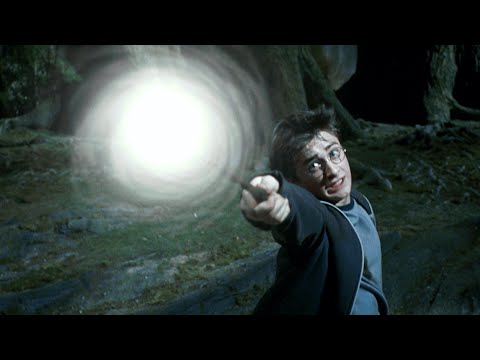
- Cloaks often symbolize mystery, magic, or hidden power in fiction, such as the famous invisibility cloak in the Harry Potter series or the traveling cloaks of the Fellowship in Middle-earth.
The mysterious figure stood in the shadows, his face hidden by the heavy wool cloak he wore.
The negotiations were conducted under a cloak of extreme confidentiality to prevent leaks to the press.
As the sun set, a cloak of mist rolled in from the sea, obscuring the jagged coastline.
She used her professional reputation as a cloak for her more questionable business dealings.
The ancient statue was found draped in a rotting velvet cloak inside the forgotten tomb.
Understanding the word 'cloak' requires recognizing its evolution from a practical piece of survival gear to a sophisticated rhetorical device. In the past, a cloak was a shield against the wind; today, it is a shield against the truth. This transition reflects how language often takes physical objects and turns them into abstract concepts to describe complex human behaviors like deception and protection. Whether you are describing a character in a period drama or analyzing the lack of transparency in a corporate merger, 'cloak' provides a precise and evocative way to convey the idea of something being intentionally covered up. Its usage remains robust because it carries a sense of weight and intention that simpler words like 'cover' or 'hide' lack. When something is 'cloaked,' there is an implication of deliberate design and perhaps a touch of drama or mystery.
Using 'cloak' correctly involves distinguishing between its role as a concrete noun and its role as an abstract metaphor. As a concrete noun, it functions like any other item of clothing. You can wear it, drape it, fasten it, or lose it. It is a countable noun, so you can have one cloak or many cloaks. When using it in this sense, adjectives like 'heavy,' 'velvet,' 'tattered,' or 'hooded' are common companions. For instance, 'The traveler pulled his hooded cloak tighter as the wind began to howl.' Here, the word describes a physical action and a physical object, grounded in sensory detail. It helps set a scene, often one that feels historical, magical, or mysterious.
- Physical Description
- Focus on texture and function. Use 'cloak' when describing garments that lack sleeves and wrap around the body. Example: 'The crimson cloak trailed behind her on the marble floor.'
- Metaphorical Structure
- The structure is typically [Noun] + 'under a cloak of' + [Abstract Noun]. Example: 'The project was developed under a cloak of total secrecy.'
- Verb-Noun Collocations
- Common verbs used with 'cloak' include 'don' (to put on), 'discard' (to take off), 'pierce' (to see through the secrecy), and 'maintain' (to keep the secrecy going).
He donned a heavy wool cloak before stepping out into the winter storm.
The company's true financial state was hidden behind a cloak of complex accounting practices.
The thief moved through the alleyways, using the cloak of night to evade the guards.
In more advanced writing, 'cloak' can be used to describe an atmosphere or a feeling that pervades a place. For example, 'A cloak of gloom descended upon the village after the news arrived.' This usage elevates the description, making the gloom feel like a physical weight that has been draped over the community. It is more poetic than saying 'The village became sad.' When you use 'cloak' in this way, you are inviting the reader to visualize the emotion as something tangible and all-encompassing. It is also important to note the difference between a 'cloak' and a 'cape'. While often used interchangeably, a cloak is generally longer (reaching the knees or ankles) and provides more coverage, whereas a cape is shorter and often purely decorative. Using 'cloak' implies a level of protection or total coverage that 'cape' does not necessarily suggest. By choosing 'cloak', you emphasize the completeness of the concealment or the garment's utility.
While you might not see many people wearing physical cloaks on the street today, the word is remarkably common in specific domains. In the world of high-stakes politics and international diplomacy, 'cloak' is a favorite of journalists and analysts. You will frequently hear phrases like 'the meeting was held under a cloak of secrecy' or 'the administration is using a cloak of national security to withhold documents.' In these contexts, the word suggests that the lack of transparency is deliberate and perhaps suspicious. It adds a layer of drama to the reporting, framing the lack of information as a conscious act of hiding something important from the public eye.
- Fantasy and Sci-Fi
- In movies and games, 'cloaking technology' refers to devices that make spaceships or soldiers invisible. This is a direct modern application of the word's core meaning of hiding.
- Legal and Corporate
- Lawyers might talk about 'piercing the corporate cloak' (though 'veil' is more common, 'cloak' is used synonymously) to find the individuals responsible for a company's actions.
- Historical Narratives
- Museum guides and historians use the word to describe the attire of past eras, explaining how cloaks were used for warmth before the invention of modern coats.
'The enemy ship has engaged its cloak!' shouted the commander in the sci-fi thriller.
The report criticized the government for operating under a cloak of invisibility regarding its spending.
Furthermore, in the realm of technology and cybersecurity, 'cloaking' is a technical term. It refers to a technique used in search engine optimization (SEO) where the content presented to the search engine spider is different from that presented to the user's browser. This is often considered a deceptive practice. Similarly, in military technology, 'cloaking' refers to stealth capabilities that make aircraft or vessels difficult to detect by radar or sonar. In these modern, high-tech applications, the word 'cloak' retains its ancient essence: the act of making something that is physically present impossible to see or identify. Whether it's a medieval traveler or a 21st-century stealth bomber, the 'cloak' serves the same fundamental purpose of concealment and protection.
One of the most frequent mistakes learners make is confusing a 'cloak' with a 'cape'. While they are similar, a cloak is generally a full-length garment that covers the entire body and often has a hood, whereas a cape is shorter and usually only covers the back and shoulders. Using 'cape' when you mean 'cloak' can diminish the sense of mystery or protection you are trying to convey. Another common error is using 'cloak' as a verb when a noun is required, or vice versa. While 'cloak' can be a verb (meaning to hide), this lesson focuses on its noun form. If you say 'He was cloaking by the wall,' it is grammatically incorrect; you should say 'He was cloaked by the shadows' (verb) or 'He stood in his cloak by the wall' (noun).
- Confusing with 'Coat'
- A coat has sleeves; a cloak does not. If you describe a modern winter jacket as a 'cloak', it will sound very strange and archaic to native speakers.
- Overusing the Metaphor
- While 'cloak of secrecy' is a common idiom, using 'cloak' for every instance of hiding can make your writing feel repetitive or overly dramatic. Use 'cover', 'shield', or 'veil' for variety.
- Preposition Errors
- Learners sometimes say 'under the cloak from secrecy' instead of 'under a cloak of secrecy'. The preposition 'of' is almost always the correct choice here.
Incorrect: He put on his cloak and zipped it up. (Cloaks don't have zippers; they have clasps or ties).
Incorrect: The secret was kept under the cloak for darkness. (Should be 'cloak of darkness').
Additionally, be careful with the plural form. While 'cloaks' is the standard plural, some learners accidentally use 'cloakes' or 'cloaks' with an apostrophe when it's not possessive. Always remember that 'cloak' is a regular noun. Another nuance is the 'cloakroom'. In many English-speaking countries, a 'cloakroom' is a place where you leave your coats and bags in a public building, or it can be a polite British term for a toilet. Even though people don't wear cloaks anymore, the name of the room has persisted. Don't be confused if someone asks where the cloakroom is; they aren't looking for medieval garments! Understanding these small distinctions will help you use the word naturally and avoid the 'uncanny valley' of language learning where your words are technically correct but contextually awkward.
To truly master 'cloak', it helps to understand its synonyms and how they differ in tone and meaning. The most direct physical synonym is 'mantle'. A mantle is also a loose outer garment, but it often carries a more regal or symbolic weight, such as 'taking up the mantle of leadership'. Another similar word is 'cape', which, as discussed, is usually shorter and more decorative. 'Shawl' and 'wrap' are also related but are generally lighter, often knitted or woven, and worn primarily by women for warmth or fashion rather than for protection or concealment. When looking for figurative alternatives, 'veil' is the most common. A 'veil of secrecy' and a 'cloak of secrecy' are nearly identical in meaning, though 'veil' suggests something thinner and more delicate, while 'cloak' suggests something heavy and impenetrable.
- Cloak vs. Cape
- A cloak is for protection and coverage (long, hooded); a cape is for style or specific uniforms (shorter, no hood).
- Cloak vs. Veil
- A cloak hides completely; a veil obscures or blurs. You might see through a veil, but you cannot see through a cloak.
- Cloak vs. Shroud
- A shroud is specifically a cloth used to wrap a dead body. Figuratively, a 'shroud of mystery' is even darker and more final than a 'cloak of mystery'.
The mountain was cloaked in mist, making the peak invisible from the valley.
He took up the mantle of his father's business, continuing the family legacy.
In academic or formal writing, you might encounter 'pall'. A 'pall of smoke' or a 'pall of silence' describes a dark, heavy covering that creates a somber mood. While 'cloak' can be used similarly, 'pall' is specifically associated with gloom and death. On the other end of the spectrum, 'screen' or 'shield' can be used when the concealment is more functional or protective, such as a 'smoke screen' or a 'privacy shield'. Choosing the right word depends on the 'flavor' of the concealment you want to describe. If it's mysterious and heavy, go with 'cloak'. If it's light and suggestive, choose 'veil'. If it's somber and oppressive, 'pall' is your best bet. By expanding your vocabulary to include these alternatives, you can provide more precise descriptions and avoid overusing 'cloak' in your essays and stories.
How Formal Is It?
Wusstest du?
The word 'clock' actually comes from the same root as 'cloak' because early clocks were often housed in bell towers, and 'cloque' meant bell.
Aussprachehilfe
- Pronouncing it like 'clock' (short o).
- Adding an extra syllable like 'cloh-ak'.
- Confusing the 'cl' sound with 'gl'.
- Not fully pronouncing the final 'k' sound.
- Pronouncing the 'oa' like 'ow' in 'now'.
Schwierigkeitsgrad
Common in literature but rare in modern news except as a metaphor.
Requires understanding of metaphorical usage to use effectively.
Easy to pronounce but rarely used in casual conversation.
Easily confused with 'clock' if not careful.
Was du als Nächstes lernen solltest
Voraussetzungen
Als Nächstes lernen
Fortgeschritten
Wichtige Grammatik
Nouns as Adjectives
A 'velvet cloak' uses the noun 'velvet' to describe the material.
Metaphorical 'Of' Phrases
'A cloak of silence' follows the [Noun] + of + [Abstract Noun] pattern.
Prepositional Phrases
'Under a cloak' is a common prepositional phrase used for state of being.
Compound Nouns
'Cloakroom' is a closed compound noun.
Articles with Countable Nouns
Always use 'a' or 'the' with 'cloak' in the singular.
Beispiele nach Niveau
The king has a long red cloak.
Le roi a une longue cape rouge.
Countable noun with an article.
She wears a cloak with a hood.
Elle porte une cape avec une capuche.
Prepositional phrase 'with a hood' describes the cloak.
Is that a magic cloak?
Est-ce une cape magique ?
Adjective 'magic' modifies the noun.
The cloak is very warm.
La cape est très chaude.
Subject of the sentence.
I have a blue cloak for the party.
J'ai une cape bleue pour la fête.
Direct object of the verb 'have'.
The little girl lost her cloak.
La petite fille a perdu sa cape.
Possessive pronoun 'her' used with the noun.
Put on your cloak, it is cold.
Mets ta cape, il fait froid.
Imperative sentence.
The wizard has a grey cloak.
Le sorcier a une cape grise.
Simple subject-verb-object structure.
The knight's cloak was made of heavy wool.
La cape du chevalier était faite de laine épaisse.
Possessive 'knight's' modifies 'cloak'.
You can leave your bags in the cloakroom.
Vous pouvez laisser vos sacs au vestiaire.
Compound noun 'cloakroom'.
He wrapped his cloak around his shoulders.
Il a enveloppé sa cape autour de ses épaules.
Verb 'wrapped' used with 'cloak'.
The actors wore colorful cloaks on stage.
Les acteurs portaient des capes colorées sur scène.
Plural form 'cloaks'.
A cloak is different from a jacket because it has no sleeves.
Une cape est différente d'une veste car elle n'a pas de manches.
Comparative sentence.
She found an old cloak in the attic.
Elle a trouvé une vieille cape dans le grenier.
Adjective 'old' and article 'an'.
The travelers used their cloaks as blankets at night.
Les voyageurs utilisaient leurs capes comme couvertures la nuit.
Used as a tool for a purpose.
The velvet cloak felt very soft.
La cape en velours était très douce au toucher.
Noun 'velvet' acting as an adjective.
The meeting was held under a cloak of secrecy.
La réunion s'est tenue sous le sceau du secret.
Figurative use with 'under a cloak of'.
The mountain was hidden by a cloak of thick mist.
La montagne était cachée par un manteau de brume épaisse.
Metaphorical use for weather.
He used his wealth as a cloak for his crimes.
Il a utilisé sa richesse comme couverture pour ses crimes.
Metaphor for concealment.
The spy disappeared into the cloak of night.
L'espion a disparu dans l'obscurité de la nuit.
Idiomatic expression 'cloak of night'.
They operated under a cloak of anonymity to protect themselves.
Ils opéraient sous le couvert de l'anonymat pour se protéger.
Common B1-level abstract phrase.
The forest was covered in a cloak of white snow.
La forêt était recouverte d'un manteau de neige blanche.
Poetic description.
The mystery was finally revealed, piercing the cloak of silence.
Le mystère a enfin été révélé, perçant le voile du silence.
Verb 'piercing' used with the metaphor.
She wore a heavy cloak to protect herself from the rain.
Elle portait une lourde cape pour se protéger de la pluie.
Literal use with a purpose clause.
The government's actions were shielded by a cloak of national security.
Les actions du gouvernement étaient protégées par le secret de la sécurité nationale.
Passive voice with a complex metaphor.
A cloak of gloom settled over the city after the news broke.
Un voile de tristesse s'est abattu sur la ville après l'annonce de la nouvelle.
Describing an emotional atmosphere.
The project was developed under a cloak of total confidentiality.
Le projet a été développé dans la plus totale confidentialité.
Using 'total' to emphasize the metaphor.
He maintained a cloak of respectability while leading a double life.
Il maintenait une apparence de respectabilité tout en menant une double vie.
Contrasting appearance and reality.
The ancient ruins were rediscovered beneath a cloak of dense jungle.
Les ruines antiques ont été redécouvertes sous un manteau de jungle dense.
Describing physical overgrowth metaphorically.
The investigation was hampered by a cloak of misinformation.
L'enquête a été entravée par un voile de désinformation.
Abstract noun 'misinformation' as the cloak.
She threw off the cloak of her former identity and started a new life.
Elle s'est débarrassée de son ancienne identité et a commencé une nouvelle vie.
Active verb 'threw off' used with the metaphor.
The summit was conducted under a cloak of diplomatic immunity.
Le sommet s'est déroulé sous le couvert de l'immunité diplomatique.
Legal/political context.
The corporate structure served as a cloak for tax evasion schemes.
La structure de l'entreprise servait de couverture à des stratagèmes d'évasion fiscale.
Analyzing institutional deception.
The author uses the setting as a cloak for her social commentary.
L'auteure utilise le décor comme un voile pour sa critique sociale.
Literary analysis context.
The regime operated under a cloak of legitimacy provided by rigged elections.
Le régime opérait sous un vernis de légitimité fourni par des élections truquées.
Political critique using the metaphor.
A cloak of ambiguity surrounded the CEO's sudden resignation.
Un voile d'ambiguïté entourait la démission soudaine du PDG.
Describing a lack of clarity.
The technological advancement was hidden under a cloak of proprietary patents.
L'avancée technologique était cachée sous un voile de brevets exclusifs.
Technical/legal context.
The ritual was performed under a cloak of ancient tradition.
Le rituel était accompli sous le couvert d'une tradition séculaire.
Describing cultural practices.
The grief was so heavy it felt like a physical cloak around his heart.
Le chagrin était si lourd qu'il ressemblait à une cape physique autour de son cœur.
Simile within a metaphorical description.
The scandal was eventually exposed, stripping away the cloak of denial.
Le scandale a finalement été exposé, dépouillant le voile du déni.
Strong imagery of revealing the truth.
The philosophical treatise explores the cloak of subjectivity that colors our perception.
Le traité philosophique explore le voile de la subjectivité qui colore notre perception.
High-level abstract philosophical use.
The intelligence agency's operations are perpetually shrouded in a cloak of deniability.
Les opérations de l'agence de renseignement sont perpétuellement enveloppées dans un voile de déniabilité.
Sophisticated political/espionage terminology.
The artist's later works are characterized by a cloak of abstraction that invites multiple interpretations.
Les œuvres ultérieures de l'artiste sont caractérisées par un voile d'abstraction qui invite à de multiples interprétations.
Art criticism context.
The legislation was passed under a cloak of urgency, bypassing standard review processes.
La législation a été adoptée sous le couvert de l'urgence, contournant les processus d'examen standard.
Critiquing legislative procedures.
The historical narrative is often a cloak for the victor's biases and omissions.
Le récit historique est souvent un voile pour les préjugés et les omissions du vainqueur.
Historiographical analysis.
The silence in the room was a heavy cloak, stifling any attempt at conversation.
Le silence dans la pièce était un manteau pesant, étouffant toute tentative de conversation.
Evocative literary description.
The diplomat navigated the crisis with a cloak of impassivity, never revealing his true feelings.
Le diplomate a traversé la crise avec un masque d'impassibilité, ne révélant jamais ses véritables sentiments.
Describing professional demeanor.
The subtext of the play provides a cloak for themes that were too controversial for the time.
Le sous-texte de la pièce fournit une couverture pour des thèmes qui étaient trop controversés pour l'époque.
Complex literary critique.
Häufige Kollokationen
Häufige Phrasen
— Something used to hide the true nature of something else.
His kindness was just a cloak for his greed.
— Completely surrounded or covered by a feeling or state.
The village was wrapped in a cloak of peace.
— To stop hiding something or change one's identity.
She threw off the cloak of shyness.
— To keep something hidden intentionally.
The company maintained a cloak of silence.
— A false appearance of being a good person.
He used his charity work as a cloak of respectability.
— Something that makes an illegal act look legal.
The fake documents provided a cloak of legitimacy.
— Something that keeps you safe from harm.
The law provides a cloak of protection for citizens.
Wird oft verwechselt mit
A cape is shorter and usually doesn't have a hood or provide full coverage.
A coat has sleeves; a cloak is sleeveless.
A clock tells time; a cloak is a garment. They sound similar.
Redewendungen & Ausdrücke
— Refers to situations involving intrigue, espionage, or secrets.
The negotiations were very cloak and dagger.
informal/journalistic— Doing something secretly during the nighttime.
The prisoners escaped under the cloak of night.
literary— To accept a responsibility or role previously held by someone else.
He took up the cloak of leadership after his father retired.
formal— To finally speak about something that was kept secret.
The witness finally pierced the cloak of silence.
journalistic— A situation of secrecy or isolation that someone created for themselves.
He lived in a cloak of his own making.
literary— To conceal one's true intentions or identity.
Don't hide under a cloak of lies.
neutral— A metaphor for being ignored or unnoticed by society.
The homeless often feel they wear a cloak of invisibility.
sociological— To make something very mysterious or difficult to understand.
The origins of the cult are shrouded in a cloak of mystery.
literary— To reveal the truth by removing the covering.
The audit stripped away the cloak of financial stability.
formal— Often a biblical or literary reference to a diverse or favored status.
The city was a cloak of many colors and cultures.
literaryLeicht verwechselbar
Both are sleeveless outer garments.
Mantle is more literary and often refers to a role or responsibility.
He took up the mantle of leadership.
Both cover something completely.
Shroud is specifically associated with death or very thick, dark coverings.
The body was wrapped in a shroud.
Both are used for concealment.
A veil is thin and semi-transparent; a cloak is thick and opaque.
She wore a wedding veil.
Both are sleeveless and drape over the shoulders.
A poncho has a hole for the head; a cloak is open at the front and fastens at the neck.
He wore a waterproof poncho for the hike.
Both are draped over the shoulders.
A shawl is usually a simple rectangular or triangular piece of fabric, often knitted.
She wrapped a shawl around her shoulders.
Satzmuster
The [Noun] has a [Adjective] cloak.
The wizard has a blue cloak.
Put your [Noun] in the cloakroom.
Put your coat in the cloakroom.
Under a cloak of [Abstract Noun].
Under a cloak of secrecy.
[Noun] was cloaked in [Noun].
The mountain was cloaked in mist.
Using [Noun] as a cloak for [Noun].
Using charity as a cloak for greed.
The cloak of [Complex Concept] that [Verb].
The cloak of subjectivity that colors our world.
A [Material] cloak.
A heavy wool cloak.
To pierce the cloak of [Noun].
To pierce the cloak of silence.
Wortfamilie
Substantive
Verben
Adjektive
Verwandt
So verwendest du es
Medium (Common in specific genres and journalism).
-
The spy wore a cloak of secret.
→
The spy wore a cloak of secrecy.
You must use the noun form 'secrecy' after 'cloak of', not the adjective 'secret'.
-
I put my cloak in the coatroom.
→
I put my coat in the cloakroom.
While 'coatroom' exists, 'cloakroom' is the much more common and traditional term in many regions.
-
He was wearing a cloak with long sleeves.
→
He was wearing a coat with long sleeves.
A cloak is by definition sleeveless. If it has sleeves, it's a coat.
-
The mountain was cloaked by mist.
→
The mountain was cloaked in mist.
While 'by' is possible, 'in' is the much more natural preposition for being covered by weather.
-
She used her smile as a cloak to her sadness.
→
She used her smile as a cloak for her sadness.
The correct preposition to show purpose or concealment is 'for'.
Tipps
Use for Mystery
Use 'cloak' when you want to emphasize that something is being hidden on purpose. It sounds more intentional than 'cover'.
Learn the Idiom
Memorize 'cloak and dagger'. It's a very common way to describe secretive behavior in English.
Countable Noun
Remember that 'cloak' is countable. You need an article like 'a' or 'the' before it in the singular form.
Long O
Make sure to use a long 'o' sound. If you say it too fast, it sounds like 'clock', which is a different word.
Visual Writing
In creative writing, use the material of the cloak (silk, wool, velvet) to tell the reader about the character's wealth.
News Reading
When reading the news, look for 'cloak of anonymity'. It's a standard way to say a source didn't want their name used.
Atmosphere
Use 'a cloak of mist' or 'a cloak of silence' to quickly set a mood in your descriptions.
Etymology Link
Remember the link to 'cloche' (bell) to help you remember the bell-like shape of a cloak.
Cloak vs Cape
Think: Cloak = Long/Hooded/Protective. Cape = Short/Decorative.
Tech Context
In a tech context, 'cloaking' almost always means something is being hidden or misrepresented.
Einprägen
Eselsbrücke
Imagine a CLOAK hiding a CLOCK. Both words are similar, and a cloak can hide the time!
Visuelle Assoziation
Picture a mysterious person in a dark alley wearing a long, hooded garment that hides their face.
Word Web
Herausforderung
Try to use the phrase 'cloak of secrecy' in a sentence about a surprise party you are planning.
Wortherkunft
The word 'cloak' comes from the Old French word 'cloque', which means 'bell'. This is because the garment's shape resembles a bell when it hangs from the shoulders. It entered the English language in the 13th century.
Ursprüngliche Bedeutung: A bell-shaped outer garment.
Indo-European > Germanic/Romance influence.Kultureller Kontext
No specific sensitivities, but 'cloak' can sound very formal or dramatic.
Commonly used in literature and news to describe lack of transparency.
Im Alltag üben
Kontexte aus dem Alltag
Fantasy Literature
- magic cloak
- hooded cloak
- traveling cloak
- elven cloak
Political News
- cloak of secrecy
- under a cloak of
- cloak of anonymity
- cloak of legitimacy
History
- medieval cloak
- wool cloak
- fastened with a clasp
- sleeveless garment
Technology
- cloaking technology
- cloaking device
- SEO cloaking
- stealth cloak
Weather
- cloak of mist
- cloak of fog
- cloak of snow
- cloaked in clouds
Gesprächseinstiege
"If you had a cloak of invisibility for one day, where would you go?"
"Do you think governments should ever operate under a cloak of secrecy?"
"Why do you think cloaks are so popular in fantasy movies like Lord of the Rings?"
"Have you ever visited a theater that had a traditional cloakroom?"
"What does the phrase 'cloak and dagger' make you think of?"
Tagebuch-Impulse
Describe a time when you felt you were living under a cloak of anonymity. How did it feel?
Write a short story about a character who finds a mysterious cloak in an old trunk.
Discuss the pros and cons of 'cloaking' technology in the modern military.
How does a 'cloak of respectability' help or hurt people in positions of power?
Imagine a world where everyone must wear a cloak. How would society change?
Häufig gestellte Fragen
10 FragenNot exactly. A cloak is usually longer, reaching the knees or ankles, and often includes a hood for protection. A cape is typically shorter and often used for fashion or as part of a uniform.
Physical cloaks are rare in modern daily fashion but are common in fantasy subcultures, historical reenactments, and certain formal ceremonies like graduations.
It is an idiom used to describe activities that involve a lot of secrecy, mystery, or spying, similar to what you would see in an old spy novel.
Yes, as a verb, 'to cloak' means to hide or cover something. For example, 'The clouds cloaked the moon.'
The term is a holdover from history when cloaks were the standard outer garment. The name stuck even though we now mostly use the room for coats and bags.
The physical noun is neutral, but the metaphorical usage (e.g., 'cloak of secrecy') is often found in formal writing and journalism.
It rhymes with 'smoke'. It has a long 'o' sound (/koʊk/).
In science fiction, it is a piece of technology that makes an object, like a spaceship, invisible to the eye or radar.
It is a deceptive technique where a website shows different content to search engines than it does to regular visitors to try and rank higher.
By definition, a cloak is sleeveless. If it has sleeves, it is usually called a coat or a robe.
Teste dich selbst 192 Fragen
Write a sentence using 'cloak' to describe a piece of clothing.
Well written! Good try! Check the sample answer below.
Write a sentence using the phrase 'cloak of secrecy'.
Well written! Good try! Check the sample answer below.
Describe a character wearing a cloak in three sentences.
Well written! Good try! Check the sample answer below.
Explain the difference between a cloak and a coat.
Well written! Good try! Check the sample answer below.
Write a short story (50 words) about a magic cloak.
Well written! Good try! Check the sample answer below.
Use 'cloak' as a metaphor for an emotion.
Well written! Good try! Check the sample answer below.
Discuss why a politician might use a 'cloak of respectability'.
Well written! Good try! Check the sample answer below.
Write a dialogue between two spies using 'cloak and dagger'.
Well written! Good try! Check the sample answer below.
Describe a landscape using 'cloaked in mist'.
Well written! Good try! Check the sample answer below.
Explain the origin of the word 'cloak'.
Well written! Good try! Check the sample answer below.
How does 'cloaking' work in science fiction?
Well written! Good try! Check the sample answer below.
Write a formal sentence about corporate transparency using 'cloak'.
Well written! Good try! Check the sample answer below.
Describe a scene in a theater including a cloakroom.
Well written! Good try! Check the sample answer below.
What would you do with an invisibility cloak? Write 5 sentences.
Well written! Good try! Check the sample answer below.
Compare 'cloak' and 'veil' in a metaphorical sense.
Well written! Good try! Check the sample answer below.
Write a sentence using 'donned' and 'cloak'.
Well written! Good try! Check the sample answer below.
Describe the texture of a velvet cloak.
Well written! Good try! Check the sample answer below.
Write a sentence about a secret meeting using 'cloak of darkness'.
Well written! Good try! Check the sample answer below.
Use 'uncloak' in a sentence about revealing a secret.
Well written! Good try! Check the sample answer below.
Write a sentence using 'cloak' to describe snow on a forest.
Well written! Good try! Check the sample answer below.
Describe what a cloak looks like to a friend.
Read this aloud:
Du hast gesagt:
Speech recognition is not supported in your browser. Try Chrome or Edge.
Talk about a movie where a character wears a cloak.
Read this aloud:
Du hast gesagt:
Speech recognition is not supported in your browser. Try Chrome or Edge.
Explain the phrase 'cloak of secrecy' in your own words.
Read this aloud:
Du hast gesagt:
Speech recognition is not supported in your browser. Try Chrome or Edge.
Do you think 'cloaking' technology will ever be real? Why?
Read this aloud:
Du hast gesagt:
Speech recognition is not supported in your browser. Try Chrome or Edge.
Describe a time you wanted to hide under a 'cloak of invisibility'.
Read this aloud:
Du hast gesagt:
Speech recognition is not supported in your browser. Try Chrome or Edge.
Discuss the importance of transparency versus a 'cloak of secrecy' in government.
Read this aloud:
Du hast gesagt:
Speech recognition is not supported in your browser. Try Chrome or Edge.
How would you describe a 'cloak of mist' to someone who has never seen fog?
Read this aloud:
Du hast gesagt:
Speech recognition is not supported in your browser. Try Chrome or Edge.
What are the advantages of wearing a cloak instead of a coat?
Read this aloud:
Du hast gesagt:
Speech recognition is not supported in your browser. Try Chrome or Edge.
Explain the idiom 'cloak and dagger' with an example.
Read this aloud:
Du hast gesagt:
Speech recognition is not supported in your browser. Try Chrome or Edge.
Talk about the historical use of cloaks.
Read this aloud:
Du hast gesagt:
Speech recognition is not supported in your browser. Try Chrome or Edge.
If you could have any magic cloak, what would it do?
Read this aloud:
Du hast gesagt:
Speech recognition is not supported in your browser. Try Chrome or Edge.
Describe a 'cloakroom' in a theater you have visited.
Read this aloud:
Du hast gesagt:
Speech recognition is not supported in your browser. Try Chrome or Edge.
Why do you think superheroes wear capes instead of cloaks?
Read this aloud:
Du hast gesagt:
Speech recognition is not supported in your browser. Try Chrome or Edge.
Discuss the metaphor 'cloak of respectability'.
Read this aloud:
Du hast gesagt:
Speech recognition is not supported in your browser. Try Chrome or Edge.
How does the word 'cloak' sound different from 'clock'?
Read this aloud:
Du hast gesagt:
Speech recognition is not supported in your browser. Try Chrome or Edge.
Describe a forest 'cloaked in snow'.
Read this aloud:
Du hast gesagt:
Speech recognition is not supported in your browser. Try Chrome or Edge.
What does it mean to 'pierce a cloak of silence'?
Read this aloud:
Du hast gesagt:
Speech recognition is not supported in your browser. Try Chrome or Edge.
Talk about the etymology of the word 'cloak'.
Read this aloud:
Du hast gesagt:
Speech recognition is not supported in your browser. Try Chrome or Edge.
Describe a character from a book who wears a hooded cloak.
Read this aloud:
Du hast gesagt:
Speech recognition is not supported in your browser. Try Chrome or Edge.
Is 'cloaking' in SEO a good or bad thing? Explain.
Read this aloud:
Du hast gesagt:
Speech recognition is not supported in your browser. Try Chrome or Edge.
Listen and write: 'The king's cloak was made of red velvet.'
Listen and write: 'They met under a cloak of secrecy.'
Listen and write: 'The mountain was cloaked in thick mist.'
Listen and write: 'Please leave your bags in the cloakroom.'
Listen and write: 'He used his wealth as a cloak for his crimes.'
Listen and write: 'The spy disappeared into the cloak of night.'
Listen and write: 'It was a cloak and dagger operation.'
Listen and write: 'The forest was covered in a cloak of snow.'
Listen and write: 'She fastened her cloak with a silver pin.'
Listen and write: 'The spaceship engaged its cloaking device.'
Listen and write: 'A cloak is a sleeveless outer garment.'
Listen and write: 'The investigation pierced the cloak of silence.'
Listen and write: 'The ancient ruins were cloaked in jungle.'
Listen and write: 'He donned a heavy wool cloak.'
Listen and write: 'The city was wrapped in a cloak of gloom.'
/ 192 correct
Perfect score!
Summary
The word 'cloak' describes both a physical sleeveless garment and a metaphorical shield of concealment. For example, 'The spy moved under a cloak of darkness' uses the word to emphasize intentional hiding.
- A cloak is a sleeveless outer garment that drapes from the shoulders, often associated with historical or fantasy settings.
- It is frequently used as a metaphor for concealment, such as in the common phrase 'a cloak of secrecy'.
- In modern technology, 'cloaking' refers to making something invisible or presenting different content to search engines.
- Unlike a coat, a cloak does not have sleeves and is usually fastened only at the neck.
Use for Mystery
Use 'cloak' when you want to emphasize that something is being hidden on purpose. It sounds more intentional than 'cover'.
Learn the Idiom
Memorize 'cloak and dagger'. It's a very common way to describe secretive behavior in English.
Countable Noun
Remember that 'cloak' is countable. You need an article like 'a' or 'the' before it in the singular form.
Long O
Make sure to use a long 'o' sound. If you say it too fast, it sounds like 'clock', which is a different word.