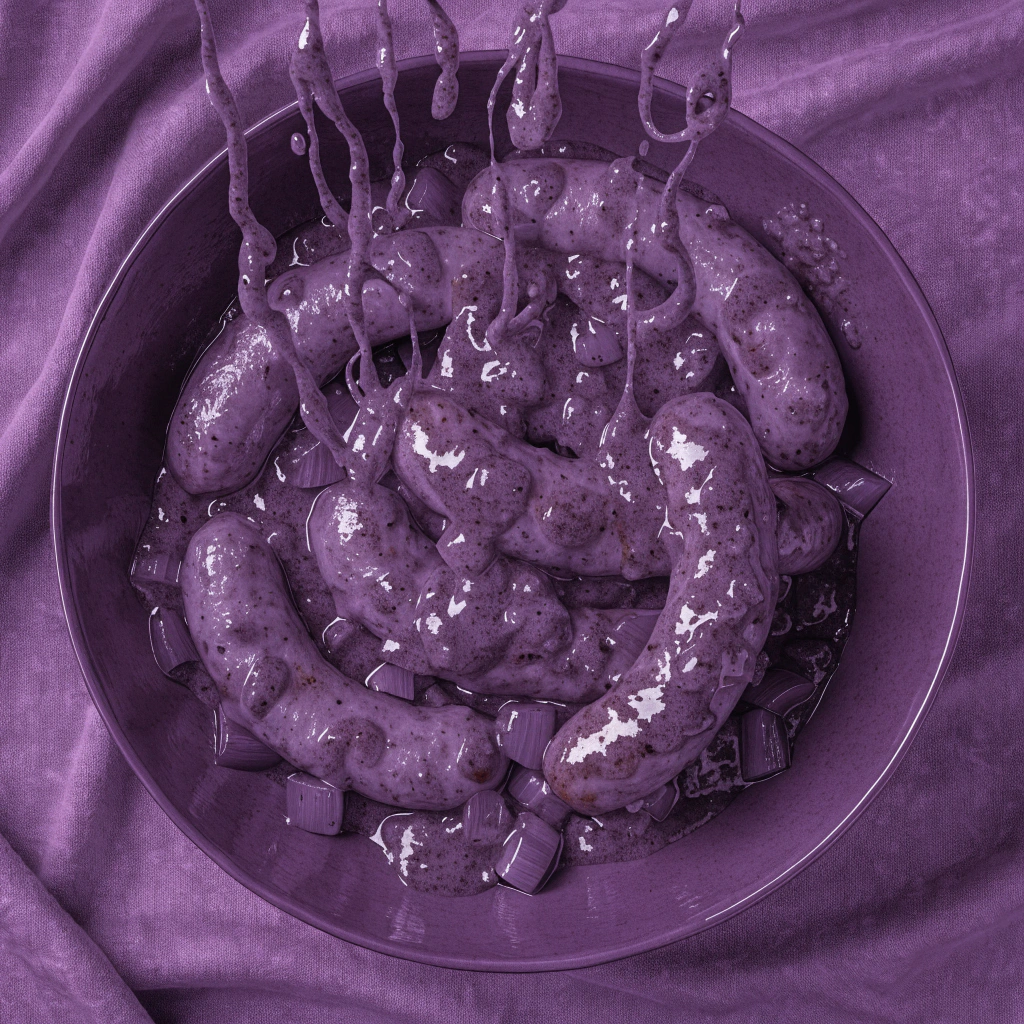
Currywurst: A German Street Food
Currywurst is a very popular food in Germany. It is famous in Berlin. People eat it on the street. It is a sausage with a special sauce.
The sauce has ketchup and curry powder. It is sweet and spicy. People often eat Currywurst with French fries. It is a cheap and tasty meal.
Herta Heuwer made the first Currywurst in 1949. Today, Germans eat millions of Currywurst every year. It is a part of German culture.
Gramática destacada
Patrón: Present Simple (to be)
"Currywurst is a very popular food in Germany."
We use 'is' with singular subjects to state facts. It describes what something is or where it is.
Patrón: Present Simple (plural verbs)
"People eat it on the street."
When the subject is plural like 'people', we use the base form of the verb. This describes a regular habit.
Pon a prueba tu comprensión
10 preguntas · A1 Principiante · 1 vista previa gratis
Pon a prueba lo que aprendiste en este artículo. ¡Responde todas las preguntas para ganar XP!
Where is Currywurst very famous?
¿Quieres terminar el quiz?
9 preguntas más te esperan. ¡Regístrate gratis para desbloquear el quiz completo y ganar XP!
Regístrate gratis¿Ya tienes cuenta? Acceder
Desglose de preguntas
Where is Currywurst very famous?
Tu respuesta:
Respuesta correcta: Berlin
People usually eat Currywurst in expensive restaurants.
Tu respuesta:
Respuesta correcta: Falso
What does the word 'tasty' mean?
Tu respuesta:
Respuesta correcta: Good flavor
Currywurst is a _____ with a special sauce.
Tu respuesta:
Respuesta correcta: sausage
Currywurst: The Favorite Snack of Germany
Germany is famous for its food. One of the most popular snacks is the Currywurst. It is a steamed and fried sausage with a special sauce. This sauce has ketchup and curry powder on top. Most people eat it with bread or fries.
The story of Currywurst started in Berlin in 1949. A woman named Herta Heuwer had a small food stall. She met some British soldiers and they gave her ingredients like ketchup and curry powder. She mixed them together and created a new taste. It was a big success because people wanted cheap and tasty food after the war.
Today, Currywurst is more popular than many other snacks in Germany. People eat it at street stalls or in small shops. It is faster than a restaurant meal, but it is very filling. Many cities now have their own versions of this dish. In Berlin, there is even a museum for it! It is a simple dish, but it is an important part of modern German culture.
Gramática destacada
Patrón: Past Simple
"A woman named Herta Heuwer had a small food stall."
We use the past simple to talk about completed actions in the past. Here, 'had' is the past form of 'have'.
Patrón: Comparatives
"Today, Currywurst is more popular than many other snacks in Germany."
We use 'more + adjective + than' for long adjectives to compare two things. It shows that one thing has more of a quality than another.
Pon a prueba tu comprensión
11 preguntas · A2 Básico · 1 vista previa gratis
Pon a prueba lo que aprendiste en este artículo. ¡Responde todas las preguntas para ganar XP!
Where did the Currywurst story begin?
¿Quieres terminar el quiz?
10 preguntas más te esperan. ¡Regístrate gratis para desbloquear el quiz completo y ganar XP!
Regístrate gratis¿Ya tienes cuenta? Acceder
Desglose de preguntas
Where did the Currywurst story begin?
Tu respuesta:
Respuesta correcta: Berlin
Herta Heuwer was a British soldier.
Tu respuesta:
Respuesta correcta: Falso
What does 'cheap' mean?
Tu respuesta:
Respuesta correcta: Not costing much money
Currywurst is a steamed and _____ sausage.
Tu respuesta:
Respuesta correcta: fried
Why was the dish a success after the war?
Tu respuesta:
Respuesta correcta: Because it was cheap and tasty
Currywurst: The Story of Germany’s Favorite Street Food
While many people think of traditional roasts when they imagine German food, the Currywurst represents the modern heart of the country’s cities. This iconic street food has become a symbol of Berlin and is enjoyed by millions of people every year. It is a simple dish, but it tells a fascinating story about how Germany changed after the war.
The story began on September 4, 1949, in the Charlottenburg district of Berlin. Herta Heuwer, who owned a small street stall, obtained ketchup and curry powder from British soldiers. She decided to experiment with these new ingredients because she wanted to offer something unique to her customers. She created a spicy sauce and poured it over a sliced, grilled sausage. This meal, which was both cheap and delicious, was perfect for the construction workers who were rebuilding the city at the time.
Since its invention, the Currywurst has been celebrated in many ways. There have been songs written about it, and a museum was even opened in its honor. Usually, the sausage is served on a paper plate with a side of fries or a small bread roll. Although the recipe started in Berlin, it is now eaten in every corner of Germany, from Hamburg to Munich.
Many different versions of the spicy sauce have been developed over the decades, but the original spirit remains the same. For tourists visiting Germany, eating a Currywurst at a local food stand is considered an essential experience. It is more than just a quick snack; it is a piece of cultural history that has survived for over seventy years. Whether you like it mild or very spicy, the Currywurst remains a favorite for everyone.
Gramática destacada
Patrón: Passive Voice
"This iconic street food... is enjoyed by millions of people every year."
The passive voice is formed using 'to be' + past participle. It is used here to focus on the Currywurst (the object) rather than who is eating it.
Patrón: Relative Clauses
"Herta Heuwer, who owned a small street stall, obtained ketchup and curry powder..."
The word 'who' starts a relative clause that gives us extra information about Herta Heuwer. This helps combine two ideas into one complex sentence.
Pon a prueba tu comprensión
11 preguntas · B1 Intermedio · 1 vista previa gratis
Pon a prueba lo que aprendiste en este artículo. ¡Responde todas las preguntas para ganar XP!
Who is credited with inventing the Currywurst?
¿Quieres terminar el quiz?
10 preguntas más te esperan. ¡Regístrate gratis para desbloquear el quiz completo y ganar XP!
Regístrate gratis¿Ya tienes cuenta? Acceder
Desglose de preguntas
Who is credited with inventing the Currywurst?
Tu respuesta:
Respuesta correcta: Herta Heuwer
Currywurst was invented before the end of World War II.
Tu respuesta:
Respuesta correcta: Falso
What does 'essential' mean in the context of the article?
Tu respuesta:
Respuesta correcta: Something that is necessary or very important
Herta Heuwer obtained ketchup and curry powder from _____ soldiers.
Tu respuesta:
Respuesta correcta: British
Where was Currywurst first created?
Tu respuesta:
Respuesta correcta: Berlin
La Currywurst: Un Símbolo Culinario de la Ingeniosidad Alemana
Si el Sauerbraten representa el alma tradicional de la gastronomía alemana, la Currywurst encarna su corazón moderno y urbano. Este icónico plato callejero, nacido entre las ruinas del Berlín de la posguerra, es un testimonio elocuente de la inventiva alemana y del enriquecedor intercambio cultural de mediados del siglo XX. Su historia se remonta al 4 de septiembre de 1949, cuando Herta Heuwer, una mujer emprendedora que regentaba un puesto de salchichas en el distrito de Charlottenburg, obtuvo kétchup y curry en polvo de soldados británicos.
Experimentando con estos ingredientes, que eran poco comunes en la Alemania de la época, Heuwer desarrolló una salsa única. Se dice que, combinando estos exóticos condimentos con una base de tomate y otras especias secretas, creó el aderezo distintivo que hoy conocemos. La salchicha, generalmente de cerdo y a menudo sin piel, se fríe o se asa y luego se trocea antes de ser generosamente cubierta con esta salsa y espolvoreada con más curry en polvo. Tradicionalmente, se sirve con patatas fritas o un panecillo blanco (Brötchen) para mojar la salsa.
Desde su humilde origen en un puesto callejero, la Currywurst ha trascendido su estatus de comida rápida para convertirse en un verdadero fenómeno cultural. Se estima que los alemanes consumen más de 800 millones de Currywürste al año, y solo en Berlín, se venden alrededor de 70 millones. Este plato no solo alimenta a millones, sino que también ha inspirado canciones, películas e incluso un museo dedicado exclusivamente a su historia y evolución, el Deutsches Currywurst Museum, que operó en Berlín hasta 2018.
La versatilidad de la Currywurst es notable; se puede encontrar en innumerables variantes, desde puestos callejeros hasta restaurantes gourmet. Aunque la receta original de Herta Heuwer sigue siendo un secreto celosamente guardado, cada vendedor de Currywurst se enorgullece de su propia interpretación de la salsa. Esta diversidad contribuye a la fascinación continua por el plato, ya que los comensales pueden explorar una amplia gama de sabores y texturas.
En la actualidad, la Currywurst no es solo un alimento, sino un símbolo de la identidad berlinesa y alemana. Representa la capacidad de adaptación, la creatividad y la habilidad para transformar la escasez en una oportunidad. Es un recordatorio delicioso de cómo la necesidad puede ser la madre de la invención culinaria y de cómo la fusión cultural puede dar lugar a delicias inesperadas que perduran a través del tiempo.
Gramática destacada
Patrón: Pasiva refleja con 'se'
"Se dice que, combinando estos exóticos condimentos con una base de tomate y otras especias secretas, creó el aderezo distintivo que hoy conocemos."
La pasiva refleja se utiliza para describir acciones sin especificar quién las realiza, poniendo el foco en el evento o la cosa. Se forma con 'se' + un verbo en tercera persona del singular o plural, concordando con el sujeto paciente.
Patrón: Pretérito Pluscuamperfecto
"Su historia se remonta al 4 de septiembre de 1949, cuando Herta Heuwer, una mujer emprendedora que regentaba un puesto de salchichas en el distrito de Charlottenburg, había obtenido kétchup y curry en polvo de soldados británicos."
El pretérito pluscuamperfecto se usa para expresar una acción pasada que ocurrió antes de otra acción también pasada. Se forma con el verbo 'haber' en pretérito imperfecto ('había', 'habías', etc.) seguido del participio pasado del verbo principal.
Patrón: Uso del Subjuntivo para expresar propósito
"Tradicionalmente, se sirve con patatas fritas o un panecillo blanco (Brötchen) para mojar la salsa."
El subjuntivo se emplea en oraciones subordinadas que expresan propósito, introducidas por 'para que' o 'para'. Indica la finalidad o el objetivo de la acción del verbo principal, y el verbo de la subordinada se conjuga en subjuntivo.
Pon a prueba tu comprensión
11 preguntas · B2 Intermedio alto · 1 vista previa gratis
Pon a prueba lo que aprendiste en este artículo. ¡Responde todas las preguntas para ganar XP!
¿Quién fue la creadora de la Currywurst?
¿Quieres terminar el quiz?
10 preguntas más te esperan. ¡Regístrate gratis para desbloquear el quiz completo y ganar XP!
Regístrate gratis¿Ya tienes cuenta? Acceder
Desglose de preguntas
¿Quién fue la creadora de la Currywurst?
Tu respuesta:
Respuesta correcta: Herta Heuwer
La Currywurst se originó en el Berlín de la posguerra.
Tu respuesta:
Respuesta correcta: Verdadero
¿Qué significa la palabra 'escasez'?
Tu respuesta:
Respuesta correcta: Falta o insuficiencia de algo necesario
La Currywurst es un testimonio de la ______ alemana y del intercambio cultural.
Tu respuesta:
Respuesta correcta: inventiva
¿Con qué se suele servir tradicionalmente la Currywurst?
Tu respuesta:
Respuesta correcta: Patatas fritas o un panecillo blanco
La Currywurst: Un Emblema Culinario del Corazón Urbano Alemán
Si el Sauerbraten evoca la tradición más arraigada de la gastronomía alemana, la Currywurst, por su parte, se erige como el palpitante corazón urbano y moderno del país. Nacida entre los escombros del Berlín de posguerra, esta icónica comida callejera es, sin lugar a dudas, un testimonio elocuente de la ingeniosidad germana y del fértil intercambio cultural que caracterizó a mediados del siglo XX. Su popularidad trasciende las barreras geográficas y generacionales, consolidándose como un verdadero pilar de la identidad culinaria teutona.
La génesis de esta leyenda culinaria nos transporta al 4 de septiembre de 1949. Fue entonces cuando Herta Heuwer, una mujer de recursos y propietaria de un modesto puesto callejero en el distrito de Charlottenburg, logró obtener kétchup y curry en polvo de soldados británicos. Su espíritu emprendedor la impulsó a experimentar con estos ingredientes hasta dar con una salsa cuyo sabor, exótico y reconfortante a la vez, revolucionaría el paladar berlinés. La combinación de una salchicha de cerdo cocida y luego frita, bañada en esta salsa agridulce y especiada, y espolvoreada con más curry en polvo, resultó en un éxito inmediato e inesperado.
El éxito fue inmediato y rotundo. Lo que Heuwer había creado no era solo una salchicha con salsa; era una nueva identidad gastronómica, accesible y democrática, capaz de nutrir y consolar a una población que se reconstruía. Con el tiempo, la Currywurst trascendió las fronteras de Berlín, convirtiéndose en un fenómeno nacional. Si bien su preparación básica se mantiene, la ubicuidad de la Currywurst ha dado pie a innumerables variaciones regionales, desde la adición de chiles picantes hasta la inclusión de diferentes tipos de salchicha, lo cual subraya su adaptabilidad y su arraigo en la cultura popular. Es, en definitiva, un plato que ha sabido evolucionar sin perder su esencia.
Hoy día, la Currywurst no es meramente un tentempié; representa una parte fundamental de la identidad cultural alemana, un símbolo de la resiliencia y la capacidad de reinvención. La visión de los alemanes haciendo cola frente a un 'Imbiss' (puesto de comida rápida) para disfrutar de su ración de Currywurst, a menudo acompañada de patatas fritas, es una estampa tan común como la de los mercados navideños. De hecho, la popularidad de este plato es tal que le ha sido dedicado un museo en Berlín, lo cual da cuenta de su estatus casi mítico. Lejos de ser una simple opción de comida rápida, su presencia en el imaginario colectivo germano es innegable, constituyendo una disyuntiva constante para quien visita el país: ¿con o sin piel la salchicha? ¿Picante o suave la salsa?
Así pues, la Currywurst es mucho más que una salchicha sazonada con curry y kétchup. Es una narrativa encapsulada en un plato, un reflejo de la historia, la creatividad y el espíritu pragmático de una nación. Su perdurable atractivo reside, precisamente, en su sencillez y en la profunda conexión que ha forjado con el día a día de millones de personas. En un mundo culinario cada vez más globalizado, la Currywurst se mantiene firme, un recordatorio delicioso de que, a veces, las mejores innovaciones surgen de las circunstancias más inesperadas y de la audacia de quienes se atreven a experimentar.
Gramática destacada
Patrón: Oraciones Hendidas (Cleft Sentences)
"Fue entonces cuando Herta Heuwer, una mujer de recursos y propietaria de un modesto puesto callejero en el distrito de Charlottenburg, logró obtener kétchup y curry en polvo de soldados británicos."
Las oraciones hendidas se usan para enfatizar una parte específica de la oración, como el tiempo, el lugar o el agente. Se construyen comúnmente con 'Ser' + elemento enfatizado + 'cuando/donde/quien/lo que'. En este caso, se enfatiza el momento en que ocurrió la acción.
Patrón: Nominalización
"La génesis de esta leyenda culinaria nos transporta al 4 de septiembre de 1949."
La nominalización consiste en transformar un verbo o un adjetivo en un sustantivo, lo que a menudo dota al texto de mayor formalidad y concisión. Aquí, el verbo 'generar' se convierte en el sustantivo 'génesis', refiriéndose al origen de algo.
Patrón: Inversión del Sujeto
"Su perdurable atractivo reside, precisamente, en su sencillez y en la profunda conexión que ha forjado con el día a día de millones de personas."
La inversión del sujeto ocurre cuando el sujeto de la oración se coloca después del verbo, en lugar de la posición habitual anterior al verbo. Esta estructura puede usarse para dar énfasis al verbo o para crear un estilo más formal o literario, como en este ejemplo donde se enfatiza 'reside'.
Pon a prueba tu comprensión
12 preguntas · C1 Avanzado · 1 vista previa gratis
Pon a prueba lo que aprendiste en este artículo. ¡Responde todas las preguntas para ganar XP!
¿En qué año se considera que nació la Currywurst?
¿Quieres terminar el quiz?
11 preguntas más te esperan. ¡Regístrate gratis para desbloquear el quiz completo y ganar XP!
Regístrate gratis¿Ya tienes cuenta? Acceder
Desglose de preguntas
¿En qué año se considera que nació la Currywurst?
Tu respuesta:
Respuesta correcta: 1949
El Sauerbraten es presentado en el artículo como un plato más moderno que la Currywurst.
Tu respuesta:
Respuesta correcta: Falso
¿Qué significa la palabra 'arraigado' en el contexto del artículo?
Tu respuesta:
Respuesta correcta: Profundamente establecido
Herta Heuwer obtuvo el kétchup y el curry en polvo de soldados _____.
Tu respuesta:
Respuesta correcta: británicos
¿Qué aspecto de la Currywurst subraya el artículo como un símbolo de la identidad cultural alemana?
Tu respuesta:
Respuesta correcta: Su resiliencia y capacidad de reinvención
El artículo afirma que la Currywurst solo se consume en Berlín y no ha trascendido sus fronteras.
Tu respuesta:
Respuesta correcta: Falso
The Culinary Crucible: A Socio-Historical Analysis of the Currywurst
The Currywurst, a culinary phenomenon that ostensibly transcends its humble street-side origins, serves as a profound prism through which the socio-political evolution of post-war Germany may be meticulously scrutinized. Born from the literal and metaphorical ashes of 1949 Berlin, its genesis is inextricably linked to the resourcefulness of Herta Heuwer. Were it not for the serendipitous acquisition of curry powder and ketchup from British military personnel stationed in the Charlottenburg district, the dish—an unlikely amalgamation of sliced bratwurst and a piquant, spice-infused sauce—might never have emerged as the definitive gastronomic emblem of the Wirtschaftswunder. To examine the Currywurst is to engage with the proletarian soul of the nation. It represents a democratic culinary paradigm where the rigid distinctions between social strata are momentarily suspended. Whether consumed by a manual laborer at a standing table or a high-ranking executive navigating the corridors of power in Berlin’s Mitte district, the dish occupies a unique milieu that defies conventional gastronomic hierarchy. Its ubiquity across the German landscape is not merely a testament to its palatability but also to its role as a symbol of resilience and post-war adaptation. The dish was a beacon of flavor in an era defined by scarcity, offering a sense of exoticism to a populace whose horizons had been severely constricted by conflict. The juxtaposition of the traditional German sausage—a staple of Teutonic heritage—with the exotic, colonial-inflected spice of curry reflects a broader historical narrative of global exchange and the softening of cultural boundaries. This hybridity suggests that the modern German identity is not a static monolith but rather a dynamic construct, perpetually evolving through external influences and the integration of the 'other.' Critics might argue that the dish is a relic of a bygone industrial age, a greasy vestige of the 20th century; however, its indelible presence in the contemporary German consciousness suggests a far more complex reality. It is imperative that the dish be viewed not merely as fast food, but as a socio-historical artifact that encapsulates the ingenuity of a people rebuilding their world from the ground up. Furthermore, the Currywurst serves as a linguistic and cultural marker of regional identity. In the academic discourse surrounding food studies, it is often cited as a prime example of 'Glocalization'—the adaptation of international products to local contexts. The sheer diversity of regional variations, from the skinless 'ohne Darm' variety favored in Berlin to the spicier, more robust iterations of the Ruhr area, underscores the localized nuances that define the German culinary tapestry. Each region claims its own secret recipe, its own specific texture, and its own ritualistic approach to consumption. Notwithstanding the rise of health-conscious and plant-based movements that have swept across Europe, the Currywurst retains its status, often reinventing itself in vegan forms to accommodate shifting dietary paradigms without sacrificing its symbolic weight. In conclusion, the Currywurst remains a poignant emblem of German urban life. Its history is a narrative of survival, its consumption a ritual of social cohesion, and its existence a reminder of the transformative power of cultural synthesis. As Germany continues to navigate the complexities of the 21st century, balancing tradition with the exigencies of a globalized world, the Currywurst stands as a testament to the enduring power of innovation born from necessity.
Gramática destacada
Patrón: Inverted Conditionals (Third Conditional)
"Were it not for the serendipitous acquisition of curry powder and ketchup from British military personnel, the dish might never have emerged."
This formal structure replaces 'If it had not been for...' by inverting the verb 'were' and the subject. It is used in C2 academic writing to express hypothetical past situations with higher sophistication.
Patrón: Present Subjunctive
"It is imperative that the dish be viewed not merely as fast food, but as a socio-historical artifact."
The subjunctive 'be viewed' follows an adjective of necessity (imperative). In formal English, the base form of the verb is used regardless of the subject.
Patrón: Concessive Clauses with 'Notwithstanding'
"Notwithstanding the rise of health-conscious and plant-based movements, the Currywurst retains its status."
'Notwithstanding' functions similarly to 'despite' or 'in spite of' but is more academic. It introduces a contrast that does not prevent the main clause from being true.
Pon a prueba tu comprensión
12 preguntas · C2 Dominio · 1 vista previa gratis
Pon a prueba lo que aprendiste en este artículo. ¡Responde todas las preguntas para ganar XP!
According to the text, how does the Currywurst relate to German social classes?
¿Quieres terminar el quiz?
11 preguntas más te esperan. ¡Regístrate gratis para desbloquear el quiz completo y ganar XP!
Regístrate gratis¿Ya tienes cuenta? Acceder
Desglose de preguntas
According to the text, how does the Currywurst relate to German social classes?
Tu respuesta:
Respuesta correcta: It acts as a social leveler where class distinctions are temporarily ignored.
The Currywurst was created during the height of World War II to feed soldiers.
Tu respuesta:
Respuesta correcta: Falso
What does the term 'milieu' refer to in the context of the article?
Tu respuesta:
Respuesta correcta: A social environment or setting.
The dish is described as a definitive gastronomic emblem of the _____, or the economic miracle.
Tu respuesta:
Respuesta correcta: Wirtschaftswunder
What does the 'juxtaposition' of sausage and curry represent in the author's view?
Tu respuesta:
Respuesta correcta: A historical narrative of global exchange and cultural synthesis.
The article suggests that the Currywurst has failed to adapt to modern vegan trends.
Tu respuesta:
Respuesta correcta: Falso

