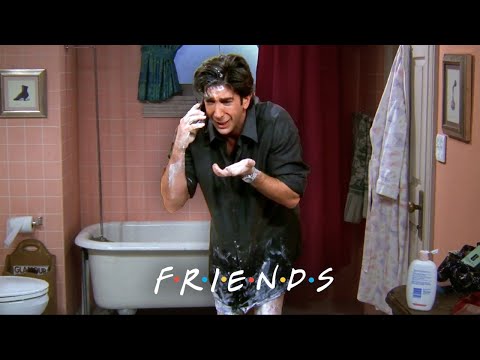
powder en 30 segundos
- Powder is a dry substance made of tiny particles, commonly used in cooking, cosmetics, and industry.
- It can function as both a mass noun and a countable noun when referring to specific types.
- Common examples include flour, baking powder, face powder, and gunpowder.
- The word is also used metaphorically in idioms like 'powder keg' or 'keep your powder dry'.
The word powder describes a physical state of matter where a solid substance has been broken down, crushed, or ground into incredibly fine, loose particles. Unlike a solid block or a liquid, powder is composed of thousands or millions of tiny individual grains that, when gathered together, can flow almost like a fluid but remain distinctly solid in their individual composition. This versatility makes powder a ubiquitous term across various domains of human life, from the domestic sphere of the kitchen to the high-tech laboratories of pharmaceutical companies. When we speak of powder, we are often referring to the texture and the resulting utility of the substance. For instance, in the culinary world, flour and sugar are often found in powder form to allow for even mixing and rapid dissolution. In the world of cosmetics, powders are used to create a smooth, matte finish on the skin, absorbing oils and reflecting light in a way that larger particles could not achieve. The term also carries significant weight in industrial and historical contexts, most notably in the form of gunpowder, which revolutionized warfare and engineering. Understanding 'powder' requires recognizing it not just as a thing, but as a state of being for many different materials.
- Physical Properties
- Powders are characterized by their high surface-area-to-volume ratio, which makes them highly reactive or absorbent compared to their solid counterparts.
- Culinary Usage
- In cooking, ingredients like baking powder or cocoa powder are essential for chemical reactions and flavor distribution.
- Cosmetic Application
- Face powders and talcs are used to manage moisture and provide aesthetic coverage.
The chef sifted the fine white powder into the bowl to ensure there were no lumps in the cake batter.
After the heavy storm, the mountains were covered in a thick layer of fresh powder, perfect for skiing.
She applied a light dusting of face powder to reduce the shine on her forehead before the photo shoot.
The alchemist spent years trying to turn lead into a magical gold powder.
Detectives used a special black powder to reveal fingerprints on the glass surface.
Using the word powder correctly involves understanding its grammatical flexibility. As a noun, it often functions as an uncountable mass noun when referring to the substance itself, such as 'The floor was covered in powder.' However, it can become countable when referring to specific varieties or measured doses, such as 'The chemist mixed three different powders.' The verbs most commonly associated with powder describe the action of creating it (grind, crush, pulverize), applying it (sprinkle, dust, rub, apply), or the way it behaves (blow, settle, dissolve). In a sentence, you might say, 'The wind blew the fine powder across the desert,' emphasizing its light and airy nature. When discussing chemical or culinary processes, you might say, 'Add a teaspoon of baking powder to the mixture,' where 'powder' is part of a compound noun. It is also important to note the prepositional use; things are often 'in powder form' or 'reduced to powder.' This indicates a transformation from a solid state. In more metaphorical or idiomatic English, 'powder' appears in phrases like 'keep your powder dry,' which means to stay prepared for a future challenge. This variety of usage makes 'powder' a versatile tool in both descriptive and technical writing.
- Verb Collocations
- Common verbs include 'sprinkle,' 'grind,' 'dissolve,' and 'apply.'
- Adjective Modifiers
- Common adjectives include 'fine,' 'coarse,' 'white,' 'medicinal,' and 'explosive.'
The volcanic eruption reduced the surrounding rocks to a fine grey powder.
You will encounter the word powder in a surprising variety of real-world environments. In a domestic setting, it is most frequently heard in the kitchen or the laundry room. A parent might ask a child to 'be careful with the cocoa powder,' or a roommate might mention they need to buy more 'washing powder' for the laundry. In the beauty and fashion industry, 'powder' is a staple term. Makeup artists discuss 'setting powder' or 'translucent powder' as essential steps in a beauty routine. If you are an outdoor enthusiast, particularly a skier or snowboarder, 'powder' is perhaps your favorite word. You will hear people checking the 'powder report' or excitedly talking about 'shredding the fresh powder' after a heavy snowfall. In a more clinical or scientific setting, pharmacists and doctors use the word when discussing medications that come in 'powdered form' to be dissolved in water. Historically and in action movies, 'powder' often refers to gunpowder, with phrases like 'the smell of burnt powder' creating a vivid sensory image of a battlefield. Even in forensic dramas, you'll hear about 'fingerprint powder' being used to solve crimes. This wide range of contexts—from the mundane to the thrilling—demonstrates how 'powder' is a fundamental term for describing materials in our world.
One of the most common mistakes learners make with the word powder is confusing it with related but distinct terms like 'dust' or 'flour.' While all three refer to fine particles, 'dust' usually implies unwanted dirt or waste that accumulates on surfaces, whereas 'powder' is often a manufactured or useful substance. You wouldn't call the flour in your pantry 'dust' unless it had been sitting there for years and was no longer edible. Another frequent error is in the countability of the noun. Beginners often say 'I have many powders' when they mean 'I have a lot of powder.' While 'powders' is correct when referring to different types (e.g., 'The pharmacy stocks various medicinal powders'), it is incorrect when referring to a large amount of a single substance. Additionally, learners sometimes struggle with the verb form. While 'to powder' is a valid verb (meaning to apply powder to something, like 'powdering one's nose'), it is less common than using the noun with a verb like 'apply' or 'sprinkle.' Finally, there is the confusion between 'powder' and 'powdered.' 'Powder' is the noun, while 'powdered' is the adjective describing something that has been turned into powder, such as 'powdered milk' or 'powdered sugar.' Using 'powder milk' instead of 'powdered milk' is a common grammatical slip.
When looking for alternatives to powder, the choice depends heavily on the specific context and the size of the particles involved. 'Dust' is the closest synonym but carries a negative connotation of dirt or neglect. 'Fine particles' is a more technical or scientific way to describe powder, often used in laboratory reports or environmental studies. If the particles are slightly larger and more distinct, 'granules' or 'grains' might be more appropriate; for example, we talk about 'granulated sugar' rather than 'powdered sugar' when the crystals are visible. In the context of makeup, 'talc' is a specific type of powder often used as a synonym in casual conversation. In industrial contexts, 'pulverized material' describes something that has been mechanically reduced to a powder state. For culinary purposes, 'flour' is a specific type of powder made from grain, and while all flour is powder, not all powder is flour. 'Silt' and 'ash' are natural forms of powder-like substances found in geology and after fires, respectively. Understanding these nuances allows for more precise communication. For instance, describing a beach as having 'powder-white sand' creates a much more luxurious and soft image than simply saying 'fine sand.'
How Formal Is It?
Dato curioso
The word 'pulverize' comes from the same Latin root 'pulvis'.
Guía de pronunciación
- Pronouncing it like 'pooter'
- Missing the 'w' sound
- Over-emphasizing the 'd'
- Confusing with 'power'
- Making the 'ou' sound like 'oo'
Nivel de dificultad
Easy to recognize in most contexts.
Requires knowledge of countability rules.
Simple pronunciation, though the 'ow' sound varies by dialect.
Distinctive sound, unlikely to be confused with other common words.
Qué aprender después
Requisitos previos
Aprende después
Avanzado
Gramática que debes saber
Mass Nouns
We say 'much powder' not 'many powders' unless referring to types.
Compound Nouns
Baking powder acts as a single unit of meaning.
Adjective Formation
Adding '-y' to 'powder' creates the adjective 'powdery'.
Passive Voice with Result
The stone was ground into powder.
Participles as Adjectives
Powdered sugar is sugar that has been processed.
Ejemplos por nivel
The milk powder is in the jar.
Le lait en poudre est dans le bocal.
Uncountable noun usage.
I see white powder on the table.
Je vois de la poudre blanche sur la table.
Simple subject-verb-object structure.
Is this sugar powder?
Est-ce du sucre en poudre ?
Interrogative sentence.
The baby needs some powder.
Le bébé a besoin de poudre.
Usage of 'some' with uncountable nouns.
The powder is very soft.
La poudre est très douce.
Adjective 'soft' modifying the noun.
Mix the powder with water.
Mélangez la poudre avec de l'eau.
Imperative sentence.
Don't spill the powder!
Ne renverse pas la poudre !
Negative imperative.
The flower has yellow powder.
La fleur a de la poudre jaune.
Descriptive use.
Put the washing powder in the machine.
Mettez la lessive en poudre dans la machine.
Compound noun 'washing powder'.
The mountain has fresh powder snow.
La montagne a de la neige poudreuse fraîche.
Attributive use of 'powder' to describe snow.
She used a brush for her face powder.
Elle a utilisé un pinceau pour sa poudre pour le visage.
Prepositional phrase 'for her face powder'.
He bought a box of soap powder.
Il a acheté une boîte de savon en poudre.
Countable 'box' of uncountable 'powder'.
The sugar was ground into a fine powder.
Le sucre a été broyé en une poudre fine.
Passive voice 'was ground'.
I need more powder for the cake.
J'ai besoin de plus de poudre pour le gâteau.
Comparative 'more'.
The dry powder blew in the wind.
La poudre sèche a soufflé dans le vent.
Past tense verb 'blew'.
Is there any powder left in the box?
Reste-t-il de la poudre dans la boîte ?
Use of 'any' in a question.
Baking powder helps the bread to rise.
La levure chimique aide le pain à lever.
Technical compound noun.
The athlete used chalk powder for a better grip.
L'athlète a utilisé de la poudre de craie pour une meilleure prise.
Purpose clause 'for a better grip'.
She lightly powdered her nose before the meeting.
Elle s'est légèrement poudré le nez avant la réunion.
Verb usage 'to powder'.
The medicine is available in powder form.
Le médicament est disponible sous forme de poudre.
Phrase 'in powder form'.
Curry powder is a blend of many spices.
La poudre de curry est un mélange de nombreuses épices.
Subject-complement structure.
The old books were covered in a layer of powder.
Les vieux livres étaient recouverts d'une couche de poudre.
Metaphorical/Descriptive use.
He crushed the tablet into a fine powder.
Il a écrasé le comprimé en une poudre fine.
Action verb 'crushed'.
The footprint was preserved with special powder.
L'empreinte a été préservée avec une poudre spéciale.
Instrumental 'with'.
The explosion was caused by unstable gunpowder.
L'explosion a été causée par de la poudre à canon instable.
Causal relationship.
It's important to keep your powder dry in this situation.
Il est important de garder ses munitions au sec dans cette situation.
Idiomatic expression.
The cosmetic industry uses various mineral powders.
L'industrie cosmétique utilise diverses poudres minérales.
Plural 'powders' referring to types.
The snow was so light it felt like powder.
La neige était si légère qu'on aurait dit de la poudre.
Simile 'like powder'.
The chemical was reduced to a fine powder for testing.
Le produit chimique a été réduit en une poudre fine pour les tests.
Resultative phrase 'reduced to'.
The desert wind whipped the sand into a blinding powder.
Le vent du désert a fouetté le sable en une poudre aveuglante.
Vivid descriptive verbs.
They sell protein powder in large plastic tubs.
Ils vendent de la poudre de protéines dans de grands bacs en plastique.
Commercial context.
The artist used pigment powder to create his own paints.
L'artiste a utilisé de la poudre de pigment pour créer ses propres peintures.
Noun adjunct 'pigment powder'.
The forensic team applied aluminum powder to the surface.
L'équipe médico-légale a appliqué de la poudre d'aluminium sur la surface.
Technical terminology.
The substance's efficacy depends on its powder fineness.
L'efficacité de la substance dépend de la finesse de sa poudre.
Abstract noun 'fineness'.
He spoke with a dry, powdery voice that lacked emotion.
Il parlait d'une voix sèche et poudreuse qui manquait d'émotion.
Metaphorical adjective 'powdery'.
The industrial process involves the sintering of metal powders.
Le processus industriel implique le frittage de poudres métalliques.
Specialized vocabulary 'sintering'.
The ruins were nothing but powder and broken dreams.
Les ruines n'étaient que poussière et rêves brisés.
Literary metaphor.
The volcanic ash was a caustic powder that irritated the lungs.
Les cendres volcaniques étaient une poudre caustique qui irritait les poumons.
Descriptive adjectives 'caustic'.
The formulation requires the powder to be perfectly homogenous.
La formulation exige que la poudre soit parfaitement homogène.
Subjunctive-like requirement structure.
The historical document was fragile, almost turning to powder.
Le document historique était fragile, se transformant presque en poudre.
Progressive action 'turning to'.
The ephemeral nature of the powder reflected the fleeting joy of the festival.
La nature éphémère de la poudre reflétait la joie passagère du festival.
Philosophical abstraction.
The political climate was a powder keg awaiting a single spark.
Le climat politique était une poudrière n'attendant qu'une étincelle.
Advanced idiom 'powder keg'.
The geologist analyzed the powder's crystalline structure.
Le géologue a analysé la structure cristalline de la poudre.
Scientific precision.
Her skin had a powdery pallor that suggested long illness.
Sa peau avait une pâleur poudreuse qui suggérait une longue maladie.
Literary description.
The relentless grinding reduced the boulders to mere powder.
Le broyage incessant a réduit les rochers en simple poudre.
Emphasis using 'mere'.
The pharmaceutical company patented a new powder-delivery system.
L'entreprise pharmaceutique a breveté un nouveau système de distribution de poudre.
Compound modifier 'powder-delivery'.
The air was thick with the acrid powder of industrial fallout.
L'air était épais de la poudre âcre des retombées industrielles.
Sensory adjective 'acrid'.
He dismissed the argument as nothing more than 'powder and paint'.
Il a rejeté l'argument comme n'étant rien de plus que du 'maquillage'.
Idiomatic dismissal.
Sinónimos
Antónimos
Colocaciones comunes
Frases Comunes
— Describing something that is currently a powder.
The chemical is sold in powder form.
— Having been crushed or destroyed completely.
The ancient city was reduced to powder.
— A very thin layer of powder.
There was a light dusting of powder on the donuts.
— Extremely white in color.
His face went as white as powder when he heard the news.
— Completely covered with a layer of powder.
The Turkish delight was coated in powder sugar.
— A burn caused by the discharge of a firearm.
The victim had a powder burn on his sleeve.
— To pass powder through a mesh to remove lumps.
Sift the powder before adding it to the liquid.
Se confunde a menudo con
Dust is usually unwanted dirt; powder is usually a useful substance.
Power is energy or control; powder is a physical substance. They sound similar.
Flour is a specific type of powder made from grain used for baking.
Modismos y expresiones
— To remain prepared for a future challenge or to hold back until the right moment.
The negotiations are tense, so keep your powder dry.
Informal/Metaphorical— A situation that is very dangerous and likely to become violent or explode.
The border dispute has turned the region into a powder keg.
Journalistic/Formal— To leave quickly or run away, often to avoid a difficult situation.
When the police arrived, the suspects took a powder.
Slang/Old-fashioned— A polite euphemism used by women to say they are going to the bathroom.
Excuse me, I need to go powder my nose.
Polite/Euphemistic— Something that is not worth the effort or expense required to obtain it.
Trying to fix that old car is not worth the powder and shot.
Idiomatic/British— Soldiers regarded merely as resources to be sacrificed in war.
The dictator treated his troops as mere food for powder.
Literary/Historical— Cosmetics used to improve one's appearance, sometimes implying a superficial cover-up.
She relied on powder and paint to hide her age.
Descriptive— Something that happens very quickly and intensely but ends soon.
His anger was like a powder flash—over in seconds.
Metaphorical— A race or competition involving women, often used patronizingly.
The media dismissed the women's race as a powder-puff derby.
Historical/Dated— To destroy something completely into tiny pieces.
The missile blew the target to powder.
Intense/DescriptiveFácil de confundir
Both are fine particles.
Dust is environmental waste; powder is often manufactured or purposeful.
Wipe the dust off the table, but don't spill the cocoa powder.
Similar pronunciation.
Power is an abstract noun for strength; powder is a physical substance.
The engine has a lot of power, but it's covered in powder.
Flour is the most common powder in the kitchen.
Flour is specifically from grain; powder is a general term.
All flour is powder, but not all powder is flour.
Both are fine and yellow.
Pollen is biological for plant reproduction; powder is a general state.
The bee was covered in yellow pollen powder.
Both are fine earthy materials.
Silt is specifically found in water/rivers; powder is dry.
The dry powder turned into silt when the river flooded.
Patrones de oraciones
The [Noun] is [Powder].
The sugar is powder.
I need [Adjective] powder.
I need white powder.
Use [Noun] powder to [Verb].
Use baking powder to make the cake.
It is in [Noun] form.
It is in powder form.
The [Noun] was ground into powder.
The wheat was ground into powder.
A [Adjective] layer of powder covered the [Noun].
A fine layer of powder covered the desk.
The [Noun] was a metaphorical powder keg.
The city was a metaphorical powder keg.
Despite the powder and paint, she looked [Adjective].
Despite the powder and paint, she looked tired.
Familia de palabras
Sustantivos
Verbos
Adjetivos
Relacionado
Cómo usarlo
Common in daily life, especially in domestic and outdoor sports contexts.
-
I need many powder.
→
I need a lot of powder.
Powder is usually uncountable.
-
The powder milk is in the kitchen.
→
The powdered milk is in the kitchen.
Use the adjective form 'powdered' for products.
-
He has a lot of power on his face.
→
He has a lot of powder on his face.
Confusing 'power' with 'powder'.
-
The dust for the cake is ready.
→
The powder (or flour) for the cake is ready.
Dust is dirt; powder is for cooking.
-
She powders her nose in the bathroom.
→
She is powdering her nose in the bathroom.
Using the wrong tense for an ongoing action.
Consejos
Using 'Powdered'
Always use 'powdered' when it describes a product that was made into powder, like 'powdered milk' or 'powdered eggs'.
Describing Texture
Use 'fine' for very small particles and 'coarse' for larger, rougher particles of powder.
The 'Powder' Idiom
Use 'take a powder' if you want to sound like a character from an old 1940s detective movie.
Kitchen Safety
In recipes, distinguish clearly between 'baking powder' and 'baking soda'; they are different powders!
Skiing Lingo
If you are at a ski resort, just saying 'The powder is great today' is enough for everyone to know you mean the snow.
Metaphors
Use 'powder' to describe things that are easily destroyed, like 'his dreams turned to powder'.
Powder vs Power
Always check for the 'd'. Power = Strength. Powder = Dust.
Common Pairs
Remember 'washing powder' for laundry and 'face powder' for makeup.
State of Matter
Remember that powders can act like liquids because they flow, which is a unique property to mention in essays.
Holi Festival
Mention 'colored powder' when discussing the Indian festival of Holi to show cultural awareness.
Memorízalo
Mnemotecnia
Think of 'Power' + 'D' (Dust). Powder is 'Power Dust' because it's used for big things like baking or explosions!
Asociación visual
Imagine a giant sifter shaking fine white snow over a mountain peak.
Word Web
Desafío
Try to find five things in your house that are in powder form and name them in English.
Origen de la palabra
Derived from the Old French word 'poudre', which came from the Latin 'pulvis' meaning 'dust' or 'powder'. It entered the English language in the 13th century.
Significado original: Originally referred to any dust or fine particles, but specifically associated with medicinal or cosmetic preparations.
Indo-European > Italic > Latin > Romance > English.Contexto cultural
Be careful when discussing 'white powder' in legal or law enforcement contexts as it can imply illegal substances.
Commonly used in household chores (washing powder) and beauty routines.
Practica en la vida real
Contextos reales
Cooking
- Baking powder
- Sift the powder
- Cocoa powder
- Chili powder
Cosmetics
- Face powder
- Apply powder
- Setting powder
- Powder puff
Weather
- Powder snow
- Fresh powder
- Powder day
- Deep powder
Cleaning
- Washing powder
- Soap powder
- Scouring powder
- Carpet powder
Science
- In powder form
- Fine powder
- Powder metallurgy
- Chemical powder
Inicios de conversación
"Do you prefer using liquid detergent or washing powder for your laundry?"
"Have you ever gone skiing on fresh powder snow?"
"What kind of spices in powder form do you use most often in your cooking?"
"Do you think face powder is necessary for a good makeup look?"
"Have you heard about the festival of Holi where they use colored powders?"
Temas para diario
Describe the feeling of touching a very fine powder like flour or sand.
Write about a time you had to be very careful not to spill something in powder form.
If you could have a magic powder that did one thing, what would it be?
Discuss the importance of baking powder in the history of food.
Imagine a world where everything was made of powder. What would it look like?
Preguntas frecuentes
10 preguntasIt is primarily uncountable when referring to the substance (e.g., 'too much powder'). It is countable when referring to different types (e.g., 'various medicinal powders').
Powder is usually a useful, intended substance like flour or makeup. Dust is usually unwanted dirt or particles that accumulate over time.
Yes, it means to apply powder to something. For example, 'She powdered her face' or 'The ground was powdered with snow.'
It is an idiom meaning to stay prepared and wait for the right moment to act, originally referring to keeping gunpowder dry for battle.
It is a term used in skiing for fresh, light, and fluffy snow that hasn't been packed down yet.
The correct grammatical form is 'powdered sugar,' using the past participle as an adjective.
It is a polite, slightly old-fashioned way to refer to a small bathroom, usually for guests.
Because it is a chemical leavening agent in powder form used to make baked goods rise.
Yes, very fine sand is often described as 'powdery sand' or 'powder-white sand.'
Historically, it is a powder made of sulfur, charcoal, and potassium nitrate.
Ponte a prueba 180 preguntas
Write a sentence using 'baking powder'.
Well written! Good try! Check the sample answer below.
Describe the texture of powder in three adjectives.
Well written! Good try! Check the sample answer below.
Write a short story about a magic powder.
Well written! Good try! Check the sample answer below.
Explain the difference between powder and dust.
Well written! Good try! Check the sample answer below.
Use the idiom 'keep your powder dry' in a sentence.
Well written! Good try! Check the sample answer below.
Write a sentence about powder snow.
Well written! Good try! Check the sample answer below.
Describe a festival that uses colored powder.
Well written! Good try! Check the sample answer below.
Write a sentence using 'powdered sugar'.
Well written! Good try! Check the sample answer below.
Explain why police use fingerprint powder.
Well written! Good try! Check the sample answer below.
Write a sentence using 'washing powder'.
Well written! Good try! Check the sample answer below.
Describe the color 'powder blue'.
Well written! Good try! Check the sample answer below.
Write a sentence using 'powder' as a verb.
Well written! Good try! Check the sample answer below.
Use the term 'powder keg' in a political context.
Well written! Good try! Check the sample answer below.
Write a sentence about 'curry powder'.
Well written! Good try! Check the sample answer below.
Describe 'milk powder' and its uses.
Well written! Good try! Check the sample answer below.
Write a sentence using 'fine powder'.
Well written! Good try! Check the sample answer below.
Explain the phrase 'take a powder'.
Well written! Good try! Check the sample answer below.
Write a sentence about 'talcum powder'.
Well written! Good try! Check the sample answer below.
Describe the smell of 'gunpowder'.
Well written! Good try! Check the sample answer below.
Write a sentence using 'in powder form'.
Well written! Good try! Check the sample answer below.
Pronounce the word 'powder' clearly.
Read this aloud:
Dijiste:
Speech recognition is not supported in your browser. Try Chrome or Edge.
Explain what baking powder is used for.
Read this aloud:
Dijiste:
Speech recognition is not supported in your browser. Try Chrome or Edge.
Describe the feeling of powder snow.
Read this aloud:
Dijiste:
Speech recognition is not supported in your browser. Try Chrome or Edge.
Use 'powder' in a sentence about cleaning.
Read this aloud:
Dijiste:
Speech recognition is not supported in your browser. Try Chrome or Edge.
Tell a short joke or story involving powder.
Read this aloud:
Dijiste:
Speech recognition is not supported in your browser. Try Chrome or Edge.
Explain the idiom 'keep your powder dry'.
Read this aloud:
Dijiste:
Speech recognition is not supported in your browser. Try Chrome or Edge.
Describe the color 'powder blue'.
Read this aloud:
Dijiste:
Speech recognition is not supported in your browser. Try Chrome or Edge.
What is face powder used for?
Read this aloud:
Dijiste:
Speech recognition is not supported in your browser. Try Chrome or Edge.
Name three things in your kitchen that are powders.
Read this aloud:
Dijiste:
Speech recognition is not supported in your browser. Try Chrome or Edge.
How do you make a powder?
Read this aloud:
Dijiste:
Speech recognition is not supported in your browser. Try Chrome or Edge.
What is gunpowder?
Read this aloud:
Dijiste:
Speech recognition is not supported in your browser. Try Chrome or Edge.
Describe the Holi festival.
Read this aloud:
Dijiste:
Speech recognition is not supported in your browser. Try Chrome or Edge.
What is 'powdered milk'?
Read this aloud:
Dijiste:
Speech recognition is not supported in your browser. Try Chrome or Edge.
Use 'powder' in a sentence about a detective.
Read this aloud:
Dijiste:
Speech recognition is not supported in your browser. Try Chrome or Edge.
What does 'take a powder' mean?
Read this aloud:
Dijiste:
Speech recognition is not supported in your browser. Try Chrome or Edge.
Is powder a solid or a liquid?
Read this aloud:
Dijiste:
Speech recognition is not supported in your browser. Try Chrome or Edge.
What is 'talcum powder'?
Read this aloud:
Dijiste:
Speech recognition is not supported in your browser. Try Chrome or Edge.
Use 'powder' in a sentence about a volcano.
Read this aloud:
Dijiste:
Speech recognition is not supported in your browser. Try Chrome or Edge.
What is 'curry powder'?
Read this aloud:
Dijiste:
Speech recognition is not supported in your browser. Try Chrome or Edge.
How do you spell 'powder'?
Read this aloud:
Dijiste:
Speech recognition is not supported in your browser. Try Chrome or Edge.
Listen: 'Add the powder to the water.' What should you do?
Listen: 'The powder snow was perfect for skiing.' Was the snow good?
Listen: 'She needs more face powder.' What does she need?
Listen: 'The gunpowder was wet.' Will it explode?
Listen: 'It's a powder keg situation.' Is it peaceful?
Listen: 'The sugar is in powder form.' What state is the sugar in?
Listen: 'He took a powder.' Did he stay?
Listen: 'The fine powder blew away.' Was the powder heavy?
Listen: 'Sift the baking powder.' What tool do you need?
Listen: 'The milk powder is expired.' Can you use it?
Listen: 'The room was covered in white powder.' What color was the room?
Listen: 'Keep your powder dry.' Is this literal or figurative?
Listen: 'The washing powder is on sale.' Is it cheaper now?
Listen: 'The pigment powder is very expensive.' Is it cheap?
Listen: 'The baby needs powder.' Who is the powder for?
Write a sentence about 'protein powder'.
Well written! Good try! Check the sample answer below.
What is the opposite of powder?
Read this aloud:
Dijiste:
Speech recognition is not supported in your browser. Try Chrome or Edge.
/ 180 correct
Perfect score!
Summary
Powder describes a finely ground solid state. Whether you are sifting flour for a cake or skiing on 'powder' snow, the word always emphasizes the small, loose, and dry nature of the particles. Example: 'The chemist ground the crystals into a fine powder.'
- Powder is a dry substance made of tiny particles, commonly used in cooking, cosmetics, and industry.
- It can function as both a mass noun and a countable noun when referring to specific types.
- Common examples include flour, baking powder, face powder, and gunpowder.
- The word is also used metaphorically in idioms like 'powder keg' or 'keep your powder dry'.
Using 'Powdered'
Always use 'powdered' when it describes a product that was made into powder, like 'powdered milk' or 'powdered eggs'.
Describing Texture
Use 'fine' for very small particles and 'coarse' for larger, rougher particles of powder.
The 'Powder' Idiom
Use 'take a powder' if you want to sound like a character from an old 1940s detective movie.
Kitchen Safety
In recipes, distinguish clearly between 'baking powder' and 'baking soda'; they are different powders!