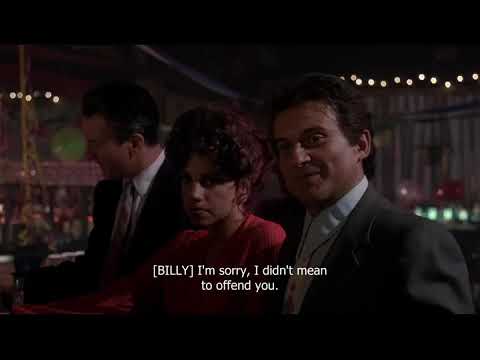
disrespect در ۳۰ ثانیه
- Disrespect is the opposite of respect, meaning rudeness or a lack of honor toward people, rules, or traditions.
- It can be used as a noun (the state of being rude) or a verb (the act of being rude).
- Commonly heard in sports, music (diss tracks), the workplace, and legal contexts (contempt of court).
- Key adjective form is 'disrespectful'; the word 'disrespect' itself is never an adjective.
The word disrespect is a powerful term in the English language that functions as both a noun and a verb. At its core, it represents the absence of respect, but its application is far more nuanced than a simple negation. When we talk about disrespect, we are discussing a breach of social, professional, or personal boundaries. It is the act of failing to acknowledge the inherent value, status, or feelings of another person or entity. In many cultures, respect is the 'social glue' that keeps interactions harmonious; therefore, disrespect is seen as a solvent that can dissolve relationships and social order. As a noun, it describes the state or quality of being rude or dismissive. As a verb, it describes the active process of treating someone with a lack of courtesy. For example, if a student speaks while a teacher is explaining a concept, that act is a form of disrespect. The teacher might say, 'Do not disrespect me in this classroom.' Here, the word carries the weight of a moral or behavioral expectation that has been violated. The term is ubiquitous in modern discourse, appearing in everything from high-stakes diplomatic negotiations to casual playground disagreements.
- Social Context
- In social settings, disrespect often manifests as a failure to follow etiquette. This could be as subtle as checking one's phone during a serious conversation or as overt as using a derogatory slur. It is subjective; what one person considers a minor oversight, another might perceive as a deep-seated sign of disrespect.
The athlete felt a sense of disrespect when the commentator ignored his record-breaking performance.
Historically, the concept of disrespect was often tied to hierarchy and honor. In feudal societies, showing disrespect to a superior could result in severe punishment. In the modern era, while the consequences are usually social or professional rather than physical, the impact remains significant. In the workplace, disrespect can lead to a toxic environment, reduced productivity, and high turnover rates. Managers who disrespect their employees by micromanaging or ignoring their input often find that loyalty disappears. Conversely, employees who disrespect their supervisors may face disciplinary action. The word is also central to the concept of 'dissing' in hip-hop culture, which is a shortened form of disrespecting. This linguistic evolution shows how the word has moved from formal settings into the vernacular of popular culture, where 'respect' is a currency of its own. When someone says, 'You're dissing me,' they are identifying a perceived slight against their reputation or character.
- Psychological Impact
- Psychologically, being the target of disrespect can trigger a stress response. It signals to the brain that one's social standing is under threat, which can lead to feelings of anger, shame, or sadness. This is why the word is so frequently used in discussions about mental health and interpersonal boundaries.
She refused to tolerate the disrespect shown by her peers during the group presentation.
Furthermore, disrespect can be directed toward institutions, symbols, or beliefs. For example, burning a national flag is often viewed as an act of disrespect toward a country. Similarly, failing to follow the customs of a religious site is seen as disrespecting the faith. In these cases, the word moves beyond the individual and into the realm of the collective. It becomes a matter of cultural sensitivity. Understanding disrespect requires an understanding of the values of the group in question. What is considered respectful in a casual American office might be seen as gross disrespect in a traditional Japanese corporate setting. This cross-cultural variation makes the word a critical tool for anyone navigating international environments. It serves as a warning sign that a boundary has been crossed, whether intentionally or accidentally.
To disrespect the local traditions is a quick way to alienate the community.
- Verbal vs. Non-Verbal
- Disrespect is not always spoken. Body language, such as eye-rolling, sighing, or turning away while someone is speaking, are powerful non-verbal forms of disrespect that can be more damaging than words.
The manager's constant interruptions were a clear sign of disrespect for his team's expertise.
In summary, 'disrespect' is a multifaceted word that captures the essence of social friction. It is a diagnostic term for broken rapport and a descriptive term for behavior that falls below the standard of human dignity. Whether used in a legal context to describe 'contempt of court' or in a personal context to describe a 'slight,' it always points toward a failure of recognition. By mastering the use of this word, learners can better articulate their boundaries and understand the complex dynamics of human interaction. It is not just about being 'mean'; it is about the structural failure of honor and acknowledgment in a relationship.
He did not mean to disrespect the host, but his late arrival was poorly received.
Using the word disrespect correctly requires an understanding of its dual nature as a noun and a verb. When used as a noun, it functions as an uncountable concept or a countable instance of behavior. For example, 'He showed a lot of disrespect' (uncountable) versus 'That was a major disrespect' (countable, though less common than 'act of disrespect'). As a verb, it is transitive, meaning it must have a direct object. You cannot just 'disrespect'; you must disrespect 'the rules,' 'your parents,' or 'the process.' This grammatical requirement is crucial for learners to grasp. One common mistake is using it as an adjective, such as saying 'He was very disrespect.' The correct adjective form is 'disrespectful.' Understanding these parts of speech is the first step toward fluency.
- The Noun Form
- The noun 'disrespect' often follows verbs like 'show,' 'display,' 'tolerate,' or 'encounter.' It is frequently paired with the preposition 'for' or 'toward.' Example: 'Her disrespect for the law led to her arrest.'
There is no excuse for such blatant disrespect toward the elderly.
When using the verb form, it is often used in the passive voice to describe how someone feels they have been treated. 'I felt disrespected by your comments' is a very common way to express hurt feelings in a professional or personal setting. In the active voice, it can sound quite accusatory. 'Don't disrespect me' is a direct challenge to someone's behavior. In formal writing, the verb is often used to describe actions that undermine authority or sacredness. For instance, 'The protesters were accused of disrespecting the national monument.' Here, the verb implies a violation of the sanctity or importance of the object. It is also important to note the negative prefix 'dis-'. This prefix is used to indicate the opposite or the absence of the root word 'respect.' This makes it part of a large family of words like 'disagree,' 'disappear,' and 'disapprove.'
- The Verb Form
- The verb 'disrespect' is often used in the present continuous to describe ongoing behavior: 'You are disrespecting the memory of your grandfather by acting this way.'
Please do not disrespect the office policies by arriving late every day.
Sentence patterns often involve adverbs that modify the degree of disrespect. Words like 'grossly,' 'blatantly,' 'utterly,' or 'deeply' are frequently used. 'He grossly disrespected the court's decision' emphasizes the severity of the action. Conversely, one might 'unintentionally disrespect' someone, which suggests a mistake rather than malice. This distinction is vital in conflict resolution. When apologizing, one might say, 'I didn't mean to disrespect you; I was simply unaware of the custom.' This uses the word to clarify intent. In academic writing, 'disrespect' is often used to analyze social structures. For example, 'The study explores the disrespect shown to marginalized communities in urban planning.' Here, the word is used as a noun to describe a systemic failure rather than an individual act of rudeness.
The audience showed their disrespect by booing before the speaker even began.
- Collocations
- Common pairings include: 'utter disrespect,' 'mutual disrespect,' 'signs of disrespect,' and 'to treat with disrespect.'
The rivalry was fueled by years of mutual disrespect between the two teams.
Finally, consider the tone. Using 'disrespect' can be a very serious allegation. In a legal or formal context, it implies a violation of duty or honor. In a casual context, it might be used more lightly, but it always carries a sting. When writing, ensure that the level of 'disrespect' matches the situation. You wouldn't use 'gross disrespect' for someone forgetting to say 'bless you' after a sneeze, but you would use it for someone ignoring a direct order from a superior. This sense of proportion is what separates a proficient speaker from a beginner. By practicing these various structures—noun vs. verb, active vs. passive, and the use of intensifiers—you will be able to use 'disrespect' with precision and confidence in any English-speaking environment.
It is a sign of disrespect to talk over someone while they are expressing their opinion.
The word disrespect is a staple of contemporary English across multiple domains. One of the most common places you will hear it today is in the world of sports. Athletes and coaches frequently use the term to describe how they feel they are being perceived by the media or their opponents. If a team is ranked lower than they believe they deserve, the captain might say, 'We feel a lot of disrespect from the experts.' In this context, disrespect is a motivational tool—a 'chip on the shoulder' that drives performance. You will also hear it in post-game interviews when a player feels an opponent's celebration was 'disrespectful to the game.' This highlights the unwritten rules of sportsmanship that athletes are expected to follow. If you watch sports news or listen to sports podcasts, 'disrespect' is a word you will encounter almost daily.
- Pop Culture & Music
- In hip-hop and rap music, 'disrespect' is a central theme. The slang term 'diss track' comes directly from the word 'disrespect.' Artists use these songs to publicly criticize or insult their rivals. Hearing the word in this context often involves themes of loyalty, reputation, and street credibility.
The rapper's latest song was seen as a major disrespect to his former mentor.
Another major arena for this word is the legal system. You will hear the phrase 'contempt of court,' which is essentially a legal term for disrespecting the authority or dignity of a court of law. If a witness is rude to a judge or refuses to follow court orders, they are showing disrespect to the judicial process. In news reports about high-profile trials, journalists often describe the behavior of defendants in terms of respect or disrespect. Similarly, in political discourse, politicians often accuse their opponents of 'disrespecting the office' or 'disrespecting the voters.' Here, the word is used to frame political disagreements as moral failings. It is a way of saying that the opponent is not just wrong, but fundamentally indecent. If you follow international news, you will see 'disrespect' used in diplomatic contexts, where one country might feel disrespected by the actions or statements of another.
- The Workplace
- Human Resources (HR) departments use the word 'disrespect' to define workplace harassment or bullying. Employee handbooks often have sections on 'Disrespectful Behavior,' which includes everything from gossip to open hostility.
The company has a zero-tolerance policy for disrespect in the workplace.
In the education system, 'disrespect' is a word teachers use to manage classroom behavior. In parent-teacher conferences, a teacher might say, 'Your child is bright, but he often shows disrespect to his classmates.' This usage focuses on the social development of the child. It is also a common theme in literature and film, particularly in stories about family dynamics. Movies often feature a 'rebellious' teenager who is accused of disrespecting their parents' wishes or traditions. This classic trope uses the word to highlight the generational gap. Whether you are watching a gritty drama, a sitcom, or a documentary, the concept of disrespect is likely to be a driving force for the plot. It is a universal human experience, and the word 'disrespect' is the primary way we label that experience in English.
The film explores the disrespect between the old guard and the new generation of artists.
- Social Media
- On platforms like Twitter or TikTok, 'disrespect' is often used in the context of 'call-out culture.' Users point out instances where they believe a public figure has shown disrespect toward a specific group.
The viral video showed a customer's shocking disrespect toward the retail staff.
Finally, you will hear it in everyday conversations between friends and family. 'I don't mean any disrespect, but...' is a common conversational filler used before saying something that might be perceived as critical or controversial. It is a linguistic 'buffer' intended to soften the blow of a difficult statement. This shows how deeply the concept of respect is embedded in our communication strategies. We are constantly negotiating the boundaries of respect and disrespect in our daily lives, making this word one of the most essential in the English vocabulary. By paying attention to where you hear it, you will begin to see the invisible lines of social hierarchy and personal boundaries that define human society.
'No disrespect intended,' he added, 'but I think your plan is flawed.'
One of the most frequent errors learners make with the word disrespect is confusing its part of speech. Many students use 'disrespect' as an adjective when they should use 'disrespectful.' For example, saying 'He was very disrespect to me' is grammatically incorrect. The correct sentence is 'He was very disrespectful to me' or 'He showed me a lot of disrespect.' This mistake often stems from the fact that many other words in English use the same form for the noun and the adjective, but 'disrespect' is strictly a noun or a verb. To avoid this, remember that if you are describing a person's character or a specific action, you likely need the '-ful' suffix. If you are naming the concept itself, use 'disrespect.'
- Confusion with 'Insult'
- While 'disrespect' and 'insult' are related, they are not interchangeable. An insult is a specific verbal or physical act intended to offend. Disrespect is a broader term that includes insults but also encompasses passive behaviors like ignoring someone or failing to follow rules. You can disrespect someone without ever saying an insulting word.
Incorrect: He gave me a disrespect. Correct: He showed me disrespect or He insulted me.
Another common mistake is the misuse of prepositions. Learners often say 'disrespect on someone' or 'disrespect about someone.' The standard prepositions are 'to,' 'toward,' or 'for.' For example, 'disrespect for authority' or 'disrespect toward his parents.' Using the wrong preposition can make the sentence sound unnatural to native speakers. Additionally, when using 'disrespect' as a verb, it is a transitive verb, which means it must have an object. You cannot say 'He is always disrespecting.' You must say 'He is always disrespecting his teachers.' If you want to describe the general habit without an object, you would say 'He is always being disrespectful.'
- Overuse of the Word
- Learners sometimes use 'disrespect' for every minor social error. If someone forgets to say 'thank you,' it might just be 'forgetfulness' or 'rudeness.' Reserving 'disrespect' for more significant breaches of honor or authority will make your English sound more precise and sophisticated.
Incorrect: I don't like your disrespect attitude. Correct: I don't like your disrespectful attitude.
There is also a subtle difference between 'disrespect' and 'rudeness.' Rudeness is often about bad manners or a lack of social grace. Disrespect is more about the status and value of the person being treated. You can be rude to a stranger without necessarily disrespecting them (if there is no established relationship or hierarchy), but you disrespect a mentor by being rude to them. This nuance is often missed by learners who treat the two words as synonyms. Furthermore, avoid using 'disrespect' as a synonym for 'disagree.' You can disagree with someone very respectfully. Conflating the two can lead to unnecessary conflict. 'I disagree with your point' is healthy; 'I disrespect your point' is an attack on the value of the other person's thoughts.
Incorrect: She disrespected with my opinion. Correct: She disrespected my opinion (meaning she treated it as worthless).
- Spelling and Pronunciation
- Some learners forget the 's' in the middle, spelling it 'disrepect.' Others struggle with the stress, which should be on the third syllable: dis-re-SPECT. Misplacing the stress can make the word hard for native speakers to recognize.
It's important to spell disrespect correctly to maintain a professional image in writing.
Lastly, be careful with the phrase 'no disrespect.' While it is meant to be polite, using it too often or before a very harsh comment can actually make you sound more disrespectful. It can come across as a 'license to be rude.' Use it sparingly and only when you genuinely want to ensure that a necessary criticism is not taken personally. By being mindful of these common pitfalls—part of speech, prepositions, transitivity, and nuance—you will be able to use 'disrespect' as a precise tool for communication rather than a blunt instrument that causes confusion.
The student's disrespect was not just a mistake; it was a deliberate choice.
To truly master the word disrespect, it is helpful to understand the words that surround it in the semantic field. English is rich with synonyms that carry slightly different shades of meaning. For instance, 'insolence' is a specific type of disrespect that is bold and insulting, often shown by a subordinate to a superior. While 'disrespect' is a general term, 'insolence' implies a certain level of arrogance or 'cheekiness.' If a teenager talks back to a parent with a smirk, that is insolence. Another similar word is 'contempt.' Contempt is deeper than disrespect; it is the feeling that someone or something is beneath consideration or worthless. You might disrespect someone's rules, but you feel contempt for their character. Understanding these distinctions allows you to describe social situations with much greater accuracy.
- Disrespect vs. Insolence
- 'Disrespect' is the broad category. 'Insolence' is a subset that specifically refers to rude behavior toward authority figures. You wouldn't usually call a boss's behavior 'insolent' toward an employee, but you would call an employee's behavior 'insolent' toward a boss.
His disrespect was clear, but his insolence was what finally got him fired.
Another useful alternative is 'impertinence.' This word describes behavior that is intrusive or inappropriately bold. It is often used for people who ask questions that are too personal or who offer opinions when they haven't been asked. 'Rudeness' is perhaps the most common synonym, but as discussed, it is more about a lack of manners than a lack of honor. 'Discourtesy' is a more formal version of rudeness. If you are writing a formal letter, you might complain about a 'discourtesy' you experienced at a hotel. 'Irreverence' is a specific type of disrespect directed toward things that are usually taken seriously, such as religion, traditions, or high art. A comedian might be praised for their 'irreverence,' meaning they make fun of things that people usually treat with great respect. In this context, disrespect can actually be seen as a positive or creative trait.
- Disrespect vs. Irreverence
- 'Disrespect' is usually negative. 'Irreverence' can be positive, implying a refreshing lack of seriousness toward stuffy or outdated traditions.
The artist's disrespect for the old masters was seen as a bold new direction.
On the verb side, you might use 'slight' or 'snub.' To 'slight' someone is to treat them with a lack of importance, often by accident or through neglect. To 'snub' someone is a very deliberate act of disrespect, such as ignoring someone you know in public. 'Insult' and 'offend' are also close relatives. 'Insult' is more active and verbal, while 'offend' describes the result of the disrespect on the other person. If you disrespect someone, they will likely feel offended. In more extreme cases, you might use 'profane' or 'desecrate' when the disrespect is directed toward something holy. These words carry a much heavier religious or moral weight than 'disrespect.' For example, 'The vandals desecrated the cemetery.' This is a much stronger statement than saying they 'disrespected' it.
She felt disrespected when her contributions were ignored during the meeting.
- Summary of Alternatives
- Formal: Discourtesy, Insolence. Informal: Dissing, Rudeness. Emotional: Contempt, Scorn. Specific: Irreverence, Desecration.
The diplomat's disrespect for the treaty led to a breakdown in talks.
By learning these alternatives, you can tailor your language to the specific intensity and context of the situation. Instead of relying on 'disrespect' for everything, you can choose 'insolence' for a rebellious student, 'contempt' for a bitter rival, or 'irreverence' for a witty satirist. This variety not only makes your English more expressive but also shows that you understand the complex social hierarchies and emotional landscapes that the language describes. Mastering these synonyms is a key step toward reaching a C1 or C2 level of proficiency, where nuance is everything.
It is hard to move past such a deep-seated disrespect for the truth.
چقدر رسمی است؟
نکته جالب
The word 'respect' literally means 'to look again' (re-spect). So, 'disrespect' is the refusal to give someone that second look or consideration.
راهنمای تلفظ
- Stressing the first syllable (DIS-re-spect).
- Pronouncing the 's' as a 'z'.
- Dropping the 's' in the middle (dis-repect).
- Mumbling the middle 're' syllable.
- Confusing the pronunciation with 'disrespectful'.
سطح دشواری
The word is common in news and literature, making it easy to recognize.
Requires careful use of prepositions and distinguishing from the adjective form.
Common in daily speech, but stress must be on the correct syllable.
Very easy to hear in movies, music, and sports interviews.
بعداً چه یاد بگیریم؟
پیشنیازها
بعداً یاد بگیرید
پیشرفته
گرامر لازم
Transitive Verbs
You must say 'He disrespected the king,' not just 'He disrespected.'
Negative Prefixes (dis-)
Disrespect is the opposite of respect, just like disagree is the opposite of agree.
Noun vs. Adjective Suffixes
Use 'disrespect' (noun) but 'disrespectful' (adjective).
Passive Voice for Feelings
Use 'I felt disrespected' to focus on the receiver of the action.
Prepositional Phrases
Always use 'for' or 'toward' after the noun disrespect (e.g., disrespect for authority).
مثالها بر اساس سطح
It is not good to show disrespect to your teacher.
Es malo mostrar falta de respeto a tu profesor.
Noun form used after 'show'.
Do not disrespect your parents.
No les faltes el respeto a tus padres.
Verb form used in an imperative sentence.
Saying 'no' to your mom can be disrespect.
Decir 'no' a tu mamá puede ser una falta de respeto.
Noun form as a complement.
I don't like disrespect.
No me gusta la falta de respeto.
Simple noun object.
He showed disrespect by not listening.
Él mostró falta de respeto al no escuchar.
Noun form followed by a 'by' phrase.
Is that a sign of disrespect?
¿Es eso una señal de falta de respeto?
Noun used in a question.
We must learn about respect and disrespect.
Debemos aprender sobre el respeto y la falta de respeto.
Using the word alongside its antonym.
She felt disrespect from her friend.
Ella sintió falta de respeto de su amiga.
Noun form indicating a feeling.
The student was punished for his disrespect.
El estudiante fue castigado por su falta de respeto.
Noun form after a preposition.
I think it is a disrespect to arrive late.
Creo que es una falta de respeto llegar tarde.
Noun form used with 'to' + infinitive.
They did not mean to disrespect the culture.
No quisieron faltar al respeto a la cultura.
Verb form with 'mean to'.
His disrespect made the coach very angry.
Su falta de respeto hizo que el entrenador se enojara mucho.
Noun form as the subject of the sentence.
You should not disrespect the rules of the game.
No debes faltar al respeto a las reglas del juego.
Verb form with modal 'should'.
She apologized for her disrespect.
Ella se disculpó por su falta de respeto.
Noun form after 'apologized for'.
There is too much disrespect in this house.
Hay demasiada falta de respeto en esta casa.
Uncountable noun with 'too much'.
He was acting with total disrespect.
Él estaba actuando con total falta de respeto.
Noun form modified by 'total'.
I mean no disrespect, but I think you are wrong.
No quiero faltar al respeto, pero creo que te equivocas.
Common phrase 'mean no disrespect'.
The manager will not tolerate any disrespect from the staff.
El gerente no tolerará ninguna falta de respeto del personal.
Noun form with the verb 'tolerate'.
It is easy to unintentionally disrespect someone from another country.
Es fácil faltar al respeto sin querer a alguien de otro país.
Verb form modified by the adverb 'unintentionally'.
The athlete was fined for disrespecting the official.
El atleta fue multado por faltar al respeto al oficial.
Gerund form of the verb after 'for'.
Her blatant disrespect for the law was shocking.
Su flagrante falta de respeto por la ley fue impactante.
Noun form with the adjective 'blatant'.
He felt a deep sense of disrespect when he was ignored.
Sintió una profunda sensación de falta de respeto cuando fue ignorado.
Noun form in the phrase 'sense of disrespect'.
We should never disrespect the sacrifices of our ancestors.
Nunca debemos faltar al respeto a los sacrificios de nuestros antepasados.
Verb form with abstract object.
The company's disrespect for the environment led to a boycott.
La falta de respeto de la empresa por el medio ambiente provocó un boicot.
Noun form with 'for' preposition.
The movie was criticized for its disrespect toward historical facts.
La película fue criticada por su falta de respeto hacia los hechos históricos.
Noun form with 'toward' preposition.
By ignoring the treaty, the nation disrespected its international partners.
Al ignorar el tratado, la nación faltó al respeto a sus socios internacionales.
Past tense verb form.
There is a growing disrespect for authority among the youth.
Hay una creciente falta de respeto por la autoridad entre los jóvenes.
Noun form with the adjective 'growing'.
She was accused of disrespecting the sanctity of the church.
Fue acusada de faltar al respeto a la santidad de la iglesia.
Verb form used in a formal accusation.
The comedian's humor often borders on disrespect.
El humor del comediante a menudo raya en la falta de respeto.
Noun form with the verb 'borders on'.
To disrespect the flag is seen as a major offense in many countries.
Faltar al respeto a la bandera se considera una ofensa grave en muchos países.
Infinitive verb as the subject.
He handled the situation with a surprising amount of disrespect.
Manejó la situación con una cantidad sorprendente de falta de respeto.
Noun form with 'amount of'.
The fans' disrespect for the opposing team was evident in their chants.
La falta de respeto de los aficionados por el equipo contrario fue evidente en sus cánticos.
Possessive noun followed by 'disrespect'.
The essay examines the systemic disrespect inherent in the colonial era.
El ensayo examina la falta de respeto sistémica inherente a la era colonial.
Noun form with the adjective 'systemic'.
His comments were a calculated disrespect designed to undermine her position.
Sus comentarios fueron una falta de respeto calculada diseñada para socavar su posición.
Noun form with the adjective 'calculated'.
One cannot help but notice the disrespect for the scientific method in his arguments.
Uno no puede evitar notar la falta de respeto por el método científico en sus argumentos.
Noun form in a complex sentence structure.
The diplomat was recalled after he disrespected the host nation's monarch.
El diplomático fue retirado después de que faltara al respeto al monarca de la nación anfitriona.
Verb form in a subordinate clause.
The architecture shows a complete disrespect for the surrounding landscape.
La arquitectura muestra una falta de respeto total por el paisaje circundante.
Noun form used metaphorically.
She refused to engage with him, citing his persistent disrespect.
Ella se negó a interactuar con él, citando su persistente falta de respeto.
Noun form with the adjective 'persistent'.
The trial was marred by the defendant's constant disrespect for the court.
El juicio se vio empañado por la constante falta de respeto del acusado hacia el tribunal.
Noun form with 'for' preposition.
To disrespect the dead is considered a universal taboo.
Faltar al respeto a los muertos se considera un tabú universal.
Verb form with a collective noun object.
The philosopher argued that all conflict stems from a fundamental disrespect for the 'Other'.
El filósofo argumentó que todo conflicto surge de una falta de respeto fundamental por el 'Otro'.
Noun form in a philosophical context.
The novel portrays the slow erosion of a marriage through minor, daily acts of disrespect.
La novela retrata la lenta erosión de un matrimonio a través de actos menores y diarios de falta de respeto.
Noun form in a literary analysis.
He disrespected the very traditions that had given him his status.
Faltó al respeto a las mismas tradiciones que le habían dado su estatus.
Verb form with an emphatic 'very'.
The report highlights the institutionalized disrespect faced by minority groups.
El informe destaca la falta de respeto institucionalizada que enfrentan los grupos minoritarios.
Noun form with 'institutionalized'.
There is a certain irreverent disrespect in his art that challenges the viewer.
Hay una cierta falta de respeto irreverente en su arte que desafía al espectador.
Noun form with the adjective 'irreverent'.
The politician's rhetoric was a masterclass in subtle disrespect.
La retórica del político fue una clase magistral de falta de respeto sutil.
Noun form with the adjective 'subtle'.
The treaty's failure was a testament to the mutual disrespect of the warring parties.
El fracaso del tratado fue un testimonio de la falta de respeto mutua de las partes en conflicto.
Noun form with 'mutual'.
To disrespect the process is to undermine the very foundation of our democracy.
Faltar al respeto al proceso es socavar la base misma de nuestra democracia.
Verb form used in a conditional-style statement.
مترادفها
متضادها
ترکیبهای رایج
عبارات رایج
— A phrase used before saying something that might be offensive.
No disrespect intended, but your shoes don't match.
— A sarcastic version of 'with all due respect'.
With all due disrespect, I think your idea is terrible.
— An action that indicates a lack of respect.
Checking your watch is a sign of disrespect.
— To act rudely (often used in sports or hip-hop).
The fans started to show some disrespect to the ref.
— To have the feeling that someone has been rude to you.
I felt disrespected when you cut me off.
— A specific instance of being rude.
Spitting on the floor is an act of disrespect.
— To act in a way that goes against the spirit of a sport.
His flashy celebration was seen as disrespecting the game.
— To act poorly while representing an organization.
The soldier was told not to disrespect the uniform.
اغلب اشتباه گرفته میشود با
This is the adjective. You say 'He is disrespectful,' not 'He is disrespect.'
An insult is a specific word or act. Disrespect is the general lack of honor.
You can disagree with someone while still showing them respect.
اصطلاحات و عبارات
— To insult or speak disrespectfully to someone (slang).
Don't diss my friends like that.
slang— To answer an authority figure in a disrespectful way.
If you talk back to me again, you're grounded.
informal— To show clear disrespect or contempt for something.
He thumbed his nose at the local laws.
neutral— To treat someone as if they are inferior.
She looks down her nose at anyone without a degree.
neutral— To show disrespect or harm someone who helps you.
Disrespecting your boss is biting the hand that feeds you.
neutral— To disrespect someone's area of responsibility.
I don't want to step on your toes, but I have a suggestion.
informal— To disrespect someone by ignoring them.
He gave me the cold shoulder at the party.
informal— To show extreme and direct disrespect.
Refusing the award was like spitting in their face.
informal— To show total disrespect for someone's ideas or feelings.
They laughed in his face when he suggested the plan.
informal— To disrespect someone by destroying their reputation.
The tabloids dragged her name through the mud.
informalبهراحتی اشتباه گرفته میشود
Both mean being rude.
Insolence is specifically rude behavior toward an authority figure.
The general would not tolerate the soldier's insolence.
Both involve a lack of respect.
Contempt is a stronger feeling of looking down on someone as worthless.
He felt nothing but contempt for the liar.
Both describe rude behavior.
Impertinence is being inappropriately bold or intrusive.
She was shocked by the impertinence of his personal questions.
Both mean not showing respect.
Irreverence is often used for things that are usually sacred or serious, sometimes in a funny way.
The play was praised for its irreverence toward the monarchy.
Very close synonyms.
Rudeness is about bad manners; disrespect is about a lack of honor or status.
His rudeness was just a lack of social skills, not intentional disrespect.
الگوهای جملهسازی
Don't [verb] [noun].
Don't disrespect your teacher.
It is [adjective] to show disrespect.
It is bad to show disrespect.
I mean no disrespect, but [clause].
I mean no disrespect, but I disagree.
He showed [adjective] disrespect for [noun].
He showed blatant disrespect for the rules.
The [noun] was criticized for disrespecting [noun].
The player was criticized for disrespecting the referee.
I felt disrespected when [clause].
I felt disrespected when you ignored my call.
There is an inherent disrespect in [gerund phrase].
There is an inherent disrespect in ignoring local customs.
The [noun] is a testament to the [adjective] disrespect of [noun].
The ruins are a testament to the utter disrespect of the invaders.
خانواده کلمه
اسمها
فعلها
صفتها
مرتبط
نحوه استفاده
Very common in both spoken and written English.
-
He was very disrespect to the teacher.
→
He was very disrespectful to the teacher.
Disrespect is a noun/verb, not an adjective. You need the '-ful' suffix here.
-
She showed disrespect on the law.
→
She showed disrespect for the law.
The correct preposition to use with the noun disrespect is 'for' or 'toward'.
-
I don't like to disrespect.
→
I don't like to show disrespect / I don't like to disrespect people.
The verb 'disrespect' is transitive and needs an object. Otherwise, use the noun form.
-
It was a disrespect attitude.
→
It was a disrespectful attitude.
You cannot use a noun as an adjective to modify 'attitude' in this case.
-
He disrespected with my rules.
→
He disrespected my rules.
The verb 'disrespect' does not take the preposition 'with'. It takes a direct object.
نکات
Watch the Suffix
Always use 'disrespectful' when you need an adjective. 'Disrespect' is only for the noun or verb.
Softening the Blow
Use 'I don't mean any disrespect' to prevent people from getting angry when you give them feedback.
Levels of Intensity
Use 'insolence' for rude kids and 'contempt' for people you really dislike. It makes your English sound better.
Stress the End
Remember the stress is at the end: dis-re-SPECT. This is the most important part for being understood.
Noun vs Verb
In formal writing, the noun form 'showed disrespect for' often sounds more professional than the verb 'disrespected'.
Sports Talk
When you hear athletes talk about 'disrespect,' they usually mean they feel they are being underrated by others.
Cultural Awareness
Be aware that what is 'disrespect' in one country might be normal in another. Always observe local customs.
Slang Usage
Only use 'diss' with friends. Using it in a professional setting might actually be seen as disrespect!
Preposition Choice
Use 'for' or 'toward' with the noun. 'His disrespect for the rules' is the most natural pattern.
Intent vs Impact
You can disrespect someone without meaning to. If you feel you have, use the verb: 'I didn't mean to disrespect you.'
حفظ کنید
روش یادسپاری
Think of 'DIS' as 'Doing It Silly' or 'Doing It Shamefully' + Respect. If you are doing respect in a silly or shameful way, you are showing disrespect.
تداعی تصویری
Imagine someone wearing a hat inside a church or someone turning their back while a king is speaking. These are classic images of disrespect.
شبکه واژگان
چالش
Try to use 'disrespect' in three different ways today: as a noun about a rule, as a verb about a person, and in the phrase 'no disrespect intended'.
ریشه کلمه
The word 'disrespect' comes from the Latin prefix 'dis-' (meaning 'apart' or 'asunder') and the root 'respectus' (meaning 'looking back' or 'regard'). It entered Middle English via the Old French word 'respect'.
معنای اصلی: The original meaning was literally 'not looking back' or 'not paying attention to' someone's status.
Indo-European (Latin branch)بافت فرهنگی
Be careful when accusing someone of disrespect, as it is a strong emotional charge that can escalate a conflict quickly.
In the UK, 'disrespect' is often used in a more understated way, while in the US, it can be more direct and confrontational.
تمرین در زندگی واقعی
موقعیتهای واقعی
School/Education
- disrespect the teacher
- classroom disrespect
- disrespectful behavior
- show respect for rules
Workplace
- disrespect for management
- professional disrespect
- disrespectful tone
- zero tolerance for disrespect
Sports
- disrespect the opponent
- feel the disrespect
- disrespect the game
- a sign of disrespect on the field
Family
- disrespect your elders
- showing disrespect at home
- no disrespect to my parents
- stop the disrespect
Law/Politics
- disrespect for the law
- contempt and disrespect
- disrespect the office
- blatant disrespect for the treaty
شروعکنندههای مکالمه
"What do you consider the biggest sign of disrespect in a friendship?"
"Have you ever felt disrespected by a boss or a teacher?"
"Do you think people today show more disrespect than in the past?"
"How should a person react when they encounter disrespect in public?"
"Is it ever okay to disrespect a tradition if you disagree with it?"
موضوعات نگارش
Describe a time you felt disrespected. How did you handle the situation and what did you learn?
Write about a person you respect deeply. What is the opposite of the disrespect they might face?
Do you think 'no disrespect intended' is a useful phrase or just an excuse to be rude?
Analyze a movie or book character who shows a lot of disrespect. Why do they act that way?
How does disrespect affect a community or a team's ability to work together?
سوالات متداول
10 سوالIt is both! You can say 'He showed disrespect' (noun) or 'He disrespected me' (verb). Both are very common.
No, that is incorrect. You should say 'He was very disrespectful.' Use the adjective form after the verb 'to be'.
Rudeness is about poor manners (like not saying please). Disrespect is about failing to honor someone's status or authority (like talking back to a boss).
The stress is on the last syllable: dis-re-SPECT. Make sure the 's' in the middle is clear.
Use it before you say something that might sound critical but is meant to be helpful or honest. For example: 'No disrespect intended, but I think this plan needs more work.'
Yes, 'diss' is a slang shortening of 'disrespect.' It is very common in informal speech and hip-hop culture, but don't use it in formal writing.
It is a legal term for showing disrespect to a judge or the legal process. It can lead to fines or jail time.
Common ones include 'blatant,' 'utter,' 'gross,' 'deep,' and 'mutual.' These help show how much disrespect is being shown.
Usually, yes. However, in art or comedy, 'irreverent disrespect' can be seen as creative or brave because it challenges old ideas.
The most direct opposite is 'respect.' Other opposites include 'honor,' 'reverence,' and 'courtesy'.
خودت رو بسنج 200 سوال
Write a sentence using 'disrespect' as a noun.
خوب نوشتید! تلاش خوبی بود! پاسخ نمونه را ببینید.
Write a sentence using 'disrespect' as a verb.
خوب نوشتید! تلاش خوبی بود! پاسخ نمونه را ببینید.
Use the phrase 'no disrespect intended' in a sentence.
خوب نوشتید! تلاش خوبی بود! پاسخ نمونه را ببینید.
Describe a situation that shows 'blatant disrespect'.
خوب نوشتید! تلاش خوبی بود! پاسخ نمونه را ببینید.
Explain the difference between 'disrespect' and 'rudeness' in your own words.
خوب نوشتید! تلاش خوبی بود! پاسخ نمونه را ببینید.
Write a short apology for being disrespectful.
خوب نوشتید! تلاش خوبی بود! پاسخ نمونه را ببینید.
How does 'disrespect' affect a team? Write 2-3 sentences.
خوب نوشتید! تلاش خوبی بود! پاسخ نمونه را ببینید.
Use the word 'insolence' in a sentence.
خوب نوشتید! تلاش خوبی بود! پاسخ نمونه را ببینید.
Write a sentence about 'disrespect for the environment'.
خوب نوشتید! تلاش خوبی بود! پاسخ نمونه را ببینید.
Use the word 'disrespected' in the passive voice.
خوب نوشتید! تلاش خوبی بود! پاسخ نمونه را ببینید.
Write a sentence using 'disrespectfully'.
خوب نوشتید! تلاش خوبی بود! پاسخ نمونه را ببینید.
Create a dialogue between two people where one is accused of disrespect.
خوب نوشتید! تلاش خوبی بود! پاسخ نمونه را ببینید.
Write about a cultural tradition that should not be disrespected.
خوب نوشتید! تلاش خوبی بود! پاسخ نمونه را ببینید.
Use the word 'contempt' in a sentence.
خوب نوشتید! تلاش خوبی بود! پاسخ نمونه را ببینید.
Write a sentence about 'disrespecting the process'.
خوب نوشتید! تلاش خوبی بود! پاسخ نمونه را ببینید.
Use 'mutual disrespect' in a sentence.
خوب نوشتید! تلاش خوبی بود! پاسخ نمونه را ببینید.
Write a sentence about 'disrespect for authority'.
خوب نوشتید! تلاش خوبی بود! پاسخ نمونه را ببینید.
Use 'irreverence' in a positive way.
خوب نوشتید! تلاش خوبی بود! پاسخ نمونه را ببینید.
Write a sentence using 'gross disrespect'.
خوب نوشتید! تلاش خوبی بود! پاسخ نمونه را ببینید.
Explain why 'disrespect' is a B1 level word.
خوب نوشتید! تلاش خوبی بود! پاسخ نمونه را ببینید.
Pronounce the word 'disrespect' correctly, focusing on the stress.
این را بلند بخوانید:
تو گفتی:
تشخیص گفتار در مرورگر شما پشتیبانی نمیشود. از کروم یا اج استفاده کنید.
Explain what 'no disrespect intended' means in a short sentence.
این را بلند بخوانید:
تو گفتی:
تشخیص گفتار در مرورگر شما پشتیبانی نمیشود. از کروم یا اج استفاده کنید.
Give an example of a sign of disrespect in your culture.
این را بلند بخوانید:
تو گفتی:
تشخیص گفتار در مرورگر شما پشتیبانی نمیشود. از کروم یا اج استفاده کنید.
How would you tell someone they are being disrespectful politely?
این را بلند بخوانید:
تو گفتی:
تشخیص گفتار در مرورگر شما پشتیبانی نمیشود. از کروم یا اج استفاده کنید.
What is the difference between 'dissing' and 'disrespecting'?
این را بلند بخوانید:
تو گفتی:
تشخیص گفتار در مرورگر شما پشتیبانی نمیشود. از کروم یا اج استفاده کنید.
Describe a time you saw someone show disrespect to a rule.
این را بلند بخوانید:
تو گفتی:
تشخیص گفتار در مرورگر شما پشتیبانی نمیشود. از کروم یا اج استفاده کنید.
Why is respect important in a workplace?
این را بلند بخوانید:
تو گفتی:
تشخیص گفتار در مرورگر شما پشتیبانی نمیشود. از کروم یا اج استفاده کنید.
What does 'contempt' sound like in a conversation?
این را بلند بخوانید:
تو گفتی:
تشخیص گفتار در مرورگر شما پشتیبانی نمیشود. از کروم یا اج استفاده کنید.
Can you use 'disrespect' as a verb in a sentence about sports?
این را بلند بخوانید:
تو گفتی:
تشخیص گفتار در مرورگر شما پشتیبانی نمیشود. از کروم یا اج استفاده کنید.
How do you spell 'disrespect'? Say it out loud.
این را بلند بخوانید:
تو گفتی:
تشخیص گفتار در مرورگر شما پشتیبانی نمیشود. از کروم یا اج استفاده کنید.
What is the adjective form of disrespect?
این را بلند بخوانید:
تو گفتی:
تشخیص گفتار در مرورگر شما پشتیبانی نمیشود. از کروم یا اج استفاده کنید.
Give a synonym for disrespect that starts with 'R'.
این را بلند بخوانید:
تو گفتی:
تشخیص گفتار در مرورگر شما پشتیبانی نمیشود. از کروم یا اج استفاده کنید.
What is the opposite of 'respectful'?
این را بلند بخوانید:
تو گفتی:
تشخیص گفتار در مرورگر شما پشتیبانی نمیشود. از کروم یا اج استفاده کنید.
Is 'disrespect' a common word in movies?
این را بلند بخوانید:
تو گفتی:
تشخیص گفتار در مرورگر شما پشتیبانی نمیشود. از کروم یا اج استفاده کنید.
How do you say 'disrespect' in your native language?
این را بلند بخوانید:
تو گفتی:
تشخیص گفتار در مرورگر شما پشتیبانی نمیشود. از کروم یا اج استفاده کنید.
What is 'self-disrespect'?
این را بلند بخوانید:
تو گفتی:
تشخیص گفتار در مرورگر شما پشتیبانی نمیشود. از کروم یا اج استفاده کنید.
Use 'disrespect' in a question.
این را بلند بخوانید:
تو گفتی:
تشخیص گفتار در مرورگر شما پشتیبانی نمیشود. از کروم یا اج استفاده کنید.
What does 'blatant' mean when paired with disrespect?
این را بلند بخوانید:
تو گفتی:
تشخیص گفتار در مرورگر شما پشتیبانی نمیشود. از کروم یا اج استفاده کنید.
Can you name a famous person who was accused of disrespect?
این را بلند بخوانید:
تو گفتی:
تشخیص گفتار در مرورگر شما پشتیبانی نمیشود. از کروم یا اج استفاده کنید.
How do you feel when someone disrespects you?
این را بلند بخوانید:
تو گفتی:
تشخیص گفتار در مرورگر شما پشتیبانی نمیشود. از کروم یا اج استفاده کنید.
Listen for the word: 'The manager said he would not tolerate any more disrespect.' What did the manager say?
Identify the stress: DIS-re-spect or dis-re-SPECT?
In a song, the rapper says 'Don't diss my crew.' What is he saying?
A teacher says, 'That was a very disrespectful thing to do.' Is the teacher happy?
Listen to the sentence: 'I mean no disrespect, but your tie is crooked.' Is the speaker being mean?
What word sounds like 'disrespect' but means 'to look again'?
In a movie, a character says, 'You disrespected my family!' What is the likely emotion?
Listen for the preposition: 'He has a total disrespect ______ the law.'
Is the 's' in 'disrespect' pronounced like 's' or 'z'?
What is the last sound in 'disrespect'?
Listen: 'She felt disrespected by the comment.' Who felt the disrespect?
How many syllables are in 'disrespect'?
Listen: 'His insolence was shocking.' Is this a formal or informal sentence?
What word rhymes with 'disrespect' and means 'to choose'?
Listen: 'No disrespect, but I'm busy.' Is this a polite way to say no?
/ 200 درست
نمره کامل!
Summary
The word 'disrespect' is a versatile term for social friction, used to describe a failure in acknowledging someone's value or authority. For example, 'Showing disrespect to a judge can lead to legal consequences.'
- Disrespect is the opposite of respect, meaning rudeness or a lack of honor toward people, rules, or traditions.
- It can be used as a noun (the state of being rude) or a verb (the act of being rude).
- Commonly heard in sports, music (diss tracks), the workplace, and legal contexts (contempt of court).
- Key adjective form is 'disrespectful'; the word 'disrespect' itself is never an adjective.
Watch the Suffix
Always use 'disrespectful' when you need an adjective. 'Disrespect' is only for the noun or verb.
Softening the Blow
Use 'I don't mean any disrespect' to prevent people from getting angry when you give them feedback.
Levels of Intensity
Use 'insolence' for rude kids and 'contempt' for people you really dislike. It makes your English sound better.
Stress the End
Remember the stress is at the end: dis-re-SPECT. This is the most important part for being understood.