









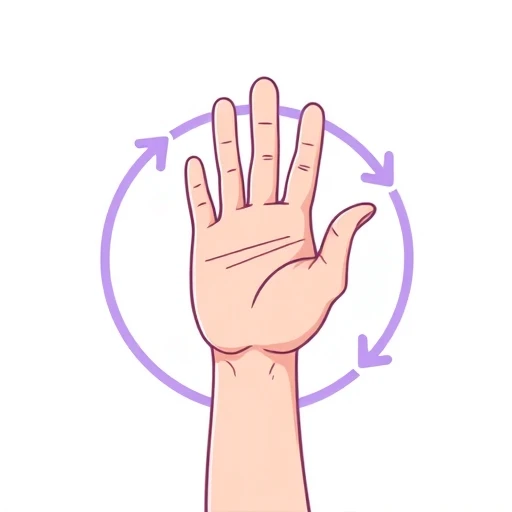
止めないで در ۳۰ ثانیه
- 止めないで (Tomenaide) means 'Don't stop' and is used for physical motion or ongoing processes.
- It is the informal negative request form of the transitive verb 止める (Tomeru).
- Commonly used for music, cars, clocks, and conversations to ensure they continue.
- Distinguish it from 'Yamenaide,' which is used for quitting habits or actions.
The Japanese expression 止めないで (Tomenaide) is a powerful and versatile phrase that translates to "Don't stop." Grammatically, it is the negative imperative or request form of the transitive verb 止める (Tomeru), which means to stop, cease, or interrupt something. In the Japanese linguistic landscape, this specific form is used when a speaker wishes for an ongoing action, a physical movement, or a conceptual progression to continue without interference. It is a direct appeal to the listener to refrain from halting whatever is currently in motion. This could range from a physical object, like a car or a clock, to more abstract concepts like music, a conversation, or even a feeling.
- Grammatical Breakdown
- The verb is 止める (Tomeru), an Ichidan verb. To form the negative request, you take the stem 'tome-', add the negative 'nai', and then add 'de' to indicate a request or command. The 'de' here is a shortened form of 'de kudasai', making it informal and direct.
Understanding the nuance of 止めないで requires looking at the transitive nature of the verb. Unlike the intransitive 止まる (Tomaru), which describes something stopping on its own, 止める (Tomeru) implies an external force is doing the stopping. Therefore, when you say 止めないで, you are specifically asking the person you are talking to not to be that external force. It is often used in emotional contexts, such as in music lyrics or romantic scenes, where the speaker wants a moment or a feeling to last forever. For instance, in a song, "Don't stop the music" would be 音楽を止めないで (Ongaku wo tomenaide).
その手を止めないで、作業を続けてください。
(Sono te wo tomenaide, sagyou wo tsuzukete kudasai.)
Don't stop your hands; please continue the work.
In daily life, you might hear this in a variety of settings. At a construction site, a foreman might tell a worker not to stop a machine. In a dance studio, a teacher might tell students not to stop their movements even if they make a mistake. The phrase carries a sense of momentum. It is not just about the absence of stopping; it is about the preservation of flow. Because it is the informal form, it is most commonly used among friends, family, or by a superior to a subordinate. If you wanted to be more polite, you would say 止めないでください (Tomenaide kudasai).
Another important distinction is between 止めないで and やめないで (Yamenaide). While both can translate to "don't stop," 止めないで is generally used for physical motion or ongoing processes (like a machine or a clock), whereas やめないで is used for habits, actions, or activities (like quitting a job or stopping a hobby). If you are dancing and want to keep going, you say 止めないで. If you are thinking of quitting your dance lessons, your friend might say やめないで. This distinction is crucial for reaching B1 level proficiency, as it shows an understanding of verb transitivity and semantic categories.
- Social Dynamics
- Using the short form '止めないで' can sound quite urgent or intimate. In a professional setting, omitting 'kudasai' might be seen as rude unless there is a significant power gap or an emergency situation where brevity is required for safety.
In literature and media, this phrase often appears at climactic moments. A character might shout it to prevent someone from stopping a ritual, a countdown, or a journey. It encapsulates a desire for progress and the refusal to let a moment end. By mastering this phrase, you gain the ability to express the importance of continuity in Japanese, allowing you to participate more deeply in conversations about work, art, and personal desires. Whether you are asking someone not to stop the car in a beautiful location or pleading with a friend not to stop their heartfelt explanation, 止めないで is your go-to expression for maintaining the status quo of action.
Using 止めないで correctly involves understanding its grammatical placement and the objects it typically acts upon. As a transitive verb in the negative imperative form, it usually follows an object marked by the particle を (wo). The basic structure is [Object] を 止めないで. This structure is the foundation for countless expressions in Japanese, from simple physical commands to complex emotional pleas.
- The Direct Object
- Common objects used with this phrase include physical items like 車 (kuruma - car), 時計 (tokei - clock), or 機械 (kikai - machine). It also frequently applies to abstract nouns like 音楽 (ongaku - music), 話 (hanashi - story/talk), or 流れ (nagare - flow).
Let's look at some specific sentence patterns. When you want someone to keep talking, you might say 話を止めないで (Hanashi wo tomenaide). This suggests that the person was about to stop or that you are anticipating an interruption. It is different from 続けて (Tsuzukete - Please continue) because 止めないで specifically focuses on the act of not interrupting or halting. It carries a nuance of 'don't let it end here.'
夢を止めないで、最後まで走り抜こう。
(Yume wo tomenaide, saigo made hashirinukou.)
Don't stop the dream; let's run through to the end.
In more complex sentences, 止めないで can be combined with other clauses to provide reason or context. For example, 危ないから、その機械を止めないで (Abunai kara, sono kikai wo tomenaide) - "Because it's dangerous, don't stop that machine." Here, the speaker is warning that stopping the machine might cause a hazard. This shows how the phrase can be used in safety-critical environments. Conversely, in a romantic context, one might say この時間を止めないで (Kono jikan wo tomenaide) - "Don't stop this time," which is a poetic way of saying "I wish this moment would last forever."
Another interesting usage is when the object is omitted. If the context is clear, you can simply shout 止めないで!. For example, if someone is about to turn off a song everyone is enjoying, you can just say the phrase by itself. This is very common in fast-paced environments like sports or busy kitchens. The brevity of the phrase adds to its impact and urgency. It is a call to action—or rather, a call to *non-action* regarding the stopping of a process.
- Variation with Particles
- Sometimes the particle 'は' (wa) is used for emphasis: 'それだけは止めないで' (Don't stop at least that). This implies that while other things might stop, this specific thing must continue.
Finally, consider the use of 止めないで in negative-negative constructions, which are common in Japanese for emphasis. While less common with this specific verb, one might say 止めないではいられない (Tomenaide wa irarenai), meaning "cannot help but stop," but this is a different grammatical structure entirely. For the B1 learner, focusing on the direct request "Don't stop [Object]" is the most effective way to integrate this phrase into your active vocabulary. Practice by looking at things in motion and mentally saying 止めないで to them!
The phrase 止めないで (Tomenaide) is ubiquitous in Japanese popular culture, daily life, and media. Its emotional resonance and rhythmic quality make it a favorite for songwriters and scriptwriters alike. If you listen to J-Pop, you will almost certainly encounter this phrase within your first few hours of listening. It is the quintessential "don't stop the beat" or "don't stop my heart" expression that defines many high-energy or sentimental tracks.
- In Music and Lyrics
- Song titles like '止めないで' or lyrics featuring 'リズムを止めないで' (Don't stop the rhythm) are extremely common. It often symbolizes a desire for youth, love, or a party to never end. The phonetic flow of 'to-me-na-i-de' fits perfectly into 4/4 time signatures, making it a lyrical staple.
In the world of Anime and Manga, 止めないで is often used in high-stakes situations. Imagine a protagonist who is undergoing a difficult transformation or performing a powerful technique. They might shout to their allies, 「何があっても、止めないで!」 (Nani ga attemo, tomenaide!) - "No matter what happens, don't stop [me/it]!" This highlights the character's resolve and the necessity of completing the action despite the pain or danger involved. It’s a phrase of determination and trust.
「行かせて!私を止めないで!」
(Ikase te! Watashi wo tomenaide!)
"Let me go! Don't stop me!"
In everyday Japanese life, you'll hear this in more mundane but equally important contexts. At a train station, if a passenger is trying to hold the closing doors (though discouraged!), someone might yell to the conductor not to stop the train's departure process. In a kitchen, a chef might tell an apprentice 手を止めないで (Te wo tomenaide) to keep them chopping or stirring during a busy rush. It serves as a constant reminder that momentum is key to efficiency.
Television dramas also utilize this phrase to build tension. In a medical drama, a surgeon might say 心臓マッサージを止めないで (Shinzou massaaji wo tomenaide) - "Don't stop the heart massage." In a romance, a character might plead 「好き」と言うのを止めないで (Suki to iu no wo tomenaide) - "Don't stop saying 'I love you'." These examples show how the phrase bridges the gap between literal physical actions and deeply emotional expressions.
- Public Announcements
- While rare in formal announcements (which prefer 'yamete kudasai' for prohibitions), you might see '足を止めないでください' (Please do not stop walking/stand still) on signs in crowded areas like Shinjuku Station to prevent foot traffic congestion.
Ultimately, 止めないで is a word of movement. It is heard wherever there is action that needs to be sustained. By paying attention to its use in different media, you can start to feel the 'weight' of the word—sometimes it's a light request, other times a desperate plea, and sometimes a professional command. Its frequency in the real world makes it one of the most practical phrases for a B1 learner to recognize and understand in context.
One of the most frequent hurdles for learners of Japanese when using 止めないで (Tomenaide) is distinguishing it from its close cousin, やめないで (Yamenaide). Both are translated as "Don't stop" in English, but their usage in Japanese is governed by strict semantic rules. Confusing the two is a hallmark of the A2-B1 transition, and mastering the difference is key to sounding natural.
- Tomeru vs. Yameru
- 止める (Tomeru) is for stopping motion, flow, or a physical object. 辞める/止める (Yameru) is for quitting an action, a habit, or a job. If you tell someone 'Taberu no wo tomenaide,' it sounds like you are physically stopping their jaw. You should say 'Taberu no wo yamenaide' (Don't quit eating).
Another common error involves the distinction between transitive and intransitive verbs. 止めないで is the negative imperative of the transitive verb 止める (Tomeru). Learners often mistakenly use it when they should use the intransitive 止まらないで (Tomaranaide). If you are telling a car (as if it were a person) not to stop, you use 止まらないで. If you are telling the driver not to stop the car, you use (車を)止めないで. Using the transitive form without an implied actor can sound strange in Japanese.
❌ 走るのを止めないで。
✅ 走るのをやめないで。
Explanation: Running is an activity/habit, so 'yameru' is appropriate.
Politeness levels are another pitfall. Because 止めないで ends in the 'de' form, it is inherently informal. Using it with a boss, a teacher, or a stranger can come across as surprisingly aggressive or overly familiar. Learners often forget to add ください (kudasai) in professional settings. Even with kudasai, it is still a command. In very formal situations, a different structure like お止めにならないでください (O-tome ni naranaide kudasai) or a more indirect request might be necessary.
There is also the confusion with 留める (Tomeru), which is a homophone but written with a different kanji. This Tomeru means to fasten or fix something in place (like a button or a clip). While 留めないで (Tomenaide) is a valid phrase meaning "don't fasten it," it is used in entirely different contexts. In speech, they sound identical, so you must rely on context to know if someone is talking about stopping a car or not fastening a paperclip.
- Kanji Confusion
- 止める (to stop), 辞める (to quit), 留める (to fasten), 泊める (to let someone stay). All can be read as 'tomeru' or 'yameru'. Always check the kanji in writing to ensure you are using the correct 'stop'!
Lastly, learners sometimes use 止めないで when they actually mean "don't prevent." While it can mean this in some contexts, the verb 妨げないで (Samatagenaide) is more specific for "don't hinder" or "don't obstruct." 止めないで is about the cessation of the action itself, not necessarily the interference with it. By being mindful of these nuances, you can avoid common mistakes and use 止めないで with the precision of a native speaker.
While 止めないで (Tomenaide) is a very common way to say "don't stop," Japanese offers several alternatives depending on the desired nuance, level of formality, and the specific nature of the action being continued. Understanding these synonyms allows you to choose the most appropriate word for the situation, making your Japanese more expressive and precise.
- やめないで (Yamenaide)
- As discussed, this is the primary alternative. Use it for habits, hobbies, or decisions. 'Don't stop studying' is 'Benkyou wo yamenaide,' not 'tomenaide.' It focuses on the will to continue an activity.
If you want to focus on the *continuation* rather than the *not stopping*, you can use 続けて (Tsuzukete). This is the te-form of 続ける (Tsuzukeru - to continue). It is a positive command. While 止めないで says "don't halt," 続けて says "keep going." In many contexts, they are interchangeable, but 続けて often sounds more encouraging and less urgent than 止めないで.
そのまま続けてください。いい調子です!
(Sono mama tsuzukete kudasai. Ii choushi desu!)
Please continue just like that. You're doing great!
For a more formal or academic context, you might use 継続してください (Keizoku shite kudasai). 継続 (Keizoku) means continuation or succession. This is common in business reports or technical instructions. For example, "Please continue the current data collection" would use 継続. It lacks the emotional punch of 止めないで but provides a professional clarity that is essential in formal environments.
Another interesting alternative is 絶やさないで (Tayasanaide). This comes from the verb 絶やす (Tayasu), meaning to let something die out or come to an end. It is often used for things like fire, traditions, or a smile. 笑顔を絶やさないで (Egao wo tayasanaide) means "Don't let your smile fade." This is much more poetic and specific than the general 止めないで.
- Comparison Table
-
- 止めないで: Focus on physical motion/flow. (Don't stop the car)
- やめないで: Focus on action/habit. (Don't quit the job)
- 続けて: Focus on progress. (Keep going)
- 絶やさないで: Focus on preservation. (Don't let it die out)
Finally, in very casual slang, you might hear ストップしないで (Sutoppu shinaide), using the English loanword "stop." This is common among younger people or in very modern, Westernized contexts like dance or sports. However, 止めないで remains the standard and most versatile choice. By learning these alternatives, you not only expand your vocabulary but also gain a deeper understanding of the subtle ways Japanese speakers perceive and describe the continuation of events.
چقدر رسمی است؟
نکته جالب
The kanji 止 is a pictograph of a footprint, originally representing a foot that has come to a rest.
راهنمای تلفظ
- Pronouncing 'to' like 'toe' with a long glide.
- Stressing the 'nai' like English 'night'.
- Making the 'de' sound like 'day'.
- Pausing too long between 'tome' and 'naide'.
- Pronouncing the 'r' sound in 'tomeru' like an English 'r' instead of a Japanese flap.
سطح دشواری
Kanji is simple, but must be distinguished from 'yameru'.
Requires correct conjugation of Ichidan verbs.
Common phrase, easy to pronounce.
Easily recognized in songs and anime.
بعداً چه یاد بگیریم؟
پیشنیازها
بعداً یاد بگیرید
پیشرفته
گرامر لازم
Negative Request (~nai de)
行かないで (Don't go)
Transitive vs Intransitive
止める (Transitive) vs 止まる (Intransitive)
Ichidan Verb Conjugation
食べる -> 食べない -> 食べないで
Object Particle (wo)
本を読まないで
Polite Request (~nai de kudasai)
忘れないでください
مثالها بر اساس سطح
止めないで!
Don't stop!
Simple negative imperative.
音楽を止めないで。
Don't stop the music.
Object + wo + tomenaide.
車を止めないで。
Don't stop the car.
Direct object 'kuruma'.
時計を止めないで。
Don't stop the clock.
Direct object 'tokei'.
ビデオを止めないで。
Don't stop the video.
Loanword 'video' as object.
その手を止めないで。
Don't stop those hands.
Demonstrative 'sono' + 'te'.
水を止めないで。
Don't stop the water.
Direct object 'mizu'.
止めないでください。
Please don't stop.
Adding 'kudasai' for politeness.
今のリズムを止めないで。
Don't stop the current rhythm.
Adjective 'ima no' modifying 'rizumu'.
話を止めないでください。
Please don't stop your story.
Polite request with 'hanashi'.
その機械を止めないで。
Don't stop that machine.
Specific object 'sono kikai'.
ペンを止めないで書いて。
Don't stop your pen, keep writing.
Using 'te' form to connect actions.
流れを止めないで。
Don't stop the flow.
Abstract object 'nagare'.
足を止めないで歩こう。
Let's walk without stopping our feet.
Using 'volitional' form 'arukou'.
この曲を止めないで。
Don't stop this song.
Specific object 'kono kyoku'.
作業を止めないでください。
Please don't stop the work.
Formal object 'sagyou'.
私の邪魔をして、進行を止めないで。
Don't get in my way and stop the progress.
Combining 'jama wo shite' with 'tomenaide'.
思考の波を止めないで。
Don't stop the wave of thought.
Metaphorical use of 'nami' (wave).
彼らの情熱を止めないでほしい。
I want you not to stop their passion.
Using 'hoshii' to express a desire.
供給を止めないで、在庫を確保して。
Don't stop the supply; secure the stock.
Business context usage.
笑い声を止めないで、もっと楽しもう。
Don't stop the laughter; let's have more fun.
Abstract object 'waraigoe'.
その素晴らしいアイデアの連鎖を止めないで。
Don't stop that chain of wonderful ideas.
Complex object 'rensa' (chain).
呼吸を止めないで、リラックスして。
Don't stop/hold your breath; relax.
Physical command 'kokyuu'.
時代の変化を止めないでください。
Please don't stop the changes of the times.
Societal context.
経済の活性化を止めないで、さらなる投資を。
Don't stop the economic revitalization; invest more.
Formal noun 'kasseika'.
伝統の継承を止めないで、次世代へ繋ごう。
Don't stop the succession of tradition; let's pass it to the next generation.
Cultural context 'keishou'.
この感動を止めないで、心に刻んでおきたい。
Don't stop this emotion; I want to engrave it in my heart.
Emotional context 'kandou'.
議論の勢いを止めないで、結論を出しましょう。
Don't stop the momentum of the discussion; let's reach a conclusion.
Abstract 'ikioi' (momentum).
進化の歩みを止めないで、未来を切り拓く。
Don't stop the pace of evolution; carve out the future.
Metaphorical 'ayumi' (pace/steps).
誰にもこの恋を止めないでほしいと願った。
I prayed that no one would stop this love.
Embedded clause with 'negatta'.
情報の流出は止めても、情報の共有は止めないで。
Even if you stop the leak of information, don't stop the sharing of it.
Contrast between 'tomete mo' and 'tomenaide'.
好奇心の芽を止めないで、育ててあげることが大切だ。
It is important not to stop the buds of curiosity but to nurture them.
Metaphorical 'me' (bud).
学問の探求を止めないで、真理を追い求める姿勢。
The attitude of seeking truth without stopping the quest for knowledge.
Academic context 'tankyuu'.
文化の多様性を止めないで、共生社会を目指す。
Aiming for a symbiotic society without stopping cultural diversity.
Sociological context 'tayousei'.
その一瞬の閃きを止めないで、形にする努力。
The effort to give form to that momentary flash of inspiration without stopping it.
Creative context 'hirameki'.
法治国家としての歩みを止めないで、正義を貫く。
Continuing the path as a nation under the rule of law and upholding justice.
Legal/Political context.
自己研鑽を止めないで、常に高みを目指す。
Never stopping self-improvement and always aiming for the heights.
Personal development 'jikokensan'.
宇宙探索の夢を止めないで、未知の世界へ挑む。
Don't stop the dream of space exploration; challenge the unknown world.
Scientific context.
生命の鼓動を止めないで、最善を尽くす医療現場。
A medical scene doing its best not to stop the heartbeat of life.
Medical context 'kodou'.
歴史の歯車を止めないで、我々は前進し続ける。
Without stopping the gears of history, we continue to move forward.
Historical metaphor 'haguruma'.
森羅万象の流転を止めないで、あるがままを受け入れる。
Accepting things as they are without stopping the flux of all creation.
Philosophical 'shinra banshou'.
創造的破壊のプロセスを止めないで、新秩序を構築する。
Building a new order without stopping the process of creative destruction.
Economic theory 'souzouteki hakai'.
言語の変遷を止めないで、そのダイナミズムを享受する。
Enjoying the dynamism of language without stopping its transition.
Linguistic context 'hensen'.
魂の叫びを止めないで、表現の自由を死守する。
Defending freedom of expression to the death without stopping the cry of the soul.
Political/Artistic context.
宇宙の膨張を止めないで、果てしない可能性を夢見る。
Dreaming of endless possibilities without stopping the expansion of the universe.
Cosmological context.
因果応報の理を止めないで、運命に身を任せる。
Entrusting oneself to fate without stopping the principle of cause and effect.
Spiritual context 'inga oubou'.
知の地平を広げる試みを止めないで、人類は進化する。
Humanity evolves without stopping the attempt to expand the horizons of knowledge.
Intellectual context 'chi no chihei'.
無常の響きを止めないで、一期一会の時を惜しむ。
Cherishing the once-in-a-lifetime moment without stopping the sound of impermanence.
Classical aesthetic 'mujou'.
مترادفها
متضادها
ترکیبهای رایج
عبارات رایج
— I want you not to stop it. Expresses a personal wish.
この曲を止めないでほしい。
— Can you not stop it? A casual request.
ちょっと、ビデオを止めないでくれる?
— Let's not stop it. A suggestion to the group.
今はまだ、機械を止めないでおこう。
— If I hadn't stopped it... Used for hypothetical situations.
あの時止めないでいたら、どうなっただろう。
— Manage without stopping. Indicates avoiding a halt.
これなら、エンジンを止めないで済む。
— Cannot help but stop. (Double negative for emphasis).
あまりの美しさに、足を止めないでいられなかった。
— Don't stop me (Strong/Masculine). Often used in drama.
俺の行く道を止めないでくれ。
— Don't stop (Feminine/Soft). Slightly older style.
楽しいお話を止めないでちょうだい。
— As long as you don't stop it. Focuses on the condition.
これさえ止めないでいれば大丈夫だ。
— I'm glad I didn't stop it.
あの時、足を止めないでよかった。
اغلب اشتباه گرفته میشود با
Used for quitting actions/habits, while 'tomenaide' is for physical motion.
Intransitive form (Don't stop yourself), while 'tomenaide' is transitive (Don't stop it).
Written with a different kanji, meaning 'don't fasten/fix'.
اصطلاحات و عبارات
— To not stop walking; to keep moving forward in life.
どんな困難があっても、彼は足を止めない。
Neutral— To keep writing without pause; to be a prolific writer.
作家は一晩中、筆を止めなかった。
Literary— To not stop one's progress or evolution.
科学の歩みを止めないことが重要だ。
Formal— To keep working diligently without rest.
職人は黙々と手を止めずに働き続けた。
Neutral— To never stop thinking or questioning.
哲学者は常に思考を止めない。
Academic— To continue evolving constantly.
その企業は進化を止めないことで知られている。
Business— To maintain the current positive momentum.
試合の良い流れを止めないように注意する。
Sports— To keep the heart beating; to keep something alive.
街の鼓動を止めないための再開発計画。
Poetic— To not interfere with the natural course of history.
誰にも歴史を止めることはできない。
Formal— To keep smiling no matter what (usually '絶やさない').
彼女はどんな時も笑顔を止めない(絶やさない)。
Softبهراحتی اشتباه گرفته میشود
Sounds similar and both mean 'stop' in English.
Yameru is for quitting a job or habit. Tomeru is for halting motion.
仕事を辞めないで (Don't quit your job).
It's the intransitive version of the same root.
Tomaru is for things stopping on their own. Tomeru is for someone stopping something.
時計が止まる (The clock stops).
Homophone (same sound).
Tomeru (泊める) means to let someone stay overnight.
友達を家に泊める (Let a friend stay at my house).
Homophone (same sound).
Tomeru (留める) means to fasten or keep in mind.
ボタンを留める (Fasten a button).
Sometimes 'stop' implies 'taking a break'.
Yasumu is specifically for resting or taking a day off.
今日は学校を休む (Rest/Skip school today).
الگوهای جملهسازی
[Noun] を 止めないで。
車を止めないで。
[Noun] を 止めないでください。
音楽を止めないでください。
[Verb Phrase] のを 止めないで。
話すのを止めないで。
[Noun] を 止めないでほしい。
その流れを止めないでほしい。
[Abstract Noun] の [Noun] を 止めないで。
時代の変化を止めないで。
[Clause] ように、[Noun] を 止めないで。
遅れないように、足を止めないで。
[Noun] さえ 止めないでいれば...
これさえ止めないでいれば大丈夫だ。
[Noun] の [Noun] を 止めないで [Verb]。
歴史の歯車を止めないで前進する。
خانواده کلمه
اسمها
فعلها
صفتها
مرتبط
نحوه استفاده
Very High in daily conversation and media.
-
Using '止めないで' for quitting a habit.
→
やめないで (Yamenaide)
Habits and actions use 'yameru', not 'tomeru'.
-
Using '止めないで' with a teacher.
→
止めないでください (Tomenaide kudasai)
The short form is too casual for a teacher.
-
Confusing '止めないで' with '止まらないで'.
→
止まらないで (Tomaranaide)
'Tomenaide' is transitive (don't stop it); 'Tomaranaide' is intransitive (don't stop yourself).
-
Using the wrong kanji (辞めないで) for a car.
→
止めないで (Tomenaide)
Cars use the 'stop' kanji 止, not the 'quit' kanji 辞.
-
Pronouncing 'de' as 'day'.
→
de (short 'e' as in 'met')
Japanese vowels are short and consistent.
نکات
Ichidan Verb Rule
Remember that 'Tomeru' is an Ichidan verb. You just drop 'ru' and add 'naide'. It's one of the easiest conjugations to remember!
Traffic Context
If you are in a taxi and want the driver to keep going, say '止めないでください'. If you want them to stop, say '止めてください'.
Flow is Key
Use 'Tomenaide' when there is a 'flow' involved—like water, music, or a story. It sounds much more natural than 'Yamenaide' in these cases.
Informal vs Formal
Dropping 'kudasai' makes it very direct. Use it only with close friends or in urgent situations to avoid sounding rude.
The 'Toe' Method
Imagine your 'Toe' is on the gas pedal. 'Toe-me-naide' means keep your toe there and don't stop the car!
Song Lyrics
Listen for 'Tomenaide' in high-energy J-pop. It's often paired with 'Rizumu' (rhythm) or 'Biito' (beat).
Kanji Choice
Always double-check your kanji. 止 is for stopping. 辞 is for quitting. They are not interchangeable in writing.
Intonation
A flat or slightly falling intonation makes it a command. A rising intonation makes it a plea or a question.
Harmony
In Japan, keeping the 'flow' is part of social harmony. 'Tomenaide' can be a way to protect that harmony.
Synonym Check
If you want to be more encouraging, try 'Tsuzukete' (Keep it up!) instead of the negative 'Tomenaide'.
حفظ کنید
روش یادسپاری
Think of 'Tome' as 'To-Me'. 'To-Me-Nai-De' = 'To me, don't (nai) do (de) the stopping!'
تداعی تصویری
Imagine a hand reaching for a 'STOP' button, and you are waving your hands frantically to say 'No!'
شبکه واژگان
چالش
Try to find three things in your house that are moving (a fan, a clock, a faucet) and say '止めないで' to each of them.
ریشه کلمه
Derived from the Old Japanese verb 'tomeru', which has roots in the concept of fixing something in place or causing motion to cease.
معنای اصلی: To cause a person or object to stay in one place; to fix or fasten.
Japonicبافت فرهنگی
Be careful using the short form '止めないで' with superiors; it can sound like a command rather than a request.
English speakers often use 'Don't stop' for both 'Tomenaide' and 'Yamenaide', so they must be careful to distinguish between physical motion and quitting a habit.
تمرین در زندگی واقعی
موقعیتهای واقعی
Driving
- 車を止めないで
- エンジンを止めないで
- ここで止めないで
- スピードを止めないで
Music/Party
- 音楽を止めないで
- リズムを止めないで
- ダンスを止めないで
- 曲を止めないで
Work/Factory
- 機械を止めないで
- 作業を止めないで
- 手を止めないで
- ラインを止めないで
Conversation
- 話を止めないで
- 説明を止めないで
- 発言を止めないで
- 議論を止めないで
Sports
- 足を止めないで
- 動きを止めないで
- 攻撃を止めないで
- 練習を止めないで
شروعکنندههای مکالمه
"「この曲、すごくいいから止めないでくれる?」"
"「作業を止めないで、今のうちに終わらせよう。」"
"「話を止めないで。続きが気になるんだ。」"
"「危ないから、勝手に機械を止めないでね。」"
"「今のいい流れを止めないで、最後まで頑張ろう!」"
موضوعات نگارش
今日、誰かに「止めないで」と言いたくなった瞬間はありましたか?
あなたが「止めないでほしい」と思っている習慣や流れは何ですか?
「音楽を止めないで」という歌詞の曲を聴いたことがありますか?その時の気分は?
仕事や勉強で「手を止めないで」集中できた時のことを書いてください。
歴史や文化の中で、絶対に「止めないでほしい」と思うものは何ですか?
سوالات متداول
10 سوالNo, you should use '辞めないで' (Yamenaide) for quitting a job. '止めないで' is for physical motion or ongoing processes like a machine.
No, it is informal. You should say '止めないでください' (Tomenaide kudasai) or '止めないでいただけますか' (Tomenaide itadakemasu ka) to be polite.
'止めないで' means 'Don't stop,' focusing on preventing an interruption. '続けて' (Tsuzukete) means 'Continue,' focusing on the progress of the action.
You say '車を止めないで' (Kuruma wo tomenaide).
Yes, for things like a radio, TV, or tap water, it can mean 'Don't turn it off' or 'Don't stop the flow'.
Use '止' for stopping motion or flow. '止める' is the standard kanji.
Yes, very frequently! It's a staple in J-pop lyrics to express a desire for a moment or music to last.
The intransitive version is '止まらないで' (Tomaranaide), meaning 'Don't stop (yourself/itself).'
Yes, '呼吸を止めないで' (Kokyuu wo tomenaide) is the standard way to say 'Don't hold your breath' in yoga or medical contexts.
In that case, '信じるのをやめないで' (Shinjiru no wo yamenaide) is more natural because believing is a mental action/habit.
خودت رو بسنج 187 سوال
Translate 'Don't stop the car' into Japanese.
خوب نوشتید! تلاش خوبی بود! پاسخ نمونه را ببینید.
Translate 'Please don't stop the music' into Japanese.
خوب نوشتید! تلاش خوبی بود! پاسخ نمونه را ببینید.
Write a sentence using '止めないで' and '話' (story/talk).
خوب نوشتید! تلاش خوبی بود! پاسخ نمونه را ببینید.
Translate 'Don't stop your hands' (Keep working) into Japanese.
خوب نوشتید! تلاش خوبی بود! پاسخ نمونه را ببینید.
Write a sentence using '止めないで' in a sports context.
خوب نوشتید! تلاش خوبی بود! پاسخ نمونه را ببینید.
Translate 'Don't stop the flow of time' into Japanese.
خوب نوشتید! تلاش خوبی بود! پاسخ نمونه را ببینید.
Write a polite request to not stop a machine.
خوب نوشتید! تلاش خوبی بود! پاسخ نمونه را ببینید.
Translate 'Don't stop the dream' into Japanese.
خوب نوشتید! تلاش خوبی بود! پاسخ نمونه را ببینید.
Write a sentence using '止めないで' and 'リズム' (rhythm).
خوب نوشتید! تلاش خوبی بود! پاسخ نمونه را ببینید.
Translate 'Don't stop the supply' into Japanese.
خوب نوشتید! تلاش خوبی بود! پاسخ نمونه را ببینید.
Write a sentence using '止めないで' in a romantic context.
خوب نوشتید! تلاش خوبی بود! پاسخ نمونه را ببینید.
Translate 'Don't stop the progress' into Japanese.
خوب نوشتید! تلاش خوبی بود! پاسخ نمونه را ببینید.
Write a sentence using '止めないで' and '呼吸' (breath).
خوب نوشتید! تلاش خوبی بود! پاسخ نمونه را ببینید.
Translate 'Don't stop the video' into Japanese.
خوب نوشتید! تلاش خوبی بود! پاسخ نمونه را ببینید.
Write a sentence using '止めないで' and '伝統' (tradition).
خوب نوشتید! تلاش خوبی بود! پاسخ نمونه را ببینید.
Translate 'Don't stop the laughter' into Japanese.
خوب نوشتید! تلاش خوبی بود! پاسخ نمونه را ببینید.
Write a sentence using '止めないで' and '好奇心' (curiosity).
خوب نوشتید! تلاش خوبی بود! پاسخ نمونه را ببینید.
Translate 'Don't stop the momentum' into Japanese.
خوب نوشتید! تلاش خوبی بود! پاسخ نمونه را ببینید.
Write a sentence using '止めないで' and '進化' (evolution).
خوب نوشتید! تلاش خوبی بود! پاسخ نمونه را ببینید.
Translate 'Don't stop the heartbeat' into Japanese.
خوب نوشتید! تلاش خوبی بود! پاسخ نمونه را ببینید.
Say 'Don't stop the music' in Japanese.
این را بلند بخوانید:
تو گفتی:
تشخیص گفتار در مرورگر شما پشتیبانی نمیشود. از کروم یا اج استفاده کنید.
Say 'Please don't stop the car' politely.
این را بلند بخوانید:
تو گفتی:
تشخیص گفتار در مرورگر شما پشتیبانی نمیشود. از کروم یا اج استفاده کنید.
Say 'Don't stop your hands' to a coworker.
این را بلند بخوانید:
تو گفتی:
تشخیص گفتار در مرورگر شما پشتیبانی نمیشود. از کروم یا اج استفاده کنید.
Say 'Don't stop the story' to a friend.
این را بلند بخوانید:
تو گفتی:
تشخیص گفتار در مرورگر شما پشتیبانی نمیشود. از کروم یا اج استفاده کنید.
Say 'Don't stop the video' urgently.
این را بلند بخوانید:
تو گفتی:
تشخیص گفتار در مرورگر شما پشتیبانی نمیشود. از کروم یا اج استفاده کنید.
Say 'Don't stop the rhythm' while dancing.
این را بلند بخوانید:
تو گفتی:
تشخیص گفتار در مرورگر شما پشتیبانی نمیشود. از کروم یا اج استفاده کنید.
Say 'Please don't stop the machine' in a factory.
این را بلند بخوانید:
تو گفتی:
تشخیص گفتار در مرورگر شما پشتیبانی نمیشود. از کروم یا اج استفاده کنید.
Say 'Don't stop your feet' to a runner.
این را بلند بخوانید:
تو گفتی:
تشخیص گفتار در مرورگر شما پشتیبانی نمیشود. از کروم یا اج استفاده کنید.
Say 'Don't stop the flow' metaphorically.
این را بلند بخوانید:
تو گفتی:
تشخیص گفتار در مرورگر شما پشتیبانی نمیشود. از کروم یا اج استفاده کنید.
Say 'Don't stop the clock' poetically.
این را بلند بخوانید:
تو گفتی:
تشخیص گفتار در مرورگر شما پشتیبانی نمیشود. از کروم یا اج استفاده کنید.
Say 'Don't stop the laughter' at a party.
این را بلند بخوانید:
تو گفتی:
تشخیص گفتار در مرورگر شما پشتیبانی نمیشود. از کروم یا اج استفاده کنید.
Say 'Don't stop the momentum' to your team.
این را بلند بخوانید:
تو گفتی:
تشخیص گفتار در مرورگر شما پشتیبانی نمیشود. از کروم یا اج استفاده کنید.
Say 'Don't stop your breath' during yoga.
این را بلند بخوانید:
تو گفتی:
تشخیص گفتار در مرورگر شما پشتیبانی نمیشود. از کروم یا اج استفاده کنید.
Say 'Don't stop the dream' in a speech.
این را بلند بخوانید:
تو گفتی:
تشخیص گفتار در مرورگر شما پشتیبانی نمیشود. از کروم یا اج استفاده کنید.
Say 'Please don't stop the supply' formally.
این را بلند بخوانید:
تو گفتی:
تشخیص گفتار در مرورگر شما پشتیبانی نمیشود. از کروم یا اج استفاده کنید.
Say 'Don't stop the work' to an apprentice.
این را بلند بخوانید:
تو گفتی:
تشخیص گفتار در مرورگر شما پشتیبانی نمیشود. از کروم یا اج استفاده کنید.
Say 'Don't stop the curiosity' to a child.
این را بلند بخوانید:
تو گفتی:
تشخیص گفتار در مرورگر شما پشتیبانی نمیشود. از کروم یا اج استفاده کنید.
Say 'Don't stop the evolution' scientifically.
این را بلند بخوانید:
تو گفتی:
تشخیص گفتار در مرورگر شما پشتیبانی نمیشود. از کروم یا اج استفاده کنید.
Say 'Don't stop the tradition' culturally.
این را بلند بخوانید:
تو گفتی:
تشخیص گفتار در مرورگر شما پشتیبانی نمیشود. از کروم یا اج استفاده کنید.
Say 'Don't stop the heartbeat' in a drama.
این را بلند بخوانید:
تو گفتی:
تشخیص گفتار در مرورگر شما پشتیبانی نمیشود. از کروم یا اج استفاده کنید.
Listen: '車を止めないでください。' Where is this likely said?
Listen: '音楽を止めないで!' What is the speaker's emotion?
Listen: '手を止めないで作業して。' What should the person do?
Listen: '話を止めないで、続けて。' What does the speaker want?
Listen: '呼吸を止めないでください。' Who might be saying this?
Listen: '勢いを止めないで勝ちましょう。' What is the context?
Listen: '伝統を止めないでほしい。' What is the speaker's wish?
Listen: 'ビデオを止めないで。' What is being watched?
Listen: '機械を止めないで。' What is the warning about?
Listen: '今の流れを止めないで。' What does 'nagare' refer to?
Listen: '足を止めないで走れ!' What is the command?
Listen: '夢を止めないで。' Is this literal or metaphorical?
Listen: '供給を止めないでください。' What is the object?
Listen: '笑い声を止めないで。' What does the speaker want to hear?
Listen: '進化を止めないで。' What is the topic?
/ 187 درست
نمره کامل!
Summary
Use '止めないで' (Tomenaide) when you want to tell someone 'Don't stop the [Object]!' For example, '音楽を止めないで' (Don't stop the music). It's for things in motion, not for quitting habits.
- 止めないで (Tomenaide) means 'Don't stop' and is used for physical motion or ongoing processes.
- It is the informal negative request form of the transitive verb 止める (Tomeru).
- Commonly used for music, cars, clocks, and conversations to ensure they continue.
- Distinguish it from 'Yamenaide,' which is used for quitting habits or actions.
Ichidan Verb Rule
Remember that 'Tomeru' is an Ichidan verb. You just drop 'ru' and add 'naide'. It's one of the easiest conjugations to remember!
Traffic Context
If you are in a taxi and want the driver to keep going, say '止めないでください'. If you want them to stop, say '止めてください'.
Flow is Key
Use 'Tomenaide' when there is a 'flow' involved—like water, music, or a story. It sounds much more natural than 'Yamenaide' in these cases.
Informal vs Formal
Dropping 'kudasai' makes it very direct. Use it only with close friends or in urgent situations to avoid sounding rude.
![ARASHI - Happiness [Official Music Video]](https://sublearn.com/storage/thumbnails/HeXVJvEYynw.jpg)

