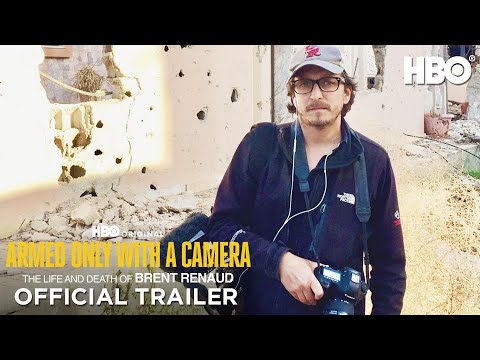
filmmakers en 30 secondes
- Filmmakers are the creative professionals responsible for making movies, including directors and producers who manage the artistic and technical aspects of a film production.
- The term is used to describe anyone with significant creative control over a motion picture, from independent artists to high-budget Hollywood directors and their core teams.
- Commonly heard in film festivals and reviews, 'filmmakers' emphasizes the collaborative effort required to transform a script into a visual story for an audience to enjoy.
- While it can refer to individuals, the plural 'filmmakers' is often used to acknowledge the collective vision of the primary creators behind a cinematic project.
The term filmmakers refers to the creative and technical professionals who are the primary architects behind the production of motion pictures. While the word is often used as a broad umbrella term, it specifically encompasses individuals who hold significant creative control over a project, most notably directors, producers, and screenwriters. In the modern era, the definition has expanded to include independent creators who manage every aspect of production, from cinematography to editing. When we speak of filmmakers, we are discussing the visionaries who transform a conceptual idea or a written script into a visual and auditory experience that can be shared with an audience. This process involves a complex synthesis of storytelling, visual composition, sound design, and performance management. The word is used in both professional contexts, such as industry trade publications like Variety or The Hollywood Reporter, and in casual conversations among cinema enthusiasts who are discussing the artistic merits of a particular movie. It carries a connotation of craftsmanship and artistic intent, distinguishing those who 'make' films from those who merely 'work' on them in subordinate technical roles. Historically, the term was reserved for those working with physical celluloid film, but in the twenty-first century, it is used universally for those working in digital formats as well. People use this word when they want to emphasize the creative agency behind a movie. For instance, instead of saying 'the people who made that movie,' one might say 'the filmmakers behind that documentary,' which sounds more professional and respectful of their artistic contribution. The term is also central to the 'auteur theory,' which suggests that certain filmmakers have a distinct style and thematic consistency that makes them the 'author' of their films, much like a novelist is the author of a book.
- Professional Designation
- In the industry, filmmakers are often categorized by their specific niche, such as documentary filmmakers, independent filmmakers, or commercial filmmakers.
The festival provides a vital platform for emerging filmmakers to showcase their debut features to international critics.
The versatility of the word allows it to describe a wide range of individuals, from high-budget Hollywood directors like Steven Spielberg to a teenager creating an experimental short film on their smartphone. In academic settings, film scholars analyze the techniques used by filmmakers to convey subtext and emotion. In the business world, investors look for filmmakers with a proven track record of delivering profitable content. The word also appears frequently in the context of film festivals, where 'awards for best filmmakers' are common. It is important to note that the term is almost always used in the plural when referring to the collective group of people responsible for a film's creation, though 'filmmaker' is the singular form. The evolution of the word reflects the democratization of the medium; as equipment has become more affordable, the number of people who can call themselves filmmakers has grown exponentially. This has led to a vibrant global community where filmmakers from diverse backgrounds can share their unique perspectives through the medium of cinema. Whether they are working on a blockbuster superhero movie or a quiet, intimate character study, filmmakers share a common goal: to tell a story through the power of moving images.
- Artistic Agency
- The term implies a level of creative decision-making that goes beyond simple technical execution.
Many visionary filmmakers struggle to maintain their creative integrity when working with large studios.
Furthermore, the term is often used in social and political discourse. Filmmakers are frequently seen as cultural influencers who have the power to shape public opinion and highlight social injustices. Documentary filmmakers, in particular, play a crucial role in investigative journalism, using the visual medium to bring attention to issues that might otherwise be ignored. In this sense, filmmakers are not just entertainers; they are chroniclers of the human experience and observers of society. The word 'filmmakers' thus carries a weight of responsibility and potential impact. When a critic writes about 'the filmmakers' intentions,' they are looking for the deeper meaning behind the camera angles, the lighting, and the pacing of the film. It is a word that bridges the gap between the technical world of cameras and lights and the artistic world of storytelling and emotion. As we move further into the digital age, the role of filmmakers continues to evolve, incorporating new technologies like virtual reality and artificial intelligence, yet the core essence of the word remains the same: the act of creating a cinematic narrative.
- Collective Effort
- Even though a director is a filmmaker, the plural 'filmmakers' often acknowledges the collaborative nature of the craft.
The collaboration between the filmmakers and the composer resulted in a hauntingly beautiful cinematic experience.
Using the word filmmakers correctly involves understanding its role as a plural count noun. It typically functions as the subject or object of a sentence, often modified by adjectives that describe the filmmakers' style, experience, or origin. For example, you might refer to 'aspiring filmmakers,' 'seasoned filmmakers,' or 'European filmmakers.' Because filmmaking is a collaborative process, the plural form is frequently used to refer to the core creative team, even if the speaker is primarily thinking of the director. In formal writing, it is common to see 'filmmakers' used in the possessive form: 'the filmmakers' vision' or 'the filmmakers' decision.' Note that the apostrophe comes after the 's' because the word is plural. If you were talking about just one person, it would be 'the filmmaker's vision.' Understanding this distinction is crucial for maintaining grammatical accuracy in film reviews or academic papers. Additionally, the word often appears in prepositional phrases, such as 'a group of filmmakers' or 'interviews with filmmakers.' It can also be used in compound nouns, like 'filmmakers' collective' or 'filmmakers' workshop.'
- Subject-Verb Agreement
- Since 'filmmakers' is plural, it always takes a plural verb. Example: 'The filmmakers are arriving tomorrow.'
Several independent filmmakers have voiced their concerns about the new distribution laws.
When constructing sentences, you can use 'filmmakers' to generalize about the industry or to specify a particular group. For instance, 'Filmmakers often face financial challenges' is a general statement, whereas 'The filmmakers who produced this documentary spent three years in the Arctic' is specific. The word is also useful when you want to avoid repeating names in a long paragraph. After introducing a director and a producer, you can refer to them collectively as 'the filmmakers.' This helps with the flow and cohesion of your writing. In terms of register, 'filmmakers' is a neutral to formal word. It is appropriate for use in school assignments, professional emails, and published articles. In very informal settings, people might just say 'movie makers' or 'the guys who made the movie,' but 'filmmakers' remains the standard and most respected term. It is also worth noting that the word can be used metaphorically in some contexts, though this is rare. For example, one might describe a novelist who uses very descriptive, visual language as a 'filmmaker with words,' though this is a creative extension of the literal meaning.
- Adjective Modification
- Common adjectives used with filmmakers include: talented, visionary, amateur, professional, and acclaimed.
The workshop was designed to help young filmmakers develop their technical skills.
In complex sentences, 'filmmakers' can be part of relative clauses. For example: 'The filmmakers, whose previous work had been highly controversial, were surprisingly quiet during the press conference.' Here, 'whose' refers back to 'filmmakers.' You can also use it in passive constructions, though active voice is usually preferred in film criticism. For example: 'The film was praised by filmmakers and critics alike.' This shows that the word is respected within the industry itself—getting praise from fellow filmmakers is often considered the highest honor. Another common usage is in the context of 'filmmakers-in-residence,' a term used by universities or cultural institutions to describe professionals who are invited to teach or work on a project for a set period. Overall, the word is a workhorse of film-related English, providing a clear, professional way to discuss the creators of cinema. By mastering its use, you can speak and write about movies with greater authority and precision.
- Possessive Plural
- Always place the apostrophe after the 's' when referring to something belonging to multiple filmmakers: filmmakers'.
We analyzed the filmmakers' use of natural lighting in the opening scene.
The word filmmakers is ubiquitous in any environment where cinema is discussed, analyzed, or produced. One of the most common places you will hear it is during the 'awards season,' particularly in the lead-up to the Academy Awards (the Oscars). Commentators, journalists, and the nominees themselves frequently use the word to describe the community of artists. You will hear phrases like 'a win for independent filmmakers' or 'the filmmakers would like to thank the academy.' This highlights the word's status as a professional and respectful designation. Another major setting is film festivals. At events like Sundance, Cannes, or the Toronto International Film Festival (TIFF), the word is heard in every Q&A session, panel discussion, and networking event. Moderators will introduce 'the filmmakers' before a screening, and audiences will ask questions about 'the filmmakers' inspiration.' In these contexts, the word creates a sense of community and shared purpose among those who create and those who appreciate film.
- Media and Journalism
- Film reviews in newspapers and websites like Rotten Tomatoes or IMDb frequently use 'filmmakers' to discuss the creative team.
In the interview, the filmmakers discussed the challenges of shooting on location in the desert.
Beyond the glitz of festivals, you will hear 'filmmakers' in educational settings. In film schools and media studies classes, professors lecture on the history of 'pioneering filmmakers' and the techniques used by 'contemporary filmmakers.' Students are often referred to as 'student filmmakers' or 'emerging filmmakers.' This academic usage reinforces the idea that filmmaking is a craft that can be studied and mastered. You will also encounter the word in behind-the-scenes documentaries and 'making-of' features on DVD extras or streaming platforms. In these videos, the 'filmmakers' explain their creative choices, showing the audience the hard work and technical skill required to produce a movie. This gives the word a practical, 'hands-on' feel, connecting the final product on the screen to the people working behind the camera. In the world of social media, particularly on platforms like YouTube and Vimeo, the word is used by a new generation of creators. Many YouTubers refer to themselves as filmmakers to distinguish their high-quality, narrative content from more casual vlogs or 'let's play' videos.
- Industry Networking
- At industry mixers or 'pitch fests,' people use the term to identify their professional status and find collaborators.
The conference brought together filmmakers from over thirty different countries to share their stories.
In the corporate world, specifically within the marketing departments of film studios, 'filmmakers' is a key term in promotional materials. Press releases will often state that 'the filmmakers are thrilled to announce the cast' or 'the filmmakers have pushed the boundaries of visual effects.' This usage is designed to build excitement and lend a sense of prestige to a project. You might also hear the word in legal and financial contexts, such as when discussing 'filmmakers' rights' or 'filmmakers' royalties.' In these cases, the word has a very specific legal meaning related to contracts and intellectual property. Finally, the word is common in the titles of organizations and grants, such as the 'Independent Filmmaker Project' (IFP) or 'grants for female filmmakers.' This shows that the word is not just a description but a category that defines access to resources and support. Whether you are in a theater, a classroom, or a boardroom, the word 'filmmakers' is the standard way to refer to the creative engines of the movie industry.
- Educational Context
- Universities often host 'filmmakers-in-residence' to provide students with real-world industry insights.
The documentary explores the lives of filmmakers working under repressive political regimes.
One of the most frequent mistakes learners make is confusing filmmakers with 'actors.' While actors are essential to the film, they are generally not called filmmakers unless they also have a hand in the production, direction, or writing. A filmmaker is someone who creates the film's structure and vision, whereas an actor performs within that vision. Using 'filmmakers' to refer to the cast of a movie is a common error that can lead to confusion in professional or academic settings. Another common mistake is the spelling and capitalization of the word. It is almost always written as one word: 'filmmakers.' Writing it as 'film makers' (two words) or 'film-makers' (hyphenated) is not technically wrong but is less common in modern American English. Additionally, the word should not be capitalized unless it is at the beginning of a sentence or part of a proper title (e.g., 'The Association of Independent Filmmakers'). Some learners also struggle with the plural possessive form, often writing 'filmmaker's' (singular) when they mean 'filmmakers'' (plural). This small apostrophe placement significantly changes the meaning of the sentence.
- Role Confusion
- Mistake: 'The filmmakers performed their roles perfectly.' (Should be 'actors').
Correct: The filmmakers chose a talented cast to bring their script to life.
Another subtle mistake is using 'filmmakers' to refer to technical crew members who don't have creative input. For example, a 'grip' or a 'best boy' is a vital member of the film crew, but they are rarely referred to as filmmakers. The term is usually reserved for those 'above the line'—the people whose names appear prominently in the opening credits and who make the major artistic decisions. Using the term too broadly can diminish its meaning. Furthermore, some people use 'filmmakers' when they specifically mean 'directors.' While all directors are filmmakers, not all filmmakers are directors (some are producers or screenwriters). If you are talking specifically about the person who was on set directing the actors, it is better to use the word 'director.' Using 'filmmakers' in this case is not incorrect, but it is less precise. In terms of grammar, remember that 'filmmakers' is a count noun. You cannot say 'a lot of filmmaker' or 'much filmmakers.' You must use 'many' or 'a large number of.' This is a basic rule, but it is easy to forget when focusing on complex film terminology.
- Spelling & Punctuation
- Mistake: 'The film-makers vision.' Correct: 'The filmmakers' vision.'
The filmmakers' collective effort resulted in a masterpiece of modern cinema.
Finally, avoid using 'filmmakers' to describe people who simply enjoy movies. The correct term for a movie lover is a 'cinephile' or 'film buff.' A filmmaker must be involved in the actual *making* of the film. This might seem obvious, but in the age of social media, the lines can sometimes blur. For example, someone who makes 'fan edits' of existing movies is often called an 'editor,' but calling them a 'filmmaker' is a bit of a stretch unless they are creating original content. Understanding these nuances will help you use the word more accurately and avoid common pitfalls. In summary, be careful with the distinction between creators and performers, use the correct spelling and possessive form, and ensure you are using the word to describe people involved in the creative production process rather than just the technical crew or the audience.
- Countability
- Mistake: 'There is too much filmmakers in Hollywood.' Correct: 'There are too many filmmakers in Hollywood.'
Many filmmakers find it difficult to secure funding for their second project.
While filmmakers is a versatile and widely accepted term, there are several synonyms and related words that can provide more specificity or a different tone depending on the context. The most common alternative is 'directors.' As mentioned before, while all directors are filmmakers, the word 'director' specifically refers to the person who oversees the creative aspects of the production on set, guiding the actors and the camera crew. If you are discussing the specific visual style of a movie, 'director' is often more appropriate. Another related term is 'producers.' Producers are filmmakers who handle the business and organizational side of the project, such as securing funding, hiring the crew, and managing the budget. In many cases, the 'filmmakers' of a movie are a partnership between a director and a producer. For a more academic or high-art context, you might use the word 'auteur.' This French term (meaning 'author') is used to describe a filmmaker who has a very strong, recognizable personal style and total creative control over their work. Calling someone an 'auteur' is a high compliment in the world of film criticism.
- Auteur vs. Filmmaker
- An 'auteur' is a specific type of filmmaker with a unique, consistent artistic vision across all their films.
Critics often debate whether modern blockbuster filmmakers can truly be considered auteurs.
In the realm of digital content, you might hear the term 'videographers.' While 'filmmakers' usually implies a narrative or artistic intent (like a movie or documentary), 'videographers' often refers to people who record events like weddings, conferences, or corporate promotions. However, the line between the two is becoming increasingly blurred. Another alternative is 'creators' or 'content creators,' which is very common on platforms like YouTube and TikTok. This is a much broader term that can include anyone making any kind of digital media. If you want to sound more traditional, you could use 'cinematographers,' but this specifically refers to the people in charge of the camera and lighting (the 'Directors of Photography'). They are filmmakers, but their role is focused on the visual image. For those who write the scripts, 'screenwriters' is the correct term. While they are part of the filmmaking process, they are often discussed separately from the 'filmmakers' who are on set during production.
- Technical Roles
- 'Cinematographers' and 'editors' are essential filmmakers, but their titles describe their specific technical expertise.
The collaboration between the filmmakers and the cinematographer defined the movie's unique visual language.
Finally, you might encounter the term 'movie makers' or 'motion picture producers.' These are more descriptive and less common in professional settings. 'Movie makers' sounds a bit more casual and is often used in children's books or very basic introductions to the industry. 'Motion picture producers' is very formal and is mostly found in legal documents or old-fashioned industry credits. In the independent scene, you might hear 'indie filmmakers,' which specifies that the creators work outside of the major studio system. This carries a connotation of creative freedom and often, a lower budget. By understanding these various terms, you can choose the one that best fits the level of formality and the specific role you are discussing. Whether you use the broad term 'filmmakers' or a more specific title like 'auteur' or 'cinematographer,' you are acknowledging the complex, multi-faceted nature of creating stories for the screen.
- Indie vs. Studio
- 'Independent filmmakers' often have more creative control but fewer resources than 'studio filmmakers.'
Many great filmmakers started their careers in the independent scene before moving to Hollywood.
How Formal Is It?
Le savais-tu ?
The term 'filmmakers' became much more common in the mid-20th century as the 'auteur theory' gained popularity, emphasizing the individual creator's role over the studio's role.
Guide de prononciation
- Pronouncing it as two separate words with equal stress: film makers.
- Forgetting the 'm' sound in the middle: fil-makers.
- Adding an extra syllable: fil-um-makers.
- Pronouncing the 's' at the end as a sharp 's' instead of a soft 'z' sound.
- Confusing the stress with 'filmmaking' (where the stress is also on the first syllable).
Niveau de difficulté
The word is easy to recognize as a compound, but it often appears in complex sentences about art and industry.
Learners must remember the spelling (one word) and the correct placement of the plural possessive apostrophe.
Pronunciation is straightforward, though the 'm' in the middle can sometimes be swallowed.
In fast speech, 'filmmakers' can sound like 'fill-makers', but context usually makes it clear.
Quoi apprendre ensuite
Prérequis
Apprends ensuite
Avancé
Grammaire à connaître
Plural Possessive Apostrophe
The filmmakers' (plural) ideas were great. The filmmaker's (singular) idea was great.
Compound Noun Formation
Filmmaker is formed by combining 'film' and 'maker' into a single word.
Subject-Verb Agreement with Plural Nouns
The filmmakers ARE working on a new project (not 'is').
Using 'Many' vs 'Much'
There are MANY filmmakers in this room (not 'much').
Relative Clauses with 'Who'
The filmmakers WHO made this movie are very young.
Exemples par niveau
The filmmakers made a funny movie.
Los cineastas hicieron una película divertida.
Simple subject-verb-object structure.
I want to meet the filmmakers.
Quiero conocer a los cineastas.
Use of 'want to' with an infinitive verb.
Filmmakers use big cameras.
Los cineastas usan cámaras grandes.
General statement using the plural form.
Are they famous filmmakers?
¿Son cineastas famosos?
Question form with the verb 'to be'.
The filmmakers are in Hollywood.
Los cineastas están en Hollywood.
Prepositional phrase 'in Hollywood'.
Many filmmakers live in this city.
Muchos cineastas viven en esta ciudad.
Use of 'many' with a plural count noun.
The filmmakers work together.
Los cineastas trabajan juntos.
Adverb 'together' modifying the verb 'work'.
Look at the filmmakers over there!
¡Mira a los cineastas de allí!
Imperative sentence.
The filmmakers are filming a new scene today.
Los cineastas están filmando una nueva escena hoy.
Present continuous tense.
Young filmmakers often use their phones to record.
Los cineastas jóvenes a menudo usan sus teléfonos para grabar.
Adverb of frequency 'often'.
The filmmakers won an award for their documentary.
Los cineastas ganaron un premio por su documental.
Past simple tense.
We watched a video about famous filmmakers.
Vimos un video sobre cineastas famosos.
Preposition 'about' introducing the topic.
The filmmakers need a lot of money for the project.
Los cineastas necesitan mucho dinero para el proyecto.
Use of 'need' and 'a lot of'.
Independent filmmakers usually work with small crews.
Los cineastas independientes suelen trabajar con equipos pequeños.
Adjective 'independent' modifying 'filmmakers'.
The filmmakers are looking for talented actors.
Los cineastas están buscando actores talentosos.
Phrasal verb 'looking for'.
Did the filmmakers finish the movie yet?
¿Ya terminaron la película los cineastas?
Past simple question with 'yet'.
The filmmakers decided to shoot the entire movie in black and white.
Los cineastas decidieron rodar toda la película en blanco y negro.
Infinitive phrase 'to shoot' as the object of 'decided'.
Many aspiring filmmakers attend film festivals to network with professionals.
Muchos aspirantes a cineastas asisten a festivales de cine para establecer contactos con profesionales.
Use of 'aspiring' and the purpose infinitive 'to network'.
The filmmakers' vision was to create a realistic portrayal of war.
La visión de los cineastas era crear un retrato realista de la guerra.
Plural possessive 'filmmakers''.
In the interview, the filmmakers explained their creative process.
En la entrevista, los cineastas explicaron su proceso creativo.
Possessive adjective 'their' referring back to 'filmmakers'.
The documentary follows a group of filmmakers as they travel across Africa.
El documental sigue a un grupo de cineastas mientras viajan por África.
Complex sentence with a subordinate clause starting with 'as'.
Several filmmakers have criticized the new government regulations.
Varios cineastas han criticado las nuevas regulaciones gubernamentales.
Present perfect tense.
The workshop provides a great opportunity for young filmmakers to learn.
El taller ofrece una gran oportunidad para que los cineastas jóvenes aprendan.
Noun phrase followed by 'for [noun] to [verb]'.
The filmmakers were praised for their innovative use of sound.
Los cineastas fueron elogiados por su uso innovador del sonido.
Passive voice 'were praised'.
The filmmakers successfully balanced artistic expression with commercial appeal.
Los cineastas equilibraron con éxito la expresión artística con el atractivo comercial.
Adverb 'successfully' modifying the verb 'balanced'.
Independent filmmakers often struggle to secure distribution for their projects.
Los cineastas independientes a menudo luchan por asegurar la distribución de sus proyectos.
Verb 'struggle' followed by an infinitive.
The filmmakers' commitment to authenticity is evident in every frame.
El compromiso de los cineastas con la autenticidad es evidente en cada fotograma.
Abstract noun 'commitment' modified by a prepositional phrase.
Contemporary filmmakers are increasingly using virtual reality to tell stories.
Los cineastas contemporáneos utilizan cada vez más la realidad virtual para contar historias.
Present continuous with the adverb 'increasingly'.
The panel discussion featured several prominent filmmakers from the region.
La mesa redonda contó con varios cineastas destacados de la región.
Adjective 'prominent' meaning famous or important.
The filmmakers were influenced by the classic noir films of the 1940s.
Los cineastas fueron influenciados por las películas clásicas de cine negro de la década de 1940.
Passive voice with an agent introduced by 'by'.
Many filmmakers believe that streaming services are changing the industry.
Muchos cineastas creen que los servicios de streaming están cambiando la industria.
Noun clause starting with 'that'.
The filmmakers' use of metaphor adds a layer of depth to the narrative.
El uso de la metáfora por parte de los cineastas añade una capa de profundidad a la narrativa.
Possessive plural used as the subject.
The filmmakers meticulously reconstructed the historical setting to ensure accuracy.
Los cineastas reconstruyeron meticulosamente el entorno histórico para garantizar la precisión.
Adverb 'meticulously' showing high level of detail.
Avant-garde filmmakers often reject traditional narrative structures in favor of experimentation.
Los cineastas de vanguardia a menudo rechazan las estructuras narrativas tradicionales en favor de la experimentación.
Contrastive phrase 'in favor of'.
The filmmakers' nuanced exploration of identity resonated with audiences worldwide.
La exploración matizada de la identidad por parte de los cineastas resonó en audiencias de todo el mundo.
Adjective 'nuanced' indicating complexity.
Filmmakers must navigate a complex web of legal and financial obligations.
Los cineastas deben navegar por una compleja red de obligaciones legales y financieras.
Modal verb 'must' expressing necessity.
The retrospective celebrates the work of filmmakers who defined the genre.
La retrospectiva celebra el trabajo de los cineastas que definieron el género.
Relative clause starting with 'who'.
The filmmakers' collaboration with local communities brought a sense of realism to the project.
La colaboración de los cineastas con las comunidades locales aportó una sensación de realismo al proyecto.
Compound subject 'The filmmakers' collaboration'.
Many filmmakers are now exploring the ethical implications of artificial intelligence.
Muchos cineastas están explorando ahora las implicaciones éticas de la inteligencia artificial.
Present continuous with 'now'.
The filmmakers' stylistic choices were heavily debated by critics and scholars.
Las elecciones estilísticas de los cineastas fueron fuertemente debatidas por críticos y académicos.
Passive voice with 'heavily' as an intensifier.
The filmmakers' oeuvre is characterized by a recurring preoccupation with existential dread.
La obra de los cineastas se caracteriza por una preocupación recurrente por el pavor existencial.
Use of the formal term 'oeuvre'.
By subverting cinematic conventions, the filmmakers forced the audience to confront their own biases.
Al subvertir las convenciones cinematográficas, los cineastas obligaron al público a confrontar sus propios prejuicios.
Gerund phrase 'By subverting' indicating means.
The filmmakers' use of long, static takes creates a sense of profound stillness and contemplation.
El uso de tomas largas y estáticas por parte de los cineastas crea una sensación de profunda quietud y contemplación.
Technical term 'static takes'.
Filmmakers at the vanguard of the movement are redefining the boundaries of the medium.
Los cineastas a la vanguardia del movimiento están redefiniendo los límites del medio.
Prepositional phrase 'at the vanguard of'.
The filmmakers' dialectical approach to storytelling juxtaposes conflicting ideologies.
El enfoque dialéctico de los cineastas hacia la narración yuxtapone ideologías en conflicto.
Advanced vocabulary like 'dialectical' and 'juxtaposes'.
The filmmakers' refusal to provide easy answers leaves the viewer in a state of productive ambiguity.
La negativa de los cineastas a proporcionar respuestas fáciles deja al espectador en un estado de ambigüedad productiva.
Abstract noun phrase 'productive ambiguity'.
Scholars argue that these filmmakers were instrumental in shaping the national consciousness.
Los académicos sostienen que estos cineastas fueron fundamentales para dar forma a la conciencia nacional.
Adjective 'instrumental' meaning very important.
The filmmakers' aesthetic is deeply rooted in the traditions of German Expressionism.
La estética de los cineastas está profundamente arraigada en las tradiciones del expresionismo alemán.
Idiomatic expression 'deeply rooted in'.
Synonymes
Antonymes
Collocations courantes
Phrases Courantes
— The specific artistic idea or goal that the creators have for a movie.
The studio respected the filmmakers' vision and didn't change the ending.
— Content that shows how the filmmakers made the movie.
The DVD includes a 20-minute feature of behind-the-scenes with the filmmakers.
— A group of people who all make films and support each other.
The city has a vibrant community of filmmakers and artists.
— What the creators were trying to achieve or communicate with their work.
Critics often debate the filmmakers' intent behind the ambiguous ending.
— Conversations where the creators talk about their work.
I read several interviews with the filmmakers to understand the movie better.
— Something that is good or beneficial for the people who make movies.
The new tax break is a big win for local filmmakers.
— The point of view or opinion of the people who created the film.
The documentary provides the filmmakers' perspective on the political crisis.
— Young or new people who will be the next generation of movie creators.
The workshop is training the filmmakers of the future.
— When multiple creators work together on a single project.
The anthology film is a collaboration of five different filmmakers.
— The duty that creators have towards their audience or subject matter.
We discussed the filmmakers' responsibility when portraying real-life tragedies.
Souvent confondu avec
Actors perform in front of the camera; filmmakers work behind it.
Cinephiles love watching movies; filmmakers actually make them.
Videographers usually record events; filmmakers usually create narrative or artistic stories.
Expressions idiomatiques
— To be in a position of control or leadership, much like a filmmaker.
After years of assisting, she is finally in the director's chair for this project.
Informal— The classic command used by filmmakers to start a scene; often used to mean starting any task.
Okay everyone, lights, camera, action! Let's get this meeting started.
Common— To be the person who makes all the important decisions, like a lead filmmaker.
On this set, the filmmakers are the ones who call the shots.
Informal— What filmmakers say when filming is finished; used to mean any task is completed.
We've finished the report, so that's a wrap for today.
Common— To be removed from the final version of something, like a scene filmmakers edit out.
Most of my best jokes hit the cutting room floor during the final edit.
Informal— The entire situation or the final result, which filmmakers must always keep in mind.
The filmmakers need to focus on the big picture, not just individual scenes.
Common— Working as a filmmaker or photographer; being the person taking the pictures.
He spent most of his career behind the lens, capturing historical events.
Neutral— A very large number of people involved, often used to describe epic films made by ambitious filmmakers.
The project required a cast of thousands to complete on time.
Informal— When one person gets all the attention, often something filmmakers try to manage.
The young actor managed to steal the scene from the more experienced stars.
Common— Being the center of attention, which filmmakers usually avoid, preferring to stay behind the scenes.
While the actors are in the spotlight, the filmmakers are the ones doing the hard work.
CommonFacile à confondre
Both are involved in making the movie.
A director is a specific role; 'filmmakers' is a broader term that includes directors, producers, and writers.
The director led the actors, but the filmmakers collectively decided on the script.
Both are key creators.
A producer focuses more on the business and organization; 'filmmakers' covers both the business and the art.
The producer found the money, and the filmmakers spent it on the production.
Both work with cameras.
A cinematographer is specifically in charge of the camera and lighting; 'filmmakers' refers to the overall creators.
The filmmakers hired a famous cinematographer to get the right look.
Both are essential to the final film.
An editor puts the pieces together; 'filmmakers' usually refers to those who oversaw the whole process.
The filmmakers worked closely with the editor to cut the film.
Both create the story.
A screenwriter writes the script; 'filmmakers' usually refers to those who bring the script to life on screen.
The filmmakers changed several parts of the screenwriter's original draft.
Structures de phrases
The filmmakers are [adjective].
The filmmakers are famous.
The filmmakers made a [noun].
The filmmakers made a documentary.
The filmmakers decided to [verb].
The filmmakers decided to use a different ending.
Many [adjective] filmmakers [verb].
Many young filmmakers start with short films.
The filmmakers' use of [noun] is [adjective].
The filmmakers' use of color is very impressive.
The filmmakers were influenced by [noun].
The filmmakers were influenced by Italian cinema.
Filmmakers must balance [noun] with [noun].
Filmmakers must balance artistic vision with budget constraints.
The filmmakers' oeuvre reflects a [adjective] [noun].
The filmmakers' oeuvre reflects a deep commitment to social justice.
Famille de mots
Noms
Verbes
Adjectifs
Apparenté
Comment l'utiliser
Common in media, arts, and entertainment contexts.
-
Using 'filmmakers' to mean 'actors'.
→
The actors performed well.
Filmmakers are the creators behind the camera; actors are the performers in front of it.
-
Writing 'film makers' as two words.
→
The filmmakers are here.
In modern English, it is standard to write it as one word without a space.
-
Incorrect apostrophe: 'the filmmaker's vision' (when meaning a group).
→
The filmmakers' vision.
For a plural noun ending in 's', the possessive apostrophe goes after the 's'.
-
Using 'much filmmakers'.
→
There are many filmmakers.
'Filmmakers' is a countable noun, so you must use 'many' instead of 'much'.
-
Capitalizing 'filmmakers' in the middle of a sentence.
→
We met some filmmakers yesterday.
It is a common noun and should not be capitalized unless it's part of a proper name.
Astuces
Use 'Filmmakers' for Teams
When you want to credit the whole creative team of a movie, 'filmmakers' is the best word to use. It sounds more professional than 'the people who made it'.
One Word, No Hyphen
Remember to write 'filmmakers' as a single word. This is the most common and accepted spelling in modern English.
Watch the Apostrophe
If you are talking about something belonging to a group of filmmakers, put the apostrophe after the 's': filmmakers'. This is a common mistake for learners.
Distinguish from Actors
Be careful not to use 'filmmakers' when you mean the people acting in the movie. Use 'actors' or 'cast' for them.
Use in Reviews
If you are writing a film review, using 'the filmmakers' vision' or 'the filmmakers' style' will make your writing sound more authoritative.
Stress the 'Film'
The emphasis should be on the first part of the word. Say FILM-makers, not film-MAKERS.
Use Adjectives
Pair 'filmmakers' with descriptive adjectives like 'independent,' 'visionary,' or 'emerging' to be more specific.
Listen for 'Auteur'
In serious film discussions, you might hear the word 'auteur' used instead of 'filmmaker'. This usually means a filmmaker with a very strong personal style.
Vary Your Words
In a long essay, you can switch between 'filmmakers,' 'the creative team,' and 'the directors' to keep your writing interesting.
Use in Networking
If you are in the industry, referring to yourself and your colleagues as 'filmmakers' establishes a professional identity.
Mémorise-le
Moyen mnémotechnique
Think of 'Film' + 'Makers'. A filmmaker is a 'Maker' of 'Films'. Just like a 'Shoemaker' makes shoes, a 'Filmmaker' makes films.
Association visuelle
Imagine a person standing behind a large camera, wearing a director's hat, and holding a clapperboard. This person is one of the filmmakers.
Word Web
Défi
Try to name three famous filmmakers and explain one thing they are known for using the word 'filmmakers' in your explanation.
Origine du mot
The word is a compound of 'film' and 'makers.' 'Film' comes from the Old English 'filmen,' meaning a thin skin or membrane, which later referred to the thin coating on photographic plates. 'Maker' comes from the Old English 'macian,' meaning to fashion or construct.
Sens originel : Originally, it referred specifically to people who worked with physical celluloid film strips to create motion pictures.
Germanic (English)Contexte culturel
Be aware that the term 'filmmakers' can sometimes exclude important technical crew members, so use it carefully when discussing a whole production team.
In the UK and US, 'filmmakers' is the standard professional term. 'Movie makers' is seen as more childish or amateur.
Pratique dans la vie réelle
Contextes réels
Film Reviews
- The filmmakers' approach to...
- A triumph for the filmmakers
- The filmmakers fail to...
- The vision of the filmmakers
Film Festivals
- Q&A with the filmmakers
- Award for emerging filmmakers
- Filmmakers from around the world
- Showcasing local filmmakers
Industry News
- Filmmakers sign a deal with...
- Filmmakers protest against...
- A new grant for filmmakers
- Filmmakers' rights and royalties
Educational Settings
- Studying the work of filmmakers
- Techniques used by filmmakers
- Pioneering filmmakers of the past
- A workshop for student filmmakers
Social Media/YouTube
- A community of digital filmmakers
- Tips for new filmmakers
- Filmmakers on a budget
- The filmmakers' journey
Amorces de conversation
"Who are some of your favorite filmmakers, and what do you like about their style?"
"Do you think independent filmmakers are more creative than those working for big studios?"
"If you were one of the filmmakers, what kind of story would you want to tell?"
"Have you ever seen a documentary where the filmmakers were actually part of the story?"
"How do you think new technology is helping young filmmakers today?"
Sujets d'écriture
Write about a movie that you think was made by very talented filmmakers. What specific things did they do well?
Imagine you are one of the filmmakers at a big festival. Describe your day and how you feel about showing your work.
Do filmmakers have a responsibility to teach people about important social issues? Why or why not?
If you could interview any group of filmmakers, who would they be and what three questions would you ask them?
How has your opinion of filmmakers changed since you started learning more about how movies are made?
Questions fréquentes
10 questionsIn modern English, it is almost always written as one word: 'filmmakers'. You might see it as 'film-makers' in older British texts, but 'filmmakers' is the standard.
Yes, but only if they also take on a creative role like directing, producing, or writing. Many famous actors, like Greta Gerwig or Bradley Cooper, are also filmmakers.
A director is a specific job title. 'Filmmakers' is a broader term that includes directors but also producers and other key creative leaders.
No. While the word comes from physical film, it is now used for anyone making motion pictures, even if they use digital cameras or computers.
It depends. Many people now consider high-quality YouTube creators who tell stories or make documentaries to be filmmakers.
It is a neutral to formal word. It is appropriate for professional settings, academic writing, and serious discussions about cinema.
For more than one filmmaker, it is 'filmmakers''. For just one filmmaker, it is 'filmmaker's'. The apostrophe placement is very important.
This is subjective, but names like Steven Spielberg, Alfred Hitchcock, Martin Scorsese, and Akira Kurosawa are often mentioned as legendary filmmakers.
They oversee the entire process of making a movie, from the initial idea and script to the filming, editing, and final release.
Yes! If you are creating original video content with an artistic or narrative goal, you are a filmmaker.
Teste-toi 200 questions
Describe the role of filmmakers in creating a movie. Use the word at least twice.
Well written! Good try! Check the sample answer below.
Write a short paragraph about your favorite filmmakers and why you like their work.
Well written! Good try! Check the sample answer below.
Explain the difference between independent filmmakers and studio filmmakers.
Well written! Good try! Check the sample answer below.
Imagine you are a critic. Write a sentence about the 'filmmakers' vision' in a recent movie you saw.
Well written! Good try! Check the sample answer below.
Write a formal invitation to a group of filmmakers to speak at a university event.
Well written! Good try! Check the sample answer below.
Discuss the ethical responsibilities of documentary filmmakers when portraying sensitive subjects.
Well written! Good try! Check the sample answer below.
How has digital technology empowered a new generation of filmmakers? Write 3-4 sentences.
Well written! Good try! Check the sample answer below.
Write a short story about two young filmmakers who are making their first short film.
Well written! Good try! Check the sample answer below.
Compare the work of two different filmmakers using the word 'filmmakers' at least once.
Well written! Good try! Check the sample answer below.
Write a sentence using 'filmmakers' in the plural possessive form.
Well written! Good try! Check the sample answer below.
What are the three most important skills for filmmakers to have? Explain why.
Well written! Good try! Check the sample answer below.
Write a short review of a film festival, mentioning the 'emerging filmmakers'.
Well written! Good try! Check the sample answer below.
Explain the term 'auteur' in your own words, using 'filmmakers' as a comparison.
Well written! Good try! Check the sample answer below.
Describe a 'behind-the-scenes' video you have seen. What did the filmmakers do?
Well written! Good try! Check the sample answer below.
Write a sentence about filmmakers using the word 'collaborative'.
Well written! Good try! Check the sample answer below.
Do you think filmmakers should be allowed to change historical facts for a movie? Why?
Well written! Good try! Check the sample answer below.
Write a sentence using 'filmmakers' and 'audience'.
Well written! Good try! Check the sample answer below.
What is the role of 'producers' as filmmakers? Write 2 sentences.
Well written! Good try! Check the sample answer below.
Write a sentence about filmmakers using the word 'visionary'.
Well written! Good try! Check the sample answer below.
Write a conclusion for an essay about the future of filmmakers in the age of AI.
Well written! Good try! Check the sample answer below.
Talk about a movie you like. Who were the filmmakers and what did they do well?
Read this aloud:
Tu as dit :
Speech recognition is not supported in your browser. Try Chrome or Edge.
Would you like to be one of the filmmakers in Hollywood? Why or why not?
Read this aloud:
Tu as dit :
Speech recognition is not supported in your browser. Try Chrome or Edge.
What are some challenges that young filmmakers face today?
Read this aloud:
Tu as dit :
Speech recognition is not supported in your browser. Try Chrome or Edge.
Explain the difference between a director and a filmmaker.
Read this aloud:
Tu as dit :
Speech recognition is not supported in your browser. Try Chrome or Edge.
Do you think filmmakers should focus more on art or on making money?
Read this aloud:
Tu as dit :
Speech recognition is not supported in your browser. Try Chrome or Edge.
How do filmmakers use music to change the mood of a scene?
Read this aloud:
Tu as dit :
Speech recognition is not supported in your browser. Try Chrome or Edge.
What is your opinion on documentary filmmakers? Are their movies as good as fiction?
Read this aloud:
Tu as dit :
Speech recognition is not supported in your browser. Try Chrome or Edge.
If you could interview any filmmakers, who would they be and what would you ask?
Read this aloud:
Tu as dit :
Speech recognition is not supported in your browser. Try Chrome or Edge.
Describe a 'behind-the-scenes' video you have seen. What did the filmmakers show?
Read this aloud:
Tu as dit :
Speech recognition is not supported in your browser. Try Chrome or Edge.
How has social media changed the way filmmakers share their work?
Read this aloud:
Tu as dit :
Speech recognition is not supported in your browser. Try Chrome or Edge.
Do you think filmmakers have a responsibility to be historically accurate?
Read this aloud:
Tu as dit :
Speech recognition is not supported in your browser. Try Chrome or Edge.
What makes a filmmaker an 'auteur'?
Read this aloud:
Tu as dit :
Speech recognition is not supported in your browser. Try Chrome or Edge.
Talk about the 'filmmakers' vision' in a movie you found confusing.
Read this aloud:
Tu as dit :
Speech recognition is not supported in your browser. Try Chrome or Edge.
Why are film festivals important for emerging filmmakers?
Read this aloud:
Tu as dit :
Speech recognition is not supported in your browser. Try Chrome or Edge.
How do filmmakers create suspense in a horror movie?
Read this aloud:
Tu as dit :
Speech recognition is not supported in your browser. Try Chrome or Edge.
What is the role of the producer as a filmmaker?
Read this aloud:
Tu as dit :
Speech recognition is not supported in your browser. Try Chrome or Edge.
Do you think AI will ever replace human filmmakers?
Read this aloud:
Tu as dit :
Speech recognition is not supported in your browser. Try Chrome or Edge.
Describe the work of a filmmaker from your country.
Read this aloud:
Tu as dit :
Speech recognition is not supported in your browser. Try Chrome or Edge.
What is your favorite 'filmmakers' collective' or studio?
Read this aloud:
Tu as dit :
Speech recognition is not supported in your browser. Try Chrome or Edge.
How do filmmakers use lighting to tell a story?
Read this aloud:
Tu as dit :
Speech recognition is not supported in your browser. Try Chrome or Edge.
Listen to the movie review. What did the critic say about the filmmakers? (Simulated)
In the interview, how many filmmakers are speaking? (Simulated)
What is the filmmakers' main challenge according to the podcast? (Simulated)
Listen to the festival announcement. Which filmmakers are being honored? (Simulated)
What does the filmmaker say about their inspiration? (Simulated)
According to the news report, why are filmmakers protesting? (Simulated)
What role does the speaker have in the filmmaking team? (Simulated)
What is the filmmakers' opinion on streaming services? (Simulated)
Listen to the 'making-of' clip. What did the filmmakers use for the explosion? (Simulated)
What does the moderator say when introducing the filmmakers? (Simulated)
In the lecture, what era of filmmakers is being discussed? (Simulated)
What is the filmmakers' next project? (Simulated)
How do the filmmakers feel about their award? (Simulated)
What advice does the filmmaker give to students? (Simulated)
What is the 'filmmakers' intent' according to the director's commentary? (Simulated)
/ 200 correct
Perfect score!
Summary
Filmmakers are the visionary creators behind movies, encompassing roles like directors and producers. They are the ones who turn ideas into visual stories. Example: 'The filmmakers worked for years to bring this epic story to the big screen.'
- Filmmakers are the creative professionals responsible for making movies, including directors and producers who manage the artistic and technical aspects of a film production.
- The term is used to describe anyone with significant creative control over a motion picture, from independent artists to high-budget Hollywood directors and their core teams.
- Commonly heard in film festivals and reviews, 'filmmakers' emphasizes the collaborative effort required to transform a script into a visual story for an audience to enjoy.
- While it can refer to individuals, the plural 'filmmakers' is often used to acknowledge the collective vision of the primary creators behind a cinematic project.
Use 'Filmmakers' for Teams
When you want to credit the whole creative team of a movie, 'filmmakers' is the best word to use. It sounds more professional than 'the people who made it'.
One Word, No Hyphen
Remember to write 'filmmakers' as a single word. This is the most common and accepted spelling in modern English.
Watch the Apostrophe
If you are talking about something belonging to a group of filmmakers, put the apostrophe after the 's': filmmakers'. This is a common mistake for learners.
Distinguish from Actors
Be careful not to use 'filmmakers' when you mean the people acting in the movie. Use 'actors' or 'cast' for them.