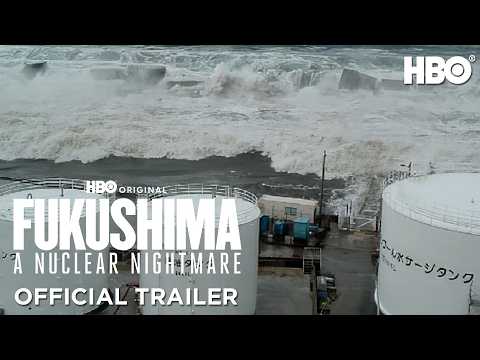
reactor en 30 secondes
- A reactor is a large-scale industrial device designed to initiate, sustain, and control chemical or nuclear reactions safely and efficiently for energy or production.
- Commonly associated with nuclear power plants, reactors use fission to generate heat, which is then converted into electricity for public and industrial use.
- In the chemical industry, reactors are specialized vessels where raw materials are transformed into products like plastics, fuels, and medicines under specific conditions.
- The word implies a high level of engineering and safety, often featuring in discussions about energy policy, environmental science, and technological innovation.
The term reactor refers to a sophisticated apparatus designed to contain and control a specific type of reaction, most commonly nuclear or chemical. In the context of energy production, a nuclear reactor is the heart of a power plant where nuclear fission occurs. Fission is the process of splitting the nuclei of heavy atoms, such as uranium or plutonium, which releases a staggering amount of energy in the form of heat. This heat is then used to produce steam, which drives turbines to generate electricity. Beyond the realm of nuclear physics, the word is also central to the field of chemical engineering. A chemical reactor is a vessel where raw materials undergo a chemical transformation to create products like plastics, medicines, or fuels. The design of these vessels is critical, as they must manage temperature, pressure, and the rate of reaction to ensure safety and efficiency. People use this word most frequently when discussing energy policy, environmental science, or industrial manufacturing. For instance, during a debate on climate change, someone might argue that modern nuclear reactors are essential for providing carbon-free baseload power. In a more specialized setting, a bio-engineer might discuss a 'bioreactor,' which is a vessel used to grow organisms like bacteria or yeast for producing vaccines or fermented foods. The word carries a connotation of power, precision, and potential risk, which is why it is often featured in news headlines regarding international safety standards or technological breakthroughs.
- Technical Core
- The central part of a nuclear reactor, known as the core, contains the fuel rods and the moderator which slows down neutrons to sustain a chain reaction.
The engineers monitored the temperature levels inside the reactor to ensure the fission process remained stable.
Historically, the first human-made nuclear reactor was built in 1942 at the University of Chicago, led by Enrico Fermi. It was called 'Chicago Pile-1' because it was literally a pile of graphite blocks and uranium. Today, reactors have evolved into massive, highly regulated structures with multiple layers of containment. In popular culture, the word has been popularized by science fiction, such as the 'Arc Reactor' in the Iron Man movies, which serves as a fictional clean energy source. This pop-culture usage has made the word familiar even to those who do not work in science or engineering. When using the word, it is important to distinguish between the different types. If you are talking about power generation, you are likely referring to a fission reactor. If you are talking about the future of energy, you might mention a fusion reactor, which aims to replicate the process that powers the sun. In a laboratory setting, the term might refer to a small glass vessel where a simple synthesis is taking place. The versatility of the word allows it to span from the microscopic level of molecular biology to the gargantuan scale of a national power grid.
- Safety Systems
- Modern reactors are equipped with passive safety systems that can shut down the reaction automatically without human intervention in case of a power failure.
After the inspection, the agency confirmed that the chemical reactor met all environmental safety regulations.
Furthermore, the word 'reactor' is often associated with the concept of a 'chain reaction.' In a nuclear reactor, the goal is to maintain a 'controlled' chain reaction, where each fission event triggers exactly one more fission event. If the reaction slows down too much, the reactor shuts off; if it speeds up too much, it can lead to overheating. This delicate balance is what engineers mean when they say a reactor has reached 'criticality.' In the chemical industry, the term 'batch reactor' is common, referring to a vessel where ingredients are added, reacted, and then removed in one go, similar to how one might bake a cake in an oven. Conversely, a 'continuous flow reactor' is like an assembly line where materials are constantly pumped in and products are constantly flowing out. Understanding these distinctions helps in grasping how the word functions across different industries. Whether it is providing power to millions of homes or producing the life-saving medicine in your cabinet, the reactor is a fundamental tool of modern civilization, representing our ability to harness the fundamental forces of nature for human benefit.
- Future Tech
- Small Modular Reactors (SMRs) are a new generation of nuclear technology designed to be built in factories and shipped to sites, making them cheaper and faster to deploy.
Scientists are working tirelessly to develop a viable fusion reactor that could provide nearly limitless energy.
Using the word reactor correctly requires an understanding of its grammatical role as a countable noun and its specific collocations. Because it is a physical object, it usually requires an article (a, an, the) or a possessive pronoun. For example, you would say, 'The reactor is offline,' rather than just 'Reactor is offline.' When discussing its operation, verbs like 'operate,' 'maintain,' 'cool,' 'fuel,' and 'decommission' are frequently used. For instance, 'The utility company decided to decommission the aging reactor due to high maintenance costs.' This sentence shows the word in a formal, industrial context. In scientific writing, the word often appears as the subject of a sentence describing a process: 'The reactor facilitates the synthesis of ammonia at high pressures.' Here, the reactor is the active agent that makes the process possible. It is also common to use 'reactor' as a modifier in compound nouns, such as 'reactor core,' 'reactor vessel,' or 'reactor safety.' These terms specify which part or aspect of the device is being discussed.
- Common Verb Pairings
- Reactors are often 'scrammed' (emergency shutdown), 'refueled' (adding new uranium), or 'monitored' (checked for safety).
During the simulation, the trainees practiced how to stabilize the reactor during a sudden power surge.
In more casual or journalistic contexts, the word is often used to describe large-scale energy projects. You might hear a news anchor say, 'The government has approved the construction of two new nuclear reactors in the coastal region.' In this case, 'reactors' stands in for the entire power generation unit. When writing about environmental issues, the word often appears alongside adjectives like 'leaking,' 'damaged,' or 'experimental.' For example, 'The experimental fusion reactor reached a major milestone by sustaining a plasma reaction for five minutes.' This highlights the technological progress being made. It is also useful to know the plural form, 'reactors,' which is used when discussing multiple units at a single power plant or the global fleet of such devices. 'There are over 400 nuclear reactors operating worldwide today.' This sentence provides a broad, statistical overview. When using the word in a chemical context, you might specify the type of reactor to be more precise: 'The catalytic reactor is essential for reducing harmful emissions from the factory.'
- Adjective Collocations
- Common adjectives include 'nuclear,' 'chemical,' 'biological,' 'experimental,' 'pressurized,' and 'modular.'
The startup is developing a compact reactor that could provide power to remote arctic communities.
Another important aspect of using 'reactor' is understanding its metaphorical potential, though this is less common than its literal use. Occasionally, a high-pressure situation or a person with a very volatile temperament might be described as a 'nuclear reactor' about to explode, though 'powder keg' is a more common idiom for this. In professional settings, stick to the literal meaning. For instance, in a project proposal: 'Our facility requires a high-capacity bioreactor to scale up the production of organic fertilizers.' This usage is precise and professional. When discussing safety, the word 'containment' is often linked: 'The reactor is housed within a reinforced concrete containment building designed to withstand external impacts.' This level of detail is common in technical reports and safety briefings. By mastering these patterns, you can use 'reactor' confidently in both academic and everyday discussions about technology and energy.
- Prepositional Phrases
- Common phrases include 'inside the reactor,' 'coolant for the reactor,' and 'energy from the reactor.'
The research team published a paper on the efficiency of the new thorium reactor design.
You will encounter the word reactor in a variety of real-world settings, ranging from high-stakes news broadcasts to academic lectures and even entertainment. One of the most common places is in news reports concerning energy and the environment. When a country decides to shift its energy mix, reporters often discuss the 'retirement of coal plants' and the 'commissioning of new nuclear reactors.' During international summits on climate change, the word is frequently heard as world leaders discuss the role of nuclear energy in achieving net-zero emissions. You might hear a phrase like, 'The nation plans to double its reactor capacity by 2040.' This highlights the word's importance in global policy discussions. Another common setting is in documentaries or educational videos about science and engineering. Shows like those on the Discovery Channel or National Geographic often feature episodes on 'How It Works,' detailing the inner workings of a nuclear reactor, from the control rods to the cooling towers. In these contexts, the word is used with technical reverence, emphasizing the complexity and power of the machine.
- News Media
- Journalists often use 'reactor' when reporting on energy crises, safety inspections, or geopolitical tensions involving nuclear technology.
The news report stated that the reactor was safely shut down following the earthquake detection.
In the world of entertainment, 'reactor' is a staple of science fiction. Whether it's the 'warp reactor' on a starship in Star Trek or the 'arc reactor' powering a superhero's suit, the word is used to signify a futuristic and incredibly powerful energy source. This has made the word part of the common lexicon for younger generations who may not have a background in physics. In these fictional worlds, the reactor is often a plot device—something that needs to be protected, repaired, or prevented from exploding. While these depictions are often scientifically inaccurate, they reinforce the idea of a reactor as a 'source of immense power.' You will also hear the word in professional and academic environments. If you walk through the halls of a university's engineering department, you might hear students discussing 'reactor kinetics' or 'thermal-hydraulics.' In a chemical plant, workers might talk about the 'residence time' in a reactor, which is how long the chemicals stay inside the vessel. These professional uses are highly specific and focus on the mechanics of the device.
- Academic Context
- In chemistry and physics textbooks, 'reactor' is the standard term for any vessel where a controlled reaction is studied or utilized.
The professor explained how the reactor design influences the purity of the final chemical product.
Furthermore, the word appears in discussions about public safety and regulation. Organizations like the International Atomic Energy Agency (IAEA) frequently use the word in their reports on 'reactor safety' and 'non-proliferation.' You might hear this in a more serious, somber tone when people discuss historical events like the Chernobyl or Fukushima disasters. In these cases, the word is linked to 'containment failure' or 'meltdown.' This association makes the word 'reactor' a sensitive topic in some communities, often sparking intense public debate about the safety of living near such facilities. Conversely, in the tech industry, you might hear about 'bioreactors' in the context of 'lab-grown meat' or 'sustainable fuels.' Here, the word is associated with innovation and the future of food. Whether it's a somber warning or a hopeful promise of new technology, the word 'reactor' is always at the center of conversations about how we power our world and what the risks and rewards of that power might be.
- Industrial Use
- In the pharmaceutical industry, a 'reactor' is where the active ingredients of your medicine are synthesized under strict conditions.
The documentary highlighted the massive scale of the reactor vessels used in the oil refining process.
One of the most frequent mistakes learners make with the word reactor is confusing it with the word 'reaction.' While they are related, they are different parts of speech and represent different concepts. A 'reaction' is the process or the event (e.g., 'a chemical reaction'), whereas a 'reactor' is the physical machine or vessel where that process happens. For example, it is incorrect to say, 'The chemical reactor was very fast.' You should say, 'The chemical reaction inside the reactor was very fast.' Another common error is confusing 'reactor' with 'radiator.' Although both are industrial-looking metal objects often found in buildings, a radiator is used for heating a room by circulating hot water, while a reactor is used for generating power or changing chemicals. Confusing these can lead to quite humorous or confusing situations in a technical discussion. Learners also sometimes struggle with the pronunciation, specifically the 'or' ending. It should sound like 'er' (as in 'teacher'), not a long 'o' sound. Mispronouncing it as 're-ac-TORE' can make it harder for native speakers to understand you quickly.
- Reactor vs. Reaction
- Incorrect: 'The nuclear reaction is being repaired.' Correct: 'The nuclear reactor is being repaired.'
Don't confuse the reactor (the machine) with the reaction (the process occurring inside it).
In terms of grammar, a common mistake is using 'reactor' as an uncountable noun. Because it sounds like a scientific concept, some learners treat it like 'radiation' or 'energy.' However, 'reactor' is a countable noun. You must say 'a reactor' or 'reactors.' For example, 'The plant has three reactors,' not 'The plant has three reactor.' Additionally, learners often misuse the preposition 'in' vs. 'at.' Usually, something happens 'in' the reactor (inside the vessel) but a person works 'at' the reactor (at the location). Another subtle mistake involves the word 'meltdown.' While 'reactor meltdown' is a common phrase, it is technically the 'fuel' or the 'core' that melts, not the reactor vessel itself. However, in general conversation, 'reactor meltdown' is accepted. In professional writing, being more precise (e.g., 'core melt accident') is preferred. There is also a tendency to assume all reactors are nuclear. If you are in a chemistry lab and refer to a 'reactor,' people will know you mean a chemical vessel. But in a general context, you should specify 'chemical reactor' if you don't want people to think you are talking about nuclear energy.
- Reactor vs. Radiator
- A 'radiator' cools an engine or heats a room; a 'reactor' facilitates a nuclear or chemical change.
The student mistakenly called the laboratory reactor a 'test tube,' but it was actually a much more complex pressurized vessel.
Finally, be careful with the word 'react.' While 'reactor' comes from 'react,' they are used in very different contexts. You 'react' to a piece of news, but a 'reactor' does not 'react' to news; it facilitates a physical or chemical process. Some learners might say, 'The reactor reacted to the button press,' which is technically okay but sounds a bit repetitive. It is better to say, 'The reactor responded to the control input.' Also, avoid using 'reactor' when you mean 'generator.' A reactor produces heat, which then produces steam, which then turns a generator to make electricity. While they are part of the same system, they are distinct machines. In a test or a technical job interview, using these terms correctly shows a much higher level of English proficiency and technical knowledge. By avoiding these common pitfalls—confusing the machine with the process, mislabeling it as a radiator, or treating it as uncountable—you will sound much more natural and accurate when discussing this complex topic.
- Countability Check
- Always use 'a' or 'the' or pluralize: 'We need a new reactor' or 'The reactors are old.'
The engineer corrected the report, changing 'the reactor was hot' to 'the reactor core temperature exceeded safety limits' for better precision.
While reactor is a very specific term, there are several words that are similar or can be used as alternatives depending on the context. In a general industrial sense, you might use the word 'vessel' or 'container.' However, 'vessel' is much broader; a bucket is a vessel, but it is certainly not a reactor. In chemical engineering, 'converter' is sometimes used, especially when referring to a device that changes one chemical state to another (like a catalytic converter in a car). Another similar word is 'furnace,' but a furnace only provides heat through combustion, whereas a reactor facilitates a more complex transformation. If you are talking about the source of power in a machine, you might use 'engine' or 'motor.' An engine converts fuel into motion, while a reactor (in the nuclear sense) converts nuclear energy into heat. In sci-fi, 'core' is often used as a synonym, as in 'the warp core' or 'the power core.' This refers to the most important part of the reactor where the energy is actually produced.
- Reactor vs. Engine
- An engine uses combustion (burning) to create movement; a reactor uses fission or chemical change to create heat or new substances.
- Reactor vs. Generator
- A reactor creates the heat; a generator uses that heat (via steam) to create electricity.
While the reactor provides the thermal energy, the generator is what actually produces the electrical current.
In the biological sciences, the term 'bioreactor' is often swapped with 'fermenter' when the process involves yeast or bacteria. 'Fermenter' is more specific to the process of fermentation (like making beer or bread), while 'bioreactor' can refer to any biological process. In a very broad sense, you could call a reactor a 'processor,' but this is more common in computing (CPU) or food production (food processor). Another related term is 'pile,' which is mostly historical. As mentioned before, early reactors were called 'atomic piles.' You won't hear this used for modern technology, but you will see it in history books. When discussing the safety structures around a reactor, you might hear 'containment' or 'shielding.' These aren't synonyms for the reactor itself, but they are so closely linked that they are often used in the same breath. For example, 'The containment was breached' usually implies the reactor inside is also in trouble. Understanding these nuances helps you choose the right word for the right situation, ensuring you don't call a simple furnace a 'reactor' or vice versa.
- Reactor vs. Boiler
- A boiler simply heats water to make steam using fire; a reactor uses a nuclear or chemical process to generate that heat.
The technician checked the pressure in the chemical reactor, which was significantly higher than in a standard boiler.
Finally, in the context of chemistry, you might hear 'autoclave.' An autoclave is a type of reactor that uses high pressure and temperature, often for sterilization or for performing chemical reactions that require those specific conditions. While all autoclaves can be considered reactors, not all reactors are autoclaves. Similarly, a 'catalytic converter' in your car is technically a small reactor that changes toxic exhaust gases into less harmful ones. However, nobody calls it a 'car reactor.' They use the specific name. This shows that while 'reactor' is a great general term, the more specific you can be, the better. In summary, if you are talking about a machine that changes the fundamental nature of the materials inside it—whether by splitting atoms or rearranging molecules—'reactor' is your best word. If it just gets hot, it's a furnace or a boiler. If it just moves, it's an engine or a motor. If it's just a tank, it's a vessel. Choosing correctly will make your technical English sound precise and professional.
- Summary of Alternatives
- Vessel (general), Fermenter (biological), Converter (chemical), Core (center), Engine (mechanical power).
The scientist debated whether to use a batch reactor or a continuous flow system for the experiment.
How Formal Is It?
Le savais-tu ?
The first nuclear reactors were called 'piles' because they were literally piles of graphite and uranium. The term 'reactor' became standard in the late 1940s as the technology became more sophisticated.
Guide de prononciation
- Pronouncing the 'o' in 'tor' too strongly (it should be a schwa sound /ə/).
- Confusing it with 'reaction' (four syllables).
- Saying 'radiator' instead.
- Putting the stress on the first syllable.
- Dropping the 'k' sound in the middle.
Niveau de difficulté
Common in news and science articles.
Requires correct spelling and understanding of collocations.
Pronunciation is usually straightforward once learned.
Easily recognized in technical or news contexts.
Quoi apprendre ensuite
Prérequis
Apprends ensuite
Avancé
Grammaire à connaître
Nouns ending in -or
reactor, actor, creator, doctor
Passive voice for industrial processes
The reactor is cooled by water.
Compound nouns
reactor safety, reactor core
Articles with unique machines
The reactor (referring to a specific one).
Zero article for general types (plural)
Reactors are complex machines.
Exemples par niveau
The reactor is very big.
المفاعل كبير جداً.
Simple subject-verb-adjective structure.
A reactor makes power.
المفاعل ينتج الطاقة.
Present simple for a general fact.
I see the reactor.
أنا أرى المفاعل.
Subject-verb-object.
The reactor is in the city.
المفاعل في المدينة.
Prepositional phrase 'in the city'.
Is the reactor new?
هل المفاعل جديد؟
Question form of 'to be'.
The reactor is not small.
المفاعل ليس صغيراً.
Negative form with 'not'.
This is a power reactor.
هذا مفاعل طاقة.
Demonstrative pronoun 'this'.
The reactor has lights.
المفاعل فيه أضواء.
Verb 'has' for possession/features.
The nuclear reactor creates heat.
المفاعل النووي يولد الحرارة.
Adjective 'nuclear' modifying 'reactor'.
Engineers work at the reactor.
المهندسون يعملون في المفاعل.
Preposition 'at' for a place of work.
The reactor is very important for the city.
المفاعل مهم جداً للمدينة.
Adjective 'important' with preposition 'for'.
We need to check the reactor safety.
نحن بحاجة لفحص سلامة المفاعل.
Compound noun 'reactor safety'.
The reactor was built ten years ago.
تم بناء المفاعل قبل عشر سنوات.
Passive voice 'was built'.
They are building a new reactor now.
إنهم يبنون مفاعلاً جديداً الآن.
Present continuous 'are building'.
The reactor produces clean energy.
المفاعل ينتج طاقة نظيفة.
Adjective 'clean' modifying 'energy'.
Is the reactor near the ocean?
هل المفاعل بالقرب من المحيط؟
Prepositional phrase 'near the ocean'.
The reactor core contains the fuel rods.
قلب المفاعل يحتوي على قضبان الوقود.
Technical term 'reactor core'.
The chemical reactor is used to make medicine.
يُستخدم المفاعل الكيميائي لصنع الدواء.
Passive voice 'is used to'.
Scientists are testing a new type of reactor.
العلماء يختبرون نوعاً جديداً من المفاعلات.
Noun phrase 'new type of reactor'.
The reactor was shut down for maintenance.
تم إغلاق المفاعل للصيانة.
Phrasal verb 'shut down' in passive voice.
A fusion reactor could provide limitless energy.
يمكن لمفاعل الاندماج أن يوفر طاقة غير محدودة.
Modal verb 'could' for possibility.
The reactor's cooling system failed during the storm.
فشل نظام تبريد المفاعل أثناء العاصفة.
Possessive 'reactor's'.
How does a nuclear reactor actually work?
كيف يعمل المفاعل النووي في الواقع؟
Question with 'how' and 'does'.
The government approved the reactor project.
وافقت الحكومة على مشروع المفاعل.
Past simple 'approved'.
The reactor reached criticality for the first time yesterday.
وصل المفاعل إلى الحالة الحرجة لأول مرة أمس.
Technical term 'criticality'.
Containment structures are designed to prevent reactor leaks.
تم تصميم هياكل الاحتواء لمنع تسرب المفاعل.
Infinitive of purpose 'to prevent'.
Small modular reactors are easier to build than traditional ones.
المفاعلات النمطية الصغيرة أسهل في البناء من المفاعلات التقليدية.
Comparative 'easier... than'.
The reactor's output was reduced due to low demand.
تم تقليل إنتاج المفاعل بسبب انخفاض الطلب.
Prepositional phrase 'due to'.
Safety protocols at the reactor are strictly enforced.
يتم تطبيق بروتوكولات السلامة في المفاعل بصرامة.
Adverb 'strictly' modifying 'enforced'.
The reactor vessel is made of reinforced steel.
وعاء المفاعل مصنوع من الفولاذ المقوى.
Compound noun 'reactor vessel'.
Operating a reactor requires highly specialized training.
تشغيل المفاعل يتطلب تدريباً متخصصاً للغاية.
Gerund 'Operating' as the subject.
The reactor was decommissioned after forty years of service.
تم إيقاف تشغيل المفاعل بعد أربعين عاماً من الخدمة.
Verb 'decommissioned' meaning taken out of service.
The reactor's thermal efficiency has improved significantly.
تحسنت الكفاءة الحرارية للمفاعل بشكل ملحوظ.
Noun phrase 'thermal efficiency'.
A breeder reactor can produce more fuel than it consumes.
يمكن للمفاعل المولد أن ينتج وقوداً أكثر مما يستهلك.
Specific type 'breeder reactor'.
The reactor kinetics were modeled using advanced software.
تمت نمذجة حركية المفاعل باستخدام برامج متقدمة.
Technical term 'reactor kinetics'.
Public opposition to the new reactor remains a major hurdle.
لا تزال المعارضة العامة للمفاعل الجديد عقبة رئيسية.
Noun 'opposition' followed by preposition 'to'.
The reactor's containment dome is designed to withstand a plane crash.
تم تصميم قبة احتواء المفاعل لتتحمل تحطم طائرة.
Infinitive 'to withstand'.
Molten salt reactors offer a safer alternative to water-cooled designs.
توفر مفاعلات الملح المصهور بديلاً أكثر أماناً للتصاميم المبردة بالماء.
Specific type 'molten salt reactors'.
The reactor was plagued by technical glitches during its trial run.
ابتلي المفاعل بأعطال فنية خلال فترة تشغيله التجريبية.
Idiomatic passive 'was plagued by'.
The reactor's lifespan can be extended through regular upgrades.
يمكن تمديد عمر المفاعل من خلال التحديثات المنتظمة.
Modal passive 'can be extended'.
The reactor's design incorporates passive safety features to mitigate human error.
يتضمن تصميم المفاعل ميزات سلامة سلبية للتخفيف من الخطأ البشري.
Verb 'incorporates' and 'mitigate'.
The geopolitical implications of the new reactor cannot be overstated.
لا يمكن المبالغة في الآثار الجيوسياسية للمفاعل الجديد.
Phrase 'cannot be overstated'.
The reactor's core underwent a partial meltdown, necessitating a total evacuation.
تعرض قلب المفاعل لانصهار جزئي، مما استلزم إخلاءً كاملاً.
Participle phrase 'necessitating...'.
Advanced thorium reactors are touted as the panacea for our energy woes.
يتم الترويج لمفاعلات الثوريوم المتقدمة كعلاج ناجع لمشاكل الطاقة لدينا.
Metaphorical word 'panacea'.
The reactor's neutron flux must be meticulously monitored to maintain stability.
يجب مراقبة تدفق النيوترونات في المفاعل بدقة للحفاظ على الاستقرار.
Adverb 'meticulously' modifying 'monitored'.
The decommissioning of the reactor proved to be a logistical nightmare.
ثبت أن إيقاف تشغيل المفاعل كان كابوساً لوجستياً.
Noun 'decommissioning' as the subject.
The reactor's containment vessel serves as the final bulwark against radiation release.
يعمل وعاء احتواء المفاعل كحصن أخير ضد إطلاق الإشعاع.
Metaphorical word 'bulwark'.
The reactor was the centerpiece of the nation's ambitious industrial strategy.
كان المفاعل هو حجر الزاوية في الاستراتيجية الصناعية الطموحة للأمة.
Noun 'centerpiece' used figuratively.
Synonymes
Antonymes
Collocations courantes
Phrases Courantes
— A reactor that is not currently operating.
The offline reactor is scheduled for refueling.
— A reactor that is currently in operation.
The on-stream reactor is producing 1000 megawatts.
— Materials pure enough to be used in a reactor.
They need reactor-grade graphite for the project.
— A reactor where the chain reaction is self-sustaining.
The reactor went critical at 4:00 PM.
— A reactor where the reaction is slowing down.
The reactor is currently in a subcritical state.
— All the reactors owned by a company or country.
The national reactor fleet is aging.
— A reactor that processes materials in separate groups.
A batch reactor is used for small-scale production.
— A reactor that processes materials constantly.
The continuous reactor is more efficient for mass production.
— The liquid or gas used to remove heat from the reactor.
Water is the most common reactor coolant.
Souvent confondu avec
Reaction is the event; reactor is the machine.
Radiator is for cooling/heating; reactor is for power/change.
Generator makes electricity from motion; reactor makes heat from reactions.
Expressions idiomatiques
— A series of events where each one causes the next, similar to how a reactor works.
The small mistake started a chain reaction of failures.
common— The amount of material needed to start a reaction; also used for the size needed for a project to succeed.
The startup has finally reached critical mass.
metaphorical— To become extremely angry or to use the most extreme option available.
He went nuclear when he found out the news.
slang— In the very center of a high-pressure or dangerous situation.
The negotiator was in the heart of the reactor during the talks.
literary— A total failure or loss of control, either technical or emotional.
The stock market had a total meltdown today.
common— To shut something down instantly in an emergency.
We had to scram the project before it lost more money.
jargon— At the most basic or important level.
At the core of the problem is a lack of communication.
common— A failure to keep something dangerous inside; often used for data or viruses.
The company suffered a major containment breach of customer data.
technical/metaphorical— To be very bright or to look radioactive (usually figurative).
The city lights glow like a reactor at night.
poeticFacile à confondre
Sounds similar.
A reflector bounces light or neutrons; a reactor contains a reaction.
The reactor uses a beryllium reflector.
Both are chemical vessels.
A retort is a simple glass vessel for distillation; a reactor is more complex.
The chemist moved the liquid from the retort to the reactor.
Both involve heat and steam.
A boiler uses fire; a reactor uses nuclear or chemical energy.
The power plant replaced the coal boiler with a nuclear reactor.
Both are power sources.
Engines are mechanical; reactors are nuclear/chemical.
The submarine has a nuclear reactor instead of a diesel engine.
Both get very hot.
A furnace is for melting or heating; a reactor is for transforming substances.
The steel was melted in a furnace, but the chemicals were mixed in a reactor.
Structures de phrases
The [noun] is [adjective].
The reactor is big.
They are [verb-ing] the [noun].
They are building the reactor.
The [noun] is used to [verb].
The reactor is used to make power.
Due to [noun], the [noun] was [verb-ed].
Due to the storm, the reactor was shut down.
While [noun] is [adjective], the [noun] offers [noun].
While traditional energy is costly, the reactor offers a cheaper alternative.
The [noun] of the [noun] necessitates [noun].
The aging of the reactor necessitates immediate decommissioning.
It is important to [verb] the [noun].
It is important to monitor the reactor.
The [noun] [verb] by [verb-ing] [noun].
The reactor works by splitting atoms.
Famille de mots
Noms
Verbes
Adjectifs
Apparenté
Comment l'utiliser
Common in technical, scientific, and news contexts.
-
The reactor of the chemicals was slow.
→
The reaction of the chemicals was slow.
Use 'reaction' for the process and 'reactor' for the machine.
-
I have a reactor in my house for heating.
→
I have a radiator in my house for heating.
A radiator heats a room; a reactor is for industrial power.
-
The plant has much reactor.
→
The plant has many reactors.
'Reactor' is countable, so use 'many' and the plural form.
-
The nuclear reactor is very radioactive.
→
The reactor core is very radioactive.
While the whole reactor is a concern, the radioactivity is mostly in the core.
-
He reacted the reactor.
→
He operated the reactor.
You don't 'react' a reactor; you operate or manage it.
Astuces
Learn the types
Always specify 'nuclear,' 'chemical,' or 'bio' to be more precise.
Count it
Remember it's a countable noun: 'one reactor,' 'two reactors.'
Soft ending
The '-or' sounds like 'er' in 'water.' Don't over-emphasize it.
Core vs Reactor
Use 'core' for the inside and 'reactor' for the whole machine.
The -or suffix
It's spelled with an 'o,' not an 'e.' Think of 'actor.'
Energy debates
In news, 'reactor' almost always means nuclear power.
Verbs matter
Use 'commission' for starting and 'decommission' for stopping a reactor.
Watch for 'scram'
If you hear 'scram,' it means the reactor is being shut down fast.
Containment
Always associate 'reactor' with 'containment' in safety contexts.
SMRs
Small Modular Reactors are a hot topic in modern tech news.
Mémorise-le
Moyen mnémotechnique
Think of an 'Actor' who 'Reacts' on a stage. A 'Reactor' is a stage where chemicals or atoms 'react' to perform a show of energy.
Association visuelle
Imagine a giant glowing blue pool of water (the cooling pool) with metal rods dipping into it. This is the classic image of a nuclear reactor.
Word Web
Défi
Try to explain how a reactor works to a friend using only five sentences and the word 'reactor' at least twice.
Origine du mot
The word 'reactor' is formed from the verb 'react' and the suffix '-or.' The verb 'react' comes from the Latin 'reactus,' the past participle of 'reagere.'
Sens originel : The Latin 're-' means 'back' or 'again,' and 'agere' means 'to do' or 'to drive.' So, it originally meant 'to do back' or 'to act in response.'
Indo-European (Latin branch).Contexte culturel
Be sensitive when discussing reactors in regions that have experienced nuclear accidents, as the topic can be emotional.
In the US and UK, 'reactor' is a common term in political debates about energy and climate change.
Pratique dans la vie réelle
Contextes réels
Nuclear Power Plant
- reactor core
- control rods
- cooling system
- emergency shutdown
Chemical Factory
- batch reactor
- chemical synthesis
- pressure vessel
- catalytic reaction
Science Fiction Movie
- power core
- reactor leak
- overload the reactor
- fusion drive
Environmental Debate
- clean energy
- nuclear waste
- reactor safety
- carbon-free power
Biology Lab
- bioreactor
- cell culture
- fermentation process
- growth medium
Amorces de conversation
"Do you think nuclear reactors are the best way to solve the energy crisis?"
"Have you ever seen a nuclear reactor in person or on a tour?"
"What do you think about the safety of modern nuclear reactors?"
"Would you live in a city that is powered by a fusion reactor?"
"Do you know the difference between a chemical reactor and a nuclear one?"
Sujets d'écriture
Imagine you are an engineer working at a futuristic fusion reactor. Describe your typical day.
Write about the pros and cons of using nuclear reactors for energy in your country.
How would the world change if every home had a tiny, safe reactor for power?
Describe a scene in a movie where a reactor is about to fail. How do the characters stop it?
Research a famous reactor accident and write about what scientists learned from it.
Questions fréquentes
10 questionsNo, a reactor is just one part of a power plant. The plant also includes turbines, generators, and cooling towers. Think of the reactor as the engine of a car and the power plant as the whole car.
No. While nuclear reactors are the most famous, there are also chemical reactors and bioreactors. They are used to make everything from plastic to beer.
A meltdown happens when the reactor's fuel gets too hot and melts. This can happen if the cooling system fails. It is a very serious accident.
Most nuclear reactors are designed to last for 40 to 60 years, but some can have their lives extended with proper maintenance and upgrades.
Commercial nuclear reactors are designed so they cannot explode like a nuclear bomb. However, steam or chemical explosions can happen if they are not managed correctly.
A fusion reactor is a futuristic machine that tries to make energy by joining atoms together, the same way the sun does. It is much harder to build than a fission reactor.
Nuclear engineers, safety inspectors, technicians, and security guards all work at reactor sites to ensure everything runs safely.
Generally, no. Bioreactors are used to grow helpful things like medicine or food. They are much safer than nuclear reactors.
Reactors generate a lot of heat and need a lot of water to cool them down and to make steam for electricity.
It is uranium that has been processed so it can be used in a reactor. It is different from 'weapons-grade' uranium, which is much more concentrated.
Teste-toi 185 questions
Describe what a nuclear reactor does in two sentences.
Well written! Good try! Check the sample answer below.
Explain the difference between a reactor and a reaction.
Well written! Good try! Check the sample answer below.
Why is reactor safety so important?
Well written! Good try! Check the sample answer below.
What are the benefits of Small Modular Reactors (SMRs)?
Well written! Good try! Check the sample answer below.
How does a chemical reactor help in making medicine?
Well written! Good try! Check the sample answer below.
Write a sentence using the word 'decommissioned' and 'reactor'.
Well written! Good try! Check the sample answer below.
Describe the role of a 'coolant' in a reactor.
Well written! Good try! Check the sample answer below.
What is a fusion reactor, and why is it difficult to build?
Well written! Good try! Check the sample answer below.
Compare a batch reactor and a continuous reactor.
Well written! Good try! Check the sample answer below.
Use the word 'reactor' in a sentence about climate change.
Well written! Good try! Check the sample answer below.
What is the 'core' of a reactor?
Well written! Good try! Check the sample answer below.
Explain the term 'criticality' in your own words.
Well written! Good try! Check the sample answer below.
Why are some people against building new reactors?
Well written! Good try! Check the sample answer below.
What is a bioreactor used for?
Well written! Good try! Check the sample answer below.
Write a short story (3 sentences) about a reactor operator.
Well written! Good try! Check the sample answer below.
What is 'spent fuel'?
Well written! Good try! Check the sample answer below.
How is a reactor different from a furnace?
Well written! Good try! Check the sample answer below.
Describe the 'containment' of a reactor.
Well written! Good try! Check the sample answer below.
What is a 'breeder reactor'?
Well written! Good try! Check the sample answer below.
Why is the word 'reactor' common in sci-fi?
Well written! Good try! Check the sample answer below.
Say 'The nuclear reactor is safe.'
Read this aloud:
Tu as dit :
Speech recognition is not supported in your browser. Try Chrome or Edge.
Explain what a reactor is to a child.
Read this aloud:
Tu as dit :
Speech recognition is not supported in your browser. Try Chrome or Edge.
Discuss one benefit of nuclear reactors.
Read this aloud:
Tu as dit :
Speech recognition is not supported in your browser. Try Chrome or Edge.
What would you do if you worked at a reactor and heard an alarm?
Read this aloud:
Tu as dit :
Speech recognition is not supported in your browser. Try Chrome or Edge.
Describe the difference between a fission and a fusion reactor.
Read this aloud:
Tu as dit :
Speech recognition is not supported in your browser. Try Chrome or Edge.
How do you pronounce 'reactor'?
Read this aloud:
Tu as dit :
Speech recognition is not supported in your browser. Try Chrome or Edge.
Why do some people worry about reactors?
Read this aloud:
Tu as dit :
Speech recognition is not supported in your browser. Try Chrome or Edge.
What is a chemical reactor used for in a factory?
Read this aloud:
Tu as dit :
Speech recognition is not supported in your browser. Try Chrome or Edge.
Tell a short story about a futuristic reactor.
Read this aloud:
Tu as dit :
Speech recognition is not supported in your browser. Try Chrome or Edge.
Use the word 'criticality' in a sentence.
Read this aloud:
Tu as dit :
Speech recognition is not supported in your browser. Try Chrome or Edge.
What is a bioreactor?
Read this aloud:
Tu as dit :
Speech recognition is not supported in your browser. Try Chrome or Edge.
Why are reactors usually built near the sea?
Read this aloud:
Tu as dit :
Speech recognition is not supported in your browser. Try Chrome or Edge.
What is a 'scram'?
Read this aloud:
Tu as dit :
Speech recognition is not supported in your browser. Try Chrome or Edge.
Is 'reactor' a noun or a verb?
Read this aloud:
Tu as dit :
Speech recognition is not supported in your browser. Try Chrome or Edge.
What is the 'core' of a reactor?
Read this aloud:
Tu as dit :
Speech recognition is not supported in your browser. Try Chrome or Edge.
Do you think reactors are important for the future?
Read this aloud:
Tu as dit :
Speech recognition is not supported in your browser. Try Chrome or Edge.
What is 'spent fuel'?
Read this aloud:
Tu as dit :
Speech recognition is not supported in your browser. Try Chrome or Edge.
Can you name a famous reactor accident?
Read this aloud:
Tu as dit :
Speech recognition is not supported in your browser. Try Chrome or Edge.
What is a 'modular' reactor?
Read this aloud:
Tu as dit :
Speech recognition is not supported in your browser. Try Chrome or Edge.
How do you spell 'reactor'?
Read this aloud:
Tu as dit :
Speech recognition is not supported in your browser. Try Chrome or Edge.
Listen to this: 'The reactor's cooling pumps failed.' What failed?
Listen to this: 'We are commissioning a new chemical reactor.' What are they doing?
Listen to this: 'The reactor is currently offline.' Is it making power?
Listen to this: 'The reactor reached its design life.' What does this mean?
Listen to this: 'The reactor core is stable.' Is there a problem?
Listen to this: 'The reactor was built in 1975.' How old is it?
Listen to this: 'The reactor requires enriched uranium.' What kind of fuel does it need?
Listen to this: 'The reactor was shut down for refueling.' Why was it shut down?
Listen to this: 'The reactor's containment was not breached.' Was there a leak?
Listen to this: 'The reactor is a pressurized water design.' What is used to cool it?
Listen to this: 'The reactor's output is 1000 megawatts.' How much power does it make?
Listen to this: 'The reactor was a centerpiece of the energy plan.' Was it important?
Listen to this: 'The reactor's control rods were lowered.' What does this do to the reaction?
Listen to this: 'The reactor is located on the coast.' Where is it?
Listen to this: 'The reactor was decommissioned last year.' Is it still working?
/ 185 correct
Perfect score!
Summary
A reactor is a controlled environment for powerful reactions. Whether it's splitting atoms for electricity or mixing chemicals for medicine, the reactor is the essential machine that makes these transformations possible. Example: 'The nuclear reactor provides clean energy for millions of homes.'
- A reactor is a large-scale industrial device designed to initiate, sustain, and control chemical or nuclear reactions safely and efficiently for energy or production.
- Commonly associated with nuclear power plants, reactors use fission to generate heat, which is then converted into electricity for public and industrial use.
- In the chemical industry, reactors are specialized vessels where raw materials are transformed into products like plastics, fuels, and medicines under specific conditions.
- The word implies a high level of engineering and safety, often featuring in discussions about energy policy, environmental science, and technological innovation.
Learn the types
Always specify 'nuclear,' 'chemical,' or 'bio' to be more precise.
Count it
Remember it's a countable noun: 'one reactor,' 'two reactors.'
Soft ending
The '-or' sounds like 'er' in 'water.' Don't over-emphasize it.
Core vs Reactor
Use 'core' for the inside and 'reactor' for the whole machine.