pinkman 30秒で
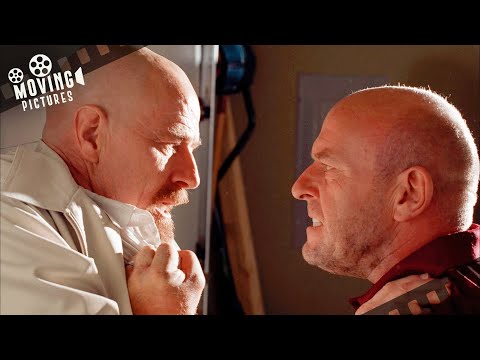
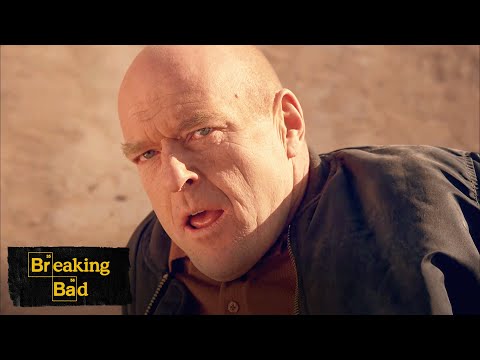
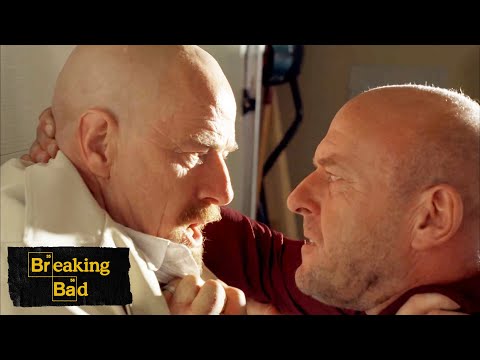
- Pinkman is the surname of Jesse Pinkman, the young co-lead in the television masterpiece 'Breaking Bad', known for his emotional depth and loyalty.
- As an archetype, 'a Pinkman' describes a street-smart but vulnerable protégé who is often manipulated by a more dominant, calculating mentor figure.
- The term carries a specific cultural weight, representing the 'moral heart' of a dark story and the tragic consequences of poor life choices.
- In casual conversation, it is used to reference someone who is loyal, sensitive, and perhaps a bit out of their depth in a high-pressure situation.
The term Pinkman primarily functions as a proper noun, specifically referencing Jesse Pinkman, the iconic co-protagonist of the critically acclaimed television series Breaking Bad. While it began as a simple character name, it has evolved into a cultural archetype representing a specific kind of secondary figure in a high-stakes partnership. When people use the name 'Pinkman' in a descriptive sense, they are often invoking the image of a younger, street-smart, but emotionally volatile individual who finds themselves in over their head. This character is typically defined by a profound internal conflict between their criminal activities and an inherent, often suppressed, moral compass. In modern discourse, calling someone a 'Pinkman' suggests they are the loyal, albeit frequently mistreated or manipulated, partner to a more dominant, calculating, and perhaps more 'villainous' figure, much like the relationship between Jesse and Walter White.
- Cultural Archetype
- A 'Pinkman' is the moral heart of a dark story, often suffering the most consequences for the actions of the group.
- Linguistic Function
- Used as an eponym to describe a person's role within a hierarchy, specifically a junior partner with untapped potential.
Stop being such a pinkman and stand up for yourself against the boss; you don't have to follow every bad idea he has.
Furthermore, the usage of 'Pinkman' extends into the realm of internet memes and linguistic shorthand. Phrases like 'Yeah, science!' or the frequent use of the word 'bitch' as a sentence-ending punctuation mark are inextricably linked to the Pinkman persona. In social settings, particularly among fans of the show, referencing a 'Pinkman' can serve as a way to discuss loyalty, the loss of innocence, or the tragedy of being trapped in a lifestyle one isn't truly suited for. It is a term that carries a heavy weight of empathy; unlike the 'Heisenberg' archetype, which represents cold, calculated ambition, the Pinkman archetype represents the human cost of that ambition. People use this term when they want to highlight the vulnerability of a person who is ostensibly a 'bad guy' but is actually a victim of circumstance and their own poor choices.
He is the Pinkman to my Heisenberg, always keeping me grounded even when we are doing something risky.
In a broader sociological sense, the 'Pinkman' character study has been used to discuss the failures of the educational system and the lack of opportunities for youth in marginalized communities. When a teacher or social worker refers to a student as a 'Pinkman type,' they are identifying a person with high intelligence and a good heart who has been led astray by a lack of guidance and the allure of easy money. This nuanced understanding makes the word more than just a name; it is a diagnostic tool for a specific kind of social alienation. The word captures the essence of 'the reluctant criminal'—someone who participates in illegal acts not out of malice, but out of a desperate need for belonging and validation, which they often find in the wrong places.
- Emotional Resonance
- The term evokes a sense of pity and a desire for the person's redemption, reflecting the audience's deep connection to the character.
The documentary highlighted the Pinkman phenomenon, where young men are recruited into gangs because they seek a father figure.
Every startup founder needs a Pinkman—someone who knows the reality of the streets while the founder focuses on the big vision.
Ultimately, 'Pinkman' has transitioned from a proper noun to a versatile descriptor of loyalty, vulnerability, and the tragic intersection of talent and poor environment. Whether used in a joking manner among friends or as a serious point of comparison in a character study, the name carries with it a decade of television history and a deep understanding of the human condition. It represents the part of us that wants to do the right thing but is often too scared or too loyal to the wrong people to actually do it. It is the name of a survivor who has lost everything but somehow manages to keep a shred of their soul intact, making it one of the most resonant names in 21st-century English.
Using the word Pinkman correctly requires an understanding of its dual nature as both a specific reference and a broader archetype. In its most literal sense, it is a name, and should be capitalized. However, when used as a common noun or an adjective (Pinkman-esque), it describes a set of traits: youthful energy, a history of struggle, a specific slang-heavy way of speaking, and a deep-seated loyalty that is often exploited. To use it effectively, you should place it in contexts where a partnership is being discussed, particularly one where there is a clear power imbalance. For example, 'He's the Pinkman of the group' suggests that while he might be involved in the 'dirty work,' he is also the one the audience—or the speaker—feels the most sympathy for.
- As a Comparative Noun
- Used to compare a real person to the character's traits of loyalty and vulnerability.
- As an Adjective
- 'Pinkman-esque' describes a style of dress (oversized hoodies, beanies) or a way of behaving that is 'street' but sensitive.
The intern is a total Pinkman; he's got all the raw talent but no idea how to navigate the corporate politics.
When constructing sentences with 'Pinkman,' you can also lean into the character's famous catchphrases to add a layer of irony or humor. A sentence like 'He looked at the new software and gave a very Pinkman response: "Yeah, science!"' immediately communicates a specific type of enthusiastic but perhaps unrefined appreciation. This usage relies on the listener's shared cultural knowledge. If you are writing a review of a film or a book, you might use the term to describe a character's arc: 'The protagonist undergoes a Pinkman-style transformation, starting as a carefree rebel and ending as a broken man seeking redemption.' This allows you to convey a complex set of emotions and plot points with a single, powerful reference.
Don't expect him to lead the meeting; he's much more comfortable in the Pinkman role, supporting the main strategist.
In more creative writing, 'Pinkman' can be used to evoke a specific aesthetic. 'The room was filled with Pinkman energy—loud music, half-eaten takeout, and an underlying sense of anxiety.' Here, the word acts as a shorthand for a chaotic, youthful, and slightly desperate environment. It is also useful in psychological discussions: 'She has a Pinkman complex, always attaching herself to powerful mentors who eventually lead her into trouble.' This usage highlights the repetitive patterns of behavior associated with the character. By using the name in these various ways, you can tap into a rich vein of modern mythology to make your descriptions more vivid and relatable to a contemporary audience.
- Syntactic Variety
- You can use it as a subject ('Pinkman would never do that'), an object ('They treated him like a Pinkman'), or a modifier ('His Pinkman-like loyalty').
After the scandal, he became the Pinkman of the political world, the one everyone felt sorry for despite his mistakes.
In the world of tech duos, Wozniak was the Pinkman to Jobs' Heisenberg, providing the technical soul to the grand vision.
Finally, consider the emotional tone of your sentence. 'Pinkman' is rarely used to describe someone who is purely successful or purely happy. There is always a hint of tragedy or struggle. If you are describing a partner who is thriving and confident, 'Pinkman' is likely the wrong word. But if you are describing someone who is 'getting by,' who is 'trying their best,' or who is 'stuck,' then 'Pinkman' is the perfect linguistic tool. It captures the 'lovable loser' who has the potential to be a hero, provided they can just get out from under the shadow of their more dominant partner. This depth of meaning is what makes the word so useful in modern English conversation and writing.
The word Pinkman is ubiquitous in the digital landscape, particularly in spaces dedicated to television, film, and pop culture analysis. You will find it frequently on social media platforms like X (formerly Twitter), Reddit, and TikTok, where fans discuss the legacy of Breaking Bad. On Reddit, for instance, entire subreddits are dedicated to the character, and his name is often used as a benchmark for character development in other shows. You might hear a YouTuber say, 'This character is trying too hard to be the next Jesse Pinkman,' which serves as a critique of a character's perceived lack of authenticity or forced vulnerability. In these contexts, the word acts as a standard for a specific type of 'tragic sidekick' role.
- Digital Media
- Common in video essays, podcasts, and social media threads discussing 'prestige TV'.
- Casual Conversation
- Used among friends when reminiscing about the show or comparing real-life acquaintances to the character.
I was watching a video essay on 'The Evolution of the Sidekick,' and they spent ten minutes on the Pinkman effect.
In addition to fan circles, the word has entered the lexicon of professional critics and journalists. When a new actor gives a performance that balances grit with sensitivity, critics might describe it as having 'Pinkman-like depth.' This shows that the name has moved beyond the show itself and into the professional vocabulary of the entertainment industry. You might also hear it in the context of fashion or lifestyle reporting. A 'Pinkman aesthetic' might refer to the oversized, urban streetwear that the character was known for, which has seen various resurgences in popularity. In this way, the word describes not just a person, but a look and a vibe that is instantly recognizable to millions of people worldwide.
The fashion blog described the new collection as 'Albuquerque chic' with heavy Pinkman influences.
Another place you will encounter the word is in the world of memes. The image of Jesse Pinkman screaming, crying, or celebrating is a staple of internet culture. These memes often use the character's name to express extreme emotions—frustration, joy, or existential dread. For example, a meme might show a stressed student with the caption 'Me being the Pinkman to my professor's Heisenberg during finals week.' This demonstrates how the word has become a tool for self-expression and humor, allowing people to relate their own mundane struggles to the dramatic life of the character. It's a way of saying, 'I'm the one doing the work, and I'm very stressed about it.'
- Academic Contexts
- Used in media studies courses to analyze character dynamics and the 'anti-hero' trope.
In my 'Sociology of Media' class, we discussed how Pinkman represents the struggle of the individual against systemic corruption.
The podcast host joked that every great detective needs a Pinkman to make them look smarter.
Finally, you might even hear the word in more unexpected places, such as business or tech seminars. Speakers sometimes use the 'Walter White and Jesse Pinkman' dynamic as a cautionary tale about leadership and partnership. They might warn against 'treating your employees like Pinkmans,' meaning you shouldn't exploit their loyalty or keep them in the dark about the larger goals of the organization. This shows that the word has achieved a level of cultural penetration where it can be used as a metaphor for management styles. Whether in a dark corner of the internet or a brightly lit boardroom, the name 'Pinkman' resonates as a symbol of the complex, often painful reality of human cooperation.
One of the most frequent mistakes when using the word Pinkman is failing to capitalize it. Because it is a proper noun derived from a specific character's name, it should always start with an uppercase 'P,' even when being used as a descriptor. Writing 'he's a total pinkman' is technically incorrect and can make the writer look less familiar with the source material. Another common error is using the term too broadly to describe any sidekick. A 'Pinkman' is not just any partner; the term specifically implies a sense of being exploited, a struggle with morality, and a certain 'street' background. Using it to describe a perfectly happy, equal partner like Dr. Watson from Sherlock Holmes would be a misuse of the archetype's specific connotations.
- Capitalization Error
- Failing to capitalize 'Pinkman' treats it as a common noun rather than a proper name.
- Archetypal Misalignment
- Using the term for a partner who lacks the character's specific traits of vulnerability and moral conflict.
Incorrect: He's the pinkman of the office. (Should be capitalized and used only if the person is a 'tragic' partner.)
Another mistake is over-relying on the character's catchphrases, particularly the word 'bitch,' which can be offensive in many contexts. While this word is a hallmark of the Pinkman character, using it in real life while trying to 'be like Pinkman' often comes across as aggressive or immature rather than cool or referential. It's important to separate the character's fictional dialogue from appropriate social behavior. Similarly, some people mistake 'Pinkman' for a term of endearment for someone who likes the color pink. This is a literal-minded error that completely misses the cultural reference. If you tell someone 'You're such a Pinkman' because they are wearing a pink shirt, they will likely be confused or think you are making a very obscure joke.
Correct: Her character arc is very Pinkman-esque, full of regret and forced choices.
Furthermore, there is the 'Heisenberg mistake,' where people use 'Pinkman' to describe the mastermind rather than the partner. Jesse Pinkman is the apprentice, not the master. If you call the leader of a project 'the Pinkman,' you are essentially calling them the subordinate, which might cause offense or confusion. It's also a mistake to assume everyone knows the reference. While Breaking Bad is extremely popular, using 'Pinkman' as a key descriptor in a professional report or a formal speech is risky. If your audience hasn't seen the show, the word will have no meaning to them, and your point will be lost. Always gauge the cultural literacy of your audience before using such a specific pop culture eponym.
- Role Reversal
- Mistaking the 'Pinkman' (apprentice) for the 'Heisenberg' (mastermind).
Incorrect: The CEO is the Pinkman of this operation. (Unless the CEO is actually a puppet for someone else.)
Avoid: 'You're being a Pinkman!' in a serious argument, as it might sound like you're mocking the person's intelligence.
Finally, avoid using 'Pinkman' as a verb. While English is flexible, 'to Pinkman someone' or 'I'm Pinkmanning' hasn't really entered the common vernacular and sounds awkward. Stick to using it as a noun or an adjective. Also, be careful with the spelling; it is 'Pinkman,' not 'Pinkmon' or 'Pinkmen.' These small errors can detract from the impact of your reference. By keeping these common pitfalls in mind, you can use the term 'Pinkman' effectively to add color and depth to your conversations about character, loyalty, and modern culture without falling into the traps of miscommunication or social awkwardness.
When you want to describe a character or person similar to Pinkman but don't want to use the specific pop culture reference, several alternatives are available. The most common is sidekick, though this often implies a more lighthearted or subservient role than Pinkman's. A more accurate term might be protégé, which highlights the mentor-student relationship, or apprentice, which suggests someone learning a trade—even if that trade is illegal. If you want to emphasize the person's vulnerability and the way they are used by others, the term pawn or fall guy might be appropriate, though these lack the emotional depth and agency that the Pinkman archetype possesses.
- Protégé
- Focuses on the learning aspect of the relationship. Unlike a Pinkman, a protégé is often eager and willing.
- Underling
- A more derogatory term for someone lower in rank. Lacks the 'moral heart' aspect of Pinkman.
He's not just a sidekick; he's a complex partner with his own tragic motivations.
If you are looking for words that capture the 'street-smart' element of Pinkman, you might use hustler or street-wise. These words describe someone who knows how to survive in difficult environments but doesn't necessarily have the same moral conflict. For the emotional aspect, tragic hero or reluctant accomplice are excellent choices. A 'reluctant accomplice' perfectly describes the way Pinkman often feels forced into situations he disagrees with. In a more literary context, you might call such a character a foil—a character who contrasts with another character (usually the protagonist) to highlight particular qualities of the other character. Jesse Pinkman is the ultimate foil to Walter White's lack of empathy.
The detective's apprentice showed a lot of promise, but he lacked the grit of a true Pinkman.
In terms of other pop culture archetypes, you might compare a Pinkman to a Robin (as in Batman and Robin), but a version of Robin who is constantly questioning Batman's methods and suffering from PTSD. Or perhaps a Samwise Gamgee, but in a world where Frodo is becoming a drug lord instead of destroying a ring. These comparisons help to triangulate the exact meaning of 'Pinkman' by showing what it is and what it isn't. It is loyal like Samwise, but in a toxic environment; it is a partner like Robin, but with more personal agency and tragedy. By understanding these alternatives, you can choose the word that best fits the specific nuance you are trying to communicate, whether it's the loyalty, the tragedy, or the street-level reality.
- Foil
- A literary term for a character who highlights the traits of another through contrast. Pinkman's humanity foils Walter's ruthlessness.
She played the reluctant accomplice perfectly, showing the audience the cost of her loyalty.
The relationship was less like a mentor and protégé and more like a captor and his Pinkman.
Finally, consider the term moral compass. While Pinkman is a criminal, he often serves as the moral compass of the show, reminding the audience of the human life being destroyed by the drug trade. If you are describing someone who keeps a group 'honest' or 'human' in a difficult situation, this might be the most accurate alternative. However, 'Pinkman' remains the most potent term because it combines all these elements—loyalty, vulnerability, street-smarts, and moral conflict—into a single, culturally resonant package. Using these alternatives can help you avoid repetition, but 'Pinkman' will always be the most direct way to evoke that specific, tragic, and beloved character type.
How Formal Is It?
"The character of Jesse Pinkman provides a necessary moral counterpoint to the protagonist's descent."
"Pinkman is a very popular character among fans of the show."
"I'm such a Pinkman today, I can't get anything right."
"Pinkman is a man in a story who learns to be brave."
"Yo, that's some straight Pinkman energy right there!"
豆知識
Jesse Pinkman was originally supposed to be killed off in the ninth episode of the first season, but the creator was so impressed by Aaron Paul's performance that he decided to keep him.
発音ガイド
- Pronouncing 'man' with a strong 'a' sound like in the word 'man' (it should be reduced).
- Adding an 's' to make it 'Pinkmans' when referring to the individual.
- Confusing the 'nk' sound with a simple 'n' sound.
- Stress on the second syllable: pink-MAN (incorrect).
- Dropping the 'k' sound: Pin-man (incorrect).
難易度
Easy to read as a name, but requires cultural context to understand the deeper meaning.
Requires correct capitalization and understanding of how to use it metaphorically.
Simple pronunciation, though the 'nk' sound can be tricky for some.
Easily recognizable in conversation due to its unique sound.
次に学ぶべきこと
前提知識
次に学ぶ
上級
知っておくべき文法
Capitalization of Proper Nouns
Always write 'Pinkman', never 'pinkman'.
Using Eponyms as Common Nouns
He is a real Pinkman. (Using 'a' before the name to indicate an archetype.)
Forming Adjectives with '-esque'
The scene was very Pinkman-esque in its emotional intensity.
Possessive form of names ending in 'n'
Pinkman's loyalty was unquestionable.
Compound Adjectives with Nouns
A Pinkman-style intervention was needed.
レベル別の例文
Jesse Pinkman is a character in a TV show.
Jesse Pinkman est un personnage d'une série télévisée.
Proper noun, requires capitalization.
Pinkman works with Walter White.
Pinkman travaille avec Walter White.
Present simple tense.
Is Pinkman a good person?
Pinkman est-il une bonne personne ?
Question form with 'to be'.
I like Pinkman more than Walter.
J'aime Pinkman plus que Walter.
Comparative structure.
Pinkman says 'science' a lot.
Pinkman dit souvent 'science'.
Third person singular 's'.
He wears a Pinkman shirt.
Il porte un t-shirt Pinkman.
Possessive or attributive noun.
Pinkman is very young.
Pinkman est très jeune.
Adjective usage.
They are looking for Pinkman.
Ils cherchent Pinkman.
Present continuous tense.
Pinkman is known for being a loyal partner.
Pinkman est connu pour être un partenaire fidèle.
Passive voice 'is known for'.
He lived in a house that Pinkman bought.
Il vivait dans une maison que Pinkman a achetée.
Relative clause with 'that'.
Pinkman often feels guilty about his choices.
Pinkman se sent souvent coupable de ses choix.
Adverb of frequency 'often'.
Why did Pinkman decide to help him?
Pourquoi Pinkman a-t-il décidé de l'aider ?
Past simple question.
Pinkman is a street-smart character.
Pinkman est un personnage qui a l'expérience de la rue.
Compound adjective 'street-smart'.
I have seen every episode with Pinkman.
J'ai vu tous les épisodes avec Pinkman.
Present perfect tense.
Pinkman's life is very difficult.
La vie de Pinkman est très difficile.
Possessive 's.
You should watch the show to see Pinkman.
Tu devrais regarder la série pour voir Pinkman.
Modal verb 'should'.
The relationship between Walter and Pinkman is very complex.
La relation entre Walter et Pinkman est très complexe.
Noun phrase as subject.
If Pinkman had left earlier, he would have been safer.
Si Pinkman était parti plus tôt, il aurait été plus en sécurité.
Third conditional.
He is the Pinkman of our group, always getting us into trouble.
C'est le Pinkman de notre groupe, il nous attire toujours des ennuis.
Metaphorical use of a proper noun.
Pinkman's character arc is one of the best in TV history.
L'évolution du personnage de Pinkman est l'une des meilleures de l'histoire de la télé.
Superlative with 'one of the'.
Despite being a criminal, Pinkman shows a lot of empathy.
Bien qu'il soit un criminel, Pinkman fait preuve de beaucoup d'empathie.
Concession clause with 'despite'.
I can't believe how much Pinkman suffered throughout the series.
Je n'arrive pas à croire à quel point Pinkman a souffert tout au long de la série.
Exclamatory sentence with 'how much'.
Pinkman represents the struggle of the youth in modern society.
Pinkman représente la lutte de la jeunesse dans la société moderne.
Abstract noun as object.
Everyone was waiting for Pinkman to finally escape.
Tout le monde attendait que Pinkman s'échappe enfin.
Verb + object + to-infinitive.
The 'Pinkman effect' refers to the audience's tendency to forgive a character's crimes due to their vulnerability.
L'effet Pinkman' fait référence à la tendance du public à pardonner les crimes d'un personnage en raison de sa vulnérabilité.
Noun phrase as a technical term.
By the end of the show, Pinkman had become a completely different person.
À la fin de la série, Pinkman était devenu une personne complètement différente.
Past perfect for completed change.
His Pinkman-esque loyalty eventually became his greatest downfall.
Sa loyauté à la Pinkman est finalement devenue sa plus grande perte.
Adjective formed with '-esque'.
The writer used Pinkman as a foil to highlight Walter's lack of humanity.
L'auteur a utilisé Pinkman comme faire-valoir pour souligner le manque d'humanité de Walter.
Infinitive of purpose 'to highlight'.
Pinkman's slang has influenced a whole generation of internet users.
L'argot de Pinkman a influencé toute une génération d'internautes.
Present perfect for influence.
It is argued that Pinkman is the true protagonist of the story.
On soutient que Pinkman est le véritable protagoniste de l'histoire.
Passive reporting verb 'it is argued'.
Pinkman's trauma is depicted with brutal honesty in the later seasons.
Le traumatisme de Pinkman est dépeint avec une honnêteté brutale dans les dernières saisons.
Passive voice with 'is depicted'.
The actor's portrayal of Pinkman won him several prestigious awards.
L'interprétation de Pinkman par l'acteur lui a valu plusieurs prix prestigieux.
Ditransitive verb 'won (someone) (something)'.
The Pinkman archetype serves as a poignant critique of the exploitation inherent in patriarchal mentorships.
L'archétype de Pinkman sert de critique poignante de l'exploitation inhérente aux mentorats patriarcaux.
Complex noun phrase with 'inherent in'.
Pinkman's journey is a quintessential example of the 'hero's journey' gone wrong.
Le parcours de Pinkman est un exemple quintessentiel du 'voyage du héros' qui a mal tourné.
Noun + past participle phrase 'gone wrong'.
One could argue that Pinkman's moral ambiguity is what makes him so relatable to a modern audience.
On pourrait soutenir que l'ambiguïté morale de Pinkman est ce qui le rend si attachant pour un public moderne.
Subjunctive/conditional 'one could argue'.
The narrative meticulously strips Pinkman of his agency, leaving him a mere puppet of Heisenberg's ego.
Le récit dépouille méticuleusement Pinkman de son libre arbitre, le laissant comme une simple marionnette de l'ego de Heisenberg.
Participle phrase 'leaving him...'.
Pinkman's vernacular, while seemingly crude, is a sophisticated marker of his social identity.
Le vernaculaire de Pinkman, bien que semblant grossier, est un marqueur sophistiqué de son identité sociale.
Concessive phrase 'while seemingly crude'.
The existential dread experienced by Pinkman is a central theme of the show's final act.
L'angoisse existentielle vécue par Pinkman est un thème central du dernier acte de la série.
Passive participle 'experienced by'.
Pinkman's redemption arc is predicated on his ability to finally reject his mentor's toxic influence.
L'arc de rédemption de Pinkman repose sur sa capacité à rejeter enfin l'influence toxique de son mentor.
Adjective phrase 'predicated on'.
The semiotics of Pinkman's clothing reflect his internal state of disarray and rebellion.
La sémiotique des vêtements de Pinkman reflète son état interne de désarroi et de rébellion.
Subject-verb agreement with 'semiotics' (singular/plural use).
The Pinkman character transcends the boundaries of television, becoming a sociological signifier for the disenfranchised youth of the 21st century.
Le personnage de Pinkman transcende les frontières de la télévision, devenant un signifiant sociologique pour la jeunesse désabusée du XXIe siècle.
Present participle phrase 'becoming a...'.
Analyzing the Pinkman-White dynamic through a Hegelian lens reveals a profound struggle for recognition and self-consciousness.
L'analyse de la dynamique Pinkman-White à travers un prisme hégélien révèle une lutte profonde pour la reconnaissance et la conscience de soi.
Gerund phrase as subject.
Pinkman's visceral reactions to violence serve as the audience's moral anchor in an increasingly nihilistic narrative landscape.
Les réactions viscérales de Pinkman à la violence servent d'ancre morale au public dans un paysage narratif de plus en plus nihiliste.
Metaphorical use of 'anchor'.
The linguistic evolution of 'Pinkman' from a proper noun to an eponymous descriptor illustrates the power of media in shaping contemporary lexicon.
L'évolution linguistique de 'Pinkman' d'un nom propre à un descripteur éponyme illustre le pouvoir des médias dans le façonnement du lexique contemporain.
Complex prepositional phrases.
Pinkman's ultimate liberation is not merely physical but psychological, a total shedding of the 'apprentice' identity.
La libération ultime de Pinkman n'est pas seulement physique mais psychologique, un dépouillement total de l'identité d'apprenti.
Correlative conjunction 'not merely... but...'.
The pathos evoked by Pinkman is a testament to the writing's ability to humanize the 'other' in the context of the war on drugs.
Le pathos suscité par Pinkman témoigne de la capacité de l'écriture à humaniser 'l'autre' dans le contexte de la guerre contre la drogue.
Noun clause 'testament to the writing's ability'.
In the pantheon of television anti-heroes, Pinkman stands alone as the figure who never fully succumbed to the darkness.
Dans le panthéon des anti-héros de la télévision, Pinkman se distingue comme la figure qui n'a jamais totalement succombé à l'obscurité.
Relative clause 'who never fully succumbed'.
The enduring popularity of Pinkman suggests a collective societal empathy for the 'broken' individual over the 'successful' sociopath.
La popularité durable de Pinkman suggère une empathie sociétale collective pour l'individu 'brisé' plutôt que pour le sociopathe 'réussi'.
Abstract comparison 'over the...'.
よく使う組み合わせ
よく使うフレーズ
Yeah, science!
Yo, bitch!
The Pinkman to my Heisenberg
Pulling a Pinkman
Pinkman's Choice
In a Pinkman state of mind
Waiting for Pinkman
The Pinkman Path
Beyond Pinkman
Pinkman's Shadow
よく混同される語
A Pinkerton is a member of a private security guard and detective agency. It sounds similar but has a completely different historical and cultural meaning.
Pikmin are small, plant-like creatures from a Nintendo video game series. The names are similar but unrelated.
Often used as a nickname or to refer to the smallest finger. It lacks the specific character reference of Pinkman.
慣用句と表現
"To be the Pinkman of the group"
To be the person who is most likely to be manipulated or to suffer the consequences for the group's actions.
In every heist movie, there's always one guy who is the Pinkman of the group.
Informal"Science, bitch!"
A popular (though slightly misquoted) phrase used to celebrate a technical or logical victory.
I finally fixed the code! Science, bitch!
Slang"To have a Pinkman heart"
To remain kind and empathetic despite being in a harsh or criminal environment.
He's seen a lot of bad things, but he still has a Pinkman heart.
Informal"The Pinkman dynamic"
A relationship defined by loyalty, power imbalance, and mutual dependence.
The two detectives had a classic Pinkman dynamic.
Neutral"To go full Pinkman"
To have an emotional breakdown or to react with extreme, unfiltered feeling.
When he heard the news, he went full Pinkman and started throwing things.
Slang"Pinkman's law"
The idea that if something can go wrong for the most vulnerable person, it will.
It's Pinkman's law: he was the only one who got caught.
Informal"To be stuck in a Pinkman loop"
To repeatedly make the same mistakes due to loyalty or lack of self-esteem.
She's stuck in a Pinkman loop, always going back to her toxic ex.
Informal"The Pinkman treatment"
Being kept in the dark and manipulated by someone you trust.
I'm tired of getting the Pinkman treatment from my manager.
Informal"To find your Pinkman"
To find a loyal partner who will stick by you through anything.
Every great leader needs to find their Pinkman.
Informal"Pinkman's ghost"
The lingering trauma or guilt from past mistakes that haunts a person.
He's successful now, but he's still running from Pinkman's ghost.
Literary/Informal間違えやすい
Both are main characters from the same show.
Heisenberg is the mastermind/leader; Pinkman is the partner/apprentice.
He thinks he's Heisenberg, but he's really just a Pinkman.
Both describe a secondary partner.
Sidekick is generic; Pinkman implies trauma, loyalty, and street-smarts.
Robin is a sidekick, but Jesse is a Pinkman.
Both describe a younger person being taught by an older one.
Protégé is usually positive; Pinkman implies a more toxic or forced relationship.
He was a willing protégé until he realized his mentor was a Pinkman-maker.
Both involve helping with a crime.
Accomplice is a cold, legal term; Pinkman is an emotional, character-driven term.
The court saw an accomplice, but the audience saw a Pinkman.
Pinkman is an eponym, but people might confuse the term with the name itself.
An eponym is the *category* of word; Pinkman is the *example*.
Pinkman has become an eponym for the reluctant criminal.
文型パターン
My name is [Name].
His name is Pinkman.
[Name] is a [Adjective] [Noun].
Pinkman is a loyal partner.
He is the [Name] of the [Group].
He is the Pinkman of the office.
His [Noun] is very [Name]-esque.
His style is very Pinkman-esque.
The [Noun] of [Name] illustrates [Concept].
The tragedy of Pinkman illustrates the cost of loyalty.
By [Verb-ing], [Name] [Verb] [Concept].
By suffering, Pinkman humanizes the criminal underworld.
If [Name] had [Verb-ed], [Result].
If Pinkman had stayed in school, he would be a scientist.
[Name] is often seen as [Archetype].
Pinkman is often seen as a tragic hero.
語族
名詞
形容詞
関連
使い方
High in pop culture discussions; low in general academic or formal contexts.
-
Using 'pinkman' with a lowercase 'p'.
→
Pinkman
It is a proper noun derived from a specific character's name.
-
Calling the leader of a group 'the Pinkman'.
→
The Heisenberg
Pinkman is the partner/apprentice, not the mastermind.
-
Thinking 'Pinkman' refers to someone who likes the color pink.
→
A fan of pink
The name is a specific cultural reference, not a literal description of color preference.
-
Using 'Pinkman' in a formal business report.
→
A junior partner / A loyal associate
The term is too informal and pop-culture dependent for formal writing.
-
Spelling it 'Pinkmon' or 'Pinkmen'.
→
Pinkman
The spelling is specific and should not be altered.
ヒント
Capitalize It
Always remember that Pinkman is a proper noun. Capitalizing it shows that you respect the source material and understand the rules of English grammar.
Know Your Audience
Only use 'Pinkman' as a descriptor if you are sure the other person has seen 'Breaking Bad' or is familiar with modern pop culture. Otherwise, the reference will fail.
Use '-esque'
If you want to describe a situation or a person's behavior, 'Pinkman-esque' is a very sophisticated way to do it. It sounds more professional than just saying 'like Pinkman'.
Emphasize Loyalty
When you call someone a Pinkman, try to focus on the positive trait of loyalty. It makes the comparison feel more like a compliment than a criticism.
Watch Your Tone
The name Pinkman carries a lot of emotional weight. Don't use it in a way that mocks someone's genuine suffering or trauma, as that can be seen as very insensitive.
Learn the Dynamic
To truly understand 'Pinkman', you must also understand 'Heisenberg'. The two names are two sides of the same coin in modern English discourse.
Visual Cues
If you're writing, use visual cues like 'oversized hoodie' or 'beanie' alongside the name to reinforce the Pinkman image for your readers.
Avoid Overuse of 'Bitch'
Even though it's his catchphrase, using it too much in real life will make you sound like you're trying too hard. Use it sparingly and only with close friends.
Possessive Form
When talking about his traits, use 'Pinkman's'. For example, 'Pinkman's struggle' is better than 'the struggle of Pinkman' in most casual contexts.
Watch the Show
The best way to learn how to use this word is to watch 'Breaking Bad'. You'll see the nuances of the character and understand why the name became so famous.
暗記しよう
記憶術
Think of a 'Pink' 'Man' who is tough on the outside but soft and sensitive on the inside.
視覚的連想
Imagine a young man in a bright yellow hazmat suit and a pink beanie, looking very worried.
Word Web
チャレンジ
Try to use 'Pinkman-esque' to describe a character in the next movie you watch. Does they have that same mix of grit and heart?
語源
The name was created by Vince Gilligan, the creator of 'Breaking Bad'. It is a combination of the color 'Pink' and the common suffix 'man'.
元の意味: A surname, likely chosen for its youthful and slightly 'soft' sound compared to the harsher 'White'.
English (Proper Noun)文化的な背景
Be careful when discussing the character's drug use, as it is a sensitive topic for many people.
In the US and UK, Pinkman is a household name among anyone who watches modern television.
実生活で練習する
実際の使用場面
Discussing TV Shows
- Pinkman's arc
- The Pinkman dynamic
- Jesse Pinkman's performance
- Best Pinkman moments
Describing a Partnership
- He's the Pinkman
- The Pinkman to my...
- A Pinkman-Heisenberg duo
- Finding your Pinkman
Analyzing Character Traits
- Pinkman-esque vulnerability
- Street-smart like Pinkman
- Pinkman's moral compass
- A Pinkman type
Internet Memes
- Yeah, science!
- Pinkman screaming
- Yo, bitch!
- Pinkman face
Fashion and Style
- Pinkman aesthetic
- The Pinkman look
- Oversized Pinkman hoodie
- Pinkman beanie
会話のきっかけ
"Who do you think had a better character arc, Walter White or Jesse Pinkman?"
"Do you think the term 'Pinkman' is a fair way to describe a loyal but troubled partner?"
"If you were in a high-stakes partnership, would you rather be the Heisenberg or the Pinkman?"
"What's your favorite 'Pinkman-ism' or catchphrase from the series?"
"How has the character of Pinkman changed the way we look at sidekicks in television?"
日記のテーマ
Reflect on a time when you felt like a 'Pinkman'—loyal to someone else's vision even when it felt wrong.
Describe the qualities of a 'Pinkman' in your own life. Who is the person you can always count on, even if they are a bit messy?
Write a short story about a character who is a 'Pinkman' in a completely different setting, like a medieval kingdom or a spaceship.
Analyze why the Pinkman archetype is so resonant in today's society. What does it say about our values?
If you could give Jesse Pinkman one piece of advice at the start of the show, what would it be?
よくある質問
10 問Yes, Pinkman is a real, though relatively uncommon, English surname. However, in modern English, it is almost exclusively associated with the character Jesse Pinkman from 'Breaking Bad'. If you meet someone with this last name, they likely get asked about the show frequently.
While 'Jesse' is his first name, 'Pinkman' sounds more like a title or a formal designation within the criminal world of the show. It also sounds more unique and is more easily turned into an adjective like 'Pinkman-esque'. Using the surname often feels more iconic.
Probably not. Unless you are interviewing for a job in media, film, or perhaps a very informal startup that loves pop culture, it is too informal and specific. It's better to use professional terms like 'collaborative partner' or 'dedicated team member'.
It refers to a vibe that is chaotic, youthful, a bit stressed, but ultimately well-meaning. Someone with 'Pinkman energy' might be loud and use a lot of slang, but they are also deeply loyal and sensitive to the feelings of others.
It is 'Pinkman'. Even if you are referring to a group of people who act like him, you would usually say 'a bunch of Pinkmans' or 'Pinkman types'. 'Pinkmen' is not a standard plural for this proper noun.
In the show's lore, it's just his name. However, linguistically, 'Pink' contrasts with 'White' (Walter White). Pink is often seen as a softer, more vulnerable color, which fits Jesse's character perfectly compared to the cold, stark 'White'.
It depends on the context. It can be a compliment regarding their loyalty and heart, or it can be a slight insult suggesting they are easily manipulated or a bit of a 'loser'. Usually, it's used with a degree of affection.
The most famous ones are 'Yeah, science!' and his frequent use of the word 'bitch' as an intensifier. These are often quoted by fans to immediately signal a reference to the character.
As a surname, yes. As a cultural archetype and common descriptor, no. The show's massive success is what transformed the name into a widely understood piece of vocabulary.
The most common spelling is 'Pinkman-esque'. You might also see 'Pinkman-like', but 'Pinkman-esque' is the standard way to describe something that has the style or quality of the character.
自分をテスト 200 問
Describe a character from a book or movie who is a 'Pinkman'. Why do they fit this archetype?
Well written! Good try! Check the sample answer below.
Write a short dialogue between a 'Heisenberg' type and a 'Pinkman' type.
Well written! Good try! Check the sample answer below.
Explain the importance of loyalty in the character of Jesse Pinkman.
Well written! Good try! Check the sample answer below.
How has the term 'Pinkman' entered our everyday language?
Well written! Good try! Check the sample answer below.
Write a review of Jesse Pinkman's character arc throughout the series.
Well written! Good try! Check the sample answer below.
Compare and contrast a 'sidekick' with a 'Pinkman'.
Well written! Good try! Check the sample answer below.
Describe the 'Pinkman aesthetic' in modern fashion.
Well written! Good try! Check the sample answer below.
What does 'Yeah, science!' tell us about Pinkman's character?
Well written! Good try! Check the sample answer below.
Write a letter from Jesse Pinkman to his younger self.
Well written! Good try! Check the sample answer below.
Discuss the moral ambiguity of being a 'Pinkman'.
Well written! Good try! Check the sample answer below.
How does Pinkman serve as a foil to Walter White?
Well written! Good try! Check the sample answer below.
Describe a situation where you felt like a Pinkman.
Well written! Good try! Check the sample answer below.
What are the dangers of being a Pinkman in a toxic partnership?
Well written! Good try! Check the sample answer below.
Analyze the use of slang in Pinkman's speech.
Well written! Good try! Check the sample answer below.
Why is redemption such a key part of the Pinkman story?
Well written! Good try! Check the sample answer below.
Write a short story about a Pinkman who finally becomes a leader.
Well written! Good try! Check the sample answer below.
Discuss the cultural impact of 'Breaking Bad' through the character of Pinkman.
Well written! Good try! Check the sample answer below.
What makes Jesse Pinkman a 'lovable loser'?
Well written! Good try! Check the sample answer below.
How does the setting of Albuquerque influence Pinkman's character?
Well written! Good try! Check the sample answer below.
Write a summary of the movie 'El Camino' focusing on Pinkman.
Well written! Good try! Check the sample answer below.
Tell a friend about your favorite Jesse Pinkman scene.
Read this aloud:
あなたの回答:
Speech recognition is not supported in your browser. Try Chrome or Edge.
Explain why you think Pinkman is a tragic character.
Read this aloud:
あなたの回答:
Speech recognition is not supported in your browser. Try Chrome or Edge.
Debate with a partner: Is Pinkman responsible for his own actions?
Read this aloud:
あなたの回答:
Speech recognition is not supported in your browser. Try Chrome or Edge.
Role-play a scene where Pinkman tries to quit the business.
Read this aloud:
あなたの回答:
Speech recognition is not supported in your browser. Try Chrome or Edge.
Give a short presentation on the 'Pinkman archetype'.
Read this aloud:
あなたの回答:
Speech recognition is not supported in your browser. Try Chrome or Edge.
Discuss how Pinkman's language changes throughout the show.
Read this aloud:
あなたの回答:
Speech recognition is not supported in your browser. Try Chrome or Edge.
Describe Pinkman's physical appearance in the early vs. late seasons.
Read this aloud:
あなたの回答:
Speech recognition is not supported in your browser. Try Chrome or Edge.
Explain the meaning of 'Yeah, science!' to someone who hasn't seen the show.
Read this aloud:
あなたの回答:
Speech recognition is not supported in your browser. Try Chrome or Edge.
Discuss the relationship between Pinkman and his parents.
Read this aloud:
あなたの回答:
Speech recognition is not supported in your browser. Try Chrome or Edge.
Talk about the actor Aaron Paul and his performance as Pinkman.
Read this aloud:
あなたの回答:
Speech recognition is not supported in your browser. Try Chrome or Edge.
How would you feel if you were in Pinkman's shoes?
Read this aloud:
あなたの回答:
Speech recognition is not supported in your browser. Try Chrome or Edge.
Describe the most emotional Pinkman moment for you.
Read this aloud:
あなたの回答:
Speech recognition is not supported in your browser. Try Chrome or Edge.
Discuss the importance of the movie 'El Camino' for Pinkman's story.
Read this aloud:
あなたの回答:
Speech recognition is not supported in your browser. Try Chrome or Edge.
What does the name 'Pinkman' suggest to you personally?
Read this aloud:
あなたの回答:
Speech recognition is not supported in your browser. Try Chrome or Edge.
Explain the 'Pinkman-Heisenberg' dynamic in simple terms.
Read this aloud:
あなたの回答:
Speech recognition is not supported in your browser. Try Chrome or Edge.
Discuss the theme of 'loss of innocence' in Pinkman's life.
Read this aloud:
あなたの回答:
Speech recognition is not supported in your browser. Try Chrome or Edge.
How does Pinkman's character represent the 'American Dream' gone wrong?
Read this aloud:
あなたの回答:
Speech recognition is not supported in your browser. Try Chrome or Edge.
Talk about the memes that feature Jesse Pinkman.
Read this aloud:
あなたの回答:
Speech recognition is not supported in your browser. Try Chrome or Edge.
Describe a 'Pinkman' you know in real life (without using their real name).
Read this aloud:
あなたの回答:
Speech recognition is not supported in your browser. Try Chrome or Edge.
What is the most 'Pinkman' thing you've ever done?
Read this aloud:
あなたの回答:
Speech recognition is not supported in your browser. Try Chrome or Edge.
Listen to a clip of Pinkman speaking and identify his mood.
Listen to a podcast about 'Breaking Bad' and note the mention of Pinkman.
Listen to a fan's review and list the reasons they like Pinkman.
Listen to a song about Jesse Pinkman and identify the main themes.
Listen to an interview with Vince Gilligan and find out why he kept Pinkman.
Listen to a dialogue and identify which character is the 'Pinkman'.
Listen to a description of Albuquerque and find the connection to Pinkman.
Listen to a technical explanation of the show's cinematography in Pinkman's scenes.
Listen to a comedian's joke about Pinkman and explain the punchline.
Listen to a news report about Aaron Paul and find his most famous role.
Listen to a discussion on 'character development' and find the Pinkman example.
Listen to a fan theory and explain the evidence they use.
Listen to a description of the 'El Camino' trailer and identify the mood.
Listen to a debate about the show's ending and find the Pinkman argument.
Listen to a child's explanation of Pinkman and find the simple terms they use.
He is a total pinkman.
Proper nouns must be capitalized.
Jesse Pinkman are a good character.
Subject-verb agreement (singular).
I like the Pinkmen in the show.
The name is singular; 'Pinkmen' is not used.
He is the Heisenberg to my Pinkman.
The roles are usually reversed if you are the leader.
His style is very Pinkmanish.
'-esque' is the standard suffix for this name.
Pinkman says science, bitch! often.
Correct catchphrase and adverb placement.
Pinkman live in New York.
Correct location and verb form.
The Pinkman effect refer to empathy.
Subject-verb agreement.
He is a Pinkman-like person.
'-esque' is more common and descriptive.
Pinkman is a common noun.
Grammatical classification.
/ 200 correct
Perfect score!
Summary
The word 'Pinkman' has evolved from a simple character name into a powerful cultural shorthand for a loyal, emotionally vulnerable partner who struggles to maintain their humanity in a corrupt or dangerous environment. Example: 'He's the Pinkman of the operation, providing the soul while the others focus on the profit.'
- Pinkman is the surname of Jesse Pinkman, the young co-lead in the television masterpiece 'Breaking Bad', known for his emotional depth and loyalty.
- As an archetype, 'a Pinkman' describes a street-smart but vulnerable protégé who is often manipulated by a more dominant, calculating mentor figure.
- The term carries a specific cultural weight, representing the 'moral heart' of a dark story and the tragic consequences of poor life choices.
- In casual conversation, it is used to reference someone who is loyal, sensitive, and perhaps a bit out of their depth in a high-pressure situation.
Capitalize It
Always remember that Pinkman is a proper noun. Capitalizing it shows that you respect the source material and understand the rules of English grammar.
Know Your Audience
Only use 'Pinkman' as a descriptor if you are sure the other person has seen 'Breaking Bad' or is familiar with modern pop culture. Otherwise, the reference will fail.
Use '-esque'
If you want to describe a situation or a person's behavior, 'Pinkman-esque' is a very sophisticated way to do it. It sounds more professional than just saying 'like Pinkman'.
Emphasize Loyalty
When you call someone a Pinkman, try to focus on the positive trait of loyalty. It makes the comparison feel more like a compliment than a criticism.