









cake 30초 만에
- A sweet baked food made from flour, sugar, and eggs, often used for celebrations.
- Can be a whole unit (countable) or a substance/portion (uncountable).
- Commonly associated with birthdays, weddings, and the idiom 'a piece of cake'.
- Can also mean to cover something in a thick, dry layer (e.g., mud).
The word 'cake' refers to a broad category of sweet baked goods that serve as a cornerstone of culinary traditions worldwide. At its most fundamental level, a cake is a mixture of flour, sugar, eggs, and some form of fat—usually butter or oil—that is leavened and baked until it achieves a light, porous structure. While the basic components are simple, the resulting variations are nearly infinite, ranging from dense fruitcakes to airy sponges. People use the word 'cake' not just to describe a food item, but to signify a moment of celebration. It is the primary food associated with birthdays, weddings, and anniversaries. In many cultures, the act of sharing a cake is a communal experience that marks a transition or a milestone. Beyond the physical object, the word evokes feelings of indulgence and reward. You might treat yourself to a slice of cake after a long week, or offer it to a guest as a gesture of hospitality. The versatility of cake means it can be served as a simple snack with tea or as a grand, multi-tiered centerpiece at a formal event.
- The Batter Phase
- Before it becomes a solid structure, cake exists as a liquid or semi-liquid batter. This stage is crucial for incorporating air, which determines the final texture.
She carefully poured the chocolate cake mixture into the round baking tins.
Historically, cakes were quite different from what we recognize today. In ancient times, they were more like sweetened breads, often containing honey, nuts, and dried fruits. The evolution of the modern cake was driven by advancements in milling technology, which produced finer flour, and the discovery of chemical leavening agents like baking soda and baking powder in the 19th century. These innovations allowed cakes to rise higher and become much lighter than their bread-like ancestors. Today, the term also encompasses non-baked varieties, such as cheesecakes (which are technically custards) or ice cream cakes. When someone says, 'Let's have some cake,' they are usually inviting you into a shared moment of pleasure. The word is deeply rooted in the concept of 'treat culture,' where sugary foods are used to boost mood or celebrate success. In a professional context, a 'cake' might even refer to a compressed block of something, like a 'cake of soap,' though the culinary meaning is by far the most common in daily conversation.
- Decorative Elements
- The visual appeal of a cake is often as important as its taste. Frosting, icing, ganache, and fondant are used to transform a plain sponge into a work of art.
The wedding cake was decorated with intricate sugar flowers and white pearls.
In modern usage, the word has also taken on metaphorical meanings. We speak of something being 'a piece of cake' when it is incredibly easy to accomplish. This idiom likely stems from the idea that eating cake is an easy and enjoyable task. Conversely, the phrase 'you can't have your cake and eat it too' warns against trying to possess two incompatible things at once. These linguistic developments show how deeply embedded the concept of cake is in the English-speaking psyche. Whether you are discussing a recipe, planning a party, or describing a simple task, the word 'cake' carries a weight of cultural history and emotional resonance. It is a word that almost everyone learns early in their English journey because of its prevalence in social life. From the smell of a cake baking in the oven to the sight of a brightly lit birthday cake, the word is associated with the five senses in a way few other nouns are.
- Regional Varieties
- Different regions have their own signature cakes, such as the German Black Forest, the French Genoise, or the American Angel Food cake.
Every country has a unique tradition when it comes to baking a holiday cake.
Would you like another slice of cake with your coffee?
Using the word 'cake' correctly involves understanding its dual nature as both a countable and an uncountable noun. This is one of the most frequent areas of confusion for English learners. When you are talking about the food item as a whole, it is countable. For example, you can say, 'I bought three cakes for the office party.' Here, you are referring to three individual, distinct units. However, when you are talking about the substance or a portion of it, it becomes uncountable. In this context, you would say, 'There is some cake left on the plate' or 'I don't want much cake, just a small piece.' You never say 'I want a cake' if you only mean a single slice; you must say 'a piece of cake' or 'a slice of cake.' This distinction is vital for sounding natural in English conversation. Furthermore, 'cake' is often the object of verbs like 'bake,' 'make,' 'decorate,' 'slice,' and 'serve.' You 'bake' a cake in the oven, but you 'make' a cake by preparing the ingredients beforehand.
- Verbs of Preparation
- The process of creating a cake involves several specific verbs: whisking the eggs, creaming the butter, and folding in the flour.
He decided to cake the surface of the wall with a thick layer of plaster.
Interestingly, 'cake' can also function as a verb, though it is less common in everyday speech. To 'cake' something means to cover it with a thick, hard layer of a substance that dries. For example, 'His boots were caked in mud after the hike.' In this usage, the word describes the physical state of the mud as it dries and hardens into a solid crust, much like the surface of a baked good. However, in 99% of situations, you will use 'cake' as a noun. Adjectives are frequently used to describe the quality of a cake. Words like 'moist,' 'fluffy,' 'rich,' 'dense,' and 'spongy' are positive descriptors. Conversely, 'dry,' 'stale,' or 'heavy' are usually negative. If a cake is 'rich,' it likely contains a lot of butter, chocolate, or cream. If it is 'spongy,' it is light and springy to the touch. When describing the flavor, you simply place the flavor name before the word: chocolate cake, vanilla cake, carrot cake, or lemon cake. This structure is very consistent in English.
- The Role of Adjectives
- Adjectives allow you to specify the texture and taste. A 'home-made' cake usually implies a higher quality or more personal touch than a 'store-bought' one.
The cake was so delicious that everyone asked for the recipe.
In sentences involving celebrations, 'cake' is often paired with 'candles.' You 'put' candles on a cake and the birthday person 'blows them out.' This specific sequence of actions is a standard cultural script in English-speaking countries. Another common sentence pattern involves the 'topping' or 'filling.' You might say, 'The cake is filled with jam' or 'The cake is topped with whipped cream.' When you are at a restaurant, the server might ask, 'Would you like to see the cake menu?' or 'Can I interest you in some cake for dessert?' In these instances, 'cake' represents the entire category of cake-based desserts. Remember that 'cake' can also appear in compound nouns like 'cupcake,' 'cheesecake,' and 'pancake.' Each of these has slightly different grammatical nuances, but they all share the core 'cake' identity. By mastering these patterns, you can talk about food, celebrations, and even messy boots with confidence.
- Quantifying Cake
- To be precise, use 'a layer' to describe one horizontal section of a multi-part cake, or 'a crumb' to describe a tiny fallen piece.
She cut a huge cake slice for her younger brother.
Is there any cake left from last night's dinner?
You will encounter the word 'cake' in a variety of real-world environments, from the domestic kitchen to high-stakes television competitions. One of the most common places to hear it is in a bakery or a 'patisserie.' Here, the word is used with technical precision. You will hear customers asking for specific types, such as 'a sponge cake' or 'a fruit cake.' Staff might describe the cakes using terms like 'freshly baked,' 'hand-decorated,' or 'made to order.' In this setting, the word is synonymous with craftsmanship and artisanal skill. Another very common place to hear 'cake' is at social gatherings. Birthdays are the most prominent example. The phrase 'Happy Birthday' is almost always followed by the appearance of a cake, often accompanied by the 'Birthday Song.' In this context, 'cake' is a signal that the main event of the party is happening. You will hear people asking, 'Who wants cake?' or 'Has the cake been cut yet?' This social ritual is one of the first cultural experiences many children have with the word.
- Television and Media
- Baking competition shows like 'The Great British Bake Off' have made technical cake-making terms part of the popular lexicon.
The judge remarked that the cake had a perfect 'crumb' and excellent flavor balance.
In the world of entertainment and media, 'cake' has seen a surge in popularity due to the 'Is it Cake?' trend on social media platforms like TikTok and Instagram. In these videos, highly skilled bakers create hyper-realistic objects—like shoes, bags, or even vegetables—out of cake, and viewers have to guess which is real and which is the dessert. This has turned the word 'cake' into a sort of punchline or a question of reality. You might hear someone jokingly ask, 'Is this a real phone or is it cake?' when they see something particularly impressive. Furthermore, in cafes and coffee shops, 'cake' is a staple of the menu. You will hear the barista or server mention the 'cake of the day' or suggest a 'coffee and cake deal.' In these environments, the word is associated with a break from work or a moment of relaxation. It is a 'guilty pleasure' or a 'mid-afternoon pick-me-up.'
- Idiomatic Usage in Work
- In offices, you might hear a manager say a project is 'a piece of cake' to reassure the team, or 'the icing on the cake' to describe an extra benefit.
Finishing the report early was just the icing on the cake for a very productive week.
In literature and history, the word 'cake' appears in famous (and often misattributed) quotes. The most famous is 'Let them eat cake,' supposedly said by Marie Antoinette. This phrase is heard in political discussions to describe a leader who is out of touch with the struggles of ordinary people. Even though she likely never said it, the association remains strong. You will also hear 'cake' in children's rhymes and stories, such as 'Pat-a-cake, pat-a-cake, baker's man.' This nursery rhyme is one of the first ways English-speaking children interact with the word and the concept of baking. From the playground to the boardroom, 'cake' is a word that spans all ages and social classes. It is ubiquitous, recognizable, and almost always carries a positive or celebratory connotation. When you hear it, your brain likely immediately pictures something sweet, colorful, and delicious, making it one of the most 'visual' words in the English language.
- At the Supermarket
- You will see 'cake mix' in the baking aisle, which contains the dry ingredients pre-measured for convenience.
I need to pick up a birthday cake from the grocery store on my way home.
The 'Great British Bake Off' has inspired many people to try baking their own cake.
One of the most frequent mistakes English learners make with the word 'cake' is related to its countability. As mentioned before, 'cake' can be both countable and uncountable, and using the wrong form can make a sentence sound awkward. For instance, a student might say, 'I would like a cake' when they are sitting in a cafe. While grammatically possible, this implies they want to buy and eat an entire whole cake by themselves. In this context, they should say, 'I would like a slice of cake' or 'I would like some cake.' Conversely, if you are at a bakery buying a whole item for a party, saying 'I want some cake' might lead the baker to ask how many slices you want, rather than giving you the whole unit. Another common error is confusing 'cake' with 'bread' or 'pastry.' While they are related, a cake is specifically sweet and usually has a lighter texture. Calling a croissant a 'cake' is a mistake; it is a 'pastry.' Similarly, calling a sweet bread like brioche a 'cake' can be confusing, although the line is sometimes thin.
- Make vs. Bake
- Learners often use 'make' and 'bake' interchangeably. While you can 'make' a cake, 'bake' specifically refers to the cooking process in the oven.
You don't 'cook' a cake in a pan; you 'bake' it in the oven.
Preposition usage is another area where mistakes occur. People often say 'cake of chocolate' instead of 'chocolate cake.' In English, the flavor or main ingredient acts as an adjective and comes before the noun. Similarly, you don't say 'cake for birthday,' you say 'birthday cake.' There are also mistakes related to the verb form of 'cake.' Learners might say 'The mud was caking my shoes,' which is okay, but it is more common and natural to use the passive form: 'My shoes were caked in mud.' Using 'caked with' is also acceptable, but 'caked in' is the most frequent collocation. Another subtle mistake is the use of 'piece' vs 'slice.' While often interchangeable, a 'slice' usually implies a thin, flat portion cut from a round or rectangular cake, whereas a 'piece' can be any chunk or portion. Using 'slice' when the cake is actually a small individual cupcake is incorrect; you would just say 'I ate a cupcake.'
- Pluralization Errors
- Avoid saying 'I like cakes' if you mean you like the food in general. 'I like cake' (uncountable) is the standard way to express a general preference.
It is a common mistake to say 'I ate two cakes' when you actually mean you ate two slices of one cake.
Idiomatic mistakes are also common. Someone might say 'It's a cake piece' instead of the correct 'It's a piece of cake.' Mixing up the order of words in idioms ruins the meaning and can lead to confusion. Similarly, the phrase 'the icing on the cake' is sometimes mistakenly called 'the sugar on the cake' or 'the cream on the cake.' While those things might literally be on a cake, the idiom is fixed with the word 'icing' (or 'frosting' in some American variations). Finally, spelling can be a minor issue. While 'cake' is simple, related words like 'gateau' (French for cake, used in English) or 'confectionery' are often misspelled. Understanding that 'cake' is the broad, simple term will help you avoid overcomplicating your vocabulary in situations where a simple word is best. By paying attention to these countability rules and fixed expressions, you will avoid the most common pitfalls associated with this sweet noun.
- Confusing Similar Items
- Don't confuse 'cake' with 'pudding.' In some parts of the UK, 'pudding' can mean any dessert, but 'cake' always refers to the baked sponge variety.
Correct: 'I'll have a slice of chocolate cake.' Incorrect: 'I'll have a chocolate cake slice.'
Incorrect: 'I made a birthday cake of my sister.' Correct: 'I made my sister a birthday cake.'
While 'cake' is the most general term, English has a rich vocabulary for specific types of baked goods and desserts. Understanding these alternatives will help you be more precise in your descriptions. A 'gateau' (plural: gateaux) is a French term often used in English to describe a light, multi-layered sponge cake filled with cream and fruit. It sounds more sophisticated and is often used for high-end desserts. A 'tart' is different because it has a pastry base and is usually open-topped, often filled with fruit or custard. Unlike a cake, which is soft throughout, a tart has a crunchy crust. A 'pastry' is a very broad category that includes anything made with dough that has a high fat content, like croissants or danishes. While some cakes use pastry-like techniques, they are generally categorized separately. Another close relative is the 'muffin.' While it looks like a small cake, muffins are usually denser and less sweet, often eaten for breakfast rather than dessert.
- Cake vs. Gateau
- A gateau is typically more elaborate and cream-heavy than a standard cake. It is often seen as a more 'fancy' or European version of the dessert.
Instead of a standard birthday cake, they ordered an elegant Black Forest gateau.
Then there is the 'sponge,' which specifically refers to the light, airy texture of a cake made with beaten eggs. In the UK, 'Victoria sponge' is a classic example. 'Brownies' and 'blondies' are also often confused with cake. While they are baked in a similar way, they are much denser and fudgier, sitting somewhere between a cake and a cookie. In some contexts, you might hear the word 'confection.' This is a more formal and technical term for any sweet food, including cakes, candies, and chocolates. If you want to describe a small, individual-sized cake, you have several options: 'cupcake,' 'fairy cake' (UK), or 'bun' (though 'bun' often refers to something more bread-like). For a very small, decorative cake, the French term 'petit four' is used. Understanding these distinctions allows you to navigate a menu or a cookbook with much greater ease.
- Cake vs. Bread
- The main difference lies in the sugar and fat content. Bread is a staple food, while cake is a luxury or dessert item.
Banana bread is often more like a cake than actual bread because of its sweetness.
When discussing the physical form of non-food items, 'block,' 'bar,' or 'slab' can be alternatives to the verb 'cake' or the noun 'cake' (as in a cake of soap). For example, 'a bar of soap' is more common than 'a cake of soap' in modern English. If you are talking about mud or dirt, you might use 'crust' or 'layer.' For example, 'a crust of dried mud' instead of 'a cake of mud.' In a metaphorical sense, if something is 'a piece of cake,' you could also say it is 'a breeze,' 'a cinch,' or 'child's play.' These alternatives convey the same meaning of extreme ease but offer more variety in your speech. Finally, if you are describing something that is the 'icing on the cake,' you could say it is 'the cherry on top' or 'an added bonus.' These phrases all capture the idea of something good being added to an already good situation. Expanding your vocabulary in this way makes your English sound more nuanced and expressive.
- Cake vs. Cheesecake
- Despite the name, cheesecake is closer to a tart or a custard pie because it usually lacks the flour-based sponge structure of a true cake.
The dessert platter included a variety of cake alternatives like lemon tarts and chocolate brownies.
Is this a muffin or just a small cake without frosting?
How Formal Is It?
재미있는 사실
The distinction between 'cake' and 'bread' was not always clear. In the past, the main difference was that cake was flipped during baking, while bread was not. Also, the term 'cake' originally referred to something hard and flat.
발음 가이드
- Pronouncing it like 'cock' with a short 'o'.
- Making the 'a' sound too short like 'cat'.
- Adding an extra vowel sound at the end (e.g., 'cake-uh').
- Confusing it with 'coke' /koʊk/.
- Not fully pronouncing the final 'k' sound.
난이도
A very common and simple word found in early reading materials.
Short, phonetic spelling makes it easy to write correctly.
Simple pronunciation, though the long 'a' vowel is key.
Easily recognizable in conversation due to its distinct sound.
다음에 무엇을 배울까
선수 학습
다음에 배울 것
고급
알아야 할 문법
Countable vs Uncountable nouns
I want a cake (whole) vs I want some cake (portion).
Compound Nouns
Birthday cake, cupcake, cheesecake.
Adjective placement
Delicious chocolate cake (Opinion + Material + Noun).
Passive Voice with 'caked'
The floor was caked in dried paint.
Quantifiers with uncountable nouns
A little cake, much cake, a piece of cake.
수준별 예문
I like chocolate cake.
I have a positive feeling about this sweet food.
Uncountable usage here because it refers to the food in general.
Is it your birthday cake?
Is this the special food for your birth anniversary?
Compound noun: birthday + cake.
The cake is very sweet.
The food has a lot of sugar.
Simple subject-verb-adjective structure.
Can I have some cake?
I want a portion of the dessert.
'Some' is used for uncountable nouns in requests.
We bake a cake today.
We are cooking a sweet food in the oven.
Present simple tense for a planned action.
There is a big cake on the table.
A large sweet food is located on the furniture.
Countable usage referring to one whole cake.
She eats a slice of cake.
She is consuming one piece of the food.
'Slice of' is the standard way to quantify cake.
I want a vanilla cake.
I desire a cake that tastes like vanilla.
Flavor acts as an adjective before the noun.
My mom made a delicious carrot cake for the party.
My mother prepared a tasty cake with carrots.
Adjective 'delicious' modifies the noun phrase.
Don't forget to put the candles on the cake.
Remember to place the small lights on the dessert.
Imperative sentence with a prepositional phrase.
I am buying a cake from the bakery.
I am purchasing a whole cake at the store.
Present continuous tense for an action in progress.
Is there any cake left in the fridge?
Is there a remaining portion of cake in the refrigerator?
'Any' used in a question for uncountable nouns.
The wedding cake had five levels.
The special cake for the marriage had five tiers.
Past simple tense describing a completed state.
He doesn't like cake with too much cream.
He dislikes cakes that have a lot of white topping.
Negative sentence with 'too much' (uncountable).
We can share this piece of cake.
We can divide this portion between us.
Modal verb 'can' expressing possibility.
The cake smells very good in the oven.
The aroma of the baking food is pleasant.
Sense verb 'smells' followed by an adjective.
Learning to bake a sponge cake is quite a piece of cake.
Learning to make this specific cake is very easy.
Idiom: 'a piece of cake'.
If the cake is too dry, you can add some syrup.
If the texture is not moist, use a sweet liquid.
First conditional sentence structure.
She decorated the cake with fresh strawberries and cream.
She made the cake look beautiful with fruit.
Past simple with a prepositional phrase of means.
I've been looking for a good gluten-free cake recipe.
I am searching for instructions for a cake without gluten.
Present perfect continuous tense.
The icing on the cake was winning the prize for my baking.
The extra good thing was getting an award.
Idiom: 'the icing on the cake'.
Would you prefer a slice of lemon cake or a chocolate brownie?
Which of these two desserts do you want?
Polite offer using 'Would you prefer'.
You need to whisk the eggs until they are fluffy before making the cake.
Beat the eggs for airiness before starting the batter.
Instructional sentence with a time clause.
I'm not sure if I have enough sugar to bake the cake.
I don't know if the quantity of sugar is sufficient.
Indirect question with 'if'.
His boots were caked in thick, red mud after the hike.
His shoes were covered in a hard layer of dirt.
Verb usage: 'to cake' in the passive voice.
You can't have your cake and eat it too; you must choose one option.
You cannot have two conflicting benefits at once.
Famous proverb/idiom.
The cake had a remarkably light and airy crumb.
The internal texture of the cake was very soft.
Technical culinary term: 'crumb'.
The bakery specializes in tiered wedding cakes with intricate fondant work.
The shop makes multi-level cakes with complex sugar decorations.
Present simple describing a business specialty.
Despite the recipe being simple, the cake failed to rise properly.
The cake stayed flat even though the instructions were easy.
'Despite' followed by a gerund phrase.
She decided to cake on the makeup for her stage performance.
She applied a very thick layer of cosmetics.
Phrasal verb-like usage: 'cake on'.
The success of the event was the icing on the cake for the organizers.
The successful event was an additional joy for the team.
Metaphorical use of 'icing on the cake'.
The contrast between the rich cake and the tart berries was perfect.
The heavy sweet food and the sour fruit went well together.
Noun phrase as subject with complex modifiers.
The historical attribution of 'Let them eat cake' to Marie Antoinette is widely disputed.
Historians disagree that she actually said this famous phrase.
Academic passive voice with 'widely disputed'.
The layers of dust had caked onto the ancient manuscripts over centuries.
Dust had formed a hard crust on the old books.
Past perfect tense with the verb 'cake'.
He described the new policy as a way for the company to have its cake and eat it.
He said the policy tried to achieve two impossible goals.
Using an idiom to describe a complex corporate strategy.
The chef's signature dish is a deconstructed lemon drizzle cake.
The chef makes a modern version of a classic cake.
Culinary adjective: 'deconstructed'.
The sheer decadence of the triple-layered chocolate cake was overwhelming.
The extreme richness of the cake was too much.
Abstract noun 'decadence' used for emphasis.
The soil had caked into a hard pan, making it impossible to plant anything.
The earth had dried into a solid layer.
Verb 'cake' used in a geological/agricultural context.
The promotion was great, but the bonus was the real icing on the cake.
The promotion was good, but the extra money was better.
Juxtaposition of two positive events.
The cake's texture was achieved through a delicate balance of leavening agents.
The soft feel came from the right mix of baking powder.
Passive voice with technical terminology.
The political rhetoric was merely a layer of icing on a very bitter cake of social inequality.
The nice words hidden the harsh reality of society.
Extended metaphor using 'cake' and 'icing'.
Centuries of tradition are caked into the very foundations of the cathedral.
Old customs are deeply embedded in the building's history.
Metaphorical use of 'caked into' to mean deeply embedded.
The novelist uses the birthday cake as a recurring motif for lost innocence.
The writer uses the cake to represent childhood ending.
Literary analysis terminology: 'motif'.
To suggest that the solution is 'a piece of cake' is to grossly underestimate the complexity of the task.
Saying it is easy is a big mistake because it is hard.
Infinitive phrase as subject with quoted idiom.
The artisan's ability to manipulate sugar into lifelike forms was the icing on the cake of his culinary career.
His skill with sugar was the best part of his work history.
Complex noun phrase with multiple modifiers.
The mixture must be folded with such care that the air remains caked within the structure.
Mix gently so the air bubbles stay inside.
Using 'caked' in a highly specific, almost poetic culinary sense.
The dry, caked earth of the plains stood in stark contrast to the lush valleys.
The hard, dry ground was very different from the green areas.
Adjectival use of the participle 'caked'.
Her argument was layered like a Victorian sponge, each point supporting the next.
Her logic was structured and well-supported.
Simile comparing an argument to a specific cake type.
자주 쓰는 조합
자주 쓰는 구문
— Something that is very easy to do. It implies the task requires little effort.
Fixing the computer was a piece of cake for him.
— An extra benefit that makes a good situation even better. It is the final touch of success.
Getting a bonus was the icing on the cake after my promotion.
— To have two things that are impossible to have at the same time. It refers to wanting contradictory benefits.
You want to travel the world but keep your office job; you can't have your cake and eat it too.
— A phrase used to show that a leader does not understand or care about the problems of poor people.
The politician's response to the housing crisis was a real 'let them eat cake' moment.
— Covered with a thick, dried layer of dirt. It describes a messy physical state.
After the football match, his jersey was caked in mud.
— Selling very quickly and in large quantities. It implies high demand.
The new iPhone is selling like hot cakes.
— A share of something, usually money or profits. It refers to getting a portion of a benefit.
Everyone in the company wanted a slice of the cake when the profits went up.
— An easy task or a victory that was achieved without much effort.
The game was a cake walk; we won by twenty points.
— To be the most remarkable, surprising, or foolish example of something.
I've heard some bad excuses, but yours really takes the cake.
— A traditional children's nursery rhyme and hand-clapping game.
The mother played pat-a-cake with her toddler.
자주 혼동되는 단어
A common pronunciation error; 'coke' is a soda or a fuel, 'cake' is the dessert.
A vulgar or avian term; ensure the long 'a' sound in 'cake' is clear.
'Cook' is a verb for preparing food; 'cake' is a specific noun.
관용어 및 표현
— Something that makes a good situation even better.
Winning the game was great, but the trophy was the icing on the cake.
Neutral— To want more than is possible or reasonable.
He wants a high salary and no work, but he can't have his cake and eat it.
Neutral— To be bought by many people very quickly.
The new tickets are selling like hot cakes.
Informal— To be the best or the worst of its kind.
For sheer arrogance, that comment really takes the cake.
Informal— A share of available money or benefits.
The workers are demanding a bigger slice of the cake.
Neutral— An easy accomplishment.
The interview was a cake walk; I got the job on the spot.
Informal— Completely crazy or eccentric.
That old man is as nutty as a fruitcake.
Informal/Slang— Indifference to the plight of others.
The CEO's 'let them eat cake' attitude angered the employees.
Formal/Literary— An additional benefit.
The sunny weather was the icing on the cake for our holiday.
Neutral혼동하기 쉬운
Both are sweet baked goods.
Pastry is usually made of dough with high fat (flaky), while cake is a sponge-like batter.
A croissant is a pastry, but a Victoria sponge is a cake.
Both use flour and are baked.
Bread is a staple, usually savory and yeast-leavened; cake is a dessert, sweet and chemically leavened.
I have bread for my sandwich and cake for my birthday.
They look similar to small cakes.
Muffins are denser, often less sweet, and eaten for breakfast; cakes are lighter and for dessert.
I ate a blueberry muffin this morning.
Both are sweet desserts.
A tart has a hard pastry crust and no top; a cake is soft throughout.
The fruit tart had a crunchy base.
In the UK, 'pudding' can mean any dessert.
In American English, pudding is a creamy custard; in British English, cake is a type of pudding.
What's for pudding? I hope it's chocolate cake!
문장 패턴
I like [Flavor] cake.
I like strawberry cake.
Can I have a slice of [Flavor] cake?
Can I have a slice of chocolate cake?
The [Task] was a piece of cake.
The homework was a piece of cake.
His [Object] were caked in [Substance].
His tires were caked in mud.
The [Benefit] was the icing on the cake.
The sunny weather was the icing on the cake.
You can't have your cake and eat it too.
If you spend all your money, you can't save it; you can't have your cake and eat it too.
This is a [Adjective] cake.
This is a big cake.
I'm baking a cake for [Person/Event].
I'm baking a cake for my sister.
어휘 가족
명사
동사
형용사
관련
사용법
Very common in daily life, especially in food and social contexts.
-
I want a cake.
→
I want a piece of cake.
Unless you want to eat the entire whole cake, you should specify a piece or slice.
-
He cooked a cake.
→
He baked a cake.
We use the specific verb 'bake' for things cooked in an oven like bread and cake.
-
The cake of chocolate.
→
The chocolate cake.
In English, the flavor comes before the noun as an adjective.
-
It's a cake piece.
→
It's a piece of cake.
The idiom for something easy is fixed as 'a piece of cake'.
-
I like cakes.
→
I like cake.
When talking about the food in general, use the uncountable singular form.
팁
Use 'some' for portions
Always say 'some cake' or 'a piece of cake' when offering a slice. 'A cake' sounds like you are offering the whole thing!
Learn flavor adjectives
Don't just say 'good cake'. Use words like 'moist', 'rich', 'fluffy', or 'decadent' to sound more advanced.
Birthday Traditions
In English-speaking cultures, the person whose birthday it is usually cuts the first slice of the cake.
Easy tasks
Use 'a piece of cake' in casual conversation to describe something easy, but avoid it in very formal writing.
The Long A
Make sure you pronounce the 'a' like 'say' or 'day'. It is a diphthong, meaning your mouth moves as you say it.
Silent E
Remember the silent 'e' at the end of 'cake'. It is what makes the 'a' sound long.
Bakery vs. Grocery
Cakes from a 'bakery' are usually considered higher quality than those from a 'grocery store'.
Bake vs Make
You can 'make' a cake (the whole process) but you 'bake' it (the oven part specifically).
Icing vs Cherry
'The icing on the cake' and 'the cherry on top' mean almost the same thing: an extra bonus.
Describing Texture
If a cake is 'dry', it is usually bad. If it is 'moist', it is usually good. These are key words for reviews.
암기하기
기억법
Think of a 'C' shaped 'A'wesome 'K'itchen 'E'ntree. Or remember: 'Cakes Are Kind of Excellent'.
시각적 연상
Imagine a tall chocolate cake with bright red strawberries on top and 'Happy Birthday' written in white icing.
Word Web
챌린지
Try to name five different types of cake and describe your favorite one in three sentences.
어원
The word 'cake' comes from the Middle English 'kake', which was borrowed from the Old Norse word 'kaka'. It is related to the West Germanic 'koek', which is where the word 'cookie' eventually came from.
원래 의미: In Old Norse, it referred to a small, flat loaf of bread.
Germanic문화적 맥락
Be mindful that some people may have dietary restrictions (gluten-free, vegan) or health concerns (diabetes) regarding cake.
Cakes are often the centerpiece of holidays like Christmas (fruitcake) or Easter (simnel cake).
실생활에서 연습하기
실제 사용 상황
At a birthday party
- Happy Birthday!
- Blow out the candles.
- Make a wish.
- Who wants a slice?
In a bakery
- Is this cake fresh?
- I'd like to order a custom cake.
- What flavors do you have?
- Can you write a name on it?
At a cafe
- I'll have the lemon drizzle, please.
- Is the cake gluten-free?
- Does it come with cream?
- Just a small piece for me.
Cooking at home
- Preheat the oven.
- Grease the cake tin.
- Let the cake cool down.
- Follow the recipe.
Describing a task
- It's a piece of cake.
- No problem at all.
- Easy as pie.
- I can do it in my sleep.
대화 시작하기
"What is your absolute favorite type of cake to eat?"
"Do you prefer baking cakes at home or buying them from a shop?"
"What was the most beautiful cake you have ever seen?"
"If you had to choose between chocolate cake and vanilla cake, which one would you pick?"
"Is cake a common dessert in your country's traditional celebrations?"
일기 주제
Describe a memory of a special birthday cake you had as a child.
Write a short recipe for an imaginary cake that has magical powers.
Do you think people eat too much cake nowadays? Why or why not?
If you could design your perfect wedding cake, what would it look and taste like?
Write about a time when a task you thought would be hard turned out to be a piece of cake.
자주 묻는 질문
10 질문It is both! Use 'a cake' for a whole one and 'some cake' or 'a piece of cake' for a portion. For example: 'I bought a cake' vs 'I ate some cake'.
Frosting is usually thick and fluffy (used for the middle and outside), while icing is thinner and often hardens (used for glazing or detail). Both are common on cakes.
Yes, it means to cover something in a thick, dry layer. For example: 'The mud caked his boots.' It is often used in the passive voice: 'His boots were caked in mud.'
It is an idiom that means something is very easy to do. For example: 'The homework was a piece of cake' means the homework was very easy.
A sponge cake is a light cake made with eggs, flour, and sugar, sometimes without fat, relying on trapped air to stay fluffy.
This tradition dates back to the ancient Greeks, but today it is a worldwide custom to represent the age of the person and to make a wish.
Technically, no. It is closer to a tart or a custard pie because it has a crust and a creamy filling rather than a sponge structure.
Use it to describe an extra good thing that happened on top of another good thing. 'I got a promotion, and the new office is the icing on the cake.'
It is a pre-mixed powder of flour, sugar, and leavening agents. You just add eggs, water, and oil to make a cake quickly.
The plural is 'cakes'. You use it when referring to multiple whole cakes. 'She baked three cakes for the bake sale.'
셀프 테스트 180 질문
Write a sentence using the word 'cake' to describe a party.
Well written! Good try! Check the sample answer below.
Write a sentence using the idiom 'a piece of cake'.
Well written! Good try! Check the sample answer below.
Describe your favorite type of cake and why you like it.
Well written! Good try! Check the sample answer below.
Write a short instruction on how to bake a cake.
Well written! Good try! Check the sample answer below.
Use the word 'caked' in a sentence about nature.
Well written! Good try! Check the sample answer below.
Write a dialogue between a baker and a customer.
Well written! Good try! Check the sample answer below.
Explain the phrase 'the icing on the cake' with an example.
Well written! Good try! Check the sample answer below.
Describe the appearance of a wedding cake.
Well written! Good try! Check the sample answer below.
Write about a time you tried to bake something and failed.
Well written! Good try! Check the sample answer below.
What does 'you can't have your cake and eat it too' mean to you?
Well written! Good try! Check the sample answer below.
Write a review of a cake you recently ate.
Well written! Good try! Check the sample answer below.
Describe a cupcake to someone who has never seen one.
Well written! Good try! Check the sample answer below.
Use 'cake' as a verb in a sentence about a messy child.
Well written! Good try! Check the sample answer below.
Write a formal invitation mentioning a cake.
Well written! Good try! Check the sample answer below.
Create a slogan for a new bakery.
Well written! Good try! Check the sample answer below.
Compare a cake to a piece of bread.
Well written! Good try! Check the sample answer below.
Write a sentence using 'selling like hot cakes'.
Well written! Good try! Check the sample answer below.
Describe the smell of a cake baking.
Well written! Good try! Check the sample answer below.
Use the word 'gateau' in a sentence about a fancy dinner.
Well written! Good try! Check the sample answer below.
What is the cultural importance of cake in your family?
Well written! Good try! Check the sample answer below.
Say 'chocolate cake' out loud three times.
Read this aloud:
당신의 답변:
Speech recognition is not supported in your browser. Try Chrome or Edge.
Describe your favorite birthday cake to a partner.
Read this aloud:
당신의 답변:
Speech recognition is not supported in your browser. Try Chrome or Edge.
Explain the meaning of 'a piece of cake' in your own words.
Read this aloud:
당신의 답변:
Speech recognition is not supported in your browser. Try Chrome or Edge.
Pronounce the word 'caked' correctly.
Read this aloud:
당신의 답변:
Speech recognition is not supported in your browser. Try Chrome or Edge.
Ask a waiter for a slice of lemon cake.
Read this aloud:
당신의 답변:
Speech recognition is not supported in your browser. Try Chrome or Edge.
Offer some cake to a guest in your home.
Read this aloud:
당신의 답변:
Speech recognition is not supported in your browser. Try Chrome or Edge.
Tell a story about a time you baked something.
Read this aloud:
당신의 답변:
Speech recognition is not supported in your browser. Try Chrome or Edge.
Compare two different types of cake (e.g., sponge vs fruitcake).
Read this aloud:
당신의 답변:
Speech recognition is not supported in your browser. Try Chrome or Edge.
Explain the phrase 'the icing on the cake' with a personal example.
Read this aloud:
당신의 답변:
Speech recognition is not supported in your browser. Try Chrome or Edge.
Practice saying 'selling like hot cakes' in a sentence about a new product.
Read this aloud:
당신의 답변:
Speech recognition is not supported in your browser. Try Chrome or Edge.
Tell a partner why you think cake is popular at celebrations.
Read this aloud:
당신의 답변:
Speech recognition is not supported in your browser. Try Chrome or Edge.
Read the following sentence aloud: 'The tiered cake was decorated with fondant.'
Read this aloud:
당신의 답변:
Speech recognition is not supported in your browser. Try Chrome or Edge.
Describe the texture of a cake using at least three adjectives.
Read this aloud:
당신의 답변:
Speech recognition is not supported in your browser. Try Chrome or Edge.
Roleplay ordering a custom cake at a bakery.
Read this aloud:
당신의 답변:
Speech recognition is not supported in your browser. Try Chrome or Edge.
Explain the proverb 'you can't have your cake and eat it too'.
Read this aloud:
당신의 답변:
Speech recognition is not supported in your browser. Try Chrome or Edge.
Discuss whether you prefer 'home-made' or 'store-bought' cake.
Read this aloud:
당신의 답변:
Speech recognition is not supported in your browser. Try Chrome or Edge.
Pronounce 'gateau' correctly.
Read this aloud:
당신의 답변:
Speech recognition is not supported in your browser. Try Chrome or Edge.
Describe a time your boots or clothes were 'caked' in something.
Read this aloud:
당신의 답변:
Speech recognition is not supported in your browser. Try Chrome or Edge.
What is the best cake you have ever eaten? Describe it.
Read this aloud:
당신의 답변:
Speech recognition is not supported in your browser. Try Chrome or Edge.
Say 'a slice of cake' five times quickly.
Read this aloud:
당신의 답변:
Speech recognition is not supported in your browser. Try Chrome or Edge.
Listen to the audio: 'I'll have a slice of chocolate cake.' What did the person order?
Listen: 'The cake needs ten more minutes in the oven.' Is the cake ready?
Listen: 'That project was a piece of cake.' How was the project?
Listen: 'His face was caked in flour.' What was on his face?
Listen: 'We're out of cake mix.' Can they make a cake easily right now?
Listen: 'The icing is too sweet.' What is the problem?
Listen: 'The wedding cake has five tiers.' How many layers are there?
Listen: 'It's the icing on the cake.' Is this a good or bad thing?
Listen: 'She baked a sponge cake.' What kind of cake is it?
Listen: 'The cake is stale.' Should you eat it?
Listen: 'I'd like a cupcake, please.' Did they want a large cake?
Listen: 'The batter is ready for the oven.' What happens next?
Listen: 'He wants a slice of the cake.' Does he want part of the profits?
Listen: 'The cake is very moist.' Is this a compliment?
Listen: 'Don't forget the candles!' What are the candles for?
/ 180 correct
Perfect score!
Summary
Cake is a versatile noun representing both a specific celebratory dessert and a general category of sweet baked goods. Remember to use 'a slice of cake' for portions and 'bake' for the cooking process.
- A sweet baked food made from flour, sugar, and eggs, often used for celebrations.
- Can be a whole unit (countable) or a substance/portion (uncountable).
- Commonly associated with birthdays, weddings, and the idiom 'a piece of cake'.
- Can also mean to cover something in a thick, dry layer (e.g., mud).
Use 'some' for portions
Always say 'some cake' or 'a piece of cake' when offering a slice. 'A cake' sounds like you are offering the whole thing!
Learn flavor adjectives
Don't just say 'good cake'. Use words like 'moist', 'rich', 'fluffy', or 'decadent' to sound more advanced.
Birthday Traditions
In English-speaking cultures, the person whose birthday it is usually cuts the first slice of the cake.
Easy tasks
Use 'a piece of cake' in casual conversation to describe something easy, but avoid it in very formal writing.
예시
I ate a delicious slice of chocolate cake after dinner.
관련 콘텐츠
영상에서 보기
 7:13
7:13
Cheddar's best moments but with subtitles | Brooklyn Nine-Nine
"I ate a delicious slice of chocolate cake after dinner."
 7:33
7:33
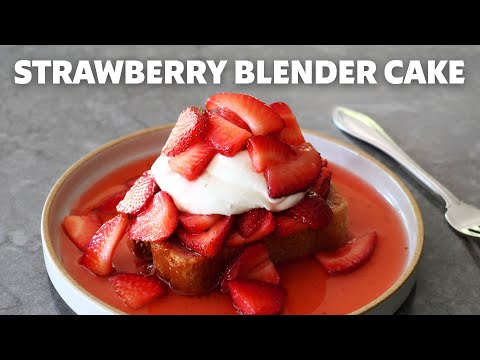
Strawberry Blender Cake | Food Wishes
"The cake is important."
 1:34
1:34
The Irishman (2019) | Killing Crazy Joe - 1080p
"I ate a delicious slice of chocolate cake after dinner."
맥락에서 배우기
이 단어를 다른 언어로
관련 표현
Food 관련 단어
additive
B2첨가물은 특성을 개선하기 위해 소량으로 첨가되는 물질입니다.
additives
B2첨가물은 식품의 보존성을 높이거나 맛을 좋게 하기 위해 넣는 물질입니다.
almond
B2그녀는 아름다운 아몬드형 눈을 가지고 있습니다.
annatto
B1아나토는 아키오테 나무의 씨앗에서 추출한 천연 오렌지 레드 식용 색소입니다. 치즈와 버터의 색을 내는 데 사용됩니다.
appetite
C1식욕은 음식을 먹고 싶어하는 자연스러운 욕구입니다. 또한 모험이나 지식과 같은 다른 것에 대한 강한 욕구를 의미할 수도 있습니다.
appetizer
C1에피타이저는 식욕을 돋우기 위해 본 식사 전에 제공되는 적은 양의 음식입니다.
appetizing
B2매우 좋아 보이거나 냄새가 나서 배고프게 만드는 것. / 갓 구운 빵 냄새가 아주 식욕을 돋웠습니다.
apple
C1그녀는 자신의 생각을 'apple' 하게 정리했다. 아주 명확하고 깔끔하게.
apples
A1사과는 둥글고 먹을 수 있는 과일입니다.
apricot
C1노을 진 하늘은 아름다운 살구색으로 물들었습니다.

