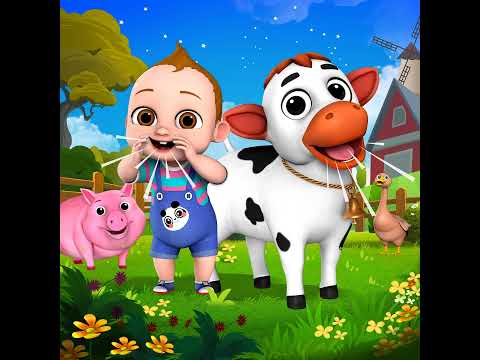
stomp 30초 만에
- Stomp is a verb meaning to step heavily and noisily, often used to show anger or to crush something.
- It can be literal (walking loudly) or figurative (defeating someone easily or suppressing an idea).
- Commonly associated with children's tantrums, heavy boots, rhythmic dancing, and large animals like elephants.
- Distinguished from 'stamp' by its focus on heavy, often continuous movement rather than a single sharp action.
The word stomp is a powerful verb that describes a specific type of physical movement characterized by force, weight, and sound. At its core, to stomp is to bring one's foot down onto a surface with significant energy, usually resulting in a loud, thudding noise. This action is rarely accidental; it is almost always a deliberate expression of internal state or a functional requirement of a task. When you imagine someone stomping, you might picture a child having a tantrum, a soldier marching with heavy boots, or a dancer creating a rhythmic beat on a wooden stage. The word captures both the physical impact and the auditory consequence of the movement.
- Emotional Context
- People often stomp when they are overwhelmed by negative emotions such as anger, frustration, or impatience. The physical act of hitting the ground serves as a release of tension, signaling to others that the individual is upset without necessarily using words.
The toddler began to stomp around the kitchen when he was told he couldn't have a cookie before dinner.
Beyond emotion, stomping is used in functional ways. In agriculture or gardening, one might stomp on the ground to pack down loose soil or to flatten a pile of debris. In the natural world, large animals like elephants use their massive weight to stomp, which can be a form of communication through ground vibrations or a way to deter predators. In human culture, stomping is a fundamental element of various dance styles, from flamenco to stepping, where the feet are treated as percussion instruments. The word 'stomp' thus bridges the gap between a raw emotional outburst and a refined artistic technique.
- Physical Mechanics
- A stomp involves lifting the knee higher than usual and driving the heel or the entire sole of the foot downward with the full weight of the leg and body behind it.
He had to stomp on the stubborn snow to break the ice crust forming on the driveway.
In a metaphorical sense, 'stomp' can describe a dominant victory or the act of suppressing something. For instance, a sports team might 'stomp' their opponents, meaning they won by a huge margin. Alternatively, to 'stomp out' a fire or a rumor means to extinguish or stop it completely and forcefully. This versatility makes 'stomp' a high-impact word in both literal and figurative English. Whether it is the sound of boots on a wooden porch or the crushing of a soda can, the word carries a sense of finality and power that few other movement verbs possess.
The protesters began to stomp in unison, creating a rhythmic thunder that echoed through the city square.
- Common Associations
- Boots, puddles, grapes (for wine), anger, rhythm, giants, and heavy machinery are all frequently associated with the action of stomping.
Don't stomp through the house with those muddy boots!
The giant's stomp shook the very foundations of the castle.
Using 'stomp' correctly involves understanding its role as both an intransitive verb (an action performed by the subject alone) and a transitive verb (an action performed on an object). When used intransitively, it often describes a manner of walking. For example, 'She stomped out of the room.' Here, the focus is on her movement and the emotion behind it. When used transitively, it describes the act of crushing or pressing something down. For example, 'He stomped the cigarette butt into the pavement.' In this case, the focus is on the effect the foot has on the object.
- Intransitive Usage
- Focuses on the person's movement and noise. Often paired with prepositions like 'around', 'about', 'out', or 'away'.
The angry neighbor would stomp on the floor whenever our music was too loud.
The word can also be used with the phrasal verb 'stomp out'. This is a common idiom meaning to suppress or eliminate something completely. It is often used in political or social contexts. 'The government tried to stomp out the rebellion.' It can also be literal, as in 'stomp out a campfire.' This phrasal verb emphasizes the total destruction or cessation of the target. Another common structure is 'stomp on', which can be literal (stepping on something) or figurative (treating someone's feelings or rights with contempt).
- Transitive Usage
- Focuses on the object being crushed or the sound being made against a surface. 'Stomp the grapes' or 'Stomp the ground'.
In the traditional winemaking process, workers would stomp the grapes in large wooden vats.
When describing movement, 'stomp' often implies a lack of grace or a deliberate attempt to be heard. If someone 'stomps' through the woods, they aren't trying to be quiet; they are likely wearing heavy boots and moving with purpose. This contrasts with 'tiptoe' or 'creep'. In literature, authors use 'stomp' to characterize a person as aggressive, powerful, or clumsy. It is a sensory-rich word that immediately provides the reader with a sound and a feeling of vibration.
The heavy-set man began to stomp up the stairs, each step making the banister rattle.
- Figurative Usage
- Used to describe overwhelming success or the harsh treatment of others. 'They stomped the competition' or 'He stomped on her dreams'.
The champion boxer proceeded to stomp his opponent in the first three rounds.
The kids love to stomp in the puddles after a heavy rainstorm.
The word 'stomp' is ubiquitous in everyday English, appearing in various contexts from the mundane to the theatrical. One of the most famous cultural references is the percussion group 'STOMP', which uses everyday objects and the performers' own bodies—specifically their feet—to create complex, high-energy rhythms. This group has made the word synonymous with creative, rhythmic footwork. You will also hear this word frequently in parenting and childcare. Parents often describe a child's tantrum as 'stomping around', and children's songs often encourage kids to 'stomp like a dinosaur' or 'stomp your feet if you're happy'.
- In Entertainment
- Used in music reviews to describe heavy beats, in sports commentary to describe a dominant win, and in movie descriptions for giant monsters like Godzilla.
The crowd began to stomp on the bleachers, creating a deafening roar of support for the home team.
In the news and political discourse, 'stomp' is often used metaphorically. You might hear a journalist say that a new law will 'stomp out' civil liberties, or that a corporation is 'stomping on' smaller competitors. This usage highlights the aggressive and crushing nature of the action. In nature documentaries, narrators use 'stomp' to describe the behavior of large mammals. An elephant might stomp to warn off a lion, or a horse might stomp its hoof to show irritation or to clear away flies. The word is effective because it immediately conveys the physical power of these animals.
- In Daily Life
- Commonly used when complaining about noisy neighbors ('The people upstairs are always stomping') or when describing outdoor activities like hiking in heavy boots.
We had to stomp through the thick mud to get back to the campsite.
Literature and poetry also utilize 'stomp' for its onomatopoeic qualities. The 'st' sound at the beginning and the 'mp' at the end mimic the sharp start and the heavy, muffled finish of a foot hitting the ground. Poets might use it to create a sense of dread or inevitability, as in the 'stomp of approaching doom'. In casual conversation, 'stomp' is often used for emphasis. Instead of saying someone walked angrily, saying they 'stomped out' provides a much clearer mental image of their state of mind. It is a word that carries weight, both literally and figuratively, in the English lexicon.
The soldiers' stomp was perfectly synchronized as they marched past the reviewing stand.
- Idiomatic Hearing
- You will hear the phrase 'stomping ground' to refer to a place someone visits often or where they feel at home.
After ten years away, he finally returned to his old stomping grounds in Brooklyn.
The elephant gave a mighty stomp to scare away the hyenas.
One of the most frequent mistakes learners make is confusing 'stomp' with 'stamp'. While they are closely related and often interchangeable in certain contexts, there are subtle differences in usage. 'Stamp' is more commonly used for a single, quick downward motion, such as 'stamping a foot' in frustration or 'stamping a letter'. 'Stomp' usually implies a heavier, more aggressive, or more continuous action. You 'stomp' around a room, but you 'stamp' your foot once. Additionally, 'stamp' has many meanings unrelated to feet (like postage stamps), whereas 'stomp' is almost exclusively about the heavy foot action.
- Stomp vs. Stamp
- Use 'stomp' for heavy, walking-like movements or aggressive crushing. Use 'stamp' for single, sharp downward actions or when referring to official marks.
Incorrect: He stamped through the mud in his big boots. (Better: stomped)
Another mistake is using 'stomp' when a lighter word like 'step' or 'walk' is intended. 'Stomp' carries a strong connotation of noise and force. If you say someone 'stomped' into a library, you are implying they were being very disruptive and perhaps angry. If they were just walking normally, 'stomp' is the wrong choice. Learners also sometimes struggle with the prepositional use. It is 'stomp on' something, not 'stomp at' or 'stomp to'. For example, 'He stomped on the bug,' not 'He stomped the bug' (though the latter is becoming more common in casual American English, 'on' is more traditionally correct for the physical act).
- Overuse of Intensity
- Don't use 'stomp' for every loud walk. If the person is just heavy-footed but not angry or forceful, 'clomp' or 'lumber' might be more accurate.
Correct: The giant stomped across the valley. (Incorrect: The giant walked quietly.)
Learners should also be careful with the idiom 'stomping ground'. It is almost always plural ('grounds') and refers to a place of familiarity. Using it in the singular ('stomping ground') is less common and can sound slightly off to native speakers. Finally, avoid using 'stomp' as a noun to mean a single step unless you are specifically referring to the sound or the forceful nature of that step. Usually, 'stomp' as a noun refers to a dance or a collective rhythmic action. For a single movement, 'a heavy step' or 'a stamp' is often clearer.
Incorrect: I took a stomp forward. (Better: I took a heavy step forward.)
- Spelling Errors
- Be careful not to spell it 'stump' (which is the base of a tree) or 'tromp' (which is a similar word but less common and implies a long, tiring walk).
The hiker had to stomp through the brush to find the trail.
He stomped his feet to get the snow off his boots before entering the house.
To truly master the word 'stomp', it is helpful to compare it with its synonyms and related terms. Each word carries a slightly different nuance of speed, weight, and intent. 'Stamp' is the closest relative, often used for a single, sharp movement. 'Trample' implies a more destructive action, usually involving stepping on something repeatedly until it is crushed or ruined, like trampling flowers in a garden. 'Clomp' suggests a heavy, clumsy, and often rhythmic sound, typically made by someone wearing heavy shoes like clogs or boots, but without the aggressive intent of 'stomp'.
- Stomp vs. Trample
- 'Stomp' is the action; 'trample' is the result. You stomp on the grass, and as a result, the grass is trampled.
The cattle began to stomp around the pen, eventually trampling the small shrubs near the fence.
'March' is another related word, but it implies order, discipline, and a specific rhythm, often in a military context. While marching involves a heavy step, it is controlled, whereas stomping is often erratic or emotional. 'Tromp' is a less common variant that suggests a long, arduous walk through difficult terrain, like tromping through the woods. 'Lumber' describes the heavy, slow, and awkward movement of something very large, like a bear or a giant, which may include stomping sounds but focuses more on the overall lack of agility.
- Stomp vs. Clomp
- 'Clomp' is the sound of heavy shoes; 'stomp' is the forceful action of the foot. You can clomp without being angry, but you rarely stomp without some level of force or emotion.
We could hear him clomp down the hallway in his wooden clogs, but when he got angry, he started to stomp.
In a figurative sense, alternatives to 'stomp' (meaning to defeat) include 'crush', 'trounce', 'rout', or 'vanquish'. 'Crush' is very similar to 'stomp' in its physical origin but is used more broadly for emotional or systemic suppression. 'Trounce' and 'rout' are specific to sports and warfare, implying a decisive and overwhelming victory. Choosing 'stomp' in these contexts adds a visceral, physical quality to the description of the defeat, making it feel more personal and powerful.
The local team managed to stomp their rivals in the final game of the season.
- Comparison Table
-
- Stomp: Forceful, noisy, often emotional.
- Stamp: Sharp, single motion, official.
- Trample: Destructive, repeated, crushing.
- Clomp: Heavy, noisy, clumsy (shoes).
- March: Rhythmic, disciplined, military.
She didn't just walk away; she stomped away, leaving no doubt about her fury.
The giant's stomp was so powerful it cracked the stone floor.
How Formal Is It?
재미있는 사실
While 'stamp' is the older form, 'stomp' became particularly popular in American English to describe jazz and blues dances in the early 20th century.
발음 가이드
- Pronouncing it like 'stump' (/stʌmp/), which is a different word.
- Making the 'p' silent; it should be a clear, aspirated sound at the end.
- Confusing the vowel sound with 'stamp' (/stæmp/).
난이도
Easy to recognize in context due to its physical nature.
Requires understanding the difference between stomp and stamp.
Simple pronunciation, though the vowel sound varies by dialect.
The sound of the word often mimics its meaning.
다음에 무엇을 배울까
선수 학습
다음에 배울 것
고급
알아야 할 문법
Regular Verb Conjugation
I stomp, he stomps, we stomped, they are stomping.
Phrasal Verbs
To 'stomp out' follows the standard verb + particle pattern.
Transitive vs Intransitive
'He stomped' (intransitive) vs 'He stomped the bug' (transitive).
Onomatopoeia in Verbs
Words like 'stomp', 'crash', and 'bang' mimic the sound they describe.
Idiomatic Noun Phrases
'Stomping grounds' is a fixed idiom where the verb becomes a modifier.
수준별 예문
The big dinosaur can stomp.
Le gros dinosaure peut taper des pieds.
Simple subject-verb structure.
I stomp in the water.
Je tape des pieds dans l'eau.
Present simple for a general action.
Stomp your feet!
Tape des pieds !
Imperative mood for a command.
The giant is stomping.
Le géant tape des pieds.
Present continuous for an ongoing action.
Do not stomp on the toy.
Ne marche pas fort sur le jouet.
Negative imperative.
The baby likes to stomp.
Le bébé aime taper des pieds.
Infinitive after 'likes to'.
We stomp like monsters.
Nous tapons des pieds comme des monstres.
Simile using 'like'.
Can you stomp loudly?
Peux-tu taper des pieds fort ?
Modal verb 'can' for ability.
He stomped his boots to remove the mud.
Il a tapé ses bottes pour enlever la boue.
Past simple 'stomped'.
The elephant stomps through the grass.
L'éléphant marche lourdement à travers l'herbe.
Preposition 'through' shows movement.
She stomped because she was angry.
Elle a tapé des pieds parce qu'elle était en colère.
Conjunction 'because' explaining the reason.
The kids are stomping around the house.
Les enfants font du bruit en marchant dans la maison.
Phrasal verb 'stomp around'.
Wait, don't stomp on that bug!
Attends, n'écrase pas cet insecte !
Transitive use with 'on'.
I heard a loud stomp upstairs.
J'ai entendu un grand coup de pied à l'étage.
Used as a noun here.
They stomped their feet to stay warm.
Ils ont tapé des pieds pour rester au chaud.
Purpose clause with 'to stay warm'.
The horse stomped its hoof on the ground.
Le cheval a frappé le sol de son sabot.
Possessive 'its' with the object 'hoof'.
The angry customer stomped out of the store.
Le client en colère est sorti du magasin en tapant des pieds.
Phrasal verb 'stomp out of'.
We need to stomp out these rumors immediately.
Nous devons étouffer ces rumeurs immédiatement.
Figurative use of 'stomp out'.
This park used to be my old stomping grounds.
Ce parc était mon ancien terrain de jeu.
Idiom 'stomping grounds'.
He stomped on the brakes to avoid the cat.
Il a pilé sur les freins pour éviter le chat.
Collocation 'stomp on the brakes'.
The dancers stomped in perfect rhythm.
Les danseurs ont tapé des pieds en rythme parfait.
Adverbial phrase 'in perfect rhythm'.
Don't just stomp around; tell me what's wrong.
Ne te contente pas de tourner en rond en râlant ; dis-moi ce qui ne va pas.
Imperative with 'just' for emphasis.
The giant's stomp shook the entire village.
Le pas lourd du géant a secoué tout le village.
Noun form 'stomp' as the subject.
He stomped the snow off his shoes before entering.
Il a secoué la neige de ses chaussures en tapant des pieds avant d'entrer.
Transitive use with the object 'snow'.
The team managed to stomp their rivals in the final.
L'équipe a réussi à écraser ses rivaux en finale.
Figurative meaning: to defeat easily.
The protesters stomped their feet to the beat of the drums.
Les manifestants marquaient le pas au rythme des tambours.
Rhythmic use of the verb.
The new law will stomp on the rights of small businesses.
La nouvelle loi va bafouer les droits des petites entreprises.
Metaphorical use for oppression.
She stomped her foot in a gesture of pure defiance.
Elle a tapé du pied dans un geste de pure défiance.
Noun 'gesture' modified by 'of pure defiance'.
The heavy machinery continued to stomp throughout the night.
La machinerie lourde a continué à marteler toute la nuit.
Personification of machinery.
He was stomping around like he owned the place.
Il marchait d'un pas lourd comme s'il était le maître des lieux.
Simile 'like he owned the place'.
The traditional dance involves a series of loud stomps.
La danse traditionnelle implique une série de coups de pieds sonores.
Plural noun 'stomps'.
They are trying to stomp out the fire before it spreads.
Ils essaient d'éteindre le feu avant qu'il ne se propage.
Literal phrasal verb 'stomp out'.
The critic's review was a brutal stomp on the director's ego.
La critique a été un véritable écrasement de l'ego du réalisateur.
Abstract metaphorical noun use.
The elephant's rhythmic stomp can be heard for miles.
Le martèlement rythmique de l'éléphant s'entend à des kilomètres.
Gerund-like noun use.
He stomped through the bureaucratic red tape with ease.
Il a balayé les formalités administratives avec facilité.
Metaphor for overcoming obstacles.
The soldiers' boots made a synchronized stomp on the asphalt.
Les bottes des soldats produisaient un martèlement synchronisé sur l'asphalte.
Focus on the acoustic quality.
The company's strategy was to stomp out any emerging competition.
La stratégie de l'entreprise était d'étouffer toute concurrence émergente.
Business jargon context.
Her heart gave a heavy stomp against her ribs in fear.
Son cœur a violemment cogné contre ses côtes de peur.
Metaphorical use for internal sensation.
The play concludes with a powerful, collective stomp from the cast.
La pièce se termine par un martèlement collectif et puissant de la troupe.
Theatrical context.
The heavy rain began to stomp against the tin roof.
La pluie battante a commencé à marteler le toit en tôle.
Personification of nature.
The tyrant's regime was characterized by a relentless stomp on dissent.
Le régime du tyran se caractérisait par un écrasement implacable de la dissidence.
High-level political metaphor.
The visceral stomp of the bass drum vibrated through the floorboards.
Le martèlement viscéral de la grosse caisse vibrait à travers le plancher.
Sensory, descriptive language.
He attempted to stomp out the flickering embers of his past life.
Il a tenté d'étouffer les braises vacillantes de sa vie passée.
Poetic, metaphorical phrasal verb.
The sheer physical force of the stomp left an indentation in the earth.
La force physique pure du coup de pied a laissé une empreinte dans la terre.
Precise physical description.
The dancers' feet executed a complex stomp that defied the simple rhythm.
Les pieds des danseurs ont exécuté un martèlement complexe qui défiait le rythme simple.
Technical artistic description.
The narrative's stomp through history felt both rushed and profound.
La traversée rapide de l'histoire par le récit semblait à la fois précipitée et profonde.
Metaphor for narrative pace.
Every stomp of the giant was a harbinger of the coming destruction.
Chaque pas lourd du géant était le signe avant-coureur de la destruction à venir.
Literary, ominous tone.
The legal system can sometimes stomp on the very people it aims to protect.
Le système judiciaire peut parfois bafouer les personnes mêmes qu'il vise à protéger.
Ironical, critical usage.
자주 쓰는 조합
자주 쓰는 구문
— To suppress or eliminate something completely.
The police are trying to stomp out drug use in the area.
— A place where someone spends a lot of time or is very familiar with.
This neighborhood was my old stomping grounds.
— A phrase related to step dancing in African American culture.
The fraternity prepared for months to stomp the yard.
— A play on 'stamp of approval', meaning loud, physical support.
The crowd gave the performance a rhythmic stomp of approval.
— An adjective describing something very thorough or intense (informal).
That was a stomp-down good meal.
— A simple percussion instrument or a guitar effects pedal.
The blues musician used a wooden stomp box for rhythm.
— A traditional social dance of various Native American tribes.
The community gathered for the annual stomp dance.
— The traditional method of crushing grapes for wine.
Tourists can try to stomp the grapes at the vineyard.
자주 혼동되는 단어
Stamp is usually a single, sharp action; stomp is heavier and often continuous.
A stump is the base of a tree; stomp is the action of the foot.
Tromp usually means a long, tiring walk; stomp is more about force and noise.
관용어 및 표현
— A favorite or habitual haunt; a place where one is comfortable.
I'm heading back to my old stomping grounds for the weekend.
Informal— To treat someone very badly or ignore their feelings/rights.
You can't let them stomp all over you like that.
Informal— To defeat rivals completely and easily.
The tech giant is trying to stomp out the competition.
Business— To completely destroy the spirit or energy of something.
The boring job was stomping the life out of him.
Informal— To exert extreme pressure or control over someone.
The dictator continued to stomp on the neck of the resistance.
Political— To reject or treat someone harshly (rare).
She gave him the stomp when he asked for a second chance.
Slang— To beat someone up severely (Southern US slang).
He threatened to stomp a mudhole in him if he didn't leave.
Slang— A slow, heavy way of walking.
He moved with a tired stomp-and-drag across the field.
Descriptive— To dance or walk so heavily the floor shakes.
The party was so loud they were stomping the floorboards.
Informal— To walk the streets, often looking for work or protesting.
I've been stomping the pavement all week looking for a job.
Informal혼동하기 쉬운
Similar sound and meaning.
Stamp is for postage or a single foot strike; stomp is for heavy walking or crushing.
I need a stamp for this letter, but don't stomp on it!
Both describe noisy walking.
Clomp is clumsy/accidental noise; stomp is forceful/intentional noise.
He clomps in his big boots, but he stomps when he's mad.
Both involve stepping on things.
Trample is about the destruction caused; stomp is about the action itself.
If you stomp on the flowers, you will trample them.
Both are loud, rhythmic walks.
March is disciplined and military; stomp is emotional or heavy.
The soldiers march in line, but the angry man stomps alone.
Both mean to step.
Tread is formal/literary and often quiet; stomp is informal and loud.
Tread carefully, or you might stomp on something fragile.
문장 패턴
Subject + stomp.
The giant stomps.
Subject + stomp + in + noun.
The boy stomps in the mud.
Subject + stomp + out of + place.
She stomped out of the house.
Subject + stomp + on + object.
He stomped on the cigarette.
Subject + stomp + out + abstract noun.
They stomped out the rebellion.
Subject + stomp + the + competition.
The team stomped the competition.
Noun + of + stomp + verb.
The sound of the stomp echoed.
Metaphorical Subject + stomp + through + concept.
The narrative stomps through history.
어휘 가족
명사
동사
형용사
관련
사용법
Common in daily speech and literature.
-
Using 'stomp' for a light step.
→
Using 'step' or 'tread'.
Stomp requires force and noise.
-
Spelling it 'stump'.
→
Stomp.
A stump is part of a tree.
-
Saying 'stomp at' someone.
→
Stomp toward or stomp away from.
Prepositions of direction are needed.
-
Confusing 'stomp' with 'stamp' for mail.
→
Postage stamp.
You cannot 'stomp' a letter to mail it.
-
Using 'stomp' as a synonym for 'run'.
→
Run or sprint.
Stomping is about weight, not necessarily speed.
팁
Sound Matters
Use 'stomp' when you want the reader to *hear* the footsteps in their mind.
Show, Don't Tell
Instead of saying 'he was angry', say 'he stomped out' to show his anger through action.
Synonym Choice
Choose 'trample' if something is being ruined, and 'stomp' if you're focusing on the foot movement.
Familiar Places
Use 'stomping grounds' when talking about your favorite childhood spots to sound more natural.
Phrasal Verbs
Master 'stomp out' to describe ending something forcefully, like a fire or an uprising.
The 'P' Sound
Make sure to pronounce the 'p' clearly to give the word its characteristic 'impact' sound.
Footwear
Stomping is usually associated with boots or heavy shoes, not sneakers or bare feet.
Winning
In sports, 'stomp' is a great way to describe a very one-sided victory.
Animal Actions
Use 'stomp' for large animals to emphasize their weight and power.
Onomatopoeia
The word 'stomp' is a great example of a word that sounds like what it does. Use it for sensory impact.
암기하기
기억법
STOMP: Strong Tread On Muddy Paths. Think of the 'O' as a heavy boot hitting the ground.
시각적 연상
Imagine a giant's heavy boot coming down on a soda can with a loud 'CRUNCH' and 'THUD'.
Word Web
챌린지
Try to use 'stomp' in three different ways today: one for an emotion, one for a physical action, and one for a victory.
어원
The word 'stomp' emerged in the late 18th century as a dialectal variant of the word 'stamp'. It reflects a phonetic shift that emphasized the heavier, more resonant sound of the action.
원래 의미: To bring the foot down heavily; to tread with force.
Germanic (English origin).문화적 맥락
Be careful using 'stomp on' figuratively, as it can imply bullying or oppression.
Commonly used in sports to describe a big win ('They stomped them!').
실생활에서 연습하기
실제 사용 상황
Expressing Anger
- stomp out of the room
- stomp your feet
- stomp around
- angry stomp
Music and Dance
- rhythmic stomp
- stomp the beat
- stomp dance
- percussive stomp
Cleaning/Maintenance
- stomp off snow
- stomp out a fire
- stomp the ground
- stomp on a bug
Sports/Competition
- stomp the competition
- get stomped
- a total stomp
- stomp on them
Nature/Animals
- elephant stomp
- stomp through brush
- heavy stomp
- shaking stomp
대화 시작하기
"Have you ever lived in an apartment where the neighbors were always stomping upstairs?"
"What's the best way to stomp out a bad habit you've developed?"
"Did you ever go to a vineyard and get to stomp grapes for wine?"
"Why do you think children find it so satisfying to stomp in puddles?"
"If you had to stomp like any animal, which one would you choose?"
일기 주제
Describe a time you were so angry you felt like stomping out of a room. What happened?
Write about your 'old stomping grounds'. What makes that place special to you?
How does the sound of a rhythmic stomp make you feel? Energetic, annoyed, or something else?
Imagine a giant stomping through your city. Describe the scene using sensory details.
Discuss a social issue you would like to see 'stomped out' in your community.
자주 묻는 질문
10 질문No, it is a normal verb, but it often describes negative emotions like anger.
No, 'stomp' always implies noise and force. Use 'tiptoe' or 'walk' for quiet movement.
It's an idiom meaning a place you know very well and visit often, like your hometown.
Both are used. 'Stomp on the bug' is common, but 'stomp the bug' is also acceptable in casual English.
Stomp is heavier and more about walking; stamp is often a single, sharp motion.
Yes, large animals like elephants and horses are often described as stomping.
Yes, 'stomp' is a regular verb: stomp, stomped, stomped.
Yes, it can mean the sound or the action itself, like 'a loud stomp'.
It means to completely stop or destroy something, like a fire or a rumor.
It is generally neutral to informal. In very formal writing, you might use 'tread heavily' or 'suppress'.
셀프 테스트 190 질문
Write a sentence about a giant walking through a city using the word 'stomp'.
Well written! Good try! Check the sample answer below.
Describe a situation where someone might 'stomp out of a room'.
Well written! Good try! Check the sample answer below.
Use the idiom 'stomping grounds' in a sentence about your hometown.
Well written! Good try! Check the sample answer below.
Explain the difference between 'stomp' and 'stamp' in your own words.
Well written! Good try! Check the sample answer below.
Write a short dialogue between a parent and a child who is stomping their feet.
Well written! Good try! Check the sample answer below.
Use 'stomp out' in a metaphorical sense regarding a social issue.
Well written! Good try! Check the sample answer below.
Describe the sound of a stomp using three adjectives.
Well written! Good try! Check the sample answer below.
Write a sentence about a sports team 'stomping' their rivals.
Well written! Good try! Check the sample answer below.
How would you describe an elephant's movement using the word 'stomp'?
Well written! Good try! Check the sample answer below.
Write a sentence using 'stomp' as a noun.
Well written! Good try! Check the sample answer below.
Create a mnemonic to remember the meaning of 'stomp'.
Well written! Good try! Check the sample answer below.
Describe a traditional dance that involves stomping.
Well written! Good try! Check the sample answer below.
Write a sentence about stomping in puddles.
Well written! Good try! Check the sample answer below.
Use 'stomp on the brakes' in a short story about a car ride.
Well written! Good try! Check the sample answer below.
Describe the physical action of a stomp in detail.
Well written! Good try! Check the sample answer below.
Write a poem of four lines using the word 'stomp'.
Well written! Good try! Check the sample answer below.
Use 'stomp' to describe the sound of heavy machinery.
Well written! Good try! Check the sample answer below.
Write a sentence about someone 'stomping on' another person's dreams.
Well written! Good try! Check the sample answer below.
Describe the feeling of the ground when a heavy object stomps nearby.
Well written! Good try! Check the sample answer below.
Use 'stomp' in a sentence about winemaking.
Well written! Good try! Check the sample answer below.
Pronounce the word 'stomp' clearly.
Read this aloud:
당신의 답변:
Speech recognition is not supported in your browser. Try Chrome or Edge.
Describe a time you were angry and felt like stomping.
Read this aloud:
당신의 답변:
Speech recognition is not supported in your browser. Try Chrome or Edge.
Tell a short story about a dinosaur that loves to stomp.
Read this aloud:
당신의 답변:
Speech recognition is not supported in your browser. Try Chrome or Edge.
Explain the idiom 'stomping grounds' to a friend.
Read this aloud:
당신의 답변:
Speech recognition is not supported in your browser. Try Chrome or Edge.
Discuss why people stomp in certain types of music or dance.
Read this aloud:
당신의 답변:
Speech recognition is not supported in your browser. Try Chrome or Edge.
How would you tell someone to stop making noise with their feet?
Read this aloud:
당신의 답변:
Speech recognition is not supported in your browser. Try Chrome or Edge.
Describe the sound of an elephant stomping.
Read this aloud:
당신의 답변:
Speech recognition is not supported in your browser. Try Chrome or Edge.
Give an example of 'stomping out' a problem.
Read this aloud:
당신의 답변:
Speech recognition is not supported in your browser. Try Chrome or Edge.
Compare the words 'stomp' and 'tiptoe'.
Read this aloud:
당신의 답변:
Speech recognition is not supported in your browser. Try Chrome or Edge.
Talk about your favorite 'stomping grounds' in your city.
Read this aloud:
당신의 답변:
Speech recognition is not supported in your browser. Try Chrome or Edge.
Use 'stomp' in a sentence about a sports victory.
Read this aloud:
당신의 답변:
Speech recognition is not supported in your browser. Try Chrome or Edge.
Explain how to 'stomp out' a campfire safely.
Read this aloud:
당신의 답변:
Speech recognition is not supported in your browser. Try Chrome or Edge.
What does it mean to 'stomp on someone's feelings'?
Read this aloud:
당신의 답변:
Speech recognition is not supported in your browser. Try Chrome or Edge.
Describe the physical movement of stomping to someone who doesn't know the word.
Read this aloud:
당신의 답변:
Speech recognition is not supported in your browser. Try Chrome or Edge.
Use 'stomp' to describe a noisy neighbor.
Read this aloud:
당신의 답변:
Speech recognition is not supported in your browser. Try Chrome or Edge.
How do you pronounce 'stomped'?
Read this aloud:
당신의 답변:
Speech recognition is not supported in your browser. Try Chrome or Edge.
Discuss the use of 'stomp' in political metaphors.
Read this aloud:
당신의 답변:
Speech recognition is not supported in your browser. Try Chrome or Edge.
Create a rhythmic pattern using the word 'stomp'.
Read this aloud:
당신의 답변:
Speech recognition is not supported in your browser. Try Chrome or Edge.
Tell a joke that involves the word 'stomp'.
Read this aloud:
당신의 답변:
Speech recognition is not supported in your browser. Try Chrome or Edge.
Describe the difference between 'stomp' and 'clomp'.
Read this aloud:
당신의 답변:
Speech recognition is not supported in your browser. Try Chrome or Edge.
Listen to the sentence: 'He stomped out of the room.' What was his mood?
Listen for the word 'stomp' in a song about dinosaurs.
Listen to the difference between 'stomp' and 'stamp' in these two sentences.
Identify the object being stomped: 'She stomped the bug on the floor.'
Listen to a description of a 'stomp dance'. What is the main action?
Listen for the idiom: 'This is my old stomping grounds.' What does it mean?
Listen to the sound of a heavy footfall. Is it a 'step' or a 'stomp'?
Identify the phrasal verb: 'They need to stomp out the fire.'
Listen to a sports commentary: 'They really stomped them today!' Who won?
Listen to the vowel sound in 'stomp'. Is it short or long?
Listen for the word 'stomp' in a movie clip about a giant monster.
Identify the emotion: 'The man was stomping around his apartment.'
Listen to the phrase 'stomp on the brakes'. What happened next?
Listen for the plural form: 'The loud stomps woke me up.'
Listen to a poem. How many times is 'stomp' used?
/ 190 correct
Perfect score!
Summary
The word 'stomp' is a high-energy verb that combines physical force with auditory impact. Whether used to describe an angry toddler, a rhythmic dancer, or a dominant sports victory, it always conveys a sense of weight and power. Example: 'He stomped out of the meeting in a fit of rage.'
- Stomp is a verb meaning to step heavily and noisily, often used to show anger or to crush something.
- It can be literal (walking loudly) or figurative (defeating someone easily or suppressing an idea).
- Commonly associated with children's tantrums, heavy boots, rhythmic dancing, and large animals like elephants.
- Distinguished from 'stamp' by its focus on heavy, often continuous movement rather than a single sharp action.
Sound Matters
Use 'stomp' when you want the reader to *hear* the footsteps in their mind.
Show, Don't Tell
Instead of saying 'he was angry', say 'he stomped out' to show his anger through action.
Synonym Choice
Choose 'trample' if something is being ruined, and 'stomp' if you're focusing on the foot movement.
Familiar Places
Use 'stomping grounds' when talking about your favorite childhood spots to sound more natural.