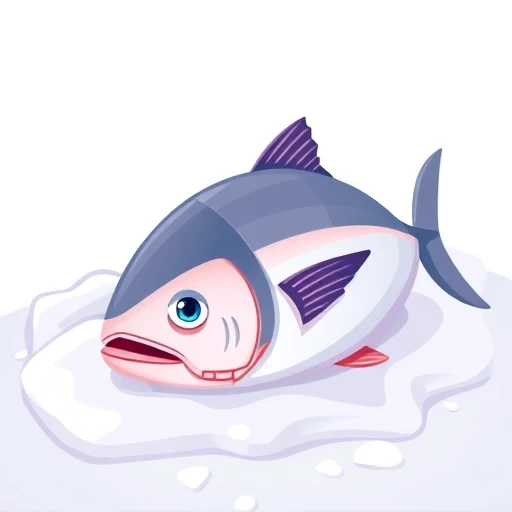
tuna 30초 만에
- Tuna is a large, fast saltwater fish used globally for food, available in canned, fresh, or raw forms.
- It is a high-protein food source rich in Omega-3 fatty acids, though mercury levels vary by species.
- Grammatically, 'tuna' is usually the same in singular and plural, except when referring to multiple species.
- The fish is ecologically vital as an apex predator and economically significant in international trade and sushi culture.
The word tuna refers to a diverse group of large, saltwater predatory fish belonging to the family Scombridae. In a linguistic and practical sense, it is one of the most versatile nouns in the English language, bridging the gap between biological science, global commerce, and everyday culinary habits. When people use the word tuna, they are most often referring to the food product derived from these fish, which is a staple in diets worldwide due to its high protein content and accessibility. Biologically, tuna are remarkable creatures; they are among the fastest swimmers in the ocean, capable of maintaining a body temperature higher than the surrounding water, a trait known as regional endothermy. This allows them to inhabit diverse climates, from tropical to temperate seas. In common parlance, the word is used in grocery stores, high-end sushi restaurants, and environmental discussions regarding ocean health.
- Biological Classification
- Tuna belong to the tribe Thunnini, which includes 15 species across five genera. The most famous include the Bluefin, Yellowfin, and Albacore.
- Culinary Forms
- Tuna is consumed in three primary forms: canned (shelf-stable), fresh/frozen steaks (for grilling or searing), and raw (sashimi or sushi grade).
The chef prepared a delicate platter of bluefin tuna sashimi, highlighting the fatty belly meat known as otoro.
The usage of 'tuna' extends into the realm of economics and sustainability. Because certain species like the Atlantic Bluefin are highly prized, the word often appears in news headlines concerning fishing quotas, international trade agreements, and conservation efforts. For a language learner, understanding 'tuna' involves recognizing it as both a mass noun (referring to the meat) and a count noun (referring to the individual fish or species), though the plural 'tunas' is specifically reserved for scientific contexts involving multiple species. In everyday life, you will hear it most frequently in the context of lunch—the 'tuna sandwich' or 'tuna melt' being iconic American comfort foods. The word evokes a sense of reliability and health, often associated with the 'Mediterranean diet' or high-protein fitness regimes.
I always keep a few cans of tuna in the pantry for a quick and nutritious meal after the gym.
Furthermore, the word carries significant cultural weight in Japan, where the 'Tsukiji' (now Toyosu) fish market holds famous auctions where a single tuna can sell for millions of dollars. This highlights the word's association with luxury and craftsmanship in the culinary arts. Conversely, in the West, 'tuna' often implies a budget-friendly, convenient protein source. This duality—from the most expensive fish in the world to a 99-cent can—makes it a fascinating word to study. It is also a focal point for environmental ethics, as 'dolphin-safe tuna' labels became a major movement in the late 20th century, teaching consumers about the ecological impact of their food choices.
Environmentalists are calling for stricter regulations on tuna fishing to prevent the collapse of oceanic ecosystems.
- Health Context
- Rich in Omega-3 fatty acids, tuna is often recommended for heart health, though moderation is advised due to mercury levels.
The doctor suggested eating grilled tuna twice a week to improve cardiovascular health.
In summary, 'tuna' is a word that swims through various domains of human life. Whether you are ordering a 'spicy tuna roll' at a restaurant, discussing 'tuna stocks' in a biology lecture, or simply grabbing a 'tuna salad' for lunch, you are engaging with a term that represents a vital link in the global food chain and a masterpiece of marine evolution. Its simplicity as a four-letter word belies its vast ecological and economic complexity.
The documentary explored the incredible migration patterns of the Pacific tuna.
Using the word tuna correctly requires an understanding of its grammatical behavior as both a countable and uncountable noun. In most everyday contexts, especially when referring to it as food, it functions as an uncountable noun. For instance, you would say, 'I would like some tuna,' rather than 'a tuna,' unless you are referring to the whole fish. This distinction is crucial for learners to master. When you are at a fish market and see a whole fish, you might say, 'That is a massive tuna.' However, once it is processed into steaks or canned, it becomes 'tuna' in the mass sense. This mirrors the usage of other meats like 'chicken' or 'beef'.
- As a Mass Noun
- 'There is too much tuna in this sandwich.' (Referring to the quantity of meat).
- As a Countable Noun
- 'The fisherman caught three large tuna today.' (Referring to individual animals).
We ordered two tuna steaks, medium-rare, with a side of asparagus.
Adjectives often precede 'tuna' to specify the variety or the preparation method. Common descriptors include 'canned,' 'fresh,' 'seared,' 'raw,' 'smoked,' and 'tinned' (primarily in British English). When discussing the species, you will use compound nouns like 'bluefin tuna,' 'yellowfin tuna,' or 'skipjack tuna.' In sentence construction, 'tuna' often acts as a modifier for other nouns, creating compound nouns such as 'tuna salad,' 'tuna sandwich,' 'tuna casserole,' and 'tuna boat.' These compounds are so common that they are often treated as single units of meaning. For example, 'I'm having a tuna melt for lunch' is a standard way to describe a specific type of grilled sandwich.
She prefers tuna packed in oil rather than water for a richer flavor.
In more advanced or technical writing, 'tuna' might appear in the context of marine biology or environmental science. Here, the word might be part of complex subjects: 'The declining population of Atlantic bluefin tuna is a cause for international concern.' Note how the word 'tuna' remains singular even though it refers to a whole population. In culinary writing, 'tuna' is often the star of the sentence: 'Tuna should be seared quickly over high heat to maintain its tender interior.' Here, 'tuna' is the subject, and the sentence focuses on its physical properties and preparation requirements. Understanding these patterns helps in achieving natural-sounding English.
The recipe calls for a pound of fresh tuna, diced into small cubes.
- Common Verb Pairings
- Catch, cook, sear, grill, flake, drain (for canned), and serve.
After opening the can, make sure to drain the tuna thoroughly before adding mayonnaise.
Finally, consider the use of 'tuna' in figurative or idiomatic expressions, though these are rare. In some corporate slang, a 'big tuna' might refer to an important person or a 'big fish' in a small pond, though this is quite niche. Mostly, 'tuna' stays within its literal bounds. Whether you are describing a meal, a biological specimen, or a commodity, the key is to match the countability to the context. By practicing these variations, you will be able to discuss everything from a simple lunch to complex oceanic ecosystems with confidence.
The sports fisherman spent hours battling a 500-pound tuna off the coast of Nova Scotia.
The word tuna is ubiquitous in daily life, echoing through various environments from the mundane to the extraordinary. One of the most common places you will hear it is in a grocery store or supermarket. Shoppers frequently ask, 'Where is the canned tuna?' or 'Is the tuna on sale this week?' In this setting, the word is associated with convenience and pantry staples. It’s a word that parents use when planning school lunches—'I'll make you a tuna sandwich today'—and one that students use when discussing quick, cheap meals. The sound of the word in these contexts is often utilitarian, linked to the routine of feeding oneself and one's family.
- In Restaurants
- From diners serving 'tuna melts' to high-end sushi bars offering 'maguro' (tuna), the word is a menu staple.
- In Media
- Nature documentaries like 'Blue Planet' often feature tuna as the 'cheetahs of the ocean,' highlighting their speed and power.
The waiter recommended the seared tuna with a sesame crust and ginger soy glaze.
In the culinary world, 'tuna' takes on a more sophisticated tone. In a sushi restaurant, you might hear specific Japanese terms like 'akami' (lean tuna), 'chutoro' (medium fatty), or 'otoro' (fatty), but the English word 'tuna' remains the primary descriptor for most diners. Chefs might talk about 'sushi-grade tuna,' emphasizing the quality and safety of the fish for raw consumption. Here, the word is associated with luxury, freshness, and culinary skill. You might also hear it on cooking shows, where hosts demonstrate how to perfectly sear a 'tuna steak' without overcooking it, emphasizing that tuna should remain pink in the middle to avoid becoming dry and tough.
'For this recipe, you want the tuna to be room temperature before it hits the hot pan,' the chef explained.
Beyond the kitchen, 'tuna' is a frequent subject in environmental and scientific discourse. News reports often discuss 'tuna populations' or 'tuna quotas' in the context of overfishing and marine conservation. You might hear activists talking about 'sustainable tuna' or 'pole-and-line caught tuna,' which refers to more ethical fishing methods. In these conversations, the word carries a weight of responsibility and concern for the future of our oceans. It is also a common topic in health and wellness circles, where experts discuss the 'mercury content in tuna' versus its 'omega-3 benefits.' This scientific and ethical layer adds depth to an otherwise simple word.
The news report highlighted the record-breaking price paid for a single bluefin tuna at the Tokyo auction.
- In Pop Culture
- The character Jim Halpert in 'The Office' was nicknamed 'Big Tuna' after eating a tuna sandwich on his first day.
'Hey, Tuna, are you coming to the meeting?' Andy Bernard shouted across the office.
Lastly, you might hear the word in the context of sport fishing. Enthusiasts talk about the thrill of the 'tuna run' or the strength required to land a 'giant tuna.' In this world, the word is synonymous with power, endurance, and the ultimate challenge for an angler. Whether it’s the quiet aisles of a grocery store, the bustling energy of a fish market, the high-stakes environment of a sushi auction, or the serene beauty of a nature documentary, 'tuna' is a word that connects us to the vastness of the sea and the complexities of our global food systems.
The oceanographers tracked the tuna using satellite tags to better understand their migration routes.
One of the most frequent mistakes learners make with the word tuna involves its pluralization. In English, many fish names have the same form for both singular and plural (like 'sheep' or 'deer'). While you can say 'one tuna' and 'two tuna,' learners often mistakenly say 'tunas' when referring to multiple individual fish. While 'tunas' is technically a word, it is almost exclusively used in scientific or technical contexts to refer to different *species* of tuna (e.g., 'The study compared the migratory patterns of various tunas'). For everyday conversation, stick to 'tuna' for both one and many. For example, 'We saw several tuna jumping in the water' is more natural than 'We saw several tunas.'
- Pluralization Error
- Incorrect: 'I caught three tunas.' Correct: 'I caught three tuna.'
- Countability Confusion
- Incorrect: 'I want a tuna for lunch.' (Unless you want a whole fish). Correct: 'I want some tuna' or 'I want a tuna sandwich.'
Many students forget that tuna functions as a mass noun when it is prepared as food.
Another common area of confusion is the distinction between 'tuna' and 'tuna fish.' In the United States, it is very common to hear people say 'tuna fish,' especially when referring to the canned variety or a sandwich. However, in many other English-speaking regions and in more formal writing, 'fish' is considered redundant because a tuna is obviously a fish. Using 'tuna fish' isn't necessarily 'wrong' in a casual American context, but using just 'tuna' is generally more versatile and internationally accepted. A learner might say, 'I'm making a tuna fish salad,' which sounds perfectly fine in a home setting but might sound slightly childish or overly specific in a professional culinary environment.
The redundant phrase 'tuna fish' is common in casual American English but rarely used in formal writing.
Learners also sometimes struggle with the adjectives used to describe tuna. For instance, 'oily fish' is a common biological category that includes tuna, but calling a tuna steak 'oily' in a restaurant might be perceived as a negative comment about the cooking rather than a description of its nutritional profile. Instead, use 'rich' or 'fatty' (especially for high-end sushi like 'fatty tuna'). Additionally, be careful with the word 'tinned' versus 'canned.' While they mean the same thing, 'tinned tuna' is the standard in the UK and Australia, while 'canned tuna' is the standard in the US and Canada. Using the wrong one won't cause a misunderstanding, but it might sound slightly out of place depending on where you are.
It is a mistake to describe a high-quality tuna steak as 'fishy'; it should have a clean, mild flavor.
- Vocabulary Precision
- Don't confuse 'tuna' with 'bonito.' While related, bonito is often dried and flaked (katsuobushi) and has a much stronger flavor.
The chef corrected the apprentice: 'This is bonito, not tuna; the texture is completely different.'
Finally, there is the 'mercury mistake.' While it is true that tuna contains mercury, some people mistakenly believe all tuna is dangerous. The mistake here is one of nuance. Smaller species like Skipjack (often found in 'light' canned tuna) have much lower mercury levels than large predators like Albacore or Bigeye. When discussing health, it is better to say 'some types of tuna have higher mercury' rather than 'tuna is high in mercury.' This level of precision shows a higher mastery of the language and the subject matter. By avoiding these common pitfalls—pluralization, redundancy, regional terminology, and overgeneralization—you will use the word 'tuna' like a native speaker.
Understanding the difference between 'light' and 'white' canned tuna is important for managing mercury intake.
When exploring alternatives to the word tuna, it is important to distinguish between biological relatives, culinary substitutes, and specific species names. In a biological sense, tuna is part of the mackerel family (Scombridae). Therefore, 'mackerel' is a similar word, though the fish themselves are usually smaller and have a much stronger, oilier flavor. Another close relative is 'bonito,' which is often used in Japanese cuisine. While you might substitute bonito for tuna in some recipes, they are distinct words with different connotations. In a culinary context, if a recipe calls for tuna and you don't have it, you might look for 'salmon' or 'swordfish' as alternatives, as they offer a similarly meaty texture that holds up well to grilling or searing.
- Mackerel
- A smaller, oilier relative. Use this when discussing fish with a strong flavor profile.
- Salmon
- Often compared to tuna in terms of health benefits (Omega-3s) and culinary versatility, though the flavor is distinct.
If you find the flavor of tuna too mild, you might prefer the bolder taste of grilled mackerel.
In the world of sushi, the word 'tuna' is often replaced by its Japanese counterparts to provide more detail. 'Maguro' is the general term for tuna, but you will frequently hear 'Akami,' 'Chutoro,' and 'Otoro.' Using these words instead of just 'tuna' demonstrates a higher level of culinary knowledge. Similarly, in the canned fish aisle, you might see 'albacore' or 'skipjack.' While these are types of tuna, they are often marketed by their specific names to indicate quality and price. Albacore is often called 'white tuna' and has a firmer texture and milder flavor, whereas skipjack is 'light tuna' and is generally more affordable and sustainable. Using these specific names is a great way to enrich your vocabulary.
The menu offered a choice between albacore and yellowfin tuna for the poke bowl.
For those looking for plant-based alternatives, the term 'vegan tuna' or 'toona' has emerged. These products are often made from soy, peas, or even tomatoes (in the case of 'ahimi' or tomato-based 'raw tuna'). While not biologically related, they are linguistically linked because they aim to replicate the experience of eating tuna. In environmental discussions, you might hear the term 'pelagic fish,' which is a broader category that includes tuna, swordfish, and sharks—fish that live in the open ocean rather than near the shore or the bottom. Using 'pelagic' is a more academic or scientific way to categorize tuna within its ecosystem.
As a large pelagic predator, the tuna plays a vital role in maintaining the balance of the marine food web.
- Bluefin vs. Yellowfin
- Bluefin is the 'king' of tuna, prized for sushi; Yellowfin (Ahi) is common for steaks and poke.
Yellowfin tuna is a popular choice for grilling because it remains moist and flavorful.
In summary, while 'tuna' is a very specific word, it exists within a network of related terms. Whether you are using specific species names like 'Albacore,' Japanese culinary terms like 'Maguro,' or broader ecological categories like 'pelagic fish,' expanding your vocabulary around this word allows for much more precise and sophisticated communication. Whether you're at a sushi bar, a grocery store, or a marine biology seminar, knowing these alternatives will help you navigate the conversation with ease.
The researcher compared the mercury levels in tuna with those found in other large predatory fish like swordfish.
How Formal Is It?
재미있는 사실
The word 'tuna' entered English in the 16th century, but it wasn't until the early 20th century, with the rise of the canning industry in California, that it became a common household word.
발음 가이드
- Pronouncing it like 'tune' (the melody) without the 'a' at the end.
- Over-emphasizing the 'a' so it sounds like 'tuna-AH'.
- Confusing the US 'too-na' with the UK 'tyoo-na' in the wrong region.
- Pronouncing the 't' too softly so it sounds like 'duna'.
- Adding an 'r' sound at the end (tunar), common in some non-rhotic accents.
난이도
The word itself is easy, but technical articles about it can be complex.
Simple to spell, but pluralization and countability rules require care.
Easy to say, though regional pronunciation differences exist.
Very distinct sound, easy to recognize in conversation.
다음에 무엇을 배울까
선수 학습
다음에 배울 것
고급
알아야 할 문법
Irregular Plurals for Fish
One tuna, two tuna (not tunas).
Mass vs. Count Nouns
I want some tuna (mass) vs. I caught a tuna (count).
Compound Nouns
Tuna salad, tuna boat, tuna melt.
Adjectives from Nouns
A tuna-like texture.
Redundancy in English
'Tuna fish' is common but technically redundant.
수준별 예문
I like to eat tuna.
Me gusta comer atún.
Tuna is used here as an uncountable noun.
Is this a tuna sandwich?
¿Es este un sándwich de atún?
Tuna acts as a modifier for sandwich.
The tuna is in the can.
El atún está en la lata.
Definite article 'the' used for a specific object.
I see a big tuna.
Veo un atún grande.
Used as a countable noun for one fish.
Tuna is a fish.
El atún es un pez.
General statement about the subject.
We have tuna for lunch.
Tenemos atún para el almuerzo.
Mass noun usage.
My cat loves tuna.
A mi gato le encanta el atún.
Subject-verb agreement (loves).
Do you like tuna?
¿Te gusta el atún?
Question form with 'do'.
I bought two cans of tuna at the shop.
Compré dos latas de atún en la tienda.
Using 'cans of' to make it countable.
Fresh tuna is more expensive than canned tuna.
El atún fresco es más caro que el atún en lata.
Comparative structure (more... than).
She is cooking tuna with some pasta.
Ella está cocinando atún con un poco de pasta.
Present continuous tense.
Tuna lives in the deep ocean.
El atún vive en el océano profundo.
Third person singular 'lives'.
I don't like tuna in oil; I prefer it in water.
No me gusta el atún en aceite; lo prefiero en agua.
Contrast using 'prefer'.
The fisherman caught a very large tuna today.
El pescador pescó un atún muy grande hoy.
Past simple tense.
You can make a quick salad with tuna and eggs.
Puedes hacer una ensalada rápida con atún y huevos.
Modal verb 'can' for possibility.
Is there any tuna left in the fridge?
¿Queda algo de atún en la nevera?
Using 'any' in a question.
Tuna is a great source of protein for athletes.
El atún es una gran fuente de proteínas para los atletas.
Using 'source of' to describe nutrition.
I usually sear the tuna for only two minutes on each side.
Normalmente sello el atún solo dos minutos por cada lado.
Adverb of frequency 'usually'.
Many people are worried about the amount of mercury in tuna.
A mucha gente le preocupa la cantidad de mercurio en el atún.
Passive-like structure 'are worried about'.
If you want a healthy lunch, try a tuna wrap.
Si quieres un almuerzo saludable, prueba un wrap de atún.
First conditional structure.
The restaurant serves fresh tuna that was caught this morning.
El restaurante sirve atún fresco que fue pescado esta mañana.
Relative clause 'that was caught'.
You should drain the liquid before adding the tuna to the bowl.
Debes escurrir el líquido antes de añadir el atún al bol.
Modal verb 'should' for advice.
Tuna migrate across entire oceans to find food.
Los atunes migran a través de océanos enteros para encontrar comida.
Plural 'tuna' (no -s) used here.
I've never tried raw tuna before, but I'd like to.
Nunca he probado el atún crudo, pero me gustaría.
Present perfect with 'never'.
The sustainability of tuna stocks is a major global concern.
La sostenibilidad de las poblaciones de atún es una gran preocupación mundial.
Abstract noun 'sustainability' as subject.
Bluefin tuna can reach incredible speeds of up to 70 kilometers per hour.
El atún rojo puede alcanzar velocidades increíbles de hasta 70 kilómetros por hora.
Using 'up to' for limits.
We need to ensure that the tuna we buy is dolphin-safe.
Debemos asegurarnos de que el atún que compramos sea respetuoso con los delfines.
Infinitive of purpose 'to ensure'.
Despite its high price, bluefin tuna is still in high demand.
A pesar de su alto precio, el atún rojo sigue teniendo una gran demanda.
Concession clause with 'despite'.
The chef demonstrated how to slice the tuna into perfect sashimi pieces.
El chef demostró cómo cortar el atún en trozos perfectos de sashimi.
Noun clause 'how to slice'.
Canned albacore is often referred to as 'white tuna' in the US.
El atún blanco en lata a menudo se denomina 'white tuna' en los EE. UU.
Passive voice 'is referred to as'.
Tuna are unique among fish because they are warm-blooded.
Los atunes son únicos entre los peces porque son de sangre caliente.
Plural 'tuna' with plural verb 'are'.
I would have ordered the tuna if I had known it was so fresh.
Habría pedido el atún si hubiera sabido que era tan fresco.
Third conditional.
The overexploitation of Atlantic tuna has led to stricter fishing regulations.
La sobreexplotación del atún del Atlántico ha llevado a regulaciones pesqueras más estrictas.
Complex noun phrase as subject.
Sashimi-grade tuna must be handled with extreme care to maintain its quality.
El atún de calidad sashimi debe manipularse con extremo cuidado para mantener su calidad.
Modal of necessity 'must be handled'.
The migratory patterns of tuna are influenced by shifting ocean temperatures.
Los patrones migratorios del atún están influenciados por los cambios en las temperaturas del océano.
Passive voice with 'influenced by'.
The auction of a single bluefin tuna can fetch millions of dollars in Tokyo.
La subasta de un solo atún rojo puede alcanzar millones de dólares en Tokio.
Using 'fetch' to mean 'sell for'.
Tuna are apex predators, meaning they sit at the top of the food chain.
Los atunes son depredadores ápice, lo que significa que se sitúan en la cima de la cadena alimentaria.
Appositive phrase 'meaning they sit...'.
The culinary versatility of tuna allows it to be used in both humble and haute cuisine.
La versatilidad culinaria del atún permite que se utilice tanto en la cocina humilde como en la alta cocina.
Correlative conjunction 'both... and'.
Mercury bioaccumulation in tuna is a significant concern for frequent consumers.
La bioacumulación de mercurio en el atún es una preocupación significativa para los consumidores frecuentes.
Technical term 'bioaccumulation'.
The treaty aims to preserve tuna stocks for future generations.
El tratado tiene como objetivo preservar las poblaciones de atún para las generaciones futuras.
Verb 'aims' followed by infinitive.
The physiological adaptations of the tuna, such as its specialized circulatory system, are a marvel of evolution.
Las adaptaciones fisiológicas del atún, como su sistema circulatorio especializado, son una maravilla de la evolución.
Parenthetical explanation with 'such as'.
The geopolitical struggle over tuna quotas underscores the difficulty of managing shared marine resources.
La lucha geopolítica por las cuotas de atún subraya la dificultad de gestionar los recursos marinos compartidos.
Metaphorical use of 'underscores'.
The sheer power of a hooked tuna is enough to challenge even the most experienced angler.
La pura potencia de un atún enganchado es suficiente para desafiar incluso al pescador más experimentado.
Using 'sheer' for emphasis.
The cultural fetishization of bluefin tuna has driven the species to the brink of extinction.
La fetichización cultural del atún rojo ha llevado a la especie al borde de la extinción.
Strong vocabulary like 'fetichization' and 'brink'.
Tuna's regional endothermy provides a significant metabolic advantage in cold waters.
La endotermia regional del atún proporciona una ventaja metabólica significativa en aguas frías.
Possessive 'Tuna's' for a general trait.
The intricate marbling of fat in a premium cut of tuna is often compared to Wagyu beef.
El intrincado veteado de grasa en un corte premium de atún a menudo se compara con la carne de Wagyu.
Simile using 'compared to'.
Managing tuna fisheries requires a delicate balance between economic interests and ecological preservation.
La gestión de las pesquerías de atún requiere un delicado equilibrio entre los intereses económicos y la preservación ecológica.
Gerund 'Managing' as the subject.
The decline of tuna populations could have catastrophic cascading effects on the entire oceanic ecosystem.
El declive de las poblaciones de atún podría tener efectos en cascada catastróficos en todo el ecosistema oceánico.
Modal 'could' for hypothetical result.
자주 쓰는 조합
자주 쓰는 구문
— A redundant but common way to refer to tuna, especially in the US.
Do you want a tuna fish sandwich?
— Canned tuna that has been preserved in vegetable or olive oil.
Tuna in oil is more flavorful but has more calories.
— Canned tuna preserved in brine or spring water.
I prefer tuna in water because it is leaner.
— A baked dish made with tuna, pasta, and often peas or mushrooms.
My grandmother makes the best tuna casserole.
— High-quality tuna that is safe to be eaten raw.
Make sure you buy sushi-grade tuna if you're making rolls at home.
— A dish made of raw, finely chopped tuna with seasonings.
The tuna tartare was served as an appetizer.
— A commercial vessel used for catching tuna.
The tuna boat returned to the harbor after two weeks at sea.
— A Hawaiian dish of diced raw tuna marinated in soy sauce and sesame oil.
Tuna poke has become very popular in cities recently.
— Tuna caught using methods that do not harm dolphins.
Look for the dolphin-safe tuna label on the can.
— A popular sushi roll containing tuna mixed with spicy mayo.
I'll take two spicy tuna rolls, please.
자주 혼동되는 단어
A 'tune' is a melody or song. Don't forget the 'a' at the end of 'tuna'!
Bonito is a related fish, but it has a stronger flavor and is often dried.
A petunia is a flower. The words sound slightly similar but are unrelated.
관용어 및 표현
— A nickname for an important person or a leader, popularized by the TV show 'The Office'.
Hey, Big Tuna, how's the project going?
Informal/Slang— While literal, it is often used as a shorthand for a specific type of comfort food experience.
Nothing beats a rainy day like a warm tuna melt.
Neutral— An old catchphrase from StarKist Tuna commercials, used to tell someone they aren't good enough.
You want a raise? Sorry, Charlie, it's not in the budget.
Informal/Dated— A brand name that became a common nickname for tuna because of its white flesh and mild taste.
Is this chicken or fish? It's the chicken of the sea!
Informal— To be in a difficult situation from which it is hard to escape.
He was caught like a tuna on a hook during the cross-examination.
Informal— A very rare and derogatory slang term for someone who is perceived as stupid.
Don't be such a tuna-head and follow the instructions.
Slang— A variation of 'packed like sardines', referring to being in a very crowded space.
The commuters were packed like tuna in the subway car.
Informal— A common pun or mistake for 'to tune up' (a car or instrument).
I need to tuna up my guitar before the show.
Humorous/Error— A humorous or mildly insulting way to describe someone whose breath smells like fish.
Did you eat a sandwich? You've got major tuna breath.
Informal— Refers to the Bluefin species or a person who dominates the tuna industry.
He is known as the king of tuna in the local fish market.
Neutral혼동하기 쉬운
Both are in the same family.
Mackerel is usually smaller, oilier, and has a much stronger taste than tuna.
I prefer the mild taste of tuna over mackerel.
Both are popular 'meaty' fish.
Salmon is orange/pink and lives in both fresh and salt water; tuna is red/pink and only lives in salt water.
We had salmon on Monday and tuna on Wednesday.
Both are served as 'steaks'.
Swordfish meat is usually whiter and has a different texture than tuna.
The restaurant was out of tuna, so I ordered swordfish instead.
Both are common canned fish.
Sardines are tiny and eaten whole; tuna is large and usually flaked or cut into pieces.
I put sardines on my pizza, but I put tuna in my salad.
Both are common food fish.
Cod is a white, flaky fish with a very mild flavor, while tuna is darker and meatier.
Fish and chips is usually made with cod, not tuna.
문장 패턴
I like [noun].
I like tuna.
I have [number] [containers] of [noun].
I have two cans of tuna.
[Noun] is a good source of [nutrient].
Tuna is a good source of protein.
Despite [noun], [clause].
Despite its price, tuna is popular.
The [noun] of [noun] has led to [noun].
The overfishing of tuna has led to new laws.
[Gerund] [noun] requires [noun].
Managing tuna stocks requires international cooperation.
I'd like [adjective] [noun], please.
I'd like seared tuna, please.
Do you want [noun] or [noun]?
Do you want tuna or salmon?
어휘 가족
명사
동사
형용사
관련
사용법
Very common in daily life, especially regarding food and health.
-
I bought three tunas.
→
I bought three tuna.
The plural of tuna is usually just tuna when referring to individual fish.
-
I want a tuna for lunch.
→
I want a tuna sandwich for lunch.
Unless you are eating a whole fish, use 'tuna' as a mass noun or as part of a compound noun.
-
The tuna is very oily.
→
The tuna is very rich.
In a culinary context, 'oily' can sound negative. 'Rich' or 'fatty' is better for high-quality tuna.
-
I like the tune salad.
→
I like the tuna salad.
Don't confuse 'tune' (music) with 'tuna' (fish).
-
Tuna is a freshwater fish.
→
Tuna is a saltwater fish.
Tuna only live in the ocean, never in rivers or lakes.
팁
Don't Overcook It
Fresh tuna steaks should always be served rare or medium-rare. Cooking them all the way through makes them dry and loses the delicate flavor. High heat and short time is the key.
Check the Liquid
Tuna in water is better for diets, while tuna in oil is better for flavor. If you're making a salad with mayo, water-packed is usually the better choice to avoid excess oiliness.
Mix it Up
To get the benefits of tuna without too much mercury, try mixing it with other protein sources like chickpeas or hard-boiled eggs in your salads.
Singular vs Plural
Remember that 'tuna' is usually the same for one or many. 'I caught a tuna' and 'I caught five tuna' are both correct. Avoid saying 'tunas' in casual talk.
Freshness Matters
Fresh tuna should have a clean, sea-like smell and a bright color. If it smells 'fishy' or looks dull/brown, it is not fresh and should be avoided.
Look for the Label
Always look for MSC (Marine Stewardship Council) or 'dolphin-safe' labels to ensure you are supporting sustainable fishing practices.
Drain Well
When using canned tuna, make sure to drain the liquid thoroughly. If you don't, your sandwich or salad will become soggy and unappealing.
Learn the Cuts
If you enjoy sushi, learn the difference between 'Akami' (lean), 'Chutoro' (medium), and 'Otoro' (fatty). It will help you order exactly what you like.
Omega-3 Boost
Tuna is one of the easiest ways to get Omega-3s into your diet. Even a simple canned tuna lunch provides a significant health boost for your heart.
The 'Tuna Fish' Debate
In the US, saying 'tuna fish' is normal. In the UK, it sounds strange. Adjust your language based on who you are talking to for a more natural sound.
암기하기
기억법
Think of a 'Tuna' that is 'Too-Fast' to catch. The 'Tu' sounds like 'Two' or 'Too', reminding you of its speed and the two ways to buy it: canned or fresh.
시각적 연상
Imagine a silver torpedo with fins. Tuna are shaped like torpedoes to help them move through the water at high speeds.
Word Web
챌린지
Try to use the word 'tuna' in three different ways today: once for a meal, once for the animal, and once for a health fact.
어원
The word 'tuna' comes from the Spanish 'atún', which itself is derived from the Arabic 'al-tūn'. This Arabic term traces back to the Latin 'thunnus' and the Ancient Greek 'thynnos'. The Greek word is believed to come from the verb 'thynein', meaning 'to dart' or 'to rush', which perfectly describes the fish's fast swimming behavior.
원래 의미: A fast-swimming sea fish.
Indo-European (via Arabic and Latin)문화적 맥락
Be aware of the environmental and ethical concerns regarding certain tuna species, as some people are very passionate about sustainable fishing.
In the US, 'tuna fish' is a very common phrase, whereas in the UK, people usually just say 'tuna'.
실생활에서 연습하기
실제 사용 상황
At a Grocery Store
- Where is the canned tuna?
- Is the fresh tuna on sale?
- I need two cans of tuna.
- Do you have tuna in water?
At a Restaurant
- I'll have the seared tuna steak.
- Is the tuna sushi-grade?
- Does the tuna salad have onions?
- I'd like a spicy tuna roll.
Cooking at Home
- Drain the tuna first.
- Mix the tuna with mayonnaise.
- Don't overcook the tuna.
- Season the tuna with salt and pepper.
Discussing Health
- Tuna is high in protein.
- Watch out for mercury in tuna.
- Tuna has healthy fats.
- I eat tuna twice a week.
Nature/Environment
- Tuna are fast swimmers.
- The tuna population is declining.
- We should buy sustainable tuna.
- Tuna migrate long distances.
대화 시작하기
"Do you prefer your tuna in a sandwich or as a steak?"
"Have you ever tried raw tuna at a sushi restaurant?"
"Do you usually buy tuna packed in oil or in water?"
"What's your favorite way to prepare a tuna salad?"
"Are you concerned about the sustainability of tuna fishing?"
일기 주제
Describe the best meal you've ever had that included tuna. Where were you and what did it taste like?
Write about your thoughts on sustainable fishing. Is it important to you when you buy tuna?
If you were a tuna swimming in the ocean, where would you go and what would you see?
Do you think tuna is a 'perfect' food? Why or why not? Consider health, cost, and taste.
Imagine you are a chef. Create a new, creative recipe using a can of tuna and three other ingredients.
자주 묻는 질문
10 질문Yes, tuna is considered very healthy because it is low in fat and high in protein. It also contains Omega-3 fatty acids, which are excellent for heart and brain health. However, because it is a large predator, it can contain mercury, so health experts recommend eating it in moderation. Most people can safely enjoy it a few times a week. It is a staple of the healthy Mediterranean diet.
White tuna refers specifically to Albacore tuna, which has a firm texture and a mild, almost chicken-like flavor. Light tuna is usually a mix of smaller species like Skipjack or Yellowfin, which has a softer texture and a slightly stronger flavor. Light tuna generally has lower mercury levels than white tuna. Many people prefer white tuna for salads where they want big chunks of fish. Light tuna is often more affordable.
While tuna is nutritious, eating it every single day is generally not recommended due to mercury concerns. Mercury is a heavy metal that can build up in the body over time. For most adults, 2-3 servings a week is considered safe and beneficial. Pregnant women and young children are often advised to limit their intake further. Choosing 'light' tuna over 'white' tuna can also help reduce mercury exposure.
Bluefin tuna is expensive because it is highly prized for its fat content and flavor, especially in the Japanese sushi market. It is also relatively rare compared to other species, and fishing for it is strictly regulated. A single, high-quality bluefin can sell for millions of dollars at auction because it is seen as a luxury item. Its meat, especially the fatty belly (otoro), is considered the pinnacle of sushi. This high demand has unfortunately led to overfishing in some areas.
Yes, canned tuna is fully cooked during the canning process. The fish is cleaned, placed in the can with water, oil, or brine, and then heated under pressure to kill any bacteria and cook the meat. This makes it a very convenient 'ready-to-eat' protein source. You can eat it straight from the can or use it in recipes like sandwiches and salads without any further cooking. It has a very long shelf life because of this process.
The 'dolphin-safe' label means that the tuna was caught using fishing methods that do not target or accidentally kill dolphins. In the past, some tuna fishing nets (purse seines) would trap dolphins that swam above schools of tuna. Public outcry led to new regulations and labeling. Today, most major tuna brands follow these standards. It is an important label for environmentally conscious consumers to look for.
Fresh tuna steak is best when seared quickly over high heat. Most chefs recommend leaving the center pink or even raw (rare to medium-rare). If you cook tuna all the way through, it can become very dry and tough, similar to overcooked chicken breast. A simple sear with salt, pepper, and perhaps some sesame seeds is often enough. It only takes about 1-2 minutes per side depending on the thickness.
A tuna melt is a popular American sandwich consisting of tuna salad (tuna mixed with mayo and celery) and melted cheese on toasted bread. It is usually heated in a pan or under a broiler until the cheese is bubbly and the bread is golden brown. It is a classic 'comfort food' found in many diners and cafes. Common cheeses used include cheddar, Swiss, or American. It's a warm, savory variation of the standard tuna sandwich.
Tuna are unique among fish because they are 'regionally endothermic,' which is a type of warm-bloodedness. While most fish take on the temperature of the water around them, tuna can keep their core muscles and brain warmer than the ocean. This allows them to swim faster and survive in a wider range of water temperatures. This high metabolic rate is why they are such effective predators. It also contributes to the 'meaty' texture of their flesh.
In almost all cases, the plural of tuna is simply 'tuna'. For example, 'I saw three tuna.' However, if you are a scientist talking about different types of tuna, you might use 'tunas'. For example, 'The researcher studied the various tunas of the Pacific.' For everyday conversation and writing, always use 'tuna' for both singular and plural. It follows the same pattern as other fish like salmon or trout.
셀프 테스트 190 질문
Write a sentence using 'tuna' and 'sandwich'.
Well written! Good try! Check the sample answer below.
Describe the difference between canned and fresh tuna.
Well written! Good try! Check the sample answer below.
Why is it important to buy sustainable tuna?
Well written! Good try! Check the sample answer below.
Write a short recipe for a tuna salad.
Well written! Good try! Check the sample answer below.
Explain why some people are concerned about mercury in tuna.
Well written! Good try! Check the sample answer below.
Describe the physical appearance of a tuna fish.
Well written! Good try! Check the sample answer below.
What is a 'tuna melt' and how is it made?
Well written! Good try! Check the sample answer below.
Write a sentence about the Japanese tuna auctions.
Well written! Good try! Check the sample answer below.
How do tuna maintain their body temperature?
Well written! Good try! Check the sample answer below.
Write a sentence using 'tuna' as a count noun.
Well written! Good try! Check the sample answer below.
What are the health benefits of eating tuna?
Well written! Good try! Check the sample answer below.
Compare tuna and salmon in two sentences.
Well written! Good try! Check the sample answer below.
Write a formal sentence about tuna conservation.
Well written! Good try! Check the sample answer below.
What does 'sushi-grade' mean when referring to tuna?
Well written! Good try! Check the sample answer below.
Describe a 'tuna boat' and its purpose.
Well written! Good try! Check the sample answer below.
Write a sentence using 'albacore'.
Well written! Good try! Check the sample answer below.
Explain the pluralization of 'tuna'.
Well written! Good try! Check the sample answer below.
Write a sentence about seared tuna.
Well written! Good try! Check the sample answer below.
What is 'maguro'?
Well written! Good try! Check the sample answer below.
Write a sentence about the speed of tuna.
Well written! Good try! Check the sample answer below.
Pronounce the word 'tuna' in both US and UK styles.
Read this aloud:
당신의 답변:
Speech recognition is not supported in your browser. Try Chrome or Edge.
Describe your favorite way to eat tuna.
Read this aloud:
당신의 답변:
Speech recognition is not supported in your browser. Try Chrome or Edge.
Explain why tuna is a popular food worldwide.
Read this aloud:
당신의 답변:
Speech recognition is not supported in your browser. Try Chrome or Edge.
Discuss the environmental impact of tuna fishing.
Read this aloud:
당신의 답변:
Speech recognition is not supported in your browser. Try Chrome or Edge.
How would you order a tuna dish at a high-end restaurant?
Read this aloud:
당신의 답변:
Speech recognition is not supported in your browser. Try Chrome or Edge.
Talk about the biological uniqueness of tuna.
Read this aloud:
당신의 답변:
Speech recognition is not supported in your browser. Try Chrome or Edge.
What are the pros and cons of eating canned tuna?
Read this aloud:
당신의 답변:
Speech recognition is not supported in your browser. Try Chrome or Edge.
Describe a tuna auction in Tokyo.
Read this aloud:
당신의 답변:
Speech recognition is not supported in your browser. Try Chrome or Edge.
Explain the difference between 'white' and 'light' tuna.
Read this aloud:
당신의 답변:
Speech recognition is not supported in your browser. Try Chrome or Edge.
Why is 'dolphin-safe' a common label on tuna cans?
Read this aloud:
당신의 답변:
Speech recognition is not supported in your browser. Try Chrome or Edge.
How do you make a tuna sandwich?
Read this aloud:
당신의 답변:
Speech recognition is not supported in your browser. Try Chrome or Edge.
Discuss the health benefits of Omega-3 in tuna.
Read this aloud:
당신의 답변:
Speech recognition is not supported in your browser. Try Chrome or Edge.
What is 'maguro' and where would you hear it?
Read this aloud:
당신의 답변:
Speech recognition is not supported in your browser. Try Chrome or Edge.
Why do tuna migrate?
Read this aloud:
당신의 답변:
Speech recognition is not supported in your browser. Try Chrome or Edge.
Is tuna expensive? Explain.
Read this aloud:
당신의 답변:
Speech recognition is not supported in your browser. Try Chrome or Edge.
Describe the texture of a seared tuna steak.
Read this aloud:
당신의 답변:
Speech recognition is not supported in your browser. Try Chrome or Edge.
What is a 'tuna melt'?
Read this aloud:
당신의 답변:
Speech recognition is not supported in your browser. Try Chrome or Edge.
How do you feel about raw fish like tuna sashimi?
Read this aloud:
당신의 답변:
Speech recognition is not supported in your browser. Try Chrome or Edge.
Why are tuna called 'cheetahs of the ocean'?
Read this aloud:
당신의 답변:
Speech recognition is not supported in your browser. Try Chrome or Edge.
What would happen if tuna went extinct?
Read this aloud:
당신의 답변:
Speech recognition is not supported in your browser. Try Chrome or Edge.
Listen and identify: 'I'll have the tuna salad, please.' What did the person order?
Listen and identify: 'The bluefin tuna is endangered.' Which species is mentioned?
Listen and identify: 'Drain the oil from the can.' What should be drained?
Listen and identify: 'Tuna are warm-blooded fish.' What is the key fact?
Listen and identify: 'This tuna was caught using a pole and line.' How was it caught?
Listen and identify: 'The auction price reached a record high.' What reached a high?
Listen and identify: 'I prefer albacore over skipjack.' Which does the speaker prefer?
Listen and identify: 'Mercury bioaccumulation is a risk.' What is the risk?
Listen and identify: 'A tuna melt is my favorite comfort food.' What is the favorite food?
Listen and identify: 'Tuna migrate across the Pacific.' Where do they migrate?
Listen and identify: 'The chef seared the tuna perfectly.' How was the tuna cooked?
Listen and identify: 'Is the tuna sushi-grade?' What is the person asking about?
Listen and identify: 'Tuna stocks are declining.' What is happening to the stocks?
Listen and identify: 'I'll take two cans of tuna.' How many cans?
Listen and identify: 'The maguro is very fresh today.' What is fresh?
/ 190 correct
Perfect score!
Summary
Tuna is a versatile noun representing both a powerful marine predator and a global food staple. Whether you are buying a budget-friendly can or an expensive sashimi platter, the word remains central to culinary and environmental discussions. Example: 'I bought some fresh tuna for the grill.'
- Tuna is a large, fast saltwater fish used globally for food, available in canned, fresh, or raw forms.
- It is a high-protein food source rich in Omega-3 fatty acids, though mercury levels vary by species.
- Grammatically, 'tuna' is usually the same in singular and plural, except when referring to multiple species.
- The fish is ecologically vital as an apex predator and economically significant in international trade and sushi culture.
Don't Overcook It
Fresh tuna steaks should always be served rare or medium-rare. Cooking them all the way through makes them dry and loses the delicate flavor. High heat and short time is the key.
Check the Liquid
Tuna in water is better for diets, while tuna in oil is better for flavor. If you're making a salad with mayo, water-packed is usually the better choice to avoid excess oiliness.
Mix it Up
To get the benefits of tuna without too much mercury, try mixing it with other protein sources like chickpeas or hard-boiled eggs in your salads.
Singular vs Plural
Remember that 'tuna' is usually the same for one or many. 'I caught a tuna' and 'I caught five tuna' are both correct. Avoid saying 'tunas' in casual talk.