afghanistan in 30 Seconds
- Afghanistan is a landlocked country in South-Central Asia known for its mountains.
- It has a strategic location that has made it a historical crossroads for empires.
- The capital is Kabul, and the main languages are Dari and Pashto.
- It is a multi-ethnic nation with a rich cultural heritage in art and literature.
Afghanistan is a sovereign nation located at the heart of the Asian continent, serving as a vital bridge between Central Asia, South Asia, and the Middle East. When people use the word 'Afghanistan', they are referring to a landlocked territory characterized by its rugged Hindu Kush mountains, vast deserts, and fertile valleys. Historically, the term has been used to describe a region of immense strategic importance, often referred to as the 'Heart of Asia'. In contemporary discourse, the word is frequently invoked in geopolitical, humanitarian, and historical contexts. It is a name that carries deep cultural weight, representing a mosaic of ethnic groups including Pashtuns, Tajiks, Hazaras, and Uzbeks. People use this word when discussing international relations, ancient trade routes like the Silk Road, or the resilient spirit of a population that has endured centuries of conflict and transformation. The name itself is derived from the word 'Afghan', historically a synonym for Pashtun, combined with the Persian suffix '-stan', meaning 'land of'. Therefore, it literally translates to 'Land of the Afghans'.
- Geopolitical Context
- Afghanistan is often discussed in the context of global security and regional stability due to its central location.
- Cultural Context
- The word evokes images of rich traditions, such as the game of Buzkashi, intricate carpet weaving, and the poetry of Rumi.
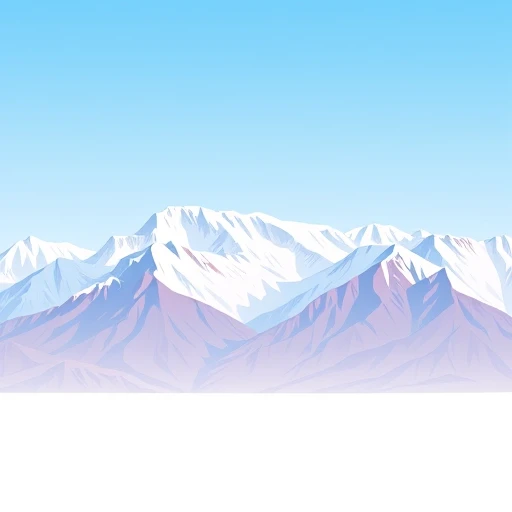
The rugged landscape of afghanistan has shaped its history as a crossroads of civilizations.
In everyday conversation, the word might come up when discussing world news, geography, or literature. For instance, many English speakers became more familiar with the nuances of life in Afghanistan through popular novels like 'The Kite Runner'. The term is also central to discussions about the 'Great Game', a 19th-century diplomatic and military confrontation between the British Empire and the Russian Empire over Central Asian territories. Using the word 'Afghanistan' today requires an awareness of its complex modern history, including the various periods of monarchy, republic, and the current governance under the Taliban. It is not just a geographical label but a symbol of endurance and the intersection of diverse linguistic and religious traditions. The linguistic landscape is dominated by Dari and Pashto, both of which are Indo-European languages, reflecting the deep historical roots of the people inhabiting this land.
Many humanitarian organizations are working to provide aid to the people of afghanistan.
Furthermore, the word is used in academic circles to study the 'Graveyard of Empires' phenomenon, where various global powers have struggled to maintain control over the territory due to its difficult terrain and the fierce independence of its people. This historical narrative is a common theme in political science and history lectures. The word also appears in culinary discussions, as Afghan cuisine, with its unique blend of flavors from neighboring regions, gains popularity worldwide. From the aromatic Kabuli Palaw to the traditional Mantu, the name 'Afghanistan' is associated with a rich culinary heritage that uses spices like saffron and cardamom. In summary, the word is a multifaceted term that encompasses geography, history, culture, and current events, making it a staple of global vocabulary.
- Historical Significance
- Afghanistan was a key node on the ancient Silk Road, connecting China to the Mediterranean.
The ancient city of Herat in afghanistan was once a center of intellectual and artistic life.
Scholars continue to study the archaeological sites found throughout afghanistan.
- Linguistic Diversity
- While Dari and Pashto are official, dozens of other languages are spoken across Afghanistan.
The diverse ethnic groups in afghanistan contribute to its vibrant cultural tapestry.
Using 'Afghanistan' in a sentence is relatively straightforward as it functions as a proper noun. However, the context determines how it interacts with other parts of speech. Most commonly, it acts as the subject or object of a sentence. For example, 'Afghanistan is a landlocked country' uses it as the subject. In 'I want to learn more about Afghanistan', it serves as the object of the preposition 'about'. Because it is a country name, it typically does not take an article (like 'the') unless it is part of a larger title or a specific historical reference, though even then, 'the Afghanistan' is incorrect in modern English. Instead, you might say 'the government of Afghanistan' or 'the mountains of Afghanistan'. It is important to distinguish between the country name and the adjective 'Afghan', which describes people or things from there, and 'Afghani', which refers to the currency. Using these correctly ensures clarity and precision in your writing and speech.
- Subject Position
- Afghanistan has a long and complex history that spans millennia.
- Object Position
- The international community has focused its attention on Afghanistan recently.
Traveling to afghanistan requires careful planning and awareness of the current situation.
In more complex sentence structures, 'Afghanistan' can be part of a relative clause or a conditional statement. For instance, 'If Afghanistan achieves lasting peace, it could become a hub for regional trade.' Here, the word is the subject of the conditional clause. In academic writing, you might see it used in possessive forms, such as 'Afghanistan's natural resources are vast but largely untapped.' Note the use of the apostrophe-s to show possession. When discussing historical periods, you might use it with modifiers: 'Post-war Afghanistan faces many challenges.' This demonstrates how the word can be adapted to describe specific eras or conditions. It is also frequently paired with verbs like 'border', 'situate', 'locate', and 'govern'. For example, 'Afghanistan borders six other countries, including Pakistan and Iran.' This usage highlights its geographical relationships.
The history of afghanistan is often taught in world history courses.
Furthermore, 'Afghanistan' is often used in the context of international agreements and treaties. Sentences like 'The treaty was signed by the representative of Afghanistan' are common in formal documents. In journalism, you will often find it at the beginning of a lead sentence to establish the setting: 'In Afghanistan, the arrival of winter brings difficult conditions for many families.' This use of a prepositional phrase at the start of a sentence is a common stylistic choice to provide immediate context. Whether you are writing a simple descriptive sentence or a complex analytical one, 'Afghanistan' remains a stable and essential noun. Its usage is consistent across different registers of English, from the very formal language of diplomacy to the informal tone of a travel blog. Understanding these patterns helps in constructing clear and grammatically correct sentences that respect the identity of the nation.
- Possessive Form
- Afghanistan's capital, Kabul, is a city with a population of millions.
The future of afghanistan depends on many internal and external factors.
Researchers are exploring the biodiversity found in the remote areas of afghanistan.
- Prepositional Phrases
- The mountains in Afghanistan are among the highest in the world.
Education is a key priority for the youth in afghanistan.
The word 'Afghanistan' is a frequent staple in global news broadcasts, appearing almost daily in reports from major outlets like the BBC, CNN, and Al Jazeera. You will hear it in the context of political developments, humanitarian updates, and regional security briefings. News anchors often begin segments with phrases like 'Turning now to the situation in Afghanistan...' or 'Recent reports from Afghanistan suggest...'. This makes it one of the most recognized country names in the English-speaking world, regardless of one's geographical knowledge. Beyond the news, you will encounter the word in documentary films that explore the country's breathtaking landscapes, its ancient history, or the lives of its people. Filmmakers often use the name to set a scene of rugged beauty and historical depth. In academic settings, specifically in history and political science departments, 'Afghanistan' is a central topic of discussion regarding the Cold War, the Silk Road, and modern conflict studies.
- News Media
- Broadcasters frequently use the word when reporting on international affairs and regional stability.
- Documentaries
- Nature and history documentaries often feature Afghanistan's unique geography and heritage.
'The report highlights the ongoing challenges faced by the people of afghanistan,' the news anchor stated.
In literature and the arts, the word 'Afghanistan' is often used to establish a powerful setting. Authors like Khaled Hosseini have brought the name into millions of homes through best-selling novels, where the country is not just a backdrop but a character in itself. In these contexts, you hear the word associated with themes of family, exile, and homecoming. You might also hear it in the music world, particularly when artists discuss global peace or when traditional Afghan musicians perform on international stages. In humanitarian circles, the word is spoken with a sense of urgency and commitment, as NGO workers and UN officials discuss aid delivery and development projects. Whether it is in a high-level diplomatic meeting in Geneva or a classroom in London, the word 'Afghanistan' is used to refer to a place of significant global interest and concern. Its presence in the public consciousness is sustained by its pivotal role in 21st-century history.
In the documentary, the narrator describes the ancient traditions still practiced in afghanistan.
Furthermore, you might hear the word in casual conversations when people discuss travel (though currently less common due to safety concerns) or when they meet someone of Afghan descent. It is a word that prompts questions about culture, food, and language. In the world of sports, particularly cricket, 'Afghanistan' is heard more and more as their national team has made remarkable strides on the international stage, competing in World Cups and gaining fans worldwide. This has added a new, more positive dimension to how the word is heard in the media. From the intense discussions of political analysts to the excited cheers of cricket fans, the word 'Afghanistan' resonates across a wide spectrum of human activity. It is a name that demands attention and evokes a wide range of emotions and associations, reflecting its complex and enduring presence in the global community.
- Literature
- Modern novels have played a huge role in introducing the culture of Afghanistan to a global audience.
'I have always wanted to see the historic sites of afghanistan,' the student remarked.
The cricket match between afghanistan and Australia was highly anticipated.
- Sports
- The rise of the Afghanistan national cricket team is a popular story in international sports.
The conference focused on the economic reconstruction of afghanistan.
One of the most frequent mistakes learners make is confusing the country name 'Afghanistan' with the adjective 'Afghan' or the currency 'Afghani'. It is common to hear people say 'He is an Afghani' when they mean 'He is an Afghan'. In English, 'Afghan' is the correct term for a person from Afghanistan or for describing things related to the country (e.g., Afghan food, Afghan history). 'Afghani' refers specifically to the unit of currency used in the country. Another common error is the use of the definite article 'the' before the name. While some countries like 'the United States' or 'the Netherlands' require it, 'Afghanistan' does not. Saying 'I am going to the Afghanistan' is grammatically incorrect. Additionally, spelling can be a challenge; learners sometimes forget the 'h' after the 'g' or misplace the vowels. Ensuring the 'fgh' sequence is correct is key to proper spelling.
- Afghan vs. Afghani
- Use 'Afghan' for people and culture; use 'Afghani' for the money.
- The Article 'The'
- Do not use 'the' before Afghanistan. Correct: 'Life in Afghanistan'. Incorrect: 'Life in the Afghanistan'.
Correct: I love afghanistan's traditional music. Incorrect: I love the Afghanistan's traditional music.
Pronunciation also presents hurdles. The 'gh' in Afghanistan is often pronounced as a hard 'g' in English, but in the original languages (Dari and Pashto), it is a voiced velar fricative, similar to the French 'r'. While English speakers aren't expected to use the native pronunciation, over-emphasizing the 'g' or making it sound like 'af-gan-is-tan' with a very flat 'a' can sound unnatural. The first 'a' is usually short, like in 'cat', and the 'stan' at the end is often pronounced with a schwa-like sound or a short 'a'. Misplacing the stress is another mistake; the primary stress should be on the third syllable: af-ghan-i-STAN. Another conceptual mistake is referring to Afghanistan as being in the Middle East. While it has strong cultural and religious ties to the Middle East, geographically it is firmly in South/Central Asia. Correctly identifying its region is important for accuracy in geography and political discussions.
Correct: He paid fifty afghanis for the bread. (Referring to currency).
Finally, learners sometimes over-generalize the term 'Afghanistan' to mean only a place of conflict. While the country has faced significant challenges, using the word solely in a negative context ignores its rich 5,000-year history, its contribution to the arts, and its diverse geography. In writing, avoid using 'Afghanistan' as a synonym for 'war zone'. Instead, use specific language to describe the situation. Also, be careful with the plural. You would almost never say 'Afghanistans' unless you were speaking metaphorically about multiple versions of the country's future or history. Stick to the singular proper noun. By avoiding these common pitfalls—distinguishing between Afghan and Afghani, omitting 'the', perfecting the spelling and stress, and being geographically and contextually accurate—you will use the word 'Afghanistan' with the precision and respect it deserves.
- Spelling Check
- A-F-G-H-A-N-I-S-T-A-N. Don't forget the 'h'!
Correct: afghanistan is in Central Asia. Incorrect: Afghanistan is in the Middle East.
Many people in afghanistan speak more than one language.
- Regional Accuracy
- Afghanistan is technically part of South Asia and Central Asia.
The cultural heritage of afghanistan is protected by international law.
While 'Afghanistan' is a unique proper noun for a specific country, there are several related terms and alternatives used depending on the context. In a geographical sense, you might hear 'The Islamic Emirate of Afghanistan', which is the official name used by the current government. In historical texts, the region was often referred to as 'Khorasan', a term that covered a much larger area including parts of modern-day Iran, Turkmenistan, and Uzbekistan. Using 'Khorasan' today usually implies a historical or poetic context. Another alternative in geopolitical discussions is 'The Heart of Asia', a phrase popularized by the 'Heart of Asia-Istanbul Process' to emphasize the country's central role in regional connectivity. When discussing the region broadly, people might use 'Central Asia' or 'South Asia', though these are categories that include many other countries and are not direct synonyms for Afghanistan itself.
- Khorasan
- A historical name for the region, often used in literature and history.
- Heart of Asia
- A metaphorical and geopolitical term highlighting its central location.
Historically, much of what we now call afghanistan was part of the Greater Khorasan region.
In terms of adjectives, 'Afghan' is the primary word used to describe anything related to the country. However, sometimes more specific ethnic terms are used as alternatives when the speaker wants to be more precise. For example, instead of saying 'Afghan culture', one might say 'Pashtun culture' or 'Tajik traditions' to specify which group they are referring to. This is an important distinction because Afghanistan is a multi-ethnic state. In political science, the term 'buffer state' was historically used to describe Afghanistan's role between the Russian and British empires. While not a name for the country, it is a functional alternative used in specific academic contexts. Another term you might encounter is 'Landlocked nation', which describes its geographical status. While many countries are landlocked, in the context of Asian regional studies, this often points toward Afghanistan's specific economic and logistical challenges.
The 'Heart of Asia' conference discussed the stability of afghanistan.
When comparing 'Afghanistan' to its neighbors, terms like 'The Stans' are sometimes used informally to refer to the group of Central Asian countries (Kazakhstan, Uzbekistan, etc.). However, this is quite informal and can sometimes be seen as reductive or dismissive, so it should be used with caution. In formal writing, always use the specific name of the country. Another related term is 'Transoxiana', which refers to the region north of the Amu Darya river, including parts of northern Afghanistan. This is mostly used in ancient history and archaeology. Understanding these alternatives helps in navigating different types of texts, from ancient history books to modern political reports. While 'Afghanistan' remains the most common and necessary term, knowing its historical and regional synonyms provides a deeper understanding of the country's identity and its place in the world.
- The Islamic Emirate
- The official name used by the current governing body of the country.
The Silk Road once flourished through the valleys of afghanistan.
The term 'buffer state' was a 19th-century way of describing afghanistan.
- Landlocked Nation
- A geographical descriptor often applied to Afghanistan due to its lack of sea access.
The diverse regions of afghanistan each have their own unique dialects.
How Formal Is It?
""
""
""
""
""
Fun Fact
The name 'Afghanistan' only became the official name of the entire country in the mid-18th century under Ahmad Shah Durrani. Before that, parts of it were known by various names like Aryana or Khorasan. The 'Graveyard of Empires' nickname was popularized much later by Western writers.
Pronunciation Guide
- Pronouncing the 'gh' as a very hard 'g' (it should be slightly softer).
- Putting the stress on the first syllable: AF-ghan-istan.
- Forgetting the 'h' sound after the 'g'.
- Pronouncing the 'i' as a long 'ee' sound.
- Making the 'stan' sound like 'stain'.
Difficulty Rating
Easy to recognize in texts but context can be complex.
Spelling (the 'gh') and capitalization are key.
Correct syllable stress is often missed by learners.
Commonly heard in news, making it easy to identify.
What to Learn Next
Prerequisites
Learn Next
Advanced
Grammar to Know
Proper Nouns
Always capitalize 'Afghanistan'.
Zero Article with Countries
Say 'I live in Afghanistan', not 'the Afghanistan'.
Possessive Proper Nouns
Use 'Afghanistan's' for possession.
Adjective vs. Noun
Use 'Afghan' as an adjective and 'Afghanistan' as a noun.
Prepositions of Place
Use 'in' for the country and 'to' for movement toward it.
Examples by Level
Afghanistan is a country in Asia.
Afghanistan est un pays en Asie.
Proper noun, no article.
Kabul is in Afghanistan.
Kaboul est en Afghanistan.
Use 'in' for countries.
Afghanistan is very big.
L'Afghanistan est très grand.
Subject + is + adjective.
I want to see Afghanistan.
Je veux voir l'Afghanistan.
Object of the verb 'see'.
The flag of Afghanistan is colorful.
Le drapeau de l'Afghanistan est coloré.
Possessive 'of'.
Afghanistan has many mountains.
L'Afghanistan a beaucoup de montagnes.
Subject + has + object.
Is Afghanistan far from here?
L'Afghanistan est-il loin d'ici ?
Question form.
My teacher talked about Afghanistan.
Mon professeur a parlé de l'Afghanistan.
Object of preposition 'about'.
Afghanistan is a landlocked country with no sea.
L'Afghanistan est un pays enclavé sans mer.
Using 'landlocked' as an adjective.
The people of Afghanistan are very hospitable.
Le peuple afghan est très hospitalier.
Collective noun 'people of'.
I am learning about the history of Afghanistan.
J'apprends l'histoire de l'Afghanistan.
Present continuous tense.
Afghanistan has a very diverse culture.
L'Afghanistan a une culture très diversifiée.
Adjective 'diverse' modifying 'culture'.
It is often cold in Afghanistan during winter.
Il fait souvent froid en Afghanistan pendant l'hiver.
Adverb of frequency 'often'.
Afghanistan borders several other countries.
L'Afghanistan est frontalier de plusieurs autres pays.
Verb 'borders' used with a direct object.
Many ancient cities are located in Afghanistan.
De nombreuses villes anciennes sont situées en Afghanistan.
Passive voice 'are located'.
Have you ever been to Afghanistan?
Êtes-vous déjà allé en Afghanistan ?
Present perfect for experience.
Afghanistan has been at the center of trade for centuries.
L'Afghanistan est au centre du commerce depuis des siècles.
Present perfect continuous for duration.
The rugged terrain of Afghanistan makes travel difficult.
Le terrain accidenté de l'Afghanistan rend les déplacements difficiles.
Subject-verb agreement with 'terrain'.
Afghanistan's strategic location is known as the 'Heart of Asia'.
La situation stratégique de l'Afghanistan est connue sous le nom de « Cœur de l'Asie ».
Possessive 's.
Many non-profit organizations operate within Afghanistan.
De nombreuses organisations à but non lucratif opèrent en Afghanistan.
Preposition 'within'.
The cultural heritage of Afghanistan is being preserved by experts.
Le patrimoine culturel de l'Afghanistan est préservé par des experts.
Present continuous passive.
Afghanistan is famous for its beautiful hand-woven carpets.
L'Afghanistan est célèbre pour ses magnifiques tapis tissés à la main.
Adjective phrase 'famous for'.
The political situation in Afghanistan is often in the news.
La situation politique en Afghanistan fait souvent la une des journaux.
Compound subject 'political situation'.
If you visit Afghanistan, you will see stunning landscapes.
Si vous visitez l'Afghanistan, vous verrez des paysages époustouflants.
First conditional.
Afghanistan's history is intertwined with the rise and fall of empires.
L'histoire de l'Afghanistan est étroitement liée à l'ascension et à la chute des empires.
Passive voice with 'intertwined'.
The reconstruction of Afghanistan requires significant international support.
La reconstruction de l'Afghanistan nécessite un soutien international important.
Noun 'reconstruction' followed by 'of'.
Afghanistan has a rich tradition of oral storytelling and poetry.
L'Afghanistan possède une riche tradition de contes oraux et de poésie.
Complex noun phrase.
The linguistic diversity in Afghanistan is a reflection of its history.
La diversité linguistique en Afghanistan est le reflet de son histoire.
Subject-complement structure.
Scholars often debate the geopolitical importance of Afghanistan.
Les chercheurs débattent souvent de l'importance géopolitique de l'Afghanistan.
Verb 'debate' with a complex object.
Afghanistan's climate varies greatly between the mountains and the plains.
Le climat de l'Afghanistan varie considérablement entre les montagnes et les plaines.
Verb 'varies' with an adverb.
The resilience of the people in Afghanistan is truly remarkable.
La résilience du peuple afghan est vraiment remarquable.
Abstract noun 'resilience'.
Despite its challenges, Afghanistan remains a country of great potential.
Malgré ses défis, l'Afghanistan reste un pays au grand potentiel.
Prepositional phrase 'Despite its challenges'.
The intricate social fabric of Afghanistan is composed of numerous ethnic groups.
Le tissu social complexe de l'Afghanistan est composé de nombreux groupes ethniques.
Metaphorical use of 'social fabric'.
Afghanistan's role as a buffer state during the Great Game is well-documented.
Le rôle de l'Afghanistan en tant qu'État tampon pendant le Grand Jeu est bien documenté.
Appositive phrase 'as a buffer state'.
The sheer scale of the mountains in Afghanistan is awe-inspiring.
L'ampleur même des montagnes en Afghanistan est impressionnante.
Emphasis with 'sheer scale'.
Efforts to stabilize Afghanistan must account for regional dynamics.
Les efforts de stabilisation de l'Afghanistan doivent tenir compte des dynamiques régionales.
Modal 'must' with 'account for'.
Afghanistan's contribution to Islamic art and architecture is profound.
La contribution de l'Afghanistan à l'art et à l'architecture islamiques est profonde.
Adjective 'profound' as a complement.
The narrative of Afghanistan in Western media is often oversimplified.
Le récit de l'Afghanistan dans les médias occidentaux est souvent trop simplifié.
Passive voice with 'oversimplified'.
To understand modern Afghanistan, one must look back at the 19th century.
Pour comprendre l'Afghanistan moderne, il faut se pencher sur le XIXe siècle.
Infinitive of purpose.
Afghanistan's biodiversity includes several species found nowhere else on Earth.
La biodiversité de l'Afghanistan comprend plusieurs espèces que l'on ne trouve nulle part ailleurs sur Terre.
Relative clause 'found nowhere else'.
The geopolitical tectonic plates of Eurasia often shift around the fulcrum of Afghanistan.
Les plaques tectoniques géopolitiques de l'Eurasie se déplacent souvent autour du pivot de l'Afghanistan.
Metaphorical and advanced vocabulary.
Afghanistan's historical trajectory has been profoundly shaped by its rugged topography.
La trajectoire historique de l'Afghanistan a été profondément façonnée par sa topographie accidentée.
Perfect passive with 'profoundly shaped'.
The multifaceted identity of Afghanistan defies easy categorization by outside observers.
L'identité multiforme de l'Afghanistan défie toute catégorisation facile par les observateurs extérieurs.
Verb 'defies' with an abstract object.
The enduring legacy of the Silk Road is still palpable in the bazaars of Afghanistan.
L'héritage durable de la Route de la Soie est encore palpable dans les bazars de l'Afghanistan.
Adjective 'palpable' used metaphorically.
Any analysis of Afghanistan must grapple with the complexities of its tribal governance.
Toute analyse de l'Afghanistan doit se colleter avec les complexités de sa gouvernance tribale.
Phrasal verb 'grapple with'.
Afghanistan serves as a poignant reminder of the limits of foreign intervention.
L'Afghanistan est un rappel poignant des limites de l'intervention étrangère.
Noun phrase 'poignant reminder'.
The literary output from Afghanistan offers a window into the soul of the nation.
La production littéraire de l'Afghanistan offre une fenêtre sur l'âme de la nation.
Metaphorical 'window into the soul'.
Afghanistan's quest for sovereignty has been a central theme of its modern era.
La quête de souveraineté de l'Afghanistan a été un thème central de son ère moderne.
Present perfect 'has been'.
Common Collocations
Common Phrases
Heart of Asia
Graveyard of Empires
The Great Game
Land of the Afghans
Post-war Afghanistan
Rural Afghanistan
Ancient Afghanistan
The mountains of the Hindu Kush
Humanitarian crisis in Afghanistan
Crossroads of civilizations
Often Confused With
Afghan is the adjective or the noun for a person. Afghanistan is the country.
Afghani is the currency. Do not use it to refer to the people or the country.
An informal and sometimes reductive term for the region including Afghanistan.
Idioms & Expressions
"To be the heart of Asia"
To be in a central, strategic position that affects everything around it.
Because of its location, Afghanistan will always be the heart of Asia.
Geopolitical"Graveyard of empires"
A place where powerful entities go to fail or meet their end.
The company's attempt to enter the competitive market became its graveyard of empires.
Metaphorical"The Great Game"
A complex, high-stakes political or diplomatic struggle.
The tech giants are engaged in a modern Great Game for market dominance.
Metaphorical"Crossroads of history"
A place or time where many important events and cultures meet.
The city stood at the crossroads of history for centuries.
Literary"Between the mountains"
To be in a difficult, isolated, or protected position.
The village lived peacefully between the mountains for generations.
Descriptive"Silk Road connection"
To have a history of trade and cultural exchange.
The city's Silk Road connection is evident in its diverse architecture.
Historical"Landlocked mindset"
A perspective that is focused inward due to lack of external access (rare).
The country needs to overcome its landlocked mindset to grow.
Analytical"Afghan hospitality"
A legendary level of kindness and generosity toward guests.
We were overwhelmed by the traditional Afghan hospitality during our stay.
Cultural"The Afghan way"
Doing things according to the specific traditions and customs of Afghanistan.
They resolved the dispute the Afghan way, through a council of elders.
Informal"Rugged as the Hindu Kush"
Extremely tough, resilient, or difficult to navigate.
The old explorer was as rugged as the Hindu Kush.
SimileEasily Confused
Both refer to the same nation.
Afghan is an adjective or a person; Afghanistan is the country name.
She is an Afghan (person) from Afghanistan (country).
Similar sound and root.
Afghani is only for the currency (money).
I exchanged my dollars for Afghanis.
Neighboring country with the same suffix.
Different countries with different histories and cultures.
Afghanistan borders Pakistan to the east.
Same suffix '-stan'.
Kurdistan is a geo-cultural region, not a sovereign country like Afghanistan.
The history of Kurdistan is different from that of Afghanistan.
Historical overlap.
Khorasan is a historical region; Afghanistan is the modern nation-state.
Ancient Khorasan included parts of modern Afghanistan.
Sentence Patterns
Afghanistan is [adjective].
Afghanistan is beautiful.
Kabul is the capital of Afghanistan.
Kabul is the capital of Afghanistan.
Afghanistan is known for [noun phrase].
Afghanistan is known for its high mountains.
The people of Afghanistan speak [language].
The people of Afghanistan speak Dari and Pashto.
Located at the crossroads of [region], Afghanistan is [adjective].
Located at the crossroads of Asia, Afghanistan is strategically important.
Afghanistan's history has been [verb participle] by [noun].
Afghanistan's history has been shaped by its geography.
The narrative surrounding Afghanistan often [verb] [noun phrase].
The narrative surrounding Afghanistan often overlooks its cultural richness.
Grappling with the complexities of Afghanistan requires [noun phrase].
Grappling with the complexities of Afghanistan requires deep historical knowledge.
Word Family
Nouns
Adjectives
Related
How to Use It
Very high in news and academic contexts.
-
I am from the Afghanistan.
→
I am from Afghanistan.
Country names like Afghanistan do not take the definite article 'the'.
-
He is an Afghani.
→
He is an Afghan.
'Afghani' is the currency; 'Afghan' is the noun for a person.
-
The Afghanistan food is good.
→
Afghan food is good.
Use the adjective 'Afghan' to describe things from the country, not the country name itself.
-
Afghanistan is in Middle East.
→
Afghanistan is in Central Asia.
While culturally related, Afghanistan is geographically in Central/South Asia.
-
I visited Afganistan.
→
I visited Afghanistan.
The correct spelling includes an 'h' after the 'g'.
Tips
Capitalization
Always capitalize the 'A' in Afghanistan because it is a proper noun. This is a basic but essential rule for all country names in English.
Afghan vs. Afghani
Remember that 'Afghan' is for people and 'Afghani' is for money. This is one of the most common mistakes made by English learners and even native speakers.
Syllable Stress
Focus on the last syllable: af-ghan-i-STAN. Putting the stress in the right place makes your pronunciation sound much more natural and clear.
Landlocked
When describing Afghanistan, the word 'landlocked' is very useful. It explains why the country has no coast and why its history is so tied to its neighbors.
The 'gh' sound
Don't forget the 'h' after the 'g'. The spelling is A-F-G-H-A-N-I-S-T-A-N. Practicing the spelling a few times will help you remember the 'fgh' sequence.
Diversity
When talking about Afghanistan, acknowledge its ethnic diversity. Using terms like 'multi-ethnic' shows a deeper understanding of the country's social structure.
News Awareness
Because Afghanistan is often in the news, pay attention to how reporters use the word. This will give you real-world examples of its usage in formal English.
Avoid 'The'
Never say 'the Afghanistan'. Just use the name alone. For example: 'I am interested in Afghanistan's history.' This is a key grammatical point.
The Silk Road
Associating Afghanistan with the Silk Road is a great way to remember its historical importance as a center of trade and cultural exchange.
Proper Noun Usage
Treat 'Afghanistan' like any other country name. It doesn't change form based on its position in the sentence, making it easy to use once you know the name.
Memorize It
Mnemonic
Think of a 'Fan' (Af-ghan) standing in a 'Stan' (land). Afghan-i-stan. The 'h' is silent but important, like a ghost in the mountains.
Visual Association
Imagine a high, snowy mountain peak (the Hindu Kush) with a flag planted on top. The flag represents the 'stan' (land) and the mountain represents the 'Afghan' (rugged people).
Word Web
Challenge
Try to say 'Afghanistan' five times fast while focusing on the stress at the end. Then, write a sentence using 'Afghanistan' and 'Afghan' correctly.
Word Origin
The name 'Afghanistan' is a combination of 'Afghan' and the Persian suffix '-stan'. The term 'Afghan' has been used for centuries to refer to the Pashtun people, the largest ethnic group in the country. The suffix '-stan' is common in Indo-Iranian languages and means 'place of' or 'land of'.
Original meaning: Land of the Afghans (specifically referring to the Pashtun tribes).
Indo-European (Persian/Pashto influence).Cultural Context
Be respectful when discussing politics or religion. Avoid stereotypes about conflict and focus on the country's rich heritage.
In the West, Afghanistan is often associated with the 'War on Terror' and the 'Kite Runner' novel.
Practice in Real Life
Real-World Contexts
Geography Class
- Where is Afghanistan?
- What are the borders of Afghanistan?
- The mountains in Afghanistan.
- Afghanistan is landlocked.
News/Politics
- The situation in Afghanistan.
- Reports from Afghanistan.
- The government of Afghanistan.
- International aid to Afghanistan.
History Discussion
- The history of Afghanistan.
- Ancient Afghanistan.
- The Silk Road in Afghanistan.
- The Great Game in Afghanistan.
Travel/Culture
- Visiting Afghanistan.
- Afghan culture and traditions.
- Food from Afghanistan.
- The beauty of Afghanistan.
Humanitarian Work
- Aid projects in Afghanistan.
- Supporting the people of Afghanistan.
- Education in Afghanistan.
- NGOs in Afghanistan.
Conversation Starters
"Have you ever read any books by authors from Afghanistan?"
"What do you know about the history of Afghanistan and the Silk Road?"
"Did you see the recent news about the situation in Afghanistan?"
"Would you ever like to visit the mountains of Afghanistan if it were safe?"
"What are some famous cultural traditions from Afghanistan that you know?"
Journal Prompts
Write about why Afghanistan's location is called the 'Heart of Asia'.
Reflect on how the history of Afghanistan has shaped its modern identity.
Imagine you are a traveler on the ancient Silk Road passing through Afghanistan. What do you see?
Discuss the importance of preserving the cultural heritage of Afghanistan.
How does the geography of Afghanistan (mountains, landlocked) affect its economy?
Frequently Asked Questions
10 questionsGeographically, Afghanistan is in South-Central Asia, not the Middle East. However, it shares many cultural and religious ties with Middle Eastern countries, which is why people often confuse the two. It is bordered by Iran to the west and Pakistan to the east.
The capital of Afghanistan is Kabul. It is the largest city in the country and serves as the economic and cultural hub. Kabul has a long history and is located in a valley surrounded by mountains.
The two official languages are Dari (a variety of Persian) and Pashto. Dari is often used as a lingua franca among different ethnic groups. Many other languages like Uzbek, Turkmen, and Balochi are also spoken throughout the country.
This nickname comes from the fact that many powerful empires, including the British, the Soviets, and most recently the United States, have struggled to maintain control over the country. The difficult terrain and the resistance of the local population are often cited as reasons.
No, 'Afghani' refers to the currency. The correct word for a person from Afghanistan is 'Afghan'. For example, you would say 'My friend is an Afghan' or 'I love Afghan food'.
No, Afghanistan is a landlocked country. This means it is entirely surrounded by land and has no direct access to an ocean or sea. This geography significantly impacts its trade and economy.
The most famous mountain range is the Hindu Kush. It stretches across the center of the country and includes some of the highest peaks in the world. These mountains have historically provided protection and isolation for different groups.
The currency is called the Afghani. It is important not to confuse this word with the name of the people (Afghan) or the country (Afghanistan).
The vast majority of the population in Afghanistan practices Islam. It is a central part of the country's culture, laws, and daily life. Most Afghans are Sunni Muslims, with a significant Shia minority.
Some popular dishes include Kabuli Palaw (rice with lamb and carrots), Mantu (dumplings), and various types of kebabs. Afghan cuisine is known for its rich flavors and use of spices like saffron and cardamom.
Test Yourself 200 questions
Write three sentences describing the geography of Afghanistan.
Well written! Good try! Check the sample answer below.
Explain the difference between 'Afghan' and 'Afghani'.
Well written! Good try! Check the sample answer below.
Write a short paragraph about the historical importance of the Silk Road in Afghanistan.
Well written! Good try! Check the sample answer below.
Discuss why Afghanistan is called the 'Heart of Asia'.
Well written! Good try! Check the sample answer below.
Write a letter to a friend describing a fictional trip to Kabul.
Well written! Good try! Check the sample answer below.
Analyze the impact of being landlocked on Afghanistan's economy.
Well written! Good try! Check the sample answer below.
Describe the cultural significance of Afghan hospitality.
Well written! Good try! Check the sample answer below.
Write a summary of the 'Great Game' and its effect on Afghanistan.
Well written! Good try! Check the sample answer below.
Discuss the challenges of building infrastructure in a mountainous country like Afghanistan.
Well written! Good try! Check the sample answer below.
Write a poem or a short story set in the Hindu Kush mountains.
Well written! Good try! Check the sample answer below.
Compare the climate of Afghanistan's mountains with its plains.
Well written! Good try! Check the sample answer below.
Explain the role of Dari and Pashto in Afghan society.
Well written! Good try! Check the sample answer below.
Write a news report about a cultural festival in Herat.
Well written! Good try! Check the sample answer below.
Discuss the importance of international aid for Afghanistan.
Well written! Good try! Check the sample answer below.
Write a review of a book or movie about Afghanistan.
Well written! Good try! Check the sample answer below.
Analyze the 'Graveyard of Empires' narrative. Is it accurate?
Well written! Good try! Check the sample answer below.
Describe the traditional Afghan dish, Kabuli Palaw.
Well written! Good try! Check the sample answer below.
Write about the resilience of the Afghan people in the face of conflict.
Well written! Good try! Check the sample answer below.
Discuss the biodiversity found in the remote regions of Afghanistan.
Well written! Good try! Check the sample answer below.
Explain how Afghanistan connects Central Asia and South Asia.
Well written! Good try! Check the sample answer below.
Pronounce 'Afghanistan' correctly, focusing on the last syllable.
Read this aloud:
You said:
Speech recognition is not supported in your browser. Try Chrome or Edge.
Describe Afghanistan in three words.
Read this aloud:
You said:
Speech recognition is not supported in your browser. Try Chrome or Edge.
Tell a partner where Afghanistan is located on a map.
Read this aloud:
You said:
Speech recognition is not supported in your browser. Try Chrome or Edge.
Talk for one minute about why Afghanistan is historically important.
Read this aloud:
You said:
Speech recognition is not supported in your browser. Try Chrome or Edge.
Explain the meaning of 'landlocked' using Afghanistan as an example.
Read this aloud:
You said:
Speech recognition is not supported in your browser. Try Chrome or Edge.
Discuss the challenges of traveling in a mountainous country.
Read this aloud:
You said:
Speech recognition is not supported in your browser. Try Chrome or Edge.
Give a short presentation on the culture of Afghanistan.
Read this aloud:
You said:
Speech recognition is not supported in your browser. Try Chrome or Edge.
Debate the pros and cons of Afghanistan's strategic location.
Read this aloud:
You said:
Speech recognition is not supported in your browser. Try Chrome or Edge.
Describe a traditional Afghan dish you would like to try.
Read this aloud:
You said:
Speech recognition is not supported in your browser. Try Chrome or Edge.
Talk about the significance of the Silk Road today.
Read this aloud:
You said:
Speech recognition is not supported in your browser. Try Chrome or Edge.
Explain the nickname 'Graveyard of Empires'.
Read this aloud:
You said:
Speech recognition is not supported in your browser. Try Chrome or Edge.
Discuss the importance of education for the future of Afghanistan.
Read this aloud:
You said:
Speech recognition is not supported in your browser. Try Chrome or Edge.
Describe the flag of Afghanistan and what its colors represent.
Read this aloud:
You said:
Speech recognition is not supported in your browser. Try Chrome or Edge.
Talk about a famous person from or related to Afghanistan.
Read this aloud:
You said:
Speech recognition is not supported in your browser. Try Chrome or Edge.
Explain how geography influences culture in Afghanistan.
Read this aloud:
You said:
Speech recognition is not supported in your browser. Try Chrome or Edge.
Discuss the role of the international community in Afghanistan.
Read this aloud:
You said:
Speech recognition is not supported in your browser. Try Chrome or Edge.
Describe the landscape of the Hindu Kush mountains.
Read this aloud:
You said:
Speech recognition is not supported in your browser. Try Chrome or Edge.
Talk about the resilience of people living in conflict zones.
Read this aloud:
You said:
Speech recognition is not supported in your browser. Try Chrome or Edge.
Explain the difference between Dari and Pashto.
Read this aloud:
You said:
Speech recognition is not supported in your browser. Try Chrome or Edge.
Summarize a news story you heard about Afghanistan.
Read this aloud:
You said:
Speech recognition is not supported in your browser. Try Chrome or Edge.
Listen to a short clip and identify the country being discussed.
Listen to a description of Kabul and write down two landmarks mentioned.
Listen to a news report and identify the main topic (e.g., economy, aid).
Listen to a story about the Silk Road and note the goods traded in Afghanistan.
Listen to an interview with an Afghan artist and summarize their work.
Listen to a lecture on the 'Great Game' and identify the key dates.
Listen to a weather report for Afghanistan and note the temperature in Kabul.
Listen to a discussion about Afghan hospitality and list three examples.
Listen to a poem by Rumi and describe the mood.
Listen to a humanitarian briefing and identify the priority needs.
Listen to a description of the Hindu Kush and note its highest peak.
Listen to a conversation about Afghan food and identify the ingredients of Mantu.
Listen to a sports report about the Afghan cricket team's victory.
Listen to a historical overview of Herat and note its cultural importance.
Listen to an analysis of regional security and Afghanistan's role.
/ 200 correct
Perfect score!
Summary
Afghanistan is a geographically rugged and historically significant landlocked country in Asia. For example, 'The history of Afghanistan is deeply connected to the ancient Silk Road trade routes.'
- Afghanistan is a landlocked country in South-Central Asia known for its mountains.
- It has a strategic location that has made it a historical crossroads for empires.
- The capital is Kabul, and the main languages are Dari and Pashto.
- It is a multi-ethnic nation with a rich cultural heritage in art and literature.
Capitalization
Always capitalize the 'A' in Afghanistan because it is a proper noun. This is a basic but essential rule for all country names in English.
Afghan vs. Afghani
Remember that 'Afghan' is for people and 'Afghani' is for money. This is one of the most common mistakes made by English learners and even native speakers.
Syllable Stress
Focus on the last syllable: af-ghan-i-STAN. Putting the stress in the right place makes your pronunciation sound much more natural and clear.
Landlocked
When describing Afghanistan, the word 'landlocked' is very useful. It explains why the country has no coast and why its history is so tied to its neighbors.