cartridges in 30 Seconds
- Cartridges are modular, replaceable containers used for ink, toner, ammunition, or gases, designed for easy insertion into machines like printers or firearms.
- The term covers a wide range of industries, from office supplies and vintage gaming to medical devices and military hardware, emphasizing convenience.
- Grammatically, 'cartridges' is the plural form of 'cartridge,' often paired with descriptive nouns like 'ink,' 'game,' or 'filter' to specify their use.
- Replacing cartridges is a standard maintenance task in many modern devices, representing a shift toward user-friendly, 'plug-and-play' mechanical designs.
The term cartridges refers to specialized, self-contained units or modules designed to hold specific materials—most commonly ink, toner, gases, or ammunition—for easy insertion into a larger machine or device. The primary function of a cartridge is to provide a convenient, mess-free, and efficient way to reload or replenish a supply. Instead of handling raw materials like loose gunpowder or liquid ink, a user simply swaps out an old cartridge for a new one. This modularity is a hallmark of modern industrial design, emphasizing user-friendliness and precision. In the context of printing, cartridges are the plastic housings that contain the ink or toner powder. In the world of firearms, a cartridge (often called a 'round') is the complete assembly of a casing, primer, propellant, and projectile. In the realm of vintage computing and gaming, cartridges were the primary medium for software distribution, containing ROM chips that the console would read instantly upon insertion.
- Technical Utility
- Cartridges act as a protective barrier for the contents, preventing contamination and ensuring that the internal mechanisms of the host device remain clean and functional.
Historically, the word derives from the French 'cartouche,' which originally referred to a scroll or a decorative frame, and later to the paper casings used to hold gunpowder and shot. This evolution reflects a shift toward standardization. When you hear someone mention cartridges today, they are likely discussing office supplies, but the term is equally relevant in medical fields (such as insulin pen cartridges), environmental science (water filter cartridges), and even hobbyist circles like vaping or fountain pen enthusiasts. The versatility of the cartridge system lies in its ability to be replaced quickly without requiring technical expertise. This 'plug-and-play' nature has made cartridges ubiquitous in both domestic and industrial environments.
The office manager ordered a bulk shipment of black ink cartridges to ensure the printers wouldn't run dry during the busy tax season.
Furthermore, the environmental impact of cartridges has become a significant topic of discussion. Because many cartridges are made of plastic and metal components, they are often designed to be recyclable or refillable. Many companies now offer 'remanufactured' cartridges, which are used units that have been cleaned, repaired, and refilled with new material. This sustainability aspect is a key part of the modern discourse surrounding the word. Whether you are talking about the high-tech cartridges used in 3D printers or the simple cartridges used in a camping stove, the core concept remains the same: a portable, standardized container that makes a complex task simpler for the end user.
- Common Domains
- Information Technology (Printers), Defense (Ammunition), Gaming (Retro Consoles), Medicine (Delivery Systems), and Home Maintenance (Filtration).
Collectors often pay high prices for rare video game cartridges that are still in their original, unopened packaging.
In summary, cartridges represent the intersection of convenience and engineering. They encapsulate the materials we need into a form factor that is easy to handle, store, and utilize. From the click of a pen cartridge to the heavy thud of a toner unit sliding into a photocopier, the word evokes a sense of mechanical readiness and modular efficiency. It is a word that spans centuries of technological progress, evolving from simple paper tubes to sophisticated electronic and chemical delivery systems.
- Etymological Root
- Derived from the Italian 'cartoccio' and French 'cartouche,' meaning a roll of paper.
The laboratory technician carefully loaded the reagent cartridges into the automated analyzer.
During the hike, we used small butane cartridges to power our portable stove for cooking meals.
The museum display featured ancient paper cartridges used by soldiers during the 18th century.
Using the word cartridges correctly requires an understanding of its plural nature and the specific context of the device being used. As a plural noun, it follows standard English grammatical rules for agreement. For example, you would say 'The cartridges are empty' rather than 'is empty.' Because the word applies to so many different fields, it is almost always accompanied by a descriptive adjective or a noun used as an adjective to clarify what kind of cartridge is being discussed. Common pairings include 'ink cartridges,' 'toner cartridges,' 'game cartridges,' 'ammunition cartridges,' and 'filter cartridges.' This specificity is crucial for clear communication, especially in professional or technical settings.
- Verb Pairings
- Common verbs used with cartridges include: insert, replace, eject, load, refill, recycle, and dispose of.
In a sentence, the word often functions as the direct object of an action. For instance, 'She inserted the cartridges into the printer.' It can also serve as the subject: 'The cartridges arrived in a large cardboard box.' When discussing the lifespan of a cartridge, we often use the word 'yield,' as in 'These high-capacity cartridges have a yield of 2,000 pages.' This technical phrasing is common in marketing and product specifications. In more informal settings, such as talking about old video games, you might hear 'Blow on the cartridges to get them to work,' a common (though technically discouraged) practice among fans of 1980s gaming consoles.
Please ensure that the protective tape is removed from the new cartridges before you attempt to install them.
In professional writing, especially in the manufacturing or logistics sectors, the word is used to describe inventory units. 'We need to restock the cartridges for the Model 500 units.' In medical contexts, precision is key: 'The patient was instructed on how to load the insulin cartridges into the delivery device.' Notice how the word 'into' is frequently used to describe the action of placing a cartridge, emphasizing the fit between the container and the machine. Conversely, 'from' is used when removing them: 'He removed the spent cartridges from the chamber.' This directional language helps the reader visualize the mechanical process involved.
- Prepositional Usage
- Use 'in' or 'into' for installation, 'out of' or 'from' for removal, and 'for' to denote compatibility (e.g., 'cartridges for the Epson printer').
The technician noted that the air purification system requires three different types of filter cartridges to operate effectively.
When writing about environmental issues, you might use 'cartridges' in the context of waste management. 'Millions of empty cartridges end up in landfills every year, prompting a push for more robust recycling programs.' Here, the word is used to represent a category of waste. In a more abstract or metaphorical sense, though rare, one might refer to 'cartridges of information' or 'modular cartridges of data,' though this is usually reserved for sci-fi or highly technical computing discussions. Stick to the physical meaning in 99% of cases to ensure clarity.
- Sentence Patterns
- [Subject] + [Verb: replace/load] + [Adjective] + cartridges + [Prepositional Phrase]. Example: 'The user replaced the empty cartridges with genuine manufacturer parts.'
He spent the afternoon cleaning his collection of vintage Atari cartridges with isopropyl alcohol.
The fountain pen came with a pack of blue-black ink cartridges for immediate use.
The automatic rifle was designed to fire high-velocity cartridges with extreme accuracy.
In daily life, the most common place you will hear the word cartridges is in an office or home study environment. When a printer stops working, the first question is often, 'Do we have any spare ink cartridges?' This usage is so common that 'cartridge' has become almost synonymous with 'printer supply.' You will hear it in retail stores like Staples or Best Buy, where aisles are dedicated to various brands and models of cartridges. The language here is very transactional and focused on compatibility: 'Are these cartridges compatible with my HP Envy?' or 'I need the high-yield cartridges for the office copier.'
- Retail Context
- Sales associates often ask, 'Would you like to sign up for our cartridge recycling program?' or 'Are you looking for inkjet or laser cartridges?'
Another significant area where this word is heard is in the world of gaming, particularly among 'retro' gamers. While modern consoles use discs or digital downloads, the 8-bit and 16-bit eras (like the NES, SNES, and Sega Genesis) were defined by cartridges. In this context, the word carries a sense of nostalgia. You might hear someone say, 'I'm looking for rare cartridges at the flea market,' or 'The pins on these cartridges need cleaning.' It evokes a specific tactile experience—the click of the cartridge into the slot—that is absent from modern gaming. This cultural niche keeps the word alive in a way that is distinct from its utilitarian office use.
'I found a box of old Nintendo cartridges in the attic, and surprisingly, they all still work!'
In the military and law enforcement sectors, 'cartridges' is the technically correct term for what many civilians call 'bullets.' A bullet is just the projectile, while the cartridge is the whole package. You will hear this in training sessions, at shooting ranges, and in forensic reports. 'The suspect left several spent cartridges at the scene.' This usage is precise and clinical. Similarly, in the medical field, doctors and nurses use the term when discussing medication delivery. 'The insulin pen uses pre-filled cartridges for easier dosing.' Here, the word is associated with safety, precision, and patient convenience.
- Professional Jargon
- In ballistics, experts discuss 'cartridge casings' and 'rimfire vs. centerfire cartridges.' In medicine, 'reagent cartridges' are used in diagnostic machines.
The forensic investigator carefully labeled the brass cartridges found near the window.
Lastly, you will hear the word in the context of home maintenance and hobbies. If you have a water filtration system, you'll hear about 'replacement filter cartridges.' If you enjoy fountain pens, you'll talk about 'ink cartridges.' If you use a sodastream or a camping stove, you'll hear about 'CO2 cartridges' or 'gas cartridges.' In all these cases, the word signifies a component that is meant to be used up and then replaced. It is a word of the 'consumable' economy, describing the parts of our devices that require regular attention and renewal.
- Hobbyist Terms
- Vapers use 'pod cartridges,' while audiophiles might discuss 'phono cartridges' for record players.
'Don't forget to change the water filter cartridges every six months to keep the water tasting fresh.'
The DJ carefully aligned the needle on the turntable's phono cartridges before the set.
The coffee machine uses specialized espresso cartridges to ensure a perfect brew every time.
One of the most frequent mistakes people make with the word cartridges is confusing it with similar-sounding or related terms like 'canisters,' 'cassettes,' or 'bullets.' While these words all describe containers or units, they are not interchangeable. A 'canister' usually refers to a larger, often cylindrical container for dry goods or gases (like a flour canister or a tear gas canister), whereas a 'cartridge' is specifically designed to be inserted into a mechanism. Using 'canister' when you mean 'printer cartridge' can lead to confusion in technical or retail settings. Similarly, 'cassettes' usually refer to magnetic tape housing (like VHS or audio cassettes), though in some very specific old tech, the terms were used loosely. In modern English, keep them distinct.
- Cartridge vs. Bullet
- A bullet is only the metal projectile. A cartridge is the entire unit (casing, powder, primer, and bullet). Using 'bullet' to describe the whole unit is common in casual speech but technically incorrect in specialized contexts.
Spelling is another common pitfall. The word is often misspelled as 'cartriges' (missing the 'd') or 'cartridges' (with an extra 'e' or 'i' in the wrong place). The 'dge' ending is a common English pattern (like in 'bridge' or 'edge'), but the 't' before it can be tricky for learners. Another error involves the pluralization. Since 'cartridge' ends in an 'e,' the plural simply adds an 's,' but the pronunciation adds an extra syllable (/ˈkɑːr.trɪ.dʒɪz/). Learners often forget to pronounce that final 'iz' sound, making it sound like the singular form. Practice saying 'one cartridge, two cartridges' to get the syllable count right.
Incorrect: I need to buy more ink cartriges for my printer.
Correct: I need to buy more ink cartridges for my printer.
In terms of usage, a common mistake is failing to specify the type of cartridge. In a professional email, saying 'The cartridges are here' might be vague if the office is expecting both toner and water filters. Always add a modifier. Furthermore, people sometimes confuse 'ink cartridges' with 'toner cartridges.' Ink is liquid (used in inkjet printers), while toner is a fine powder (used in laser printers and photocopiers). Using the wrong term when ordering supplies can result in receiving expensive items that don't fit your machine. This is a mistake that costs time and money in many office environments.
- Ink vs. Toner
- Ink cartridges = Liquid, Inkjet printers. Toner cartridges = Powder, Laser printers. They are not the same!
The intern mistakenly ordered laser toner cartridges for the small inkjet printer in the lobby.
Finally, there is the 'refill' mistake. People often say 'I need to refill my cartridges' when they actually mean 'I need to replace my cartridges.' While some cartridges *can* be refilled, most modern consumer electronics are designed for replacement. Using 'refill' can lead a technician to think you want a service rather than a product. In the context of gaming, avoid calling modern game cards (like for the Nintendo Switch) 'cartridges' in a formal technical document—they are officially called 'Game Cards,' though 'cartridge' is widely accepted in casual conversation. Understanding these nuances helps you sound more like a native speaker and a professional.
- Common Confusion
- Cartridge (modular unit) vs. Tank (fixed reservoir). Some printers use ink tanks instead of cartridges.
Make sure you don't confuse the gas cartridges with the larger propane tanks used for the grill.
He tried to force the wrong cartridges into the machine, nearly breaking the delicate plastic clips.
The manual clearly states that only genuine manufacturer cartridges should be used to maintain the warranty.
When looking for synonyms or alternatives to cartridges, the choice depends entirely on the specific application. In the context of printing and office supplies, the most common alternative is 'refills' or 'tanks.' A 'refill' usually refers to the substance itself (the ink or toner), while 'tank' refers to a larger, often non-removable reservoir that you pour liquid into. In recent years, 'ink pods' or 'ink bottles' have become more common as printer technology shifts away from traditional cartridges toward more sustainable, high-volume systems. However, 'cartridge' remains the standard term for the modular plastic units used in most home and office printers.
- Comparison: Cartridge vs. Pod
- A 'pod' is typically smaller and often used in coffee machines (e.g., Nespresso pods) or vaping devices. While similar in function, 'pod' implies a more compact, rounded shape, whereas 'cartridge' often implies a more complex, rectangular, or cylindrical mechanical unit.
In the world of firearms and ammunition, synonyms include 'rounds,' 'shells,' or 'casings.' A 'round' is a single unit of ammunition, essentially a synonym for a cartridge. A 'shell' usually refers specifically to shotgun ammunition or large-caliber artillery projectiles. A 'casing' is just the outer metal tube of the cartridge after the bullet has been fired. In a military context, 'ordnance' is a broader term that includes cartridges but also bombs and missiles. If you are writing a story or a technical report, using 'rounds' can provide a more professional or 'insider' feel than the more generic 'cartridges.'
The hunter carried several spare rounds of ammunition, though he technically referred to them as cartridges in his logbook.
For vintage electronics, 'game packs' or 'software modules' were early alternatives to the word 'cartridges.' In the 1970s and 80s, companies like Magnavox and Atari sometimes used these terms to make their products sound more advanced. Today, however, 'cartridge' is the undisputed king of retro-gaming terminology. In the medical field, 'vials' or 'ampoules' are related terms. A 'vial' is a small glass or plastic bottle, while an 'ampoule' is a sealed glass capsule. Neither is quite the same as a cartridge, which is designed to be part of a mechanical delivery system like an auto-injector. If the container doesn't click into a machine, it's probably a vial, not a cartridge.
- Comparison: Cartridge vs. Cassette
- A 'cassette' contains a spooling medium (like tape or film), while a 'cartridge' usually contains a static material (like ink, powder, or a chip) or a single-use item (like a bullet).
The new coffee machine replaced the old filter system with convenient espresso cartridges that minimize cleanup.
In environmental and industrial filtration, 'elements' or 'inserts' are sometimes used. 'We need to replace the filter elements' is a common phrase in engineering. However, 'cartridge filter' is a specific category of filtration, so the word remains very common. When choosing an alternative, consider the 'container-to-machine' relationship. If the object is a modular, replaceable unit that fits into a specific slot, 'cartridge' is almost always the most accurate and widely understood term you can use.
- Summary of Alternatives
- Refills (general), Rounds (ammo), Pods (small/consumer), Cassettes (tape-based), Canisters (gas/storage).
The chemist preferred using pre-measured reagent cartridges to ensure the consistency of the experimental results.
The fountain pen enthusiast carried a small tin of spare cartridges in his briefcase.
The gas mask requires two fresh charcoal cartridges to provide adequate protection against the fumes.
How Formal Is It?
Fun Fact
The architectural term 'cartouche' (an oval decorative frame) shares the same root because it looks like a scrolled piece of paper.
Pronunciation Guide
- Pronouncing it as two syllables (car-tridgs) instead of three.
- Dropping the 'd' sound, making it sound like 'cart-ridges'.
- Confusing the 'g' sound with a hard 'g' like in 'get'.
- Misplacing the stress on the second syllable.
- Pronouncing the 'i' in the second syllable like a long 'eye'.
Difficulty Rating
Easy to recognize in context, especially in office or tech settings.
The spelling 'dge' can be tricky for non-native speakers.
The three-syllable plural pronunciation requires practice.
Clear sound, but can be confused with 'canisters' in fast speech.
What to Learn Next
Prerequisites
Learn Next
Advanced
Grammar to Know
Plural Noun Agreement
The cartridges *are* (not is) on the shelf.
Compound Nouns
Ink cartridges (Noun + Noun).
Prepositions of Place
The cartridges go *into* the machine.
Adjective Placement
The *new* cartridges (Adjective before Noun).
Quantifiers
I have *several* cartridges.
Examples by Level
The printer needs new ink cartridges.
Le stampante ha bisogno di nuove cartucce d'inchiostro.
Plural noun 'cartridges' follows the adjective 'ink'.
I have two cartridges for my pen.
Ho due cartucce per la mia penna.
Use 'for' to show what the cartridges are used with.
Where are the cartridges?
Dove sono le cartucce?
Question form using 'are' for plural.
These cartridges are very expensive.
Queste cartucce sono molto costose.
Use 'these' for plural objects near you.
Put the cartridges in the box.
Metti le cartucce nella scatola.
Imperative sentence starting with a verb.
The black cartridges are full.
Le cartucce nere sono piene.
Adjective 'black' describes the cartridges.
She bought three cartridges today.
Lei ha comprato tre cartucce oggi.
Past tense 'bought' with a number.
Do you like these cartridges?
Ti piacciono queste cartucce?
Simple present question.
You must replace the cartridges when the light flashes.
Devi sostituire le cartucce quando la luce lampeggia.
Modal verb 'must' followed by base verb 'replace'.
We use gas cartridges for our camping stove.
Usiamo cartucce di gas per il nostro fornello da campeggio.
Compound noun 'gas cartridges'.
The water filter uses special cartridges to clean the water.
Il filtro dell'acqua usa cartucce speciali per pulire l'acqua.
Present simple with a third-person singular subject 'filter'.
Can you help me find the right cartridges for this printer?
Puoi aiutarmi a trovare le cartucce giuste per questa stampante?
Question with 'can' for a request.
The store sells recycled cartridges at a lower price.
Il negozio vende cartucce riciclate a un prezzo inferiore.
Adjective 'recycled' modifies 'cartridges'.
I found some old game cartridges in the garage.
Ho trovato alcune vecchie cartucce di gioco nel garage.
Determiner 'some' with plural noun.
These cartridges last for about six months.
Queste cartucce durano circa sei mesi.
Verb 'last' used to describe duration.
Don't touch the bottom of the cartridges.
Non toccare il fondo delle cartucce.
Negative imperative 'Don't touch'.
The technician is coming to install the new toner cartridges.
Il tecnico sta venendo per installare le nuove cartucce di toner.
Present continuous 'is coming' for a planned action.
Most modern printers use separate cartridges for each color.
La maggior parte delle stampanti moderne usa cartucce separate per ogni colore.
Adjective 'separate' emphasizes the individual units.
He collected vintage cartridges from the early days of computing.
Collezionava cartucce vintage dei primi tempi dell'informatica.
Prepositional phrase 'from the early days' provides context.
The museum has a display of 19th-century paper cartridges.
Il museo ha un'esposizione di cartucce di carta del XIX secolo.
Compound adjective '19th-century' with a hyphen.
You can save money by refilling your own cartridges at home.
Puoi risparmiare denaro ricaricando le tue cartucce a casa.
Gerund 'refilling' after the preposition 'by'.
The insulin pen requires specific cartridges that are easy to load.
La penna per insulina richiede cartucce specifiche che sono facili da caricare.
Relative clause 'that are easy to load'.
The printer warned that the cartridges were nearly empty.
La stampante ha avvertito che le cartucce erano quasi vuote.
Reported speech with 'warned that'.
They decided to switch to a model with cheaper cartridges.
Hanno deciso di passare a un modello con cartucce più economiche.
Infinitive 'to switch' after the verb 'decided'.
The environmental impact of disposable cartridges is a growing concern.
L'impatto ambientale delle cartucce usa e getta è una preoccupazione crescente.
Abstract noun phrase as the subject.
The manufacturer recommends using only genuine cartridges to ensure quality.
Il produttore raccomanda di usare solo cartucce originali per garantire la qualità.
Gerund 'using' after the verb 'recommends'.
The rifle was jammed because the cartridges were not the correct size.
Il fucile si era inceppato perché le cartucce non erano della dimensione corretta.
Passive voice 'was jammed' followed by a reason.
Many companies offer a discount if you return your used cartridges.
Molte aziende offrono uno sconto se restituisci le cartucce usate.
Conditional 'if' clause.
The laboratory uses reagent cartridges for automated blood testing.
Il laboratorio utilizza cartucce di reagenti per l'analisi del sangue automatizzata.
Technical terminology 'reagent cartridges'.
High-yield cartridges are more cost-effective for large-scale printing.
Le cartucce ad alta resa sono più convenienti per la stampa su larga scala.
Comparative adjective 'more cost-effective'.
The software was distributed on cartridges to prevent unauthorized copying.
Il software veniva distribuito su cartucce per prevenire la copia non autorizzata.
Passive voice 'was distributed'.
He carefully inspected the cartridges for any signs of damage or leaks.
Ha ispezionato attentamente le cartucce per eventuali segni di danni o perdite.
Adverb 'carefully' modifying the verb 'inspected'.
The transition from loose powder to metallic cartridges revolutionized 19th-century warfare.
La transizione dalla polvere sciolta alle cartucce metalliche ha rivoluzionato la guerra del XIX secolo.
Complex subject with multiple prepositional phrases.
The printer's firmware is designed to detect and reject non-proprietary cartridges.
Il firmware della stampante è progettato per rilevare e rifiutare cartucce non proprietarie.
Infinitive of purpose 'to detect and reject'.
The phono cartridges on high-end turntables are incredibly sensitive to vibration.
Le testine fonografiche sui giradischi di fascia alta sono incredibilmente sensibili alle vibrazioni.
Subject-verb agreement with a complex subject.
The scuba diver checked the CO2 absorbent cartridges in his rebreather system.
Il subacqueo ha controllato le cartucce assorbenti di CO2 nel suo sistema rebreather.
Highly specialized technical vocabulary.
The company faced a lawsuit regarding the planned obsolescence of its ink cartridges.
L'azienda ha affrontato una causa legale riguardante l'obsolescenza programmata delle sue cartucce d'inchiostro.
Noun phrase 'planned obsolescence' as the object of 'regarding'.
The modular design allows for the rapid replacement of filter cartridges during maintenance.
Il design modulare consente la rapida sostituzione delle cartucce del filtro durante la manutenzione.
Nominalization 'replacement' used for a formal tone.
The forensic report detailed the specific markings left on the spent cartridges.
Il rapporto forense ha dettagliato i segni specifici lasciati sulle cartucce usate.
Participle 'spent' used as an adjective.
The artist used old printer cartridges to create a mosaic about consumerism.
L'artista ha usato vecchie cartucce di stampante per creare un mosaico sul consumismo.
Infinitive of purpose 'to create'.
The ubiquity of standardized cartridges exemplifies the triumph of modularity in industrial design.
L'ubiquità delle cartucce standardizzate esemplifica il trionfo della modularità nel design industriale.
Sophisticated vocabulary like 'ubiquity' and 'exemplifies'.
The intellectual property battles over cartridge compatibility have shaped the landscape of modern tech law.
Le battaglie sulla proprietà intellettuale riguardanti la compatibilità delle cartucce hanno plasmato il panorama del diritto tecnologico moderno.
Present perfect 'have shaped' to show ongoing relevance.
The chemical composition of the propellant within these cartridges must be precisely calibrated for high-altitude use.
La composizione chimica del propellente all'interno di queste cartucce deve essere calibrata con precisione per l'uso ad alta quota.
Passive modal 'must be precisely calibrated'.
The novel's protagonist found a metaphor for his own replaceable nature in the discarded cartridges of his office.
Il protagonista del romanzo ha trovato una metafora della sua natura sostituibile nelle cartucce scartate del suo ufficio.
Metaphorical use of a technical term.
The archival process was hindered by the degradation of the plastic used in the early software cartridges.
Il processo di archiviazione è stato ostacolato dal degrado della plastica utilizzata nelle prime cartucce software.
Passive voice 'was hindered' with a complex agent.
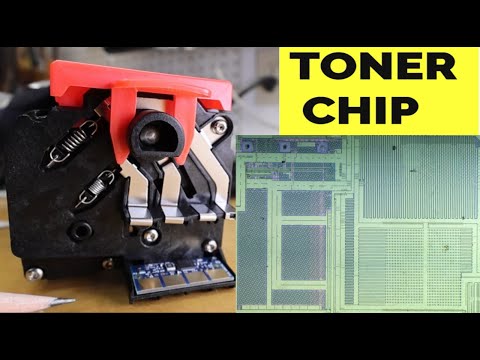
The integration of microchips into ink cartridges allows for sophisticated monitoring of consumption levels.
L'integrazione di microchip nelle cartucce d'inchiostro consente un monitoraggio sofisticato dei livelli di consumo.
Gerund 'monitoring' as the object of 'allows for'.
The archaeological find included several lead cartridges, shedding light on early ballistic experiments.
Il ritrovamento archeologico includeva diverse cartucce di piombo, facendo luce sui primi esperimenti balistici.
Present participle phrase 'shedding light on'.
The efficiency of the rebreather is contingent upon the integrity of the absorbent cartridges.
L'efficienza del rebreather dipende dall'integrità delle cartucce assorbenti.
Adjective 'contingent' followed by the preposition 'upon'.
Common Collocations
Common Phrases
— Running out of the supply units needed for a device.
The office is low on cartridges, so we need to place an order.
— To replace an old or empty unit with a new one.
It only takes a second to swap out the cartridges in this model.
— Units made by a third party that fit a specific machine.
Are these compatible cartridges as good as the original ones?
— Units designed to last longer and hold more material.
We prefer high-yield cartridges because they save us money over time.
— Units that have been used up, especially in the context of ammunition.
He cleared the spent cartridges from the chamber of the rifle.
— The specific opening in a machine where the unit is inserted.
Gently push the game into the cartridge slot until it clicks.
— A belt with loops for carrying ammunition units.
The soldier wore a heavy cartridge belt around his waist.
— Specific units used in inkjet printers containing liquid ink.
Make sure you buy inkjet cartridges, not laser toner.
— Used units that have been cleaned and refilled for resale.
Remanufactured cartridges are a great way to reduce plastic waste.
— A device designed to work primarily with modular units.
The console was the last major cartridge-based system on the market.
Often Confused With
Canisters are usually larger and for storage; cartridges are smaller and fit into machines.
Cassettes involve tape or film; cartridges involve ink, powder, or chips.
Bullets are just the tip; cartridges are the whole piece of ammunition.
Idioms & Expressions
— To have one final resource or option available.
Even though the company was failing, the CEO still had one cartridge left in the chamber: a new patent.
informal/metaphorical— A nostalgic reference to a common but ineffective way to fix old tech.
Trying to fix this old software is like blowing on the cartridge; it's mostly superstition.
informal/cultural— Used in some niche circles to mean something is pure or original.
This data is straight from the cartridge, no modifications made.
slang/tech— To lose the ability to continue an action due to lack of resources.
The debater ran out of cartridges halfway through the argument.
metaphorical— To prepare fully for a task or challenge.
We've got the presentation ready; now let's lock and load the cartridges.
informal— Someone who is exhausted or has no more to give.
After thirty years in politics, he felt like a spent cartridge.
metaphorical— To fit perfectly into a specific place.
The new engine part fits like a cartridge in the assembly.
informal— In gaming, referring to the specific look or feel of 90s graphics.
The indie game has that classic cartridge-quality aesthetic.
informal/tech— To use up supplies very quickly.
With all these reports, we are burning through ink cartridges like crazy.
informal— A phrase used by retro collectors to emphasize the value of physical media.
In this house, the cartridge is king; we don't do digital downloads.
informal/hobbyistEasily Confused
Singular vs. Plural
Cartridge refers to one unit; cartridges refers to two or more. The pronunciation changes significantly with the added syllable.
I have one cartridge, but I need four cartridges.
Etymological root
Cartouche is used in art and architecture for an oval ornament; cartridge is used for mechanical units.
The ancient tomb had a cartouche, but the explorer's gun had cartridges.
Material vs. Container
Toner is the powder; the cartridge is the plastic box that holds the powder.
The toner is inside the toner cartridges.
Functional similarity
Pods are usually small and simple (coffee); cartridges are often more complex and mechanical (printers).
I put a coffee pod in the machine, then changed the printer cartridges.
Ammunition context
A magazine is the container that holds multiple cartridges before they are fed into a gun.
He loaded the cartridges into the magazine.
Sentence Patterns
I need [Number] [Color] cartridges.
I need two black cartridges.
The [Machine] uses [Type] cartridges.
The printer uses ink cartridges.
Don't forget to [Verb] the cartridges.
Don't forget to replace the cartridges.
The [Noun] of the cartridges is [Adjective].
The cost of the cartridges is high.
Despite the [Noun], the cartridges [Verb].
Despite the age, the cartridges still work.
The [Abstract Noun] of cartridges [Verb] the [Noun].
The standardization of cartridges revolutionized the industry.
Where can I find [Adjective] cartridges?
Where can I find compatible cartridges?
Are these cartridges [Adjective]?
Are these cartridges full?
Word Family
Nouns
Verbs
Adjectives
Related
How to Use It
Common in office and technical contexts; less common in general conversation unless a specific need arises.
-
Spelling it 'cartriges'.
→
cartridges
Many people forget the 'd' before the 'g'. The 'dge' combination is common in English words like 'bridge' and 'knowledge'.
-
Using 'cartridges' when referring to a large gas tank.
→
canister or tank
A cartridge is typically a small, modular unit that fits inside a device. A large propane tank for a BBQ is not a cartridge.
-
Calling a single bullet a 'cartridge'.
→
bullet
While often used interchangeably in casual speech, a bullet is just the projectile. The cartridge is the entire assembly including the casing and powder.
-
Thinking 'toner' and 'ink' cartridges are the same.
→
Use 'ink' for inkjet and 'toner' for laser.
Ink is liquid; toner is powder. They are used in completely different types of printers and are not interchangeable.
-
Pronouncing it as 'car-trid-jez' with a hard 'z'.
→
/ˈkɑːr.trɪ.dʒɪz/
The final syllable should be a soft 'iz' sound, similar to the end of 'bridges'. Avoid making the 'g' sound too harsh.
Tips
Store Cartridges Upright
Always store your ink cartridges in an upright position. If they are stored on their side or upside down, the ink can settle or leak, which might cause problems when you finally install them in your printer.
Buy in Bulk
Buying cartridges in multi-packs or 'XL' sizes is almost always cheaper than buying individual units. If you print frequently, these high-capacity options will save you a significant amount of money over the year.
Shake Toner Cartridges
If your laser printer says the toner is low, remove the cartridge and gently shake it from side to side. This redistributes the powder inside and can often give you another 50 to 100 pages of printing.
Use Refill Stations
Look for local shops that offer professional cartridge refilling. It is much better for the environment than buying new plastic units every time, and it supports small businesses in your community.
Clean with Alcohol
For old game cartridges that won't start, use a cotton swab with a little bit of high-percentage isopropyl alcohol to clean the metal pins. This is much safer and more effective than blowing on them.
Handle with Care
Never touch the copper contacts or the ink nozzles on a cartridge. The oils from your skin can interfere with the electrical connection or clog the tiny holes, leading to poor print quality or errors.
Check Model Numbers
Cartridges often look identical but have different model numbers. Always double-check your printer's manual or the old cartridge itself before buying a new one to ensure perfect compatibility.
Keep in Packaging
Do not open the protective plastic wrap on a cartridge until you are ready to use it. Exposure to air can cause the ink to dry out or the toner to clump, rendering the cartridge useless before it's even installed.
Run Cleaning Cycles
If your cartridges are full but the print looks streaky, use your printer's built-in 'Head Cleaning' utility. This uses a small amount of ink to clear any dried blockages from the cartridge nozzles.
Support Remanufacturers
Consider buying remanufactured cartridges from reputable sellers. These are original cartridges that have been recycled and refilled, offering a balance between quality, price, and environmental responsibility.
Memorize It
Mnemonic
Think of a 'CAR' carrying a 'TRIDGE' (bridge). A car crossing a bridge is like a cartridge carrying ink into a printer.
Visual Association
Imagine a bright yellow ink cartridge clicking into a black printer slot. The sound 'click' is the key to the cartridge's function.
Word Web
Challenge
Try to find three things in your house that use cartridges and write a sentence for each one.
Word Origin
The word entered English in the late 16th century from the French word 'cartouche,' which itself came from the Italian 'cartoccio.'
Original meaning: Originally, it referred to a roll of paper, specifically the paper tubes used to hold a measured amount of gunpowder and a bullet for firearms.
Indo-European (Italic -> Romance -> Germanic/English).Cultural Context
Be aware that in some contexts, 'cartridges' refers to ammunition, which can be a sensitive topic in discussions about violence or safety.
In the US, 'cartridge' is the standard term for ammo; in the UK, 'round' is often preferred in casual speech.
Practice in Real Life
Real-World Contexts
Office Work
- Change the ink cartridges
- Order more toner cartridges
- The cartridges are empty
- Recycle used cartridges
Gaming
- Vintage game cartridges
- Clean the cartridge pins
- Insert the cartridge
- Rare cartridges
Military/Shooting
- Load the cartridges
- Spent cartridges
- Box of cartridges
- Blank cartridges
Home Maintenance
- Water filter cartridges
- Replace the cartridges
- Air filter cartridges
- Pool filter cartridges
Medical
- Insulin cartridges
- Pre-filled cartridges
- Reagent cartridges
- Inject the cartridge
Conversation Starters
"Do you still have any old video game cartridges at home?"
"How often do you have to replace the ink cartridges in your printer?"
"Have you ever tried refilling your own cartridges to save money?"
"Do you think printer companies charge too much for replacement cartridges?"
"What do you do with your spent cartridges—do you recycle them?"
Journal Prompts
Describe a time when you ran out of something important, like printer cartridges, at the worst possible moment.
Write about the nostalgia of using physical media like cartridges compared to digital downloads.
Discuss the environmental pros and cons of using disposable cartridges in daily life.
Imagine a future where everything we use comes in modular cartridges. What would that look like?
Research the history of ammunition cartridges and write a summary of how they changed technology.
Frequently Asked Questions
10 questionsInk cartridges are small, replaceable containers filled with liquid ink used in inkjet printers. They typically come in black and three primary colors: cyan, magenta, and yellow. When the ink runs out, you replace the entire cartridge to continue printing.
Yes, many cartridges can be refilled using a refill kit, which usually includes a syringe and bottles of ink. However, some modern cartridges have microchips that prevent them from working after they have been emptied once, so it depends on the brand.
Ink cartridges contain liquid ink and are used in inkjet printers, which are common for home use. Toner cartridges contain a fine plastic powder and are used in laser printers, which are typically faster and used in offices.
Compatible cartridges are made by third-party companies rather than the original printer manufacturer. They are usually much cheaper and generally safe to use, although some people find the print quality is slightly lower than 'genuine' cartridges.
Many office supply stores have collection bins for used cartridges. Some manufacturers also provide prepaid envelopes so you can mail your empty cartridges back to them for proper recycling and reuse of the plastic components.
A high-yield cartridge contains more ink or toner than a standard one, allowing you to print more pages before needing a replacement. While they are more expensive upfront, they often have a lower cost per page, making them better for heavy users.
Printer manufacturers often sell the printers themselves at a very low profit margin or even a loss. They make their money by selling the replacement cartridges, which are essential for the machine to function. This is a common business strategy.
Game cartridges were the primary way to play video games on consoles like the NES or Sega Genesis. They contained a circuit board with the game's code on a ROM chip. They were durable and loaded games almost instantly, unlike modern discs.
In the context of firearms, 'spent' cartridges are the empty metal casings left over after the bullet has been fired. In a general sense, it can refer to any cartridge that has been completely used up and is now empty.
Yes, ink cartridges can dry out over time, and the chemical components can degrade. Most have an expiration date printed on the box. It is best to use them within a year or two of purchase for the best results.
Test Yourself 200 questions
Write a short email to your office manager asking for more ink cartridges.
Well written! Good try! Check the sample answer below.
Describe the process of changing a cartridge in a device you use.
Well written! Good try! Check the sample answer below.
Discuss the environmental impact of disposable cartridges.
Well written! Good try! Check the sample answer below.
Compare and contrast ink cartridges and toner cartridges.
Well written! Good try! Check the sample answer below.
Explain why retro gamers still value physical game cartridges.
Well written! Good try! Check the sample answer below.
Write a technical description of a cartridge-based filtration system.
Well written! Good try! Check the sample answer below.
Imagine a world without cartridges. How would we reload our machines?
Well written! Good try! Check the sample answer below.
Write a story about a detective finding a spent cartridge at a crime scene.
Well written! Good try! Check the sample answer below.
Explain the 'Razor and Blades' business model using cartridges as an example.
Well written! Good try! Check the sample answer below.
Describe the physical appearance of a typical ink cartridge.
Well written! Good try! Check the sample answer below.
Write three sentences using the word 'cartridges' in different contexts.
Well written! Good try! Check the sample answer below.
How do you feel about the high cost of printer cartridges? Write a short opinion.
Well written! Good try! Check the sample answer below.
Write a set of instructions for recycling used cartridges.
Well written! Good try! Check the sample answer below.
Describe the sound and feel of inserting a cartridge into a machine.
Well written! Good try! Check the sample answer below.
Discuss the role of cartridges in modern medicine.
Well written! Good try! Check the sample answer below.
What are the advantages of modular cartridges in industrial manufacturing?
Well written! Good try! Check the sample answer below.
Write a dialogue between a customer and a store clerk about buying cartridges.
Well written! Good try! Check the sample answer below.
Describe a 'blank' cartridge and its purpose.
Well written! Good try! Check the sample answer below.
Write a paragraph about the history of the word 'cartridge'.
Well written! Good try! Check the sample answer below.
Summarize the main points of the 'What It Means' section.
Well written! Good try! Check the sample answer below.
Pronounce the word 'cartridges' clearly three times.
Read this aloud:
You said:
Speech recognition is not supported in your browser. Try Chrome or Edge.
Explain to a friend how to change a printer cartridge.
Read this aloud:
You said:
Speech recognition is not supported in your browser. Try Chrome or Edge.
Discuss your favorite old video games that used cartridges.
Read this aloud:
You said:
Speech recognition is not supported in your browser. Try Chrome or Edge.
Give a short presentation on the environmental impact of office supplies.
Read this aloud:
You said:
Speech recognition is not supported in your browser. Try Chrome or Edge.
Debate the pros and cons of using third-party compatible cartridges.
Read this aloud:
You said:
Speech recognition is not supported in your browser. Try Chrome or Edge.
Describe the evolution of ammunition from paper to metallic cartridges.
Read this aloud:
You said:
Speech recognition is not supported in your browser. Try Chrome or Edge.
Explain the concept of 'modularity' using cartridges as an example.
Read this aloud:
You said:
Speech recognition is not supported in your browser. Try Chrome or Edge.
Roleplay a customer returning a faulty cartridge to a store.
Read this aloud:
You said:
Speech recognition is not supported in your browser. Try Chrome or Edge.
Talk about the different types of cartridges you have in your home.
Read this aloud:
You said:
Speech recognition is not supported in your browser. Try Chrome or Edge.
Discuss the future of cartridges. Will they disappear?
Read this aloud:
You said:
Speech recognition is not supported in your browser. Try Chrome or Edge.
Explain why the word 'cartridge' is often misspelled.
Read this aloud:
You said:
Speech recognition is not supported in your browser. Try Chrome or Edge.
Describe a crime scene where cartridges were found.
Read this aloud:
You said:
Speech recognition is not supported in your browser. Try Chrome or Edge.
Talk about the cost of living and how expensive consumables like cartridges affect it.
Read this aloud:
You said:
Speech recognition is not supported in your browser. Try Chrome or Edge.
Explain the difference between a 'blank' and a 'live' cartridge.
Read this aloud:
You said:
Speech recognition is not supported in your browser. Try Chrome or Edge.
Describe a 'phono cartridge' to someone who has never seen a record player.
Read this aloud:
You said:
Speech recognition is not supported in your browser. Try Chrome or Edge.
Summarize the 'Cultural Context' section of this lesson.
Read this aloud:
You said:
Speech recognition is not supported in your browser. Try Chrome or Edge.
Practice saying 'three toner cartridges' five times fast.
Read this aloud:
You said:
Speech recognition is not supported in your browser. Try Chrome or Edge.
Discuss the importance of precision in manufacturing cartridges.
Read this aloud:
You said:
Speech recognition is not supported in your browser. Try Chrome or Edge.
Explain the 'mnemonic' provided in the lesson.
Read this aloud:
You said:
Speech recognition is not supported in your browser. Try Chrome or Edge.
What is your 'Key Takeaway' from this entire lesson?
Read this aloud:
You said:
Speech recognition is not supported in your browser. Try Chrome or Edge.
Listen to the sentence: 'The printer needs new cartridges.' Which word is plural?
Listen for the syllable count in 'cartridges'. How many do you hear?
In the phrase 'spent cartridges', what does 'spent' imply?
Identify the type of cartridge mentioned: 'I need to replace the water filter cartridges.'
Does the speaker say 'cartridge' or 'cartridges'? (Context: 'He found the cartridges in the box.')
Listen for the 'd' sound. Is it clearly pronounced or silent?
What is being ordered: 'Order five black toner cartridges immediately.'
Is the tone formal or informal? 'Yo, pass me those game carts.'
What is the problem? 'The cartridges are incompatible with this model.'
Listen to the pronunciation of the 'i' in 'trid'. Is it long or short?
Which industry is this? 'The patient requires three insulin cartridges per week.'
What action is being taken? 'We are recycling the old cartridges.'
How many items are there? 'There are a dozen cartridges in the pack.'
Is the speaker happy or frustrated? 'I can't believe these cartridges are empty already!'
What is the subject? 'Metallic cartridges changed the way wars were fought.'
/ 200 correct
Perfect score!
Summary
A cartridge is essentially a 'unit of supply' that makes reloading a device fast and clean. For example, instead of pouring liquid ink into a printer, you simply click in a set of ink cartridges, saving time and preventing mess.
- Cartridges are modular, replaceable containers used for ink, toner, ammunition, or gases, designed for easy insertion into machines like printers or firearms.
- The term covers a wide range of industries, from office supplies and vintage gaming to medical devices and military hardware, emphasizing convenience.
- Grammatically, 'cartridges' is the plural form of 'cartridge,' often paired with descriptive nouns like 'ink,' 'game,' or 'filter' to specify their use.
- Replacing cartridges is a standard maintenance task in many modern devices, representing a shift toward user-friendly, 'plug-and-play' mechanical designs.
Store Cartridges Upright
Always store your ink cartridges in an upright position. If they are stored on their side or upside down, the ink can settle or leak, which might cause problems when you finally install them in your printer.
Buy in Bulk
Buying cartridges in multi-packs or 'XL' sizes is almost always cheaper than buying individual units. If you print frequently, these high-capacity options will save you a significant amount of money over the year.
Shake Toner Cartridges
If your laser printer says the toner is low, remove the cartridge and gently shake it from side to side. This redistributes the powder inside and can often give you another 50 to 100 pages of printing.
Use Refill Stations
Look for local shops that offer professional cartridge refilling. It is much better for the environment than buying new plastic units every time, and it supports small businesses in your community.