enchantments in 30 Seconds
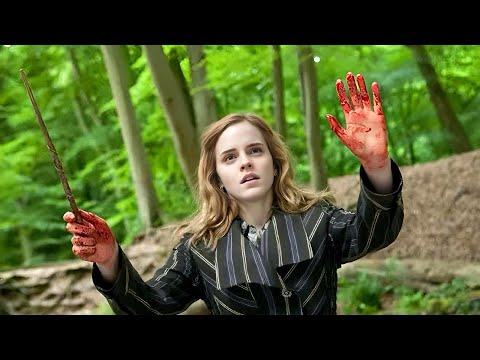
- Enchantments are magical spells or charms used to influence people or things in a supernatural way, often found in fantasy stories and folklore.
- The word can also be used figuratively to describe something that is extremely charming, attractive, or captivating, like a beautiful landscape or a moving performance.
- In gaming, enchantments often refer to permanent magical upgrades applied to items, such as weapons or armor, to improve their performance.
- The term has a long history, originating from the Latin word for 'chanting,' and is a staple of literary and artistic descriptions of wonder.
The word enchantments refers to the use of magic spells, charms, or ritualistic incantations intended to influence the natural world, human behavior, or the perception of reality. At its core, the term originates from the Latin 'incantare,' meaning to chant or sing a spell over someone. In contemporary English, while it retains its mystical roots in the realms of fantasy literature and folklore, it has also evolved into a powerful metaphor for anything that captures the imagination, evokes a sense of wonder, or creates an almost supernatural level of attraction. When people use this word, they are often navigating the boundary between the literal—talking about wizards, witches, and ancient scrolls—and the figurative—describing the breathtaking beauty of a moonlit landscape or the captivating charisma of a talented performer. The plural form suggests a variety of different magical effects, ranging from protective wards and healing charms to more sinister hexes or illusions that cloud the mind. In a historical context, enchantments were once considered a very real part of the fabric of existence, used by ancestors to explain the unexplainable or to seek control over the unpredictable forces of nature. Today, we encounter them most frequently in the 'secondary worlds' of authors like J.R.R. Tolkien or J.K. Rowling, where enchantments are governed by specific rules and linguistic structures. However, the word also finds a home in psychological and sociological discussions, such as Max Weber’s theory of the 'disenchantment of the world,' which describes the transition from a society filled with mystery and magic to one dominated by rationalism and scientific calculation. To speak of enchantments is to invite a sense of the extraordinary into the mundane, acknowledging that some experiences are so profound or beautiful that they seem to transcend the laws of physics.
- Magical Context
- The sorcerer whispered ancient enchantments to shield the castle from the approaching storm, weaving light and sound into a shimmering barrier.
The old forest was thick with ancient enchantments that made the trees seem to whisper to travelers.
- Metaphorical Context
- The city of Venice, with its winding canals and historic architecture, casts a series of enchantments over every visitor who wanders its streets.
Furthermore, the word carries a weight of tradition. It is rarely used for simple tricks or sleight of hand; rather, it implies a deep, often ancient, power. In gaming and role-playing contexts, enchantments refer to specific buffs or modifications applied to items, such as a sword that glows in the dark or armor that resists fire. This technical usage has reinforced the word's association with utility and permanence. In literary criticism, an 'enchanted' narrative is one that utilizes magical realism to blur the lines between the possible and the impossible. The emotional resonance of the word is almost always positive or awe-inspiring, though it can occasionally imply a loss of agency, as if one is 'under a spell.' Understanding enchantments requires an appreciation for the history of human storytelling and our innate desire to find magic in the world around us. Whether we are discussing the literal spells of a fairy tale or the metaphorical magic of a first love, enchantments serve as a linguistic bridge to the sublime. They remind us that language itself is a form of magic, capable of conjuring images and emotions out of thin air.
She felt the enchantments of the music pulling her into a deep, peaceful trance.
The museum was filled with the enchantments of history, each artifact telling a story of a forgotten era.
- Literary Usage
- In the epic poem, the hero must navigate a labyrinth protected by deadly enchantments and illusions.
The garden was a place of quiet enchantments, where time seemed to stand still among the blooming roses.
Using the word enchantments correctly requires an understanding of its dual nature as both a literal and figurative noun. In its most direct sense, it functions as a count noun referring to specific magical acts. You might say, 'The wizard performed several enchantments to protect the village.' Here, the word acts as a synonym for spells or incantations. When using it this way, it is often paired with verbs like 'cast,' 'perform,' 'weave,' or 'break.' For instance, 'Breaking the ancient enchantments required a sacrifice of great value.' This highlights the idea that enchantments are constructed things—woven together like a tapestry of magical energy. In a more figurative sense, 'enchantments' can describe the various qualities of a person, place, or experience that make it captivating. You might describe a beautiful opera as being 'full of musical enchantments.' In this context, the word is less about literal magic and more about the overwhelming aesthetic or emotional power of the performance. It is important to note that 'enchantments' is almost always plural when referring to a collection of such qualities or acts. If you are referring to the general state of being under a spell, you would use the singular 'enchantment.' For example, 'The prince fell under the enchantment of the fairy.' However, if you are describing the specific magical techniques the fairy used, you would use 'enchantments.' This distinction is subtle but crucial for precise writing. In academic or formal writing, 'enchantments' might appear in discussions of folklore, anthropology, or literary theory. A scholar might write, 'The enchantments described in medieval romances often reflect the social anxieties of the period.' Here, the word is used to categorize a specific type of narrative device. In creative writing, the word is a staple of the fantasy genre, used to add flavor and depth to the world-building. Instead of just saying 'magic,' using 'enchantments' suggests a more sophisticated, ritualistic, or artistic form of supernatural power. It evokes imagery of dusty books, glowing runes, and rhythmic chanting. When applying the word to modern life, it can be used ironically or playfully. For example, 'The enchantments of the new smartphone were lost on the elderly man.' This usage suggests that the 'magic' of technology is a form of modern enchantment that not everyone finds captivating. Overall, 'enchantments' is a versatile word that can elevate your prose by adding a touch of the extraordinary, whether you are writing a high-fantasy novel or a descriptive travel essay.
- Action Verbs
- To cast, to weave, to break, to unravel, to resist, to study, to master.
The sorceress spent years mastering the complex enchantments of the stars.
- Descriptive Adjectives
- Ancient, powerful, subtle, dark, protective, musical, fleeting, enduring.
Despite the enchantments of the big city, he found himself longing for the quiet of the countryside.
The book was protected by enchantments that prevented anyone but the rightful owner from opening it.
- Common Collocations
- Ancient enchantments, dark enchantments, weave enchantments, break enchantments.
The poet’s words were like enchantments, weaving a world of beauty and sorrow.
You are most likely to encounter the word enchantments in the world of entertainment and literature. Fantasy novels, from the classic works of C.S. Lewis and Ursula K. Le Guin to modern bestsellers like 'A Song of Ice and Fire,' use the term frequently to describe the magical mechanics of their worlds. In these stories, enchantments are often the primary source of conflict or the means by which heroes overcome obstacles. Beyond books, the word is a staple in tabletop and digital gaming. In 'Minecraft,' for example, players use an enchantment table to apply 'enchantments' like 'Unbreaking' or 'Sharpness' to their tools and weapons. Similarly, in 'World of Warcraft' or 'Dungeons & Dragons,' enchanting is a specific profession or school of magic that players can master. In these contexts, the word has a very functional, almost technical meaning. Moving away from fiction, you might hear 'enchantments' used in travel documentaries or luxury marketing. A narrator might describe a tropical island as 'a land of endless enchantments,' using the word to evoke a sense of exotic beauty and relaxation. This figurative usage is designed to make the destination seem more appealing and unique. In the world of theater and the arts, critics might use the word to describe a particularly moving performance. A review of a ballet might mention the 'visual enchantments' of the set design and choreography. You might also hear the word in historical or mythological discussions. When learning about ancient Greece or Egypt, you might hear about the 'enchantments' used by priests or oracles to communicate with the gods. In everyday conversation, the word is less common but can be used for dramatic effect. Someone might say, 'I was completely under the enchantments of that new bakery,' to express how much they enjoyed the food. While it is not a word you would use in a business meeting or a scientific report (unless you are discussing the history of magic), it is a powerful tool for storytelling and descriptive language. It carries a sense of whimsy and wonder that few other words can match. Whether you are reading a fairy tale to a child, playing a video game with friends, or describing a beautiful sunset, 'enchantments' is the perfect word to capture the feeling of something truly special and magical.
- Gaming Culture
- Players often discuss the best enchantments for their gear to maximize their performance in combat.
The game features a deep system of enchantments that allow for endless customization.
- Travel & Tourism
- Experience the enchantments of the Swiss Alps this winter with our exclusive tour package.
The documentary explored the ancient enchantments of the Mayan civilization.
The audience was captivated by the enchantments of the stage production.
- Literary Criticism
- The author uses enchantments as a metaphor for the intoxicating power of nostalgia.
The old storyteller spoke of enchantments that could turn lead into gold.
One of the most common mistakes when using the word enchantments is confusing it with the singular form, 'enchantment.' While they are related, they are used in different ways. 'Enchantment' often refers to a state of being—the feeling of being delighted or under a spell. For example, 'She gazed at the stars in a state of enchantment.' In contrast, 'enchantments' refers to the specific magical acts or qualities that cause that state. If you say, 'She gazed at the stars in a state of enchantments,' it sounds awkward and grammatically incorrect. Another mistake is using 'enchantments' as a synonym for simple 'tricks' or 'illusions.' While an enchantment can be an illusion, the word implies a deeper, more profound level of magic. Calling a basic card trick an 'enchantment' might come across as overly dramatic or pretentious. It is also important to avoid overusing the word in figurative contexts. While it is a beautiful word, using it to describe every pleasant experience can dilute its impact. If you describe your morning coffee, your commute, and your lunch as 'enchantments,' the word loses its sense of wonder. Furthermore, learners sometimes struggle with the spelling, particularly the 'en-' prefix and the '-ment' suffix. Some might mistakenly write 'inchantments' or 'enchantmants.' Another common error is using the wrong verb with 'enchantments.' While you 'cast' or 'weave' enchantments, you don't usually 'make' or 'do' them. Using 'do' sounds unnatural to native speakers. For example, 'He did some enchantments' is much weaker than 'He performed several enchantments.' In the context of gaming, players sometimes confuse 'enchantments' with 'potions' or 'spells.' While all are magical, enchantments are typically permanent or long-lasting effects applied to objects, whereas potions are consumable and spells are often instantaneous effects. Understanding these nuances is essential for using the word accurately and effectively. Finally, be careful not to confuse 'enchantments' with 'incantations.' An incantation is the spoken part of a spell—the words that are chanted. An enchantment is the resulting magical effect. You might use an incantation to create an enchantment, but they are not the same thing. By paying attention to these common pitfalls, you can ensure that your use of 'enchantments' is both grammatically correct and contextually appropriate.
- Singular vs. Plural
- Use 'enchantment' for the feeling; use 'enchantments' for the specific spells.
Incorrect: He was lost in a world of enchantments (unless referring to multiple spells).
- Verb Agreement
- Use 'cast' or 'weave' rather than 'do' or 'make'.
Correct: The wizard cast several enchantments to protect the tower.
Incorrect: The magician did some enchantments for the children.
- Incantation vs. Enchantment
- An incantation is the spoken word; an enchantment is the magical result.
The enchantments of the old world are slowly being forgotten.
When looking for alternatives to enchantments, it is important to consider the specific context of your sentence. If you are talking about literal magic, synonyms like 'spells,' 'charms,' 'hexes,' or 'incantations' might be more appropriate. 'Spells' is the most general term and can be used in almost any magical context. 'Charms' often implies a smaller, more protective or beneficial form of magic, like a lucky charm. 'Hexes' and 'curses' are used for harmful or negative magic. 'Incantations' specifically refers to the spoken words used to cast a spell. If you are using 'enchantments' in a more figurative sense, you might consider words like 'allure,' 'fascination,' 'magic,' 'wonder,' or 'captivation.' 'Allure' suggests a strong attraction or appeal, often with a hint of mystery. 'Fascination' describes a deep interest or curiosity. 'Wonder' focuses on the feeling of awe and amazement. 'Captivation' implies that someone's attention is completely held by something. In a literary or poetic context, you might use 'witchery' or 'sorcery,' though these words can sometimes have a darker connotation. 'Witchery' often implies a subtle, almost natural form of magic, while 'sorcery' suggests a more powerful and perhaps dangerous form of wizardry. For a more modern or technical feel, especially in gaming, you might use 'buffs,' 'augmentations,' or 'enhancements.' 'Buffs' is common gaming slang for temporary beneficial effects, while 'augmentations' and 'enhancements' suggest more permanent improvements. When comparing 'enchantments' to 'illusions,' remember that an enchantment usually involves a real change in the world or a person's state, while an illusion only changes how things appear. Similarly, 'enchantments' differ from 'miracles' in that miracles are usually attributed to a divine or religious source, whereas enchantments are often the result of human or supernatural skill. Choosing the right word can help you convey the exact tone and meaning you desire. Whether you want to evoke the feeling of an ancient fairy tale or the excitement of a modern fantasy adventure, there is a synonym that fits perfectly.
- Literal Magic Synonyms
- Spells: General magical acts.
- Charms: Protective or small magical effects.
- Incantations: The spoken words of magic.
- Hexes: Harmful or negative spells.
The wizard’s spells were powerful, but his enchantments were truly legendary.
- Figurative Synonyms
- Allure: Strong attraction or appeal.
- Fascination: Deep interest or curiosity.
- Wonder: Feeling of awe and amazement.
- Captivation: Holding someone's complete attention.
The allure of the unknown is what drives many explorers.
The forest was full of witchery and strange, glowing lights.
- Technical/Gaming Alternatives
- Buffs: Temporary beneficial effects.
- Augmentations: Permanent improvements.
- Enhancements: General upgrades.
The miracles of modern medicine have saved countless lives.
How Formal Is It?
Fun Fact
The word 'enchantments' is closely related to the word 'accent,' which also comes from the Latin 'cantare' (to sing). This shows how the ideas of singing, speaking, and magic were all connected in the ancient world.
Pronunciation Guide
- Pronouncing the 'en-' as 'on-'.
- Putting the stress on the first syllable.
- Forgetting the 't' sound in the second syllable.
- Pronouncing the '-ments' as '-mance'.
- Using a hard 'k' sound for the 'ch'.
Difficulty Rating
The word is common in literature but requires some vocabulary knowledge.
Spelling and correct plural usage can be a bit tricky for learners.
The pronunciation is straightforward but the word is less common in casual speech.
Easily recognizable in the context of fantasy or descriptive language.
What to Learn Next
Prerequisites
Learn Next
Advanced
Grammar to Know
Plural Nouns
Enchantments (plural) vs. Enchantment (singular).
Possessive Adjectives
The wizard's enchantments; her enchantments.
Prepositional Phrases
The enchantments of the forest; enchantments in the book.
Adjective Placement
Powerful enchantments; ancient and mysterious enchantments.
Verb Collocations
To cast enchantments; to break enchantments.
Examples by Level
The fairy used her enchantments to help the flowers grow.
La fée a utilisé ses enchantements pour aider les fleurs à pousser.
Plural noun 'enchantments' used as the object of the verb 'used'.
I like stories with wizards and their enchantments.
J'aime les histoires avec des sorciers et leurs enchantements.
The possessive pronoun 'their' refers to 'wizards'.
The magic book is full of secret enchantments.
Le livre de magie est plein d'enchantements secrets.
The adjective 'secret' modifies the noun 'enchantments'.
Can you show me some of your enchantments?
Peux-tu me montrer certains de tes enchantements ?
The word 'some' indicates an indefinite number of enchantments.
The enchantments made the old castle look new.
Les enchantements ont fait paraître le vieux château comme neuf.
The plural subject 'enchantments' takes the plural verb 'made'.
He cast many enchantments to protect the forest.
Il a jeté de nombreux enchantements pour protéger la forêt.
The verb 'cast' is commonly used with 'enchantments'.
The enchantments were very powerful and bright.
Les enchantements étaient très puissants et brillants.
The adjectives 'powerful' and 'bright' describe the enchantments.
She learned new enchantments at the magic school.
Elle a appris de nouveaux enchantements à l'école de magie.
The adjective 'new' modifies the noun 'enchantments'.
The witch's enchantments turned the prince into a frog.
Les enchantements de la sorcière ont transformé le prince en grenouille.
The possessive form 'witch's' indicates ownership of the enchantments.
We read about the ancient enchantments of the lost city.
Nous avons lu sur les anciens enchantements de la cité perdue.
The prepositional phrase 'of the lost city' modifies 'enchantments'.
The enchantments in the movie were very realistic.
Les enchantements dans le film étaient très réalistes.
The phrase 'in the movie' specifies the location of the enchantments.
She used her enchantments to make the journey easier.
Elle a utilisé ses enchantements pour rendre le voyage plus facile.
The infinitive phrase 'to make the journey easier' shows purpose.
The enchantments were hidden in the old songs.
Les enchantements étaient cachés dans les vieilles chansons.
The passive voice 'were hidden' indicates the state of the enchantments.
He studied the enchantments for many years.
Il a étudié les enchantements pendant de nombreuses années.
The phrase 'for many years' indicates the duration of the study.
The enchantments of the forest made everyone feel safe.
Les enchantements de la forêt faisaient que tout le monde se sentait en sécurité.
The verb 'made' is followed by an object and an infinitive.
The enchantments only worked during the full moon.
Les enchantements ne fonctionnaient que pendant la pleine lune.
The adverb 'only' limits the time when the enchantments worked.
The hero had to break the enchantments to save the princess.
Le héros a dû rompre les enchantements pour sauver la princesse.
The verb 'break' is commonly used to describe undoing magic.
The enchantments of the island were famous throughout the world.
Les enchantements de l'île étaient célèbres dans le monde entier.
The phrase 'throughout the world' is an adverbial of place.
She felt the enchantments of the music pulling her into a dream.
Elle sentait les enchantements de la musique l'entraîner dans un rêve.
The present participle 'pulling' describes the action of the enchantments.
The book describes various enchantments used in medieval times.
Le livre décrit divers enchantements utilisés à l'époque médiévale.
The past participle 'used' acts as an adjective modifying 'enchantments'.
The enchantments were so subtle that no one noticed them at first.
Les enchantements étaient si subtils que personne ne les a remarqués au début.
The 'so...that' construction shows a result or consequence.
He was an expert in the enchantments of the natural world.
Il était un expert dans les enchantements du monde naturel.
The prepositional phrase 'of the natural world' specifies the type of enchantments.
The enchantments of the city at night are truly breathtaking.
Les enchantements de la ville la nuit sont vraiment époustouflants.
The adverb 'truly' emphasizes the adjective 'breathtaking'.
The wizard's enchantments were both beautiful and dangerous.
Les enchantements du sorcier étaient à la fois beaux et dangereux.
The 'both...and' construction connects two adjectives.
The enchantments woven into the fabric of the cloak made it invisible.
Les enchantements tissés dans le tissu de la cape la rendaient invisible.
The past participle 'woven' introduces a reduced relative clause.
Despite the enchantments of the big city, he longed for his quiet home.
Malgré les enchantements de la grande ville, il aspirait à sa maison tranquille.
The preposition 'despite' introduces a contrast.
The enchantments were designed to mislead any unwanted visitors.
Les enchantements étaient conçus pour égarer tout visiteur indésirable.
The passive voice 'were designed' focuses on the purpose of the enchantments.
She spent her life researching the lost enchantments of her ancestors.
Elle a passé sa vie à rechercher les enchantements perdus de ses ancêtres.
The gerund 'researching' follows the verb 'spent'.
The enchantments of the performance left the audience in awe.
Les enchantements de la performance ont laissé le public en admiration.
The phrase 'in awe' describes the state of the audience.
The enchantments were so powerful that they could alter the weather.
Les enchantements étaient si puissants qu'ils pouvaient altérer la météo.
The modal verb 'could' indicates ability or possibility.
He was skeptical of the enchantments described in the ancient text.
Il était sceptique quant aux enchantements décrits dans le texte ancien.
The adjective 'skeptical' is followed by the preposition 'of'.
The enchantments of the garden seemed to change with the seasons.
Les enchantements du jardin semblaient changer avec les saisons.
The verb 'seemed' is followed by an infinitive.
The enchantments of the narrative were achieved through intricate wordplay.
Les enchantements du récit ont été réalisés grâce à des jeux de mots complexes.
The passive voice 'were achieved' emphasizes the method used.
The enchantments of the old world are slowly being eroded by modernity.
Les enchantements de l'ancien monde sont lentement érodés par la modernité.
The present continuous passive 'are being eroded' shows an ongoing process.
The poet’s enchantments were a reflection of his deep spiritual beliefs.
Les enchantements du poète étaient le reflet de ses profondes convictions spirituelles.
The noun 'reflection' is used metaphorically here.
The enchantments of the landscape were both haunting and beautiful.
Les enchantements du paysage étaient à la fois obsédants et beaux.
The adjectives 'haunting' and 'beautiful' create a complex image.
The enchantments were so complex that they required a lifetime to master.
Les enchantements étaient si complexes qu'ils nécessitaient toute une vie pour être maîtrisés.
The 'so...that' construction shows the extent of the complexity.
The enchantments of the city’s history were visible in every stone.
Les enchantements de l'histoire de la ville étaient visibles dans chaque pierre.
The phrase 'in every stone' is a metaphorical way of saying 'everywhere'.
The enchantments of the play were enhanced by the innovative lighting.
Les enchantements de la pièce ont été renforcés par l'éclairage innovant.
The past participle 'enhanced' acts as an adjective.
The enchantments of the forest were a source of inspiration for many artists.
Les enchantements de la forêt étaient une source d'inspiration pour de nombreux artistes.
The phrase 'source of inspiration' is a common collocation.
The enchantments of the text lie in its ability to evoke a sense of timelessness.
Les enchantements du texte résident dans sa capacité à évoquer un sentiment d'intemporalité.
The verb 'lie' is used here to mean 'to be found'.
The enchantments of the political rhetoric were designed to obscure the truth.
Les enchantements de la rhétorique politique étaient conçus pour obscurcir la vérité.
The infinitive 'to obscure' shows the purpose of the enchantments.
The enchantments of the opera were a testament to the composer’s genius.
Les enchantements de l'opéra étaient un témoignage du génie du compositeur.
The phrase 'testament to' means 'proof of'.
The enchantments of the ancient ruins were palpable to all who visited.
Les enchantements des ruines antiques étaient palpables pour tous ceux qui les visitaient.
The adjective 'palpable' means 'able to be felt or touched'.
The enchantments of the film were achieved through a masterful use of silence.
Les enchantements du film ont été réalisés grâce à une utilisation magistrale du silence.
The phrase 'masterful use of' highlights the skill involved.
The enchantments of the city’s nightlife were both intoxicating and dangerous.
Les enchantements de la vie nocturne de la ville étaient à la fois enivrants et dangereux.
The adjectives 'intoxicating' and 'dangerous' create a sense of risk.
The enchantments of the scientific discovery were lost on the general public.
Les enchantements de la découverte scientifique ont échappé au grand public.
The phrase 'lost on' means 'not understood or appreciated by'.
The enchantments of the artist’s work were a product of her unique vision.
Les enchantements de l'œuvre de l'artiste étaient le produit de sa vision unique.
The phrase 'product of' indicates the origin of the enchantments.
Synonyms
Antonyms
Common Collocations
Common Phrases
— Containing many magical or charming elements.
The old book was full of enchantments and secrets.
— A place that is perceived as magical or extremely beautiful.
New Mexico is often called the 'Land of Enchantment'.
— To perform magical spells.
The wizard began to cast enchantments to shield the party.
— To be unaffected by magical or charming influences.
The knight’s strong will helped him resist the siren’s enchantments.
— To become very skilled at using magic.
It takes many years to master the complex enchantments of the stars.
— To carefully undo or break a magical spell.
The scholar spent months trying to unravel the enchantments on the scroll.
— Magical effects that are not immediately obvious.
The garden had many hidden enchantments that only appeared at night.
— A constant or infinite supply of magic or charm.
The city offered endless enchantments to the curious traveler.
— Magical knowledge or spells that have been forgotten over time.
The quest was to find the lost enchantments of the ancient kings.
— A figurative way to describe the 'magic' of technology or modern life.
The enchantments of the digital age can be both helpful and distracting.
Often Confused With
The singular form usually refers to a state of being, while the plural refers to specific spells.
Incantations are the spoken words, while enchantments are the resulting magical effects.
Illusions only change how things appear, while enchantments often involve a real change.
Idioms & Expressions
— To be completely fascinated or controlled by someone.
The young man was completely under her enchantment.
neutral— To end a magical effect or a state of fascination.
A sudden noise broke the spell of the quiet evening.
neutral— To fascinate or enchant someone completely.
The beautiful music cast a spell over the entire audience.
neutral— A feeling that something exciting or wonderful is about to happen.
With the holidays approaching, there was magic in the air.
informal— To be very effective or successful in a quick way.
The new medicine worked like magic on his headache.
informal— A life that seems to be protected by magic or good luck.
He has led a charmed life, always avoiding trouble.
neutral— So interested in something that you cannot move or think of anything else.
The children were spellbound by the storyteller.
neutral— Completely confused and fascinated by someone or something.
He was bewitched, bothered, and bewildered by her sudden departure.
informal— The ability to do something very well or to make something successful.
She has the magic touch when it comes to gardening.
informalEasily Confused
Both refer to magic acts.
'Spells' is more general, while 'enchantments' often implies a more sophisticated or ritualistic process.
The wizard cast a spell, but the enchantments on the castle were ancient.
Both refer to magical effects.
'Charms' are often smaller and more protective, while 'enchantments' can be larger and more complex.
She wore a lucky charm, but the forest was full of powerful enchantments.
Both refer to magical acts.
'Hexes' are specifically harmful, while 'enchantments' can be positive, negative, or neutral.
The witch placed a hex on him, but the enchantments of the garden were peaceful.
Both refer to supernatural events.
'Miracles' are usually divine, while 'enchantments' are often the result of human or supernatural skill.
The saint performed a miracle, but the sorcerer used enchantments.
Both refer to attraction.
'Allure' is always figurative, while 'enchantments' can be both literal and figurative.
The allure of the city was strong, but the enchantments of the old stories were even stronger.
Sentence Patterns
The [noun] has [adjective] enchantments.
The book has magic enchantments.
He used [possessive] enchantments to [verb].
He used his enchantments to help the people.
The enchantments of the [noun] were [adjective].
The enchantments of the forest were very powerful.
Despite the enchantments of [noun], [clause].
Despite the enchantments of the city, he was lonely.
The enchantments were achieved through [noun phrase].
The enchantments were achieved through complex rituals.
The enchantments of the [noun] lie in [noun phrase].
The enchantments of the text lie in its subtle imagery.
To be under the enchantments of [noun].
She was under the enchantments of the beautiful music.
To break the enchantments that [verb phrase].
He had to break the enchantments that bound the dragon.
Word Family
Nouns
Verbs
Adjectives
Related
How to Use It
The word is moderately frequent, especially in the fantasy genre and descriptive writing.
-
Using 'enchantments' for a single spell.
→
Using 'enchantment' for a single spell.
The word 'enchantments' is plural and should only be used when referring to more than one spell or a collection of qualities.
-
Spelling it as 'inchantments'.
→
Spelling it as 'enchantments'.
The word starts with 'en-', not 'in-', although the pronunciation can sometimes sound like 'in'.
-
Using the verb 'do' with 'enchantments'.
→
Using 'cast' or 'perform' with 'enchantments'.
Native speakers typically use 'cast' or 'perform' rather than 'do' when talking about magical acts.
-
Confusing 'enchantments' with 'incantations'.
→
Using 'incantations' for the words and 'enchantments' for the effect.
An incantation is the spoken part of a spell, while an enchantment is the resulting magical effect.
-
Using 'enchantments' for simple magic tricks.
→
Using 'tricks' or 'illusions' for simple magic.
'Enchantments' implies a deeper, more profound level of magic and should be reserved for more significant effects.
Tips
Use for Variety
Instead of always using the word 'magic,' try using 'enchantments' to add more flavor and precision to your writing, especially in fantasy contexts.
Plural vs. Singular
Remember to use 'enchantment' for the feeling and 'enchantments' for the specific magical acts or multiple charming qualities.
Figurative Use
Don't be afraid to use 'enchantments' figuratively to describe things you find truly beautiful or captivating, like a piece of music or a landscape.
Gaming Context
In games, 'enchantments' usually refer to permanent upgrades for your gear. Use this term when discussing your character's equipment.
Stress the Second Syllable
Make sure to put the emphasis on the 'chant' part of the word: in-CHANT-ments. This will make your speech sound more natural.
Pair with Strong Verbs
Using verbs like 'weave' or 'unravel' with 'enchantments' creates a more vivid and interesting image for your readers.
Look for Context Clues
When you see 'enchantments' in a book, look at the surrounding words to see if it's being used literally (magic) or figuratively (charm).
Remember the Root
Thinking of the root word 'chant' (to sing) can help you remember the meaning and spelling of 'enchantments'.
Common Pairings
Learn common pairings like 'ancient enchantments' or 'powerful enchantments' to use the word more effectively in your own writing.
Cultural Awareness
Be aware that 'enchantments' is a key term in Western folklore and fantasy, carrying a lot of cultural weight and history.
Memorize It
Mnemonic
Think of a 'chant' that 'enchants' you. When you hear a beautiful 'chant,' you are under its 'enchantment.'
Visual Association
Imagine a wizard singing a glowing song that turns into a protective shield around a castle.
Word Web
Challenge
Try to use the word 'enchantments' in three different sentences: one about a book, one about a place you've visited, and one about a piece of music.
Word Origin
The word 'enchantments' comes from the Old French word 'enchantement,' which itself is derived from the Latin 'incantamentum.' This Latin word is based on the verb 'incantare,' which means 'to chant a magic formula over someone.' The prefix 'in-' means 'into' or 'upon,' and 'cantare' means 'to sing.' Thus, the original meaning of the word is literally 'to sing into' or 'to sing upon.'
Original meaning: A magic spell or incantation that is sung or chanted.
Indo-European > Italic > Romance > French > EnglishCultural Context
In some religious contexts, the word 'enchantments' might be associated with practices that are considered forbidden or occult.
The word is often used in a literary or poetic sense, and is a key term in the fantasy genre.
Practice in Real Life
Real-World Contexts
Fantasy Literature
- ancient enchantments
- powerful enchantments
- weave enchantments
- break enchantments
Gaming
- weapon enchantments
- armor enchantments
- enchantment table
- apply enchantments
Travel & Tourism
- land of enchantments
- endless enchantments
- experience the enchantments
- natural enchantments
Art & Music
- musical enchantments
- visual enchantments
- artistic enchantments
- the enchantments of the performance
Folklore & Mythology
- traditional enchantments
- lost enchantments
- the enchantments of the gods
- folk enchantments
Conversation Starters
"Do you believe in the enchantments of the natural world, or do you prefer scientific explanations?"
"What are some of the enchantments of your favorite city or travel destination?"
"If you could have any of the enchantments from a fantasy book, which one would you choose?"
"Do you think the enchantments of modern technology are making our lives better or worse?"
"What are some of the musical enchantments that always make you feel happy or relaxed?"
Journal Prompts
Describe a place you have visited that felt as if it were protected by ancient enchantments. What made it feel that way?
Write a short story about a character who discovers a book of lost enchantments. What do they do with it?
Reflect on the 'enchantments' of your childhood. What things seemed magical to you then that seem ordinary now?
How do the enchantments of literature and art help us to understand the real world in a different way?
Discuss the idea of 'disenchantment' in modern society. Do you think we have lost something important by being too rational?
Frequently Asked Questions
10 questionsWhile both refer to magic, a spell is a general term for any magical act. An enchantment often implies a more complex, ritualistic, or long-lasting effect, and it can also be used figuratively to describe charm or beauty.
Yes, although it often has a positive or neutral connotation, 'enchantments' can refer to harmful magic, such as a curse or a hex that clouds someone's mind or traps them.
No, 'enchantment' is the singular form. You use 'enchantment' for a single spell or a state of being, and 'enchantments' for multiple spells or a collection of charming qualities.
You can use it figuratively to describe the beauty or charm of a place. For example, 'We were captivated by the enchantments of the ancient city of Kyoto.'
Common verbs include 'cast,' 'weave,' 'break,' 'unravel,' 'master,' 'resist,' and 'study.' These verbs help to describe the action of creating or dealing with magic.
The word comes from the Latin 'incantare,' which means 'to chant or sing a spell over someone.' This reflects the ancient connection between singing and magic.
It is less common in casual conversation but very frequent in fantasy literature, gaming, and descriptive or poetic writing.
Disenchantment is the loss of a sense of wonder or the state of being free from an illusion. It is the opposite of being enchanted.
Yes, it can be used figuratively to describe the 'magic' of modern technology, often in a slightly ironic or playful way.
An enchantress is a woman who uses enchantments or magic, or a woman who is extremely charming and attractive.
Test Yourself 200 questions
Write a sentence using 'enchantments' to describe a beautiful garden.
Well written! Good try! Check the sample answer below.
Write a short paragraph about a wizard who uses enchantments to protect his tower.
Well written! Good try! Check the sample answer below.
Compare the literal and figurative meanings of 'enchantments' in a few sentences.
Well written! Good try! Check the sample answer below.
Describe a place you have visited using the word 'enchantments'.
Well written! Good try! Check the sample answer below.
Write a dialogue between two characters discussing the best enchantments for their gear in a video game.
Well written! Good try! Check the sample answer below.
Explain the concept of 'disenchantment' using the word 'enchantments'.
Well written! Good try! Check the sample answer below.
Write a poem that uses the word 'enchantments' at least once.
Well written! Good try! Check the sample answer below.
Discuss how an author might use 'enchantments' as a metaphor in a novel.
Well written! Good try! Check the sample answer below.
Write a sentence using 'enchantments' in a formal, academic tone.
Well written! Good try! Check the sample answer below.
Write a sentence using 'enchantments' in a child-friendly way.
Well written! Good try! Check the sample answer below.
Describe the 'enchantments' of your favorite season.
Well written! Good try! Check the sample answer below.
Write a sentence using 'enchantments' and the verb 'unravel'.
Well written! Good try! Check the sample answer below.
Write a sentence using 'enchantments' and the adjective 'subtle'.
Well written! Good try! Check the sample answer below.
Write a sentence using 'enchantments' to describe a piece of music.
Well written! Good try! Check the sample answer below.
Write a sentence using 'enchantments' to describe a person's personality.
Well written! Good try! Check the sample answer below.
Write a sentence using 'enchantments' in a travel advertisement.
Well written! Good try! Check the sample answer below.
Write a sentence using 'enchantments' and the phrase 'under the influence of'.
Well written! Good try! Check the sample answer below.
Write a sentence using 'enchantments' and the word 'ancestors'.
Well written! Good try! Check the sample answer below.
Write a sentence using 'enchantments' and the word 'invisible'.
Well written! Good try! Check the sample answer below.
Write a sentence using 'enchantments' and the word 'legendary'.
Well written! Good try! Check the sample answer below.
Describe a magical world you would like to visit, using the word 'enchantments'.
Read this aloud:
You said:
Speech recognition is not supported in your browser. Try Chrome or Edge.
Talk about a book or movie that features enchantments. What were they like?
Read this aloud:
You said:
Speech recognition is not supported in your browser. Try Chrome or Edge.
Explain the figurative meaning of 'enchantments' to a friend.
Read this aloud:
You said:
Speech recognition is not supported in your browser. Try Chrome or Edge.
Discuss the pros and cons of having real enchantments in the world today.
Read this aloud:
You said:
Speech recognition is not supported in your browser. Try Chrome or Edge.
How do you think the 'enchantments' of technology affect our daily lives?
Read this aloud:
You said:
Speech recognition is not supported in your browser. Try Chrome or Edge.
Describe the 'enchantments' of your favorite hobby.
Read this aloud:
You said:
Speech recognition is not supported in your browser. Try Chrome or Edge.
Talk about a time you felt 'under the enchantment' of something or someone.
Read this aloud:
You said:
Speech recognition is not supported in your browser. Try Chrome or Edge.
What are some of the 'enchantments' of your home country or culture?
Read this aloud:
You said:
Speech recognition is not supported in your browser. Try Chrome or Edge.
If you were a wizard, what kind of enchantments would you specialize in?
Read this aloud:
You said:
Speech recognition is not supported in your browser. Try Chrome or Edge.
How do 'enchantments' in stories help us to deal with real-life problems?
Read this aloud:
You said:
Speech recognition is not supported in your browser. Try Chrome or Edge.
Describe the 'enchantments' of a city at night.
Read this aloud:
You said:
Speech recognition is not supported in your browser. Try Chrome or Edge.
What are some of the 'enchantments' of nature that you enjoy?
Read this aloud:
You said:
Speech recognition is not supported in your browser. Try Chrome or Edge.
Discuss the idea of 're-enchanting' the world through art.
Read this aloud:
You said:
Speech recognition is not supported in your browser. Try Chrome or Edge.
How do the 'enchantments' of music affect your emotions?
Read this aloud:
You said:
Speech recognition is not supported in your browser. Try Chrome or Edge.
Talk about a place that has 'lost its enchantments' for you. Why?
Read this aloud:
You said:
Speech recognition is not supported in your browser. Try Chrome or Edge.
What are some of the 'enchantments' of a good book?
Read this aloud:
You said:
Speech recognition is not supported in your browser. Try Chrome or Edge.
Describe the 'enchantments' of a traditional festival.
Read this aloud:
You said:
Speech recognition is not supported in your browser. Try Chrome or Edge.
How do 'enchantments' differ from 'illusions' in your opinion?
Read this aloud:
You said:
Speech recognition is not supported in your browser. Try Chrome or Edge.
What are some of the 'enchantments' of the ocean?
Read this aloud:
You said:
Speech recognition is not supported in your browser. Try Chrome or Edge.
Talk about the 'enchantments' of a first love.
Read this aloud:
You said:
Speech recognition is not supported in your browser. Try Chrome or Edge.
Listen to a description of a fantasy world and note how many times the word 'enchantments' is used.
Listen to a travel advertisement and identify the figurative use of 'enchantments'.
Listen to a dialogue about a video game and identify what the 'enchantments' are applied to.
Listen to a poem and identify the tone of the section that mentions 'enchantments'.
Listen to a lecture on folklore and identify the origin of the word 'enchantments'.
Listen to a story and identify who cast the enchantments.
Listen to a review of a play and identify what the 'visual enchantments' were.
Listen to a discussion about technology and identify how 'enchantments' is used metaphorically.
Listen to a description of a garden and identify what kind of enchantments it had.
Listen to a conversation about a book and identify why the hero had to break the enchantments.
Listen to a narrator and identify the adjectives used to describe 'enchantments'.
Listen to a short story and identify the effect of the enchantments on the characters.
Listen to a podcast and identify the difference between 'enchantments' and 'incantations'.
Listen to a description of a city and identify the 'musical enchantments' mentioned.
Listen to a narrator and identify the antonym used for 'enchantments'.
/ 200 correct
Perfect score!
Summary
Enchantments are more than just simple magic; they represent a sophisticated and often ritualistic form of supernatural power or a profound, multifaceted sense of charm that captivates the imagination and evokes a sense of wonder in both literal and figurative contexts.
- Enchantments are magical spells or charms used to influence people or things in a supernatural way, often found in fantasy stories and folklore.
- The word can also be used figuratively to describe something that is extremely charming, attractive, or captivating, like a beautiful landscape or a moving performance.
- In gaming, enchantments often refer to permanent magical upgrades applied to items, such as weapons or armor, to improve their performance.
- The term has a long history, originating from the Latin word for 'chanting,' and is a staple of literary and artistic descriptions of wonder.
Use for Variety
Instead of always using the word 'magic,' try using 'enchantments' to add more flavor and precision to your writing, especially in fantasy contexts.
Plural vs. Singular
Remember to use 'enchantment' for the feeling and 'enchantments' for the specific magical acts or multiple charming qualities.
Figurative Use
Don't be afraid to use 'enchantments' figuratively to describe things you find truly beautiful or captivating, like a piece of music or a landscape.
Gaming Context
In games, 'enchantments' usually refer to permanent upgrades for your gear. Use this term when discussing your character's equipment.