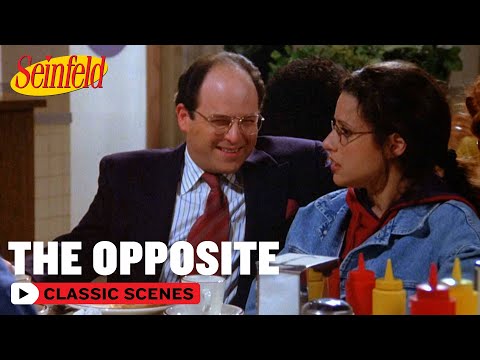
elaine em 30 segundos
- Elaine is a classic female name meaning 'shining light.' It originates from Greek via Old French and is deeply rooted in English literary history and legend.
- Commonly found in Arthurian tales, Elaine represents purity and devotion. It remains a sophisticated choice for parents and is widely recognized in modern pop culture.
- As a proper noun, it follows standard English capitalization and grammar rules. It is often associated with the mid-20th century but retains a timeless, elegant appeal.
- The name is a variant of Helen and shares its radiant meaning. It is versatile, appearing in formal academic texts, classic literature, and contemporary television shows.
The name Elaine is a classic female given name that carries a weight of history, myth, and linguistic evolution. At its core, it is the Old French form of Helen, which originates from the Greek name Helēnē. The etymological root is often linked to the Greek word helē, meaning 'torch' or 'corposant,' or selēnē, meaning 'moon.' Consequently, the name is universally interpreted as 'shining light,' 'bright one,' or 'radiant.' When people use the name Elaine today, they are often tapping into a tradition that spans from ancient Greece through the medieval courts of France and into the heart of English literature. It is a name that suggests both elegance and a certain timeless strength, often chosen by parents who appreciate traditional names that are not overly trendy but remain recognizable and sophisticated.
- Etymological Origin
- Derived from the Greek 'Helene,' meaning light or torch, it transitioned through Old French before becoming a staple in English-speaking cultures during the Middle Ages.
In the context of social usage, Elaine saw a significant peak in popularity during the mid-20th century, particularly in the United States and the United Kingdom. It is often associated with the 'baby boomer' generation, though it has deep roots in the Victorian era due to the revival of interest in Arthurian legends. In literature, Elaine is a name of tragic beauty. The most famous literary Elaine is perhaps 'Elaine of Astolat,' the 'Lily Maid' who dies of unrequited love for Sir Lancelot. This character was immortalized by Alfred, Lord Tennyson in his poem 'Lancelot and Elaine' and 'The Lady of Shalott.' Because of these associations, the name often carries a connotation of romanticism and poetic melancholy in a literary context.
The historian noted that the name elaine appears frequently in medieval manuscripts, often representing characters of high noble birth and exceptional beauty.
- Cultural Resonance
- The name resonates with themes of purity, light, and devotion, largely influenced by its recurring presence in the Matter of Britain and Arthurian cycles.
Beyond the medieval, Elaine transitioned into the modern era as a name representing professional reliability and wit. In the late 20th century, the name gained a new layer of cultural meaning through the character Elaine Benes on the sitcom Seinfeld. This character, known for her assertiveness, humor, and unique personality, shifted the perception of the name from a purely romantic or traditional one to one that fits a modern, urban environment. Today, while it may not be in the top ten lists of baby names, it remains a respected choice that avoids the fleeting nature of modern naming fads. It is used in formal introductions, academic citations, and everyday conversation, functioning as a standard proper noun that identifies an individual while subtly signaling their heritage or their parents' literary tastes.
During the ceremony, the presenter introduced elaine as the lead researcher on the project, highlighting her years of dedication to the field.
Linguistically, Elaine is a trochee, a metrical foot consisting of a stressed syllable followed by an unstressed one (though in modern English, the stress is often more balanced or slightly shifted depending on regional accent). This rhythmic quality makes it a pleasant name to speak and hear. It ends in a soft 'n' sound, which provides a gentle conclusion to the name. In various cultures, variants like Elena, Helena, or Alaina might be used, but 'Elaine' specifically maintains its French-influenced spelling and pronunciation, which sets it apart from its cognates. It is a name that bridges the gap between the ancient world and the present day, carrying the light of its original meaning through centuries of linguistic change.
The protagonist of the novel, elaine, struggled to reconcile her traditional upbringing with her desire for a modern career in the city.
- Modern Perception
- Currently viewed as a 'vintage-chic' name, it is increasingly popular among parents looking for names that are classic but not currently overused like 'Emma' or 'Olivia.'
My grandmother, elaine, always told stories of her youth in the countryside, where the name was much more common than it is today.
The poet wrote a sonnet dedicated to elaine, comparing her presence to the soft glow of the morning sun.
Using the name Elaine in a sentence follows the standard rules for proper nouns in English. As a name, it functions primarily as a subject or an object. Because it is a specific identifier for a person, it is always capitalized. When using it as a subject, it dictates the verb form (usually third-person singular). For example, 'Elaine walks to the store.' In more complex sentence structures, Elaine can be the recipient of an action, as in 'The manager promoted Elaine last week.' The versatility of the name allows it to fit into formal, informal, and literary contexts with ease. Understanding the possessive form is also crucial; 'Elaine's' is used to indicate ownership or association, such as 'Elaine's book' or 'Elaine's idea.'
- Subjective Use
- Elaine is currently leading the marketing team through a difficult transition period.
In dialogue, Elaine can be used as a vocative, which is a word used to address someone directly. This is common in both casual conversation and dramatic writing. For instance, 'Elaine, could you please pass the salt?' or 'I don't think you're right about that, Elaine.' The placement of the name can change the tone of the sentence. Placing it at the beginning usually sounds more direct, while placing it at the end can sound more conversational or even slightly corrective. In written English, vocatives are set off by commas, a grammatical rule that is often tested in proficiency exams. Using the name correctly in this way demonstrates a high level of grammatical awareness.
When elaine arrived at the gala, everyone turned to admire her elegant gown and poised demeanor.
- Objective Use
- The committee decided to award the scholarship to Elaine after reviewing her impressive academic record.
Furthermore, Elaine can be used in appositive phrases to provide more information about a person. An appositive is a noun or noun phrase that renames another noun right beside it. For example, 'My sister, Elaine, is a talented violinist.' Here, 'Elaine' renames 'my sister.' This is a sophisticated way to introduce someone in writing. It helps the reader identify the person while maintaining the flow of the sentence. In academic or biographical writing, you might see it used to identify historical figures: 'Elaine of Astolat, a character in Arthurian legend, represents the theme of unrequited love.' This usage is common in essays, literary critiques, and historical accounts.
I asked elaine for her opinion on the new policy, as she has the most experience in the department.
The name also appears in various idiomatic or cultural references. While not a common noun, 'an Elaine' might be used metaphorically to describe someone who embodies the characteristics of a famous Elaine, such as the wit of Elaine Benes. However, this is relatively rare and highly dependent on the audience's cultural knowledge. In most cases, the name is used literally. It is also worth noting that Elaine can be a middle name, where it often serves as a rhythmic bridge between a first and last name. For example, 'Sarah Elaine Thompson' flows well because of the trochaic meter of Elaine. When analyzing sentence patterns, notice how the name interacts with different prepositions: 'I went with Elaine,' 'I bought this for Elaine,' or 'I heard it from Elaine.'
It was elaine who first suggested that we explore the abandoned lighthouse at the edge of town.
- Possessive Use
- Elaine's contribution to the project was instrumental in its eventual success and widespread acclaim.
The teacher praised elaine for her insightful comments during the discussion on medieval poetry.
After the meeting, elaine stayed behind to help clean up the conference room.
The name Elaine is heard in a variety of settings, ranging from the mundane to the highly artistic. In everyday life, you will encounter it in workplaces, schools, and social gatherings. It is a common name for women in their 40s, 50s, 60s, and 70s in English-speaking countries, making it a frequent sound in professional environments. You might hear it during a roll call, in a business meeting, or when someone is being paged in a public space. Because it is a clear, two-syllable name, it carries well over distance and noise, which might be why it has remained a steady choice for decades. In these contexts, it is simply a functional identifier, devoid of the heavy mythological baggage it might carry in a classroom or a theater.
- Professional Contexts
- 'Elaine, the CEO wants to see the quarterly reports by five o'clock today.'
In the world of entertainment, the name Elaine is iconic. If you are a fan of classic television, you will hear it constantly in the show Seinfeld. The character Elaine Benes, played by Julia Louis-Dreyfus, is one of the most famous Elaines in popular culture. Her name is shouted, whispered, and discussed in almost every episode, often in the context of her humorous and relatable struggles with dating, work, and her group of friends. Hearing the name in this context often evokes a sense of 1990s nostalgia and urban wit. Similarly, in the film The Graduate, the name is famously shouted by Dustin Hoffman's character, Benjamin Braddock, in the climactic church scene: 'Elaine! Elaine!' This cinematic moment has made the name synonymous with dramatic realization and romantic pursuit.
The fans of the show often quote the famous line where Jerry calls out to elaine during one of their many misadventures.
- Cinematic Contexts
- The desperate cry of 'Elaine!' in the final scenes of 'The Graduate' remains one of the most recognizable uses of the name in film history.
In academic and literary circles, the name Elaine is heard during lectures on Arthurian legend or Victorian poetry. Professors might discuss 'Elaine of Corbenic' or 'Elaine of Astolat' when exploring the roles of women in medieval literature. In these settings, the name is often spoken with a degree of reverence or analytical focus. You might hear it in a library, a seminar room, or a theater during a performance of a play based on these legends. The name's presence in the works of Sir Thomas Malory and Alfred, Lord Tennyson ensures that it remains a topic of conversation for students of English literature. It is also heard in musical contexts, such as in the lyrics of folk songs or contemporary indie tracks that reference these literary figures.
In the literature seminar, the professor explained how elaine of Astolat serves as a foil to the character of Guinevere.
Finally, you will hear the name in religious or historical contexts. Several saints and historical figures have borne the name or its variants. In some French-speaking regions, the name might be heard as 'Élaine,' with a slightly different vowel quality. In the United States, it is also a common middle name, so you might hear it during graduation ceremonies or wedding announcements where full names are read aloud. The name's versatility means it can be heard in a quiet hospital corridor, a bustling city street, or a grand concert hall. It is a name that has successfully navigated the transition from the high-flown language of knights and ladies to the practical, everyday speech of the 21st century.
During the graduation ceremony, the dean read out the name elaine Marie Sullivan, who graduated with honors in philosophy.
- Everyday Contexts
- 'I'm meeting Elaine for coffee at three, so I'll be back in the office by four-thirty.'
The barista called out for elaine, and a woman in a business suit stepped forward to claim her latte.
The radio announcer interviewed elaine about her new book on the history of the lightbulb.
One of the most frequent mistakes people make with the name Elaine is related to its spelling. Because there are several similar-sounding names, it is easy to confuse it with 'Alaina,' 'Alayne,' 'Elane,' or even 'Eileen.' While 'Alaina' is a modern variant and 'Eileen' is a completely different name of Irish origin (meaning 'bright' or 'shining' but from a different root), 'Elaine' has a specific French-derived spelling that includes the 'i' before the 'n.' Misspelling the name can be seen as a lack of attention to detail, especially in professional or formal correspondence. It is always best to double-check the spelling if you are writing to someone with this name, as people can be quite sensitive about the correct spelling of their personal identifiers.
- Spelling Error
- Writing 'Elane' or 'Alaine' instead of the standard 'Elaine.'
Another common mistake involves pronunciation. In most English-speaking regions, Elaine is pronounced /ɪˈleɪn/ or /eɪˈleɪn/, with the emphasis on the second syllable. However, some people might accidentally put the stress on the first syllable, making it sound more like 'Ellen.' Others might confuse the 'ai' sound with a long 'i' sound, leading to a pronunciation that sounds like 'E-line.' This is particularly common among non-native speakers who are applying the phonetic rules of their own language to an English name. To avoid this, listen carefully to how the person introduces themselves or how others address them. Correct pronunciation is a key part of respectful communication.
The new intern mistakenly called elaine 'Ellen' during the morning meeting, causing a brief moment of confusion.
- Pronunciation Error
- Stressing the first syllable (EL-aine) instead of the second (e-LAINE).
In a literary or historical context, a mistake often made is confusing the different Elaines of Arthurian legend. There are at least three prominent Elaines in the stories: Elaine of Astolat (who loved Lancelot), Elaine of Corbenic (the mother of Galahad), and Elaine of Garlot (King Arthur's half-sister). Students and writers often conflate these characters, which can lead to inaccuracies in literary analysis. When writing about these figures, it is important to specify which Elaine you are referring to. This mistake is similar to confusing different characters named 'Mary' in a historical text. Precision is vital when dealing with names that were common in medieval literature.
In his essay, the student confused elaine of Astolat with Elaine of Corbenic, leading to a flawed argument about Lancelot's character.
Finally, there is the mistake of assuming the name is 'outdated' or 'old-fashioned' in a negative way. While it was more popular in the past, calling the name 'old' can be seen as dismissive or rude, especially to someone who bears the name. Names go through cycles of popularity, and what is considered 'old' by one generation is often seen as 'classic' or 'vintage' by the next. Using the name in a way that mocks its age—such as saying 'That's such a grandma name'—is a social mistake that can cause offense. Instead, recognize the name for its rich history and enduring presence in the English language. Treating all proper nouns with respect is a hallmark of a culturally competent speaker.
The marketing team debated whether the name elaine would appeal to a younger demographic or if it felt too tied to an older generation.
- Social Misstep
- Assuming the name is only for older women and expressing this opinion in a rude or dismissive manner.
When writing the invitation, make sure to spell elaine correctly to avoid any awkwardness at the party.
The actor was careful to pronounce elaine with the correct emphasis during the dramatic reading of the poem.
When looking for words similar to Elaine, we primarily look at other names that share its etymological roots or its phonetic qualities. The most direct relative is Helen. Both names come from the Greek 'Helene' and share the meaning of 'light' or 'shining.' While Helen feels more ancient and perhaps more formal, Elaine has a softer, more lyrical quality due to its French influence. Another close relative is Elena, which is the Spanish, Italian, and Romanian version of the name. Elena has seen a massive surge in popularity in recent years, often being chosen for its international appeal. Comparing Elaine to Elena, one might say Elaine feels more 'mid-century English,' while Elena feels more 'contemporary global.'
- Elaine vs. Helen
- Elaine is the French-derived form, often perceived as more poetic, whereas Helen is the direct English translation of the Greek original, often seen as more traditional and sturdy.
Another alternative is Eleanor. While the etymology of Eleanor is debated (it may come from the Provençal 'Aliénor,' which could be a version of Helen), it shares the 'El-' prefix and a similar classic, sophisticated feel. Eleanor is currently very popular, often appearing in the top ten lists for baby names. For someone who likes the sound of Elaine but wants something more modern-sounding, Alaina or Alana are common choices. These names have a similar rhythmic structure but feel more aligned with 21st-century naming trends. Ellen is another variant that was very popular in the early 20th century and shares the same 'light' meaning but has a simpler, one-and-a-half syllable feel compared to the distinct two syllables of Elaine.
While elaine was the preferred name in the 1950s, many parents today are opting for the variant Elena for their daughters.
- Elaine vs. Eileen
- Though they sound somewhat similar, Eileen is of Irish origin (Eibhlín) and has a different linguistic history, though both names are associated with 'light.'
In terms of nicknames, Lainey (or Laney) is the most common alternative. It is often used as a standalone name today. Lainey feels much more casual and youthful than Elaine. In a professional setting, a woman might go by Elaine, but her close friends and family might call her Lainey. Other less common alternatives include Laine, which is a sleek, one-syllable version that feels very modern and gender-neutral. For those interested in the Arthurian connection, names like Enid or Vivienne are often grouped with Elaine as they share the same literary heritage. These names evoke a similar sense of medieval romance and legendary history.
The author chose the name elaine specifically for its Arthurian overtones, which complemented the medieval setting of the novel.
Finally, when considering alternatives in a non-naming context—such as when 'Elaine' is used as a placeholder for a 'typical' woman of a certain age—one might use names like 'Susan,' 'Linda,' or 'Barbara.' However, this usage is becoming less common as naming diversity increases. In the end, Elaine stands as a unique name that occupies a specific niche: it is more poetic than Helen, more traditional than Alaina, and more grounded than the ethereal Elena. Its French roots give it a 'chic' quality that many of its cognates lack. Whether used in a poem, a sitcom, or a business meeting, Elaine remains a versatile and enduring choice that carries its 'shining light' through the ages.
Many people find that elaine has a more melodic sound than its shorter variant, Ellen.
- Modern Alternatives
- Lainey, Alaina, and Laine are the most frequent modern choices for those who appreciate the phonetic core of Elaine but want a fresher feel.
The genealogist traced the name elaine back through several generations of the family, noting its consistent popularity.
Choosing between elaine and Eleanor, the parents eventually decided on the former for its unique French flair.
How Formal Is It?
""
""
""
""
""
Curiosidade
In Arthurian legend, there are so many characters named Elaine that scholars often have to number them to keep track! The most famous are Elaine of Astolat and Elaine of Corbenic, the latter being the mother of Sir Galahad.
Guia de pronúncia
- Pronouncing it like 'Ellen' (stressing the first syllable).
- Pronouncing it like 'Eileen' (changing the 'ai' to a long 'i').
- Making it three syllables (E-lay-uh-ne).
- Dropping the 'i' sound entirely (El-ane).
- Over-emphasizing the first 'E' so it sounds like 'EE-laine'.
Nível de dificuldade
The name is easy to recognize in text once the learner is familiar with proper noun capitalization.
The 'ai' spelling can be tricky for beginners who might want to write 'Elane' or 'Alaine'.
The iambic stress (e-LAINE) is important and can be missed by non-native speakers.
The name is distinct and usually easy to hear in conversation.
O que aprender depois
Pré-requisitos
Aprenda a seguir
Avançado
Gramática essencial
Capitalization of Proper Nouns
Always write 'Elaine' with a capital 'E'.
Possessive Form of Names
Add 's to Elaine to show possession: 'Elaine's book'.
Vocative Comma
Use a comma when addressing her: 'Hello, Elaine.'
Appositives
Use commas for appositives: 'My friend, Elaine, is here.'
Subject-Verb Agreement
Elaine (singular) takes a singular verb: 'Elaine runs.'
Exemplos por nível
Elaine is my friend.
Elaine est mon amie.
Proper noun as subject.
Her name is Elaine.
Son nom est Elaine.
Possessive adjective + noun + is + name.
Elaine lives in London.
Elaine habite à Londres.
Third-person singular verb ending in -s.
I like Elaine.
J'aime bien Elaine.
Proper noun as direct object.
Elaine has a red car.
Elaine a une voiture rouge.
Verb 'has' for third-person singular.
Where is Elaine?
Où est Elaine ?
Question word + is + subject.
Elaine is a teacher.
Elaine est professeure.
Subject + is + article + profession.
This gift is for Elaine.
Ce cadeau est pour Elaine.
Preposition 'for' followed by a proper noun.
Elaine is going to the park today.
Elaine va au parc aujourd'hui.
Present continuous for future plans.
I met Elaine at the library yesterday.
J'ai rencontré Elaine à la bibliothèque hier.
Past simple of the verb 'meet'.
Elaine's house is very big.
La maison d'Elaine est très grande.
Possessive 's' to show ownership.
Does Elaine speak Spanish?
Est-ce qu'Elaine parle espagnol ?
Auxiliary 'does' for questions.
Elaine doesn't like cold weather.
Elaine n'aime pas le temps froid.
Negative form with 'doesn't'.
We are waiting for Elaine.
Nous attendons Elaine.
Present continuous with preposition 'for'.
Elaine can play the piano very well.
Elaine sait très bien jouer du piano.
Modal verb 'can' for ability.
Elaine and her brother are students.
Elaine et son frère sont étudiants.
Compound subject with plural verb.
Elaine has been working here for five years.
Elaine travaille ici depuis cinq ans.
Present perfect continuous for duration.
If Elaine calls, tell her I'll be back soon.
Si Elaine appelle, dis-lui que je serai bientôt de retour.
First conditional sentence.
Elaine, who is my neighbor, is very kind.
Elaine, qui est ma voisine, est très gentille.
Non-defining relative clause.
I think Elaine might have forgotten about the meeting.
Je pense qu'Elaine a peut-être oublié la réunion.
Modal of deduction in the past.
Elaine was seen leaving the building at noon.
Elaine a été vue quittant le bâtiment à midi.
Passive voice construction.
Neither Elaine nor her sister wanted to go.
Ni Elaine ni sa sœur ne voulaient y aller.
Correlative conjunction 'neither...nor'.
Elaine is much taller than I expected.
Elaine est beaucoup plus grande que ce à quoi je m'attendais.
Comparative adjective with intensifier.
I'm looking forward to meeting Elaine next week.
J'ai hâte de rencontrer Elaine la semaine prochaine.
Phrasal verb 'look forward to' + gerund.
Elaine is widely regarded as an expert in her field.
Elaine est largement considérée comme une experte dans son domaine.
Passive voice with an adverbial modifier.
Had Elaine known about the delay, she would have taken the train.
Si Elaine avait été au courant du retard, elle aurait pris le train.
Third conditional with inversion.
Elaine's refusal to compromise led to a stalemate.
Le refus d'Elaine de faire des compromis a mené à une impasse.
Possessive noun followed by a gerund-based noun.
It was Elaine who eventually solved the complex puzzle.
C'est Elaine qui a finalement résolu le puzzle complexe.
Cleft sentence for emphasis.
Elaine, having finished her work, decided to go for a walk.
Elaine, ayant fini son travail, a décidé d'aller se promener.
Participle clause for sequencing actions.
Despite the rain, Elaine insisted on walking to the station.
Malgré la pluie, Elaine a insisté pour aller à la gare à pied.
Prepositional phrase 'despite' + noun.
Elaine is said to be the most talented artist in the city.
On dit qu'Elaine est l'artiste la plus talentueuse de la ville.
Reporting passive structure.
The more I talk to Elaine, the more I admire her intelligence.
Plus je parle à Elaine, plus j'admire son intelligence.
Double comparative structure.
Elaine's contribution to the project was nothing short of extraordinary.
La contribution d'Elaine au projet n'était rien de moins qu'extraordinaire.
Idiomatic expression 'nothing short of'.
Little did Elaine realize that her discovery would change the world.
Elaine était loin de se douter que sa découverte changerait le monde.
Negative inversion for dramatic effect.
Elaine, ever the optimist, believed that a solution could be found.
Elaine, toujours optimiste, croyait qu'une solution pouvait être trouvée.
Appositive phrase with 'ever the'.
The sheer brilliance of Elaine's argument left the audience speechless.
La brillance pure de l'argument d'Elaine a laissé le public sans voix.
Noun phrase with 'sheer' for emphasis.
Elaine's work is characterized by a meticulous attention to detail.
Le travail d'Elaine se caractérise par une attention méticuleuse aux détails.
Passive voice with characteristic description.
Should Elaine decide to resign, the company would face a significant crisis.
Si Elaine décidait de démissionner, l'entreprise ferait face à une crise importante.
Inverted first conditional for formal tone.
Elaine's legacy is one of compassion and unwavering integrity.
L'héritage d'Elaine est fait de compassion et d'une intégrité inébranlable.
Abstract nouns used to define a person's impact.
Not until Elaine spoke did the true gravity of the situation become clear.
Ce n'est que lorsqu'Elaine a pris la parole que la véritable gravité de la situation est devenue claire.
Negative inversion with 'not until'.
Elaine's prose is imbued with a lyrical quality that evokes the Arthurian legends of old.
La prose d'Elaine est imprégnée d'une qualité lyrique qui évoque les anciennes légendes arthuriennes.
Passive voice with 'imbued with' for sophisticated description.
The protagonist, Elaine, navigates the labyrinthine corridors of power with unparalleled grace.
La protagoniste, Elaine, navigue dans les couloirs labyrinthiques du pouvoir avec une grâce inégalée.
Metaphorical use of 'labyrinthine' and 'corridors of power'.
Elaine's stoicism in the face of adversity was a testament to her formidable character.
Le stoïcisme d'Elaine face à l'adversité était un témoignage de son caractère redoutable.
Complex noun phrases and high-level vocabulary.
Were it not for Elaine's timely intervention, the negotiations would surely have collapsed.
Sans l'intervention opportune d'Elaine, les négociations se seraient sûrement effondrées.
Inverted third conditional with 'were it not for'.
Elaine's nuanced interpretation of the text shed new light on a centuries-old debate.
L'interprétation nuancée du texte par Elaine a apporté un nouvel éclairage sur un débat vieux de plusieurs siècles.
Use of 'nuanced' and 'shed light on' in an academic context.
The name Elaine, redolent of medieval romance, felt somewhat out of place in the sterile laboratory.
Le nom d'Elaine, évocateur de romance médiévale, semblait quelque peu déplacé dans le laboratoire stérile.
Adjective phrase 'redolent of' for sensory/cultural association.
Elaine's penchant for the dramatic often led her into precarious social situations.
Le penchant d'Elaine pour le dramatique l'a souvent menée dans des situations sociales précaires.
Use of 'penchant' and 'precarious' for character analysis.
In the final analysis, it was Elaine's vision that propelled the movement toward its ultimate goal.
En dernière analyse, c'est la vision d'Elaine qui a propulsé le mouvement vers son but ultime.
Cleft sentence combined with a prepositional phrase of purpose.
Colocações comuns
Frases Comuns
Is Elaine there?
Talk to Elaine.
Elaine, wait!
This is Elaine.
Elaine's turn.
Thanks, Elaine.
Call Elaine.
Where's Elaine?
Elaine said so.
Just like Elaine.
Frequentemente confundido com
Eileen is an Irish name. While it also means 'bright,' it is pronounced eye-LEEN and has a different origin.
Ellen is a shorter variant. It is pronounced EL-en, with the stress on the first syllable.
Elena is the Spanish/Italian version. It is pronounced eh-LAY-nah or eh-LEH-nah.
Expressões idiomáticas
"An Elaine Benes moment"
Refers to a situation where someone acts with the specific brand of social awkwardness or assertiveness seen in the Seinfeld character.
I had a total Elaine Benes moment when I started dancing at the wedding.
Informal/Pop Culture"The Lady of Shalott (Elaine)"
Used metaphorically to describe a woman who lives in isolation or who suffers from unrequited love.
She felt like the Lady of Shalott, watching the world go by from her window.
Literary"Shining like an Elaine"
A creative (though non-standard) idiom playing on the name's meaning of 'shining light.'
In her new role, she was truly shining like an Elaine.
Poetic"The Elaine cry"
Refers to the dramatic shouting of the name as seen in 'The Graduate.'
He let out a desperate Elaine cry as the bus pulled away.
Informal/Cinematic"Classic Elaine"
Used to describe an action that is perfectly typical of a specific person named Elaine.
Forgetting her umbrella in a rainstorm? That's classic Elaine.
Informal"To be an Elaine"
In certain friend groups, this might mean being the 'smart, cynical' one of the group, based on Seinfeld.
In our group of friends, Sarah is definitely the Elaine.
Informal"Elaine's choice"
A rare reference to a difficult decision, sometimes confused with 'Sophie's Choice' but specific to a literary Elaine.
She faced an Elaine's choice between her duty and her heart.
Literary"Fair Elaine"
A traditional epithet for the character in Arthurian legend, meaning 'beautiful Elaine.'
The poem speaks of Fair Elaine and her love for the knight.
Archaic/Literary"Elaine's light"
A poetic way to refer to someone's guidance or positive influence.
We followed Elaine's light through the difficult times of the project.
Poetic"The Elaine effect"
A made-up term for when a traditional name suddenly feels modern again.
The 'Elaine effect' is bringing vintage names back into the top 100.
SociolinguisticFácil de confundir
Phonetic similarity.
Alaina is a modern variant with an 'A' at the beginning and an extra 'a' at the end. Elaine is the traditional French form.
Elaine prefers the classic spelling, while her niece Alaina likes the modern one.
Spelling error.
Elane is simply a misspelling of Elaine. The 'i' is essential for the correct French-derived orthography.
The clerk wrote 'Elane' on the cup, but the customer's name was Elaine.
Same meaning and root.
Helen is the direct English form of the Greek name. Elaine is the form that came through Old French. Elaine is often seen as more poetic.
In the story, Helen was a queen, but Elaine was a mystical lady of the lake.
Similar 'El-' beginning.
Eleanor has three syllables and a different (though possibly related) history. It is currently much more popular than Elaine.
Eleanor is a very trendy name right now, whereas Elaine is more of a vintage choice.
Multiple characters with the same name.
Elaine of Astolat dies for Lancelot's love; Elaine of Corbenic is the mother of Galahad. They are distinct characters.
The professor clarified that he was discussing Elaine of Corbenic, not the Lily Maid.
Padrões de frases
I am [Name].
I am Elaine.
[Name] is [Adjective].
Elaine is happy.
[Name] has been [Verb-ing].
Elaine has been reading.
It was [Name] who [Verb-ed].
It was Elaine who called.
Little did [Name] know...
Little did Elaine know the truth.
Were it not for [Name]...
Were it not for Elaine, we would be lost.
Hello, [Name]!
Hello, Elaine!
[Name]'s [Noun]
Elaine's cat.
Família de palavras
Substantivos
Adjetivos
Relacionado
Como usar
Common in older generations; currently considered a 'classic' or 'vintage' name.
-
Writing 'Elane'.
→
Elaine
The standard spelling includes an 'i' which reflects its French origin.
-
Pronouncing it 'EL-en'.
→
e-LAINE
The stress should be on the second syllable, not the first.
-
Confusing Elaine with Eileen.
→
Elaine
These are two different names with different pronunciations and origins.
-
Using 'Elaines' as a possessive.
→
Elaine's
The apostrophe is necessary to show possession in English.
-
Thinking Elaine is a common noun.
→
Elaine (Proper Noun)
It is a specific name for a person and should always be capitalized.
Dicas
Remember the 'i'
Always remember to put the 'i' before the 'n' in Elaine. Think of the 'i' as the 'shining light' inside the name.
Stress the Second Part
Make sure to put the emphasis on 'LAINE.' It should sound like a soft start followed by a clear, strong finish.
Arthurian Context
If you see the name in a book about knights, expect the character to be someone of great beauty or tragic importance.
Using Nicknames
Only use the nickname 'Lainey' if the person has told you they prefer it. Elaine is a more formal and respectful choice.
Capitalize It
As a proper noun, Elaine must always start with a capital 'E,' even if it is in the middle of a sentence.
Seinfeld Reference
Being aware of Elaine Benes will help you understand many jokes and cultural references in American media.
Vintage Appeal
Recognize that Elaine is a 'vintage' name, which gives it a sense of history and classic style.
Link to Light
Remembering that Elaine means 'light' can help you associate it with other names like Helen, Elena, and Lucia.
Possessive Form
Always use 'Elaine's' with an apostrophe to show that something belongs to her. 'Elaines' without an apostrophe is just more than one person.
Practice with Sentences
Write five sentences about a fictional character named Elaine to get used to the spelling and grammar.
Memorize
Mnemônico
To remember Elaine, think of a 'Lane' of 'Light.' The 'E' starts the name, and the 'Lane' is where the 'shining light' travels.
Associação visual
Imagine a woman standing in a bright, sunlit 'lane' (pathway). The light is so bright it makes her name 'Elaine' shine like a torch.
Word Web
Desafio
Try to write a three-sentence story using the name Elaine, the word 'light,' and the word 'legend.' For example: 'Elaine was a legend in her small town. She was known as a shining light to all who met her. Everyone loved Elaine's spirit.'
Origem da palavra
The name Elaine originated as the Old French form of the Greek name 'Helene.' It entered the English language following the Norman Conquest in 1066. Over time, it became distinct from its cognates like Helen and Ellen, developing its own literary and cultural identity in the British Isles.
Significado original: The original Greek 'Helene' is thought to mean 'torch' or 'corposant,' or is related to 'selene' (moon), both leading to the meaning 'shining light.'
Indo-European > Hellenic > Greek > Italic > Romance > French > Germanic > EnglishContexto cultural
As a proper name, there are no specific sensitivities, though mispronouncing or misspelling it can be seen as slightly disrespectful in a personal context.
The name is a staple of the 'classic' English name set, often appearing in literature from the 19th and 20th centuries.
Pratique na vida real
Contextos reais
Introductions
- My name is Elaine.
- This is Elaine.
- Nice to meet you, Elaine.
- Have you met Elaine?
Workplace
- Elaine is in a meeting.
- Send the file to Elaine.
- Elaine is the project lead.
- Ask Elaine for approval.
Literature Class
- The character of Elaine...
- Elaine's tragic love...
- In Tennyson's poem, Elaine...
- The symbolism of Elaine...
Social Gathering
- Is Elaine coming?
- Elaine brought some wine.
- I'm sitting next to Elaine.
- Elaine has a great laugh.
Phone Conversation
- Can I speak to Elaine?
- Tell Elaine I called.
- Is that you, Elaine?
- Elaine is on the other line.
Iniciadores de conversa
"Did you know that the name Elaine actually means 'shining light' in Greek?"
"Have you ever seen the show Seinfeld? The character Elaine is so funny."
"I was reading a poem about Elaine of Astolat; do you like Arthurian legends?"
"My aunt's name is Elaine; do you know anyone with that name?"
"Elaine is such a classic name; do you prefer traditional names or modern ones?"
Temas para diário
If you had to change your name to Elaine, how would you feel about it? Why?
Write a short story about a woman named Elaine who discovers she has a secret talent.
Describe a character named Elaine. What does she look like? What is her personality?
The name Elaine means 'light.' How can you be a 'light' in someone's life today?
Research a famous Elaine and write about her contributions to history or art.
Perguntas frequentes
10 perguntasThe name Elaine means 'shining light' or 'bright one.' It comes from the Greek name Helen, which was passed through Old French before entering the English language. It is a very positive name associated with radiance and clarity.
Elaine was very common in the mid-20th century, particularly in the 1940s and 50s. Today, it is considered a classic or vintage name. While it is not in the top 10 most popular baby names, it remains well-known and respected.
In English, it is pronounced /ɪˈleɪn/ or /eɪˈleɪn/. The stress is on the second syllable: e-LAINE. It rhymes with words like 'rain,' 'plane,' and 'train.' Avoid stressing the first syllable, which would make it sound like 'Ellen.'
There are several famous Elaines. In pop culture, Elaine Benes from the TV show 'Seinfeld' is very famous. In literature, Elaine of Astolat from Arthurian legend is a major figure. There are also many famous real-life Elaines, such as actress Elaine May.
Yes, Elaine is the Old French form of the name Helen. It was brought to England by the Normans. In modern French, the name is usually spelled Élaine, though it is not as common in France today as it once was.
The most common nickname for Elaine is 'Lainey' (sometimes spelled Laney). Other shorter versions include 'Laine' or 'Elle.' Some people might also use 'Lanie' as a sweet, informal alternative.
Elaine and Eileen are different names with different origins. Elaine is French/Greek and means 'light.' Eileen is Irish (from Eibhlín) and also means 'bright,' but they are pronounced differently: e-LAINE vs. eye-LEEN.
Yes, there are several characters named Elaine in Arthurian legend. The most famous is Elaine of Astolat, who dies of a broken heart for Sir Lancelot. Another is Elaine of Corbenic, who is the mother of the perfect knight, Sir Galahad.
Elaine is almost exclusively a female name. While some names are gender-neutral, Elaine has a very strong feminine association due to its history and literary characters. The variant 'Laine' is sometimes used for boys, but it is rare.
The plural of Elaine is 'Elaines.' For example, if you are in a room with three people named Elaine, you could say, 'There are three Elaines here today.' You do not need an apostrophe for the plural form.
Teste-se 200 perguntas
Write a sentence using the name Elaine as the subject.
Well written! Good try! Check the sample answer below.
Write a sentence using the possessive form of Elaine.
Well written! Good try! Check the sample answer below.
Describe a person named Elaine using three adjectives.
Well written! Good try! Check the sample answer below.
Write a short dialogue between Jerry and Elaine.
Well written! Good try! Check the sample answer below.
Explain the meaning of the name Elaine in your own words.
Well written! Good try! Check the sample answer below.
Write a formal introduction for a speaker named Elaine.
Well written! Good try! Check the sample answer below.
Write a sentence using an appositive with the name Elaine.
Well written! Good try! Check the sample answer below.
Write a short poem (4 lines) that includes the name Elaine.
Well written! Good try! Check the sample answer below.
Discuss the cultural impact of the character Elaine Benes.
Well written! Good try! Check the sample answer below.
Compare the name Elaine with its variant Elena.
Well written! Good try! Check the sample answer below.
Write a sentence using the name Elaine in a passive voice construction.
Well written! Good try! Check the sample answer below.
Use the name Elaine in a third conditional sentence.
Well written! Good try! Check the sample answer below.
Write a sentence where Elaine is the object of a preposition.
Well written! Good try! Check the sample answer below.
Create a character profile for a woman named Elaine in a mystery novel.
Well written! Good try! Check the sample answer below.
Write a sentence using the nickname Lainey.
Well written! Good try! Check the sample answer below.
Explain why Elaine is a proper noun.
Well written! Good try! Check the sample answer below.
Write a sentence about Elaine of Astolat.
Well written! Good try! Check the sample answer below.
Use the name Elaine in a sentence with a relative clause.
Well written! Good try! Check the sample answer below.
Write a sentence using 'Classic Elaine' as a descriptive phrase.
Well written! Good try! Check the sample answer below.
Discuss the etymology of Elaine from Greek to English.
Well written! Good try! Check the sample answer below.
Pronounce the name Elaine correctly, stressing the second syllable.
Read this aloud:
Você disse:
Speech recognition is not supported in your browser. Try Chrome or Edge.
Introduce yourself as Elaine.
Read this aloud:
Você disse:
Speech recognition is not supported in your browser. Try Chrome or Edge.
Say 'Elaine's book' out loud.
Read this aloud:
Você disse:
Speech recognition is not supported in your browser. Try Chrome or Edge.
Call out the name Elaine as if you are looking for her.
Read this aloud:
Você disse:
Speech recognition is not supported in your browser. Try Chrome or Edge.
Explain the meaning of the name Elaine to a friend.
Read this aloud:
Você disse:
Speech recognition is not supported in your browser. Try Chrome or Edge.
Pronounce the nickname Lainey.
Read this aloud:
Você disse:
Speech recognition is not supported in your browser. Try Chrome or Edge.
Use Elaine in a sentence about work.
Read this aloud:
Você disse:
Speech recognition is not supported in your browser. Try Chrome or Edge.
Describe the character Elaine Benes briefly.
Read this aloud:
Você disse:
Speech recognition is not supported in your browser. Try Chrome or Edge.
Say the phrase 'Classic Elaine' with a sarcastic tone.
Read this aloud:
Você disse:
Speech recognition is not supported in your browser. Try Chrome or Edge.
Pronounce the name 'Elaine of Astolat'.
Read this aloud:
Você disse:
Speech recognition is not supported in your browser. Try Chrome or Edge.
Introduce Elaine as your sister.
Read this aloud:
Você disse:
Speech recognition is not supported in your browser. Try Chrome or Edge.
Ask if Elaine is available on the phone.
Read this aloud:
Você disse:
Speech recognition is not supported in your browser. Try Chrome or Edge.
Compare the sounds of Elaine and Eileen.
Read this aloud:
Você disse:
Speech recognition is not supported in your browser. Try Chrome or Edge.
Tell a short joke involving the name Elaine.
Read this aloud:
Você disse:
Speech recognition is not supported in your browser. Try Chrome or Edge.
Say 'Elaine and Elena' quickly three times.
Read this aloud:
Você disse:
Speech recognition is not supported in your browser. Try Chrome or Edge.
Pronounce the name with a French accent.
Read this aloud:
Você disse:
Speech recognition is not supported in your browser. Try Chrome or Edge.
Use Elaine in a sentence with 'might have'.
Read this aloud:
Você disse:
Speech recognition is not supported in your browser. Try Chrome or Edge.
Give a short speech about Elaine's achievements.
Read this aloud:
Você disse:
Speech recognition is not supported in your browser. Try Chrome or Edge.
Say 'Dear Elaine' as if starting a letter.
Read this aloud:
Você disse:
Speech recognition is not supported in your browser. Try Chrome or Edge.
Pronounce the trochaic name 'Ellen' and compare it to 'Elaine'.
Read this aloud:
Você disse:
Speech recognition is not supported in your browser. Try Chrome or Edge.
Listen to the name: [Audio: Elaine]. Is the stress on the first or second syllable?
Listen to the sentence: 'Elaine is coming at five.' What time is she coming?
Identify the name: [Audio: Eileen]. Is this Elaine?
Listen to the nickname: [Audio: Lainey]. What is the full name?
Listen to the sentence: 'Elaine's cat is black.' What color is the cat?
Listen to the poem snippet: 'Fair Elaine of Astolat...' Who is being described?
Listen to the dialogue: 'Where's Elaine?' 'She's at the office.' Where is she?
Identify the vowel sound in the second syllable of Elaine.
Listen to the name: [Audio: Elena]. Is this Elaine?
Listen to the formal introduction: 'Please welcome Elaine Miller.' What is her last name?
Listen to the spelling: 'E-L-A-I-N-E'. What name is being spelled?
Listen to the sentence: 'I'm meeting Elaine and Jerry.' Who am I meeting?
Listen to the tone: 'Oh, Elaine...' Is the speaker happy or disappointed?
Listen to the name: [Audio: Ellen]. Is this Elaine?
Listen to the sentence: 'Elaine has three sisters.' How many sisters does she have?
/ 200 correct
Perfect score!
Summary
Elaine is more than just a name; it is a cultural bridge between ancient Greek light imagery, medieval French romance, and modern English identity. For example: 'Elaine's role in the legend of Lancelot highlights the name's historical depth.'
- Elaine is a classic female name meaning 'shining light.' It originates from Greek via Old French and is deeply rooted in English literary history and legend.
- Commonly found in Arthurian tales, Elaine represents purity and devotion. It remains a sophisticated choice for parents and is widely recognized in modern pop culture.
- As a proper noun, it follows standard English capitalization and grammar rules. It is often associated with the mid-20th century but retains a timeless, elegant appeal.
- The name is a variant of Helen and shares its radiant meaning. It is versatile, appearing in formal academic texts, classic literature, and contemporary television shows.
Remember the 'i'
Always remember to put the 'i' before the 'n' in Elaine. Think of the 'i' as the 'shining light' inside the name.
Stress the Second Part
Make sure to put the emphasis on 'LAINE.' It should sound like a soft start followed by a clear, strong finish.
Arthurian Context
If you see the name in a book about knights, expect the character to be someone of great beauty or tragic importance.
Using Nicknames
Only use the nickname 'Lainey' if the person has told you they prefer it. Elaine is a more formal and respectful choice.