التقديم: وضع المفعول به أولاً
Grammar Rule in 30 Seconds
Move the object to the very start of the sentence to create intense focus or link ideas smoothly.
- Move the direct object to the front: 'That movie I loved.'
- Do not add a pronoun at the end: 'That movie I loved (it)' is wrong.
- Keep the Subject + Verb order the same: No inversion is needed here.

نظرة عامة
Object Fronting في اللغة الإنجليزية أداة بلاغية متقدمة تعكس تمكناً لغوياً عالياً، وهي تتجاوز القواعد الأساسية للجملة الإنجليزية التي تعتمد عادةً على ترتيب Subject-Verb-Object (SVO). في اللغة العربية، نحن معتادون على مرونة أكبر في ترتيب الجملة؛ فبإمكاننا البدء بالفعل (جملة فعلية) أو بالاسم (جملة اسمية)، كما أننا نستخدم «التقديم والتأخير» كأداة بلاغية أساسية في البلاغة العربية لغرض الحصر أو التخصيص أو الاهتمام. أما في الإنجليزية، فالأمر مختلف؛ لأن ترتيب الكلمات هو المحدِّد الأساسي للوظائف النحوية (الفاعل والمفعول).Stylistic Choice وليس ضرورة نحوية. نحن نستخدمه عندما نريد أن نجعل المفعول به هو «بطل الجملة» أو عندما نريد خلق تباين Contrast بين فكرتين.Direct or Indirect Object من مكانه الطبيعي بعد الفعل إلى بداية الجملة. في النحو العربي، هذا يقابل أسلوب «التقديم والتأخير» الذي ندرسه في علم المعاني، حيث يُقدم ما حقه التأخير لغرض بلاغي. في الإنجليزية، هذه العملية لا تغير من دور الكلمة؛ فهي تظل مفعولاً به، ولا تتطلب تغييراً في تصريف الفعل.Subject-Verb بعده مباشرةً. إذا قمت بقلب ترتيب الفاعل والفعل (مثل Object + Verb + Subject)، فستتحول الجملة إلى بنية استفهامية أو بنية خاطئة تماماً.The report I have finished. هنا، The report هو المفعول به. في الجملة العادية نقول I have finished the report. التقديم هنا يضع «التقرير» في صدارة ذهن القارئ قبل حتى أن يعرف من الذي أنجزه. هذا الأسلوب شائع جداً في النقاشات الرسمية أو الأكاديمية (مثل اجتماعات Majlis أو التقارير المهنية) حيث تود التركيز على الموضوع (التقرير) بدلاً من الفاعل (أنا).Information Structure، حيث نضع المعلومة الأهم في بداية الجملة لتكون هي المنطلق للنقاش.Inversion (التي تتطلب فعلاً مساعداً). إليك الجدول التوضيحي للنمط:He bought the expensive car. |The expensive car he bought. |- 1حدد المفعول به في الجملة الأصلية.
- 2انقله إلى بداية الجملة.
- 3ضع الفاعل ثم الفعل كما هما دون أي تغيير في الترتيب بينهما.
- الجملة العادية:
I have seen many strange things in my life. - الجملة المقدمة:
Many strange things I have seen in my life. - الجملة العادية:
We must solve this problem immediately. - الجملة المقدمة:
This problem we must solve immediately.
must solve أو الفاعل we. هذا هو السر في الحفاظ على سلامة الجملة.- 1للتأكيد والتركيز
Emphasis: عندما يكون المفعول به هو المعلومة الأكثر إثارة أو أهمية. مثال:Such a difficult exam I have never taken.هنا التركيز على صعوبة الامتحان. - 2للتباين
Contrast: عندما تقارن بين شيئين. مثال:Coffee I drink black, but tea I prefer with milk.هذا الأسلوب يبرز الفرق بوضوح شديد. - 3للربط التماسك النصي
Cohesion: عندما تشير إلى شيء ذُكر سابقاً في النص. مثال:The contract was signed yesterday. This contract we will implement starting next week.هنا، استخدامThis contractفي البداية يربط الجملة الثانية بالأولى بسلاسة. - 4في السياق الأدبي أو الرسمي: يُضفي هذا الأسلوب طابعاً من الرسمية والجدية، وهو مفضل في الخطابات أو التقارير التي تتطلب لغة رفيعة المستوى.
L1 Interference:- 1خطأ التقديم مع قلب الفعل (Inversion): يظن الطالب أن التقديم يقتضي قلب الفعل والفاعل كما في الأسئلة. مثال خاطئ:
*This book have I read.الصحيح:This book I have read.السبب: في العربية نحن لا نملك أفعالاً مساعدة، لذا يخلط الطالب بين تقديم المفعول وبين صيغ السؤال. - 2نسيان المفعول به الأصلي: يقوم البعض بتقديم المفعول به ثم تركه في الجملة كضمير زائد. مثال خاطئ:
*This car, I bought it.هذا خطأ لأنitهنا تكرار غير ضروري للمفعول به المقدم. في الإنجليزية، بمجرد تقديم المفعول به، لا نحتاج لضمير يعود عليه في الجملة. - 3استخدام التقديم في سياقات غير مناسبة: التقديم أسلوب قوي؛ استخدامه في جمل عادية وبسيطة يجعله يبدو متكلفاً أو غريباً. الطالب المتقدم يجب أن يعرف متى يكون التقديم «مؤثراً» ومتى يكون «مزعجاً» للقارئ.
Object Fronting وبين Passive Voice (المبني للمجهول) و Inversion (التقديم مع القلب):The cake he ate. |The cake was eaten. |Never have I seen this. |Object Fronting الفاعل لا يزال موجوداً ومعلوماً، بينما في Passive الفاعل قد يُحذف أو يُهمش. وفي Inversion نحن لا نقدم مفعولاً به، بل نقدم ظرفاً أو كلمة سلبية.- 1هل يمكنني تقديم المفعول به غير المباشر (Indirect Object)؟
My friend I gave a gift. ولكن يفضل دائماً تقديم المفعول به المباشر ليكون المعنى أوضح.- 1هل هذا الأسلوب مقبول في الكتابة الأكاديمية؟
- 1هل هناك قيود على الأفعال التي تقبل هذا التقديم؟
Transitive Verb لأن الأفعال اللازمة Intransitive لا تملك مفعولاً به أصلاً لتقدمه.SVO vs. OSV (Fronted) Structure
| Structure Type | Object (Fronted) | Subject | Verb/Auxiliary | Rest of Sentence |
|---|---|---|---|---|
|
Standard (SVO)
|
-
|
I
|
have read
|
that book.
|
|
Fronted (OSV)
|
That book
|
I
|
have read
|
.
|
|
Standard (SVO)
|
-
|
She
|
cannot stand
|
his attitude.
|
|
Fronted (OSV)
|
His attitude
|
she
|
cannot stand
|
.
|
|
Standard (SVO)
|
-
|
We
|
must solve
|
this problem.
|
|
Fronted (OSV)
|
This problem
|
we
|
must solve
|
.
|
Meanings
Object fronting is a stylistic device where the direct or indirect object is moved to the beginning of a clause to provide emphasis, contrast, or to maintain thematic cohesion between sentences.
Emphatic Focus
Used to highlight a specific piece of information that the speaker feels is the most important part of the message.
“A more ridiculous story I have never heard.”
“This much I can tell you: the project is delayed.”
Anaphoric Linking (Cohesion)
Used to link the current sentence to the previous one by placing 'given' information at the start.
“He promised to help us. That promise he kept.”
“We need to find a solution. This problem we must solve together.”
Contrastive Fronting
Used to contrast two different objects by placing them at the start of consecutive clauses.
“One car he bought; the other he leased.”
“The red wine I liked, but the white wine I hated.”
Reference Table
| الترتيب القياسي | الترتيب المقدّم | التأثير | مثال |
|---|---|---|---|
|
I finished the project.
|
The project I finished.
|
يؤكد على 'the project'.
|
المشروع أنجز!
|
|
They rarely speak about their past.
|
Their past they rarely speak about.
|
يسلط الضوء على السرية/التردد.
|
تاريخ خاص.
|
|
She understood the implications.
|
The implications she understood.
|
يؤكد على فهمها.
|
فهم عميق.
|
|
You will never forget that day.
|
That day you will never forget.
|
ينبئ بالذاكرة.
|
يوم لا يُنسى.
|
|
We appreciated his honesty.
|
His honesty we appreciated.
|
يؤكد على الصفة.
|
صدق مقدّر.
|
|
I need that document urgently.
|
That document I need urgently.
|
يسلط الضوء على إلحاح الوثيقة.
|
وثيقة عاجلة.
|
طيف الرسمية
That individual I find quite disagreeable. (Expressing dislike)
That guy I don't really like. (Expressing dislike)
That dude I can't stand. (Expressing dislike)
That man? Straight trash. (Expressing dislike)
التقديم: وضع المفعول به أولاً
النمط الأساسي
- مفعول به + فاعل + فعل `That book` I read.
لماذا نستخدمه؟
- التوكيد `His honesty` I admire.
- التباين `Coffee` I drink, `tea` I avoid.
- الترابط `That idea` we discussed earlier.
تجنب الأخطاء
- لا قلب `That book` I read, NOT `read I`.
- مفعول به حقيقي Not adverbials or subjects.
تقنيات التقديم: المفعول به مقابل الظرف
هل يجب أن أقدم هذا المفعول به؟
هل العنصر الذي تريد التأكيد عليه هو مفعول به مباشر أو غير مباشر؟
بعد النقل، هل يتبع الفاعل المفعول به المقدّم مباشرة؟
هل تبدو الجملة طبيعية ومؤثرة؟
تأثيرات تقديم المفعول به
الغرض
- • خلق توكيد
- • توفير تباين
- • تحسين الترابط
السياقات
- • الكتابة الرسمية
- • الخطابات الدرامية
- • النصوص الأدبية
- • الملاحظات الساخرة
تجنب
- • الإفراط في الاستخدام (يبدو غير طبيعي)
- • قلب الفاعل/الفعل
- • تقديم غير المفعول به
أمثلة حسب المستوى
Apples I like.
I like apples.
That book I want.
I want that book.
Milk I drink every day.
I drink milk every day.
My mom I love.
I love my mom.
This car I can drive.
I can drive this car.
The red shoes I bought.
I bought the red shoes.
Him I don't know.
I don't know him.
Pizza I love, but pasta I hate.
I love pizza but I hate pasta.
Such a mistake I will never make again.
I will never make such a mistake again.
Everything he said, I believed.
I believed everything he said.
That movie I have seen three times.
I have seen that movie three times.
The keys I found in the kitchen.
I found the keys in the kitchen.
Most of the work I did myself.
I did most of the work myself.
The first candidate we liked; the second we didn't.
We liked the first candidate but not the second.
What he does in his free time, I don't care.
I don't care what he does in his free time.
That specific detail I must have missed.
I must have missed that specific detail.
A more talented musician I have yet to encounter.
I have not yet encountered a more talented musician.
The consequences of this action we must now face.
We must now face the consequences of this action.
One thing I can promise you: we will succeed.
I can promise you one thing: we will succeed.
His arrogance I can tolerate, but his dishonesty I cannot.
I can tolerate his arrogance but not his dishonesty.
Talent he has in abundance; wisdom, however, he lacks.
He has plenty of talent but lacks wisdom.
That which is not earned, I do not value.
I do not value things that are not earned.
Small though the room was, a certain charm it possessed.
Even though the room was small, it had a certain charm.
The very foundations of our society they seek to destroy.
They seek to destroy the very foundations of our society.
سهل الخلط
Both move something to the front, but inversion flips the verb.
Both are used for focus.
Both put the object at the start.
أخطاء شائعة
The apple I like it.
The apple I like.
Him know I.
Him I know.
That movie have I seen.
That movie I have seen.
A better friend will you never find.
A better friend you will never find.
أنماط الجُمل
___ I cannot stand.
___ I will never forget.
___ we must address immediately.
___ he has; ___ he lacks.
Real World Usage
That level of responsibility I am well-prepared for.
That pizza I definitely need right now.
This phenomenon we shall explore in the following chapter.
Your attitude I can handle, but your lies I won't!
This view I could get used to.
This injustice we cannot tolerate.
تحديد المفعول به
تجنب فخ القلب
That decision they regrettedصحيحة، مش
That decision regretted they.
فواصل استراتيجية
The complexities of quantum physics, I found utterly baffling.بتدل على وقفة بسيطة وبتفصل العنصر اللي عليه التركيز.
الرسمية مقابل العامية
While object fronting adds sophistication to formal writing, it can sound overly dramatic or even sarcastic in casual conversation. Use it judiciously to match the tone and context of your communication. You might sound a bit Shakespearean otherwise.
استمع للإيقاع
Read your fronted sentences aloud. Does it sound natural and impactful, or forced and awkward? Trust your ear to gauge the effectiveness and naturalness of the construction in context. Good writing always has a rhythm.
Smart Tips
Use contrastive fronting to make the difference pop.
Use fronting to link back to the previous sentence's conclusion.
Imagine the object physically moved to the front, leaving a hole that cannot be filled.
Front the object to show you are focusing exactly on what the other person said.
النطق
Fronted Stress
The fronted object usually receives the primary tonic stress of the sentence to signal its importance.
Rise-Fall on Object
The ↗MONey ↘I found.
Signals that 'The Money' is the specific topic being addressed.
احفظها
وسيلة تذكّر
Object first, Subject second, Verb is last—the focus is fast!
ربط بصري
Imagine a spotlight moving from the person (Subject) to the gift (Object). In fronting, the gift is already under the spotlight before the person even enters the stage.
Rhyme
Put the object at the start, speak with style and speak with heart.
Story
A king is giving a speech. He doesn't say 'I will give you gold.' He says 'Gold I will give you!' to make the crowd cheer for the treasure first.
Word Web
تحدٍّ
Look at the next three things you see. Create a fronted sentence for each (e.g., 'That coffee I need').
ملاحظات ثقافية
Object fronting is extremely common in Jewish dialects of English for ironic or emphatic effect (e.g., 'A genius he is not!').
Often used in formal British oratory and classical literature to sound more authoritative or poetic.
Fronting is used for dramatic topicalization, often with a specific rhythmic pause after the object.
English evolved from Germanic languages which had more flexible word order and a 'Verb-Second' (V2) constraint.
بدايات محادثة
What is one food you absolutely hate?
Which of your childhood promises did you actually keep?
If you had to choose between wealth and wisdom, which would you pick?
مواضيع للكتابة اليومية
أخطاء شائعة
Test Yourself
Find and fix the mistake:
That incredible goal saw I live.
____ they never discussed openly.
Choose the correct sentence:
Translate into English: 'Nunca olvidaré esa conversación.'
Answer starts with: ["T...
Score: /4
تمارين تطبيقية
8 exercisesI have never heard such a ridiculous story.
Find and fix the mistake:
That specific car I bought it yesterday.
Comparing two types of music:
promise / kept / he / that
Speaker A: 'Did you finish the report and the presentation?' Speaker B: '...'
Select the incorrect structure:
Object: The truth | Subject: We | Verb: must find
In object fronting, you must always invert the subject and the verb (e.g., 'The book read I').
Score: /8
Practice Bank
11 exercises____ I usually drink in the morning.
Choose the correct sentence:
Arrange these words into a sentence:
His sincere apology accepted we without hesitation.
Translate into English: 'Ese detalle él no lo notó.'
Match the objects with the correct sentence endings:
____ I found deeply unsettling.
Choose the correct sentence:
Arrange these words into a sentence:
Translate into English: 'Esa actitud yo no la tolero.'
The harsh criticism did the artist ignore.
Score: /11
الأسئلة الشائعة (8)
No. Passive voice changes the verb (e.g., 'The book was read'). Fronting keeps the verb active but just moves the object to the start (e.g., 'The book I read').
Yes, but it's less common. For example: 'To my mother I gave the flowers' (though usually, we front the direct object: 'The flowers I gave to my mother').
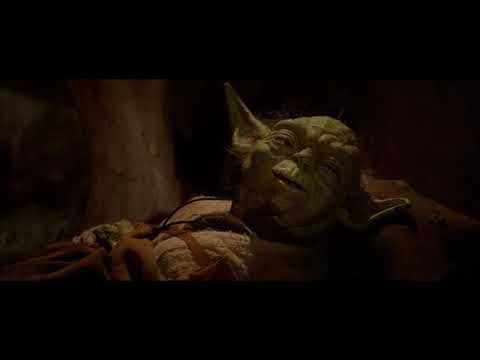
Yoda uses OSV (Object-Subject-Verb) almost exclusively. While English speakers use it for emphasis, Yoda uses it as his default, which is why it sounds so strange.
Usually, no. In 'This I know,' there is no comma. However, if the fronted part is very long, a comma can help the reader.
It can be both! In 'That I don't like,' it's informal. In 'This policy we shall uphold,' it's very formal.
It's a pronoun left behind after moving the object (e.g., the 'it' in 'The cake I ate it'). It is a mistake in standard English.
Yes, this is called 'Adjective Fronting' (e.g., 'Strange people they were'). It follows the same logic as object fronting.
The basic meaning stays the same, but the 'focus' or 'emphasis' changes completely.
Scaffolded Practice
1
2
3
4
Mastery Progress
Needs Practice
Improving
Strong
Mastered
In Other Languages
Clitic Doubling
English forbids the resumptive pronoun that Spanish requires.
V2 Word Order
German moves the verb to position 2; English keeps it after the subject.
Topic Marking (wa)
Japanese uses a specific particle (wa) to mark the fronted object.
Taqdim wa Ta'khir
Arabic fronting often implies 'only this and nothing else'.
Topic-Comment Structure
Chinese uses fronting as a standard organizational tool, not just for emphasis.
Dislocation
French uses a comma and a pronoun; English uses neither.
Learning Path
Prerequisites
Continue With
تقديم الظروف: إثارة في البداية
### Overview بصفتك متعلماً متقدماً للغة الإنجليزية في المستوى C1، فإنك تدرك جيداً أن التواصل الفعال يتجاوز مجرد الصحة ال...
التقديم: العبارات الوصفية (التأكيد الدرامي)
هل تساءلت يوماً لماذا تشعر بعض الجمل وكأنها ترتدي بدلة رسمية بينما الأخرى ترتدي ملابس منزلية؟ قد تكون تتصفح مدونة سفر أو...
فيديوهات ذات صلة

Related Grammar Rules
التوكيد: أنا *أحب* ذلك حقاً! (Emphatic Do/Does/Did)
### Overview تعد القدرة على توكيد المعنى وإعطائه وزناً إضافياً من أرقى مهارات التواصل في أي لغة، وفي اللغة الإنجليزية،...
التأكيد باستخدام do/does/did
### Overview تُعد أداة التأكيد باستخدام `do` و `does` و `did` في الجمل المثبتة (Affirmative Sentences) واحدة من أكثر ال...
ما تحتاجه هو... (جمل الوصل للتأكيد)
### Overview أهلاً بك يا زميلي في عالم الإتقان اللغوي. بصفتنا متحدثين بالعربية، نحن ندرك تماماً قوة «البلاغة» وكيف أن ت...
الوجودية 'There' (يوجد / توجد)
هل نظرت يوماً إلى هاتفك وأدركت أنه `there is` (لا يوجد) واي فاي؟ تلك اللحظة الصغيرة من الذعر تأتيك من خلال `there` الوجو...
البنية المتوازية في القوائم (الكلمات المتطابقة)
### Overview يُعدّ التوازي النحوي، أو ما يُعرف بـ `Parallel Structure`، حجر الزاوية في التواصل الفعّال والمتقدم باللغة...

