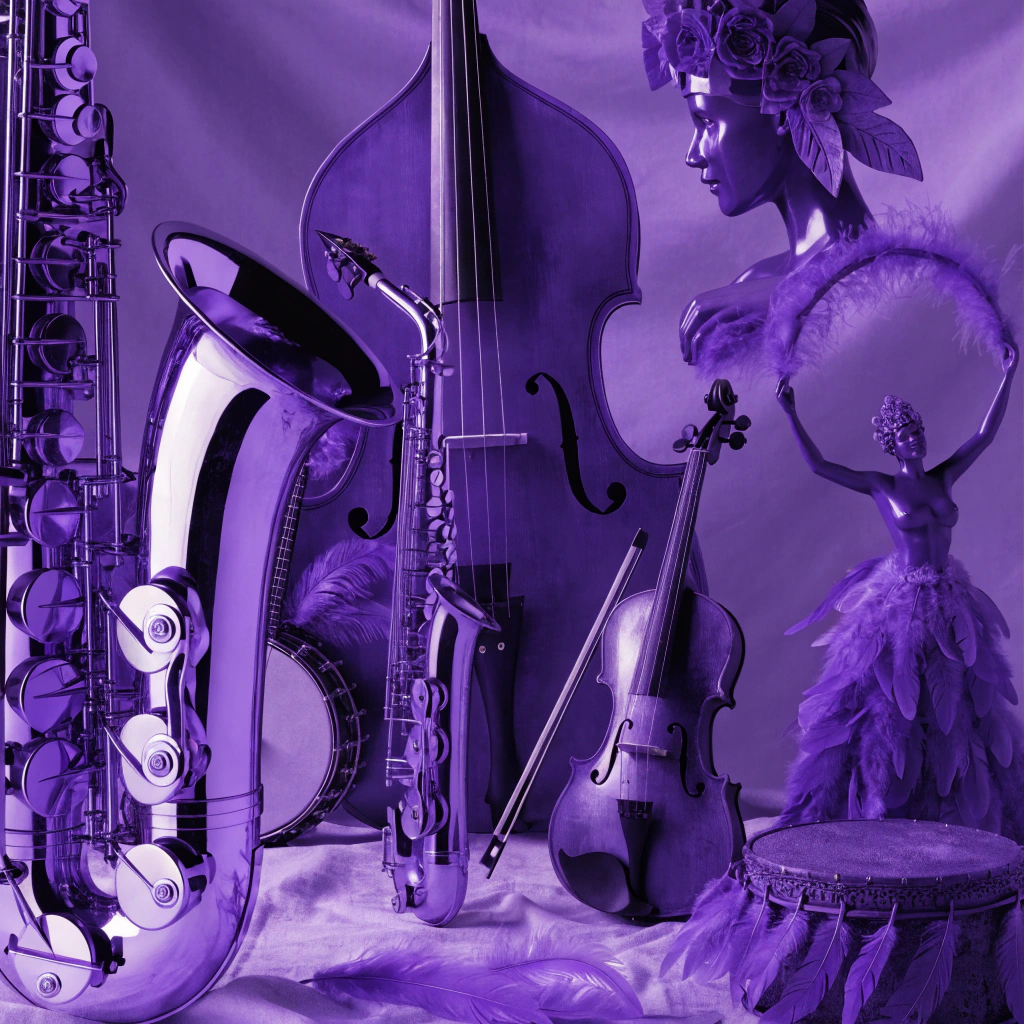
Hula: The Dance of Hawaii
Hula is a beautiful dance from Hawaii. Hawaii is a group of islands in the USA. Hula is very important for the people there. They tell stories with their hands and feet.
In the past, there was no writing. People used hula to remember history. They sing songs and dance. These songs are called mele.
Today, many people learn hula. Some dancers wear flowers and green leaves. There are two main styles. One style is very old. The other style is new. People all over the world love this dance.
Grammar Spotlight
Pattern: Present Simple (to be)
"Hawaii is a group of islands in the USA."
We use 'is' with singular subjects like Hawaii to describe what something is or where it is located.
Pattern: Present Simple (Action Verbs)
"They tell stories with their hands and feet."
We use the base form of the verb (tell) for plural subjects like 'they' to talk about regular actions or facts.
Test Your Understanding
10 questions · A1 Beginner · 1 free preview
Test what you learned from this article. Answer all questions to earn XP!
Where is Hawaii located?
Want to finish the quiz?
9 more questions are waiting for you. Sign up free to unlock the full quiz and earn XP!
Sign Up FreeAlready have an account? Sign In
Question Breakdown
Where is Hawaii located?
Your answer:
Correct answer: In the USA
Hula is a type of food.
Your answer:
Correct answer: False
What does 'islands' mean?
Your answer:
Correct answer: Land with water around it
Dancers tell _____ with their hands and feet.
Your answer:
Correct answer: stories
Hula: The Dancing Heart of Hawaii
Hula is a famous dance from Hawaii in the United States. For Hawaiian people, it is not only a dance but also a way to tell stories. Long ago, people did not have a written language. They used Hula and chants to remember their history and legends.
There are two main types of Hula. Hula Kahiko is the ancient style. It is more rhythmic and traditional. In the past, dancers used drums and chanted loudly. Today, people also perform Hula ʻAuana. This is the modern style. It is softer than the ancient style because it uses instruments like guitars and ukuleles.
Dancers use their hands and bodies to show nature, like the wind or the ocean. They wear beautiful clothes and flower necklaces called leis. Children and adults learn Hula in special schools. It is very important for their culture. People travel from many countries to see Hula festivals. It is one of the most famous traditions in the world because it connects people to the past.
Grammar Spotlight
Pattern: Past Simple (Negative)
"Long ago, people did not have a written language."
We use 'did not' plus the base verb to talk about things that were not true in the past. It is the same for all subjects (I, you, he, they).
Pattern: Comparatives
"It is softer than the ancient style because it uses instruments."
To compare two things, we add '-er' to short adjectives and use 'than'. This shows the difference between the modern and ancient Hula.
Test Your Understanding
11 questions · A2 Elementary · 1 free preview
Test what you learned from this article. Answer all questions to earn XP!
What did people use Hula for in the past?
Want to finish the quiz?
10 more questions are waiting for you. Sign up free to unlock the full quiz and earn XP!
Sign Up FreeAlready have an account? Sign In
Question Breakdown
What did people use Hula for in the past?
Your answer:
Correct answer: To remember history and legends
Hula Kahiko uses modern instruments like the guitar.
Your answer:
Correct answer: False
What does 'ancient' mean?
Your answer:
Correct answer: From a very long time ago
Dancers wear flower necklaces called _____.
Your answer:
Correct answer: leis
Why is Hula 'Auana different from Hula Kahiko?
Your answer:
Correct answer: It is softer and uses guitars
Hula: The Heartbeat of Hawaii
Hula is often seen as a simple dance for tourists, but it is actually the heartbeat of the Hawaiian people. For many centuries, Hula has been a living record of their history and mythology. Before written language existed in the Hawaiian Islands, stories were passed down through this beautiful art form.
There are two main styles of Hula that you should know about. The first is Hula Kahiko, which is the ancient style. It is performed to rhythmic chants called 'mele'. In this style, dancers use traditional instruments like drums made from gourds. The movements are powerful and the costumes are made from natural materials found in the forest.
The second style is Hula ʻAuana. This is the modern version which developed after Western explorers arrived in the islands. It is usually accompanied by melodic instruments like the guitar or the ukulele. While Hula Kahiko is more serious, Hula ʻAuana is often soft and graceful.
In both styles, every movement has a specific meaning. The hands of a dancer can represent the wind, the rain, or even the waves of the ocean. Recently, Hula has become popular around the world, and many schools have been opened to teach people about this rich culture. However, for Hawaiians, it remains a sacred way to connect with their ancestors and the natural world. By learning Hula, students are not just learning to dance; they are preserving a history that has survived for generations.
Grammar Spotlight
Pattern: Present Perfect
"For many centuries, Hula has been a living record of their history and mythology."
The present perfect (has/have + past participle) is used here to describe a state that started in the past and continues into the present.
Pattern: Passive Voice
"The movements are powerful and the costumes are made from natural materials."
The passive voice (be + past participle) is used when the focus is on the object rather than who made it.
Test Your Understanding
11 questions · B1 Intermediate · 1 free preview
Test what you learned from this article. Answer all questions to earn XP!
What was Hula used for before the Hawaiian people had a written language?
Want to finish the quiz?
10 more questions are waiting for you. Sign up free to unlock the full quiz and earn XP!
Sign Up FreeAlready have an account? Sign In
Question Breakdown
What was Hula used for before the Hawaiian people had a written language?
Your answer:
Correct answer: To record history and stories
Hula Kahiko is the modern style of the dance.
Your answer:
Correct answer: False
What does 'graceful' mean?
Your answer:
Correct answer: Moving in a smooth and attractive way
The hands of a dancer can _____ the wind or rain.
Your answer:
Correct answer: represent
Which instruments are usually used in Hula 'Auana?
Your answer:
Correct answer: Guitar or ukulele
The Rhythms of Heritage: Understanding the Significance of Hula
Hula is frequently perceived by outsiders as a form of tropical entertainment, yet for the indigenous people of Hawaii, it constitutes the very heartbeat of their cultural identity. Historically, hula served as a sophisticated living record, meticulously documenting the history, mythology, and spiritual connections of the islands. Long before a written script was established, the complex narratives of genealogy and legendary exploits were transmitted through hula and its accompanying chants, known as 'mele.' Consequently, the dance functioned as an essential educational tool, ensuring that ancestral wisdom was passed down through generations.
Scholars generally distinguish between two primary categories of the dance: Hula Kahiko and Hula ʻAuana. Hula Kahiko represents the ancient style, characterized by its rhythmic intensity and the use of traditional percussive instruments. This form is deeply rooted in ritual and is performed to honor deities or chiefs. In contrast, Hula ʻAuana emerged during the 19th and 20th centuries under the influence of Western culture. This modern iteration incorporates melodic instruments like the ukulele and guitar, which were introduced by European settlers. While ʻAuana is often more accessible to global audiences, it retains the storytelling essence of its predecessor.
The survival of hula is a testament to the resilience of Hawaiian heritage. During the 19th century, hula faced significant suppression by missionaries who viewed the practice as pagan or improper. For decades, the dance was forced into the shadows, practiced only in private to avoid persecution. However, the late 20th century witnessed a powerful 'Hawaiian Renaissance,' a cultural revival that restored hula to its rightful place in society. This movement emphasized the importance of historical accuracy and the spiritual depth of the performance.
Today, hula continues to evolve while remaining anchored in tradition. It is not merely a sequence of movements; every gesture of the hands and every step of the feet conveys a specific meaning, representing elements of the natural world like wind, rain, or flowers. Had it not been for the dedication of cultural practitioners during the years of suppression, much of this ancient knowledge might have been lost forever. By studying hula, one gains a profound appreciation for a culture that prioritizes the preservation of its past as a guide for its future. Therefore, hula remains an indispensable narrative force, bridging the gap between antiquity and the modern era.
Grammar Spotlight
Pattern: Passive Voice
"Hula was forced into the shadows, practiced only in private to avoid persecution."
The passive voice is used here to focus on the dance (the object) rather than the people who suppressed it. It is formed using the verb 'to be' (was) and the past participle (forced).
Pattern: Non-defining Relative Clauses
"...instruments like the ukulele and guitar, which were introduced by European settlers."
This clause adds extra, non-essential information about the preceding nouns. It is always separated by commas and uses the relative pronoun 'which'.
Pattern: Inverted Third Conditional
"Had it not been for the dedication of cultural practitioners during the years of suppression, much of this ancient knowledge might have been lost forever."
This is a formal version of 'If it had not been for...'. By placing 'Had' at the beginning, the sentence sounds more academic and emphasizes the hypothetical past condition.
Test Your Understanding
11 questions · B2 Upper Intermediate · 1 free preview
Test what you learned from this article. Answer all questions to earn XP!
What was the primary function of Hula before the introduction of a written language?
Want to finish the quiz?
10 more questions are waiting for you. Sign up free to unlock the full quiz and earn XP!
Sign Up FreeAlready have an account? Sign In
Question Breakdown
What was the primary function of Hula before the introduction of a written language?
Your answer:
Correct answer: To document history, genealogy, and mythology
Hula Kahiko is the modern style of dance that uses the ukulele.
Your answer:
Correct answer: False
Which word describes something that is naturally existing in a particular place?
Your answer:
Correct answer: Indigenous
Hula is described as the _____ of the Hawaiian people's cultural identity.
Your answer:
Correct answer: heartbeat
What was the 'Hawaiian Renaissance'?
Your answer:
Correct answer: A cultural revival that restored hula's societal importance
Beyond the Lei: The Ontological Resonance of Hula
Rarely has an art form been so inextricably intertwined with the ontological essence of a people as Hula is with the Kānaka Maoli. To the uninitiated, Hula might appear as a series of rhythmic undulations designed for tourist consumption; however, such a reductive view ignores its fundamental role as the primary vessel for Hawaiian history. Before the introduction of a written script, it was through the synthesis of 'mele' (chants) and movement that the genealogy of chiefs, the nuances of mythology, and the records of historical occurrences were preserved. The institutionalization of indigenous knowledge through dance facilitated the survival of Hawaiian history during periods of systemic suppression.
What the uninitiated observer might perceive as mere aesthetic movement is, in fact, a sophisticated mnemonic system. Every hand gesture, foot placement, and facial expression serves a specific narrative purpose, acting as a visual manifestation of the spoken word. In the traditional form, Hula Kahiko, the performance is characterized by its ritualistic intensity and the absence of melodic instrumentation. Instead, it relies on the percussive resonance of the 'ipu' (gourd drum) and the raw, guttural power of the chanter. This style demands an exacting precision, as any deviation from the established choreography was historically seen as an affront to the gods or a corruption of the ancestral record.
Conversely, Hula ʻAuana represents the adaptability and resilience of Hawaiian culture. Emerging in the 19th and 20th centuries, this style integrated Western melodic influences, such as the guitar and ukulele, resulting in a more fluid and evocative aesthetic. While some purists initially viewed this evolution with skepticism, it is now widely recognized that the resurgence of Hula in all its forms was pivotal in the 'Hawaiian Renaissance.' This movement sought to reclaim an identity that had been marginalized by colonial expansion. The transition from the sacred to the secular did not necessarily dilute the meaning of the dance; rather, it allowed the stories of the islands to reach a global audience while maintaining their core significance.
Ultimately, Hula serves as a bridge between the ephemeral present and the ancestral past. It is a living archive that continues to evolve, reflecting the contemporary struggles and triumphs of the Hawaiian people. By analyzing the structural complexities of both Kahiko and ʻAuana, one gains a deeper appreciation for how movement can function as a form of resistance and a declaration of sovereignty. The enduring legacy of Hula lies in its ability to synthesize the spiritual, the historical, and the political into a single, cohesive expression of cultural vitality.
Grammar Spotlight
Pattern: Negative Inversion
"Rarely has an art form been so inextricably intertwined with the ontological essence of a people as Hula is with the Kānaka Maoli."
When a sentence starts with a negative or restrictive adverb like 'rarely', the auxiliary verb and subject are inverted. This is used in formal writing to add emphasis or dramatic effect.
Pattern: Pseudo-cleft Sentences
"What the uninitiated observer might perceive as mere aesthetic movement is, in fact, a sophisticated mnemonic system."
This structure uses a 'what' clause as the subject to focus on specific information. It highlights the contrast between perception and reality.
Pattern: Nominalization
"The institutionalization of indigenous knowledge through dance facilitated the survival of Hawaiian history."
This involves turning verbs or adjectives into nouns (e.g., 'institutionalize' to 'institutionalization'). It makes the writing more abstract, concise, and academic.
Test Your Understanding
12 questions · C1 Advanced · 1 free preview
Test what you learned from this article. Answer all questions to earn XP!
What was the primary function of Hula before the development of written language in Hawaii?
Want to finish the quiz?
11 more questions are waiting for you. Sign up free to unlock the full quiz and earn XP!
Sign Up FreeAlready have an account? Sign In
Question Breakdown
What was the primary function of Hula before the development of written language in Hawaii?
Your answer:
Correct answer: To preserve history, genealogy, and mythology
Hula Kahiko traditionally incorporates modern instruments like the ukulele.
Your answer:
Correct answer: False
Which word describes a system designed to aid memory?
Your answer:
Correct answer: Mnemonic
The Hawaiian Renaissance led to a cultural _____ of Hula after years of marginalization.
Your answer:
Correct answer: resurgence
Why was precision considered vital in Hula Kahiko?
Your answer:
Correct answer: To avoid insulting the gods or corrupting historical records
Hula 'Auana was developed in response to Western musical influences.
Your answer:
Correct answer: True
The Ontological Rhythms of Hula: A Semiotic Archive of Hawaiian Identity
The ontological significance of Hula within the Hawaiian archipelago transcends the reductive Western categorization of 'dance.' Rather, it functions as a sophisticated epistemological framework, through which the history, genealogy, and ecological wisdom of the Kanaka Maoli are meticulously preserved. To understand Hula is to engage with a semiotic system where every gesture, or 'ha'a,' serves as a signifier for a deeper metaphysical reality, connecting the corporeal to the divine. Historically, the practice of Hula Kahiko—the primordial, liturgical form of the dance—was inextricably linked to the 'mele,' or chant. These chants were not merely accompaniment but were the primary vehicles for the transmission of cultural memory in a pre-literate society. It is imperative that the observer recognize Hula as a repository of historical truth, rather than a performative spectacle. The precision required in Hula Kahiko is staggering; a single misplaced footfall or an erroneous inflection in the chant was traditionally believed to disrupt the spiritual efficacy of the ritual, potentially inviting divine displeasure. This form is characterized by the use of indigenous percussion, such as the 'pahu' (sharkskin drum) and 'ipu heke' (double gourd), which provide a rhythmic heartbeat that grounds the dancers in the earth's own pulse. The nineteenth century ushered in a period of seismic cultural shifts, as missionary influence and colonial impositions sought to marginalize indigenous practices. Hula was frequently decried as licentious or pagan, leading to its systematic suppression in public life. However, were it not for the clandestine persistence of the Kumu Hula (master teachers), much of this ancestral knowledge would have been lost to the annals of history. This era of suppression necessitated a metamorphosis, giving rise to Hula 'Auana. This syncretic adaptation integrated Western melodic structures and instruments, such as the guitar and ukulele, while maintaining the core narrative essence of the dance. While 'Auana may appear more accessible to the uninitiated, it remains a potent site of cultural resistance and identity formation, blending the old with the new in a fluid expression of endurance. The late twentieth century witnessed the 'Hawaiian Renaissance,' a period of profound cultural reclamation and political awakening. During this time, Hula emerged as a central pillar of the movement for indigenous sovereignty and the protection of 'ʻāina' (land). Seldom does a performance merely entertain; rather, it functions as a pedagogical vessel, educating both the practitioner and the audience on the nuances of land stewardship and ancestral lineage. This resurgence was not merely a nostalgic harkening back to a vestigial past but a dynamic reassertion of Hawaiian presence in a globalized world. Furthermore, the relationship between the dancer and the environment is one of profound reciprocity. The materials used in the 'lei' and costumes—the ferns, flowers, and barks—are often gathered with ritualistic care, acknowledging the kinship between the human and the botanical. This ecological consciousness is embedded within the choreography itself, which often mimics the undulating currents of the Pacific or the rustle of endemic flora. In conclusion, Hula remains a living, breathing archive of the Hawaiian soul. It is a testament to the resilience of a people who, despite centuries of systemic erasure, continue to dance their truth into existence. To view Hula through a purely aesthetic lens is to miss its foundational purpose: it is the heartbeat of a nation, a rhythmic bridge between the ephemeral present and the eternal past.
Grammar Spotlight
Pattern: Present Subjunctive
"It is imperative that the observer recognize Hula as a repository of historical truth, rather than a performative spectacle."
The subjunctive 'recognize' (without an 's') is used after adjectives of urgency or importance like 'imperative' or 'essential' to express a requirement.
Pattern: Negative Inversion
"Seldom does a performance merely entertain; rather, it functions as a pedagogical vessel."
When a sentence begins with a negative or restrictive adverb like 'seldom,' the auxiliary verb 'does' precedes the subject 'performance' for rhetorical emphasis.
Pattern: Inverted Conditional (Hypothetical)
"Were it not for the clandestine persistence of the Kumu Hula, much of this ancestral knowledge would have been lost."
This is a formal alternative to 'If it were not for,' using inversion to create a more scholarly or literary tone while discussing hypothetical past situations.
Test Your Understanding
12 questions · C2 Mastery · 1 free preview
Test what you learned from this article. Answer all questions to earn XP!
What is the primary function of Hula as described in the text's opening?
Want to finish the quiz?
11 more questions are waiting for you. Sign up free to unlock the full quiz and earn XP!
Sign Up FreeAlready have an account? Sign In
Question Breakdown
What is the primary function of Hula as described in the text's opening?
Your answer:
Correct answer: A sophisticated epistemological framework for preserving history
Hula Kahiko traditionally allowed for minor errors in performance without spiritual consequence.
Your answer:
Correct answer: False
Which word describes the blending of Western instruments with traditional Hula narrative?
Your answer:
Correct answer: Syncretic
The era of suppression necessitated a _____, giving rise to Hula 'Auana.
Your answer:
Correct answer: metamorphosis
Why was Hula suppressed during the nineteenth century?
Your answer:
Correct answer: Due to missionary influence and colonial views of it as pagan
The 'Hawaiian Renaissance' viewed Hula as a tool for indigenous sovereignty.
Your answer:
Correct answer: True
