United States
About United States
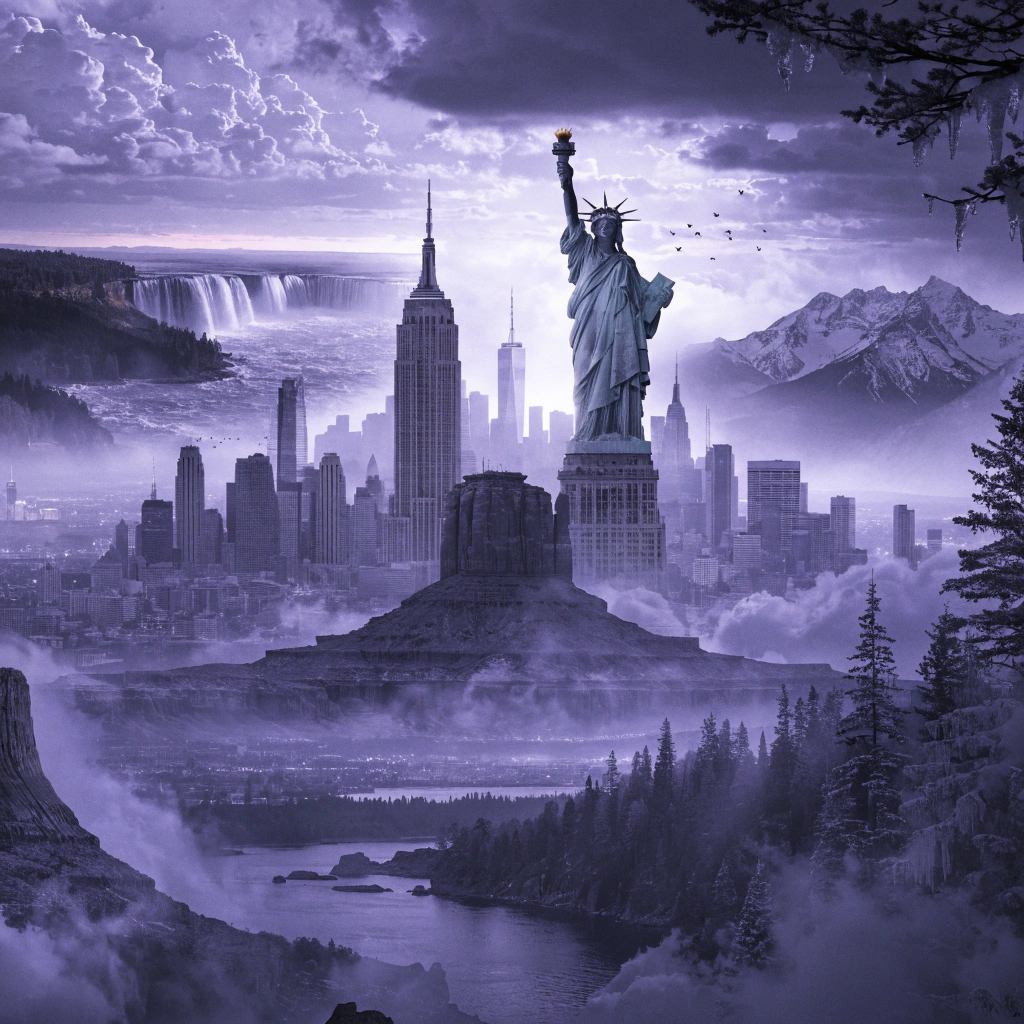
The United States is a vast North American nation known for its diverse landscapes ranging from Arctic tundra to tropical beaches and its history as a global 'melting pot.' Since its founding in 1776, it has evolved into a leading economic and cultural power, characterized by a strong emphasis on individual liberty and democratic ideals.
Quick Facts
Capital
Washington, D.C.
Population
331,002,651
Region
North America · Northern America
Currency
US Dollar (USD)
Languages Spoken

English

Spanish
Español
Did You Know?
The United States is the only country in the world to encompass all five of Earth's primary climate zones: tropical, dry, temperate, continental, and polar.
There is no official language at the federal level in the United States; while English is the most widely spoken, the Constitution does not designate a national tongue.
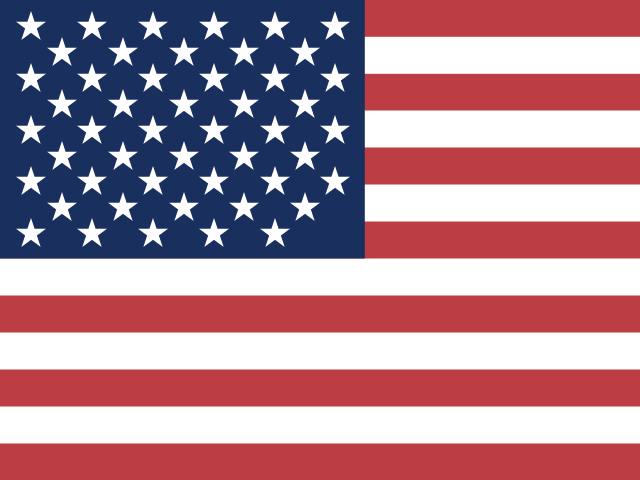
The current 50-star American flag was designed by a 17-year-old high school student for a class project in 1958; he originally received a B- before the design was officially adopted.
Yellowstone National Park, established in 1872, was the first national park in the world and contains more than half of the planet's active geysers.
Famous Landmarks
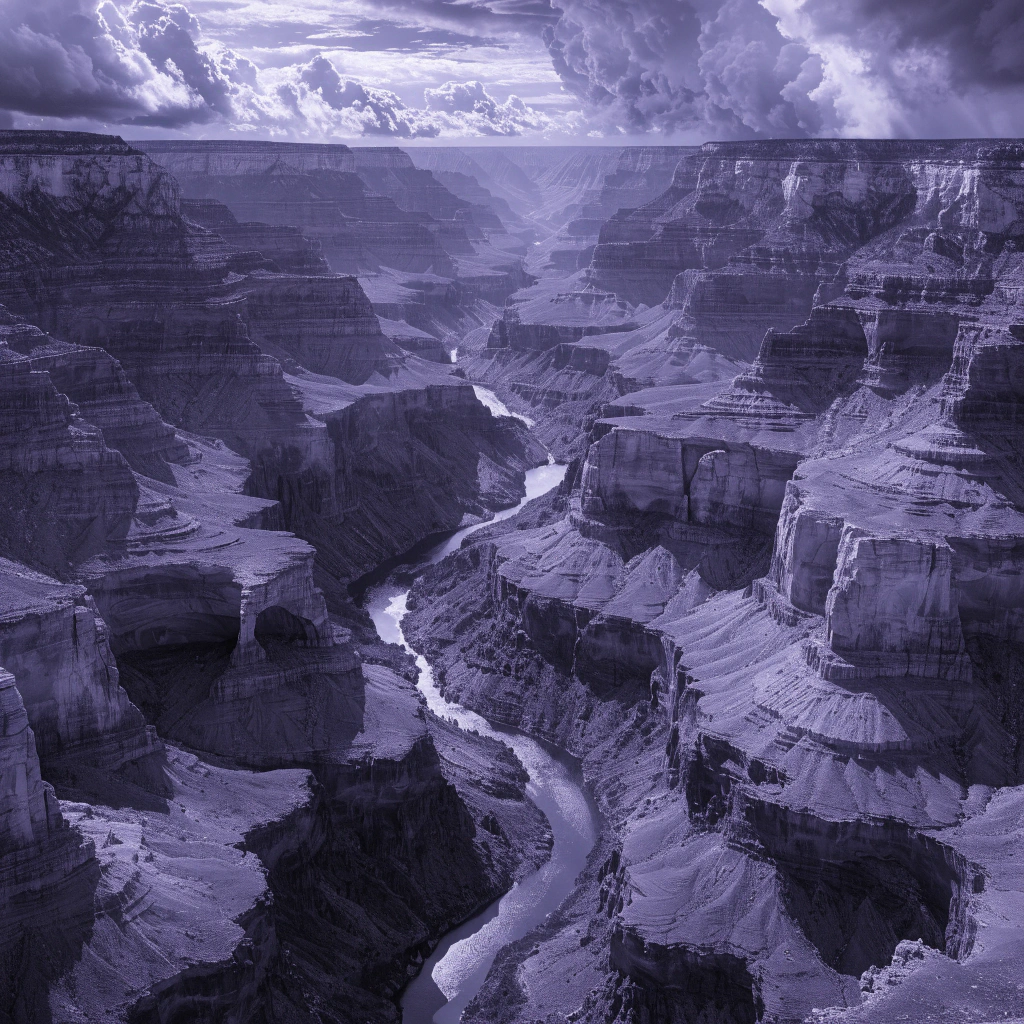
Grand Canyon National Park
A colossal gorge carved by the Colorado River in Arizona, revealing nearly two billion years of Earth's geological history through its vibrant, stratified rock layers.
Read more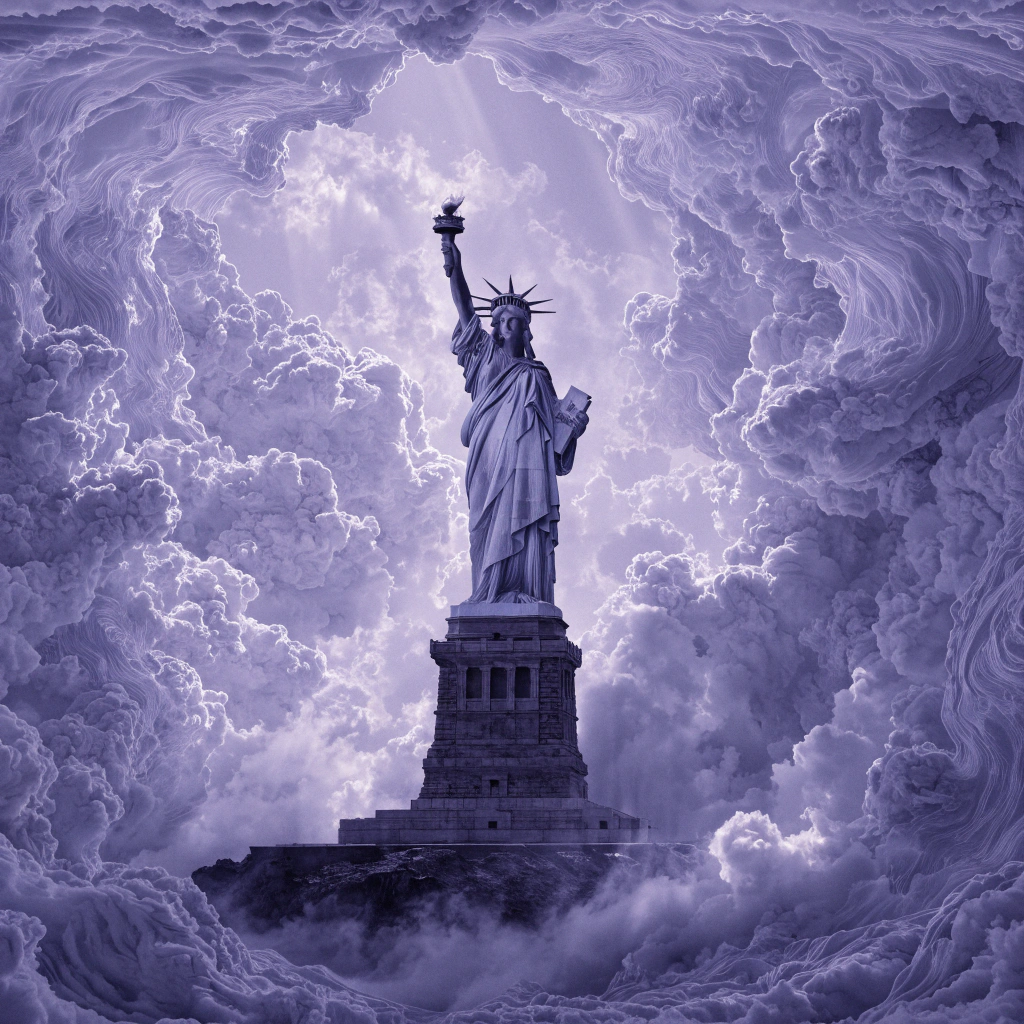
Statue of Liberty National Monument
A colossal copper statue on Liberty Island in New York Harbor that serves as a universal symbol of freedom, democracy, and the enduring friendship between France and the United States.
Read more
Independence Hall
The historic building in Philadelphia where both the Declaration of Independence and the United States Constitution were debated and signed, marking the birth of the American republic.
Read more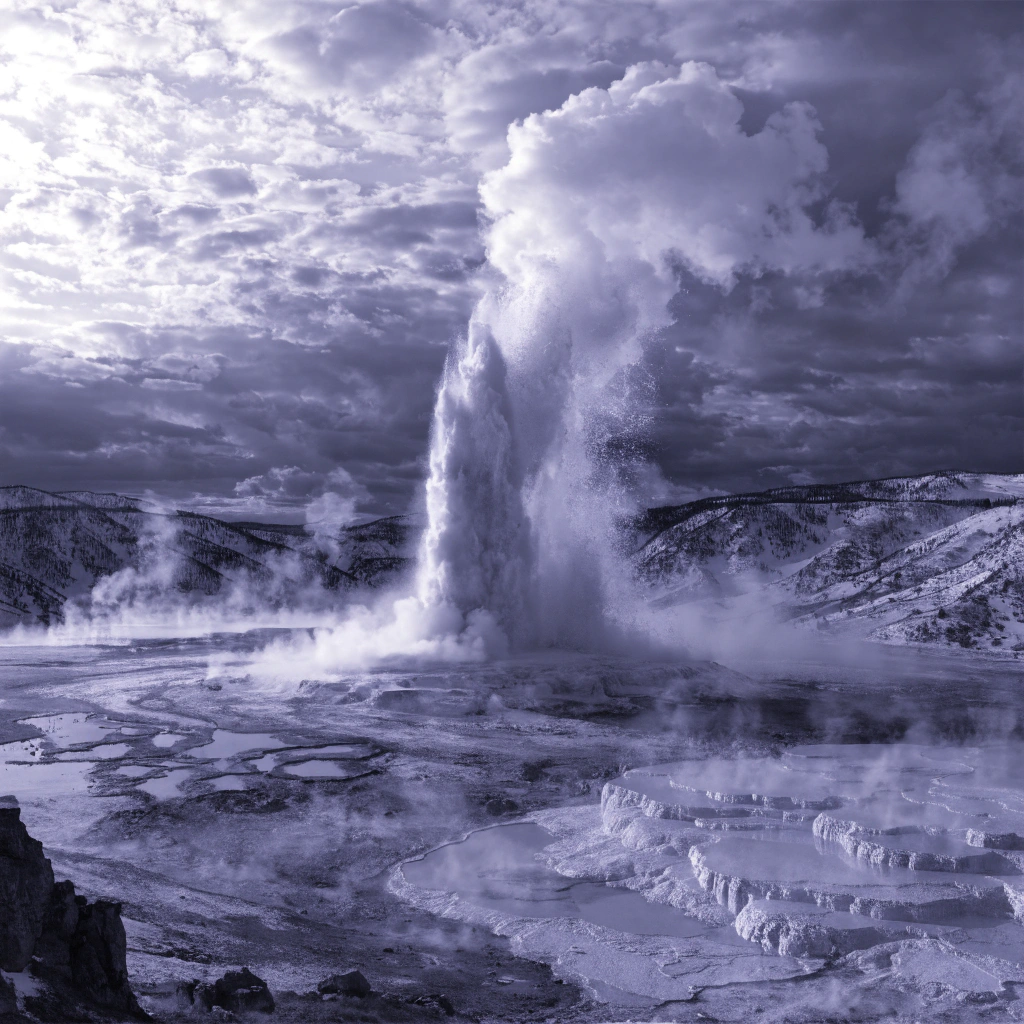
Yellowstone National Park
The world's first national park, spanning three states and sitting atop a volcanic hotspot that powers a spectacular array of geysers, hot springs, and diverse wildlife habitats.
Read moreCuisine

Apple Pie
A quintessential American dessert consisting of a flaky pastry crust filled with spiced sliced apples, often served warm with vanilla ice cream.
Read more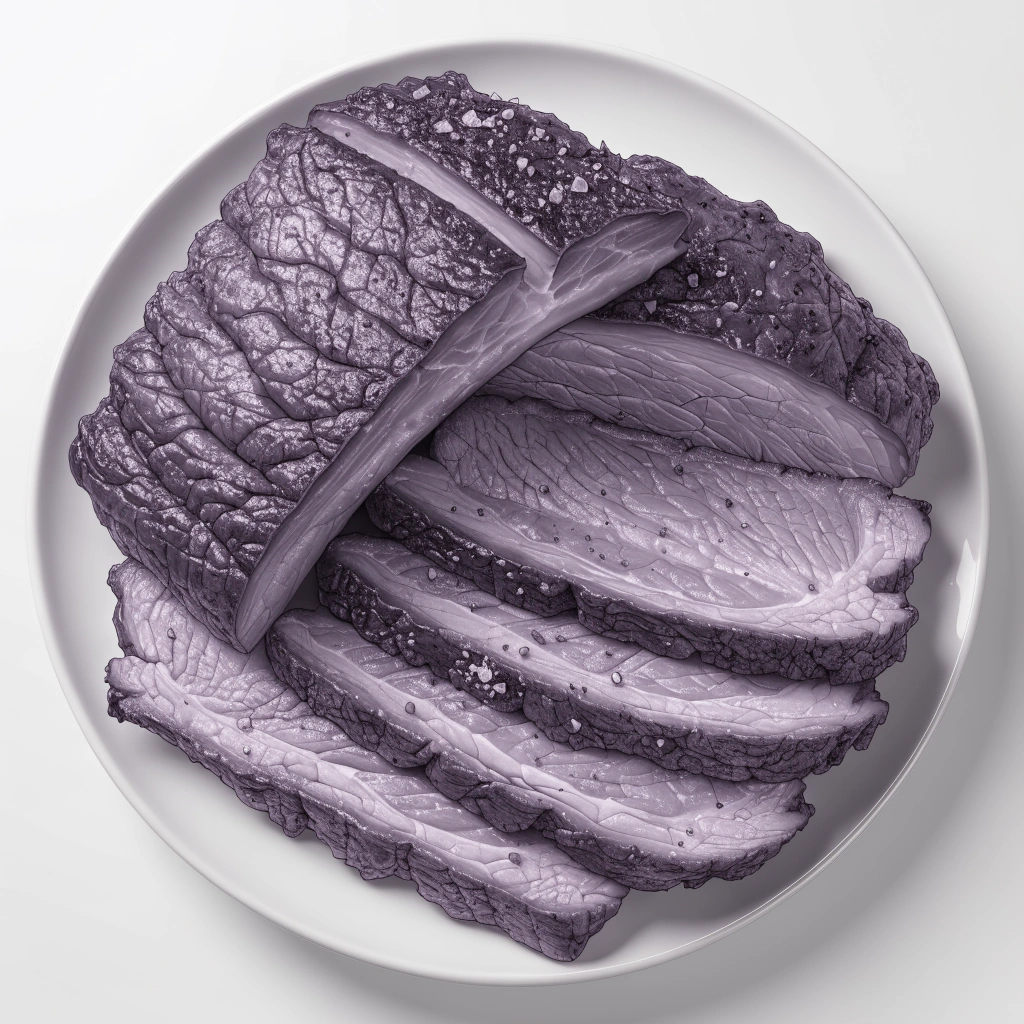
Texas-Style Smoked Brisket
A slow-cooked beef brisket seasoned simply with salt and pepper, representing the heart of American barbecue culture.
Read more
New England Clam Chowder
A rich, creamy soup made with chopped clams, diced potatoes, salt pork, and onions, served as a coastal staple of the Northeastern United States.
Read more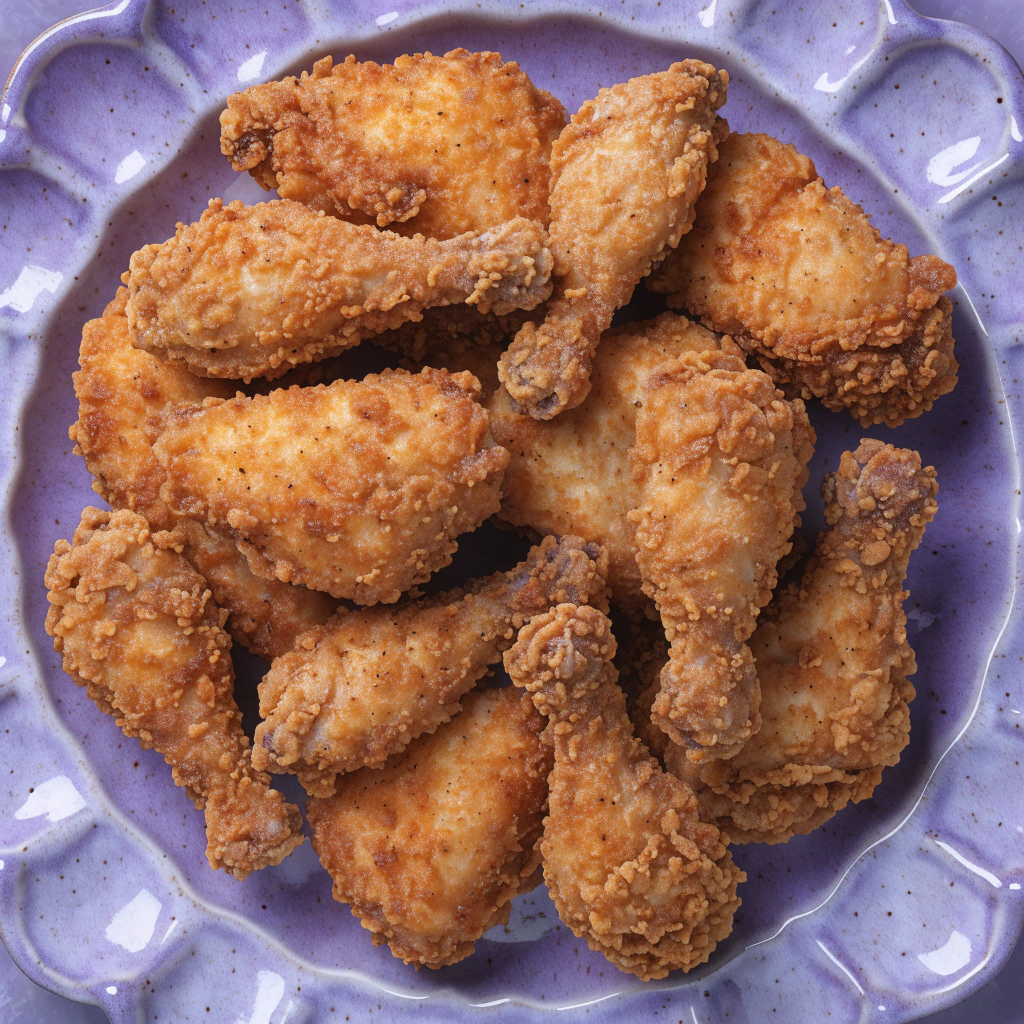
Southern Fried Chicken
Pieces of chicken coated in a seasoned flour batter and deep-fried until crispy and golden brown, a hallmark of Southern American comfort food.
Read moreMusic & Arts
The music and arts of the United States are defined by a profound synthesis of diverse cultural influences, ranging from Indigenous traditions to the rhythmic innovations of the African diaspora and European folk legacies. Key art forms like Jazz, Bluegrass, and various Native American dances reflect the country's complex history of migration, resilience, and creative cross-pollination.
Traditional Arts
Events & Festivals
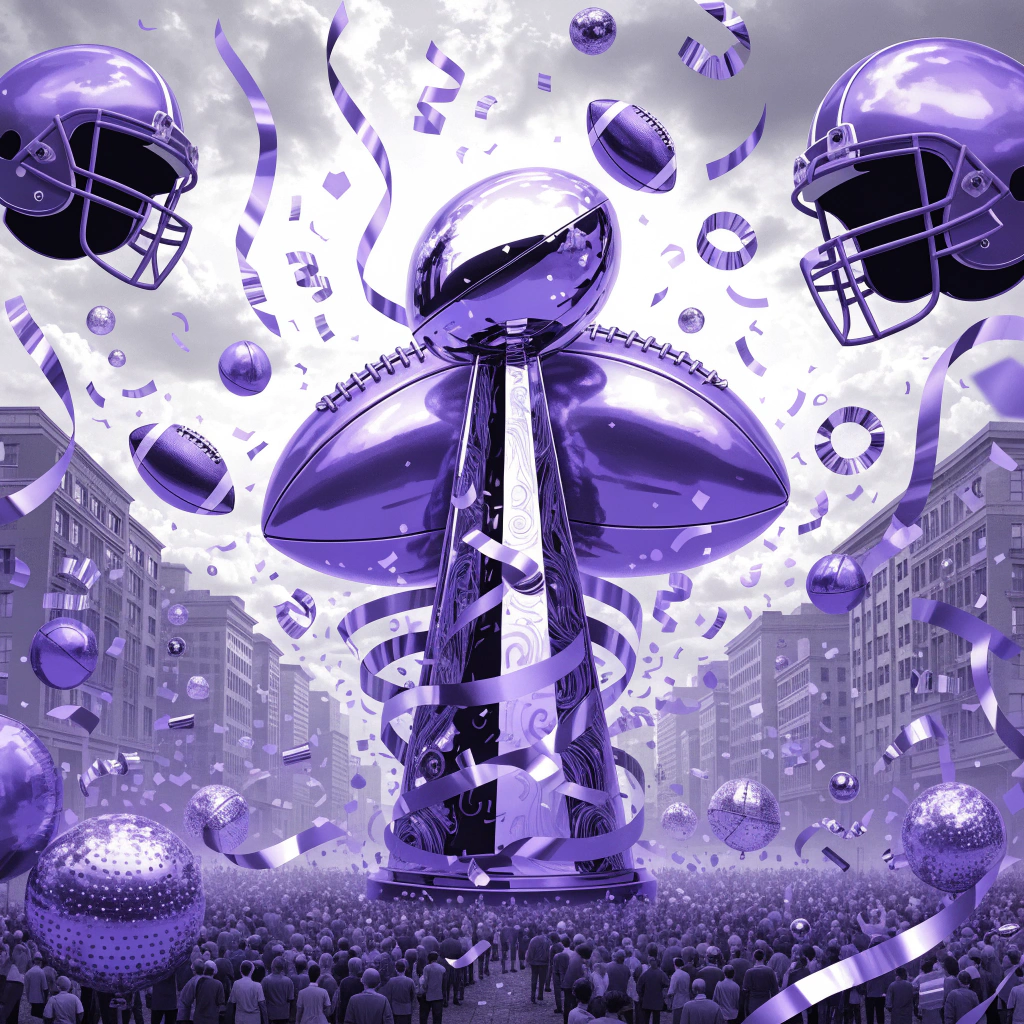
The Super Bowl
FebruaryThe annual championship game of the National Football League (NFL) and the single most-watched sporting event in the United States.
Read more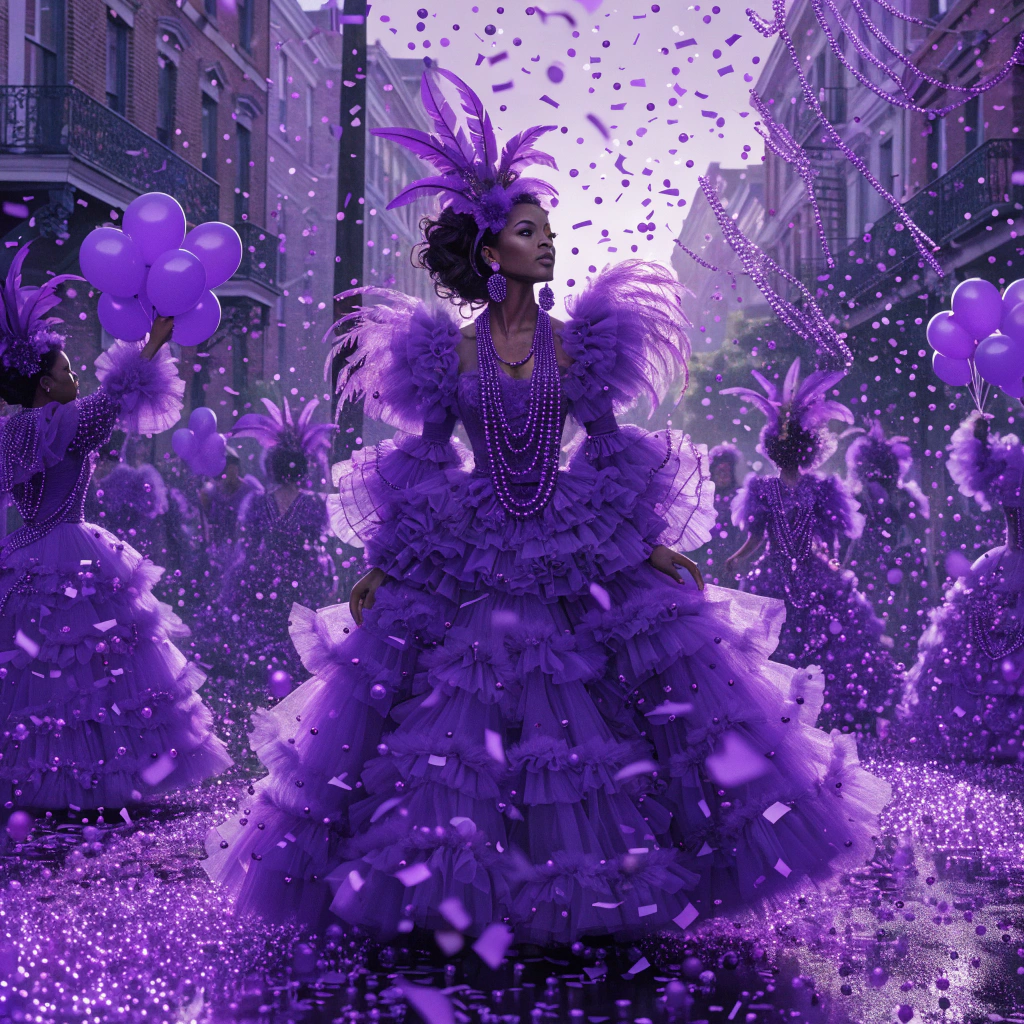
Mardi Gras
February-MarchA vibrant and historic carnival celebration in New Orleans, Louisiana, famous for its grand parades, colorful beads, and lively music.
Read more
Independence Day
July 4A patriotic national holiday commemorating the signing of the Declaration of Independence in 1776.
Read more
Albuquerque International Balloon Fiesta
OctoberThe world's largest hot air balloon festival, where hundreds of balloons take to the skies over the New Mexico desert.
Read more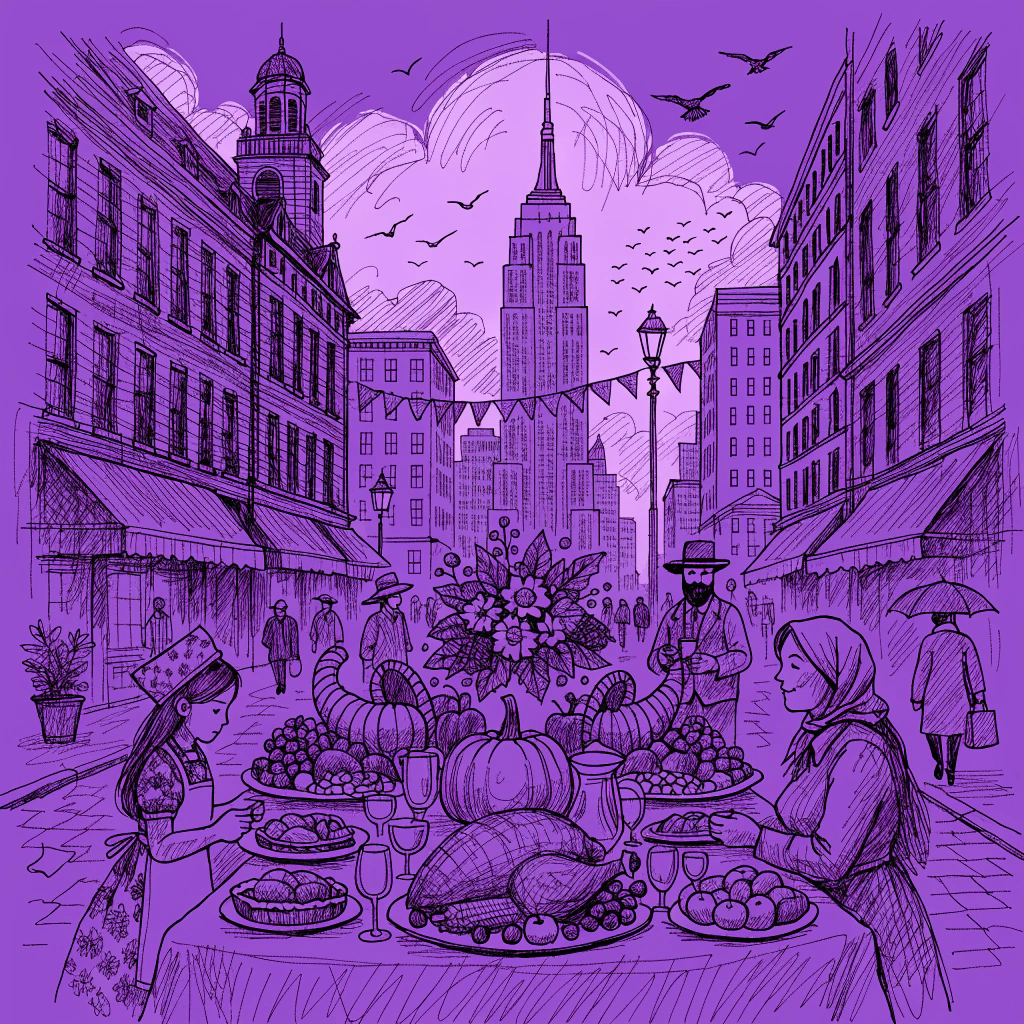
Thanksgiving
NovemberA quintessentially American holiday centered on gratitude, a traditional harvest feast, and family reunions.
Read moreTravel Phrases
Hello
Hello
Thank you
Thank you
Hi
A common casual greeting
How are you?
How are you?
Please
Please
Excuse me
Excuse me / Sorry
Lifestyle & Customs

The American Tipping Custom
A unique social and economic practice where service industry workers are compensated through direct gratuities from customers.
Read more
Denim: The Fabric of American Identity
From gold-mine workwear to high-fashion runways, denim jeans represent the rugged individualism and egalitarian spirit of the United States.
Read more
The Tradition of Tailgating
A festive social gathering held in stadium parking lots before sporting events, centered around food, games, and community spirit.
Read moreEtiquette Tips
Tip 15-20% at restaurants and for services like hair salons or taxis.
Leave without tipping, as it is expected and makes up most of the server's income.
Wait your turn in a clearly defined line (queue) and respect the order.
Cut in front of others or 'budge' in line, which is considered very disrespectful.
Maintain about an arm's length of personal space when talking to others.
Stand too close to people you don't know well or touch them during conversation.
Use 'Please,' 'Thank you,' and 'Excuse me' frequently in all interactions.
Be overly direct or blunt when ordering food or asking for assistance.
Explore more countries in Northern America
Learn English to connect with United States
Start learning English with videos, exercises, and AI-powered tools on SubLearn.
Start Learning