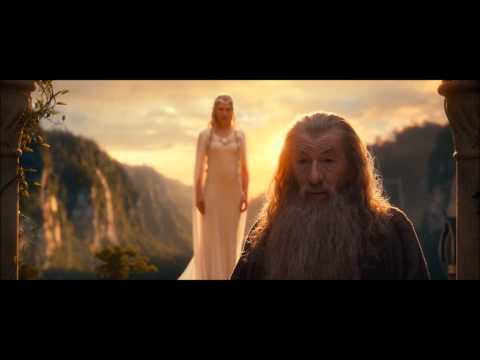
evil in 30 Sekunden
- Evil is a powerful adjective describing profound wickedness and deliberate harm, far exceeding the intensity of the word 'bad'.
- It is commonly used in literature, film, and religion to personify antagonists and moral corruption.
- The word can function as both an adjective ('evil plan') and a noun ('good vs. evil').
- Careful usage is required to avoid melodrama, reserving it for truly heinous or immoral situations.
The word evil is one of the most powerful and weightiest adjectives in the English language. At its core, it describes something that is profoundly immoral, wicked, or malevolent. Unlike the word 'bad,' which can describe a minor inconvenience or a poor quality of work, 'evil' implies a deliberate intention to cause suffering, destruction, or harm. It is often associated with a lack of empathy and a violation of fundamental human rights or moral codes. In a philosophical sense, evil is the opposite of good, representing a force or a character trait that seeks to undermine the well-being of others for selfish or destructive reasons.
- Moral Depravity
- This refers to a state of being where a person has no regard for right and wrong. An evil person might commit crimes not out of necessity, but out of a twisted desire to see others suffer.
- Malevolence
- The active wish to do evil or cause harm to others. It is the internal drive that leads to evil actions.
People use the word 'evil' in various contexts, ranging from the supernatural to the mundane. In literature and film, it is the defining characteristic of the antagonist or the 'villain.' When we describe a character as evil, we are signaling to the audience that this person is the primary source of conflict and must be stopped. In religious contexts, 'evil' is often personified as a supernatural entity, such as the Devil or demons, representing a cosmic struggle against the divine. In everyday conversation, the word is sometimes used hyperbolically—for example, describing a particularly difficult exam or a very spicy pepper as 'evil'—but its primary use remains the description of serious moral wrongdoing.
The dictator's evil regime was responsible for the displacement of millions of innocent people.
Historically, the concept of evil has been debated by philosophers for centuries. Some argue that evil is a tangible force, while others, like Hannah Arendt, have spoken about the 'banality of evil,' suggesting that great harm can be caused by ordinary people who simply follow orders without questioning the morality of their actions. This nuance is important because it shows that 'evil' isn't always a cackling villain in a cape; sometimes, it is the quiet compliance with an unjust system. When using this word, consider the gravity of the situation. It is a word that carries a verdict, a final judgment on the character or nature of the subject being described.
In many folk tales, the evil stepmother is a recurring trope used to create conflict for the protagonist.
- Supernatural Evil
- Often found in horror movies, this refers to ghosts, demons, or cursed objects that possess a malevolent spirit.
Furthermore, the word 'evil' can be used to describe abstract concepts like 'evil intentions' or 'evil thoughts.' In these cases, it refers to the internal state of a person before they have even acted. It suggests a corruption of the mind or heart. When we speak of an 'evil genius,' we are describing someone who uses their high intelligence for destructive purposes rather than for the betterment of society. This contrast between talent and morality is a common theme in modern storytelling, highlighting that being 'good' is a choice one makes, regardless of their abilities.
He struggled to overcome the evil thoughts that tempted him to betray his best friend.
In conclusion, 'evil' is a word that should be handled with care. It is a powerful tool for expressing moral outrage and for defining the boundaries of acceptable human behavior. Whether used in a religious, literary, or social context, it always carries the weight of a profound negative judgment. By understanding the depth of this word, learners can better navigate English literature, news, and complex social discussions where the nature of morality is at stake.
The protagonist had to make a difficult choice between two evil options, neither of which would lead to a happy ending.
- Societal Evil
- Refers to systemic issues like racism or extreme poverty that cause widespread suffering and are considered morally wrong by society at large.
Many believe that the pursuit of money at the expense of others is the root of all evil.
Using the word evil correctly requires an understanding of its grammatical roles and its emotional intensity. As an adjective, it most commonly precedes the noun it modifies (attributive position), such as in 'an evil plan' or 'an evil laugh.' It can also follow a linking verb (predicative position), like 'His actions were evil.' Because 'evil' is such a strong word, it is often paired with intensifiers like 'pure,' 'utterly,' or 'truly' to emphasize the depth of the wickedness being described.
- Attributive Usage
- The evil scientist worked late into the night on his destructive invention.
- Predicative Usage
- The decision to abandon the wounded soldiers was seen as evil by the public.
When constructing sentences, consider the 'collocations' or words that naturally go with 'evil.' Common pairings include 'evil deeds,' 'evil spirits,' 'evil intentions,' and 'evil twin.' These phrases have become so common that they are almost idiomatic. For instance, an 'evil twin' is a popular trope in storytelling where a character has a duplicate who is morally opposite to them. Using these established pairings can make your English sound more natural and fluent.
The old house was rumored to be inhabited by evil spirits that frightened away any potential buyers.
In more formal or academic writing, 'evil' might be used to discuss moral philosophy or historical atrocities. In these cases, it is often used with more complex sentence structures. For example, 'The philosopher argued that evil is not an inherent quality but a result of environmental factors.' This shows a more analytical approach to the word. Conversely, in creative writing, 'evil' is used to create atmosphere and tension. Describing a 'sinister, evil shadow' helps to build a sense of dread in a horror story.
She could sense an evil presence lurking in the dark corners of the basement.
- Comparative and Superlative
- While 'eviller' and 'evillest' exist, they are rare. It is much more common to use 'more evil' and 'most evil' for comparisons.
Another way to use 'evil' is in the context of social criticism. One might speak of 'the evil of slavery' or 'the evil of war.' Here, the word is used to condemn an entire system or event as being fundamentally against human morality. This usage is very powerful and is often found in speeches, essays, and political discourse. It serves to unify people against a common, morally unacceptable enemy or situation.
The activist dedicated her life to fighting the evil of human trafficking.
Finally, consider the tone of your sentence. Because 'evil' is so absolute, it can sometimes sound melodramatic if overused. If you are describing someone who is just mean or rude, words like 'unkind,' 'spiteful,' or 'nasty' might be more appropriate. Reserve 'evil' for situations that involve a true lack of conscience or a desire to cause significant harm. This precision in word choice will make your writing more effective and your arguments more persuasive.
The villain gave an evil grin as he revealed his plan to take over the city.
- Adverbial Form
- The adverb 'evilly' is used to describe how an action is performed, though it is less common than the adjective. Example: 'He smiled evilly.'
It is said that for evil to triumph, it is only necessary for good men to do nothing.
The word evil is ubiquitous in English-speaking culture, appearing in everything from ancient myths to modern-day news broadcasts. One of the most common places you will encounter it is in the world of entertainment. Movies, particularly those in the fantasy, horror, and superhero genres, rely heavily on the concept of evil. Think of iconic characters like Darth Vader, Voldemort, or the Joker; they are the personification of evil. In these contexts, the word is used to establish the stakes of the story—the hero must defeat the evil force to save the world. You'll hear phrases like 'the forces of evil' or 'an evil empire' frequently in these narratives.
- Cinema and Literature
- In 'The Lord of the Rings,' the 'One Ring' is described as an evil object that corrupts anyone who carries it.
- News and Journalism
- Reporters might use the word to describe a particularly heinous crime, such as a mass shooting or an act of terrorism, calling it an 'evil act.'
Another major arena for the word 'evil' is religion and spirituality. In many faiths, the struggle between good and evil is a central theme. Sermons, religious texts, and prayers often mention evil as something to be avoided or overcome. You might hear a priest talk about 'the temptation of evil' or 'the presence of evil in the world.' This usage is deeply serious and carries a moral weight that transcends everyday language. It's not just about doing something wrong; it's about a fundamental break from divine or moral law.
The preacher warned the congregation to stay away from evil influences that could lead them astray.
In political rhetoric, 'evil' is a powerful—and sometimes controversial—word. Leaders often use it to characterize their enemies or opposing ideologies. A famous historical example is President Ronald Reagan referring to the Soviet Union as the 'Evil Empire' during the Cold War. Similarly, President George W. Bush used the phrase 'Axis of Evil' to describe certain countries. In these cases, the word is used to simplify complex geopolitical conflicts into a clear-cut moral battle, rallying public support by framing the situation as a fight against a clear moral wrong.
The politician's speech was criticized for labeling his opponents as evil rather than engaging with their arguments.
- Everyday Idioms
- 'The lesser of two evils' is a common phrase used when someone has to choose between two bad options.
You will also find 'evil' in the world of true crime and psychology. Documentaries and podcasts often explore the 'evil' minds of serial killers or cult leaders. Here, the word is used to grapple with the incomprehensible nature of their actions. Psychologists might discuss whether 'evil' is a useful scientific term or if it's merely a social construct used to describe extreme personality disorders. This intersection of science and morality makes for fascinating—if chilling—content that is very popular in modern media.
The true crime podcast delved into the evil motivations behind the notorious bank robbery.
Lastly, 'evil' appears in many common proverbs and sayings. 'Money is the root of all evil' (often misquoted from 'the love of money is the root of all kinds of evil') is a classic example. These sayings reflect long-standing cultural beliefs about the nature of morality and the causes of human suffering. By listening for 'evil' in these various contexts, you'll gain a deeper understanding of how English speakers conceptualize right and wrong, and how they use language to express their most profound moral judgments.
They say that 'hear no evil, see no evil, speak no evil' is a way to lead a virtuous life.
- Fairy Tales
- The evil wolf in 'Little Red Riding Hood' represents the dangers that lurk in the unknown.
The scientist was shocked to find that his invention was being used for evil purposes by the corporation.
One of the most frequent mistakes learners make with the word evil is overusing it for minor negative situations. Because 'evil' is such a strong, absolute term, using it to describe a rude waiter or a rainy day can sound dramatic or even comical. In English, we have a wide range of words for 'bad' things, and choosing the right one is key to clear communication. If something is just unpleasant, use 'bad' or 'unpleasant.' If someone is mean, use 'unkind' or 'rude.' Reserve 'evil' for things that are truly wicked or harmful on a deep level.
- Hyperbole vs. Literal
- Incorrect: 'This traffic is evil!' (Unless the traffic is intentionally trying to ruin your soul). Correct: 'This traffic is terrible!'
- Confusion with 'Bad'
- 'Bad' is a general term. 'Evil' is a moral judgment. You can have a 'bad' apple, but an 'evil' apple would have to be cursed or sentiently malicious.
Another common error is confusing 'evil' with 'wicked.' While they are often synonyms, 'wicked' has a broader range of meanings. In some contexts, 'wicked' can even be positive (slang for 'excellent' or 'cool'), or it can describe something playfully mischievous. 'Evil' almost never has a positive or playful connotation. It is always dark and serious. If you call a child 'evil' for breaking a vase, it sounds much harsher than calling them 'naughty' or 'wicked.' Understanding these subtle differences in 'flavor' will help you avoid sounding unintentionally aggressive.
Don't call your brother evil just because he ate your cookies; he's just being greedy.
Grammatically, learners sometimes struggle with using 'evil' as a noun. While it is common to say 'the battle between good and evil,' you shouldn't use 'an evil' to describe a single bad action in the same way you would use 'a mistake' or 'a crime.' Instead, you would say 'an evil deed' or 'an act of evil.' The noun 'evil' usually refers to the concept or the force in a general sense. Using it as a countable noun (e.g., 'He committed three evils') is technically possible but sounds very archaic or biblical.
The philosopher spent years studying the nature of evil in human society.
- Spelling and Pronunciation
- Learners sometimes misspell it as 'eval' or 'evle.' Also, ensure the 'v' sound is clear; it shouldn't sound like 'eel' or 'awful.'
A more subtle mistake is failing to recognize the cultural sensitivity of the word. Calling a person 'evil' is a very strong personal attack. In professional or polite social settings, it's usually better to focus on the person's *actions* rather than their *nature*. Instead of saying 'He is an evil man,' you might say 'His actions were deeply harmful and unethical.' This sounds more objective and less like a personal vendetta. However, in creative writing or when discussing historical figures like Hitler, the word 'evil' is perfectly appropriate and expected.
It is important to distinguish between an evil person and someone who has simply made a very bad choice.
Finally, be careful with the phrase 'evil twin.' While it's a fun trope, using it to describe a real person (like someone's actual sibling) can be taken as a serious insult if the listener doesn't realize you're joking. Always consider your audience and the tone of the conversation before reaching for such a powerful word. By being mindful of these common pitfalls, you can use 'evil' with the precision and impact it deserves.
The comedian joked about his 'evil twin' who always steals his socks, but everyone knew he was just being silly.
- Misusing 'Evilly'
- Don't use 'evilly' to mean 'badly.' 'He played the piano evilly' would mean he played it in a way that caused moral harm, not that he played it poorly.
The judge described the crime as a truly evil act that deserved the harshest possible sentence.
While evil is a powerful word, English offers many alternatives that can provide more specific nuances depending on the context. Choosing the right synonym can make your descriptions more vivid and your arguments more precise. For example, if you want to describe someone who is planning something bad in secret, 'nefarious' or 'sinister' might be better choices. If you're talking about someone who enjoys being mean, 'malicious' or 'spiteful' are excellent options. Understanding these differences is a hallmark of advanced English proficiency.
- Evil vs. Wicked
- 'Evil' is absolute and moral. 'Wicked' can be playful, slang for 'great,' or describe a more mischievous type of badness. 'Evil' is rarely playful.
- Evil vs. Sinister
- 'Sinister' suggests that something bad is *about* to happen or is hidden. 'Evil' is the badness itself. A 'sinister' look might belong to an 'evil' person.
'Nefarious' is a great word for describing criminal or immoral activities, especially those that are complex or well-planned. You might hear about a 'nefarious plot' or 'nefarious schemes.' It sounds a bit more formal and literary than 'evil.' On the other hand, 'malicious' specifically refers to the desire to cause pain or distress to someone else. If someone spreads a rumor just to hurt your feelings, that is a 'malicious' act. It's about the intent to harm, whereas 'evil' is a broader judgment of the act's moral status.
The hacker had nefarious intentions when he broke into the government's database.
Another useful alternative is 'malevolent.' This word comes from Latin roots meaning 'wishing ill.' It is often used to describe spirits, forces, or people who have a deep-seated desire to see others fail or suffer. It's a very 'internal' word, focusing on the state of the heart or mind. In contrast, 'atrocious' or 'heinous' are used to describe the *actions* themselves, especially those that are shockingly brutal or wicked. You would speak of a 'heinous crime' or an 'atrocious act of violence.' These words emphasize the external impact and the shock felt by society.
The old legend spoke of a malevolent entity that lived in the heart of the forest.
- Evil vs. Malign
- 'Malign' is often used in medical or formal contexts (e.g., a 'malign influence'). It means harmful in a way that spreads or corrupts.
For a more old-fashioned or religious feel, you might use 'iniquitous' or 'perverse.' 'Iniquitous' refers to something that is grossly unfair or morally wrong, often used in the context of laws or social systems. 'Perverse' describes something that is turned away from what is right or good, often implying a deliberate choice to be difficult or wrong. These words are less common in daily speech but are very effective in formal writing or when trying to evoke a specific historical or moral atmosphere.
The judge condemned the heinous nature of the defendant's actions during the trial.
In summary, while 'evil' is a fantastic 'all-purpose' word for profound badness, don't be afraid to explore its many synonyms. Whether you need the secrecy of 'sinister,' the planning of 'nefarious,' the personal hurt of 'malicious,' or the shocking brutality of 'heinous,' there is always a word that fits your needs perfectly. By expanding your vocabulary in this way, you'll be able to express complex moral ideas with much greater clarity and impact.
The protagonist had to fight against the vile sorcerer who had enslaved the kingdom.
- Evil vs. Immoral
- 'Immoral' is a more clinical or philosophical term. 'Evil' is more visceral and emotional. You might discuss 'immoral behavior' in a sociology class, but you'd see 'evil' in a movie.
The documentary exposed the nefarious practices of the unregulated industry.
How Formal Is It?
Wusstest du?
In Old English, 'evil' was the standard word for 'bad.' The word 'bad' itself didn't become common until much later, around the 13th century.
Aussprachehilfe
- Pronouncing the 'v' as a 'w' (e.g., 'eewil').
- Making the 'i' in the second syllable too strong (e.g., 'ee-vil' with a clear 'i' like in 'fill').
- Misplacing the stress on the second syllable.
- Shortening the long 'ee' sound in the first syllable.
- Omitting the 'l' sound at the end.
Schwierigkeitsgrad
The word is very common and easy to recognize in most texts.
Requires care to use with the correct intensity and avoid overusing it.
Pronunciation is straightforward, but tone is important.
Easily understood in movies, news, and conversation.
Was du als Nächstes lernen solltest
Voraussetzungen
Als Nächstes lernen
Fortgeschritten
Wichtige Grammatik
Adjective Order
The scary, evil witch (Opinion adjectives like 'scary' and 'evil' usually come first).
Using Adjectives as Nouns
The battle between good and evil (Using 'the' + adjective to represent a concept).
Intensifiers with Strong Adjectives
Truly evil, purely evil (Strong adjectives often take specific intensifiers).
Comparative and Superlative of Short Adjectives
More evil, most evil (Though 'evil' is two syllables, it follows the 'more/most' pattern rather than -er/-est).
Adverb Formation
He smiled evilly (Adding -ly to the adjective to describe an action).
Beispiele nach Niveau
The evil witch lived in a dark castle.
La méchante sorcière vivait dans un château sombre.
Adjective 'evil' comes before the noun 'witch'.
In the story, the hero fights the evil dragon.
Dans l'histoire, le héros combat le méchant dragon.
Simple sentence structure: Subject + Verb + Object.
The evil man stole the children's toys.
L'homme méchant a volé les jouets des enfants.
Use 'evil' to describe a person's character.
He has an evil laugh.
Il a un rire méchant.
Adjective describing a sound.
Is the cat evil?
Est-ce que le chat est méchant ?
Question form with the verb 'to be'.
The evil queen was very mean.
La méchante reine était très méchante.
Using 'evil' and 'mean' together for emphasis.
I don't like evil characters.
Je n'aime pas les personnages méchants.
Negative sentence with 'do not'.
The movie is about good and evil.
Le film parle du bien et du mal.
Here, 'evil' is used as a noun.
The villain has an evil plan to destroy the city.
Le méchant a un plan maléfique pour détruire la ville.
Adjective 'evil' modifying the noun 'plan'.
She felt that there was something evil in the old house.
Elle sentait qu'il y avait quelque chose de maléfique dans la vieille maison.
Using 'evil' to describe an atmosphere or feeling.
Don't be evil to your friends.
Ne sois pas méchant avec tes amis.
Imperative sentence (giving a command).
The evil stepmother was very cruel to Cinderella.
La méchante belle-mère était très cruelle envers Cendrillon.
Common literary trope: the 'evil stepmother'.
The book tells a story of an evil king.
Le livre raconte l'histoire d'un roi maléfique.
Using 'evil' to describe a historical or fictional figure.
The storm felt like an evil force.
La tempête ressemblait à une force maléfique.
Simile: using 'like' to compare the storm to evil.
He gave me an evil look.
Il m'a lancé un regard noir.
Common collocation: 'evil look'.
The evil spirit haunted the forest.
L'esprit maléfique hantait la forêt.
Adjective describing a supernatural entity.
The dictator was known for his evil deeds against his own people.
Le dictateur était connu pour ses actes malveillants contre son propre peuple.
Collocation: 'evil deeds'.
Sometimes you have to choose the lesser of two evils.
Parfois, il faut choisir le moindre de deux maux.
Idiom: 'the lesser of two evils'.
The film explores the nature of evil in modern society.
Le film explore la nature du mal dans la société moderne.
Using 'evil' as an abstract noun.
He was tempted by evil thoughts of revenge.
Il était tenté par des pensées maléfiques de vengeance.
Adjective 'evil' modifying 'thoughts'.
The evil twin is a common trope in many TV shows.
Le jumeau maléfique est un trope courant dans de nombreuses émissions de télévision.
Collocation: 'evil twin'.
Many people believe that the love of money is the root of all evil.
Beaucoup de gens croient que l'amour de l'argent est la racine de tous les maux.
Famous proverb/quote.
The evil influence of the gang led him into a life of crime.
L'influence maléfique du gang l'a mené à une vie de crime.
Using 'evil' to describe an abstract influence.
The judge described the murder as a truly evil act.
Le juge a décrit le meurtre comme un acte véritablement maléfique.
Using an intensifier 'truly' with 'evil'.
The philosopher argued that evil is not a force, but a lack of good.
Le philosophe a soutenu que le mal n'est pas une force, mais un manque de bien.
Using 'evil' in a philosophical context.
The corporation was accused of evil practices that harmed the environment.
La corporation a été accusée de pratiques malveillantes qui ont nui à l'environnement.
Using 'evil' to describe systemic or corporate actions.
She has an evil sense of humor that some people find offensive.
Elle a un sens de l'humour malicieux que certaines personnes trouvent offensant.
Using 'evil' to describe a personality trait (humor).
The protagonist had to overcome the evil within himself.
Le protagoniste a dû surmonter le mal en lui-même.
Internal conflict: 'evil within'.
The evil eye is a belief that a person can cause harm just by looking at someone.
Le mauvais œil est une croyance selon laquelle une personne peut causer du tort rien qu'en regardant quelqu'un.
Cultural term: 'evil eye'.
The regime's evil ideology led to widespread human rights abuses.
L'idéologie maléfique du régime a conduit à des violations généralisées des droits de l'homme.
Describing an 'ideology' as evil.
He was described as an evil genius who used his skills for destruction.
Il a été décrit comme un génie du mal qui utilisait ses compétences pour la destruction.
Collocation: 'evil genius'.
The story is a classic battle between the forces of good and evil.
L'histoire est une bataille classique entre les forces du bien et du mal.
Common phrase: 'forces of good and evil'.
The banality of evil suggests that horrific acts can be committed by ordinary people.
La banalité du mal suggère que des actes horribles peuvent être commis par des gens ordinaires.
Philosophical concept by Hannah Arendt.
The novel explores the subtle ways in which evil can corrupt even the most virtuous soul.
Le roman explore les manières subtiles dont le mal peut corrompre même l'âme la plus vertueuse.
Using 'evil' in literary analysis.
The politician's use of the word 'evil' was seen as a way to polarize the electorate.
L'utilisation du mot 'mal' par le politicien a été vue comme un moyen de polariser l'électorat.
Analyzing the rhetorical use of the word.
In some cultures, evil is seen as a necessary balance to good.
Dans certaines cultures, le mal est vu comme un équilibre nécessaire au bien.
Discussing cultural and philosophical perspectives.
The detective was haunted by the sheer evil he had witnessed during the investigation.
Le détective était hanté par le mal pur dont il avait été témoin pendant l'enquête.
Using 'sheer' to intensify the noun 'evil'.
The essay examines the depiction of evil in Shakespeare's tragedies.
L'essai examine la représentation du mal dans les tragédies de Shakespeare.
Academic context: 'depiction of evil'.
He argued that the system itself was evil, regardless of the individuals within it.
Il a soutenu que le système lui-même était mauvais, quels que soient les individus qui le composaient.
Describing a 'system' as evil.
The concept of radical evil has been a subject of debate among theologians for centuries.
Le concept de mal radical est un sujet de débat parmi les théologiens depuis des siècles.
Theological term: 'radical evil'.
The protagonist's descent into evil was portrayed with chilling realism.
La descente du protagoniste vers le mal a été dépeinte avec un réalisme glaçant.
Using 'descent into evil' as a narrative arc.
The philosopher's treatise on the origin of evil remains a cornerstone of ethical thought.
Le traité du philosophe sur l'origine du mal reste une pierre angulaire de la pensée éthique.
Formal academic language: 'treatise on the origin of evil'.
The film challenges the binary opposition of good and evil, presenting characters in shades of grey.
Le film remet en question l'opposition binaire du bien et du mal, en présentant des personnages dans des nuances de gris.
Critiquing the 'binary opposition' of the concept.
The sheer malevolence of the act transcended the simple label of 'evil'.
La malveillance pure de l'acte transcendait la simple étiquette de 'mal'.
Using 'transcend' to show the limits of the word.
The historical context is crucial for understanding why certain actions were deemed evil by contemporaries.
Le contexte historique est crucial pour comprendre pourquoi certains actes ont été jugés maléfiques par les contemporains.
Discussing the historical relativity of the term.
The poet used the metaphor of an evil wind to describe the coming of the war.
Le poète a utilisé la métaphore d'un vent mauvais pour décrire l'arrivée de la guerre.
Metaphorical usage in poetry.
The judge's sentencing remarks focused on the irredeemable evil of the defendant's character.
Les remarques du juge lors du prononcé de la sentence se sont concentrées sur le mal irrémédiable du caractère du prévenu.
Using 'irredeemable' to intensify 'evil'.
The debate over whether evil is an ontological reality or a moral construct continues.
Le débat sur la question de savoir si le mal est une réalité ontologique ou une construction morale se poursuit.
High-level philosophical vocabulary: 'ontological reality'.
Synonyme
Gegenteile
Häufige Kollokationen
Häufige Phrasen
— Choosing the better of two bad options. It is used when no good choice is available.
I don't like either candidate, but I'll vote for the lesser of two evils.
— The fundamental moral binary. Often used to describe the central conflict of a story.
The book explores the eternal struggle between good and evil.
— The primary cause of all bad things. Usually refers to money or greed.
Many believe that the love of money is the root of all evil.
— A person who does evil things. A somewhat old-fashioned or formal term.
The police are working hard to catch the evil-doers responsible for the crime.
— A person's bad habits or immoral lifestyle. Often used in a religious context.
He promised to turn away from his evil ways and start a new life.
— A smile that suggests someone is thinking of something bad or mischievous.
He gave an evil grin as he hid his sister's homework.
— Part of a proverb suggesting one should avoid saying bad things about others.
The three monkeys represent the idea to see no evil, hear no evil, and speak no evil.
— A person or thing that encourages someone to do bad things.
The parents were worried about the evil influence of the new neighbors.
— A day of trouble or misfortune. Often used in literature or biblical contexts.
They prepared themselves for the evil day when the enemy would attack.
— Having bad or immoral thoughts. Describing someone's character.
The evil-minded man was always looking for ways to hurt others.
Wird oft verwechselt mit
'Bad' is a general term for anything negative. 'Evil' is a specific moral judgment implying profound wickedness.
'Wicked' can be playful or slang for 'good.' 'Evil' is almost always serious and dark.
'Mean' describes someone who is unkind or rude. 'Evil' describes someone who is truly immoral and harmful.
Redewendungen & Ausdrücke
— Choosing the less harmful of two bad options. This is very common in political discussions.
Voting for him was simply choosing the lesser of two evils.
neutral— The idea that the pursuit of wealth causes most of the world's problems. It's a very old and common saying.
He left his high-paying job because he felt that money is the root of all evil.
neutral— A proverb suggesting that one should avoid being involved in or acknowledging bad things. Often represented by three monkeys.
The company's management chose to see no evil when the scandal broke.
neutral— A look believed to be able to cause bad luck or injury. It's a widespread cultural belief.
She felt like the old woman was giving her the evil eye.
neutral— A time of great misfortune or trouble. This is a more literary or old-fashioned idiom.
In an evil hour, he decided to invest all his money in the failing company.
literary— To look at someone in a very angry or threatening way.
The teacher gave the student the evil eye for talking during the test.
informal— A collective term for bad people or supernatural entities working together. Common in fantasy stories.
The knights fought against the forces of evil to protect the kingdom.
neutral— Someone who commits a crime or does something immoral. Often used in formal or dramatic contexts.
The superhero's mission was to bring every evil-doer to justice.
formal— A person who looks like someone else but is morally opposite. Often used jokingly about a friend's bad behavior.
I think my evil twin must have sent that embarrassing email!
informal— A humorous way of saying that you are very busy and have no time to relax. 'Wicked' here is a synonym for 'evil'.
I have three more reports to finish tonight—no rest for the wicked!
informalLeicht verwechselbar
Both describe something very bad.
'Vile' often includes a sense of physical or moral disgust, while 'evil' focuses on the moral wickedness.
The vile smell coming from the basement was evil.
Both are used in scary or dark contexts.
'Sinister' suggests a hidden threat or that something bad is about to happen. 'Evil' is the badness itself.
The sinister shadow belonged to an evil man.
Both involve doing something bad to others.
'Malicious' specifically focuses on the intent to cause pain or distress. 'Evil' is a broader moral judgment.
His malicious comments were part of an evil plan to ruin her reputation.
Both mean wicked or immoral.
'Nefarious' is more formal and often describes complex, well-planned activities.
The spy was involved in nefarious and evil activities.
Both relate to right and wrong.
'Immoral' is a more clinical or philosophical term. 'Evil' is more emotional and visceral.
The philosopher discussed immoral behavior, but the priest spoke of evil.
Satzmuster
The [noun] is evil.
The witch is evil.
He has an evil [noun].
He has an evil plan.
It was an evil act of [noun].
It was an evil act of violence.
The lesser of two evils is [noun].
The lesser of two evils is staying home.
The [noun] was motivated by pure evil.
The crime was motivated by pure evil.
The novel explores the nature of evil in [context].
The novel explores the nature of evil in the corporate world.
He was accused of [adjective] and evil [noun].
He was accused of nefarious and evil practices.
The sheer evil of the [noun] was [adjective].
The sheer evil of the regime was incomprehensible.
Wortfamilie
Substantive
Adjektive
Verwandt
So verwendest du es
Common in literature, media, and religious contexts; less common in everyday objective descriptions.
-
Using 'evil' for minor problems.
→
This traffic is terrible!
'Evil' is too strong for daily inconveniences. Use 'bad,' 'terrible,' or 'annoying' instead.
-
Confusing 'evil' with 'mean'.
→
My brother was being very mean to me.
'Mean' is for unkind behavior. 'Evil' is for profound moral wickedness.
-
Saying 'He played the piano evilly' to mean 'badly'.
→
He played the piano poorly.
'Evilly' means in a wicked way, not with poor skill.
-
Using 'an evil' as a countable noun for a single action.
→
He committed an evil deed.
'Evil' as a noun is usually uncountable. Use 'evil deed' or 'act of evil' for specific instances.
-
Misspelling 'evil' as 'eval' or 'evle'.
→
evil
Ensure the correct spelling with 'i' before 'l'.
Tipps
Don't Overuse It
Reserve 'evil' for truly horrific or immoral things. If you use it for small mistakes, it loses its impact.
Use Synonyms
Try words like 'sinister,' 'nefarious,' or 'malicious' to give your writing more variety and precision.
Adjective vs. Noun
Remember that 'evil' can be both. Use 'an evil deed' (adj) or 'the presence of evil' (noun).
Be Mindful
Calling a real person 'evil' is a very strong personal attack. Use it with caution in social settings.
Show, Don't Tell
In creative writing, show a character's evil through their actions rather than just calling them evil.
Long 'EE'
Make sure the first syllable of 'evil' has a long 'ee' sound like in 'see' or 'tree'.
Lesser of Two Evils
This is a very useful phrase for describing difficult decisions. Use it in political or personal discussions.
Context Clues
When you see 'evil' in a story, look for clues about why the character or action is being described that way.
Intensifiers
Pair 'evil' with words like 'pure,' 'utter,' or 'truly' to emphasize the depth of the wickedness.
Hyperbole
Be aware that people sometimes use 'evil' jokingly to describe things that are just very difficult or annoying.
Einprägen
Eselsbrücke
Think of the word 'Devil' and just remove the 'D'. The Devil is the personification of EVIL.
Visuelle Assoziation
Imagine a dark, shadowy figure with glowing red eyes. This visual represents the 'sinister' and 'malevolent' nature of evil.
Word Web
Herausforderung
Try to use the word 'evil' in three different sentences today: one about a movie, one about a historical event, and one using the phrase 'lesser of two evils'.
Wortherkunft
The word 'evil' comes from the Old English word 'yfel,' which meant 'bad, vicious, ill, or wicked.' It is of Germanic origin and is related to the Dutch 'euvel' and the German 'Übel.'
Ursprüngliche Bedeutung: In its earliest forms, it was used to describe anything that was not good, including physical illness or misfortune, as well as moral badness.
GermanicKultureller Kontext
Be careful when calling a person 'evil' in real life, as it is a very harsh and personal judgment.
In English-speaking countries, 'evil' is a very strong word and is usually reserved for serious moral condemnation.
Im Alltag üben
Kontexte aus dem Alltag
Movies and Books
- the evil villain
- an evil plot
- the forces of evil
- evil magic
Religion and Morality
- good and evil
- the temptation of evil
- evil spirits
- the root of all evil
News and History
- an evil regime
- evil acts
- the evil of slavery
- an evil dictator
Supernatural/Horror
- an evil presence
- evil eye
- haunted by evil
- evil spirits
Informal/Hyperbolic
- an evil hangover
- that test was evil
- an evil grin
- my evil twin
Gesprächseinstiege
"Do you believe that people are born evil, or do they become evil because of their environment?"
"Who is your favorite evil character from a movie or a book, and why?"
"What do you think is the greatest 'social evil' in the world today?"
"Have you ever had to choose the 'lesser of two evils'? What happened?"
"Do you believe in the concept of the 'evil eye' or other similar superstitions?"
Tagebuch-Impulse
Reflect on a time when you saw someone do something you considered 'evil.' How did it make you feel, and how did you react?
Write a story about a character who is tempted by an 'evil' choice. What do they decide to do, and what are the consequences?
Discuss the idea of the 'banality of evil.' Do you agree that ordinary people can do terrible things just by following orders?
Compare and contrast the portrayal of evil in two different movies or books you have seen or read.
If you could eliminate one 'evil' from the world (e.g., poverty, war, disease), which one would it be and why?
Häufig gestellte Fragen
10 FragenIt can be both! As an adjective, it describes a noun (e.g., 'an evil plan'). As a noun, it refers to the concept or force of wickedness (e.g., 'the battle between good and evil').
Yes, but be careful. It is a very strong judgment. It's often better to describe their actions as 'evil' rather than the person themselves, unless you are writing fiction or discussing historical atrocities.
'Bad' is a general word for anything negative. 'Evil' is much stronger and implies a deliberate intention to cause serious harm or a total lack of morality.
Technically yes, but it is very rare. It is much more common and natural to say 'more evil' and 'most evil'.
It means having to choose between two options that are both bad, and picking the one that is slightly better or less harmful.
It's pronounced EE-vil. The first syllable rhymes with 'see' and the second syllable is a short, neutral 'uhl' sound.
Almost never. Unlike 'wicked' or 'bad' (in some slang), 'evil' remains a purely negative and serious word.
Common synonyms include wicked, nefarious, sinister, malevolent, malicious, and vile. Each has a slightly different nuance.
Yes, especially in literature, philosophy, and history. However, in objective reporting, more specific terms like 'criminal' or 'unethical' are often preferred.
It's a cultural belief that a person can cause bad luck or harm to someone else just by looking at them with a malevolent glare.
Teste dich selbst 180 Fragen
Write a sentence using 'evil' to describe a character in a story.
Well written! Good try! Check the sample answer below.
Explain the difference between 'evil' and 'bad' in your own words.
Well written! Good try! Check the sample answer below.
Write a short paragraph about an 'evil' villain from a movie you like.
Well written! Good try! Check the sample answer below.
Use the phrase 'the lesser of two evils' in a sentence about a difficult choice.
Well written! Good try! Check the sample answer below.
Describe a 'social evil' and why it is harmful to society.
Well written! Good try! Check the sample answer below.
Write a sentence using 'evil' as a noun.
Well written! Good try! Check the sample answer below.
Use the word 'nefarious' in a sentence about a criminal plot.
Well written! Good try! Check the sample answer below.
Write a dialogue between two people discussing whether a person is truly 'evil'.
Well written! Good try! Check the sample answer below.
Describe an 'evil' setting for a horror story (e.g., a haunted house).
Well written! Good try! Check the sample answer below.
Explain the concept of the 'evil eye' to someone who has never heard of it.
Well written! Good try! Check the sample answer below.
Write a sentence using 'evilly' to describe how someone laughed.
Well written! Good try! Check the sample answer below.
Discuss the idea that 'money is the root of all evil'. Do you agree?
Well written! Good try! Check the sample answer below.
Write a sentence using 'sinister' to describe a shadow.
Well written! Good try! Check the sample answer below.
Use the word 'heinous' in a sentence about a historical event.
Well written! Good try! Check the sample answer below.
Describe an 'evil twin' scenario for a fictional TV show.
Well written! Good try! Check the sample answer below.
Write a sentence about 'the forces of evil' in a fantasy world.
Well written! Good try! Check the sample answer below.
Explain why 'evil' is a powerful word in political rhetoric.
Well written! Good try! Check the sample answer below.
Write a sentence using 'malevolent' to describe a spirit.
Well written! Good try! Check the sample answer below.
Describe a time you used 'evil' hyperbolically (e.g., about a test or weather).
Well written! Good try! Check the sample answer below.
Write a short essay on the 'banality of evil'.
Well written! Good try! Check the sample answer below.
Pronounce the word 'evil' clearly.
Read this aloud:
Du hast gesagt:
Speech recognition is not supported in your browser. Try Chrome or Edge.
Describe an evil character from a movie you know.
Read this aloud:
Du hast gesagt:
Speech recognition is not supported in your browser. Try Chrome or Edge.
Explain the phrase 'the lesser of two evils' to a partner.
Read this aloud:
Du hast gesagt:
Speech recognition is not supported in your browser. Try Chrome or Edge.
Discuss whether you think people are born evil or become evil.
Read this aloud:
Du hast gesagt:
Speech recognition is not supported in your browser. Try Chrome or Edge.
Give an example of a 'social evil' and talk about it for one minute.
Read this aloud:
Du hast gesagt:
Speech recognition is not supported in your browser. Try Chrome or Edge.
Tell a short story about an 'evil twin'.
Read this aloud:
Du hast gesagt:
Speech recognition is not supported in your browser. Try Chrome or Edge.
Describe a 'sinister' setting using at least three adjectives.
Read this aloud:
Du hast gesagt:
Speech recognition is not supported in your browser. Try Chrome or Edge.
Discuss the proverb 'money is the root of all evil'.
Read this aloud:
Du hast gesagt:
Speech recognition is not supported in your browser. Try Chrome or Edge.
Explain the concept of the 'evil eye' in your culture or another culture.
Read this aloud:
Du hast gesagt:
Speech recognition is not supported in your browser. Try Chrome or Edge.
Role-play a scene where a hero confronts an evil villain.
Read this aloud:
Du hast gesagt:
Speech recognition is not supported in your browser. Try Chrome or Edge.
Use 'evil' hyperbolically to describe something annoying that happened today.
Read this aloud:
Du hast gesagt:
Speech recognition is not supported in your browser. Try Chrome or Edge.
Discuss the 'banality of evil' and its historical importance.
Read this aloud:
Du hast gesagt:
Speech recognition is not supported in your browser. Try Chrome or Edge.
Compare the words 'evil,' 'wicked,' and 'mean'.
Read this aloud:
Du hast gesagt:
Speech recognition is not supported in your browser. Try Chrome or Edge.
Talk about a time you felt an 'evil presence' (e.g., in a scary movie).
Read this aloud:
Du hast gesagt:
Speech recognition is not supported in your browser. Try Chrome or Edge.
Explain why 'evil' is a strong word to use in a political speech.
Read this aloud:
Du hast gesagt:
Speech recognition is not supported in your browser. Try Chrome or Edge.
Describe an 'evil plan' for a fictional story.
Read this aloud:
Du hast gesagt:
Speech recognition is not supported in your browser. Try Chrome or Edge.
Discuss the portrayal of good and evil in a book you've read.
Read this aloud:
Du hast gesagt:
Speech recognition is not supported in your browser. Try Chrome or Edge.
Pronounce 'evilly' and use it in a sentence.
Read this aloud:
Du hast gesagt:
Speech recognition is not supported in your browser. Try Chrome or Edge.
Talk about the 'forces of evil' in a popular franchise like Star Wars.
Read this aloud:
Du hast gesagt:
Speech recognition is not supported in your browser. Try Chrome or Edge.
Discuss the ethical implications of calling a person 'evil'.
Read this aloud:
Du hast gesagt:
Speech recognition is not supported in your browser. Try Chrome or Edge.
Listen to a movie clip and identify when the word 'evil' is used.
Listen to a news report and note how 'evil' is used to describe a crime.
Listen to a teacher's explanation of 'the lesser of two evils'.
Listen for synonyms of 'evil' in a podcast about true crime.
Listen to a poem and identify the metaphorical use of 'evil'.
Listen to a dialogue and determine if 'evil' is being used hyperbolically.
Listen to a religious sermon and note the context of 'evil'.
Listen to a political speech and analyze the use of 'evil' as a rhetorical tool.
Listen to a description of a 'sinister' character and draw them.
Listen to a discussion about 'social evils' and list the ones mentioned.
Listen to the pronunciation of 'evil' and 'devil' and note the difference.
Listen to a story and identify the 'evil' character's motivations.
Listen to a song and identify any idioms containing the word 'evil'.
Listen to a debate about the nature of evil and summarize the main points.
Listen to a child's story and identify the 'evil' deeds of the antagonist.
/ 180 correct
Perfect score!
Summary
The word 'evil' is a heavy moral judgment used to describe intentional wickedness and profound harm. It is essential for understanding narratives of conflict and discussing ethical issues. Example: 'The dictator's evil regime was eventually overthrown by the people.'
- Evil is a powerful adjective describing profound wickedness and deliberate harm, far exceeding the intensity of the word 'bad'.
- It is commonly used in literature, film, and religion to personify antagonists and moral corruption.
- The word can function as both an adjective ('evil plan') and a noun ('good vs. evil').
- Careful usage is required to avoid melodrama, reserving it for truly heinous or immoral situations.
Don't Overuse It
Reserve 'evil' for truly horrific or immoral things. If you use it for small mistakes, it loses its impact.
Use Synonyms
Try words like 'sinister,' 'nefarious,' or 'malicious' to give your writing more variety and precision.
Adjective vs. Noun
Remember that 'evil' can be both. Use 'an evil deed' (adj) or 'the presence of evil' (noun).
Be Mindful
Calling a real person 'evil' is a very strong personal attack. Use it with caution in social settings.