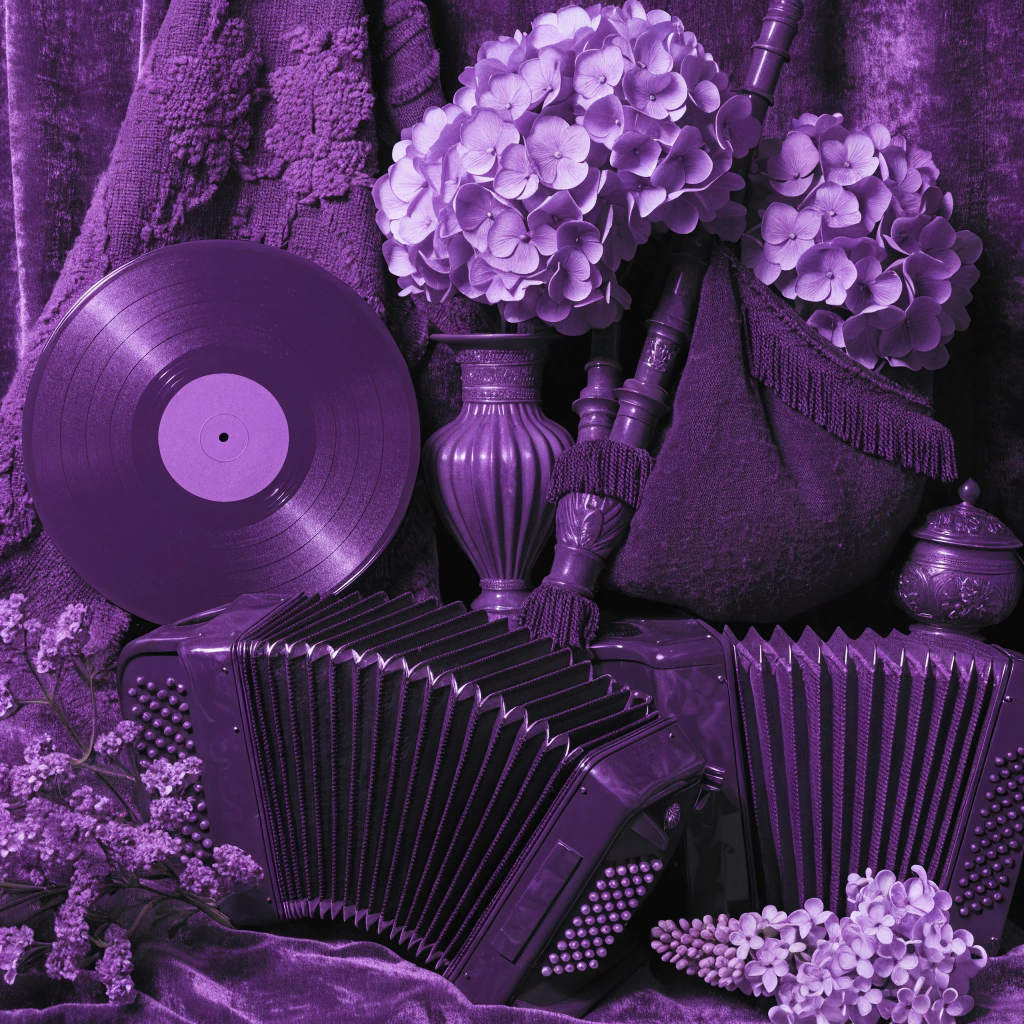
French Songs and Culture
France has many famous songs. People call this "Chanson Française". In these songs, the words are very important. They tell stories about love and life. Long ago, singers sang in small cafes in Paris. Today, many people still love this music. Famous singers like Edith Piaf are very popular. They sing beautiful poems with music. You can hear these songs in the streets of France. It is a big part of French culture. Many students listen to these songs to learn the language. It is fun and easy.
نکته دستوری
الگو: Present Simple (to be)
"The words are very important."
We use 'are' with plural nouns like 'words'. This pattern describes a fact or a state.
الگو: Present Simple (General facts)
"They tell stories about love and life."
We use the base form of the verb 'tell' with 'they'. This describes something that is always true about these songs.
درک خود را بسنجید
10 سوال · A1 مبتدی · 1 پیشنمایش رایگان
آنچه از این مقاله آموختید را بسنجید. به همه سؤالات پاسخ دهید و XP کسب کنید!
What is Chanson Française?
آیا میخواهید آزمون را تمام کنید؟
9 سؤال دیگر منتظر شماست. ثبتنام رایگان کنید تا آزمون کامل را باز کنید و XP کسب کنید!
ثبتنام رایگانقبلاً ثبتنام کردی؟ ورود
جزئیات سؤالات
What is Chanson Française?
پاسخ شما:
پاسخ درست: French songs
The words in these songs are very important.
پاسخ شما:
پاسخ درست: درست
What does 'popular' mean?
پاسخ شما:
پاسخ درست: Liked by many people
They tell _____ about love and life.
پاسخ شما:
پاسخ درست: stories
The Story of Chanson Française
Chanson Française is a famous style of music from France. For many French people, the lyrics are more important than the melody. This music is like a poem with a tune. It started many years ago in small cafes and clubs in Paris.
In the 19th century, people went to cabarets in Montmartre to listen to these songs. The singers told stories about love, sadness, and daily life. One of the most famous singers was Edith Piaf. She became a global star because her voice was very powerful and emotional.
Chanson is different from modern pop music because it is more traditional. It is also more poetic than most songs on the radio today. Today, young singers still use this style, but they sometimes add modern sounds like electronic music. People love Chanson because the words are beautiful and deep. It is a very important part of French culture and history.
نکته دستوری
الگو: Comparatives with 'more'
"It is also more poetic than most songs on the radio today."
We use 'more' + adjective + 'than' to compare two things when the adjective is long. It shows that one thing has a higher quality than the other.
الگو: Past Simple (Irregular Verbs)
"The singers told stories about love, sadness, and daily life."
The past simple is used for finished actions in the past. 'Told' is the irregular past form of the verb 'tell'.
درک خود را بسنجید
11 سوال · A2 مقدماتی · 1 پیشنمایش رایگان
آنچه از این مقاله آموختید را بسنجید. به همه سؤالات پاسخ دهید و XP کسب کنید!
What is the most important part of Chanson Française?
آیا میخواهید آزمون را تمام کنید؟
10 سؤال دیگر منتظر شماست. ثبتنام رایگان کنید تا آزمون کامل را باز کنید و XP کسب کنید!
ثبتنام رایگانقبلاً ثبتنام کردی؟ ورود
جزئیات سؤالات
What is the most important part of Chanson Française?
پاسخ شما:
پاسخ درست: The lyrics
Edith Piaf was a famous singer in this style.
پاسخ شما:
پاسخ درست: درست
What does 'traditional' mean?
پاسخ شما:
پاسخ درست: Following old customs and styles
This music is like a _____ with a tune.
پاسخ شما:
پاسخ درست: poem
Where did people go to listen to these songs in the 19th century?
پاسخ شما:
پاسخ درست: Cabarets in Montmartre
Chanson Française: The Heart of French Music
Chanson Française is a special type of music that has been a part of French culture for many centuries. Unlike modern pop music, which often focuses on the electronic beat, this genre prioritizes the lyrics. In France, these lyrics are considered a form of poetry set to music. This focus on the 'texte' makes the genre unique.
The tradition started long ago with medieval poets, but it became very famous in the 19th century. During this time, many artists performed in the cabarets of Montmartre, such as the famous 'Le Chat Noir.' Since then, the style has evolved into a global symbol of French sophistication. This history shows how music and literature can work together.
Great singers like Edith Piaf and Charles Aznavour are known throughout the world. Their songs, which tell emotional stories about love and life, have been translated into many languages. In these songs, the singer's voice is often accompanied by an accordion or a piano, creating an intimate atmosphere that listeners love.
Today, Chanson Française is still very popular among young people. Modern artists have combined traditional styles with new sounds like jazz or even rap. This shows that the 'texte' is still the most important part of the song. Many people believe that this musical tradition has helped to protect the French language. It remains a pillar of identity for the nation, showing that music can be both entertaining and artistic.
نکته دستوری
الگو: Passive Voice
"In France, these lyrics are considered a form of poetry set to music."
The passive voice is formed with the verb 'to be' and the past participle. It is used here because the lyrics (the object) are more important than who is considering them.
الگو: Relative Clauses
"Their songs, which tell emotional stories about love and life, have been translated into many languages."
A relative clause starting with 'which' provides extra information about the 'songs'. This helps connect ideas and create more complex sentences.
درک خود را بسنجید
11 سوال · B1 متوسط · 1 پیشنمایش رایگان
آنچه از این مقاله آموختید را بسنجید. به همه سؤالات پاسخ دهید و XP کسب کنید!
What is the main focus of Chanson Française?
آیا میخواهید آزمون را تمام کنید؟
10 سؤال دیگر منتظر شماست. ثبتنام رایگان کنید تا آزمون کامل را باز کنید و XP کسب کنید!
ثبتنام رایگانقبلاً ثبتنام کردی؟ ورود
جزئیات سؤالات
What is the main focus of Chanson Française?
پاسخ شما:
پاسخ درست: The lyrics
Chanson Française started in the 21st century.
پاسخ شما:
پاسخ درست: نادرست
What does 'pillar' mean in the context of the article?
پاسخ شما:
پاسخ درست: A basic and very important part of something
The singer's voice is often _____ by an accordion or a piano.
پاسخ شما:
پاسخ درست: accompanied
Where were many early Chanson performances held?
پاسخ شما:
پاسخ درست: In the cabarets of Montmartre
The Literary Soul of France: Understanding the Art of Chanson Française
Chanson Française is widely regarded as a fundamental pillar of French cultural identity. Unlike many contemporary genres that prioritize rhythm and melody above all else, this tradition places the 'texte'—the lyrics—at its very core. It is essentially a form of high literature set to music, where the narrative and the emotional weight of the words take center stage. Although its origins can be traced back to the medieval troubadours and the epic poems of the Middle Ages, the genre underwent a significant transformation during the 19th century. This evolution occurred primarily in the artistic cabarets of Montmartre, most notably at Le Chat Noir, where poets and musicians collaborated to create socially conscious and emotionally resonant works.
By the time the mid-20th century arrived, the genre had already established itself as a global symbol of French sophistication. This 'Golden Age' saw the rise of legendary figures such as Édith Piaf, Jacques Brel, and Charles Aznavour. These artists did not merely sing; they performed miniature dramas that captured the essence of the human condition. Their songs often explored complex themes of love, loss, and social injustice, demanding an intellectual engagement from the listener that went beyond simple entertainment. Consequently, the singer-songwriter became a respected cultural figure, often compared to great novelists or poets.
The essence of Chanson Française lies in its ability to adapt while remaining true to its roots. Even as musical styles shifted toward rock and pop in the latter half of the century, the emphasis on poetic quality remained. Contemporary artists like Stromae or Zaz continue to draw inspiration from this tradition, proving that the literary focus of the genre is still relevant today. Furthermore, the history of French music is deeply intertwined with the history of the nation itself. Each era’s songs reflect the political and social shifts of the time, making the genre a living archive of the French spirit.
Ultimately, to appreciate Chanson Française is to understand the French devotion to language. It is a genre that refuses to let the music overshadow the message. Despite the globalization of the music industry, this tradition continues to flourish, offering a sophisticated alternative to mainstream commercial pop. It remains a testament to the idea that music can be both a popular art form and a profound intellectual pursuit.
نکته دستوری
الگو: Passive Voice
"Chanson Française is widely regarded as a fundamental pillar of French cultural identity."
The passive voice is used here to focus on the genre rather than the people who regard it. It is formed using 'to be' + past participle.
الگو: Relative Clauses with 'where'
"This evolution occurred primarily in the artistic cabarets of Montmartre, where poets and musicians collaborated..."
The relative adverb 'where' is used to provide additional information about a place (the cabarets). It connects two clauses without starting a new sentence.
الگو: Past Perfect Tense
"By the time the mid-20th century arrived, the genre had already established itself as a global symbol..."
The past perfect (had + past participle) is used to describe an action that was completed before another point in the past.
درک خود را بسنجید
11 سوال · B2 بالاتر از متوسط · 1 پیشنمایش رایگان
آنچه از این مقاله آموختید را بسنجید. به همه سؤالات پاسخ دهید و XP کسب کنید!
What is the primary focus of Chanson Française?
آیا میخواهید آزمون را تمام کنید؟
10 سؤال دیگر منتظر شماست. ثبتنام رایگان کنید تا آزمون کامل را باز کنید و XP کسب کنید!
ثبتنام رایگانقبلاً ثبتنام کردی؟ ورود
جزئیات سؤالات
What is the primary focus of Chanson Française?
پاسخ شما:
پاسخ درست: The literary quality of the lyrics
Chanson Française has its earliest roots in the 19th-century cabarets.
پاسخ شما:
پاسخ درست: نادرست
What does 'sophistication' mean in the context of the article?
پاسخ شما:
پاسخ درست: A high level of cultural refinement
The history of French music is deeply _____ with the history of the nation.
پاسخ شما:
پاسخ درست: intertwined
Which location was central to the genre's evolution in the 19th century?
پاسخ شما:
پاسخ درست: The cabarets of Montmartre
The Lyrical Soul of France: A Critical Appraisal of Chanson Française
Seldom has a musical tradition been so inextricably linked to the literary identity of a nation as Chanson Française. To define it merely as 'French song' is to overlook its profound cultural weight; rather, it represents a sophisticated synthesis of poetry and melody where the 'texte' is paramount. What distinguishes Chanson from the ephemeral nature of global pop is its unwavering commitment to lyrical depth and narrative complexity. Rooted in the medieval legacy of troubadours and the epic poems of the Middle Ages, Chanson underwent a radical transformation within the smoke-filled cabarets of 19th-century Montmartre. It was in venues like Le Chat Noir that the genre shed its folk origins, adopting a more subversive, avant-garde character that challenged the social mores of the era.
However, it was the mid-20th century that witnessed the true elevation of the genre to a global symbol of French sophistication. During this golden age, artists became secular philosophers, utilizing the stage to dissect the human condition with surgical precision. It is this preoccupation with the narrative that necessitates a high degree of linguistic competence from the listener. The singer-songwriter, or auteur-compositeur-interprète, does not merely perform; they narrate the complexities of love, existential dread, and socio-political upheaval. Rarely do we encounter a genre so resistant to the dilution of its core values by commercial pressures. The reverence for the word ensures that even the most mundane subjects are imbued with a poignant, almost transcendental quality.
The intimacy of the cabaret setting fostered a unique dynamic between the performer and the audience, one characterized by an almost voyeuristic intensity. This proximity demanded a performance style that was both raw and intellectually demanding. It was not enough to possess vocal prowess; the artist had to embody the narrative. This synthesis of theatre and song became the hallmark of the genre, influencing countless international artists who sought to replicate its evocative power. Furthermore, the nominalisation of complex emotions—the transformation of fleeting feelings into concrete poetic concepts—allows Chanson to transcend its local origins.
While globalization has undeniably altered the French musical landscape, the essence of Chanson persists. It acts as a bulwark against the perceived homogenization of culture, asserting that the particularity of the French language is a vehicle for universal truths. In conclusion, the enduring appeal of Chanson Française lies in its refusal to decouple music from intellect. By prioritizing the literary over the purely auditory, it remains a quintessential pillar of French identity. It is not merely a soundtrack to life in the Hexagon, but an evocative testament to the power of the written word set to music.
نکته دستوری
الگو: Negative Inversion
"Seldom has a musical tradition been so inextricably linked to the literary identity of a nation as Chanson Française."
When negative or restrictive adverbs like 'seldom', 'rarely', or 'never' start a sentence, the subject and auxiliary verb are inverted for emphasis and formal tone.
الگو: Cleft Sentences
"It is this preoccupation with the narrative that necessitates a high degree of linguistic competence from the listener."
Cleft sentences use 'It is/was... that' to focus on a specific part of the sentence, highlighting the 'preoccupation with the narrative' as the primary cause.
الگو: Nominalisation
"Furthermore, the nominalisation of complex emotions—the transformation of fleeting feelings into concrete poetic concepts—allows Chanson to transcend its local origins."
Nominalisation involves turning verbs or adjectives into nouns (e.g., 'transformation' from 'transform'). This creates a more abstract, formal, and concise academic style.
درک خود را بسنجید
12 سوال · C1 پیشرفته · 1 پیشنمایش رایگان
آنچه از این مقاله آموختید را بسنجید. به همه سؤالات پاسخ دهید و XP کسب کنید!
What is the primary factor that distinguishes Chanson Française from global pop music according to the text?
آیا میخواهید آزمون را تمام کنید؟
11 سؤال دیگر منتظر شماست. ثبتنام رایگان کنید تا آزمون کامل را باز کنید و XP کسب کنید!
ثبتنام رایگانقبلاً ثبتنام کردی؟ ورود
جزئیات سؤالات
What is the primary factor that distinguishes Chanson Française from global pop music according to the text?
پاسخ شما:
پاسخ درست: A commitment to lyrical depth and the importance of the text
Chanson Française completely lost its folk origins during the mid-20th century golden age.
پاسخ شما:
پاسخ درست: نادرست
What does the word 'ephemeral' mean in the context of the article?
پاسخ شما:
پاسخ درست: Lasting for a very short time
Which venue is mentioned as a site where the genre adopted an avant-garde character?
پاسخ شما:
پاسخ درست: Le Chat Noir
The article suggests that Chanson acts as a _____ against the homogenization of culture.
پاسخ شما:
پاسخ درست: bulwark
The text argues that Chanson requires the listener to have a high degree of linguistic competence.
پاسخ شما:
پاسخ درست: درست
The Ontological Primacy of the Word: A Critical Appraisal of Chanson Française
To interrogate the essence of Chanson Française is to embark upon a journey through the very soul of Gallic cultural identity. Far from being a mere sub-category of popular music, Chanson represents a sophisticated synthesis of poetic verisimilitude and melodic restraint, where the 'texte'—the literary weight of the lyrics—retains absolute sovereignty. Were it not for the profound literary heritage of the medieval troubadours and the epic 'chansons de geste', it is doubtful whether this genre would have attained its current status as a bastion of high culture. The tradition, which found its idiosyncratic voice in the smoky cabarets of 19th-century Montmartre, such as Le Chat Noir, eventually reached its cultural zenith in the mid-20th century, a period often lauded as the 'âge d'or'.
Seldom has a musical tradition so aggressively prioritized the semantic weight of its verse over the mere accessibility of its melodic contours. In the works of Edith Piaf, Jacques Brel, and Georges Brassens, the listener is confronted not with a simple song, but with a theatrical vignette—a concentrated burst of existential angst, social critique, or romantic despair. For these artists, it was axiomatic that the music should serve the word, acting as a humble vehicle for the delivery of complex human truths. The inimitable quality of Brel’s delivery, for instance, lies in his ability to inhabit a character so fully that the boundary between performer and protagonist becomes porous. It is imperative that the listener recognize this as a deliberate rejection of the burgeoning Anglo-American pop hegemony of the time, which many French intellectuals viewed as a pernicious influence on the purity of their linguistic expression.
However, the dichotomy between 'high' Chanson and 'low' variety music has become increasingly blurred in the postmodern era. While the vanguard of the movement once sought to distance itself from commercialism, contemporary practitioners must navigate a landscape dominated by globalized production standards. Nevertheless, the legacy of the 'poète-interprète' persists. To analyze the works of modern heirs like Camille or Stromae is to witness the evolution of the genre; though the sonic palette has expanded to include electronic and hip-hop influences, the commitment to storytelling remains the focal point. This enduring focus on the narrative arc epitomizes the French resistance to the commodification of art.
Lest it be thought that Chanson is a static relic of the past, one must acknowledge its capacity for reinvention. The genre continues to grapple with the complexities of modern Francophone identity, incorporating voices from the Maghreb and Sub-Saharan Africa, thereby enriching the linguistic tapestry of the 'texte'. Ultimately, Chanson Française remains a testament to the power of the human voice when wedded to the rigors of poetic discipline. It is a genre that demands an active, intellectual engagement, challenging the listener to look beyond the surface of the melody and find the profound truths hidden within the cadence of the word.
نکته دستوری
الگو: Inverted Conditional (Second/Third Conditional)
"Were it not for the profound literary heritage of the medieval troubadours... it is doubtful whether this genre would have attained its current status."
This formal structure replaces the 'if' clause. 'Were it not for' is used to express that a current or past situation depends entirely on a specific factor.
الگو: Negative Inversion for Emphasis
"Seldom has a musical tradition so aggressively prioritized the semantic weight of its verse..."
When a negative or restrictive adverb like 'seldom' or 'never' starts a sentence, the auxiliary verb and subject are inverted to create a formal, rhetorical effect.
الگو: Subjunctive Mood after Impersonal Expressions
"It is imperative that the listener recognize this as a deliberate rejection..."
The subjunctive 'recognize' (base form) is used here following an expression of necessity or importance ('It is imperative that...').
درک خود را بسنجید
12 سوال · C2 تسلط · 1 پیشنمایش رایگان
آنچه از این مقاله آموختید را بسنجید. به همه سؤالات پاسخ دهید و XP کسب کنید!
What is considered the most important element in Chanson Française according to the text?
آیا میخواهید آزمون را تمام کنید؟
11 سؤال دیگر منتظر شماست. ثبتنام رایگان کنید تا آزمون کامل را باز کنید و XP کسب کنید!
ثبتنام رایگانقبلاً ثبتنام کردی؟ ورود
جزئیات سؤالات
What is considered the most important element in Chanson Française according to the text?
پاسخ شما:
پاسخ درست: The literary quality of the lyrics
The text suggests that Chanson Française has roots that date back to the Middle Ages.
پاسخ شما:
پاسخ درست: درست
What does the word 'axiomatic' mean in the context of the article?
پاسخ شما:
پاسخ درست: Self-evidently true
The enduring focus on the narrative arc _____ the French resistance to the commodification of art.
پاسخ شما:
پاسخ درست: epitomizes
How did 20th-century French intellectuals view Anglo-American pop music?
پاسخ شما:
پاسخ درست: As a pernicious influence on their language
The article claims that modern Chanson has completely rejected electronic and hip-hop influences.
پاسخ شما:
پاسخ درست: نادرست

