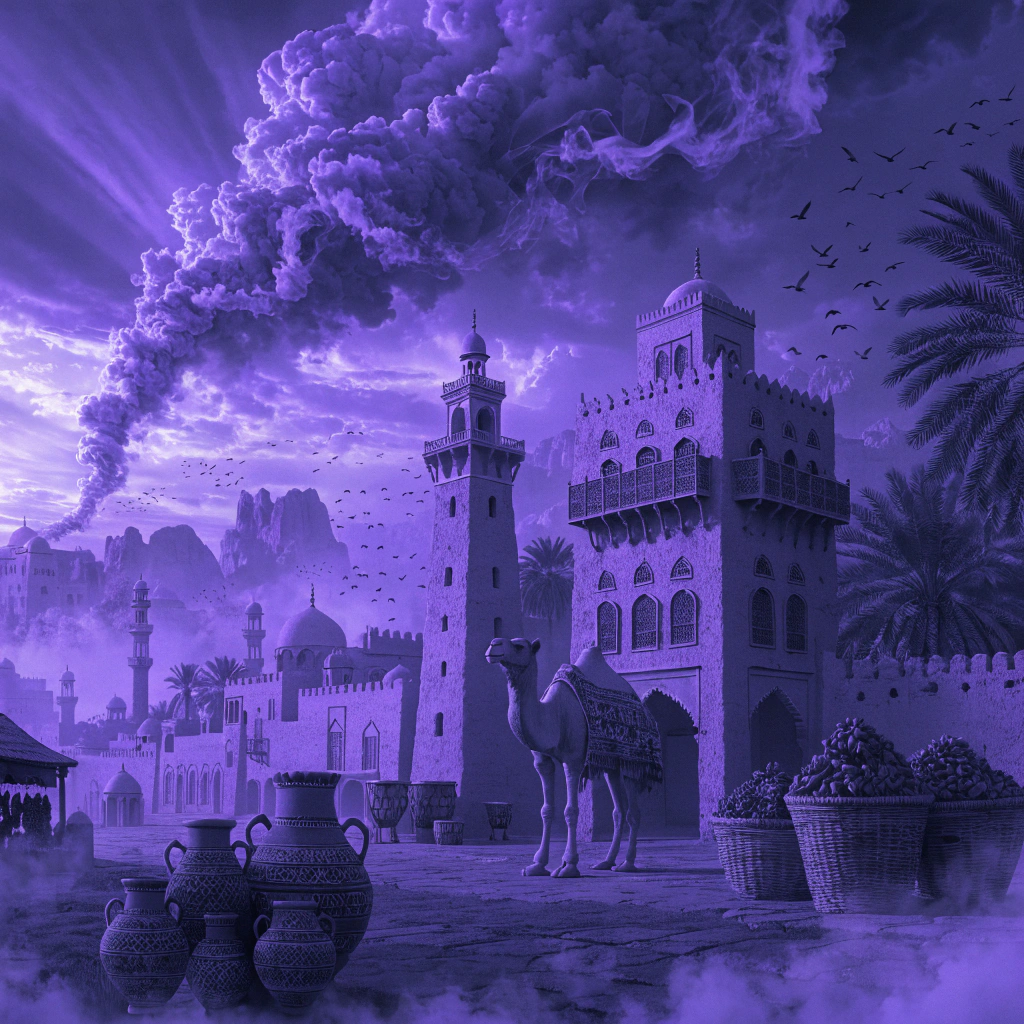
روز بنیانگذاری: تاریخ عربستان سعودی
هر سال در تاریخ ۲۲ فوریه، مردم عربستان سعودی یک روز بسیار مهم را جشن میگیرند. این روز، «روز بنیانگذاری» نام دارد. این جشن، یادآور تأسیس اولین دولت سعودی است.
در سال ۱۷۲۷ میلادی، امام محمد بن سعود این دولت را بنیانگذاری کرد. پایتخت این دولت، شهر تاریخی «درعیه» بود. درعیه امروز یک مکان مهم است. این روز، ریشهها و تاریخ قدیمی عربستان سعودی را نشان میدهد. مردم این کشور به این تاریخ افتخار میکنند.
روز بنیانگذاری با «روز ملی» فرق دارد. روز ملی درباره اتحاد جدید است، اما روز بنیانگذاری درباره تاریخ و گذشته قوی عربستان است. این یک جشن بزرگ برای همه مردم عربستان سعودی است.
نکته دستوری
الگو: فعل بودن (است / هستند)
"این روز، «روز بنیانگذاری» نام دارد."
فعل «بودن» در فارسی برای گفتن «هست» یا «است» استفاده میشود. «است» برای یک چیز (مفرد) و «هستند» برای چند چیز (جمع) است. در مثال، «نام دارد» یعنی «نامش است».
الگو: زمان حال ساده (فاعل + مفعول + فعل)
"مردم عربستان سعودی یک روز بسیار مهم را جشن میگیرند."
این ساختار برای بیان کارهایی است که همیشه یا معمولاً اتفاق میافتند. ابتدا کسی که کار را انجام میدهد (فاعل)، سپس چیزی که روی آن کار میشود (مفعول) و در آخر فعل میآید. «جشن میگیرند» یعنی «آنها جشن میگیرند».
درک خود را بسنجید
10 سوال · A1 مبتدی · 1 پیشنمایش رایگان
آنچه از این مقاله آموختید را بسنجید. به همه سؤالات پاسخ دهید و XP کسب کنید!
«روز بنیانگذاری» هر سال در چه تاریخی است؟
آیا میخواهید آزمون را تمام کنید؟
9 سؤال دیگر منتظر شماست. ثبتنام رایگان کنید تا آزمون کامل را باز کنید و XP کسب کنید!
ثبتنام رایگانقبلاً ثبتنام کردی؟ ورود
جزئیات سؤالات
«روز بنیانگذاری» هر سال در چه تاریخی است؟
پاسخ شما:
پاسخ درست: ۲۲ فوریه
امام محمد بن سعود اولین دولت سعودی را در سال ۱۷۲۷ میلادی بنیانگذاری کرد.
پاسخ شما:
پاسخ درست: درست
کلمه «دولت» به چه معناست؟
پاسخ شما:
پاسخ درست: گروهی که یک کشور را اداره میکند
پایتخت اولین دولت سعودی، شهر تاریخی «_____» بود.
پاسخ شما:
پاسخ درست: درعیه
Saudi Founding Day: A Special Celebration
Saudi Founding Day is a very important holiday in Saudi Arabia. People celebrate it every year on February 22nd. This day is special because it remembers the start of the first Saudi state in 1727.
A long time ago, Imam Muhammad bin Saud began the state in a city called Diriyah. Diriyah was the first capital city. Today, it is a famous UNESCO World Heritage site because it has a very old and beautiful history. Many people visit Diriyah to see the traditional buildings and learn about the past.
During Founding Day, the streets are full of life. People wear traditional clothes and share local food with their families. They also drink Saudi coffee and watch traditional dances. It is a happy time because people feel proud of their heritage.
Founding Day is different from National Day. National Day celebrates the modern country, but Founding Day celebrates three hundred years of history. It is older than National Day. This holiday helps young people understand their roots and the history of their great country.
نکته دستوری
الگو: گذشته ساده (Past Simple)
"Imam Muhammad bin Saud began the state in a city called Diriyah."
ما از گذشته ساده برای صحبت در مورد کارهایی که در گذشته تمام شدهاند استفاده میکنیم. افعال باقاعده «ed-» میگیرند، اما «began» یک شکل بیقاعده از «begin» است.
الگو: صفات تفضیلی (Comparatives)
"It is older than National Day."
ما از صفات تفضیلی برای بررسی تفاوت بین دو چیز استفاده میکنیم. برای صفات کوتاه، «er-» اضافه میکنیم و از کلمه «than» استفاده میکنیم.
درک خود را بسنجید
11 سوال · A2 مقدماتی · 1 پیشنمایش رایگان
آنچه از این مقاله آموختید را بسنجید. به همه سؤالات پاسخ دهید و XP کسب کنید!
مردم چه زمانی روز تأسیس عربستان سعودی را جشن میگیرند؟
آیا میخواهید آزمون را تمام کنید؟
10 سؤال دیگر منتظر شماست. ثبتنام رایگان کنید تا آزمون کامل را باز کنید و XP کسب کنید!
ثبتنام رایگانقبلاً ثبتنام کردی؟ ورود
جزئیات سؤالات
مردم چه زمانی روز تأسیس عربستان سعودی را جشن میگیرند؟
پاسخ شما:
پاسخ درست: ۲۲ فوریه
دیریه اولین پایتخت دولت سعودی بود.
پاسخ شما:
پاسخ درست: درست
معنی «traditional» چیست؟
پاسخ شما:
پاسخ درست: چیزی که مردم برای مدت طولانی انجام دادهاند
مردم در این روز _____ سعودی مینوشند و رقصهای سنتی تماشا میکنند.
پاسخ شما:
پاسخ درست: coffee
چرا دیریه امروزه مشهور است؟
پاسخ شما:
پاسخ درست: یک میراث جهانی یونسکو است
Celebrating the Roots: Saudi Founding Day
Saudi Founding Day is celebrated every February 22nd to honor the deep roots of the Kingdom of Saudi Arabia. It is a day that commemorates the historical moment in 1727 when Imam Muhammad bin Saud established the First Saudi State in Diriyah. While National Day celebrates the modern unification, Founding Day focuses on three centuries of rich heritage and the resilient foundations of the state.
The first capital, Diriyah, is a very important place. It has been recognized as a UNESCO World Heritage site because of its historic architecture and significance. Today, people visit the ruins of Turaif to learn about the courage of the leaders who built the state.
During this national holiday, the streets are filled with people wearing traditional costumes. Men often wear the 'Bisht' or 'Daglah', while women wear beautiful, colorful dresses that represent different regions of the country. Traditional food is also a major part of the celebration. Families gather to share meals and stories about their ancestors.
Many events have been organized across the Kingdom to showcase Saudi culture. Schools and museums participate by teaching students about the history of the First Saudi State. It is a time for reflection and pride.
Since its establishment three centuries ago, Saudi Arabia has grown into a modern and influential country. However, the people have never forgotten their origins. Founding Day reminds everyone that the strength of the future depends on the solid foundations of the past. By celebrating this day, Saudis connect their modern achievements with their historic legacy.
نکته دستوری
الگو: Passive Voice (Present Simple)
"Saudi Founding Day is celebrated every February 22nd."
We use the passive voice when the action is more important than who performs it. It is formed using 'am/is/are' plus the past participle of the verb.
الگو: Present Perfect
"Saudi Arabia has grown into a modern and influential country."
This pattern describes an action that started in the past and continues to the present or has an effect now. It is formed with 'have/has' plus the past participle.
درک خود را بسنجید
11 سوال · B1 متوسط · 1 پیشنمایش رایگان
آنچه از این مقاله آموختید را بسنجید. به همه سؤالات پاسخ دهید و XP کسب کنید!
In which year was the First Saudi State established?
آیا میخواهید آزمون را تمام کنید؟
10 سؤال دیگر منتظر شماست. ثبتنام رایگان کنید تا آزمون کامل را باز کنید و XP کسب کنید!
ثبتنام رایگانقبلاً ثبتنام کردی؟ ورود
جزئیات سؤالات
In which year was the First Saudi State established?
پاسخ شما:
پاسخ درست: 1727
Founding Day celebrates the same event as National Day.
پاسخ شما:
پاسخ درست: نادرست
What is the definition of 'heritage'?
پاسخ شما:
پاسخ درست: The history and traditions of a society
Diriyah has been recognized as a UNESCO World _____ site.
پاسخ شما:
پاسخ درست: Heritage
What do people often wear during Founding Day celebrations?
پاسخ شما:
پاسخ درست: Traditional costumes
Saudi Founding Day: Honoring Three Centuries of Heritage
While many international observers are familiar with Saudi National Day in September, February 22nd marks an equally significant, though distinct, milestone: Saudi Founding Day. Officially established as a national holiday in 2022, this day commemorates the deep-rooted historical origins of the Kingdom. It honors the moment in 1727 when Imam Muhammad bin Saud established the First Saudi State in the historic city of Diriyah. This city, now a UNESCO World Heritage site, served as the epicenter of a political and cultural movement that would eventually transform the Arabian Peninsula.
Understanding the distinction between Founding Day and National Day is crucial for any student of Saudi history. While National Day celebrates the unification of the modern Kingdom by King Abdulaziz in 1932, Founding Day focuses on the three centuries of statehood that preceded it. By highlighting the year 1727, the Kingdom emphasizes its long-standing political stability and cultural continuity. For nearly three centuries, the Saudi state has demonstrated remarkable resilience, surviving various challenges and evolving into a modern global leader.
The celebrations of Founding Day are characterized by a profound sense of national pride and cultural expression. Throughout the country, events are organized to showcase the nation's diverse heritage. Citizens often wear traditional attire, such as the 'ghutra' and 'bisht', which symbolize the values and aesthetics of their ancestors. These garments are not merely costumes; they are a testament to the enduring identity of the Saudi people. Furthermore, the festivities often include traditional dances and culinary displays, allowing both locals and expatriates to appreciate the depth of Saudi traditions.
From an academic perspective, Founding Day invites a scholarly evaluation of the nation's endurance. The restoration of Diriyah, the original capital, serves as a focal point for this reflection. By preserving the mud-brick architecture of the At-Turaif district, the government ensures that the foundations of the state remain visible to future generations. This commitment to historical preservation aligns with the goals of Vision 2030, which seeks to balance modern innovation with traditional values.
Ultimately, Founding Day serves as a bridge between the past and the future. It reminds citizens that the prosperity of the modern era is built upon the sacrifices and visions of those who came before. As the Kingdom continues to undergo rapid social and economic transformation, Founding Day provides a steady anchor, reinforcing a national identity that is both ancient and forward-looking. For language learners, studying this topic offers a rich opportunity to engage with complex narratives of statehood and cultural legacy.
نکته دستوری
الگو: Passive Voice
"The celebrations of Founding Day are characterized by a profound sense of national pride."
The passive voice is used here to focus on the celebrations rather than the people performing the action. It is formed using a form of 'to be' and the past participle of the main verb.
الگو: Relative Clauses
"...this city served as the epicenter of a movement that would eventually transform the Arabian Peninsula."
A relative clause provides more information about a noun (the movement). 'That' is used to define the specific movement and its historical consequences.
الگو: Present Perfect Tense
"For nearly three centuries, the Saudi state has demonstrated remarkable resilience."
The present perfect (has/have + past participle) is used to describe an action or state that started in the past and continues to the present day.
درک خود را بسنجید
11 سوال · B2 بالاتر از متوسط · 1 پیشنمایش رایگان
آنچه از این مقاله آموختید را بسنجید. به همه سؤالات پاسخ دهید و XP کسب کنید!
What is the primary historical focus of Saudi Founding Day?
آیا میخواهید آزمون را تمام کنید؟
10 سؤال دیگر منتظر شماست. ثبتنام رایگان کنید تا آزمون کامل را باز کنید و XP کسب کنید!
ثبتنام رایگانقبلاً ثبتنام کردی؟ ورود
جزئیات سؤالات
What is the primary historical focus of Saudi Founding Day?
پاسخ شما:
پاسخ درست: The establishment of the First Saudi State in 1727
Saudi National Day and Saudi Founding Day celebrate exactly the same historical event.
پاسخ شما:
پاسخ درست: نادرست
What does 'distinction' mean in the context of the article?
پاسخ شما:
پاسخ درست: A clear difference or contrast
For nearly three centuries, the Saudi state has demonstrated remarkable _____.
پاسخ شما:
پاسخ درست: resilience
Why is the city of Diriyah mentioned as the 'epicenter' of the first state?
پاسخ شما:
پاسخ درست: It was the original capital established in 1727
روز تأسیس عربستان سعودی: ژرفای تاریخ و هویت ملی
روز بیست و دوم فوریه، نه صرفاً یک تاریخ در تقویم، بلکه سرفصلی است برای یادآوری ریشههای عمیق و هویت بنیادین پادشاهی عربستان سعودی. این روز که به «روز تأسیس» نامگذاری شده است، جشن و بزرگداشتی است برای میراثی سه قرنه و پایههای مستحکمی که این دولت بر آن بنا شده است. این مناسبت، برخلاف روز ملی که بر وحدت نوین کشور تمرکز دارد، به بنیانهای تاریخی و فرهنگی دولت سعودی میپردازد و اهمیت بسزایی در درک تداوم و پایداری این سرزمین دارد.
در سال ۱۷۲۷ میلادی بود که امام محمد بن سعود، سرسلسله خاندان آل سعود، بنیانگذار دولت اول سعودی شد. این رخداد تاریخی در شهر باستانی درعیه، که اکنون خود نگین درخشانی در فهرست میراث جهانی یونسکو به شمار میرود، متبلور گشت. آنچه این روز را از سایر مناسبتها متمایز میسازد، تأکید آن بر آغاز یک مسیر تاریخی است؛ مسیری که به شکلگیری یک هویت سیاسی و اجتماعی منسجم در شبهجزیره عربستان انجامید و زمینه را برای دولتهای بعدی فراهم آورد. این نقطه عطف، نه تنها یک رویداد سیاسی، بلکه گام بلندی در تثبیت یک ساختار اجتماعی و فرهنگی بود.
تفاوت بنیادین روز تأسیس با «روز ملی» (۲۳ سپتامبر) در ماهیت گرامیداشت آنهاست. روز ملی، یادآور وحدت نوین و تأسیس پادشاهی عربستان سعودی به دست ملک عبدالعزیز در قرن بیستم است؛ حال آنکه روز تأسیس، به قرنها پیش بازمیگردد و بر استحکام و تداوم دولت سعودی از ریشههای اولیه آن تمرکز دارد. این تمایز، نه تنها یک تقسیمبندی تقویمی، بلکه بازتابی از درک عمیقتر از تداوم تاریخی و مشروعیت ریشهدار دولت است که طی قرون متمادی شکل گرفته است. از این رو، هر دو روز به شیوهای مکمل، ابعاد مختلف تاریخ ملی را جشن میگیرند.
درعیه، به عنوان پایتخت دولت اول سعودی، نقشی محوری در روایت این تاریخ ایفا میکند. این شهر با معماری منحصربهفرد و بافت تاریخی خود، نه فقط یک مکان جغرافیایی، بلکه نمادی از پایداری و مرکزیت قدرت در آن دوران بوده است. احیای این میراث و معرفی آن به جهانیان، خود گواه بر اهمیت بازخوانی و تقدیر از این بنیانهای اولیه است. از همین روست که امروزه درعیه با تمام شکوه خود، میزبان جشنهای باشکوه این روز است و بازدیدکنندگان بسیاری را به سوی خود میخواند تا با گذشته پر افتخار این سرزمین آشنا شوند.
اهمیت روز تأسیس تنها به بازگویی وقایع تاریخی محدود نمیشود. این روز فرصتی است برای مردم عربستان سعودی تا با افتخار به گذشته خود بنگرند، به پیوندهای فرهنگی و اجتماعی که در طول قرون شکل گرفتهاند، ببالند و از همگرایی ملی خویش آگاه شوند. این جشن، در واقع، تجلیبخش روح ملی و یادآور مسئولیت مشترک در حفظ و توسعه این میراث گرانبهاست. این نگاه به تاریخ، به تقویت هویت ملی و حس تعلق خاطر به سرزمین کمک شایانی میکند و نسلهای جدید را با ارزشهای اجدادیشان پیوند میدهد.
آنچه از گرامیداشت روز تأسیس برمیآید، درک این نکته است که ملتها نه فقط با مرزهای جغرافیایی، بلکه با روایتهای مشترک و ریشههای تاریخیشان تعریف میشوند. این روز، بیش از آنکه جشنی برای گذشته باشد، بیانی است از تداوم، پایداری و نگاه به آیندهای که بر ستونهای مستحکم تاریخ بنا شده است. از این رو، هر ساله با شکوهی فزاینده، این مناسبت گرامی داشته میشود تا نسلهای آینده نیز با عمق این میراث آشنا گردند و خود را جزئی از این زنجیره تاریخی بدانند.
نکته دستوری
الگو: اسمسازی (Nominalisation)
"این روز که به «روز تأسیس» نامگذاری شده است، جشن و بزرگداشتی است برای میراثی سه قرنه و پایههای مستحکمی که این دولت بر آن بنا شده است."
اسمسازی فرآیندی است که در آن فعل یا صفت به اسم تبدیل میشود تا مفهومی انتزاعی یا کلی را بیان کند. در این جمله، «تأسیس» (از فعل «تأسیس کردن») و «بزرگداشت» (از فعل «گرامی داشتن») به عنوان اسم به کار رفتهاند تا به رویداد و عمل اشاره کنند.
الگو: جمله شکافته (Cleft Sentence)
"آنچه این روز را از سایر مناسبتها متمایز میسازد، تأکید آن بر آغاز یک مسیر تاریخی است."
جملات شکافته برای تأکید بر بخشی خاص از جمله به کار میروند. در این ساختار، با استفاده از «آنچه... است» یا «این... است که...»، بخش مورد تأکید در جایگاه ویژهای قرار میگیرد تا توجه خواننده را به خود جلب کند و اهمیت آن را برجستهتر سازد.
الگو: جابجایی اجزا برای تأکید (Inversion for Emphasis)
"نقشی محوری در روایت این تاریخ ایفا میکند درعیه، به عنوان پایتخت دولت اول سعودی."
در زبان فارسی، جابجایی اجزای جمله، به ویژه قرار دادن مفعول یا متمم قبل از فاعل و فعل، برای تأکید بر آن جزء به کار میرود. در این مثال، «نقشی محوری...» که متمم فعل است، قبل از فاعل («درعیه») و فعل («ایفا میکند») آمده تا بر اهمیت این نقش تأکید شود.
درک خود را بسنجید
12 سوال · C1 پیشرفته · 1 پیشنمایش رایگان
آنچه از این مقاله آموختید را بسنجید. به همه سؤالات پاسخ دهید و XP کسب کنید!
روز تأسیس عربستان سعودی در چه تاریخی گرامی داشته میشود؟
آیا میخواهید آزمون را تمام کنید؟
11 سؤال دیگر منتظر شماست. ثبتنام رایگان کنید تا آزمون کامل را باز کنید و XP کسب کنید!
ثبتنام رایگانقبلاً ثبتنام کردی؟ ورود
جزئیات سؤالات
روز تأسیس عربستان سعودی در چه تاریخی گرامی داشته میشود؟
پاسخ شما:
پاسخ درست: ۲۲ فوریه
روز تأسیس و روز ملی عربستان سعودی هر دو به یک مفهوم و رویداد تاریخی اشاره دارند.
پاسخ شما:
پاسخ درست: نادرست
کلمه «سرفصل» در این متن به چه معناست؟
پاسخ شما:
پاسخ درست: نقطه عطف و رویداد مهم
امام محمد بن سعود، ______ خاندان آل سعود، بنیانگذار دولت اول سعودی بود.
پاسخ شما:
پاسخ درست: سرسلسله
شهر درعیه امروزه چه جایگاهی در سطح جهانی دارد؟
پاسخ شما:
پاسخ درست: بخشی از میراث جهانی یونسکو
هدف اصلی از گرامیداشت روز تأسیس، تنها بازگویی وقایع تاریخی است.
پاسخ شما:
پاسخ درست: نادرست
The Diriyah Paradigm: Deconstructing the Historical Genesis of Saudi Sovereignty
To contemplate the essence of the Saudi state is to engage with a narrative of profound endurance and historical continuity that transcends the mere boundaries of modern political geography. While the modern unification celebrated on National Day marks a pivotal milestone in the 20th century, Saudi Founding Day, observed annually on February 22nd, invites a more nuanced exploration of the nation’s deep-seated provenance. This occasion commemorates the year 1727, a chronological anchor when Imam Muhammad bin Saud ascended to leadership in Diriyah, thereby catalyzing the formation of the First Saudi State. Were one to scrutinize the geopolitical landscape of the early 18th-century Arabian Peninsula, one would find a fragmented mosaic of tribal territories and localized power centers; however, the Imam’s vision offered a transformative paradigm of stability, unity, and sovereignty.
The choice of Diriyah as the crucible for this nascent state was by no means arbitrary, nor was it a consequence of mere serendipity. Situated along the fertile banks of Wadi Hanifa, Diriyah emerged not merely as a commercial hub but as an intellectual and political epicenter of unprecedented significance. The historiography of this period suggests that the establishment of the state was predicated upon a confluence of local administrative acumen, strategic foresight, and a steadfast commitment to cultural integrity. Not only did the Imam consolidate disparate factions under a unified banner, but he also laid the immutable foundations of a governance system that would weather three centuries of regional volatility and external pressures. Notwithstanding the subsequent challenges faced by the state throughout the ensuing centuries, the indomitable spirit of its founders remained a constant, providing the ideological scaffolding for the Second and Third Saudi States.
The physical vestiges of this era, most notably the Turaif District in Diriyah—now a venerated UNESCO World Heritage site—serve as silent sentinels of this legacy. To walk through its sun-drenched mud-brick ruins is to witness the architectural manifestation of a civilization that refused to be eclipsed by time or the harshness of the desert environment. The resilience of these structures, with their intricate Najdi designs, mirrors the societal resilience that has characterized the Saudi people since the mid-18th century. It is perhaps an overstatement to suggest that the modern Kingdom is a mere evolution; rather, it is a sophisticated extrapolation of the original principles established in Diriyah, adapted to the exigencies of a globalized world.
Furthermore, scholars often argue that the celebration of Founding Day is essential for a comprehensive understanding of the Saudi zeitgeist. It provides the necessary historical depth to appreciate the scale of the nation's contemporary metamorphosis. Had the foundations laid in the 18th century been less robust or had the social contract been less enduring, the rapid modernization witnessed under the aegis of Vision 2030 might have lacked its essential cultural mooring. The interplay between tradition and progress is not a contradiction but a symbiotic relationship where the past informs the future, ensuring that the national identity is not lost amidst the tide of technological advancement.
In conclusion, Saudi Founding Day is far more than a simple historical retrospective; it is an affirmation of a three-century-long journey toward self-determination and sovereign dignity. By honoring the events of 1727, the Kingdom acknowledges that its current stature on the global stage is the culmination of an arduous but rewarding historical trajectory. As the nation looks toward the horizons of the future, it does so with the profound assurance that its roots are buried deep within the resilient soil of Diriyah, ensuring that the Saudi identity remains both vibrant and immutable in an ever-changing world. This historical consciousness is the bedrock upon which the future is built, bridging the gap between the mud-brick palaces of the past and the giga-projects of the future.
نکته دستوری
الگو: وارونگی التزامی برای شرایط فرضی
"Were one to scrutinize the geopolitical landscape of the early 18th-century Arabian Peninsula, one would find a fragmented mosaic of tribal territories."
این ساختار جایگزین 'If one were to...' میشود با 'Were one to...' تا لحنی رسمیتر و آکادمیک ایجاد کند. برای توصیف یک وضعیت فرضی و نتیجه احتمالی آن استفاده میشود.
الگو: وارونگی منفی برای تأکید
"Not only did the Imam consolidate disparate factions under a unified banner, but he also laid the immutable foundations of a governance system."
وقتی جملهای را با یک عبارت منفی یا محدودکننده مثل 'Not only' شروع میکنیم، جای فاعل و فعل کمکی عوض میشود. این کار تأکید قویتری روی نکات بعدی ایجاد میکند.
الگو: شرطی نوع سوم با 'Had'
"Had the foundations laid in the 18th century been less robust, the rapid modernization witnessed under the aegis of Vision 2030 might have lacked its essential cultural mooring."
کلمه 'if' حذف میشود و 'had' به ابتدای جمله میآید. این فرم برای بحث درباره موقعیتهای فرضی گذشته و نتایج خیالی آنها استفاده میشود که در تحلیلهای علمی رایج است.
درک خود را بسنجید
12 سوال · C2 تسلط · 1 پیشنمایش رایگان
آنچه از این مقاله آموختید را بسنجید. به همه سؤالات پاسخ دهید و XP کسب کنید!
تفاوت تاریخی اصلی بین روز تأسیس و روز ملی طبق این مقاله چیست؟
آیا میخواهید آزمون را تمام کنید؟
11 سؤال دیگر منتظر شماست. ثبتنام رایگان کنید تا آزمون کامل را باز کنید و XP کسب کنید!
ثبتنام رایگانقبلاً ثبتنام کردی؟ ورود
جزئیات سؤالات
تفاوت تاریخی اصلی بین روز تأسیس و روز ملی طبق این مقاله چیست؟
پاسخ شما:
پاسخ درست: روز تأسیس، شکلگیری اولین دولت در سال ۱۷۲۷ را جشن میگیرد، در حالی که روز ملی اتحاد قرن بیستم را نشان میدهد.
نویسنده پیشنهاد میکند که انتخاب درعیه به عنوان پایتخت عمدتاً شانسی بوده است.
پاسخ شما:
پاسخ درست: نادرست
کلمه 'immutable' در متن مقاله به چه معناست؟
پاسخ شما:
پاسخ درست: ثابت و تغییرناپذیر در طول زمان.
اولین دولت سعودی در شهر _____ تأسیس شد.
پاسخ شما:
پاسخ درست: Diriyah
منطقه طریف در متن نماد چیست؟
پاسخ شما:
پاسخ درست: تابآوری معماری و اجتماعی مردم سعودی.
مقاله استدلال میکند که مدرنسازی چشمانداز ۲۰۳۰ اساساً از وقایع سال ۱۷۲۷ جداست.
پاسخ شما:
پاسخ درست: نادرست

