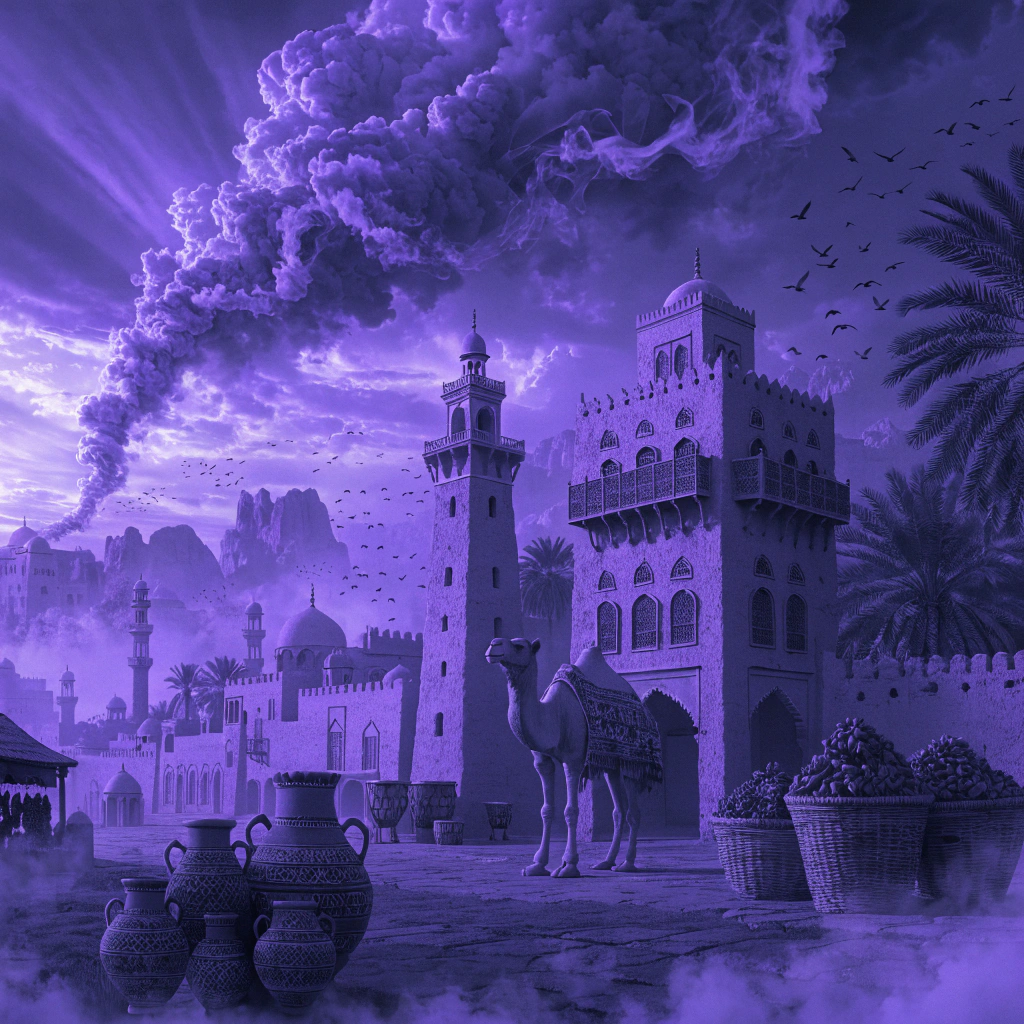
사우디 건국일: 특별한 날
사우디아라비아에는 중요한 날이 있습니다. 2월 22일은 '사우디 건국일'입니다. 이 날은 사우디의 긴 역사를 축하합니다. 1727년에 이맘 무함마드 빈 사우드가 첫 번째 사우디 국가를 만들었습니다. 그 나라는 디리야라는 도시에서 시작했습니다. 디리야는 지금 유네스코 세계유산입니다.
건국일은 나라의 옛날 이야기를 기억합니다. 사람들은 사우디의 강한 시작을 생각합니다. '국경일'도 있습니다. 하지만 건국일은 오래된 역사와 전통을 축하합니다. 이 날은 사우디아라비아에 아주 특별한 날입니다.
문법 스포트라이트
패턴: -에 (시간/장소 조사)
"1727년에 이맘 무함마드 빈 사우드가 첫 번째 사우디 국가를 만들었습니다."
'에'는 시간이나 장소를 나타내는 조사입니다. 언제, 어디에서 어떤 일이 일어났는지 말할 때 사용합니다.
패턴: -은/는 (주제 조사)
"이 날은 사우디의 긴 역사를 축하합니다."
'은/는'은 문장에서 이야기하는 중심이 무엇인지 알려주는 조사입니다. 앞 단어에 받침이 없으면 '는', 받침이 있으면 '은'을 씁니다.
이해도를 테스트하세요
10 질문 · A1 초급 · 무료 미리보기 1회
이 기사에서 배운 내용을 테스트하세요. 모든 질문에 답하여 XP를 획득하세요!
이 글의 주요 내용은 무엇입니까?
문제별 결과
이 글의 주요 내용은 무엇입니까?
내 답변:
정답: 사우디 건국일
건국일은 현대 통일을 축하하는 날입니다.
내 답변:
정답: 거짓
'역사'는 무엇을 의미합니까?
내 답변:
정답: 옛날 일
디리야는 지금 _____ 세계유산입니다.
내 답변:
정답: 유네스코
Saudi Founding Day: A Special Celebration
Saudi Founding Day is a very important holiday in Saudi Arabia. People celebrate it every year on February 22nd. This day is special because it remembers the start of the first Saudi state in 1727.
A long time ago, Imam Muhammad bin Saud began the state in a city called Diriyah. Diriyah was the first capital city. Today, it is a famous UNESCO World Heritage site because it has a very old and beautiful history. Many people visit Diriyah to see the traditional buildings and learn about the past.
During Founding Day, the streets are full of life. People wear traditional clothes and share local food with their families. They also drink Saudi coffee and watch traditional dances. It is a happy time because people feel proud of their heritage.
Founding Day is different from National Day. National Day celebrates the modern country, but Founding Day celebrates three hundred years of history. It is older than National Day. This holiday helps young people understand their roots and the history of their great country.
문법 스포트라이트
패턴: 단순 과거 (Past Simple)
"Imam Muhammad bin Saud began the state in a city called Diriyah."
우리는 과거에 완료된 행동에 대해 이야기할 때 단순 과거를 사용해요. 규칙 동사는 '-ed'를 붙이지만, 'began'은 'begin'의 불규칙 형태예요.
패턴: 비교급 (Comparatives)
"It is older than National Day."
우리는 두 가지의 차이점을 살펴볼 때 비교급을 사용해요. 짧은 형용사의 경우, '-er'을 붙이고 'than'이라는 단어를 사용해요.
이해도를 테스트하세요
11 질문 · A2 초등급 · 무료 미리보기 1회
이 기사에서 배운 내용을 테스트하세요. 모든 질문에 답하여 XP를 획득하세요!
사람들은 언제 사우디 건국기념일을 기념하나요?
문제별 결과
사람들은 언제 사우디 건국기념일을 기념하나요?
내 답변:
정답: 2월 22일
디리야는 사우디 국가의 첫 번째 수도였어요.
내 답변:
정답: 참
'traditional'은 무슨 뜻인가요?
내 답변:
정답: 사람들이 오랫동안 해온 것
사람들은 이날 사우디 _____를 마시고 전통 춤을 구경해요.
내 답변:
정답: coffee
오늘날 디리야는 왜 유명한가요?
내 답변:
정답: 유네스코 세계문화유산이라서
Celebrating the Roots: Saudi Founding Day
Saudi Founding Day is celebrated every February 22nd to honor the deep roots of the Kingdom of Saudi Arabia. It is a day that commemorates the historical moment in 1727 when Imam Muhammad bin Saud established the First Saudi State in Diriyah. While National Day celebrates the modern unification, Founding Day focuses on three centuries of rich heritage and the resilient foundations of the state.
The first capital, Diriyah, is a very important place. It has been recognized as a UNESCO World Heritage site because of its historic architecture and significance. Today, people visit the ruins of Turaif to learn about the courage of the leaders who built the state.
During this national holiday, the streets are filled with people wearing traditional costumes. Men often wear the 'Bisht' or 'Daglah', while women wear beautiful, colorful dresses that represent different regions of the country. Traditional food is also a major part of the celebration. Families gather to share meals and stories about their ancestors.
Many events have been organized across the Kingdom to showcase Saudi culture. Schools and museums participate by teaching students about the history of the First Saudi State. It is a time for reflection and pride.
Since its establishment three centuries ago, Saudi Arabia has grown into a modern and influential country. However, the people have never forgotten their origins. Founding Day reminds everyone that the strength of the future depends on the solid foundations of the past. By celebrating this day, Saudis connect their modern achievements with their historic legacy.
문법 스포트라이트
패턴: 수동태 (현재 단순형)
"Saudi Founding Day is celebrated every February 22nd."
행위자보다 행동 자체가 더 중요할 때 수동태를 사용해요. 'am/is/are' 뒤에 동사의 과거분사형을 붙여서 만들어요.
패턴: 현재 완료
"Saudi Arabia has grown into a modern and influential country."
과거에 시작되어 현재까지 계속되거나 현재에 영향을 미치는 행동을 설명할 때 써요. 'have/has' 뒤에 과거분사형을 붙여서 만들어요.
이해도를 테스트하세요
11 질문 · B1 중급 · 무료 미리보기 1회
이 기사에서 배운 내용을 테스트하세요. 모든 질문에 답하여 XP를 획득하세요!
제1차 사우디 국가는 몇 년도에 세워졌나요?
문제별 결과
제1차 사우디 국가는 몇 년도에 세워졌나요?
내 답변:
정답: 1727년
건국절은 국경일과 같은 사건을 기념하는 날이에요.
내 답변:
정답: 거짓
'heritage'의 정의는 무엇인가요?
내 답변:
정답: 한 사회의 역사와 전통
디리야는 유네스코 세계 _____ 유산 지역으로 선정되었어요.
내 답변:
정답: Heritage
사람들은 건국절 축제 기간에 주로 무엇을 입나요?
내 답변:
정답: 전통 의상
사우디아라비아 건국일: 깊은 역사와 정체성의 재조명
사우디아라비아는 매년 2월 22일을 '건국일'로 지정하여 국가의 뿌리 깊은 역사를 기념하고 있습니다. 이 날은 1727년 이맘 무함마드 빈 사우드가 유서 깊은 디리야에서 제1차 사우디 국가를 수립한 순간을 기념하는 중요한 날입니다. 이는 단순한 국경일이 아니라, 사우디 국가가 지닌 3세기 이상의 유산과 회복력 있는 기반을 되새기는 의미를 가집니다.
많은 사람들이 사우디아라비아의 '국경일(National Day)'과 '건국일(Founding Day)'을 혼동하기도 합니다. 그러나 이 두 기념일은 그 목적과 역사적 배경에서 명확한 차이를 보입니다. 국경일은 현대 사우디아라비아 왕국의 통일을 기념하는 반면, 건국일은 그보다 훨씬 이전인 제1차 사우디 국가의 기틀을 마련한 시점을 조명합니다. 이는 사우디아라비아의 정체성이 단순히 현대 국가의 성립에만 국한되지 않고, 오랜 역사적 맥락 속에 깊이 뿌리내리고 있음을 강조합니다.
제1차 사우디 국가의 수도였던 디리야는 현재 유네스코 세계유산으로 지정되어 있으며, 사우디아라비아 건국의 요람으로서 중요한 역사적 가치를 지니고 있습니다. 이곳은 당시 정치적, 종교적 중심지였으며, 사우디 국가의 이념적 토대를 구축하는 데 결정적인 역할을 했습니다. 건국일은 이러한 디리야의 역사적 중요성을 재확인하고, 과거로부터 이어져 온 사우디아라비아의 문화적 연속성을 기념하는 축제의 장입니다.
사우디 정부는 건국일을 통해 국민들에게 국가의 역사와 유산을 교육하고, 애국심을 고취하는 데 주력하고 있습니다. 특히 젊은 세대에게는 자신들의 국가가 얼마나 견고한 기반 위에서 발전해왔는지를 인식시키는 중요한 계기가 됩니다. 이 날은 전통 의상 착용, 문화 행사, 불꽃놀이 등 다채로운 방식으로 기념되며, 사우디 국민으로서의 자긍심을 드높이는 축제의 분위기 속에서 모두가 함께 즐깁니다.
결론적으로, 사우디 건국일은 단순한 공휴일을 넘어섭니다. 이는 사우디아라비아의 깊은 역사, 문화적 유산, 그리고 국가적 정체성을 재조명하는 중요한 행사입니다. 이 날을 통해 사우디 국민들은 자신들의 역사를 되새기고, 미래를 향해 나아가는 공동체로서의 결속력을 다지는 것입니다.
문법 스포트라이트
패턴: -(으)로서
"건국일은 이러한 디리야의 역사적 중요성을 재확인하고, 과거로부터 이어져 온 사우디아라비아의 문화적 연속성을 기념하는 축제의 장입니다."
'-으로서'는 어떤 자격이나 신분, 또는 지위를 나타낼 때 사용합니다. '축제의 장'이라는 자격으로 기념된다는 의미를 전달합니다. 명사 뒤에 붙어 사용됩니다.
패턴: -(으)ㄹ 뿐만 아니라
"이는 사우디아라비아의 정체성이 단순히 현대 국가의 성립에만 국한되지 않고, 오랜 역사적 맥락 속에 깊이 뿌리내리고 있음을 강조합니다."
'-을/를 뿐만 아니라'는 앞의 내용에 더하여 뒤의 내용도 해당됨을 나타낼 때 사용합니다. '단순히 국한되지 않는 것'에 더해 '깊이 뿌리내리고 있는 것'을 함께 강조합니다. 동사, 형용사 또는 명사 뒤에 사용됩니다.
패턴: -는 데 기여하다
"이곳은 당시 정치적, 종교적 중심지였으며, 사우디 국가의 이념적 토대를 구축하는 데 결정적인 역할을 했습니다."
'-는 데 기여하다'는 어떤 일이나 목표를 이루는 데 도움을 주거나 공헌함을 나타냅니다. 여기서는 '토대를 구축하는 일'에 도움을 주었다는 의미로 사용되었습니다. 동사 뒤에 붙어 사용됩니다.
이해도를 테스트하세요
11 질문 · B2 중상급 · 무료 미리보기 1회
이 기사에서 배운 내용을 테스트하세요. 모든 질문에 답하여 XP를 획득하세요!
사우디 건국일은 언제이며 무엇을 기념하는 날입니까?
문제별 결과
사우디 건국일은 언제이며 무엇을 기념하는 날입니까?
내 답변:
정답: 2월 22일, 제1차 사우디 국가 수립
사우디 국경일과 건국일은 동일한 역사적 사건을 기념합니다.
내 답변:
정답: 거짓
'요람'의 의미는 무엇입니까?
내 답변:
정답: 어떤 사상이나 국가 등이 처음 생겨난 곳
제1차 사우디 국가의 수도였던 __________는 현재 유네스코 세계유산으로 지정되어 있습니다.
내 답변:
정답: 디리야
사우디 정부가 건국일을 통해 국민들에게 주력하는 것은 무엇입니까?
내 답변:
정답: 국가 역사와 유산 교육 및 애국심 고취
사우디 건국 기념일: 3세기에 걸친 유구한 역사와 국가적 정체성의 재조명
매년 2월 22일, 사우디아라비아 왕국은 ‘건국 기념일’을 맞아 국가적 자긍심과 유구한 역사를 되새기는 대대적인 축제를 벌입니다. 이 날은 단순한 휴일이 아님은 물론이거니와, 1727년 이맘 무함마드 빈 사우드가 디리야라는 역사적인 도시에서 제1차 사우디 국가를 수립한 순간을 기리는 매우 중요한 의미를 지닙니다. 이는 현대 사우디아라비아의 근간이 되는 첫 번째 사우디 국가의 수립을 기념하는 바, 그 역사적 중요성은 아무리 강조해도 지나치지 않습니다.
많은 이들이 사우디 국경일(National Day)과 건국 기념일을 혼동하기도 하나, 이 둘은 명확히 구분됩니다. 국경일이 20세기 초 압둘아지즈 국왕에 의한 현대 사우디 왕국의 통일을 기념하는 날이라면, 건국 기념일은 그보다 훨씬 이전인 18세기 초로 거슬러 올라가 3세기에 걸친 사우디 국가의 뿌리와 그 기틀을 조명합니다. 이는 사우디 국가가 단순한 근대적 산물이 아닌, 깊고 견고한 역사적 토대 위에 세워졌음을 웅변적으로 보여주는 대목이라 할 수 있습니다.
제1차 사우디 국가의 수도였던 디리야는 오늘날 유네스코 세계문화유산으로 지정되어 과거의 영광을 고스란히 간직하고 있습니다. 이곳은 당시 정치, 종교, 문화의 중심지였던바, 건국 기념일은 바로 이러한 찬란했던 시대를 기억하고 그 정신을 계승하려는 의지를 담고 있습니다. 사우디 국민들에게 있어 건국 기념일은 조상들의 헌신과 희생을 기리고, 역경 속에서도 굳건히 국가를 지켜온 선조들의 인내와 지혜를 되새기는 기회가 됨은 물론입니다.
이 기념일은 국가적 정체성을 확립하고 미래 세대에게 자국의 역사에 대한 깊은 이해와 자긍심을 심어주는 데에 결정적인 역할을 합니다. 과거의 영광을 되새김으로써, 국민들은 현재의 발전이 단순한 우연이 아닌, 오랜 역사적 맥락 속에서 이루어진 것임을 깨닫게 됩니다. 또한, 미래를 향한 비전 2030과 같은 국가적 목표를 달성하는 데 있어, 이러한 역사적 뿌리에 대한 이해와 자부심은 강력한 동력으로 작용할 따름입니다.
건국 기념일의 대대적인 축하 행사들은 전통 의상, 문화 공연, 그리고 불꽃놀이 등으로 다채롭게 펼쳐집니다. 이 모든 행사는 사우디의 풍부한 문화유산과 전통을 현대적으로 재해석하여 선보이는 장이 됩니다. 이는 단지 과거를 회상하는 것을 넘어, 현재와 미래를 아우르는 총체적인 정체성 확립의 중요한 초석이 될 뿐만 아니라, 국민적 통합과 단결을 도모하는 중요한 계기가 됩니다. 사우디 건국 기념일은 단순한 축제를 넘어, 국가의 뿌리를 되새김으로써 국민적 자긍심을 고취하고 미래를 향한 비전을 굳건히 하는 의미 있는 날이라 할 수 있습니다.
문법 스포트라이트
패턴: -(으)ㅁ으로써
"사우디 건국 기념일은 단순한 축제를 넘어, 국가의 뿌리를 되새김으로써 국민적 자긍심을 고취하는 중요한 의미를 지닌다."
동사나 형용사 어간 뒤에 붙어 '그렇게 함으로써' 또는 '그것 때문에'라는 의미로, 어떤 행동이나 상태가 결과를 가져오는 수단이나 원인을 나타냅니다. 명사형 어미 '-(으)ㅁ'에 조사 '으로써'가 결합된 형태입니다. 문어체에서 주로 사용됩니다.
패턴: -(으)ㄴ/는바
"이는 현대 사우디아라비아의 근간이 되는 첫 번째 사우디 국가의 수립을 기념하는 바, 그 역사적 중요성은 아무리 강조해도 지나치지 않습니다."
앞 절의 내용이 뒤 절의 판단이나 주장의 근거, 이유 또는 배경이 됨을 나타낼 때 사용합니다. 주로 공적인 문서나 격식적인 문체에서 쓰이며, '그러하므로', '그러하기 때문에'와 유사한 의미를 지닙니다. 동사에는 '-는바', 형용사에는 '-(으)ㄴ바'가 붙습니다.
패턴: -(으)ㄹ 따름이다
"또한, 미래를 향한 비전 2030과 같은 국가적 목표를 달성하는 데 있어, 이러한 역사적 뿌리에 대한 이해와 자부심은 강력한 동력으로 작용할 따름입니다."
어떤 행동이나 상태가 '그것뿐이고 다른 것은 없다'는 의미로, 한정이나 강조를 나타낼 때 사용합니다. 동사 어간 뒤에 붙으며, 주로 문어체나 격식적인 상황에서 쓰여 단호하거나 강조하는 어조를 만듭니다.
이해도를 테스트하세요
12 질문 · C1 고급 · 무료 미리보기 1회
이 기사에서 배운 내용을 테스트하세요. 모든 질문에 답하여 XP를 획득하세요!
다음 중 사우디 건국 기념일의 가장 중요한 의미로 볼 수 없는 것은 무엇입니까?
문제별 결과
다음 중 사우디 건국 기념일의 가장 중요한 의미로 볼 수 없는 것은 무엇입니까?
내 답변:
정답: 사우디아라비아의 현대적 통일을 축하함
사우디 건국 기념일과 국경일은 같은 날에 기념되며 동일한 역사적 사건을 축하한다.
내 답변:
정답: 거짓
'유구하다'의 의미로 가장 적절한 것은 무엇입니까?
내 답변:
정답: 매우 오래되고 깊다
제1차 사우디 국가의 수도였던 _____는 오늘날 유네스코 세계문화유산으로 지정되어 있다.
내 답변:
정답: 디리야
건국 기념일이 국민적 정체성 확립에 어떤 역할을 한다고 언급되었습니까?
내 답변:
정답: 오랜 역사적 맥락 속에서 현재의 발전이 이루어졌음을 깨닫게 한다.
건국 기념일의 축하 행사들은 사우디의 전통 문화를 현대적으로 재해석하여 선보이는 장이 된다.
내 답변:
정답: 참
The Diriyah Paradigm: Deconstructing the Historical Genesis of Saudi Sovereignty
To contemplate the essence of the Saudi state is to engage with a narrative of profound endurance and historical continuity that transcends the mere boundaries of modern political geography. While the modern unification celebrated on National Day marks a pivotal milestone in the 20th century, Saudi Founding Day, observed annually on February 22nd, invites a more nuanced exploration of the nation’s deep-seated provenance. This occasion commemorates the year 1727, a chronological anchor when Imam Muhammad bin Saud ascended to leadership in Diriyah, thereby catalyzing the formation of the First Saudi State. Were one to scrutinize the geopolitical landscape of the early 18th-century Arabian Peninsula, one would find a fragmented mosaic of tribal territories and localized power centers; however, the Imam’s vision offered a transformative paradigm of stability, unity, and sovereignty.
The choice of Diriyah as the crucible for this nascent state was by no means arbitrary, nor was it a consequence of mere serendipity. Situated along the fertile banks of Wadi Hanifa, Diriyah emerged not merely as a commercial hub but as an intellectual and political epicenter of unprecedented significance. The historiography of this period suggests that the establishment of the state was predicated upon a confluence of local administrative acumen, strategic foresight, and a steadfast commitment to cultural integrity. Not only did the Imam consolidate disparate factions under a unified banner, but he also laid the immutable foundations of a governance system that would weather three centuries of regional volatility and external pressures. Notwithstanding the subsequent challenges faced by the state throughout the ensuing centuries, the indomitable spirit of its founders remained a constant, providing the ideological scaffolding for the Second and Third Saudi States.
The physical vestiges of this era, most notably the Turaif District in Diriyah—now a venerated UNESCO World Heritage site—serve as silent sentinels of this legacy. To walk through its sun-drenched mud-brick ruins is to witness the architectural manifestation of a civilization that refused to be eclipsed by time or the harshness of the desert environment. The resilience of these structures, with their intricate Najdi designs, mirrors the societal resilience that has characterized the Saudi people since the mid-18th century. It is perhaps an overstatement to suggest that the modern Kingdom is a mere evolution; rather, it is a sophisticated extrapolation of the original principles established in Diriyah, adapted to the exigencies of a globalized world.
Furthermore, scholars often argue that the celebration of Founding Day is essential for a comprehensive understanding of the Saudi zeitgeist. It provides the necessary historical depth to appreciate the scale of the nation's contemporary metamorphosis. Had the foundations laid in the 18th century been less robust or had the social contract been less enduring, the rapid modernization witnessed under the aegis of Vision 2030 might have lacked its essential cultural mooring. The interplay between tradition and progress is not a contradiction but a symbiotic relationship where the past informs the future, ensuring that the national identity is not lost amidst the tide of technological advancement.
In conclusion, Saudi Founding Day is far more than a simple historical retrospective; it is an affirmation of a three-century-long journey toward self-determination and sovereign dignity. By honoring the events of 1727, the Kingdom acknowledges that its current stature on the global stage is the culmination of an arduous but rewarding historical trajectory. As the nation looks toward the horizons of the future, it does so with the profound assurance that its roots are buried deep within the resilient soil of Diriyah, ensuring that the Saudi identity remains both vibrant and immutable in an ever-changing world. This historical consciousness is the bedrock upon which the future is built, bridging the gap between the mud-brick palaces of the past and the giga-projects of the future.
문법 스포트라이트
패턴: 가상의 조건에 대한 가정법 도치
"Were one to scrutinize the geopolitical landscape of the early 18th-century Arabian Peninsula, one would find a fragmented mosaic of tribal territories."
이 구조는 'If one were to...'를 'Were one to...'로 대체하여 더 격식 있고 학문적인 어조를 만듭니다. 가상의 상황과 그에 따른 결과를 설명할 때 사용해요.
패턴: 강조를 위한 부정어 도치
"Not only did the Imam consolidate disparate factions under a unified banner, but he also laid the immutable foundations of a governance system."
'Not only'와 같은 부정어나 제한적 표현으로 문장을 시작할 때, 주어와 조동사가 도치됩니다. 이는 뒤따르는 내용을 더 강하게 강조해 줘요.
패턴: 'Had'를 사용한 가정법 과거완료 (제3조건문)
"Had the foundations laid in the 18th century been less robust, the rapid modernization witnessed under the aegis of Vision 2030 might have lacked its essential cultural mooring."
'If'가 생략되고 'had'가 문장 앞으로 이동한 형태예요. 과거의 가상 상황과 그 상상의 결과를 논할 때 사용하며, 학술적 분석에서 흔히 볼 수 있어요.
이해도를 테스트하세요
12 질문 · C2 마스터 · 무료 미리보기 1회
이 기사에서 배운 내용을 테스트하세요. 모든 질문에 답하여 XP를 획득하세요!
이 글에 따르면 '건국기념일(Founding Day)'과 '국경일(National Day)'의 주요 역사적 차이점은 무엇인가요?
문제별 결과
이 글에 따르면 '건국기념일(Founding Day)'과 '국경일(National Day)'의 주요 역사적 차이점은 무엇인가요?
내 답변:
정답: 건국기념일은 1727년 첫 번째 국가 수립을 기념하는 반면, 국경일은 20세기 통합을 기념한다.
저자는 디리야가 수도로 선정된 것이 대체로 우연에 의한 것이라고 암시한다.
내 답변:
정답: 거짓
이 글의 맥락에서 'immutable'은 무엇을 의미하나요?
내 답변:
정답: 시간이 지나도 고정되어 변하지 않는.
첫 번째 사우디 국가는 _____ 도시에서 수립되었다.
내 답변:
정답: Diriyah
본문에서 투라이프 지구(Turaif District)는 무엇을 상징하나요?
내 답변:
정답: 사우디 사람들의 건축적, 사회적 회복력.
이 글은 비전 2030의 현대화가 1727년의 사건들과 근본적으로 단절되어 있다고 주장한다.
내 답변:
정답: 거짓

