사우디아라비아 소개
Saudi Arabia, the largest country in the Middle East, occupies most of the Arabian Peninsula and is defined by its vast deserts, including the Rub' al Khali. It is the birthplace of Islam and home to the religion's two holiest shrines in Mecca and Medina, blending deep-rooted traditions with a rapidly modernizing society. Historically a crossroads of ancient civilizations, the kingdom has transformed from a nomadic society into a global economic powerhouse.
기본 정보
수도
Riyadh
인구
34,813,871
지역
Asia · Western Asia
통화
Saudi Riyal (SAR)
사용 언어

아랍어
العربية
알고 계셨나요?
Saudi Arabia is the largest country in the world without a single permanent river; it relies heavily on underground aquifers and desalination plants for its water supply.
The Ghawar Oil Field is the largest conventional onshore oil field in the world, accounting for a significant portion of global oil production.
The kingdom is home to the world's largest sand desert, the Rub' al Khali (Empty Quarter), which covers an area larger than France.
Saudi Arabia is currently building NEOM, a $500 billion 'megacity' that will include 'The Line,' a 170-kilometer long linear city designed with no cars or streets.
유명 랜드마크

Hegra (Mada'in Salih)
The first UNESCO World Heritage site in Saudi Arabia, featuring over 100 monumental tombs carved into sandstone outcrops by the ancient Nabatean Kingdom.
더 읽기
The Edge of the World (Jebel Tuwaiq)
A breathtaking geological wonder where 300-meter-high cliffs drop into an ancient ocean bed, offering panoramic views of the desert horizon.
더 읽기
Al-Balad (Historic Jeddah)
산호석으로 지어진 집들이 미로처럼 얽혀 있고, 정교한 나무 소재의 Roshan 발코니가 돋보이는 곳으로, Red Sea를 통해 Mecca로 향하는 관문의 고대 정신을 그대로 담고 있어요.
더 읽기
The Empty Quarter (Rub' al Khali)
The world's largest contiguous sand desert, a mesmerizing landscape of shifting golden dunes that has inspired explorers and poets for centuries.
더 읽기요리
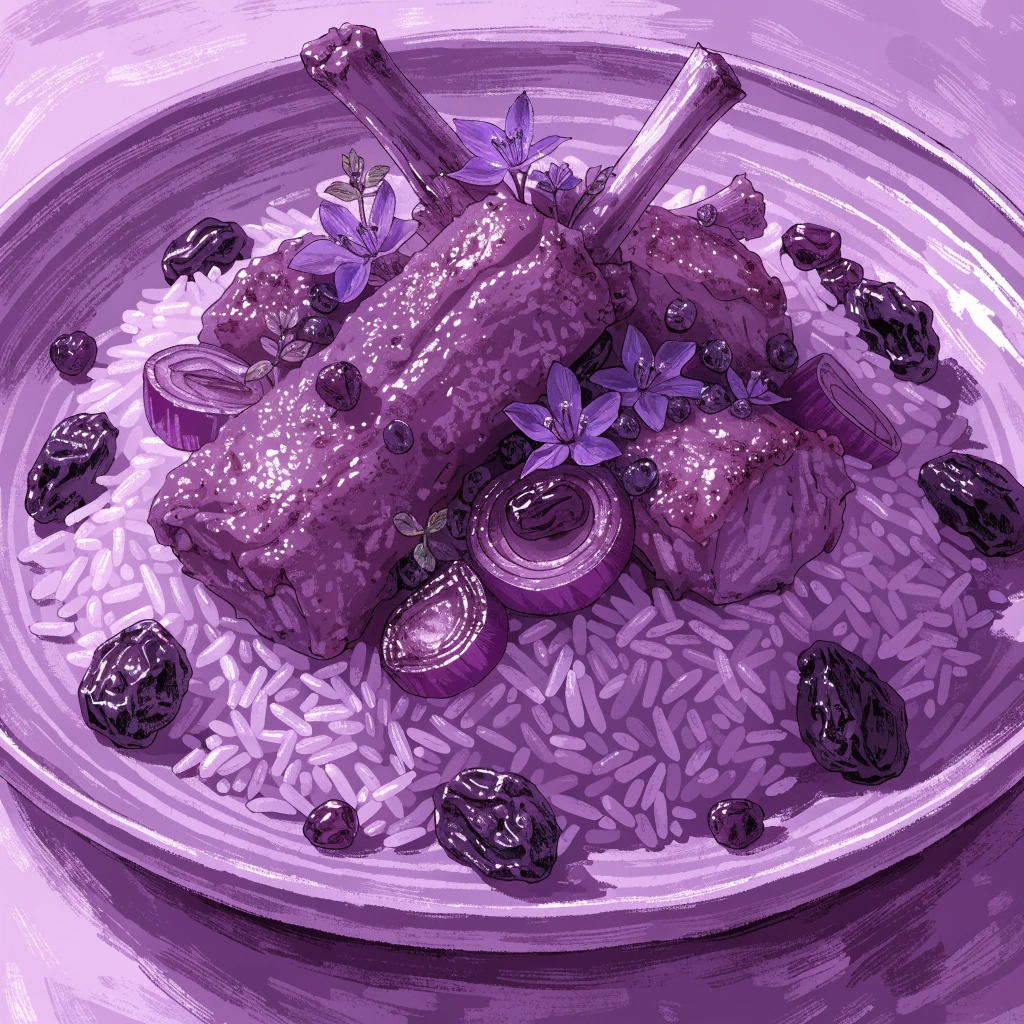
Kabsa
The undisputed national dish of Saudi Arabia, featuring fragrant long-grain rice and tender meat infused with a signature blend of spices.
더 읽기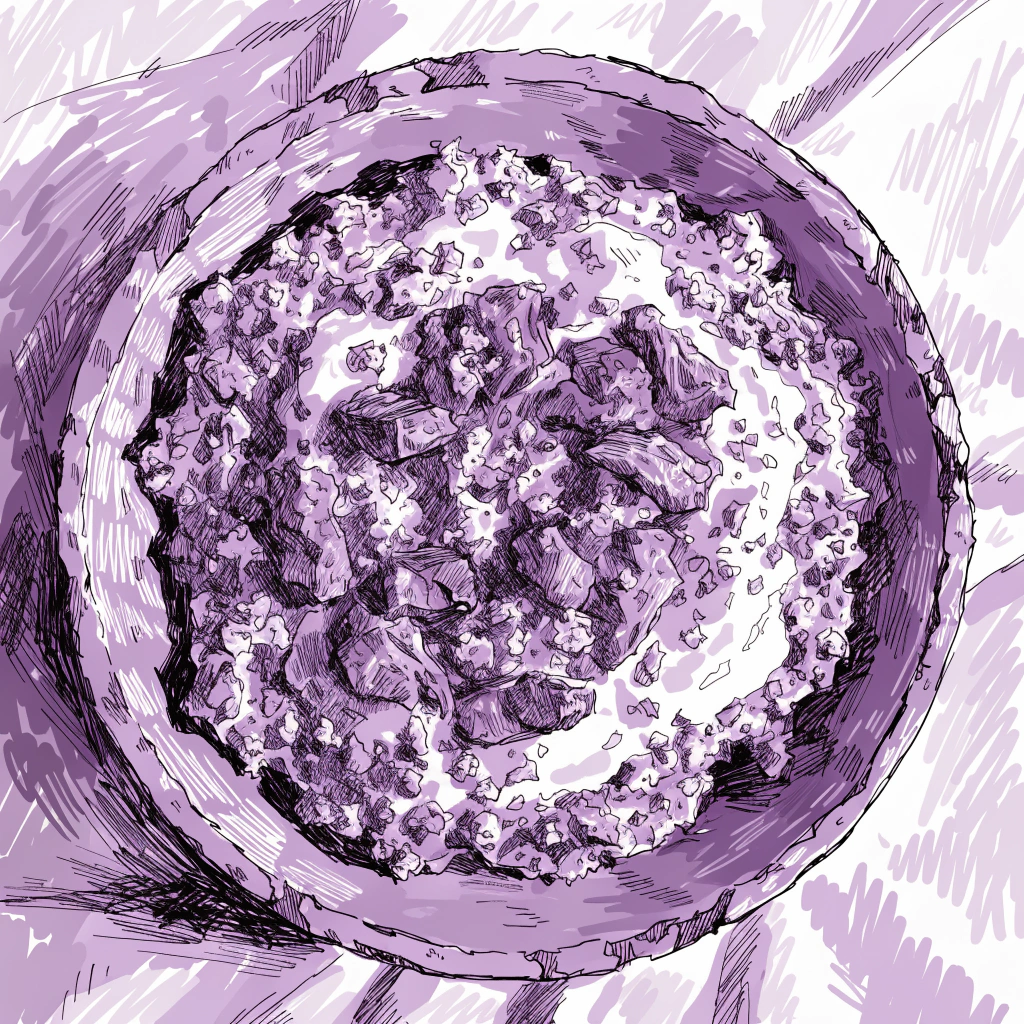
Jareesh
A wholesome, savory porridge made from crushed wheat, yogurt, and meat, celebrated as one of the oldest and most beloved traditional dishes in the Najd region.
더 읽기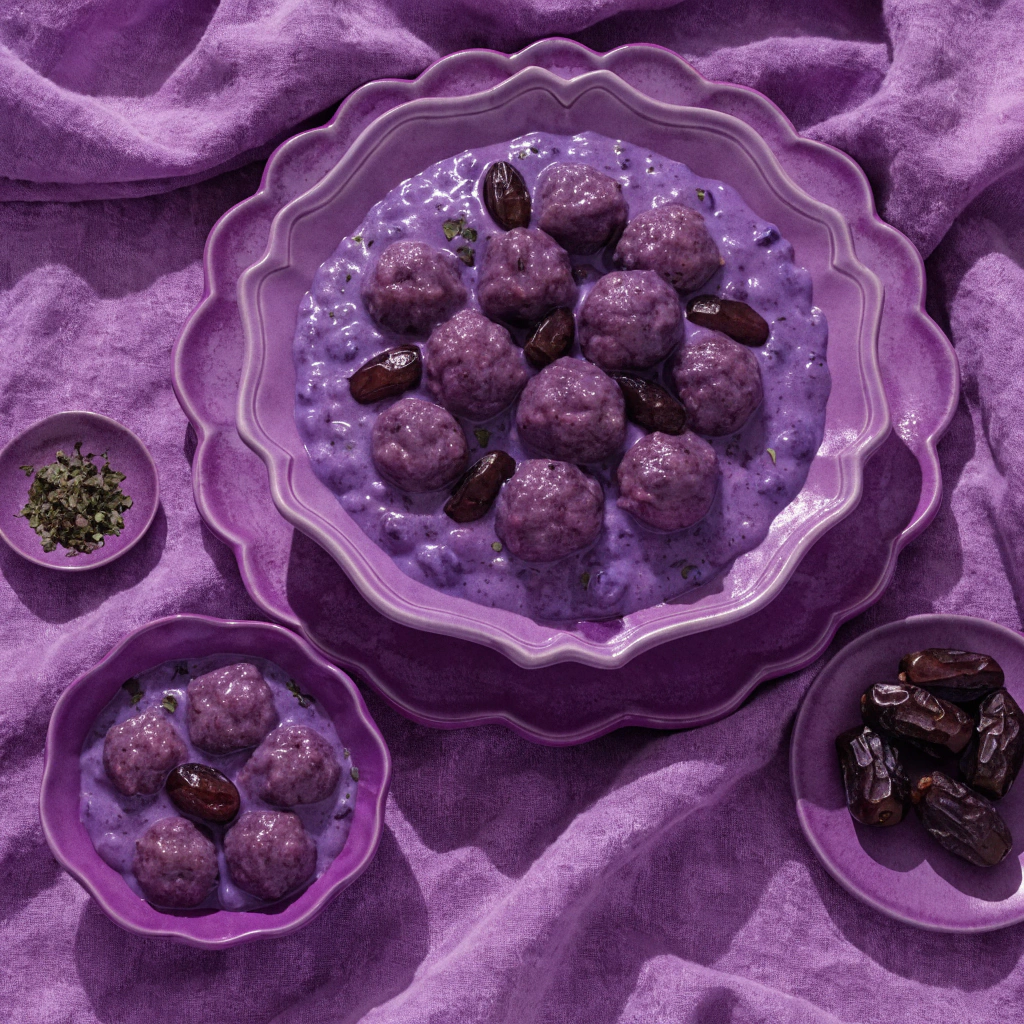
Saleeg
A creamy, comforting rice dish from the Hejaz region, prepared by boiling rice in meat broth and milk until it reaches a velvety, risotto-like consistency.
더 읽기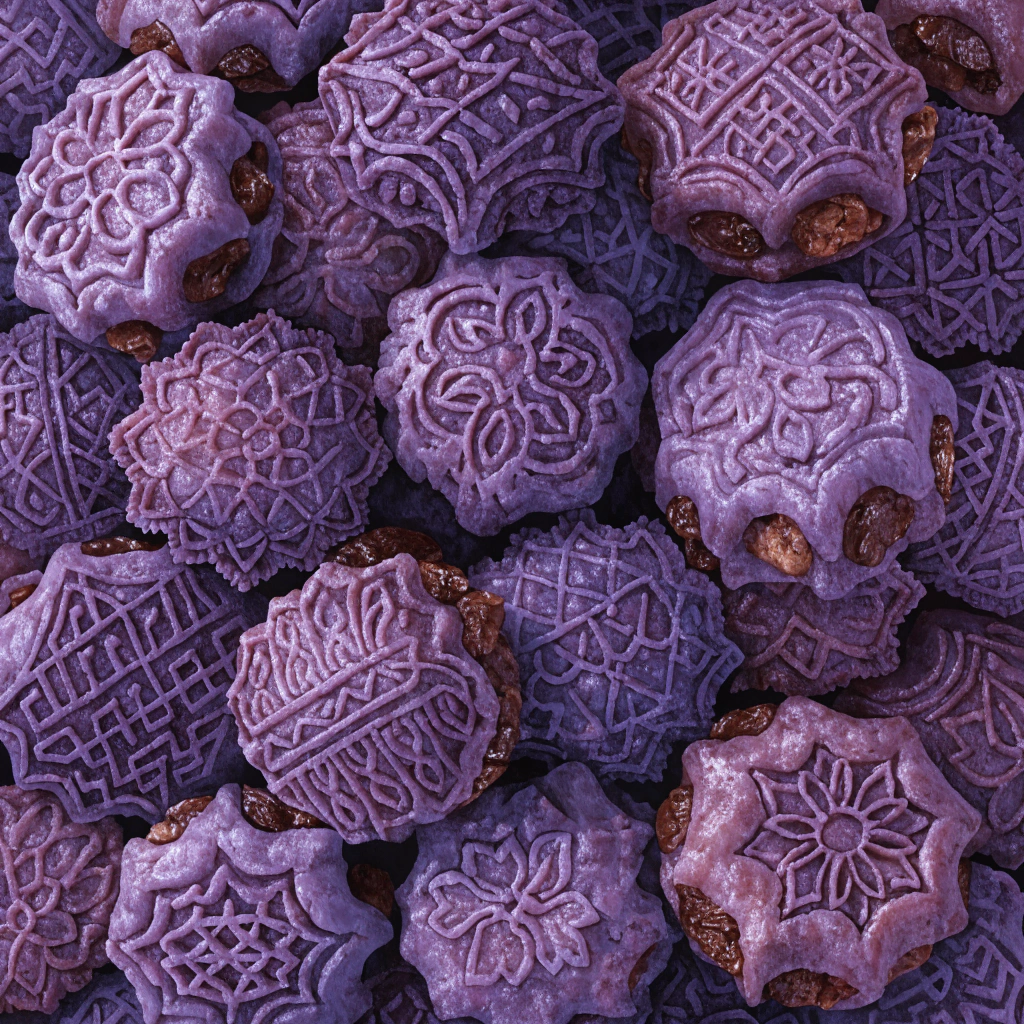
Maamoul
대추야자, 견과류 또는 무화과로 속을 채운 정교한 쇼트브레드 페이스트리예요. 복잡한 문양으로 찍어내며, 전통적으로 Eid 축제와 각종 잔치 때 대접하곤 해요.
더 읽기음악 및 예술
Saudi Arabia's music and arts are a vibrant tapestry of regional identities, ranging from the martial sword dances of the central plains to the intricate mural paintings of the southwestern highlands. These traditions, many of which are recognized by UNESCO, reflect a deep connection to the desert landscape, tribal history, and the spiritual heritage of the Islamic world.
전통 예술
이벤트 및 축제
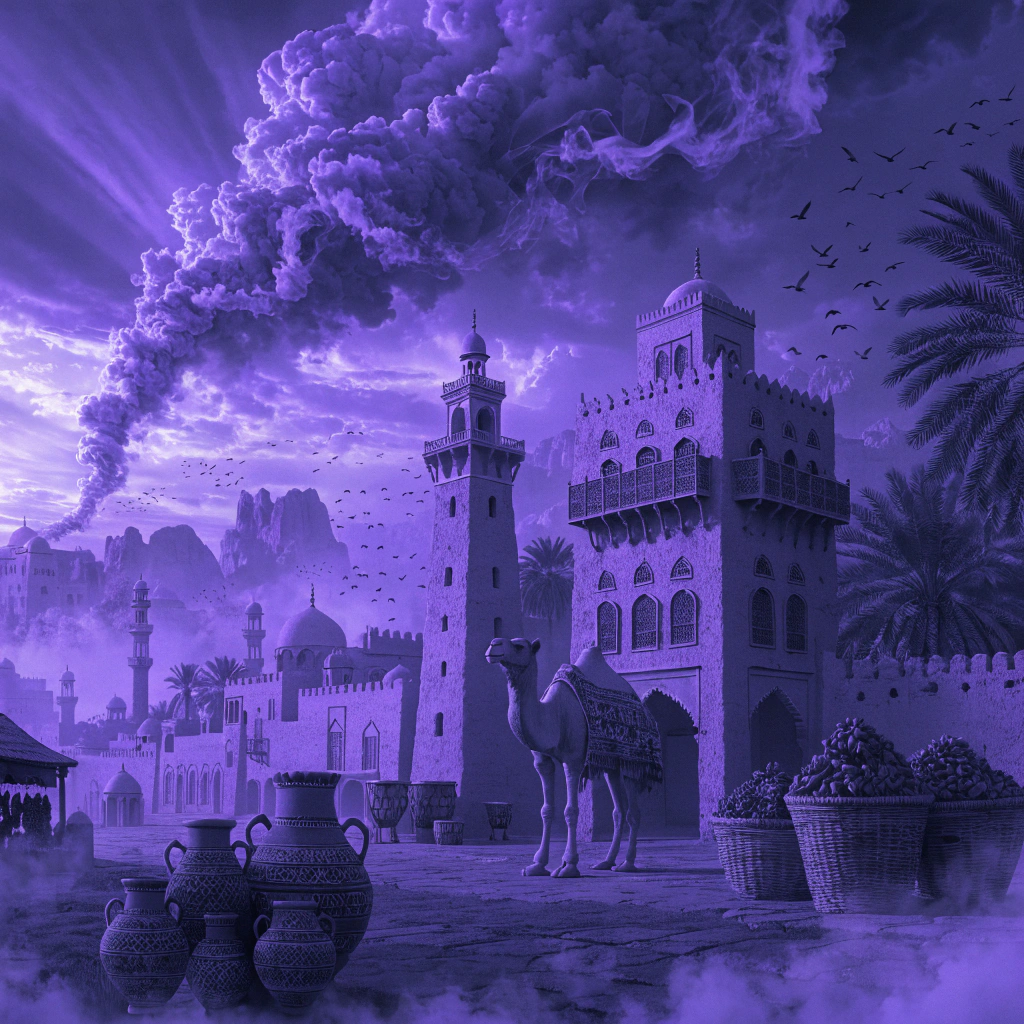
Saudi Founding Day
February 22A national holiday celebrating the 1727 establishment of the first Saudi state in Diriyah.
더 읽기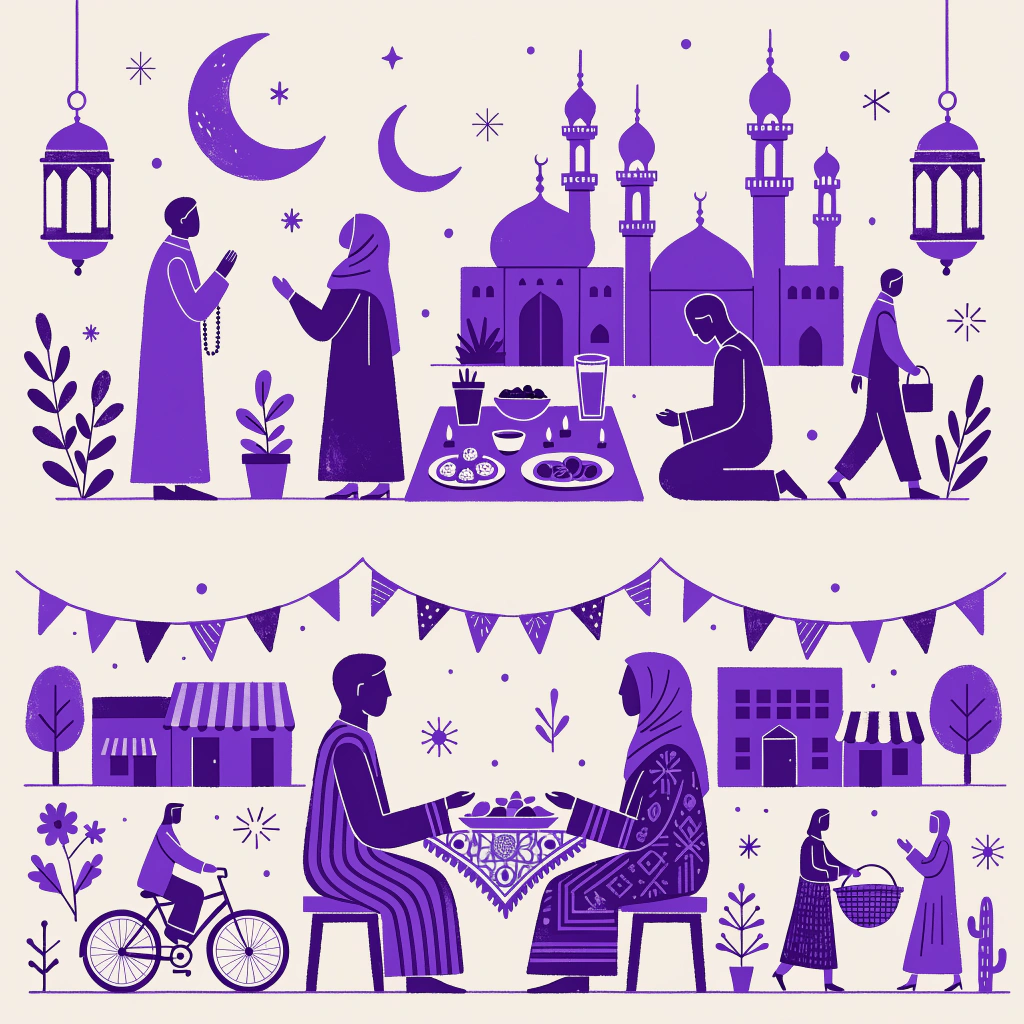
Ramadan and Eid al-Fitr
March-April (Variable Lunar Calendar)영적인 성찰과 금식을 하는 신성한 달이고, 그 뒤를 이어 금식을 마치는 즐거운 3일간의 축제가 열려요.
더 읽기
Hajj and Eid al-Adha
May-June (Variable Lunar Calendar)Mecca로 향하는 이슬람 성지순례의 정점이자 전 세계적인 'Festival of Sacrifice'예요.
더 읽기
Saudi National Day
September 23A day of immense national pride commemorating the unification of the Kingdom in 1932.
더 읽기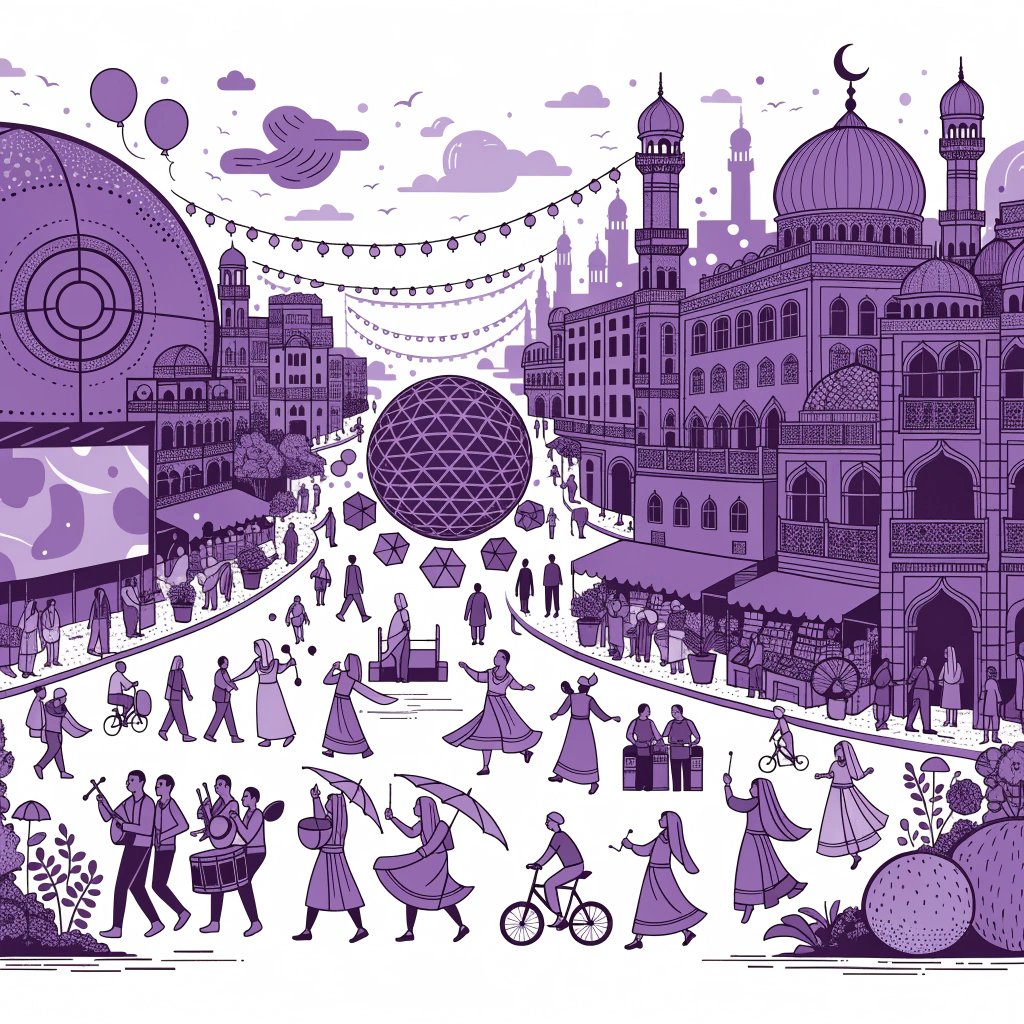
Riyadh Season
October to MarchA massive city-wide entertainment festival with themed zones, international sports, and concerts.
더 읽기여행 표현
السلام عليكم
As-salamu alaykum
Peace be upon you (Greeting)
شكراً
Shukran
Thank you
مرحباً
Marhaban
Hello
كيف حالك؟
Kayf halak?
How are you?
من فضلك
Min fadlak
Please
المعذرة
Al-ma'zirah
Excuse me / Sorry
생활 방식 및 관습

Saudi의 환대 기술과 Gahwa 의식
Saudi 정체성의 핵심인 전통적인 아랍 커피와 대추야자 서빙은 관대함과 손님 맞이에 대한 깊은 약속을 상징해요.
더 읽기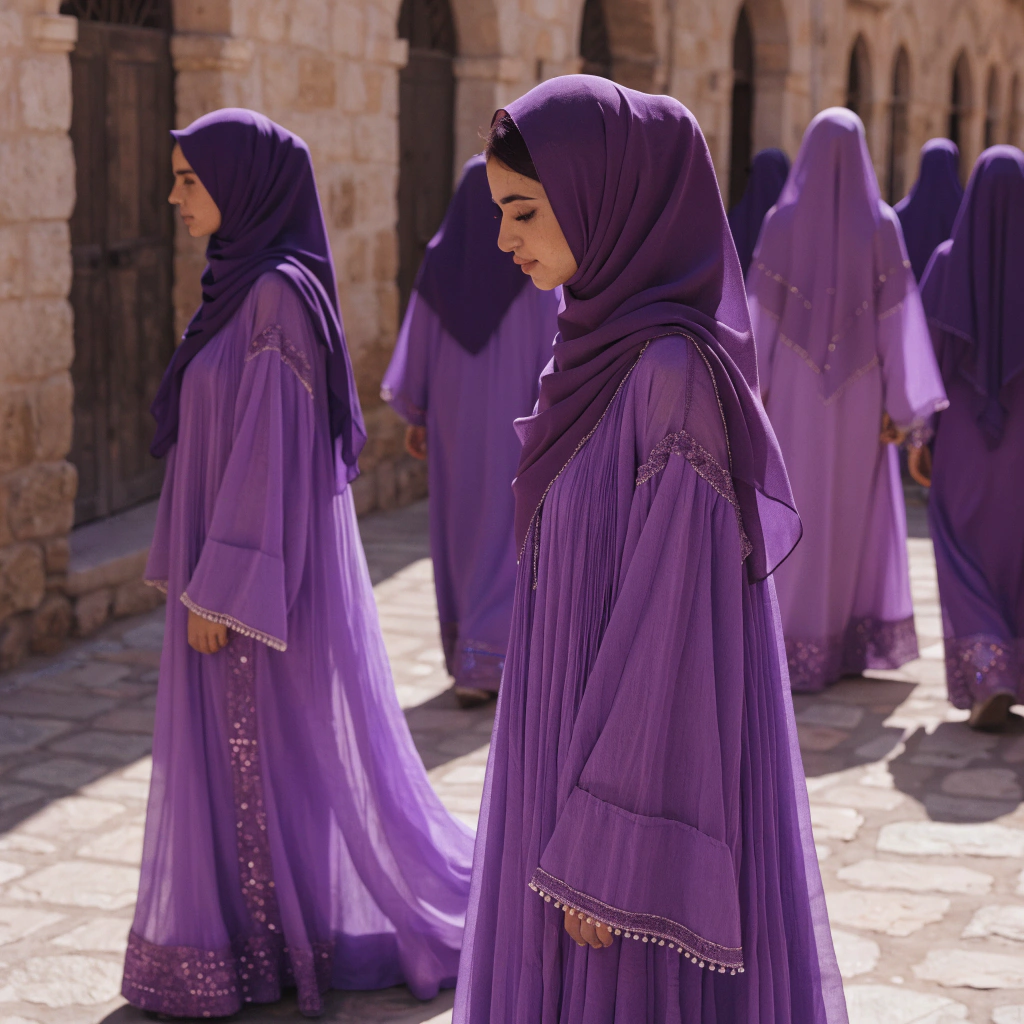
thobe와 abaya: 의복을 통해 보는 문화적 정체성
단순한 옷 그 이상으로, Saudi Arabia의 전통 의상은 종교적 가치와 지역 유산, 그리고 현대적인 국가적 자부심을 담고 있어요.
더 읽기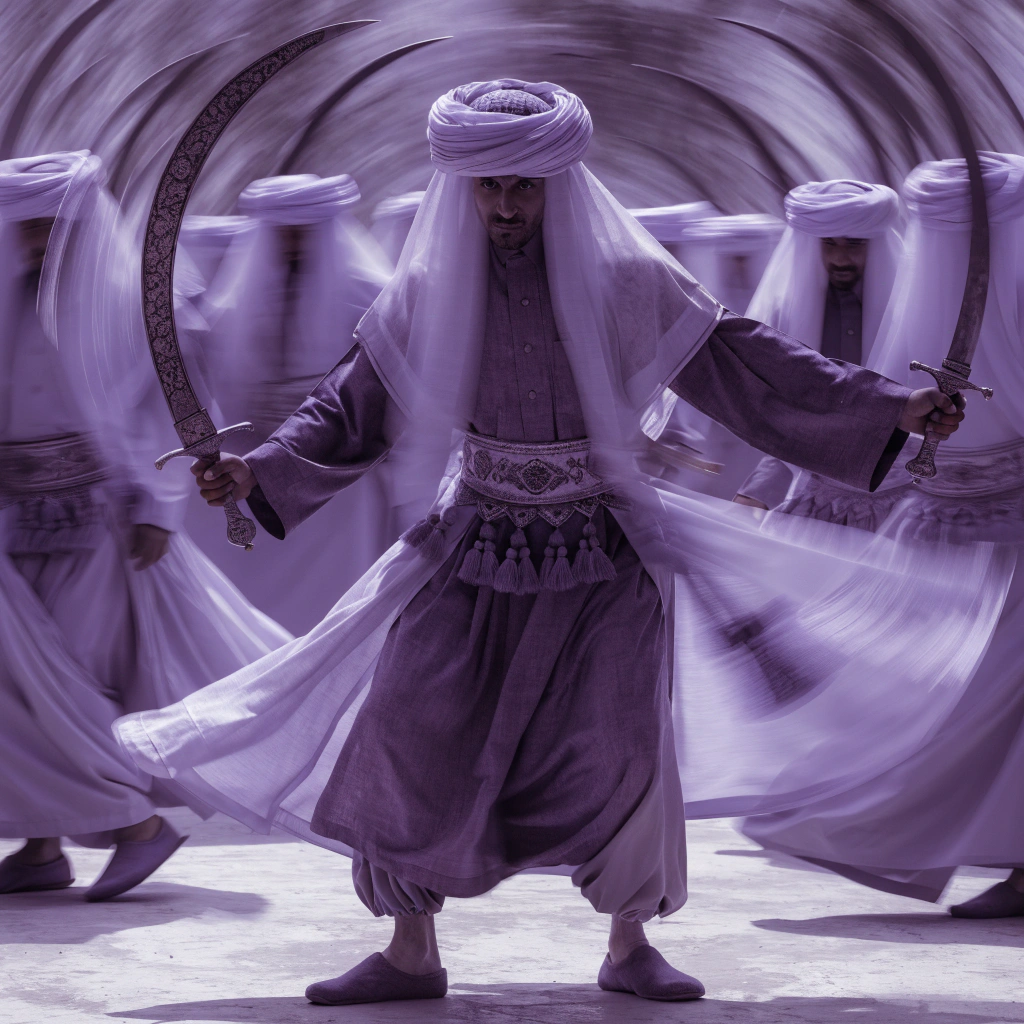
Al-Ardha Al-Najdiya: The Saudi Sword Dance
Once a display of martial strength before battle, this rhythmic sword dance has evolved into a celebratory performance marking national holidays and weddings.
더 읽기에티켓 팁
Dress modestly in public spaces, ensuring that shoulders and knees are covered at all times.
Wear tight-fitting, transparent, or revealing clothing, or garments displaying offensive images or slogans.
Use your right hand for eating, drinking, and shaking hands with others.
Hand items to people or eat with your left hand, as it is traditionally considered unclean.
Respect the local prayer times; be aware that many businesses and restaurants may close briefly during these periods.
Engage in public displays of affection (PDA), such as holding hands or kissing, as this is culturally inappropriate.
Ask for permission before taking photographs of Saudi citizens, particularly women and families.
Take photos of government buildings, military installations, or palaces, which can lead to legal complications.