العربية السعودية
Arábia Saudita
Sobre Arábia Saudita
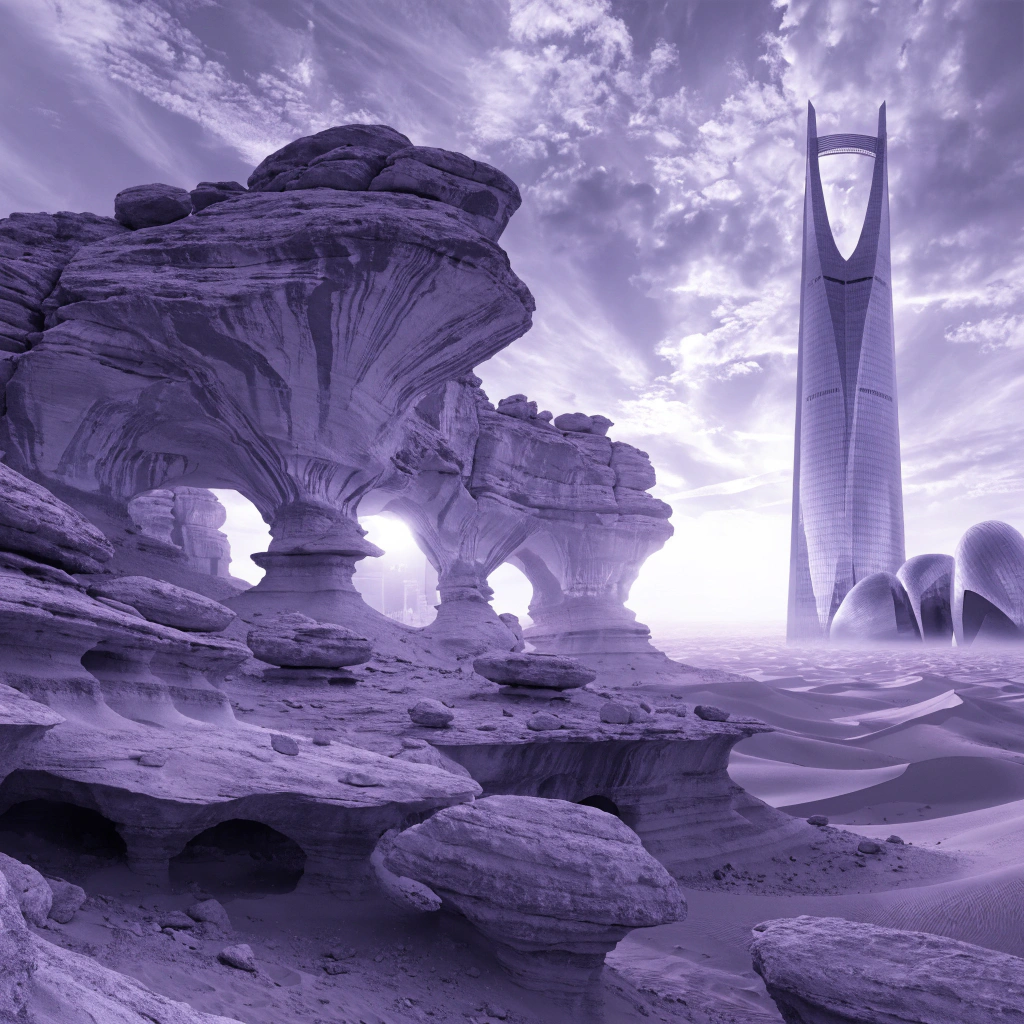
Saudi Arabia, the largest country in the Middle East, occupies most of the Arabian Peninsula and is defined by its vast deserts, including the Rub' al Khali. It is the birthplace of Islam and home to the religion's two holiest shrines in Mecca and Medina, blending deep-rooted traditions with a rapidly modernizing society. Historically a crossroads of ancient civilizations, the kingdom has transformed from a nomadic society into a global economic powerhouse.
Dados rápidos
Capital
Riyadh
População
34,813,871
Região
Asia · Western Asia
Moeda
Saudi Riyal (SAR)
Idiomas falados

Árabe
العربية
Você sabia?
Saudi Arabia is the largest country in the world without a single permanent river; it relies heavily on underground aquifers and desalination plants for its water supply.
The Ghawar Oil Field is the largest conventional onshore oil field in the world, accounting for a significant portion of global oil production.
The kingdom is home to the world's largest sand desert, the Rub' al Khali (Empty Quarter), which covers an area larger than France.
Saudi Arabia is currently building NEOM, a $500 billion 'megacity' that will include 'The Line,' a 170-kilometer long linear city designed with no cars or streets.
Marcos famosos

Hegra (Mada'in Salih)
The first UNESCO World Heritage site in Saudi Arabia, featuring over 100 monumental tombs carved into sandstone outcrops by the ancient Nabatean Kingdom.
Ler mais
The Edge of the World (Jebel Tuwaiq)
Uma maravilha geológica de tirar o fôlego, onde penhascos de 300 metros de altura caem em um antigo leito oceânico, oferecendo vistas panorâmicas do horizonte do deserto.
Ler mais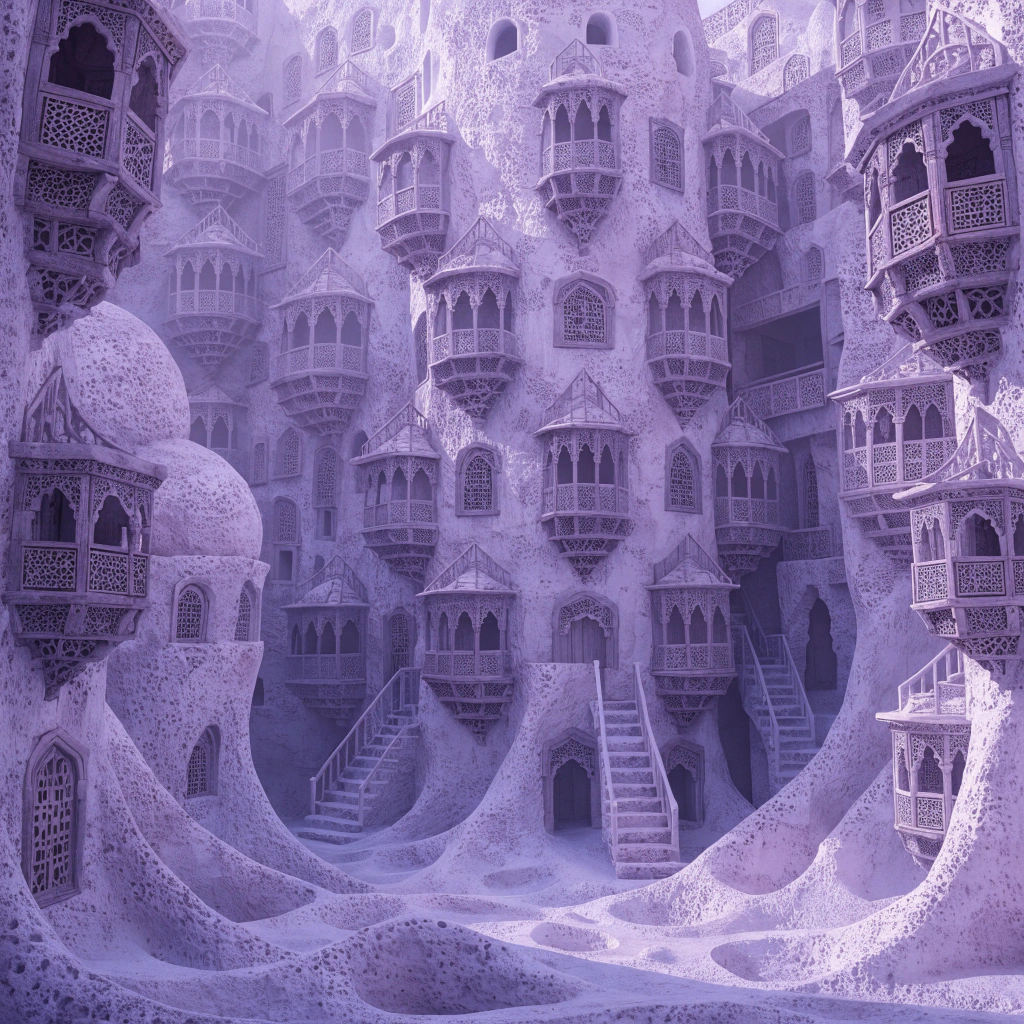
Al-Balad (Historic Jeddah)
A labyrinth of coral stone houses and intricate wooden Roshan balconies that captures the ancient spirit of the Red Sea’s gateway to Mecca.
Ler mais
The Empty Quarter (Rub' al Khali)
The world's largest contiguous sand desert, a mesmerizing landscape of shifting golden dunes that has inspired explorers and poets for centuries.
Ler maisCulinária
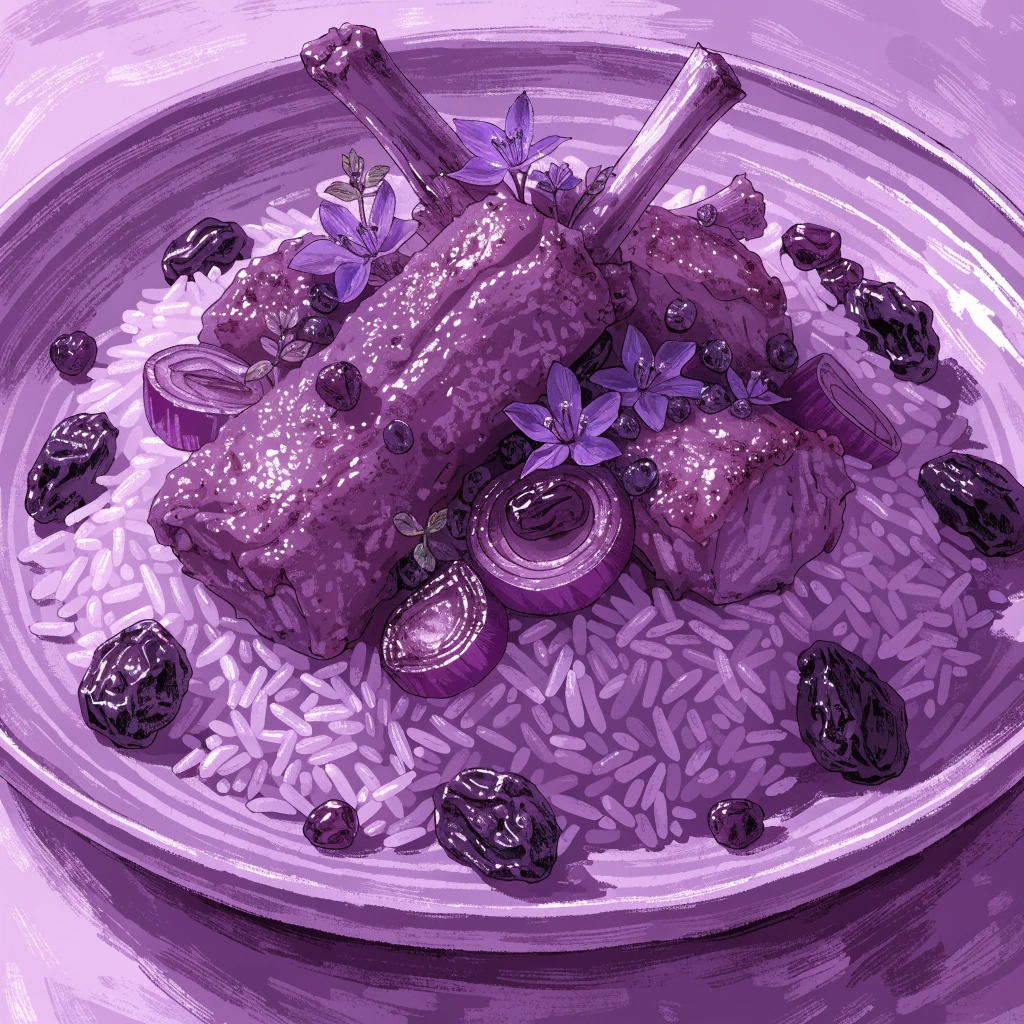
Kabsa
The undisputed national dish of Saudi Arabia, featuring fragrant long-grain rice and tender meat infused with a signature blend of spices.
Ler mais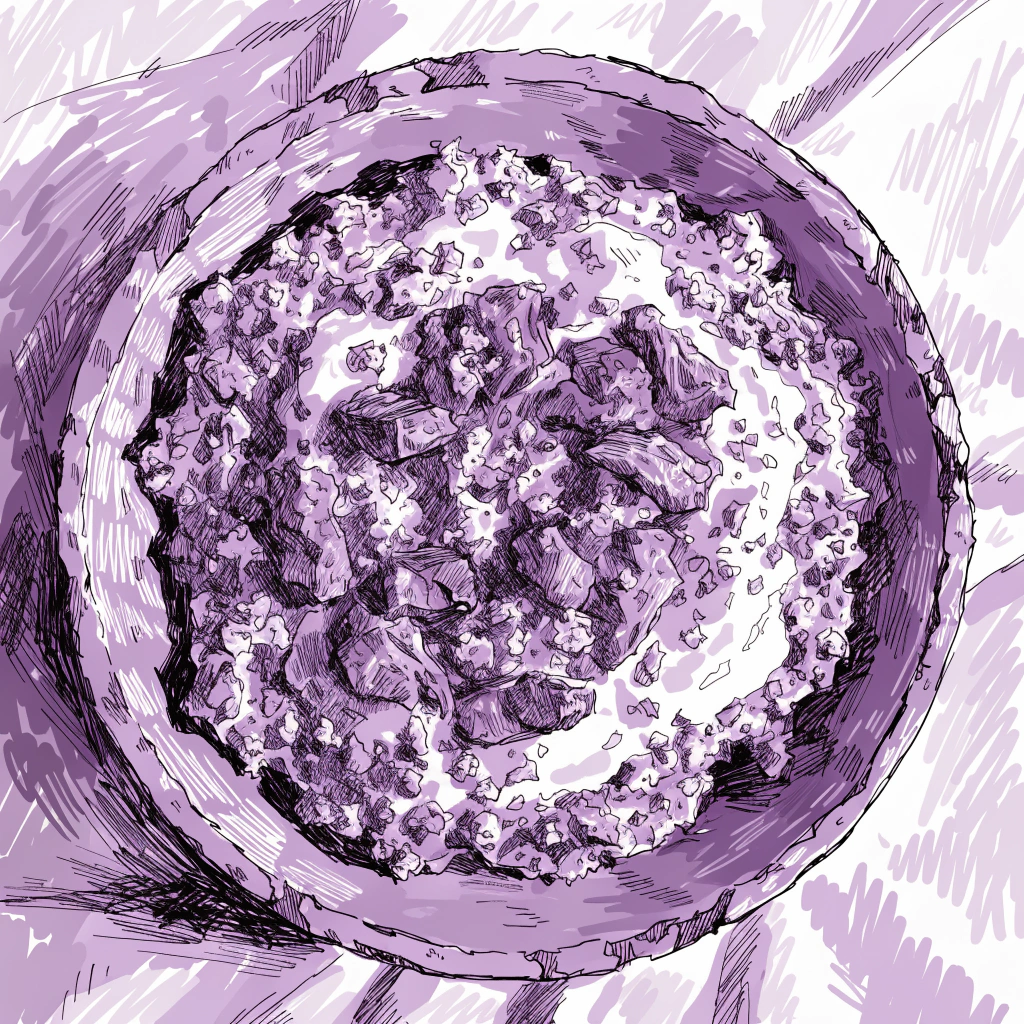
Jareesh
A wholesome, savory porridge made from crushed wheat, yogurt, and meat, celebrated as one of the oldest and most beloved traditional dishes in the Najd region.
Ler mais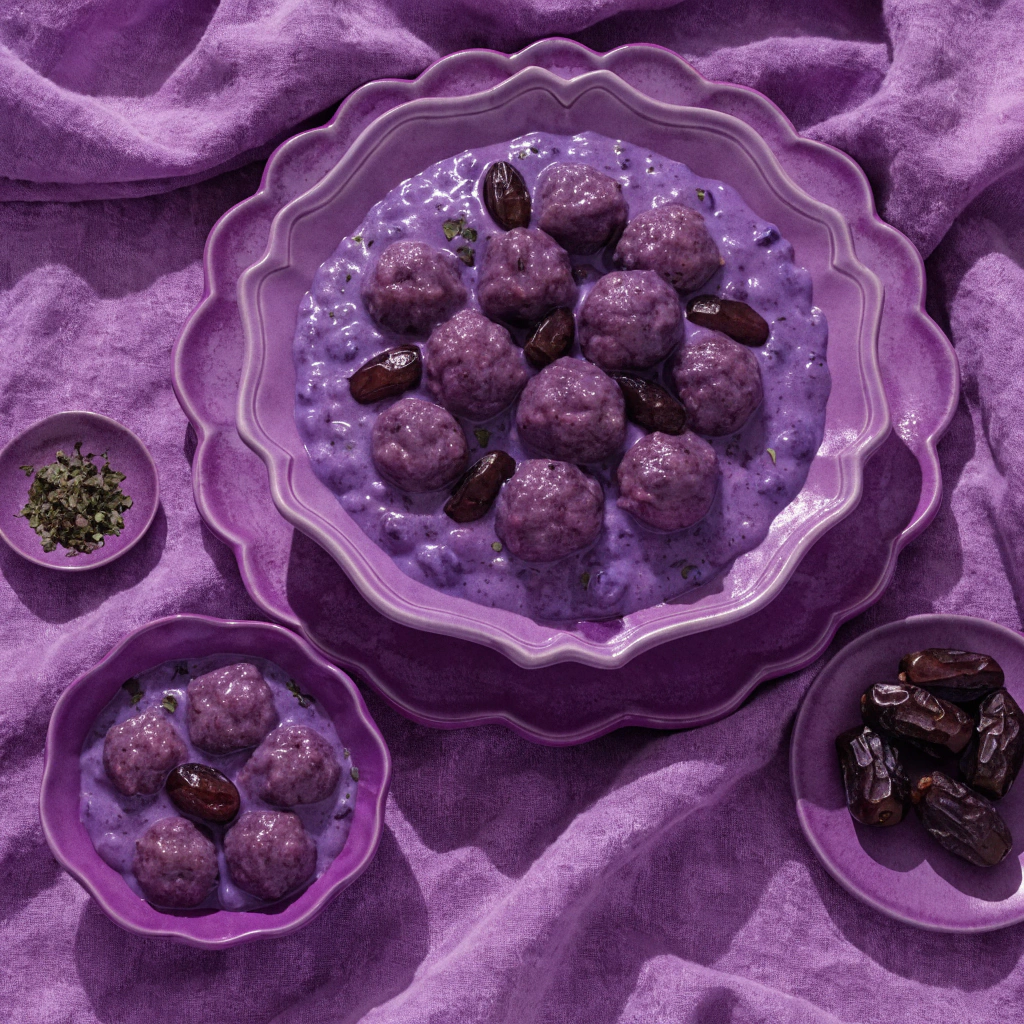
Saleeg
A creamy, comforting rice dish from the Hejaz region, prepared by boiling rice in meat broth and milk until it reaches a velvety, risotto-like consistency.
Ler mais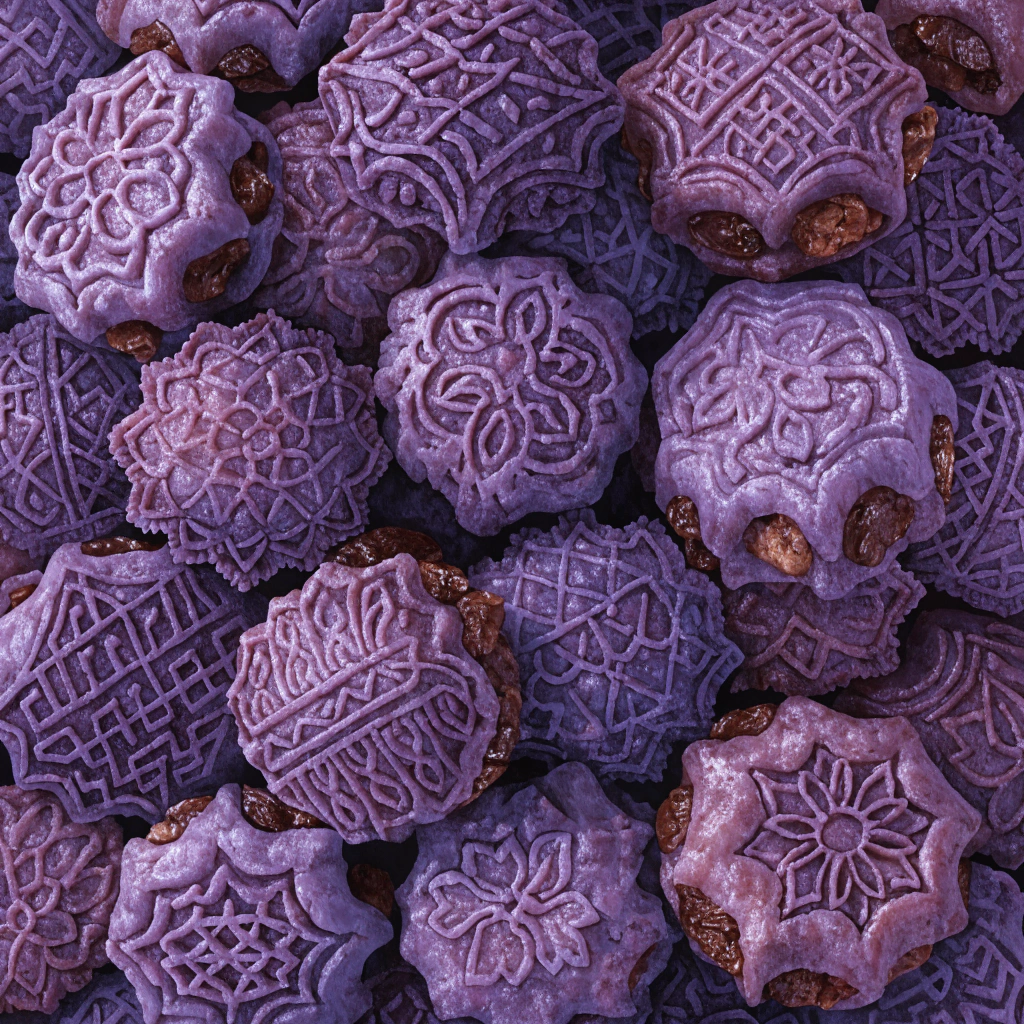
Maamoul
Exquisite shortbread pastries filled with dates, nuts, or figs, intricately molded and traditionally served during Eid celebrations and festive gatherings.
Ler maisMúsica e artes
Saudi Arabia's music and arts are a vibrant tapestry of regional identities, ranging from the martial sword dances of the central plains to the intricate mural paintings of the southwestern highlands. These traditions, many of which are recognized by UNESCO, reflect a deep connection to the desert landscape, tribal history, and the spiritual heritage of the Islamic world.
Artes tradicionais
Eventos e festivais
Saudi Founding Day
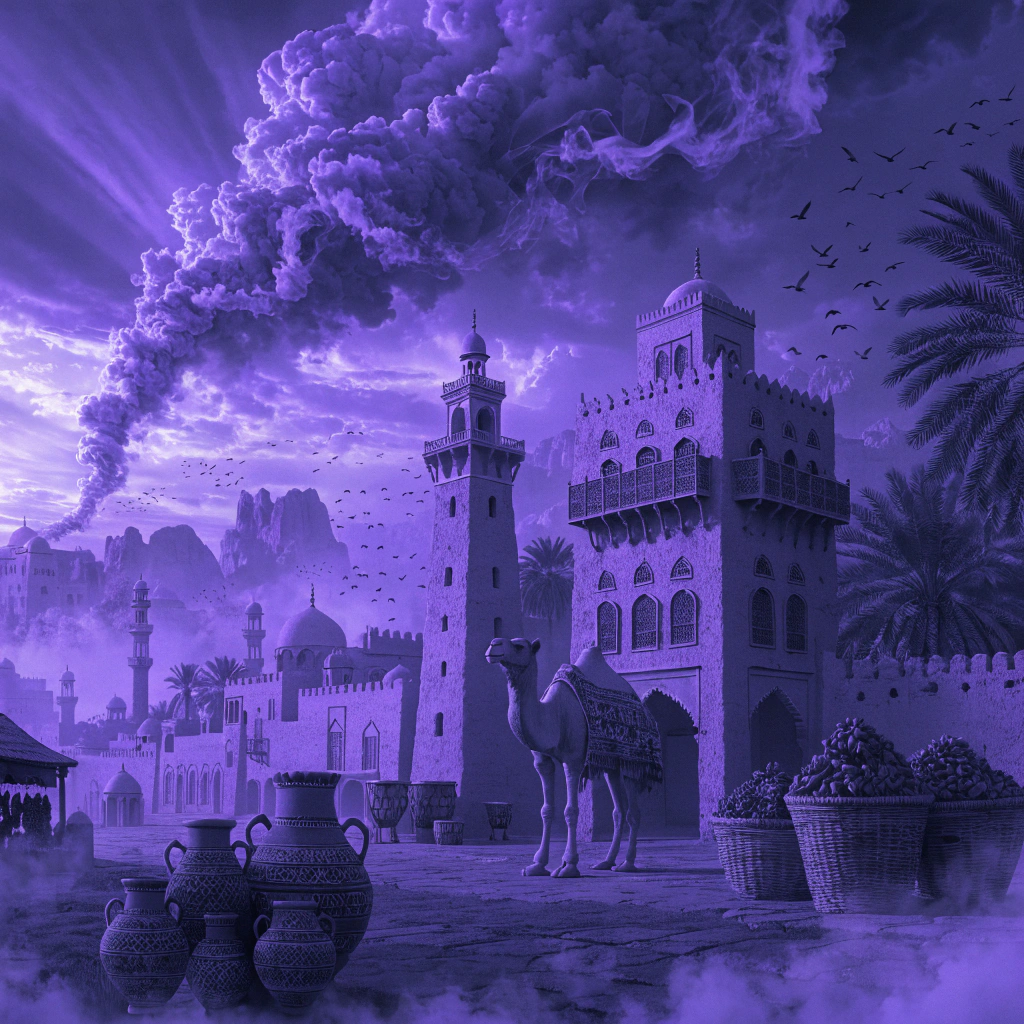
February 22A national holiday celebrating the 1727 establishment of the first Saudi state in Diriyah.
Ler mais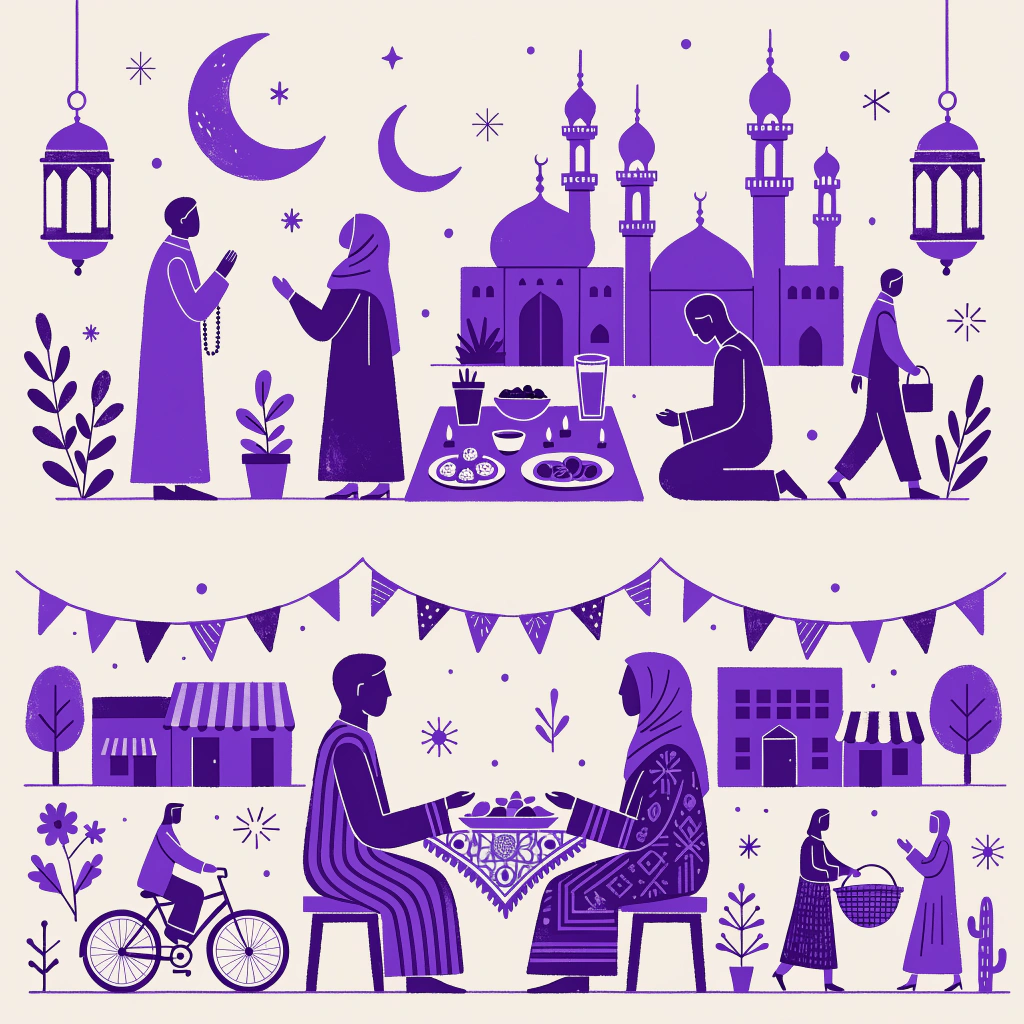
Ramadã e Eid al-Fitr
Março-Abril (Calendário Lunar Variável)Um mês sagrado de reflexão espiritual e jejum seguido por um alegre festival de três dias de quebra do jejum.
Ler mais
Hajj and Eid al-Adha
May-June (Variable Lunar Calendar)The peak of the Islamic pilgrimage to Mecca and the global 'Festival of Sacrifice'.
Ler mais
Saudi National Day
September 23A day of immense national pride commemorating the unification of the Kingdom in 1932.
Ler mais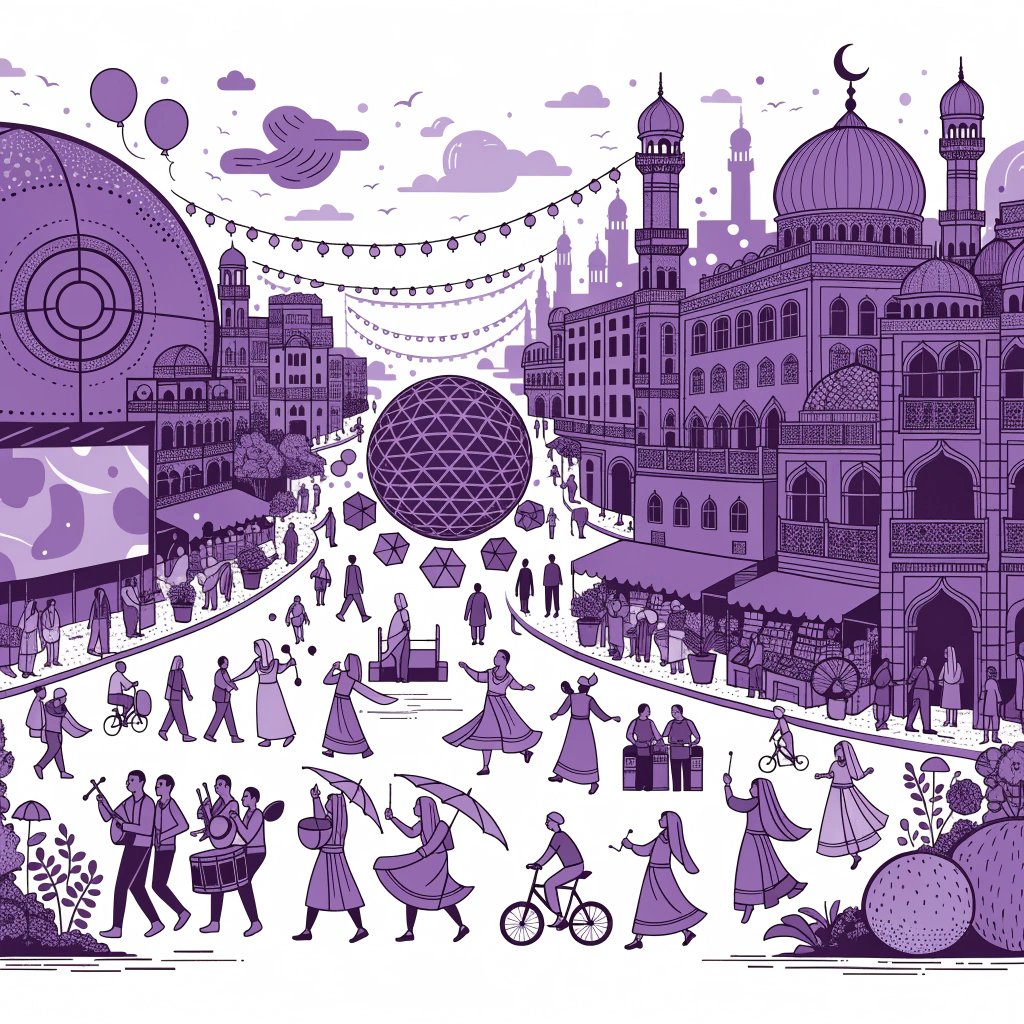
Riyadh Season
Outubro a MarçoUm enorme festival de entretenimento por toda a cidade com zonas temáticas, esportes internacionais e shows.
Ler maisFrases de viagem
السلام عليكم
As-salamu alaykum
Peace be upon you (Greeting)
شكراً
Shukran
Thank you
مرحباً
Marhaban
Hello
كيف حالك؟
Kayf halak?
How are you?
من فضلك
Min fadlak
Please
المعذرة
Al-ma'zirah
Excuse me / Sorry
Estilo de vida e costumes
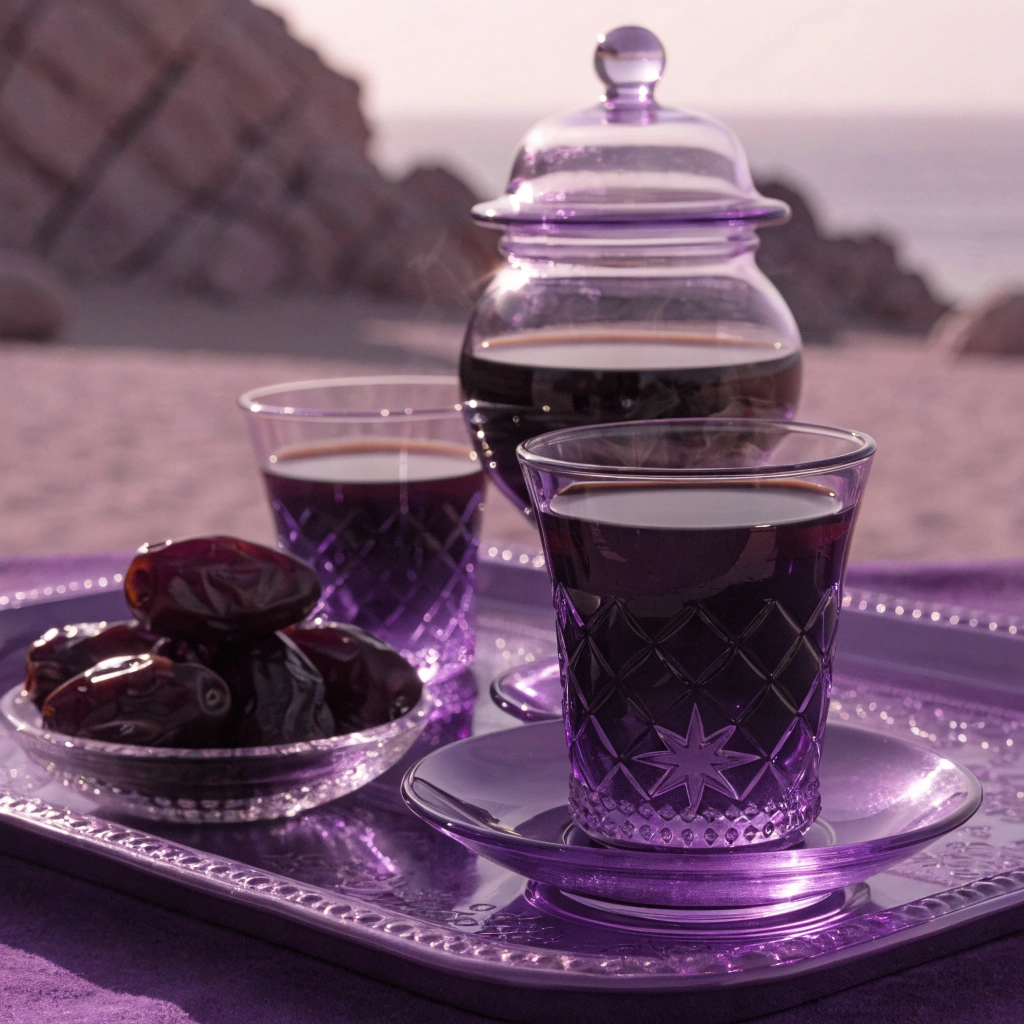
The Art of Saudi Hospitality and the Gahwa Ceremony
Central to Saudi identity, the traditional serving of Arabic coffee and dates represents a profound commitment to generosity and welcoming guests.
Ler mais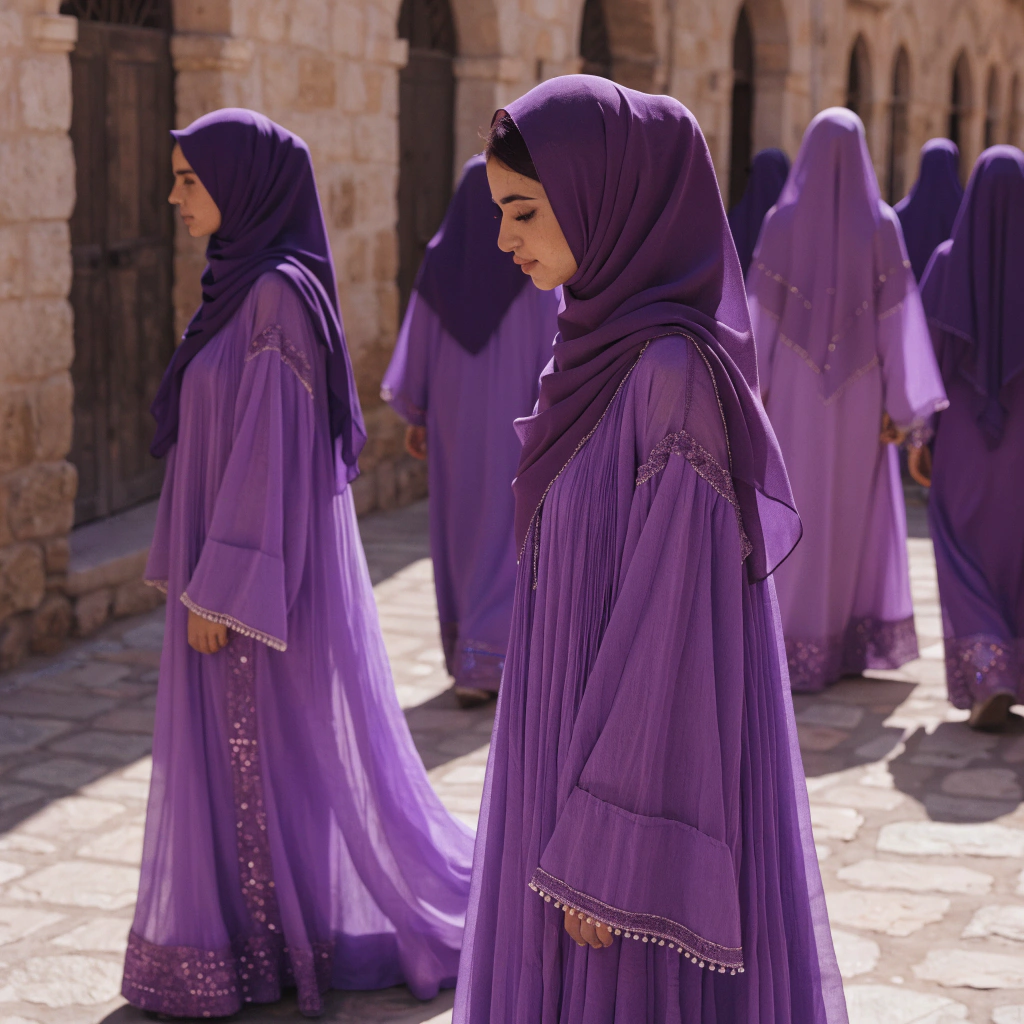
O Thobe e a Abaya: Identidade Cultural Através da Roupa
Mais do que apenas roupas, o traje tradicional da Saudi Arabia reflete valores religiosos, a herança regional e um senso moderno de orgulho nacional.
Ler mais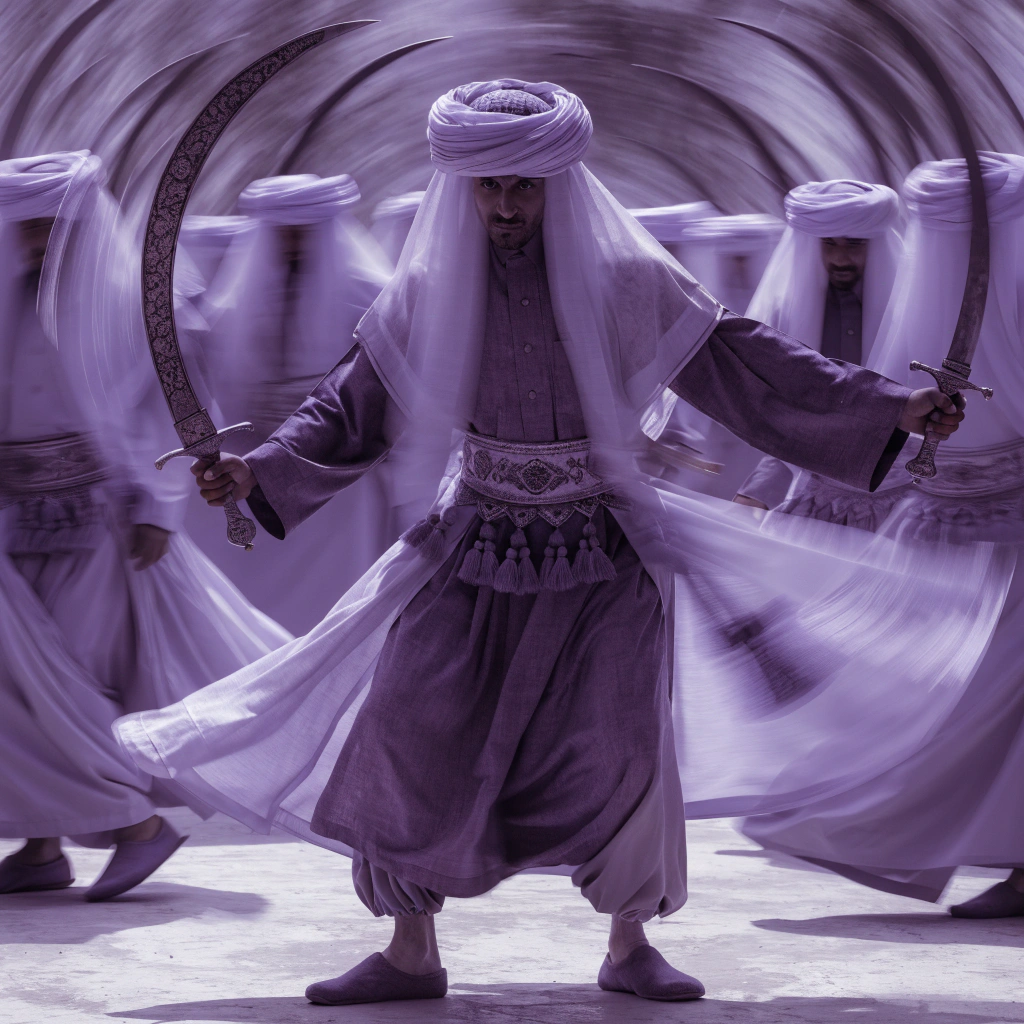
Al-Ardha Al-Najdiya: The Saudi Sword Dance
Once a display of martial strength before battle, this rhythmic sword dance has evolved into a celebratory performance marking national holidays and weddings.
Ler maisDicas de etiqueta
Dress modestly in public spaces, ensuring that shoulders and knees are covered at all times.
Wear tight-fitting, transparent, or revealing clothing, or garments displaying offensive images or slogans.
Use your right hand for eating, drinking, and shaking hands with others.
Hand items to people or eat with your left hand, as it is traditionally considered unclean.
Respect the local prayer times; be aware that many businesses and restaurants may close briefly during these periods.
Engage in public displays of affection (PDA), such as holding hands or kissing, as this is culturally inappropriate.
Ask for permission before taking photographs of Saudi citizens, particularly women and families.
Take photos of government buildings, military installations, or palaces, which can lead to legal complications.
Explorar mais países em Western Asia


Aprenda Árabe para se conectar com Arábia Saudita
Comece a aprender Árabe com vídeos, exercícios e ferramentas de IA no SubLearn.
Começar a estudar
