Al-Balad: Uma Cidade com História
Al-Balad é um lugar muito antigo e bonito. Ele fica na cidade de Jeddah, na Arábia Saudita. É um local muito importante para a história e a cultura. Muitas pessoas visitam Al-Balad hoje.
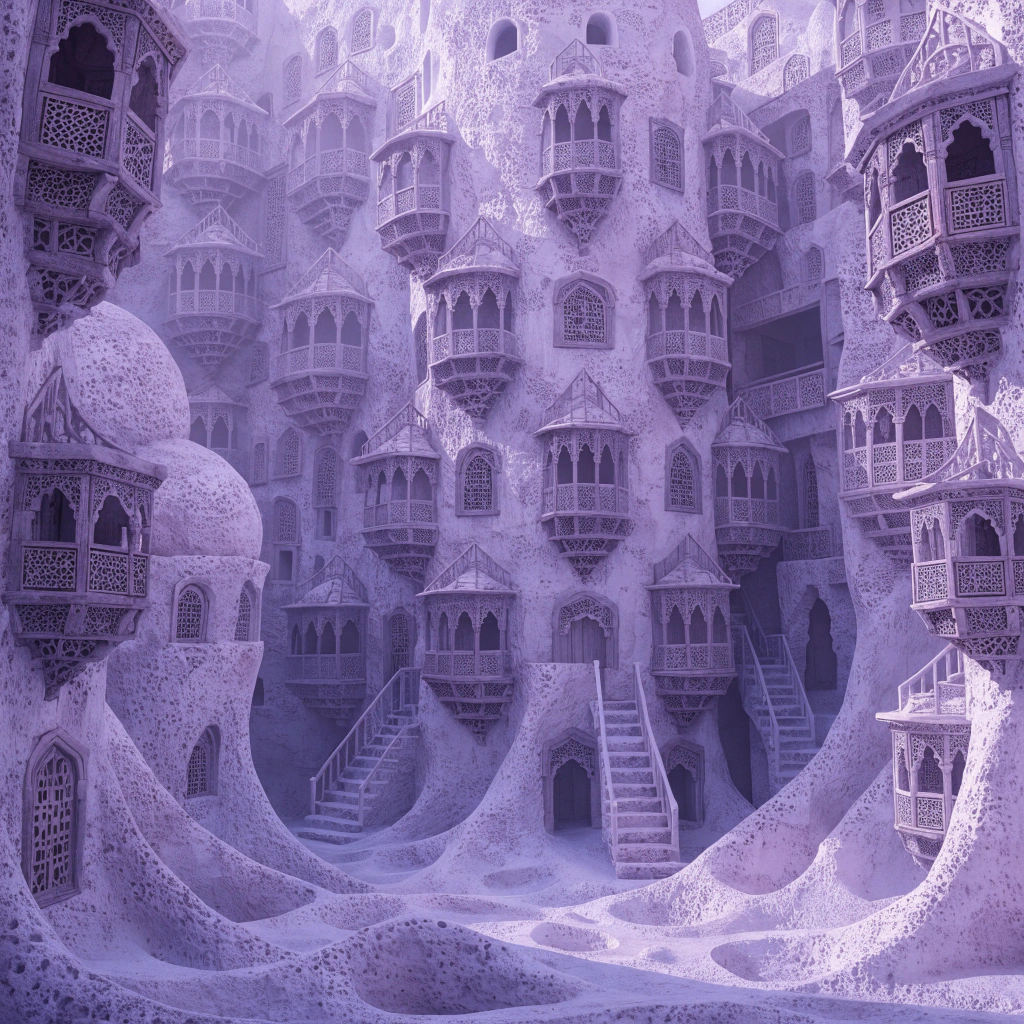
No passado, Al-Balad era a porta principal para os peregrinos que iam para Meca. Eles chegavam aqui de barco. As casas em Al-Balad são muito especiais. Elas são feitas de coral do mar Vermelho. As janelas destas casas são grandes e bonitas, e se chamam 'Roshan'. Al-Balad é um Patrimônio Mundial da UNESCO. Ele guarda muita história e tradição.
Gramática em destaque
Padrão: O Verbo 'Ser' no Presente
"Al-Balad é um lugar muito antigo e bonito."
O verbo 'ser' significa 'to be' em português. Usamos 'é' para falar sobre uma coisa ou pessoa no singular (ele/ela/você é). Ele descreve características permanentes ou identidade.
Padrão: Preposição 'em' (em/na/no)
"Ele fica na cidade de Jeddah."
A preposição 'em' indica localização. 'Na' é a junção de 'em' + 'a' (para palavras femininas como 'cidade'). 'No' é a junção de 'em' + 'o' (para palavras masculinas). Significa 'in' ou 'at'.
Teste sua compreensão
10 perguntas · A1 Iniciante · 1 pré-visualização grátis
Teste o que aprendeu neste artigo. Responda todas as perguntas para ganhar XP!
Onde fica Al-Balad?
Quer finalizar o quiz?
9 perguntas a mais estão esperando por você. Cadastre-se grátis para desbloquear o quiz completo e ganhar XP!
Cadastrar grátisJá tem conta? Entrar
Detalhamento das perguntas
Onde fica Al-Balad?
Sua resposta:
Resposta correta: Na Arábia Saudita
As casas em Al-Balad são feitas de madeira.
Sua resposta:
Resposta correta: Falso
O que significa 'antigo'?
Sua resposta:
Resposta correta: velho, com muitos anos
No passado, Al-Balad era a porta principal para os _____ que iam para Meca.
Sua resposta:
Resposta correta: peregrinos
Al-Balad: The Old Heart of Jeddah
Al-Balad is the historic center of Jeddah, Saudi Arabia. It is a very old place because it started in the 7th century. Today, it is a UNESCO World Heritage site. Many people visit Al-Balad to see the beautiful buildings and feel the history.
For a long time, Al-Balad was the main gateway for pilgrims. These people traveled by sea to reach the holy city of Mecca. Because so many people came from different countries, Al-Balad became a special place with many cultures. Traders also sold spices and clothes in the busy markets.
The buildings in Al-Balad are unique. Workers used coral stone from the Red Sea to build them. The houses have famous wooden windows called 'Roshan'. These windows are more colorful than modern windows. They also help to keep the houses cool in the hot summer. Al-Balad is a wonderful place to learn about the past.
Gramática em destaque
Padrão: Past Simple
"Workers used coral stone from the Red Sea to build them."
We use the past simple to talk about completed actions in the past. To form it with regular verbs, we usually add '-ed' to the base verb.
Padrão: Comparatives
"These windows are more colorful than modern windows."
We use 'more + adjective + than' to compare two things when the adjective is long (two or more syllables). It shows the difference between the two objects.
Teste sua compreensão
11 perguntas · A2 Elementar · 1 pré-visualização grátis
Teste o que aprendeu neste artigo. Responda todas as perguntas para ganhar XP!
Where is Al-Balad located?
Quer finalizar o quiz?
10 perguntas a mais estão esperando por você. Cadastre-se grátis para desbloquear o quiz completo e ganhar XP!
Cadastrar grátisJá tem conta? Entrar
Detalhamento das perguntas
Where is Al-Balad located?
Sua resposta:
Resposta correta: Jeddah
Al-Balad is a new part of the city built recently.
Sua resposta:
Resposta correta: Falso
What does 'unique' mean?
Sua resposta:
Resposta correta: The only one of its kind
Al-Balad started in the 7th _____.
Sua resposta:
Resposta correta: century
Why was Al-Balad important for pilgrims?
Sua resposta:
Resposta correta: It was the main gateway to reach Mecca
Al-Balad: The Historic Heart of Jeddah
Al-Balad is known as the historic heart of Jeddah, a city on the Red Sea coast of Saudi Arabia. It was founded in the 7th century and has served as a gateway for pilgrims traveling to Mecca for over a thousand years. Because of its incredible history and unique style, it has been named a UNESCO World Heritage site.
The architecture of Al-Balad is unlike anything else in the world. The old buildings were constructed using coral stone from the sea. One of the most famous features is the 'Roshan', which are beautiful wooden balconies that cover the windows. These balconies were designed to let cool air into the houses while protecting the privacy of the families inside. Walking through the narrow streets, you can see how these tall houses have stood for centuries.
For many years, the district has been a place where different cultures meet. Since it was the main port for travelers arriving by sea, people from all over the world have brought their traditions and food to Jeddah. This has created a cosmopolitan atmosphere that still exists today.
Recently, many of the historic buildings have been restored to preserve the city’s heritage. Local artists and shops have moved into the area, making it a lively place for both tourists and residents. Although Jeddah has grown into a modern city with huge malls and skyscrapers, Al-Balad remains a special place where the past is still alive.
Gramática em destaque
Padrão: Passive Voice
"The old buildings were constructed using coral stone from the sea."
The passive voice is used when the action is more important than the person who did it. It is formed using the verb 'to be' and the past participle.
Padrão: Relative Clauses
"One of the most famous features is the 'Roshan', which are beautiful wooden balconies that cover the windows."
Relative clauses give extra information about a noun. We use 'which' for things and 'who' for people.
Teste sua compreensão
11 perguntas · B1 Intermediário · 1 pré-visualização grátis
Teste o que aprendeu neste artigo. Responda todas as perguntas para ganhar XP!
Why is Al-Balad historically important for pilgrims?
Quer finalizar o quiz?
10 perguntas a mais estão esperando por você. Cadastre-se grátis para desbloquear o quiz completo e ganhar XP!
Cadastrar grátisJá tem conta? Entrar
Detalhamento das perguntas
Why is Al-Balad historically important for pilgrims?
Sua resposta:
Resposta correta: It served as the main gateway for those traveling to Mecca.
Al-Balad was founded in the 7th century.
Sua resposta:
Resposta correta: Verdadeiro
What does 'heritage' mean?
Sua resposta:
Resposta correta: The history and traditions of a place.
The buildings in Al-Balad were constructed using _____ stone.
Sua resposta:
Resposta correta: coral
What is the primary function of the 'Roshan' balconies?
Sua resposta:
Resposta correta: To provide cool air and privacy for families.
Al-Balad: The Timeless Soul of Jeddah
Located on the eastern shore of the Red Sea, Al-Balad serves as a living testament to the rich history of Jeddah. Founded in the 7th century, this historic district was established as the primary gateway for Muslim pilgrims arriving by sea on their spiritual journey to the holy city of Mecca. Consequently, for over a millennium, Al-Balad has been a melting pot of cultures, where traders and travelers from across the Indian Ocean and beyond converged, creating a uniquely cosmopolitan atmosphere. This cultural fusion is most visibly reflected in the district's distinctive architectural style, which differs significantly from other regions in Saudi Arabia.
The most striking feature of Al-Balad is undoubtedly its traditional tower houses. These structures were primarily constructed using coral stone, harvested from the nearby Red Sea reefs. To mitigate the intense heat of the region, builders incorporated 'Roshan'—elaborate, intricate wooden balconies that provide both shade and ventilation. These balconies allowed residents to enjoy a cool breeze while maintaining their privacy. Having served as the residential heart of the city for centuries, many of these buildings are now being carefully restored. If the district had not been designated a UNESCO World Heritage site in 2014, much of this invaluable heritage might have been lost to modern urban development.
In recent years, the Saudi government has initiated extensive renovation projects to ensure the preservation of Al-Balad's historical integrity. These efforts are not merely about maintaining old walls; they represent a broader vision of sustainable cultural tourism. By the time visitors walk through the narrow, winding alleys today, they can witness a delicate balance between ancient tradition and modern revitalization. Artisans have been employed to use traditional methods to repair the coral stone, ensuring that the soul of the district remains intact.
Ultimately, Al-Balad is more than just a collection of old buildings; it is a symbol of Jeddah's enduring identity. Despite the rapid modernization seen elsewhere in the kingdom, this district continues to evoke a sense of nostalgia and pride. It offers a profound analysis of how maritime trade and religious significance can shape the urban landscape of a nation. As preservation efforts continue, Al-Balad will undoubtedly remain a cornerstone of Saudi Arabia's cultural legacy, bridging the gap between its storied past and its ambitious future.
Gramática em destaque
Padrão: Third Conditional (Hypothetical Past)
"If the district had not been designated a UNESCO site, much of its history might have been lost."
This structure is used to imagine a different past. It uses 'if' + past perfect, followed by 'might/would have' + past participle to describe a result that did not actually happen.
Padrão: Present Perfect Passive
"Many of these buildings are now being carefully restored."
This pattern focuses on the action being performed on the subject rather than who is doing it. It is formed using 'am/is/are' + 'being' + past participle to describe an ongoing process of change.
Padrão: Participle Clauses
"Having served as the residential heart of the city for centuries, many of these buildings are now being carefully restored."
The perfect participle 'Having served' is used to show that one action was completed before another. It helps to vary sentence structure and provide background information efficiently.
Teste sua compreensão
11 perguntas · B2 Intermediário superior · 1 pré-visualização grátis
Teste o que aprendeu neste artigo. Responda todas as perguntas para ganhar XP!
What was the primary historical function of Al-Balad?
Quer finalizar o quiz?
10 perguntas a mais estão esperando por você. Cadastre-se grátis para desbloquear o quiz completo e ganhar XP!
Cadastrar grátisJá tem conta? Entrar
Detalhamento das perguntas
What was the primary historical function of Al-Balad?
Sua resposta:
Resposta correta: A main entry point for pilgrims heading to Mecca
The 'Roshan' balconies were designed solely for aesthetic beauty without any functional purpose.
Sua resposta:
Resposta correta: Falso
What does 'cosmopolitan' mean in the context of the article?
Sua resposta:
Resposta correta: A place influenced by many different cultures
The buildings in Al-Balad were primarily constructed using _____ stone.
Sua resposta:
Resposta correta: coral
What triggered the increased focus on preserving Al-Balad's historical integrity?
Sua resposta:
Resposta correta: Its designation as a UNESCO World Heritage site
The Coral Sentinels: Navigating the Architectural and Social Tapestry of Al-Balad
Seldom has an urban landscape encapsulated the historical convergence of maritime commerce and spiritual devotion as profoundly as Al-Balad, the historic heart of Jeddah. Established in the 7th century, this labyrinthine district served for over a millennium as the quintessential gateway for Muslim pilgrims traversing the Red Sea en route to the holy city of Mecca. It was this constant influx of diverse populations that fostered a uniquely cosmopolitan culture, the vestiges of which remain etched into the very fabric of the city’s architecture. The district’s evolution reflects a nuanced history where trade routes and religious duty intertwined to create a society that was as outward-looking as it was deeply rooted in local tradition.
The architectural identity of Al-Balad is primarily defined by its coral-stone edifices, which rise several stories high, defying the conventional horizontal sprawl of many ancient settlements. What distinguishes these structures is the intricate woodwork known as 'Roshan'—elaborate, projecting balconies that serve both aesthetic and functional purposes. These wooden screens, often featuring delicate latticework, were designed to maximize airflow while ensuring the privacy of the inhabitants. Not only do these balconies mitigate the sweltering heat of the Hijaz region, but they also symbolize the social nuances of a society that valued both hospitality and domestic seclusion. The use of coral stone, harvested from the nearby Red Sea, provided a porous yet sturdy material that allowed the buildings to breathe, a testament to early sustainable engineering.
However, the preservation of Al-Balad is not without its complexities. The institutionalization of conservation efforts, particularly following its designation as a UNESCO World Heritage site, has sparked critical debates regarding the balance between historical authenticity and modern functionality. Critics argue that the gentrification of such districts may lead to the displacement of the very communities that imbue the area with its ephemeral charm. Conversely, proponents of restoration emphasize that without rigorous structural interventions, the coral-stone foundations—already weakened by time and humidity—would inevitably crumble. The challenge lies in maintaining the district as a living entity rather than a static museum.
The tenacity of Al-Balad’s heritage lies in its ability to adapt to changing geopolitical realities. While the lynchpin of its economy has shifted from pilgrim transit to heritage tourism, the district retains a sublime atmosphere that transcends mere commercialization. Walking through its narrow alleys, one is struck by the juxtaposition of the ancient and the contemporary. The subtle interplay of light through the Roshan screens provides a poignant reminder of Jeddah’s maritime past. Ultimately, Al-Balad stands as a testament to human ingenuity in the face of environmental challenges, offering a sophisticated narrative of a city that has long served as a bridge between the Arabian Peninsula and the wider world.
Gramática em destaque
Padrão: Inversion
"Seldom has an urban landscape encapsulated the historical convergence of maritime commerce and spiritual devotion as profoundly as Al-Balad."
Inversion is used here by placing a negative adverbial ('Seldom') at the beginning of the sentence followed by the auxiliary verb 'has'. This structure is used for emphasis and is common in formal C1 writing.
Padrão: Cleft Sentences
"It was this constant influx of diverse populations that fostered a uniquely cosmopolitan culture."
A cleft sentence (It + be + subject + relative clause) is used to focus on a specific piece of information. Here, it emphasizes that the 'influx of populations' was the primary cause of the culture.
Padrão: Nominalisation
"The institutionalization of conservation efforts has sparked critical debates."
Nominalisation involves turning verbs or adjectives into nouns (e.g., 'institutionalize' to 'institutionalization'). This creates a more formal, academic tone typical of advanced English.
Teste sua compreensão
12 perguntas · C1 Avançado · 1 pré-visualização grátis
Teste o que aprendeu neste artigo. Responda todas as perguntas para ganhar XP!
What was the primary historical function of Al-Balad?
Quer finalizar o quiz?
11 perguntas a mais estão esperando por você. Cadastre-se grátis para desbloquear o quiz completo e ganhar XP!
Cadastrar grátisJá tem conta? Entrar
Detalhamento das perguntas
What was the primary historical function of Al-Balad?
Sua resposta:
Resposta correta: A gateway for pilgrims traveling to Mecca
The Roshan balconies were designed solely for decorative purposes without any functional use.
Sua resposta:
Resposta correta: Falso
What does the word 'edifices' mean in the context of the article?
Sua resposta:
Resposta correta: Large, imposing buildings
The _____ of conservation efforts has sparked debates regarding historical authenticity.
Sua resposta:
Resposta correta: institutionalization
Why did architects in Al-Balad use coral stone?
Sua resposta:
Resposta correta: It was a local, porous material that allowed buildings to breathe
Critics worry that gentrification might displace the communities that give the district its charm.
Sua resposta:
Resposta correta: Verdadeiro
Al-Balad: Um Palimpsesto Urbano no Coração de Jeddah e a Cosmopolita Porta de Meca
No intrincado tecido da história humana, certas localidades emergem como verdadeiros palimpsestos urbanos, onde camadas de tempo e cultura se sobrepõem, revelando narrativas de profunda significância. Al-Balad, o centro histórico de Jeddah, na Arábia Saudita, é inquestionavelmente uma dessas joias, um sítio que transcende a mera arquitetura para encarnar a alma de uma civilização e a incessante peregrinação de milhões. Reconhecido como Patrimônio Mundial pela UNESCO, este distrito não é apenas uma coleção de edifícios antigos; é um testemunho vívido da resiliência, do intercâmbio cultural e da fé que moldaram a região por mais de um milênio.
Fundada no século VII, a relevância estratégica de Al-Balad é inegável. Serviu, por mais de mil anos, como o principal porto marítimo para os peregrinos muçulmanos que, vindos de todas as partes do mundo, aportavam em Jeddah a caminho da cidade sagrada de Meca. Este fluxo contínuo de pessoas, com suas distintas línguas, costumes e mercadorias, fomentou uma cultura singularmente cosmopolita. A cidade, por conseguinte, desenvolveu-se como um vibrante entreposto comercial e um ponto de convergência cultural, onde a diversidade não era apenas tolerada, mas intrinsecamente celebrada, manifestando-se em cada viela e em cada fachada.
A arquitetura de Al-Balad é, talvez, a sua característica mais imediatamente impactante e distintiva. As edificações, muitas das quais se erguem a vários andares, são construídas predominantemente com blocos de coral do Mar Vermelho, uma matéria-prima local que confere uma textura e tonalidade únicas às fachadas. Contudo, o elemento mais emblemático e visualmente cativante são os chamados 'Roshan' – elaboradas varandas de madeira, muitas vezes multi-andares, que adornam os edifícios. Estas estruturas não são meramente decorativas; elas desempenham funções cruciais na ventilação e iluminação das casas, ao mesmo tempo em que proporcionam privacidade aos seus moradores, permitindo-lhes observar a vida nas ruas sem serem vistos. A complexidade do trabalho em madeira, com seus padrões geométricos e detalhes intrincados, é um reflexo do artesanato local e da influência de diversas tradições estéticas que convergiram em Jeddah.
O legado de Al-Balad, portanto, estende-se muito além de sua função histórica como porta de entrada para Meca. Ele representa um modelo de urbanismo adaptativo e sustentável, onde os materiais locais foram empregados de forma engenhosa para criar um ambiente que desafiava as condições climáticas adversas do deserto. Além disso, a sua identidade cultural, forjada na confluência de povos e ideias, permanece palpável, ainda que a modernização da cidade tenha imposto desafios significativos à sua preservação. A revitalização de Al-Balad, que tem sido um foco de atenção crescente nas últimas décadas, não visa apenas a conservação física de seus edifícios, mas também a salvaguarda de seu patrimônio imaterial – as histórias, os ofícios, as tradições culinárias e a atmosfera vibrante que definiram este lugar por séculos.
É imperativo que se compreenda que a manutenção de Al-Balad não é um mero projeto de conservação arquitetônica; é um esforço para preservar uma parte vital da memória coletiva da humanidade. Ao caminhar por suas ruas estreitas, pode-se quase vislumbrar os peregrinos de outrora, os mercadores regateando seus preços, as crianças brincando sob a sombra dos Roshan. A experiência é uma viagem no tempo, um lembrete eloquente de como a fé e o comércio podem convergir para criar algo de beleza e significado duradouros. Conquanto o futuro reserve incertezas, a dedicação em resguardar este legado parece inabalável, assegurando que Al-Balad continue a narrar sua história fascinante para as gerações vindouras, um farol de cultura e história em meio à modernidade galopante da Arábia Saudita.
Gramática em destaque
Padrão: O Subjuntivo Imperfeito em Contextos Hipotéticos ou Hedging
"Ao caminhar por suas ruas estreitas, pode-se quase vislumbrar os peregrinos de outrora, os mercadores regateando seus preços, as crianças brincando sob a sombra dos Roshan."
O subjuntivo imperfeito ('vislumbrar') é empregado aqui para expressar uma ação hipotética ou potencial no passado, mas com ressonâncias no presente, sugerindo uma possibilidade ou uma sensação de 'quase'. É comum em contextos de conjectura ou imaginação, adicionando um tom de incerteza ou subjetividade à afirmação.
Padrão: Uso de Conjunções Concessivas (Conquanto)
"Conquanto o futuro reserve incertezas, a dedicação em resguardar este legado parece inabalável, assegurando que Al-Balad continue a narrar sua história fascinante para as gerações vindouras, um farol de cultura e história em meio à modernidade galopante da Arábia Saudita."
A conjunção 'conquanto' introduz uma oração subordinada adverbial concessiva, indicando uma ressalva ou oposição ao que é dito na oração principal, sem, contudo, impedir sua realização. Equivale a 'embora' ou 'ainda que', conferindo um tom mais formal e sofisticado à prosa.
Padrão: Voz Passiva com 'Se' (Partícula Apassivadora)
"É imperativo que se compreenda que a manutenção de Al-Balad não é um mero projeto de conservação arquitetônica; é um esforço para preservar uma parte vital da memória coletiva da humanidade."
A voz passiva sintética com 'se' ('que se compreenda') é utilizada para expressar uma ação sem especificar o agente que a realiza, ou quando o agente é genérico. É uma forma elegante e comum em textos acadêmicos para manter um tom impessoal e objetivo, focando na ação ou no conceito em si.
Teste sua compreensão
12 perguntas · C2 Domínio · 1 pré-visualização grátis
Teste o que aprendeu neste artigo. Responda todas as perguntas para ganhar XP!
Qual das seguintes opções MELHOR descreve a principal função histórica de Al-Balad?
Quer finalizar o quiz?
11 perguntas a mais estão esperando por você. Cadastre-se grátis para desbloquear o quiz completo e ganhar XP!
Cadastrar grátisJá tem conta? Entrar
Detalhamento das perguntas
Qual das seguintes opções MELHOR descreve a principal função histórica de Al-Balad?
Sua resposta:
Resposta correta: O principal porto de chegada para peregrinos de Meca.
Os 'Roshan' são varandas de madeira ornamentadas que servem apenas como elementos decorativos, sem função prática.
Sua resposta:
Resposta correta: Falso
O que significa a palavra 'Palimpsesto' no contexto do artigo?
Sua resposta:
Resposta correta: Um local ou objeto com camadas de história ou cultura sobrepostas.
As edificações de Al-Balad são construídas predominantemente com blocos de _____ do Mar Vermelho.
Sua resposta:
Resposta correta: coral
Qual é a principal preocupação da revitalização de Al-Balad, além da conservação física?
Sua resposta:
Resposta correta: Salvaguardar seu patrimônio imaterial e cultural.
A cultura de Al-Balad foi moldada pela diversidade de povos e costumes que por lá transitaram.
Sua resposta:
Resposta correta: Verdadeiro

