العربية السعودية
Arabie saoudite
À propos de Arabie saoudite
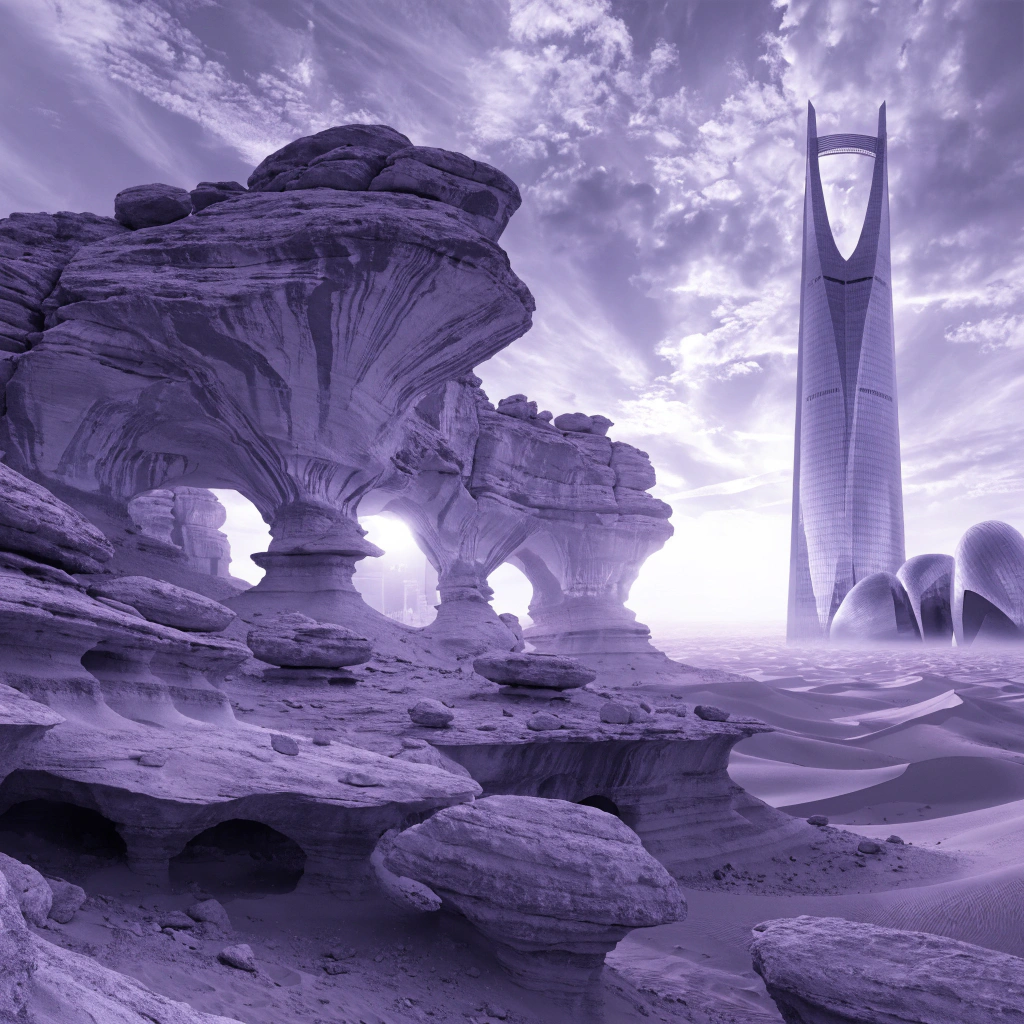
Saudi Arabia, the largest country in the Middle East, occupies most of the Arabian Peninsula and is defined by its vast deserts, including the Rub' al Khali. It is the birthplace of Islam and home to the religion's two holiest shrines in Mecca and Medina, blending deep-rooted traditions with a rapidly modernizing society. Historically a crossroads of ancient civilizations, the kingdom has transformed from a nomadic society into a global economic powerhouse.
En bref
Capitale
Riyadh
Population
34,813,871
Région
Asia · Western Asia
Devise
Saudi Riyal (SAR)
Langues parlées

Arabe
العربية
Le savais-tu ?
Saudi Arabia is the largest country in the world without a single permanent river; it relies heavily on underground aquifers and desalination plants for its water supply.
The Ghawar Oil Field is the largest conventional onshore oil field in the world, accounting for a significant portion of global oil production.
The kingdom is home to the world's largest sand desert, the Rub' al Khali (Empty Quarter), which covers an area larger than France.
Saudi Arabia is currently building NEOM, a $500 billion 'megacity' that will include 'The Line,' a 170-kilometer long linear city designed with no cars or streets.
Monuments célèbres
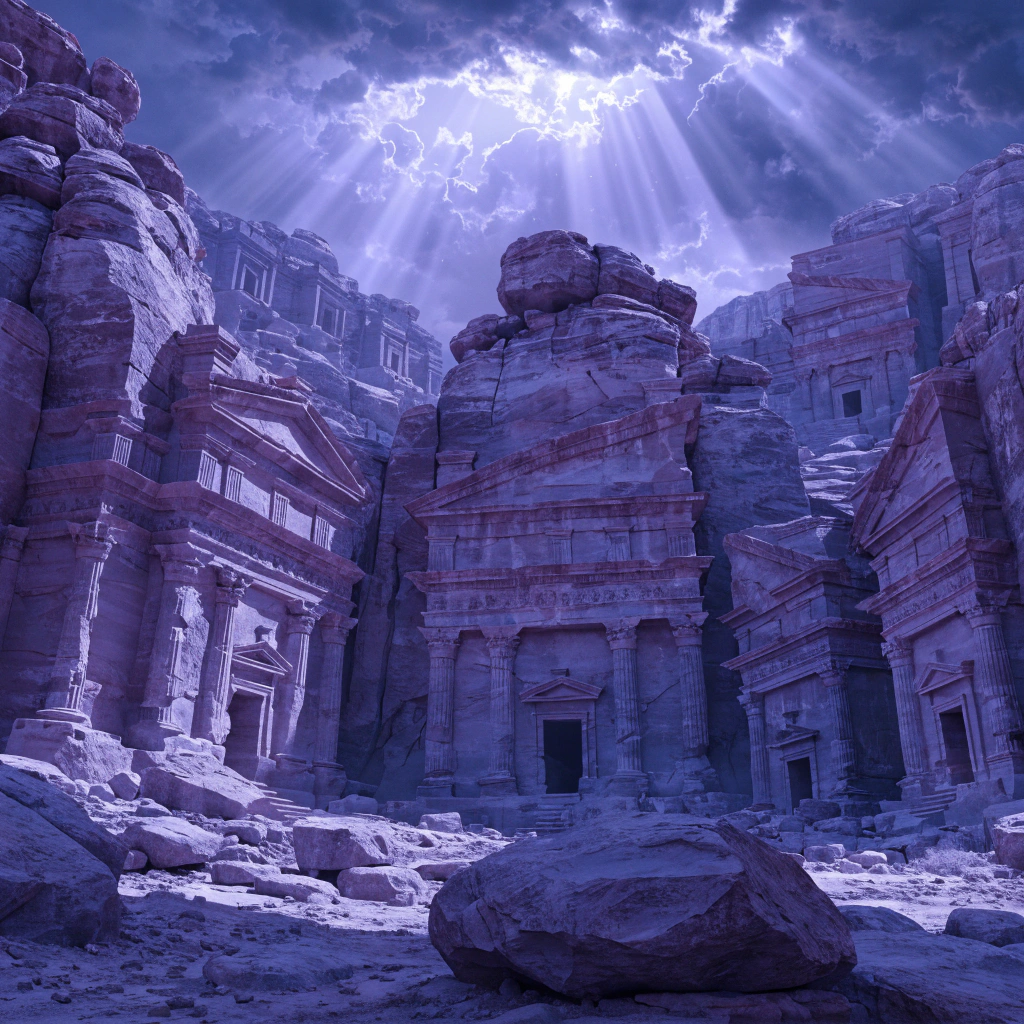
Hegra (Mada'in Salih)
The first UNESCO World Heritage site in Saudi Arabia, featuring over 100 monumental tombs carved into sandstone outcrops by the ancient Nabatean Kingdom.
Lire la suite
Le Bout du Monde (Jebel Tuwaiq)
Une merveille géologique à couper le souffle où des falaises de 300-meter de haut plongent dans un ancien lit d'océan, offrant des vues panoramiques sur l'horizon du désert.
Lire la suite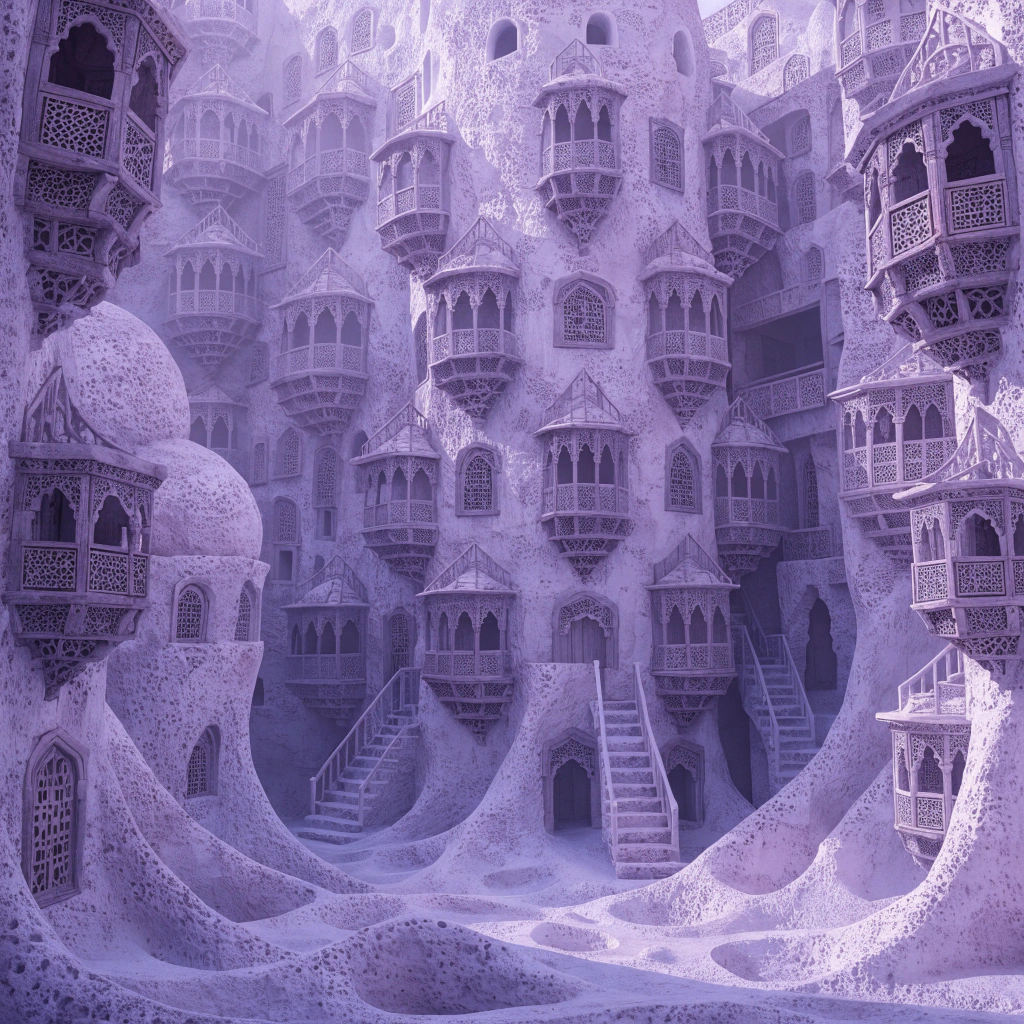
Al-Balad (Historic Jeddah)
A labyrinth of coral stone houses and intricate wooden Roshan balconies that captures the ancient spirit of the Red Sea’s gateway to Mecca.
Lire la suite
The Empty Quarter (Rub' al Khali)
The world's largest contiguous sand desert, a mesmerizing landscape of shifting golden dunes that has inspired explorers and poets for centuries.
Lire la suiteCuisine
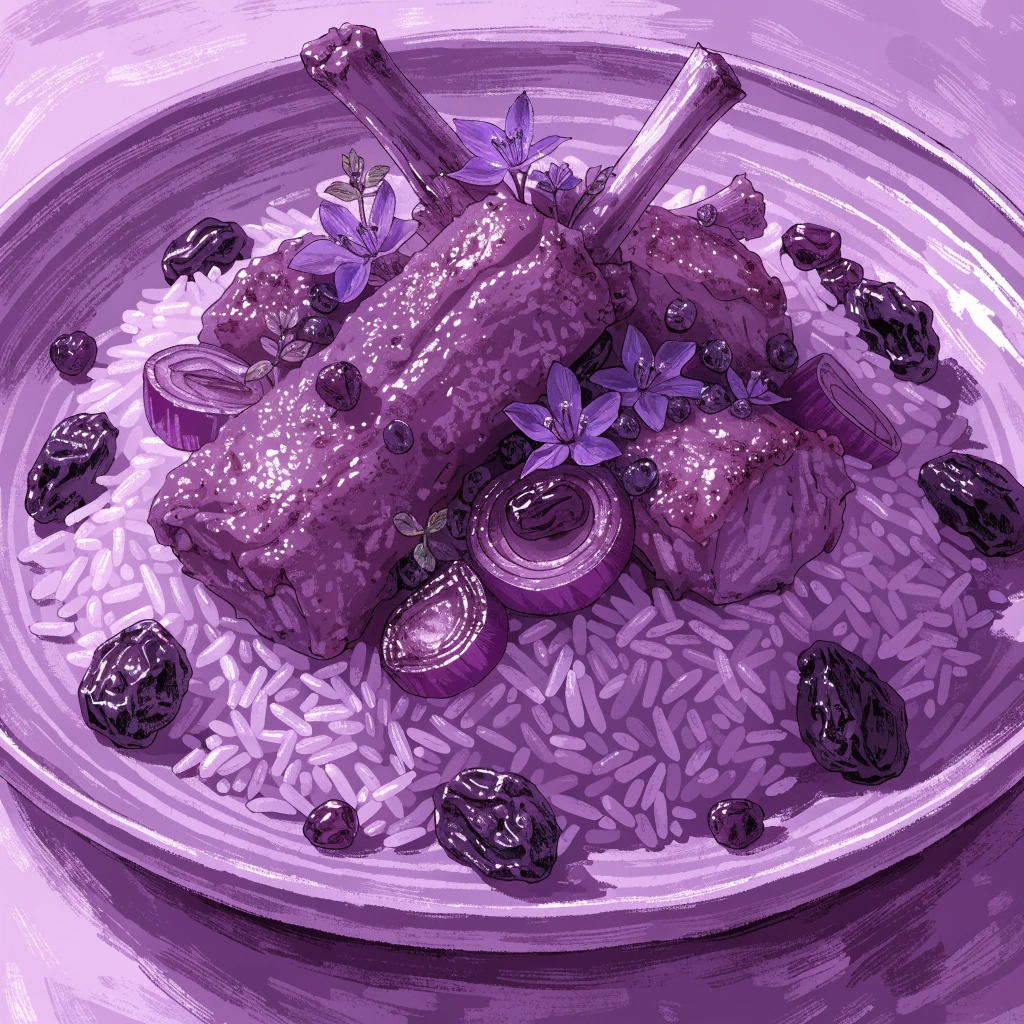
Kabsa
The undisputed national dish of Saudi Arabia, featuring fragrant long-grain rice and tender meat infused with a signature blend of spices.
Lire la suite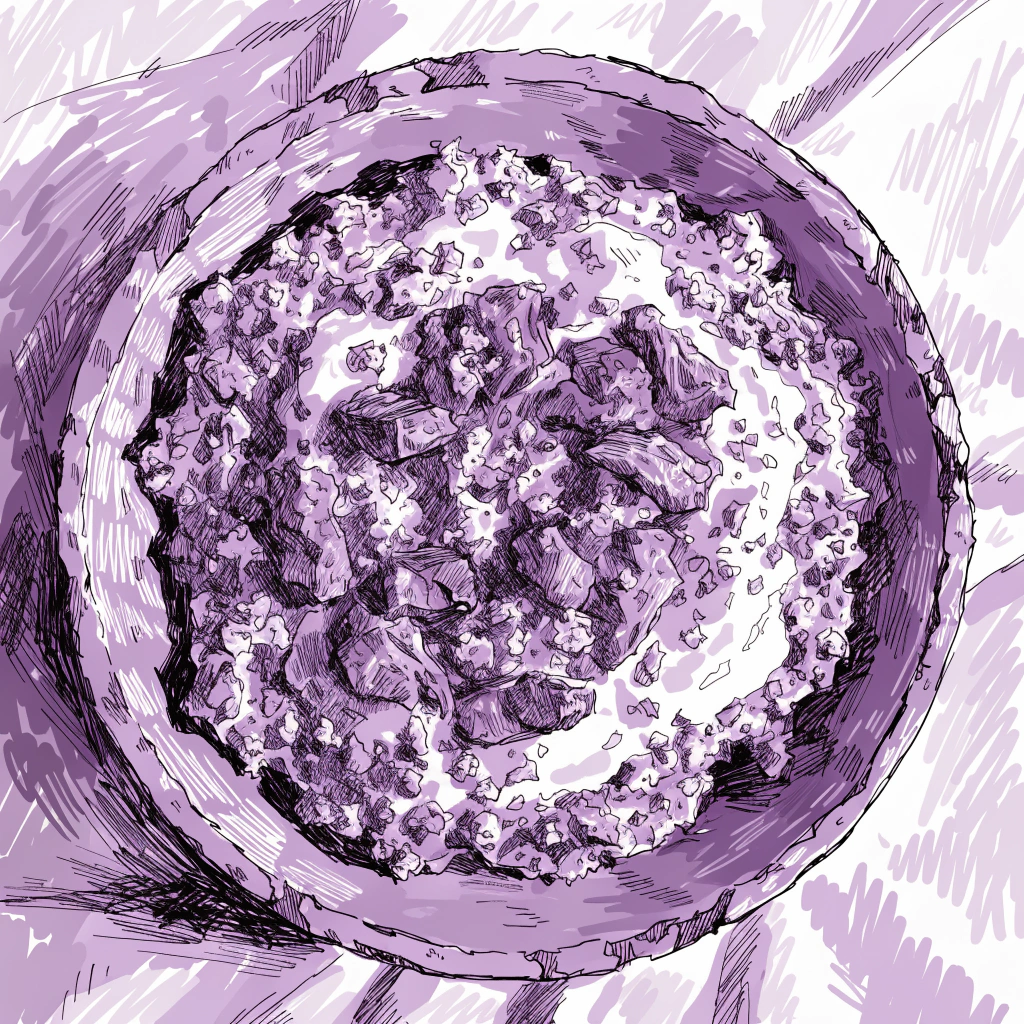
Jareesh
Une bouillie super saine et savoureuse faite de blé concassé, de yaourt et de viande, considérée comme l'un des plats traditionnels les plus anciens et les plus appréciés de la région du Najd.
Lire la suite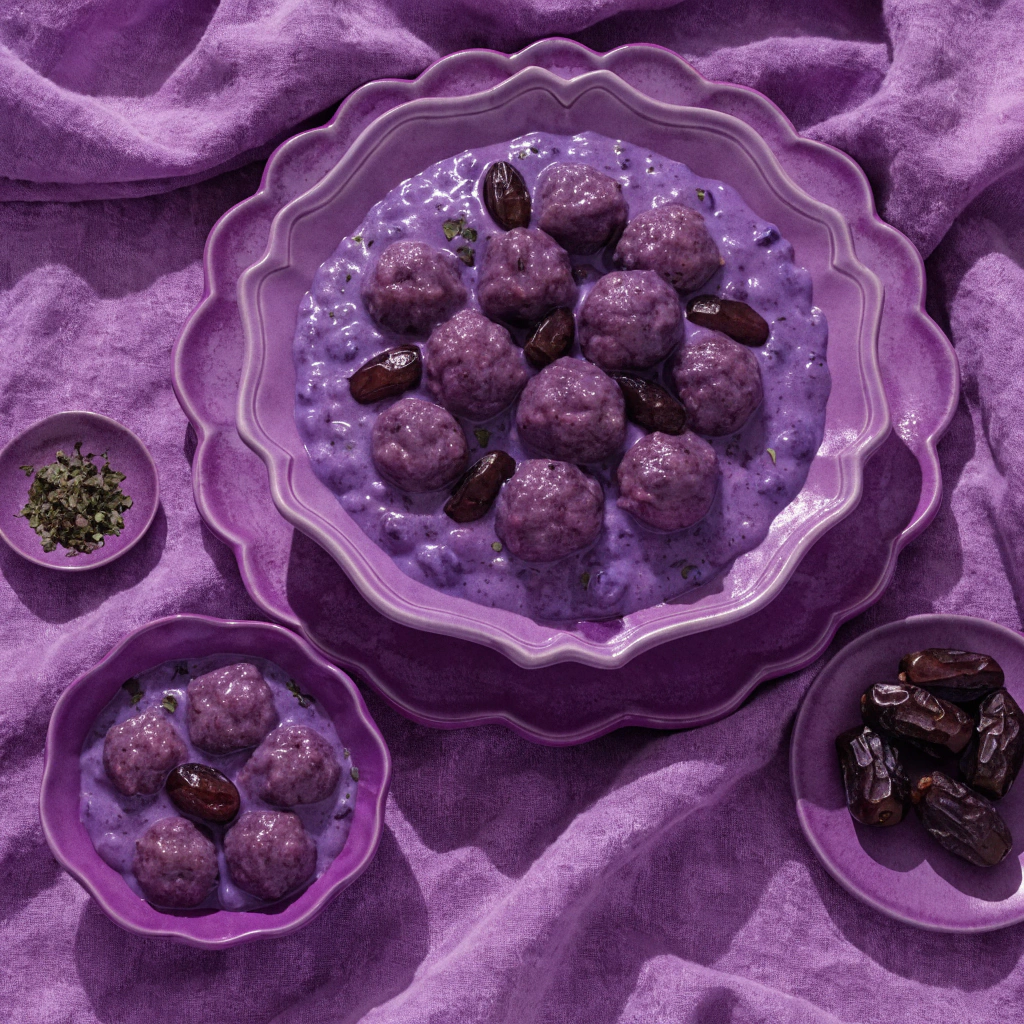
Saleeg
A creamy, comforting rice dish from the Hejaz region, prepared by boiling rice in meat broth and milk until it reaches a velvety, risotto-like consistency.
Lire la suite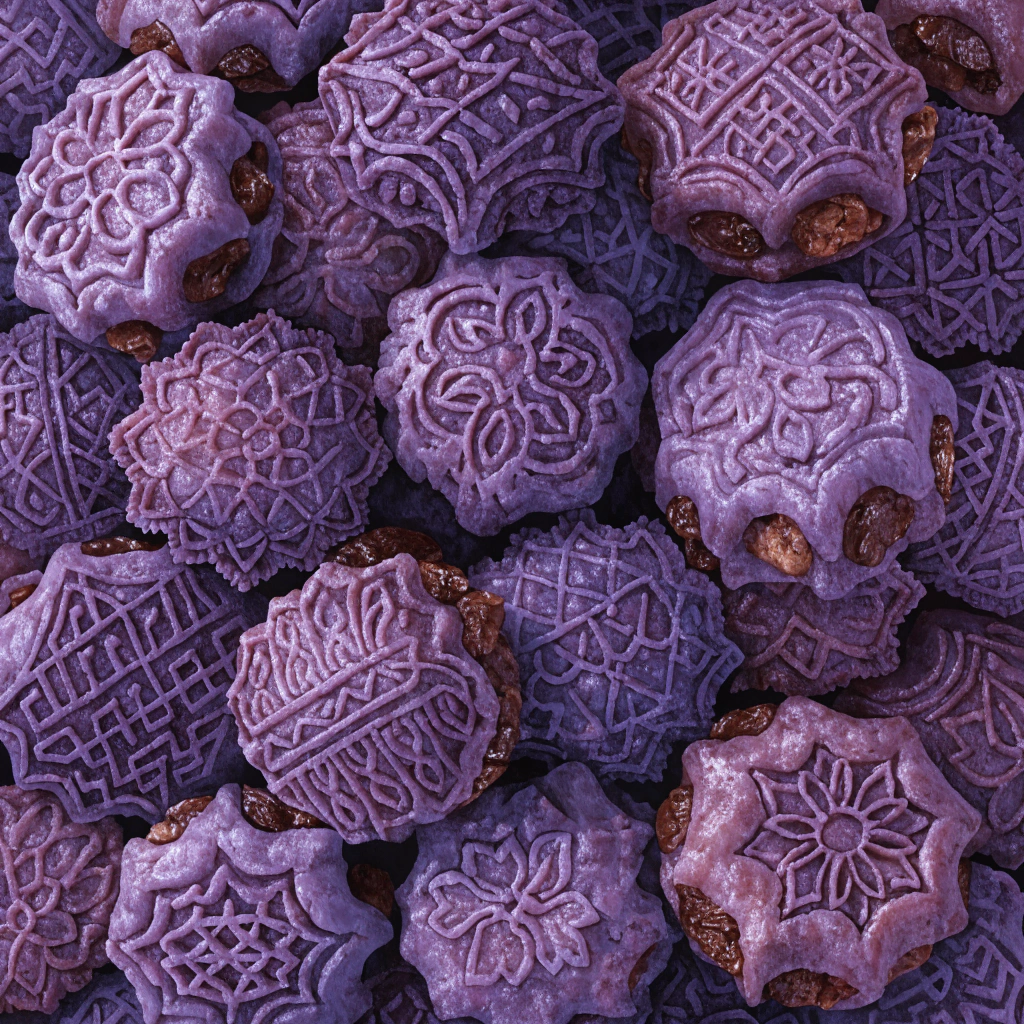
Maamoul
Exquisite shortbread pastries filled with dates, nuts, or figs, intricately molded and traditionally served during Eid celebrations and festive gatherings.
Lire la suiteMusique et arts
Saudi Arabia's music and arts are a vibrant tapestry of regional identities, ranging from the martial sword dances of the central plains to the intricate mural paintings of the southwestern highlands. These traditions, many of which are recognized by UNESCO, reflect a deep connection to the desert landscape, tribal history, and the spiritual heritage of the Islamic world.
Arts traditionnels
Événements et festivals
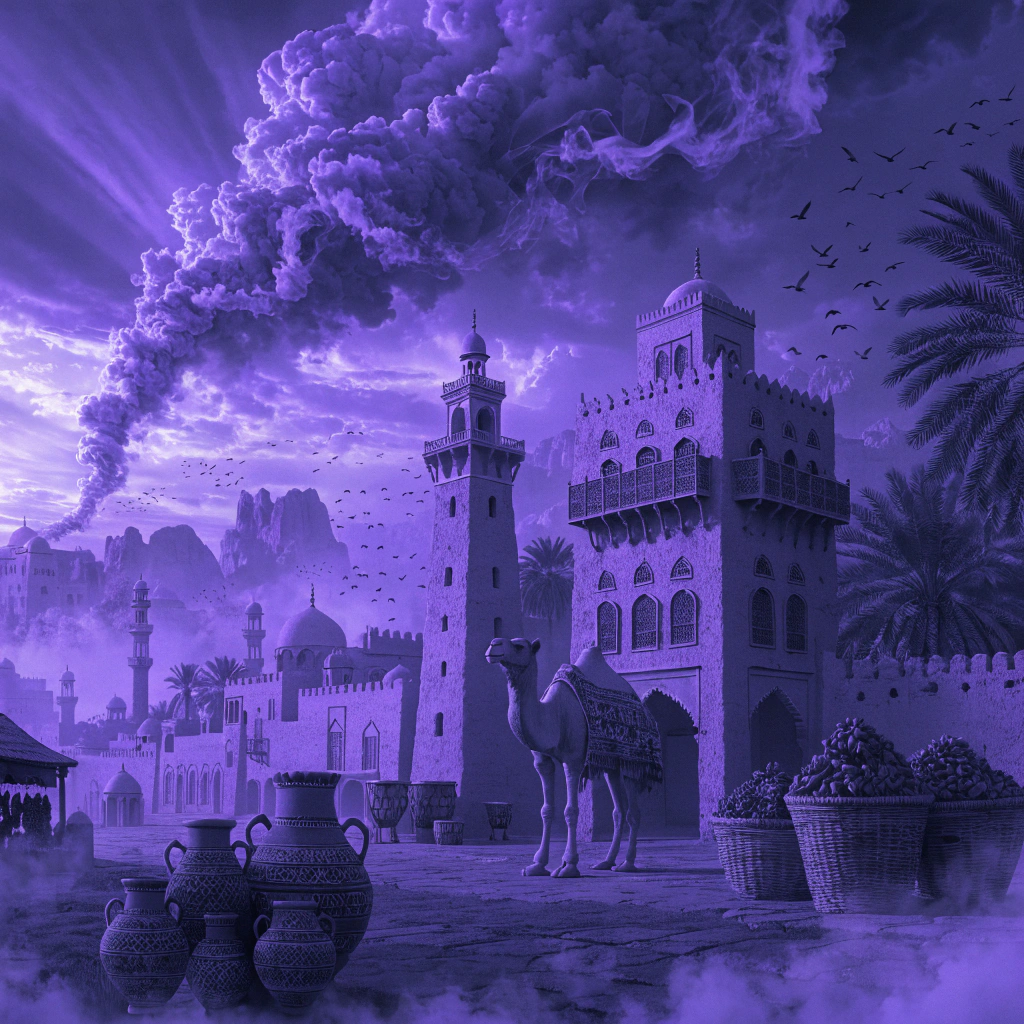
Jour de la Fondation saoudienne
22 févrierUne fête nationale célébrant l'établissement du premier État saoudien en 1727 à Diriyah.
Lire la suite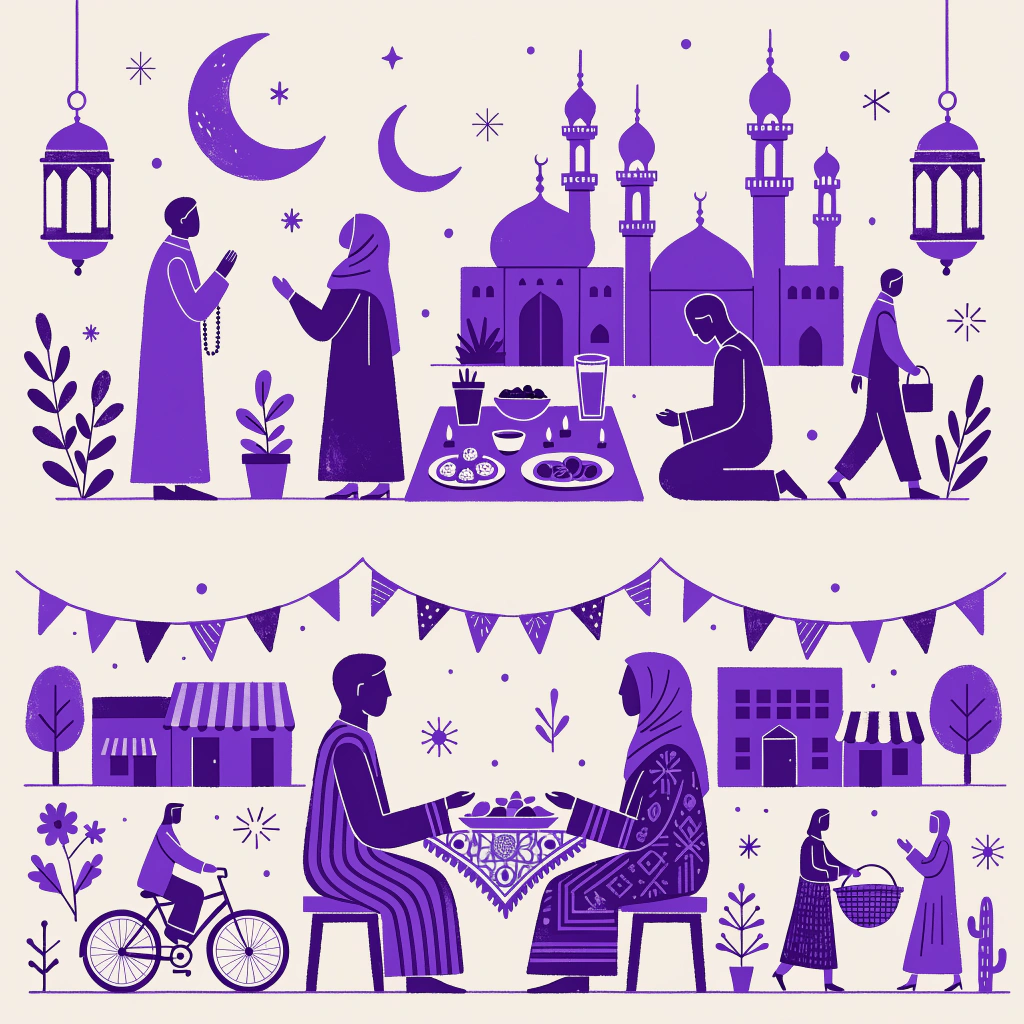
Le Ramadan et l'Aïd el-Fitr
Mars-Avril (Calendrier lunaire variable)Un mois sacré de réflexion spirituelle et de jeûne, suivi d'une joyeuse fête de trois jours pour rompre le jeûne.
Lire la suite
Hajj and Eid al-Adha
May-June (Variable Lunar Calendar)The peak of the Islamic pilgrimage to Mecca and the global 'Festival of Sacrifice'.
Lire la suite
Saudi National Day
September 23A day of immense national pride commemorating the unification of the Kingdom in 1932.
Lire la suite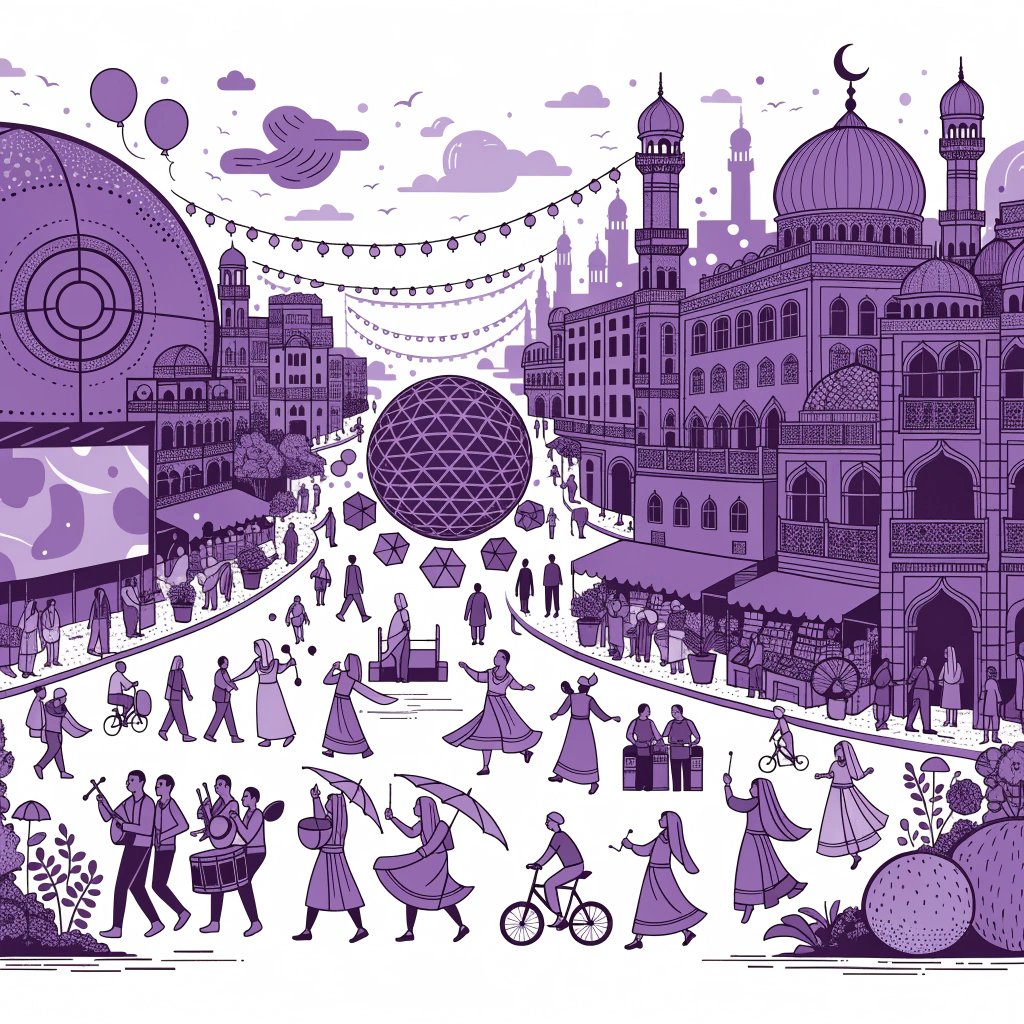
Riyadh Season
Octobre à MarsUn immense festival de divertissement qui s'étend sur toute la ville, avec des zones à thème, du sport international et des concerts.
Lire la suitePhrases de voyage
السلام عليكم
As-salamu alaykum
Peace be upon you (Greeting)
شكراً
Shukran
Thank you
مرحباً
Marhaban
Hello
كيف حالك؟
Kayf halak?
How are you?
من فضلك
Min fadlak
Please
المعذرة
Al-ma'zirah
Excuse me / Sorry
Mode de vie et coutumes
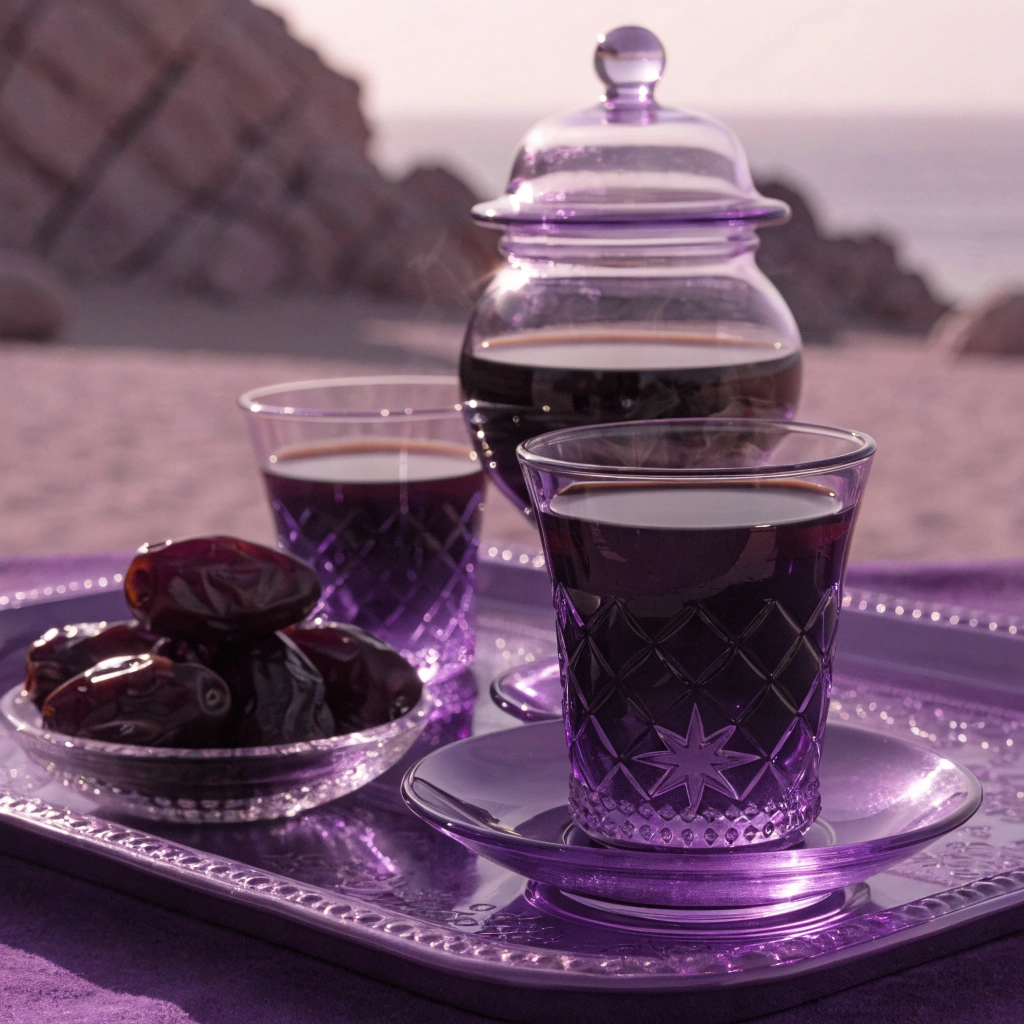
L'art de l'hospitalité saoudienne et la cérémonie de la Gahwa
Au cœur de l'identité saoudienne, le service traditionnel du café arabe et des dattes représente un engagement profond envers la générosité et l'accueil des invités.
Lire la suite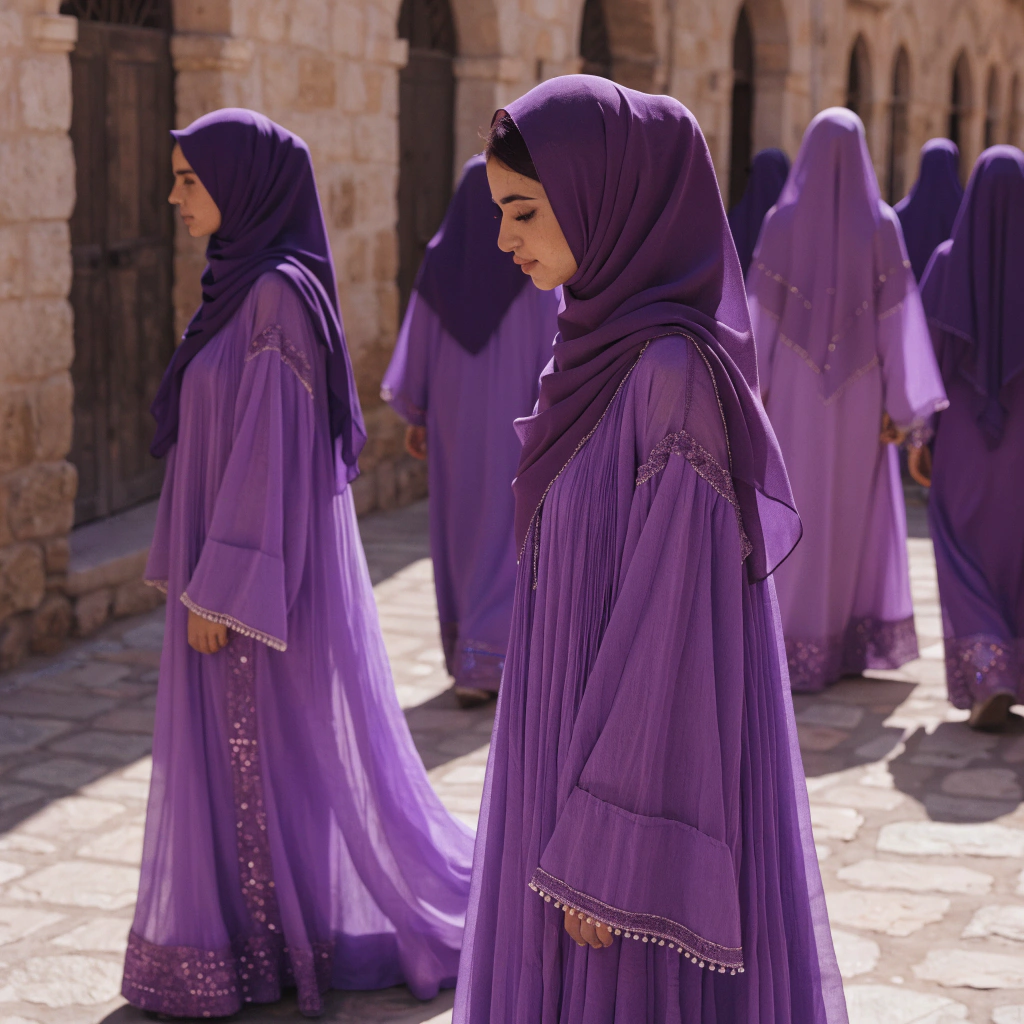
The Thobe and Abaya: Cultural Identity Through Dress
More than just garments, the traditional attire of Saudi Arabia reflects religious values, regional heritage, and a modern sense of national pride.
Lire la suite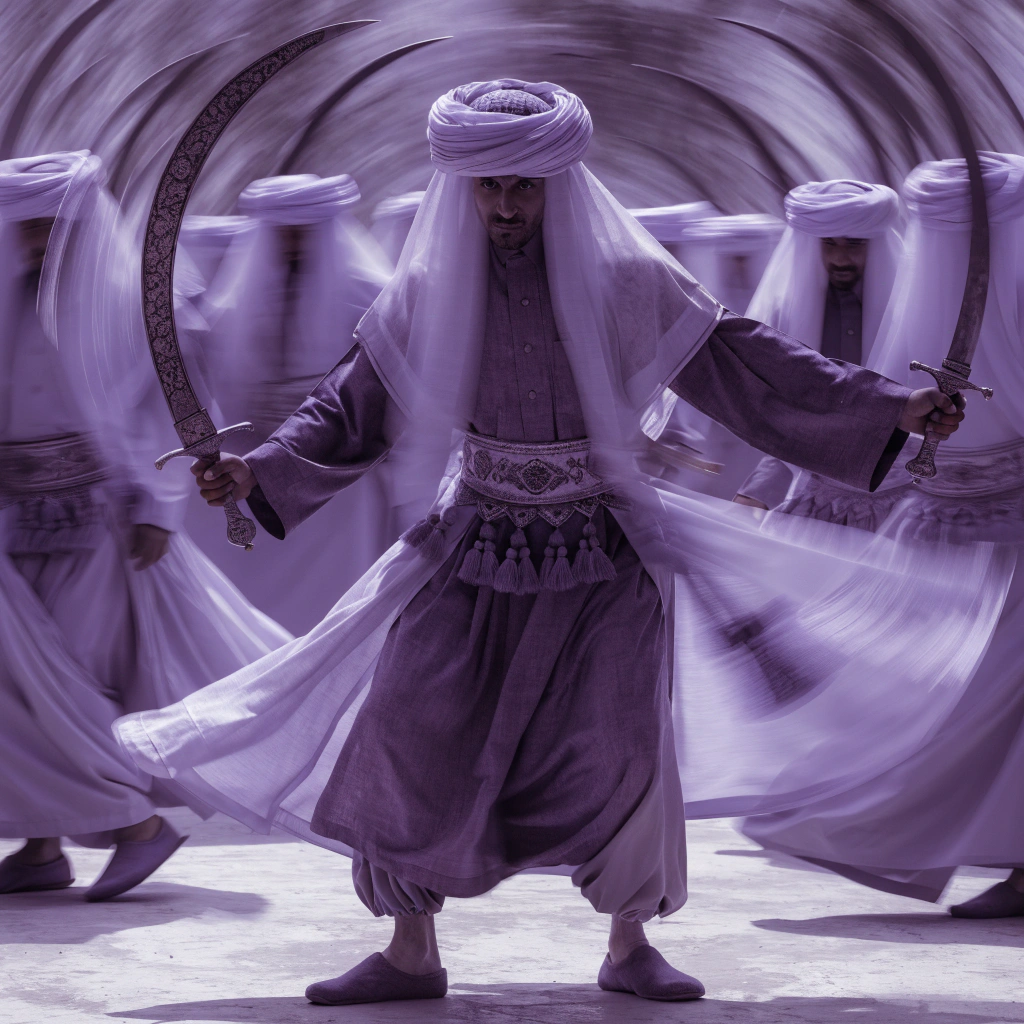
Al-Ardha Al-Najdiya: The Saudi Sword Dance
Once a display of martial strength before battle, this rhythmic sword dance has evolved into a celebratory performance marking national holidays and weddings.
Lire la suiteConseils d'étiquette
Dress modestly in public spaces, ensuring that shoulders and knees are covered at all times.
Wear tight-fitting, transparent, or revealing clothing, or garments displaying offensive images or slogans.
Use your right hand for eating, drinking, and shaking hands with others.
Hand items to people or eat with your left hand, as it is traditionally considered unclean.
Respect the local prayer times; be aware that many businesses and restaurants may close briefly during these periods.
Engage in public displays of affection (PDA), such as holding hands or kissing, as this is culturally inappropriate.
Ask for permission before taking photographs of Saudi citizens, particularly women and families.
Take photos of government buildings, military installations, or palaces, which can lead to legal complications.
Explorer plus de pays en Western Asia


Apprends Arabe pour te connecter à Arabie saoudite
Commence à apprendre Arabe avec des vidéos, des exercices et des outils IA sur SubLearn.
Commencer apprendre
