









lemonade در ۳۰ ثانیه
- Lemonade is a refreshing beverage primarily composed of lemon juice, water, and sugar, known for its balanced sweet and tart flavor profile.
- The term has regional variations: in North America, it's a still juice drink, while in the UK and Australia, it's often a clear carbonated soda.
- It is a cultural symbol of summer and childhood, famously associated with the 'lemonade stand' where children sell the drink to neighbors.
- Lemonade is versatile, appearing in various forms like pink lemonade, sparkling lemonade, or infused with herbs like mint and lavender.
Lemonade is a quintessential beverage that occupies a unique space in the global culinary landscape, representing the perfect intersection of sour, sweet, and refreshing elements. At its most fundamental level, lemonade is a mixture of lemon juice, water, and a sweetener, typically granulated sugar or honey. However, the simplicity of its ingredients belies the complexity of its cultural significance. In North America, lemonade is almost always a 'still' drink, meaning it is non-carbonated, served over ice, and often associated with the sweltering heat of summer afternoons. In contrast, in the United Kingdom, Australia, and parts of Europe, the term 'lemonade' frequently refers to a clear, carbonated lemon-flavored soda, similar to Sprite or 7-Up. Understanding this distinction is crucial for language learners to avoid confusion when ordering drinks in different geographical contexts.
- The Flavor Profile
- The primary appeal of lemonade lies in its acidity. The citric acid from the lemons provides a sharp, bright tang that stimulates the palate, while the sugar acts as a balancing agent to temper the sourness. This balance is highly subjective; some prefer a 'tart' lemonade with less sugar, while others enjoy a 'sweet' lemonade that tastes almost like candy.
Nothing beats a tall glass of ice-cold lemonade after a long day of gardening in the sun.
The use of lemonade extends beyond mere hydration. It is a symbol of hospitality and childhood innocence. The 'lemonade stand' is a classic trope in American culture, where children set up a small table on their sidewalk to sell the drink for a few cents. This practice is often seen as a child's first introduction to entrepreneurship and community interaction. Furthermore, lemonade has found its way into popular culture as a metaphor for resilience, most notably in the proverb 'When life gives you lemons, make lemonade,' suggesting that one should turn a negative situation into something positive and productive.
- Variations
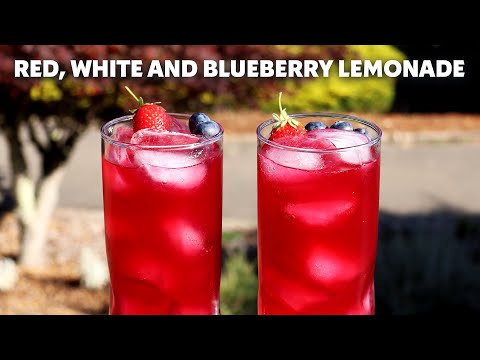
- Pink lemonade is a popular variation that is colored with red fruit juices like raspberry, strawberry, or cranberry, or sometimes simply with food coloring. Despite the color change, the flavor remains predominantly lemon-based, though it may have subtle fruity undertones.
The waiter brought us a pitcher of sparkling lemonade garnished with fresh mint leaves.
Historically, lemonade-like drinks date back centuries. Records from medieval Egypt describe a drink called 'qatarmizat,' made with lemon, sugar, and honey. This suggests that the human craving for this specific combination of flavors is nearly universal. Today, lemonade is served at every level of dining, from fast-food chains where it is dispensed from machines to high-end artisanal cafes where it is squeezed to order and infused with lavender, basil, or charcoal. It remains a staple of picnics, barbecues, and summer festivals, serving as the ultimate thirst-quencher.
We set up a small lemonade stand at the end of the driveway to raise money for the local animal shelter.
- Health Context
- While lemons are high in Vitamin C, commercial lemonade is often very high in sugar. Health-conscious consumers often opt for 'light' versions or make it at home to control the sweetener levels.
The tartness of the lemonade made my mouth water instantly.
She stirred the lemonade vigorously to ensure the sugar at the bottom was fully dissolved.
Using the word 'lemonade' in a sentence requires an understanding of its grammatical status as both an uncountable and a countable noun. Most commonly, it is treated as an uncountable (mass) noun when referring to the liquid in general. For example, you might say, 'There is some lemonade in the fridge.' However, in a restaurant or social setting, it becomes countable when referring to individual servings or types. In this context, 'a lemonade' means 'a glass or bottle of lemonade.' This flexibility is common with many beverage names in English, such as coffee, tea, and water.
- Adjective Pairings
- Lemonade is frequently modified by adjectives that describe its temperature, preparation, or flavor intensity. Common pairings include 'ice-cold,' 'freshly squeezed,' 'homemade,' 'store-bought,' 'bitter,' 'overly sweet,' and 'diluted.' These adjectives help provide a clearer picture of the quality and state of the drink.
The host offered us some lemonade as soon as we stepped onto the porch.
When constructing sentences, pay attention to the verbs associated with lemonade. You 'make' or 'prepare' lemonade; you 'pour' it into a glass; you 'sip' it slowly or 'gulp' it down if you are very thirsty. If the lemonade is too strong, you might 'water it down' or 'dilute' it. If it is too sour, you 'add more sugar.' These action verbs are essential for describing the process of consumption and preparation accurately. Furthermore, lemonade is often the subject of sentences describing its effect on the person drinking it, such as 'The lemonade quenched my thirst' or 'The lemonade refreshed the tired hikers.'
- Prepositional Phrases
- We often use 'with' to describe additions: 'lemonade with ice,' 'lemonade with a sprig of mint,' or 'lemonade with a splash of vodka' (for an adult version). We use 'from' to describe the source: 'lemonade from a carton' or 'lemonade from a powder mix.'
Could I please have a large lemonade with no ice?
In more complex sentence structures, 'lemonade' can appear in comparative and superlative forms when discussing preferences. 'This is the best lemonade I have ever tasted' or 'This lemonade is much more sour than the one we had yesterday.' It can also be used in conditional sentences: 'If we have enough lemons, we can make some lemonade for the party.' Using these varied structures demonstrates a higher level of English proficiency and allows for more nuanced communication about simple daily experiences.
She preferred her lemonade to be slightly tart rather than cloyingly sweet.
- Compound Sentences
- 'The sun was beating down, so we decided to stop at the roadside stand for some cold lemonade.' This shows cause and effect, a common way to use the word in narrative storytelling.
After the soccer match, the coach brought out a cooler full of lemonade for the thirsty players.
The children were proud of the money they earned from their lemonade venture.
The word 'lemonade' is ubiquitous in everyday English conversation, particularly during the warmer months. You will hear it in a variety of settings, ranging from domestic environments to commercial spaces and even in metaphorical contexts. In a household, a parent might ask a child, 'Would you like some lemonade with your lunch?' or a guest might be offered lemonade as a non-alcoholic alternative at a dinner party. It is a safe, family-friendly word that carries connotations of comfort and home.
- In Restaurants and Cafes
- When dining out, you will frequently see 'lemonade' listed under the 'Beverages' or 'Soft Drinks' section of the menu. Servers will often ask, 'Can I get you something to drink? We have water, iced tea, and lemonade.' In modern, trendy cafes, you might hear more specific variations like 'lavender-infused lemonade' or 'sparkling ginger lemonade,' reflecting the drink's evolution into a gourmet item.
'I'll have the turkey club sandwich and a large lemonade, please,' the customer said to the waitress.
In the world of advertising and marketing, 'lemonade' is used to evoke feelings of freshness and nostalgia. Commercials for soft drinks or summer clothing often feature imagery of condensation-covered glasses of lemonade to signal heat and the need for relief. You might also hear the word in the context of community events. Announcements at a school fair or a local park might include phrases like, 'Free lemonade will be served at the pavilion at noon.' It is a word that signals a social, shared experience.
- Metaphorical and Cultural Usage
- Perhaps the most famous modern cultural reference is Beyoncé's 2016 visual album titled 'Lemonade.' In this context, the word is used to discuss themes of betrayal, resilience, and the African American experience, drawing on the 'lemons to lemonade' proverb to describe turning pain into art and strength. This has given the word a deeper, more sophisticated resonance in contemporary English.
The speaker used the lemonade metaphor to explain how the company recovered from the financial crisis.
You will also encounter the word in literature and film, often to set a specific scene. A character drinking lemonade on a porch in a Southern Gothic novel immediately communicates something about the climate and the pace of life. In movies, a lemonade stand might be used as a plot device to show a character's resourcefulness or to provide a backdrop for a neighborhood interaction. Because it is such a common object, it serves as an effective 'prop' in storytelling to ground the narrative in reality.
The radio advertisement promised that their brand of lemonade tasted 'just like Grandma used to make.'
- In Grocery Stores
- You will hear shoppers asking, 'Where is the lemonade?' and staff responding, 'It's in the juice aisle, next to the orange juice,' or 'We have the frozen lemonade concentrate in the freezer section.'
During the festival, there was a long queue at the stall selling freshly squeezed lemonade.
The flight attendant asked if I wanted water, juice, or lemonade with my snack.
One of the most frequent mistakes learners make with the word 'lemonade' is failing to recognize the regional differences in its definition. As mentioned previously, the US and UK definitions are significantly different. A student from Europe visiting the United States might order a 'lemonade' expecting a fizzy, Sprite-like drink and be surprised to receive a cloudy, still, and very sweet beverage. Conversely, an American in London might be disappointed to get a clear soda when they were craving a fresh-squeezed juice drink. To avoid this, it is helpful to use descriptors like 'still,' 'cloudy,' 'fizzy,' or 'carbonated' when there is any doubt.
- Confusion with Lemon Juice
- Another common error is using 'lemonade' when 'lemon juice' is intended. Lemonade is a prepared beverage with sugar and water; lemon juice is the pure liquid squeezed from the fruit. If a recipe calls for 'the juice of one lemon,' you cannot substitute it with 'lemonade' because the added sugar and water will ruin the chemical balance of the dish.
Incorrect: I added some lemonade to the salad dressing. (Correct: I added some lemon juice to the salad dressing.)
Grammatically, learners sometimes struggle with the countability of the word. While 'lemonade' is a mass noun, you should not say 'many lemonades' unless you are referring to different *types* or *brands* of lemonade. If you want to talk about quantity, use 'much lemonade' or 'a lot of lemonade.' If you are referring to individual glasses, say 'three glasses of lemonade' or, in an informal setting, 'three lemonades.' Misusing 'much' and 'many' is a common pitfall for A2-B1 level learners.
- Spelling and Pronunciation
- Learners sometimes misspell the word as 'lemonad' or 'lemonaid.' The suffix '-ade' is common in English for fruit-based drinks (like limeade or orangeade). In terms of pronunciation, the stress is on the last syllable: lem-on-ADE. Placing the stress on the first syllable is a common error that can make the word sound slightly 'off' to native speakers.
Incorrect: We drank lemonade juices at the park. (Correct: We drank lemonade at the park.)
Finally, there is the confusion with 'citronnade' (in French) or similar words in other languages. While they sound similar, the preparation methods and expectations can vary. For instance, in some cultures, a 'lemonade' might be served hot as a remedy for a sore throat, but in the English-speaking world, this is usually called 'hot lemon and honey' or 'hot lemon water.' Calling it 'hot lemonade' might sound strange to a native speaker because lemonade is so strongly associated with being a cold, refreshing summer drink.
Incorrect: The lemonade was very hot and helped my cold. (Better: The hot lemon water helped my cold.)
- Adjective Misuse
- Avoid saying 'a lemonaded drink.' The word itself is the noun. If you want to describe something flavored like lemonade, use 'lemonade-flavored.'
I bought some lemonade-flavored candy for the kids.
The recipe was so simple that even a child could make the lemonade.
While 'lemonade' is a specific drink, there are several related terms that are useful to know to expand your vocabulary and provide more precise descriptions. The most direct relative is 'limeade,' which is made using the same process but substituting limes for lemons. Limeade tends to have a slightly more floral and bitter profile compared to the bright acidity of lemonade. Another similar term is 'orangeade,' though this is much less common in modern English and often refers to a carbonated orange drink.
- Lemonade vs. Citronnade
- In many Mediterranean and European cultures, 'citronnade' is the term used. While it translates to lemonade, it often implies a more artisanal preparation, sometimes involving the zest of the lemon or even the whole fruit blended and strained, resulting in a more intense, slightly bitter flavor profile than standard American lemonade.
Instead of lemonade, the cafe served a refreshing limeade with fresh mint.
If you are looking for a more general term for a sweet, non-alcoholic drink, 'soft drink' or 'soda' are the most common alternatives. However, these are broad categories. If you want to specify a fruit-based drink that isn't quite as sweet as lemonade, you might use 'fruit juice' or 'fruit punch.' In the UK, 'squash' or 'cordial' refers to a concentrated fruit syrup that you dilute with water; 'lemon squash' is a very close relative to still lemonade but is made from a store-bought concentrate rather than fresh lemons.
- Sparkling vs. Still
- When you want to be precise about the texture of the drink, use 'sparkling lemonade' for the carbonated version and 'still lemonade' for the non-carbonated version. This is the most effective way to ensure you get exactly what you want, regardless of which country you are in.
The artisanal lemonade was infused with elderflower for a sophisticated twist.
In terms of metaphors, 'lemonade' is often contrasted with 'lemons.' If 'lemons' represent problems or sour experiences, 'lemonade' represents the solution or the positive outcome. Alternatives in this metaphorical sense might include 'making the best of a bad situation' or 'finding the silver lining.' While these don't use the word 'lemonade,' they convey the same spirit of resilience and optimism that the 'lemons to lemonade' proverb encapsulates.
He didn't just want a soda; he wanted a real, homemade lemonade.
- Healthy Alternatives
- For those avoiding sugar, 'lemon water' (water with a slice of lemon) is the standard alternative. It provides the lemon flavor without the sweetness or calories of lemonade.
The kids preferred the pink lemonade because of its bright, fun color.
The pitcher of lemonade was sweating in the afternoon heat.
چقدر رسمی است؟
نکته جالب
The earliest written evidence of lemonade comes from Egypt in the 12th century, where a drink called 'qatarmizat' was sold.
راهنمای تلفظ
- Stressing the first syllable: LEM-on-ade.
- Pronouncing the 'o' clearly like 'oh' instead of a schwa.
- Dropping the 'd' at the end.
- Confusing the spelling with 'lemonaid'.
- Saying 'lemon-ah-de' (adding an extra vowel at the end).
سطح دشواری
Very easy to recognize in text.
Easy to spell, but remember the '-ade' ending.
Watch the stress on the last syllable.
Clear pronunciation makes it easy to hear.
بعداً چه یاد بگیریم؟
پیشنیازها
بعداً یاد بگیرید
پیشرفته
گرامر لازم
Mass nouns vs. Countable nouns
I want some lemonade (mass) vs. I want a lemonade (countable serving).
Compound nouns
Lemonade stand (Noun + Noun).
Adjective order
A cold, fresh, yellow lemonade.
Result clauses
The lemonade was so cold that my teeth hurt.
Comparatives
This lemonade is sweeter than that one.
مثالها بر اساس سطح
I like cold lemonade.
Me gusta la limonada fría.
Simple subject-verb-object structure.
Is this lemonade sweet?
¿Es dulce esta limonada?
Simple question with 'to be'.
She drinks lemonade in summer.
Ella bebe limonada en verano.
Present simple for habits.
Please give me some lemonade.
Por favor, dame un poco de limonada.
Imperative for requests.
The lemonade is yellow.
La limonada es amarilla.
Basic adjective use.
I want a lemonade, please.
Quiero una limonada, por favor.
Using 'a' for a single serving.
We have lemonade and water.
Tenemos limonada y agua.
Using 'and' to connect nouns.
This is my lemonade.
Esta es mi limonada.
Possessive adjective 'my'.
Can we make lemonade today?
¿Podemos hacer limonada hoy?
Modal verb 'can' for possibility.
He bought a lemonade at the park.
Él compró una limonada en el parque.
Past simple tense.
The lemonade is colder than the tea.
La limonada está más fría que el té.
Comparative adjective 'colder than'.
I don't like lemonade with too much sugar.
No me gusta la limonada con demasiado azúcar.
Negative preference with 'too much'.
They are selling lemonade for fifty cents.
Están vendiendo limonada por cincuenta centavos.
Present continuous for current actions.
You need three lemons to make this lemonade.
Necesitas tres limones para hacer esta limonada.
Quantifiers with nouns.
Is there any lemonade left in the pitcher?
¿Queda algo de limonada en la jarra?
Using 'any' in questions about quantity.
My mom makes the best lemonade in the world.
Mi mamá hace la mejor limonada del mundo.
Superlative adjective 'the best'.
I prefer homemade lemonade to the kind you buy in stores.
Prefiero la limonada casera a la que se compra en las tiendas.
Expressing preference with 'prefer... to...'.
If it stays this hot, we'll run out of lemonade quickly.
Si sigue haciendo este calor, se nos acabará la limonada pronto.
First conditional structure.
She added a few mint leaves to the lemonade for extra flavor.
Ella añadió unas hojas de menta a la limonada para darle más sabor.
Using 'for' to express purpose.
The lemonade was so sour that it made my eyes water.
La limonada estaba tan agria que me hizo llorar los ojos.
Result clause with 'so... that...'.
I remember making lemonade with my grandfather every summer.
Recuerdo hacer limonada con mi abuelo todos los veranos.
Gerund after the verb 'remember'.
Could you tell me how much sugar is in this lemonade?
¿Podrías decirme cuánto azúcar hay en esta limonada?
Indirect question for politeness.
The lemonade stand was a great way for the kids to learn about money.
El puesto de limonada fue una excelente manera para que los niños aprendieran sobre el dinero.
Infinitive phrase as a complement.
While I was walking home, I saw a group of kids selling lemonade.
Mientras caminaba a casa, vi a un grupo de niños vendiendo limonada.
Past continuous and past simple in one sentence.
The recipe for this lemonade has been passed down through generations.
La receta de esta limonada ha sido transmitida de generación en generación.
Present perfect passive voice.
Despite the rain, the children refused to close their lemonade stand.
A pesar de la lluvia, los niños se negaron a cerrar su puesto de limonada.
Using 'despite' to show contrast.
The acidity of the lemonade perfectly balances the sweetness of the cake.
La acidez de la limonada equilibra perfectamente el dulzor del pastel.
Subject-verb agreement with abstract nouns.
I've always admired her ability to make lemonade out of lemons.
Siempre he admirado su capacidad para sacar lo mejor de las situaciones difíciles.
Metaphorical use of the word.
The sparkling lemonade served at the wedding was infused with elderflower.
La limonada con gas que se sirvió en la boda estaba infusionada con flor de saúco.
Past participle used as an adjective.
We should consider offering lemonade as a non-alcoholic option for the guests.
Deberíamos considerar ofrecer limonada como una opción sin alcohol para los invitados.
Gerund after the verb 'consider'.
The lemonade's popularity peaked during the record-breaking heatwave.
La popularidad de la limonada alcanzó su punto máximo durante la ola de calor sin precedentes.
Possessive form of the noun.
He spent the entire afternoon squeezing lemons for the fresh lemonade.
Pasó toda la tarde exprimiendo limones para la limonada fresca.
Spending time doing an activity (verb + -ing).
The documentary explores the cultural significance of the lemonade stand in American suburban life.
El documental explora la importancia cultural del puesto de limonada en la vida suburbana estadounidense.
Academic register and complex noun phrases.
Her latest essay uses lemonade as a metaphor for the bittersweet nature of childhood memories.
Su último ensayo utiliza la limonada como metáfora de la naturaleza agridulce de los recuerdos de la infancia.
Metaphorical and abstract usage.
The lemonade was ostensibly fresh, though it had a suspiciously metallic aftertaste.
La limonada era aparentemente fresca, aunque tenía un regusto metálico sospechoso.
Use of 'ostensibly' and complex descriptors.
By the time the guests arrived, the lemonade had already been diluted by the melting ice.
Para cuando llegaron los invitados, la limonada ya se había diluido por el hielo derretido.
Past perfect passive with 'by the time'.
The artisanal lemonade market has seen a surge in demand for botanical infusions.
El mercado de la limonada artesanal ha visto un aumento en la demanda de infusiones botánicas.
Business/economic register.
Rarely have I tasted a lemonade so perfectly balanced between tartness and sugar.
Rara vez he probado una limonada tan perfectamente equilibrada entre la acidez y el azúcar.
Inversion for emphasis ('Rarely have I...').
The lemonade served in the UK is fundamentally different from its American counterpart.
La limonada que se sirve en el Reino Unido es fundamentalmente diferente de su contraparte estadounidense.
Using 'fundamentally' to qualify a difference.
The subtle notes of lavender in the lemonade provided an unexpected floral dimension.
Las sutiles notas de lavanda en la limonada proporcionaron una dimensión floral inesperada.
Descriptive language and complex subjects.
The protagonist's penchant for lemonade serves as a recurring motif throughout the novel, symbolizing his yearning for a simpler past.
La inclinación del protagonista por la limonada sirve como un motivo recurrente a lo largo de la novela, simbolizando su anhelo por un pasado más simple.
Literary analysis register.
To dismiss the lemonade stand as mere child's play is to overlook its role in fostering early civic engagement.
Descartar el puesto de limonada como un simple juego de niños es pasar por alto su papel en el fomento del compromiso cívico temprano.
Complex infinitive structures and philosophical tone.
The beverage's nomenclature—'lemonade'—belies the sheer variety of regional preparations found across the globe.
La nomenclatura de la bebida—'limonada'—desmiente la gran variedad de preparaciones regionales que se encuentran en todo el mundo.
Advanced vocabulary ('nomenclature', 'belies').
In the sweltering heat of the delta, the lemonade acted as a vital, albeit temporary, reprieve from the oppressive humidity.
En el calor sofocante del delta, la limonada actuó como un indulto vital, aunque temporal, de la humedad opresiva.
Use of 'albeit' and evocative adjectives.
The company's rebranding strategy was akin to adding sugar to bitter lemonade; it masked the underlying issues without resolving them.
La estrategia de cambio de marca de la empresa fue similar a añadir azúcar a la limonada amarga; enmascaró los problemas subyacentes sin resolverlos.
Complex analogy and semicolon usage.
The effervescence of the British lemonade provided a sharp contrast to the syrupy consistency of the local fruit nectar.
La efervescencia de la limonada británica proporcionó un marcado contraste con la consistencia almibarada del néctar de fruta local.
Highly descriptive and technical vocabulary.
One might argue that the lemonade stand is the ultimate manifestation of the entrepreneurial spirit in its most embryonic form.
Se podría argumentar que el puesto de limonada es la manifestación definitiva del espíritu emprendedor en su forma más embrionaria.
Hypothetical 'one might argue' and advanced adjectives.
The lemonade's translucent yellow hue was captured beautifully in the artist's still-life painting.
El tono amarillo translúcido de la limonada fue capturado maravillosamente en la pintura de naturaleza muerta del artista.
Artistic/descriptive register.
ترکیبهای رایج
عبارات رایج
— The non-carbonated, traditional version (UK usage).
I'd like a cloudy lemonade, please.
— Lemonade made with artificial sweeteners instead of sugar.
Is there any diet lemonade available?
— A slushy-like version of the drink.
The amusement park sells delicious frozen lemonade.
— Lemonade made from scratch with real lemons.
This restaurant is famous for its fresh lemonade.
— Lemonade flavored with strawberries.
Strawberry lemonade is my favorite summer treat.
اغلب اشتباه گرفته میشود با
Lemonade is a drink; lemon juice is the pure liquid from the fruit.
In the US, these are different; in the UK, they are often the same.
Made with limes instead of lemons.
اصطلاحات و عبارات
— Turn a negative or difficult situation into a positive one.
After losing his job, he started his own business; he really made lemonade out of lemons.
Common— A small amount of money, often earned by children.
He's just earning some lemonade money by mowing lawns.
Informal— To be feeling lightheaded or confused (rare/slang).
After that long exam, I have a total lemonade brain.
Slang— A mythical or ideal place of abundance (from folk songs).
In the Big Rock Candy Mountain, there are lemonade springs.
Literary— Very calm and relaxed (variation of 'cool as a cucumber').
Even under pressure, she stayed as cool as a glass of lemonade.
Informal— To be in a sweet or easy situation (very rare).
Now that he's retired, he's really in the lemonade.
Obscure— A controversial detox diet involving lemon juice and cayenne pepper.
She tried the lemonade diet for a week but felt terrible.
Informal— Unrealistically optimistic or sugary thoughts.
We need realistic solutions, not just pink lemonade thinking.
Informal— To get the most out of a situation.
We only have one day in Paris, so let's squeeze the lemonade.
Informalبهراحتی اشتباه گرفته میشود
Both relate to the same fruit.
Lemon is the fruit; lemonade is the beverage made from it.
I bought a lemon to make lemonade.
Sounds like the French word for lemon.
A citron is a specific, large citrus fruit with a thick rind, different from a standard lemon.
The citron is less juicy than a lemon.
Both are fruit drinks.
Squash is a concentrate you dilute; lemonade is the finished drink.
Would you like some lemon squash?
Both are soft drinks.
Soda is always carbonated; lemonade can be still or sparkling.
I want a lemonade, not a soda.
Both are fruit-based liquids.
Juice is 100% fruit liquid; lemonade is diluted and sweetened.
Orange juice is pure, but lemonade has water and sugar.
الگوهای جملهسازی
I like [noun].
I like lemonade.
Can I have [noun]?
Can I have a lemonade?
I prefer [noun] to [noun].
I prefer lemonade to soda.
If it is [adjective], I will [verb].
If it is hot, I will make lemonade.
[Noun] is used for [verb-ing].
Lemonade is used for refreshing guests.
Despite [noun], [clause].
Despite the sourness, the lemonade was delicious.
The [noun] provided a [adjective] [noun].
The lemonade provided a refreshing relief.
To [verb] [noun] is to [verb].
To drink lemonade is to taste summer.
خانواده کلمه
اسمها
فعلها
صفتها
مرتبط
نحوه استفاده
Very high in summer, moderate in winter.
-
I want a lemon juice.
→
I want a lemonade.
Lemon juice is just the sour liquid; lemonade is the sweet drink you actually want to consume.
-
The lemonade is very hot.
→
The lemonade is very cold.
Lemonade is almost always served cold. If it's hot, it's usually called 'hot lemon water'.
-
I made many lemonades.
→
I made a lot of lemonade.
Use 'a lot of' or 'much' for the liquid. Use 'lemonades' only for different types or individual glasses.
-
When life gives you lemons, make a lemon juice.
→
When life gives you lemons, make lemonade.
The idiom specifically uses the word 'lemonade' to represent a positive outcome.
-
I love the lemonaded flavor.
→
I love the lemonade flavor.
Use 'lemonade' as a noun or 'lemonade-flavored' as an adjective. 'Lemonaded' is not a word.
نکات
Countability
Use 'some lemonade' for the liquid and 'a lemonade' when ordering a single glass at a cafe.
Regional Differences
Always check if 'lemonade' is fizzy or still when you are in a new country to avoid surprises.
Descriptive Adjectives
Use words like 'tart,' 'tangy,' or 'refreshing' to describe the taste of your lemonade more accurately.
Offering Drinks
Lemonade is a perfect non-alcoholic option to offer guests at a summer party or barbecue.
Lemons to Lemonade
Use this idiom to talk about staying positive and finding solutions during difficult times.
Stress the End
Remember to put the emphasis on the last part of the word: lem-on-ADE.
The '-ade' Suffix
The suffix '-ade' means a drink made from fruit. Think of lemonade, limeade, and orangeade.
Simple Recipe
The basic ratio for lemonade is 1 part lemon juice, 1 part sugar, and 6 parts water. Adjust to your taste!
Ancient Roots
Lemonade is one of the oldest prepared drinks in the world, with roots going back to medieval Egypt.
Watch the Sugar
Homemade lemonade is great because you can control how much sugar you add, making it a bit healthier.
حفظ کنید
روش یادسپاری
Think of 'Lemon' + 'Aid'. When you are hot and thirsty, a lemon gives you 'aid' (help) to feel better.
تداعی تصویری
Imagine a bright yellow pitcher with condensation on the outside and a green mint leaf floating on top.
شبکه واژگان
چالش
Try to describe the taste of lemonade to someone who has never had it using five different adjectives.
ریشه کلمه
The word 'lemonade' comes from the French word 'limonade,' which in turn comes from 'limon' (lemon). The suffix '-ade' indicates a drink made from a specific fruit.
معنای اصلی: A drink made of lemon juice, water, and sugar.
Romance (via French)بافت فرهنگی
No specific sensitivities, but be aware of sugar content when discussing health.
In the US, it's usually still; in the UK, it's usually fizzy.
تمرین در زندگی واقعی
موقعیتهای واقعی
At a restaurant
- I'll have a lemonade.
- Is the lemonade fresh?
- Can I get a refill?
- No ice, please.
At home
- Let's make lemonade.
- Where are the lemons?
- Is there enough sugar?
- Put it in the fridge.
At a party
- Would you like some lemonade?
- Is this pink lemonade?
- This is very refreshing.
- Who made the lemonade?
At a lemonade stand
- How much is a glass?
- I'll take two, please.
- Keep the change.
- Great lemonade!
Discussing health
- Too much sugar in lemonade.
- I prefer lemon water.
- Is it diet lemonade?
- Fresh juice is better.
شروعکنندههای مکالمه
"Do you prefer your lemonade sweet or tart?"
"Have you ever tried making homemade lemonade from scratch?"
"What's your favorite thing to drink on a really hot summer day?"
"Did you ever have a lemonade stand when you were a child?"
"Do you like pink lemonade more than the regular yellow kind?"
موضوعات نگارش
Describe the perfect glass of lemonade. What does it look like, smell like, and taste like?
Write about a time you felt very refreshed. What were you doing and what were you drinking?
Explain the proverb 'When life gives you lemons, make lemonade' in your own words.
If you had a lemonade stand today, what special ingredients would you add to your recipe?
Compare the drinks people enjoy in your country during the summer to lemonade.
سوالات متداول
10 سوالUsually, yes, because lemons are yellow. However, pink lemonade is also very common and is made by adding red fruit juices or food coloring.
In the US, lemonade is 'still' (no bubbles) and made of lemon juice, sugar, and water. In the UK, 'lemonade' usually refers to a clear, carbonated lemon soda like Sprite.
Yes, you can use honey, agave, or artificial sweeteners, but it is still called lemonade. If you use no sweetener at all, it is usually called 'lemon water'.
It is called pink lemonade because of its color. It was originally colored with fruit like raspberries, but today it is often just food coloring.
Lemons have Vitamin C, but most lemonade has a lot of sugar, so it should be enjoyed in moderation as part of a balanced diet.
An Arnold Palmer is a popular drink in the US that is half lemonade and half iced tea. It is named after a famous professional golfer.
The plural is 'lemonades.' You use it when talking about different types or multiple individual servings.
It comes from the French word 'limonade,' which was first used in the 1600s to describe the drink.
While rare, some people drink hot lemon and honey for a sore throat, but this is usually not called 'lemonade' in English; it's just 'hot lemon'.
It is a small, temporary business run by children, usually in front of their house, where they sell lemonade to people passing by.
خودت رو بسنج 200 سوال
Write a sentence using the word 'lemonade' and 'summer'.
خوب نوشتید! تلاش خوبی بود! پاسخ نمونه را ببینید.
Describe how to make a simple glass of lemonade.
خوب نوشتید! تلاش خوبی بود! پاسخ نمونه را ببینید.
Write a short story about a child's first lemonade stand.
خوب نوشتید! تلاش خوبی بود! پاسخ نمونه را ببینید.
Compare store-bought lemonade with homemade lemonade.
خوب نوشتید! تلاش خوبی بود! پاسخ نمونه را ببینید.
Explain the meaning of the proverb 'When life gives you lemons, make lemonade'.
خوب نوشتید! تلاش خوبی بود! پاسخ نمونه را ببینید.
Write a dialogue between a customer and a waiter ordering a lemonade.
خوب نوشتید! تلاش خوبی بود! پاسخ نمونه را ببینید.
Describe the taste and feeling of drinking ice-cold lemonade on a hot day.
خوب نوشتید! تلاش خوبی بود! پاسخ نمونه را ببینید.
Write an advertisement for a new brand of organic lemonade.
خوب نوشتید! تلاش خوبی بود! پاسخ نمونه را ببینید.
Discuss the regional differences between US and UK lemonade.
خوب نوشتید! تلاش خوبی بود! پاسخ نمونه را ببینید.
Write a poem about a pitcher of lemonade.
خوب نوشتید! تلاش خوبی بود! پاسخ نمونه را ببینید.
How would you improve a standard lemonade recipe?
خوب نوشتید! تلاش خوبی بود! پاسخ نمونه را ببینید.
Write a complaint letter to a company whose lemonade was too sour.
خوب نوشتید! تلاش خوبی بود! پاسخ نمونه را ببینید.
Describe a memory you have that involves lemonade.
خوب نوشتید! تلاش خوبی بود! پاسخ نمونه را ببینید.
Explain why lemonade is a popular drink for children.
خوب نوشتید! تلاش خوبی بود! پاسخ نمونه را ببینید.
Write a recipe for 'Lavender Lemonade'.
خوب نوشتید! تلاش خوبی بود! پاسخ نمونه را ببینید.
Discuss the health benefits and drawbacks of drinking lemonade.
خوب نوشتید! تلاش خوبی بود! پاسخ نمونه را ببینید.
Write a scene for a movie where two characters meet at a lemonade stand.
خوب نوشتید! تلاش خوبی بود! پاسخ نمونه را ببینید.
What does the color of pink lemonade suggest to the consumer?
خوب نوشتید! تلاش خوبی بود! پاسخ نمونه را ببینید.
Write a social media post promoting a lemonade sale.
خوب نوشتید! تلاش خوبی بود! پاسخ نمونه را ببینید.
Describe the sound and sight of a sparkling lemonade being poured.
خوب نوشتید! تلاش خوبی بود! پاسخ نمونه را ببینید.
Pronounce the word 'lemonade' clearly.
این را بلند بخوانید:
تو گفتی:
تشخیص گفتار در مرورگر شما پشتیبانی نمیشود. از کروم یا اج استفاده کنید.
Tell me about your favorite summer drink.
این را بلند بخوانید:
تو گفتی:
تشخیص گفتار در مرورگر شما پشتیبانی نمیشود. از کروم یا اج استفاده کنید.
How do you make lemonade? Explain the steps.
این را بلند بخوانید:
تو گفتی:
تشخیص گفتار در مرورگر شما پشتیبانی نمیشود. از کروم یا اج استفاده کنید.
What do you think about the 'lemonade stand' tradition?
این را بلند بخوانید:
تو گفتی:
تشخیص گفتار در مرورگر شما پشتیبانی نمیشود. از کروم یا اج استفاده کنید.
Explain the 'lemons to lemonade' idiom to a friend.
این را بلند بخوانید:
تو گفتی:
تشخیص گفتار در مرورگر شما پشتیبانی نمیشود. از کروم یا اج استفاده کنید.
Order a lemonade in a restaurant setting.
این را بلند بخوانید:
تو گفتی:
تشخیص گفتار در مرورگر شما پشتیبانی نمیشود. از کروم یا اج استفاده کنید.
Describe the difference between US and UK lemonade.
این را بلند بخوانید:
تو گفتی:
تشخیص گفتار در مرورگر شما پشتیبانی نمیشود. از کروم یا اج استفاده کنید.
What are the pros and cons of drinking lemonade?
این را بلند بخوانید:
تو گفتی:
تشخیص گفتار در مرورگر شما پشتیبانی نمیشود. از کروم یا اج استفاده کنید.
Talk about a time you were very thirsty.
این را بلند بخوانید:
تو گفتی:
تشخیص گفتار در مرورگر شما پشتیبانی نمیشود. از کروم یا اج استفاده کنید.
If you had a lemonade stand, what would you name it?
این را بلند بخوانید:
تو گفتی:
تشخیص گفتار در مرورگر شما پشتیبانی نمیشود. از کروم یا اج استفاده کنید.
Describe the taste of a very sour lemonade.
این را بلند بخوانید:
تو گفتی:
تشخیص گفتار در مرورگر شما پشتیبانی نمیشود. از کروم یا اج استفاده کنید.
Do you prefer still or sparkling lemonade? Why?
این را بلند بخوانید:
تو گفتی:
تشخیص گفتار در مرورگر شما پشتیبانی نمیشود. از کروم یا اج استفاده کنید.
What other fruits would you mix with lemonade?
این را بلند بخوانید:
تو گفتی:
تشخیص گفتار در مرورگر شما پشتیبانی نمیشود. از کروم یا اج استفاده کنید.
Is lemonade popular in your country?
این را بلند بخوانید:
تو گفتی:
تشخیص گفتار در مرورگر شما پشتیبانی نمیشود. از کروم یا اج استفاده کنید.
Why do you think lemonade is a symbol of childhood?
این را بلند بخوانید:
تو گفتی:
تشخیص گفتار در مرورگر شما پشتیبانی نمیشود. از کروم یا اج استفاده کنید.
Describe a pitcher of lemonade using three adjectives.
این را بلند بخوانید:
تو گفتی:
تشخیص گفتار در مرورگر شما پشتیبانی نمیشود. از کروم یا اج استفاده کنید.
What is the best thing to eat with lemonade?
این را بلند بخوانید:
تو گفتی:
تشخیص گفتار در مرورگر شما پشتیبانی نمیشود. از کروم یا اج استفاده کنید.
How much would you pay for a glass of fresh lemonade?
این را بلند بخوانید:
تو گفتی:
تشخیص گفتار در مرورگر شما پشتیبانی نمیشود. از کروم یا اج استفاده کنید.
Do you like pink lemonade? Why or why not?
این را بلند بخوانید:
تو گفتی:
تشخیص گفتار در مرورگر شما پشتیبانی نمیشود. از کروم یا اج استفاده کنید.
Tell a story about a hot day and a cold drink.
این را بلند بخوانید:
تو گفتی:
تشخیص گفتار در مرورگر شما پشتیبانی نمیشود. از کروم یا اج استفاده کنید.
Listen and identify: 'I'd like a large lemonade with extra ice.' What did the person order?
Listen and identify: 'The kids are making a lot of noise at their lemonade stand.' Where are the kids?
Listen and identify: 'This lemonade is way too sweet for me.' What is the problem with the drink?
Listen and identify: 'We ran out of lemons, so we can't make any more lemonade.' Why can't they make more?
Listen and identify: 'I prefer the fizzy lemonade they have in England.' What kind of lemonade does the speaker like?
Listen and identify: 'Would you like a sprig of mint in your lemonade?' What is being offered as a garnish?
Listen and identify: 'The lemonade stand raised fifty dollars for charity.' How much money was raised?
Listen and identify: 'Freshly squeezed lemonade is the best part of summer.' What is the speaker's opinion?
Listen and identify: 'I'll have an Arnold Palmer, please.' What two drinks are mixed together?
Listen and identify: 'The lemonade was so sour it made me pucker.' How did the speaker react?
Listen and identify: 'Is there any sugar-free lemonade available?' What kind of lemonade is requested?
Listen and identify: 'We used a whole bag of sugar for this pitcher of lemonade.' How much sugar was used?
Listen and identify: 'The pink lemonade was a big hit at the party.' Was the pink lemonade popular?
Listen and identify: 'I'm going to dilute this lemonade with some more water.' What is the person going to do?
Listen and identify: 'Nothing is more refreshing than ice-cold lemonade.' What is the speaker describing?
/ 200 درست
نمره کامل!
Summary
Lemonade is a fundamental English vocabulary word (CEFR A2) representing a lemon-based drink. It is essential for daily life, dining out, and understanding common cultural metaphors like 'making lemonade out of lemons.' Example: 'She sipped her cold lemonade while sitting in the sun.'
- Lemonade is a refreshing beverage primarily composed of lemon juice, water, and sugar, known for its balanced sweet and tart flavor profile.
- The term has regional variations: in North America, it's a still juice drink, while in the UK and Australia, it's often a clear carbonated soda.
- It is a cultural symbol of summer and childhood, famously associated with the 'lemonade stand' where children sell the drink to neighbors.
- Lemonade is versatile, appearing in various forms like pink lemonade, sparkling lemonade, or infused with herbs like mint and lavender.
Countability
Use 'some lemonade' for the liquid and 'a lemonade' when ordering a single glass at a cafe.
Regional Differences
Always check if 'lemonade' is fizzy or still when you are in a new country to avoid surprises.
Descriptive Adjectives
Use words like 'tart,' 'tangy,' or 'refreshing' to describe the taste of your lemonade more accurately.
Offering Drinks
Lemonade is a perfect non-alcoholic option to offer guests at a summer party or barbecue.
مثال
We sat on the porch drinking cold lemonade all afternoon.
محتوای مرتبط

واژههای بیشتر Food
additive
B2افزودنی مادهای است که در مقادیر کم برای بهبود ویژگیهای یک محصول به آن اضافه میشود.
additives
B2افزودنیها موادی هستند که برای بهبود کیفیت یا ماندگاری به محصولات اضافه میشوند.
almond
B2او چشمان بادامی زیبایی دارد.
annatto
B1آناتو یک رنگ دهنده طبیعی خوراکی به رنگ نارنجی مایل به قرمز است که از دانه های درخت آچیوت به دست می آید.
appetite
C1اشتها به معنای تمایل طبیعی به خوردن غذا است. همچنین میتواند به معنای تمایل شدید به چیز دیگری مانند ماجراجویی یا دانش باشد.
appetizer
C1پیشغذا مقدار کمی غذا است که قبل از غذای اصلی برای تحریک اشتها سرو میشود.
appetizing
B2به نظر یا بو بسیار خوب است و باعث گرسنگی میشود. / بوی نان تازه پخته شده اشتها آور بود.
apple
C1او اتاقش را به سبک 'apple' چید، با سادگی و طراوت.
apples
A1سیب ها میوه های گرد و خوراکی هستند.
apricot
C1آسمان در هنگام غروب به رنگ زردآلویی ملایمی درآمده بود.

