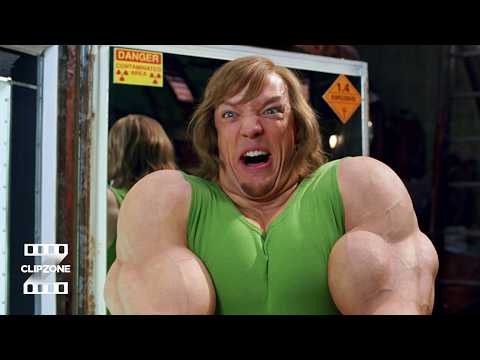
Werewolves are make-believe animals.
They look like people, but sometimes they change into big wolves.
This happens when the moon is full and bright in the sky.
It's not usually their choice to change.
It can be a little scary and even hurt them.
Werewolves are make-believe animals. They look like people, but they can change into big wolves. This often happens when the moon is full. It's usually not on purpose and can be a bit scary.
Werewolves are creatures from old stories. People say they are humans who turn into wolves. This usually happens when there is a full moon.
When they change, it is often very painful. They cannot control it. They are often shown as scary, but sometimes they can be good too, in different stories.
Werewolves are legendary beings, frequently shown in folklore and fiction as individuals capable of transforming into wolves or wolf-like entities. This metamorphosis is usually linked to the lunar cycle, specifically the full moon, and is often depicted as an uncontrollable and agonizing process. Across various cultures, the werewolf myth symbolizes the duality of human nature, oscillating between civilization and wild instincts. They embody themes of primal urges, fear of the unknown, and the struggle with one's inner beast. These narratives often explore the tragic elements of losing control and the impact on identity.
At the C1 level, understanding 'werewolves' moves beyond a basic definition to encompass their cultural and literary significance. These legendary beings, often featured in folklore and contemporary fantasy, personify the duality of human nature, exploring themes of hidden aggression and transformation.
Their narrative function frequently involves exploring primal urges, societal fears, and the loss of control, making them potent symbols in discussions of identity and monstrosity.
The noun werewolves refers to a legendary creature, prominently featured in folklore and popular culture across various civilizations. These beings are characterized by their ability to metamorphose from human form into a lupine or therianthropic state, often triggered by the lunar cycle, specifically the full moon.
This transformation is frequently depicted as an agonizing and involuntary process, stripping the individual of their human reason and bestowing upon them heightened senses, strength, and predatory instincts. The narrative surrounding werewolves often explores themes of duality, primal urges versus civility, and the loss of control.
werewolves در ۳۰ ثانیه
- Mythical human-wolf shapeshifter.
- Humans who transform into wolves, often at full moon.
- Fictional creatures that are humans who can change into wolves, especially when there is a full moon.
§ What Does 'Werewolves' Mean?
The word werewolves refers to mythological creatures that are half-human and half-wolf. These beings are typically depicted in folklore and fiction as humans who possess the ability to transform into wolves or wolf-like entities. This transformation is often portrayed as involuntary, particularly during the full moon, and is frequently described as a painful and violent process. The concept of werewolves has been present in various cultures across the globe for centuries, with different interpretations and characteristics depending on the specific tradition.
- DEFINITION
- Werewolves are mythical creatures, often depicted as humans who can shapeshift into wolves or wolf-like beings. This transformation is typically associated with the full moon and is often portrayed as involuntary and painful.
§ When Do People Use 'Werewolves'?
People primarily use the term werewolves when discussing folklore, mythology, fantasy literature, horror movies, and supernatural stories. It's a word deeply embedded in cultural narratives that explore themes of transformation, the beast within, and the conflict between human and animalistic instincts. You'll encounter this word in a variety of contexts, from academic discussions about cultural mythology to casual conversations about monster movies.
- In Mythology and Folklore: The concept of werewolves is ancient, with roots in various European mythologies. Stories of humans transforming into wolves or other animals are found in Norse, Greek, and Slavic folklore, among others. These stories often served to explain natural phenomena, societal fears, or moral lessons.
- In Literature and Film: Werewolves are a staple of the horror and fantasy genres. They appear in novels, short stories, and countless films, often alongside other supernatural creatures like vampires and ghosts. Modern depictions can vary widely, from terrifying monsters to more sympathetic or even heroic figures.
- In Gaming: Many role-playing games, video games, and card games feature werewolves as antagonists, playable characters, or elements of the game's lore. Their unique abilities and lore make them compelling figures in fictional worlds.
- In Figurative Language: Occasionally, the term werewolf might be used figuratively to describe someone who undergoes a drastic and negative personality change, especially when angry or agitated, although this usage is less common than its literal, mythical sense.
§ Examples of 'Werewolves' in Use
The ancient legend told of a village plagued by werewolves that appeared under the full moon.
In the horror film, the protagonist had to fight off a pack of bloodthirsty werewolves.
She spent hours researching the different types of werewolves in global mythology for her fantasy novel.
Understanding the context in which werewolves are discussed is key. It's almost always in the realm of the imaginary and fantastic, representing primal fears and the darker aspects of nature and human psychology. While not a word used in everyday practical conversations, its cultural significance and prevalence in storytelling make it an important term to recognize and understand, especially for those interested in literature, film, or mythology.
§ How to use it in a sentence — grammar, prepositions
The word "werewolves" is a plural noun, referring to multiple mythical creatures. Its singular form is "werewolf." Understanding its grammatical role is key to using it correctly in sentences.
- Grammar
- As a noun, "werewolves" can function as the subject of a sentence, the object of a verb, or the object of a preposition. It behaves like other plural nouns.
The villagers feared the werewolves that roamed the forest at night.
In this example, "werewolves" is the direct object of the verb "feared."
Werewolves are a common subject in horror literature.
Here, "werewolves" is the subject of the sentence.
- Prepositions commonly used with "werewolves"
- While there aren't specific prepositions exclusively tied to "werewolves," they are used with common prepositions to describe their location, actions, or relationships.
- Of: Used to show possession or relationship.
The legend of werewolves has existed for centuries.
- With: Used to indicate association or accompaniment.
He was fascinated with stories about werewolves and vampires.
- Among: Used to indicate being part of a group.
Whispers spread among the townsfolk about hidden werewolves.
- By: Used to indicate the agent performing an action or proximity.
The attack was believed to have been carried out by werewolves.
Consider the context of your sentence to choose the most appropriate preposition. The rules for prepositions with "werewolves" are the same as with other plural nouns.
§ Understanding Werewolves in Context
When discussing 'werewolves,' it's helpful to explore related terms and consider the subtle differences in their usage. While 'werewolf' specifically refers to a human who transforms into a wolf, other terms might describe similar mythical creatures or concepts of transformation.
§ Similar Mythical Creatures and Concepts
- Lycanthrope
- This is a more formal or clinical term for a werewolf. It's often used in academic or specialized discussions of folklore, mythology, or even psychology (clinical lycanthropy refers to a rare psychiatric syndrome in which a person believes they are transforming into an animal).
The ancient texts described various forms of lycanthrope legends across different cultures.
- Shapeshifter
- This is a broader term for any mythical being that can change its physical form, often at will. Werewolves are a type of shapeshifter, but not all shapeshifters are werewolves (e.g., a witch who turns into a cat). The key difference is the specific wolf transformation for werewolves.
In many folklores, trickster gods are often depicted as powerful shapeshifters.
- Therianthrope
- This is an even broader term than shapeshifter, referring to a mythical being that is part human and part animal, or able to transform into an animal. Werewolves are a specific type of therianthrope, but the term also includes creatures like sphinxes or centaurs, which are composite beings rather than transformers.
Ancient Egyptian mythology is rich with therianthrope deities, such as Anubis with his jackal head.
- Vampire
- While distinct, vampires are often compared to werewolves due to their shared status as classic monsters in horror and fantasy. Both are supernatural beings with human origins, but their powers, weaknesses, and lore are very different. Werewolves transform under the moon; vampires drink blood and are immortal.
The story featured a dramatic confrontation between a werewolf and a vampire.
§ When to Use 'Werewolf' vs. Alternatives
The choice of word depends heavily on the specific context and the level of detail or formality required:
- Use 'werewolf' when you are specifically referring to the classic mythical creature that is a human transforming into a wolf, particularly in popular culture, fiction, or general conversation. It's the most common and easily understood term for this specific type of monster.
- Use 'lycanthrope' if you need a more technical or academic term, especially when discussing the phenomenon of human-to-wolf transformation in a more generalized or analytical way across different cultural contexts. It's also appropriate in medical or psychological discussions of the delusion of turning into an animal.
- Use 'shapeshifter' when the ability to change form is the primary focus, and the specific animal form isn't necessarily a wolf, or when you want to include other creatures that can change form. 'Werewolf' is a subset of 'shapeshifter.'
- Use 'therianthrope' in very broad, academic, or mythological discussions where you are referring to any being with both human and animal characteristics, whether through transformation or composite form. 'Werewolf' is a specific example of a transforming therianthrope.
- Do not interchange 'werewolf' with 'vampire' as they represent entirely different mythological beings, despite often appearing together in genre fiction.
Understanding these distinctions allows for more precise and accurate communication when discussing creatures of folklore and fantasy.
چقدر رسمی است؟
"In ancient folklore, accounts often described lycanthropes as individuals afflicted with the ability to transform into wolves."
"Many classic horror stories feature werewolves as central antagonists."
"Have you seen that old movie with the wolfmen running around?"
"Some stories tell of magical wolf-people who can change shape under the moonlight."
"Dude, did you hear about that new show with the awesome werewolves?"
گرامر لازم
Nouns that refer to mythical creatures can be used in both singular and plural forms, like 'werewolf' and 'werewolves.'
The villagers were terrified of the lone werewolf haunting the woods. In ancient folklore, there were tales of many werewolves roaming the land.
The present simple tense is often used to describe general truths or characteristics of mythical beings.
Werewolves are creatures of the night.
Modal verbs like 'can' are used to express ability or possibility, often when describing the powers or actions of mythical creatures.
Werewolves can shapeshift into wolves.
Adjectives are used to describe the characteristics of nouns, including mythical creatures.
Werewolves are often depicted as ferocious beings.
The passive voice is often used when the focus is on the creature itself and what is done to it, rather than who is doing the action.
This transformation is typically associated with the full moon.
مثالها بر اساس سطح
Some stories tell of people who turn into scary werewolves.
Some stories tell of people who turn into scary werewolves.
A 'story' is a tale. 'Scary' means frightening. 'Werewolves' are mythical creatures.
In movies, werewolves often appear when the moon is full.
In movies, werewolves often appear when the moon is full.
'Movies' are films. 'Often' means many times. 'Full moon' is when the moon is round and bright.
Children might dress up as werewolves for Halloween.
Children might dress up as werewolves for Halloween.
'Children' are young people. 'Dress up' means to wear a costume. 'Halloween' is a holiday.
Werewolves are not real, they are imaginary creatures.
Werewolves are not real, they are imaginary creatures.
'Not real' means they do not exist. 'Imaginary' means existing only in the mind.
A werewolf has sharp teeth and claws, like a wolf.
A werewolf has sharp teeth and claws, like a wolf.
'Sharp' means pointed. 'Teeth' are in the mouth. 'Claws' are on the fingers or toes of animals. 'Like' means similar to.
People sometimes tell stories about werewolves around a campfire.
People sometimes tell stories about werewolves around a campfire.
'Sometimes' means occasionally. 'Tell stories' means to narrate tales. 'Campfire' is a fire in a camp.
The old book had a drawing of a scary werewolf.
The old book had a drawing of a scary werewolf.
'Old' means not new. 'Drawing' is a picture made with a pencil or pen.
If you hear a howl at night, it might make you think of a werewolf.
If you hear a howl at night, it might make you think of a werewolf.
'Howl' is a long, sad cry of an animal. 'At night' means during the dark part of the day. 'Think of' means to recall or imagine.
In many old stories, werewolves are scary monsters that come out at night.
В багатьох старих історіях перевертні є страшними монстрами, які виходять вночі.
Here, 'werewolves' is the subject of the sentence, followed by the verb 'are'.
Some people believe that werewolves are not real, but just legends.
Деякі люди вірять, що перевертні не справжні, а лише легенди.
'Believe that' introduces a clause explaining what some people think about werewolves.
He read a book about a village where people were afraid of werewolves.
Він прочитав книгу про село, де люди боялися перевертнів.
'Afraid of' is a common phrase to express fear, and 'werewolves' is the object of this fear.
The movie showed how a man turned into a werewolf during the full moon.
Фільм показав, як чоловік перетворився на перевертня під час повного місяця.
'Turned into' describes the transformation, and 'during the full moon' indicates when it happens.
Children often enjoy telling spooky stories about ghosts and werewolves.
Діти часто люблять розповідати моторошні історії про привидів і перевертнів.
'Enjoy telling' shows what children like to do, and 'about ghosts and werewolves' specifies the topic of the stories.
The old woman warned us about the forest, saying werewolves lived there.
Стара жінка попередила нас про ліс, кажучи, що там живуть перевертні.
'Saying' introduces what the old woman said, and 'werewolves lived there' explains her warning.
He pretended to be a werewolf for Halloween, wearing a wolf costume.
Він прикидався перевертнем на Хелловін, одягнувши костюм вовка.
'Pretended to be' shows what he acted like, and 'wearing a wolf costume' describes his appearance.
In some fantasy games, you can choose to play as a werewolf with special powers.
У деяких фентезійних іграх ви можете вибрати грати за перевертня з особливими здібностями.
'Can choose to play as' indicates an option, and 'a werewolf with special powers' describes the character.
In many folklores, werewolves are said to possess incredible strength and heightened senses, making them formidable adversaries.
Formidable: challenging to overcome.
Possess (verb) means to have or own something. Adversaries (noun) refers to opponents or enemies.
The legend of werewolves has appeared in various cultures across the globe, each with its unique interpretation of the creature.
Interpretation: explanation or way of understanding.
Legend (noun) refers to a traditional story, sometimes popularly regarded as historical but unauthenticated.
Some stories suggest that a person becomes a werewolf after being bitten by another werewolf, passing on the curse.
Curse: an evil spell.
Suggest (verb) means to put forward for consideration. Bitten (verb, past participle of bite) refers to having been wounded by an animal's teeth.
Historically, fear of werewolves contributed to widespread superstitions and even accusations of witchcraft in certain periods.
Superstitions: beliefs based on fear of the unknown.
Contributed to (phrasal verb) means to help to cause or bring about. Widespread (adjective) means found or distributed over a large area or number of people.
The silver bullet is a common trope in werewolf mythology, believed to be the only effective weapon against them.
Trope: a common or overused theme or device.
Common (adjective) means occurring, found, or done often; prevalent. Effective (adjective) means successful in producing a desired or intended result.
Modern depictions of werewolves in literature and film often explore the internal conflict of the human and beast within.
Internal conflict: a struggle within one's own mind.
Depictions (noun) refers to the way something is shown or represented. Explore (verb) means to inquire into or discuss in detail.
Despite their monstrous reputation, some fictional narratives portray werewolves as sympathetic figures struggling with their condition.
Sympathetic: feeling or showing concern for someone in difficulty.
Monstrous (adjective) means inhumanly or outrageously evil or wrong. Reputation (noun) refers to the beliefs or opinions that are generally held about someone or something.
The transformation into a werewolf is frequently described with vivid imagery, emphasizing the pain and physical changes involved.
Vivid imagery: very clear and detailed descriptions.
Frequently (adverb) means often. Emphasizing (verb, present participle of emphasize) means giving special importance or prominence to something.
Folklore often describes werewolves as solitary creatures, ostracized from both human and wolf societies due to their dual nature.
Folklore describes werewolves as solitary creatures, excluded from human and wolf societies due to their dual nature.
This sentence uses 'often describes' to indicate a common characteristic in folklore, and 'ostracized from' to show exclusion.
The ancient legends speak of a village terrorized by werewolves, its inhabitants living in constant fear of the full moon's rise.
Ancient legends tell of a village terrorized by werewolves, its people living in constant fear of the full moon.
The phrase 'speak of' is a more formal way to say 'tell about', and 'its inhabitants living' uses a participial phrase to describe the villagers' state.
Despite their monstrous depiction, some narratives explore the tragic humanity of werewolves, grappling with their involuntary transformations.
Despite their monstrous image, some stories explore the tragic humanity of werewolves, struggling with their involuntary transformations.
'Despite their monstrous depiction' introduces a contrasting idea, and 'grappling with' implies a difficult struggle.
The protagonist, a seasoned hunter, meticulously prepared for his confrontation with the werewolves rumored to inhabit the desolate forest.
The main character, a seasoned hunter, carefully prepared for his fight with the werewolves said to live in the empty forest.
'Meticulously prepared' indicates careful and thorough preparation, and 'rumored to inhabit' implies something is believed but not confirmed.
Scholars hypothesize that tales of werewolves may have originated from misunderstood animal attacks or rare genetic conditions.
Scholars suggest that stories of werewolves might have come from misunderstood animal attacks or rare genetic conditions.
'Hypothesize that' is a formal way to say 'suggest that', and 'originated from' indicates a source or beginning.
The full moon, traditionally associated with the emergence of werewolves, casts an eerie glow over the silent, unsuspecting town.
The full moon, usually linked to the appearance of werewolves, makes the silent, unsuspecting town look eerie.
'Traditionally associated with' indicates a common link, and 'casts an eerie glow' describes the effect of the moon's light.
Literary analysis often delves into the symbolism of werewolves, representing humanity's primal instincts and the struggle against one's inner beast.
Literary analysis often examines the symbolism of werewolves, showing humanity's primal instincts and the fight against one's inner beast.
'Delves into' means to explore in detail, and 'representing' introduces an explanation of what werewolves symbolize.
The terrified villagers barricaded their homes, acutely aware of the imminent danger posed by the werewolves lurking in the shadows.
The scared villagers blocked their homes, very aware of the immediate danger from the werewolves hiding in the shadows.
'Acutely aware of' emphasizes a strong awareness, and 'posed by' indicates the source of the danger.
ترکیبهای رایج
عبارات رایج
werewolves lurk in the shadows
a legend of werewolves
stories of werewolves abound
believed in werewolves
transformed into werewolves
the moon and werewolves
werewolves at night
ward off werewolves
werewolves in folklore
fictional werewolves
اغلب اشتباه گرفته میشود با
The prefix 'were-' means 'man' or 'human,' and is often used in conjunction with animal terms to denote a human-animal hybrid or shapeshifter (e.g., 'weretiger', 'werebear').
This is the medical or mythological term for the delusion of being a wolf or the ability to transform into a wolf.
This adjective means 'of or relating to wolves.' It describes characteristics or qualities associated with wolves, but does not refer to a werewolf itself.
اصطلاحات و عبارات
"a lone wolf"
Someone who prefers to act alone or is solitary.
He's a bit of a lone wolf, always working on his own projects.
neutral"cry wolf"
To give false alarms; to warn of danger that is not present.
If you cry wolf too many times, people won't believe you when there's real trouble.
neutral"keep the wolf from the door"
To have just enough money to avoid hunger or extreme poverty.
With his new job, he's finally able to keep the wolf from the door.
neutral"throw someone to the wolves"
To abandon someone to a difficult or dangerous situation, especially to protect oneself.
The company threw the junior employee to the wolves when the scandal broke.
neutral"a wolf in sheep's clothing"
A person who appears friendly or harmless but is actually dangerous or deceitful.
Don't trust him; he's a wolf in sheep's clothing.
neutral"to wolf down (food)"
To eat food very quickly and greedily.
He was so hungry that he wolfed down his dinner in minutes.
informal"wolf whistle"
A whistle with a rising and falling pitch, typically made by a man to express sexual attraction to a woman.
She ignored the wolf whistles as she walked past the construction site.
informal"have a wolf by the ears"
To be in a dangerous situation from which it is hard to escape and dangerous to hold on or let go.
He had a wolf by the ears when he tried to mediate between the two feuding factions.
neutral"wolf pack"
A group of people (or animals) acting together, often aggressively.
The investors acted like a wolf pack, circling the struggling company.
neutral"the wolf is at the door"
A dangerous or difficult situation, especially financial hardship, is imminent.
Without a new contract, the wolf is at the door for our business.
neutralبهراحتی اشتباه گرفته میشود
The singular and plural forms can be confusing, especially with irregular pluralization.
The singular form is 'werewolf,' referring to one creature. The plural form is 'werewolves,' referring to multiple creatures.
A single werewolf howled at the moon. The village was terrorized by a pack of werewolves.
This is a more formal and less common term for a werewolf, which can lead to confusion if unfamiliar.
'Werewolf' is the common term, while 'lycanthrope' is a more scientific or mythological term for a human afflicted with the ability to shapeshift into an animal, often a wolf.
In ancient texts, the condition of being a lycanthrope was often seen as a curse.
This term is often used interchangeably with werewolf, but can sometimes imply a slightly different depiction.
While 'wolfman' is often synonymous with 'werewolf,' it sometimes specifically refers to a human who transforms into a more human-like wolf creature, rather than a full wolf. 'Werewolf' is the broader and more traditional term.
The classic horror film featured a tragic figure known as the Wolfman.
The distinction between a natural wolf and a shapeshifting human (werewolf) can be blurred, especially in storytelling.
A 'wolf' is a wild animal. A 'werewolf' is a human who transforms into a wolf or wolf-like creature.
A wolf roamed the forest, while the villagers feared the werewolf that emerged during the full moon.
Both are supernatural creatures, often found in the same genre, leading to occasional conflation.
Werewolves are shapeshifters who turn into wolves, often associated with the full moon. Vampires are undead beings who feed on blood.
The folklore often pits werewolves against vampires in a battle for supremacy.
حفظ کنید
روش یادسپاری
To remember 'werewolves', you can use the mnemonic 'When Everyone Roams Wild, Everyone Runs, Or Wolves Eat, Leaving Others Very Eerie, Spooked.' This helps you recall the spelling and the essence of the creature.
تداعی تصویری
Imagine a full moon shining brightly, and under its glow, a person is dramatically transforming, their clothes tearing as fur sprouts and their body contorts into a powerful, snarling wolf. This vivid image of the transformation and the full moon can help you recall 'werewolves'.
شبکه واژگان
چالش
Try to write a short paragraph describing a scene involving werewolves without looking at the definition. Then, compare your description to the provided definition, focusing on accuracy of characteristics like shapeshifting, the full moon, and the involuntary nature of the transformation.
تمرین در زندگی واقعی
موقعیتهای واقعی
In folklore and mythology, tales of werewolves are common.
- folklore and mythology
- tales of werewolves
- common in stories
The concept of werewolves has been explored in many horror movies and books.
- horror movies and books
- explored the concept
- popular in media
Some cultures have legends about people turning into animals, including wolves, which are similar to werewolf myths.
- legends about people turning into animals
- similar to werewolf myths
- cultural stories
The full moon is often depicted as a trigger for a werewolf's transformation.
- full moon as a trigger
- werewolf's transformation
- associated with the moon
In some fictional narratives, werewolves are portrayed as cursed individuals.
- fictional narratives
- cursed individuals
- portrayed as
شروعکنندههای مکالمه
"Do you enjoy stories or movies about mythical creatures like werewolves?"
"What do you think is the most interesting aspect of werewolf legends?"
"If you could create a new mythical creature, what would it be like?"
"Have you ever heard of any real-world beliefs or superstitions related to shapeshifting?"
"What's your favorite monster or mythical being from folklore?"
موضوعات نگارش
Imagine you are a character in a story who discovers they are a werewolf. Describe your first transformation and your feelings about it.
Research a different shapeshifting creature from another culture and compare it to werewolves. What are the similarities and differences?
Write a short story about a world where werewolves live openly among humans. How would society adapt?
Reflect on the themes often associated with werewolves, such as transformation, wildness, and the struggle between human and animal nature. What do these themes mean to you?
If you could have a supernatural ability, would you choose shapeshifting? Why or why not?
سوالات متداول
10 سوالNo, werewolves are not real creatures. They are mythical beings that have been a part of folklore and legends in various cultures for centuries. While there have been historical accounts and beliefs in their existence, modern science does not support the idea of humans transforming into wolves.
Werewolf legends have diverse origins, stemming from various cultures around the world. Some theories suggest they evolved from ancient beliefs about animal spirits, shamanism, or even attempts to explain violent or unusual behavior. They are prominent in European folklore, particularly in Germanic and Slavic traditions.
The terms 'werewolf' and 'wolfman' are often used interchangeably, but historically, there can be subtle distinctions. Generally, both refer to a human who can transform into a wolf or a wolf-like creature. 'Werewolf' is the older and more traditional term, while 'wolfman' gained popularity with classic horror films. Essentially, they describe the same mythical entity.
In folklore, the methods for killing a werewolf vary greatly, but a common and widely recognized weakness is silver. Silver bullets or weapons are often depicted as the most effective way to defeat them. Other methods can include decapitation, fire, or specific magical rituals, depending on the particular legend.
The idea that werewolves only transform during a full moon is a very popular and iconic aspect of their mythology, especially in modern portrayals. However, older legends sometimes describe transformations happening at will, due to curses, or under other specific circumstances. The full moon connection became more prominent over time, particularly in literature and film.
While many werewolf stories depict them as monstrous and evil creatures, their morality can vary. Some legends portray them as tragic figures, victims of a curse, or even protectors. However, the involuntary and often violent nature of their transformation usually leads to destructive behavior, leading to their common association with evil.
The transformation of a werewolf is typically described as a very painful and violent process. In stories, it often involves bones breaking and reforming, skin stretching, and fur growing. The human's mind can be lost to an animalistic rage during this period, making them dangerous and uncontrollable.
There are several ways a person can become a werewolf in folklore. Common methods include being bitten by another werewolf, being cursed, or even by practicing dark magic. Some legends also mention being born with the condition or inheriting it. The bite is perhaps the most prevalent method in popular culture.
Yes, while the core concept remains the same, there are variations in werewolf folklore across different cultures. Some legends describe werewolves as fully transforming into natural-looking wolves, while others depict them as more monstrous, bipedal creatures. There are also different rules and weaknesses associated with them depending on the specific mythology.
There is no medical condition that causes a human to physically transform into a wolf. However, there are rare medical conditions that have been historically linked to werewolf legends. One such condition is hypertrichosis, which causes excessive hair growth all over the body. Another is lycanthropy, a psychological disorder in which a person believes they are an animal, often a wolf.
خودت رو بسنج 126 سوال
A ___ is a mythical creature.
Werewolves are mythical creatures.
Werewolves can change into ___.
Werewolves can shapeshift into wolves.
The transformation often happens during the ___ moon.
The transformation is typically associated with the full moon.
The transformation can be ___.
The transformation is often portrayed as involuntary and painful.
Werewolves are like a person who becomes a ___.
Werewolves are humans who can shapeshift into wolves.
Is a werewolf a real animal or a ___ creature?
Werewolves are mythical creatures.
This sentence describes the wolf.
This sentence describes what she sees.
This sentence talks about his ability.
The old story said a full moon could turn a man into a ___. (werewolves)
The story talks about a man turning into a wolf, which is what a werewolf is related to.
In the movie, the man became a ___ when the moon was bright. (werewolves)
The context implies a transformation into a werewolf under the bright moon.
My little brother believes in scary stories about ___. (werewolves)
Werewolves are part of scary stories, which fits the context.
She saw a picture of a ___ with big teeth. (werewolves)
Werewolves are often described with big teeth.
People say that ___ come out at night. (werewolves)
Werewolves are typically associated with nighttime.
The story was about a man who could change into a big, furry ___. (werewolves)
A werewolf is a man who changes into a big, furry, wolf-like creature.
Listen for what werewolves are.
Listen for when werewolves transform.
Listen for how the change feels.
این را بلند بخوانید:
Werewolves are mythical creatures.
تمرکز: MYTH-i-cal
تو گفتی:
تشخیص گفتار در مرورگر شما پشتیبانی نمیشود. از کروم یا اج استفاده کنید.
این را بلند بخوانید:
They can shapeshift into wolves.
تمرکز: SHAPE-shift
تو گفتی:
تشخیص گفتار در مرورگر شما پشتیبانی نمیشود. از کروم یا اج استفاده کنید.
این را بلند بخوانید:
The full moon makes them change.
تمرکز: MOON
تو گفتی:
تشخیص گفتار در مرورگر شما پشتیبانی نمیشود. از کروم یا اج استفاده کنید.
In many stories, a person turns into a ___ when there is a full moon.
The definition states that werewolves are creatures that transform under a full moon.
___ are often described as humans who can change into wolves.
The definition clearly states that werewolves are humans who can shapeshift into wolves.
The transformation into a werewolf is usually depicted as ___ and painful.
The definition mentions that the transformation is typically portrayed as involuntary and painful.
According to myths, ___ are mythical creatures.
The definition states that werewolves are mythical creatures.
Werewolves are often associated with the ___ moon.
The definition specifies that the transformation is typically associated with the full moon.
A werewolf can shapeshift into a ___ or a wolf-like being.
The definition explains that werewolves can shapeshift into wolves or wolf-like beings.
Which of these is typically associated with a werewolf's transformation?
The definition states that the transformation is 'typically associated with the full moon'.
What kind of creatures are werewolves described as in the definition?
The definition clearly states, 'Werewolves are mythical creatures'.
According to the definition, how is the transformation of a werewolf often portrayed?
The definition mentions that the transformation 'is often portrayed as involuntary and painful'.
Werewolves are always depicted as friendly creatures.
The definition does not describe werewolves as always friendly; it focuses on their shapeshifting and transformation.
Werewolves can change from human to wolf or wolf-like beings.
The definition states that they are 'often depicted as humans who can shapeshift into wolves or wolf-like beings'.
The transformation of a werewolf only happens during the daytime.
The definition says the transformation is 'typically associated with the full moon', which occurs at night.
Listen for the subject of the legend.
Pay attention to what 'many cultures' have stories about.
Focus on how werewolves are shown in movies.
این را بلند بخوانید:
Werewolves are often depicted as mysterious creatures.
تمرکز: mysterious
تو گفتی:
تشخیص گفتار در مرورگر شما پشتیبانی نمیشود. از کروم یا اج استفاده کنید.
این را بلند بخوانید:
Do you believe in mythical creatures like werewolves?
تمرکز: mythical
تو گفتی:
تشخیص گفتار در مرورگر شما پشتیبانی نمیشود. از کروم یا اج استفاده کنید.
این را بلند بخوانید:
Some people find stories about werewolves very exciting.
تمرکز: exciting
تو گفتی:
تشخیص گفتار در مرورگر شما پشتیبانی نمیشود. از کروم یا اج استفاده کنید.
Imagine you are a villager in a remote area. Write a short journal entry describing your feelings and fears about the possibility of werewolves in your village. Include at least two sentences about what you would do if you encountered one.
خوب نوشتید! تلاش خوبی بود! پاسخ نمونه را ببینید.
پاسخ نمونه
Tonight is the full moon, and I can't shake this feeling of unease. The old tales of werewolves in the forest have been whispered around the fire, and it makes my heart race. If I ever saw a werewolf, I would probably freeze in fear, but then I would try to run as fast as I could back to my house and lock all the doors and windows.
Write three sentences describing the typical characteristics of a werewolf, based on common myths and stories.
خوب نوشتید! تلاش خوبی بود! پاسخ نمونه را ببینید.
پاسخ نمونه
Werewolves are often described as people who can change into wolf-like creatures, especially during a full moon. They are usually strong and dangerous, with sharp teeth and claws. In their human form, they might appear normal, but they have a hidden, wild side.
You are explaining the concept of werewolves to someone who has never heard of them. Write a short paragraph (3-4 sentences) explaining what they are and why they are often feared.
خوب نوشتید! تلاش خوبی بود! پاسخ نمونه را ببینید.
پاسخ نمونه
Werewolves are mythical creatures from old stories. They are believed to be humans who can turn into wolves, usually when there's a full moon. People often fear them because they are seen as wild and powerful, sometimes even uncontrollable, and they can be a threat to humans.
According to the passage, what often triggers a werewolf's transformation?
این متن را بخوانید:
In many old European folklores, werewolves are prominent figures. They are often portrayed as cursed individuals who unwillingly transform into monstrous beasts, especially during the night of a full moon. These tales served as warnings and explanations for unexplained disappearances or attacks on livestock.
According to the passage, what often triggers a werewolf's transformation?
The passage states, 'unwillingly transform into monstrous beasts, especially during the night of a full moon.'
The passage states, 'unwillingly transform into monstrous beasts, especially during the night of a full moon.'
How have werewolves been portrayed in modern fiction compared to ancient legends?
این متن را بخوانید:
Werewolves are not just found in ancient legends; they continue to appear in modern books, movies, and video games. In contemporary fiction, the concept of a werewolf has evolved, sometimes depicting them as more sympathetic characters who struggle with their dual nature, rather than purely evil monsters.
How have werewolves been portrayed in modern fiction compared to ancient legends?
The passage mentions that modern fiction sometimes depicts them as 'more sympathetic characters who struggle with their dual nature.'
The passage mentions that modern fiction sometimes depicts them as 'more sympathetic characters who struggle with their dual nature.'
Which of these animals is NOT mentioned as a shapeshifting creature in other cultures?
این متن را بخوانید:
The idea of shapeshifting animals exists in many cultures around the world, not just with wolves. In some cultures, people are believed to transform into bears, big cats, or even birds. However, the werewolf, with its specific connection to the moon, remains one of the most widely recognized and enduring figures in mythology.
Which of these animals is NOT mentioned as a shapeshifting creature in other cultures?
The passage mentions bears, big cats, and birds, but not deer, as shapeshifting animals in other cultures.
The passage mentions bears, big cats, and birds, but not deer, as shapeshifting animals in other cultures.
This sentence describes the typical transformation of a man into a werewolf during a full moon.
This sentence highlights the common association of werewolves with horror and mythology.
This sentence shows the common fear associated with werewolves and their characteristic howling.
The villagers believed the strange howls at night were a sign of a __________ prowling nearby.
The context of 'howls' and 'prowling' strongly suggests a creature like a werewolf, aligning with the definition provided.
According to ancient folklore, a person could be cursed to become a __________ if bitten by another.
The phrase 'bitten by another' directly relates to a common trope for becoming a werewolf in folklore.
During the full moon, the man felt an uncontrollable urge to transform, fearing he was becoming a __________.
The reference to 'full moon' and 'transform' directly points to the characteristics of a werewolf.
The novel depicted the tragic struggle of a man cursed with lycanthropy, turning him into a __________ each month.
Lycanthropy is the mythical ability of human beings to shapeshift into a wolf or wolf-like creature, making 'werewolf' the correct answer.
She whispered tales of a fearsome __________ that roamed the dark forests, its eyes glowing in the moonlight.
The description of a 'fearsome creature' with 'glowing eyes' in 'dark forests' fits the traditional imagery of a werewolf.
The silver bullet is often considered the only way to defeat a __________ in many popular stories.
The vulnerability of a werewolf to a silver bullet is a very common and distinctive element in their mythology.
In folklore, what event is most commonly associated with a werewolf's transformation?
The definition states that the transformation is 'typically associated with the full moon'.
Which of the following best describes the nature of a werewolf's transformation according to the definition?
The definition explicitly mentions that the transformation 'is often portrayed as involuntary and painful'.
What kind of creatures are werewolves considered to be?
The definition begins by stating, 'Werewolves are mythical creatures'.
Werewolves are always depicted as being able to shapeshift into full, realistic wolves.
The definition mentions they can shapeshift into 'wolves or wolf-like beings', indicating that they are not always full wolves.
The transformation into a werewolf is often depicted as a pleasant experience.
The definition states the transformation is 'often portrayed as involuntary and painful'.
Werewolves are typically considered to be real animals by scientists.
The definition identifies werewolves as 'mythical creatures', meaning they are not real animals.
Listen for how 'werewolves' are described in ancient stories.
Pay attention to where the werewolf myth is most common.
Consider the deeper themes sometimes associated with werewolf stories.
این را بلند بخوانید:
Can you discuss how the concept of werewolves has evolved in popular culture?
تمرکز: evolved, popular culture
تو گفتی:
تشخیص گفتار در مرورگر شما پشتیبانی نمیشود. از کروم یا اج استفاده کنید.
این را بلند بخوانید:
Describe the typical characteristics and vulnerabilities attributed to werewolves in fiction.
تمرکز: characteristics, vulnerabilities, attributed
تو گفتی:
تشخیص گفتار در مرورگر شما پشتیبانی نمیشود. از کروم یا اج استفاده کنید.
این را بلند بخوانید:
Imagine you are a character in a story about werewolves. What would be your greatest fear or challenge?
تمرکز: imagine, greatest fear, challenge
تو گفتی:
تشخیص گفتار در مرورگر شما پشتیبانی نمیشود. از کروم یا اج استفاده کنید.
Imagine you are a villager living in a remote area. Write a short journal entry (3-4 sentences) describing your fear or experience with a suspected werewolf.
خوب نوشتید! تلاش خوبی بود! پاسخ نمونه را ببینید.
پاسخ نمونه
October 31st. The air was thick with an unsettling chill tonight. The full moon cast long, eerie shadows across the village, and a distant, mournful howling sent shivers down my spine. Old Man Hemlock swears he saw a monstrous shadow near the woods, and I can't shake the fear that a werewolf stalks our quiet nights. I hope dawn comes soon.
Write a short paragraph (3-4 sentences) comparing and contrasting werewolves with another mythical creature, such as a vampire or a zombie. Focus on their origins, abilities, or weaknesses.
خوب نوشتید! تلاش خوبی بود! پاسخ نمونه را ببینید.
پاسخ نمونه
Werewolves and vampires both stem from ancient folklore, inspiring tales of terror. While werewolves often transform involuntarily under the full moon, exhibiting animalistic strength, vampires are typically reanimated corpses with supernatural charm and immortality. A werewolf's weakness might be silver, whereas a vampire's could be sunlight or stakes through the heart. Both, however, represent a primal fear of the monstrous within humanity.
Describe a hypothetical scenario where a werewolf tries to live a normal life in a modern city. What challenges would they face? (3-4 sentences)
خوب نوشتید! تلاش خوبی بود! پاسخ نمونه را ببینید.
پاسخ نمونه
Living as a werewolf in a modern city would present immense challenges. The need to conceal their transformations during every full moon would necessitate elaborate planning, perhaps involving secluded safe houses or frequent travel to remote locations. Managing the primal urges and the risk of exposure in a densely populated area would lead to extreme isolation and constant anxiety. Furthermore, the creature's immense strength and predatory instincts would be difficult to suppress in a civilized environment.
According to the passage, what is often associated with the werewolf's transformation?
این متن را بخوانید:
In many cultures, the lore of werewolves is deeply intertwined with the cycles of the moon. The full moon is almost universally depicted as the catalyst for the painful transformation, often leading to a loss of human consciousness and the emergence of a predatory instinct. These tales serve not only as entertainment but also as cautionary warnings about the darker aspects of human nature and the untamed wilderness.
According to the passage, what is often associated with the werewolf's transformation?
The passage explicitly states, 'The full moon is almost universally depicted as the catalyst for the painful transformation.'
The passage explicitly states, 'The full moon is almost universally depicted as the catalyst for the painful transformation.'
What historical context often contributed to the belief in werewolves?
این متن را بخوانید:
Historically, beliefs in werewolves were widespread, particularly in medieval Europe. These beliefs often arose during times of hardship, disease, and social unrest, offering explanations for unexplained disappearances or violent attacks. The fear of werewolves mirrored anxieties about the breakdown of social order and the animalistic forces lurking beneath the surface of civilization.
What historical context often contributed to the belief in werewolves?
The passage states, 'These beliefs often arose during times of hardship, disease, and social unrest.'
The passage states, 'These beliefs often arose during times of hardship, disease, and social unrest.'
How do modern portrayals of werewolves differ from traditional ones, according to the passage?
این متن را بخوانید:
Modern portrayals of werewolves in literature and film vary widely. Some depict them as tragic figures, cursed with an affliction they don't desire, while others present them as monstrous villains. There's also a growing trend to explore the psychological aspects of the transformation, examining the struggle between human rationality and animal instinct, blurring the lines between hero and monster.
How do modern portrayals of werewolves differ from traditional ones, according to the passage?
The passage mentions, 'There's also a growing trend to explore the psychological aspects of the transformation, examining the struggle between human rationality and animal instinct, blurring the lines between hero and monster.'
The passage mentions, 'There's also a growing trend to explore the psychological aspects of the transformation, examining the struggle between human rationality and animal instinct, blurring the lines between hero and monster.'
The villagers lived in constant fear of the full moon, knowing that when it appeared, the dreaded ___ would roam the forests.
The context of the full moon and roaming the forests strongly suggests 'werewolves' as mythical creatures associated with these elements.
Legend has it that a bite from a ___ can curse a person to undergo the same terrifying transformation.
The sentence refers to a 'terrifying transformation' and a 'curse' from a bite, which are classic characteristics of a werewolf myth.
The ancient folklore describes ___ as beings capable of shifting between human and wolf forms, often against their will.
The definition explicitly states that werewolves are 'humans who can shapeshift into wolves or wolf-like beings,' aligning with the folklore description.
The protagonist discovered a hidden family curse that revealed his lineage was entwined with that of ___, destined to transform under the lunar cycle.
The phrase 'destined to transform under the lunar cycle' is a direct reference to the typical characteristics of werewolves.
Despite their monstrous depiction, some stories portray ___ as tragic figures, tormented by their involuntary transformations.
The definition mentions the transformation as 'often portrayed as involuntary and painful,' which supports the idea of them being 'tragic figures.'
The old woman warned the children to stay indoors after dark, recounting tales of feral ___ lurking in the dense woods.
The description of 'feral' and 'lurking in the dense woods' aligns with the predatory and wild nature often attributed to werewolves in tales.
The villagers, gripped by ancient superstitions, believed the ___ to be responsible for the disappearances.
The context of 'ancient superstitions' and 'disappearances' aligns best with the mythical nature and fear associated with werewolves.
According to folklore, a full moon often heralds the terrifying ___ of a human into a beast.
'Metamorphosis' most accurately describes a dramatic and often magical transformation, fitting the shapeshifting of a werewolf.
The legend of the ___ is deeply ingrained in various cultures, serving as a cautionary tale against the primal urges within humanity.
The werewolf myth frequently explores themes of inner struggle and the beast within, aligning with 'primal urges'.
Werewolves are typically portrayed as voluntary shapeshifters, freely choosing their lupine form.
The definition states that the transformation is 'often portrayed as involuntary and painful'.
The transformation into a werewolf is commonly associated with the lunar cycle, specifically the full moon.
The definition explicitly states that the transformation 'is typically associated with the full moon'.
Werewolves are solely depicted as benevolent protectors of humanity in all folkloric traditions.
The definition describes them as 'mythical creatures' that shapeshift, implying a more complex and often malevolent role, not solely benevolent protectors.
Listen for the description of werewolves in ancient folklore.
Focus on what modern interpretations of werewolves often explore.
Consider how some narratives portray werewolves despite their monstrous depiction.
این را بلند بخوانید:
Discuss the symbolic significance of werewolves in literature and popular culture.
تمرکز: symbolic significance
تو گفتی:
تشخیص گفتار در مرورگر شما پشتیبانی نمیشود. از کروم یا اج استفاده کنید.
این را بلند بخوانید:
Explain how the concept of a werewolf might reflect human fears of uncontrollable urges or duality of nature.
تمرکز: uncontrollable urges, duality of nature
تو گفتی:
تشخیص گفتار در مرورگر شما پشتیبانی نمیشود. از کروم یا اج استفاده کنید.
این را بلند بخوانید:
Compare and contrast the portrayal of werewolves in classic horror with contemporary fantasy.
تمرکز: compare and contrast, classic horror, contemporary fantasy
تو گفتی:
تشخیص گفتار در مرورگر شما پشتیبانی نمیشود. از کروم یا اج استفاده کنید.
Discuss the symbolic significance of werewolves in literature and folklore. How do these creatures reflect human fears, desires, or societal anxieties?
خوب نوشتید! تلاش خوبی بود! پاسخ نمونه را ببینید.
پاسخ نمونه
Werewolves, in literature and folklore, often symbolize the duality of human nature – the perpetual struggle between our rational, civilized selves and our primal, untamed instincts. They embody the fear of losing control, of succumbing to the beast within, and the societal anxieties surrounding unchecked aggression or transformation. Furthermore, the involuntary nature of their change can represent the loss of agency and the terror of forces beyond our command. From a psychological perspective, they can be seen as manifestations of repressed desires or the darker aspects of the human psyche, forcing us to confront the monstrous potential within ourselves and our communities.
Imagine a modern-day scenario where the existence of werewolves is publicly revealed. Write a short narrative exploring the immediate social, political, and ethical implications of such a revelation.
خوب نوشتید! تلاش خوبی بود! پاسخ نمونه را ببینید.
پاسخ نمونه
The world reeled when Dr. Aris Thorne's documentary provided irrefutable proof of werewolves. The initial public outcry was a cacophony of fear and fascination. Governments scrambled, forming emergency committees to address the 'werewolf question.' Socially, it led to a sharp divide: some advocated for immediate isolation and containment, citing public safety, while others championed their rights as sentient beings, albeit with unique challenges. Ethically, the revelation sparked intense debates on what constitutes 'humanity' and whether these creatures, capable of such profound transformation, deserved the same protections and opportunities. The stock market plunged, religious institutions grappled with theological implications, and a new era of biological and social uncertainty dawned.
Compare and contrast the portrayal of werewolves in two different cultural contexts (e.g., European folklore vs. modern fantasy novels). Analyze how cultural values and beliefs shape these depictions.
خوب نوشتید! تلاش خوبی بود! پاسخ نمونه را ببینید.
پاسخ نمونه
The werewolf's depiction varies significantly across cultural contexts, reflecting diverse societal values and anxieties. In traditional European folklore, werewolves often embodied malevolence, a curse, or a manifestation of witchcraft, serving as cautionary tales against straying from societal norms or embracing dark practices. The transformation was typically punitive and uncontrollable, highlighting the fear of the untamed wilderness and the animalistic aspects of humanity. Conversely, modern fantasy novels often present a more nuanced view. While still retaining an element of primal power, contemporary portrayals might explore themes of belonging, loyalty within a pack, or even a chosen burden. Some narratives delve into the complexities of identity, portraying lycanthropy as an inherent part of a character's being, challenging the purely monstrous archetype. This shift reflects a modern fascination with anti-heroes, internal struggles, and the blurring lines between good and evil, allowing for more empathetic and multi-faceted interpretations.
According to the passage, what is a common underlying theme in werewolf myths?
این متن را بخوانید:
In many cultures, the concept of a human transforming into an animal, often a wolf, has been a pervasive and enduring myth. These shapeshifters, commonly known as werewolves, have served as potent symbols in folklore and literature, reflecting societal anxieties about savagery, the untamed wilderness, and the inherent duality of human nature. While the specifics of their transformation and behavior vary across narratives, a common thread is the idea of a loss of control, often triggered by celestial events like the full moon. This rich mythological tapestry continues to influence contemporary storytelling, evolving to encompass new interpretations and allegories relevant to modern audiences.
According to the passage, what is a common underlying theme in werewolf myths?
The passage explicitly states, 'a common thread is the idea of a loss of control, often triggered by celestial events like the full moon. These shapeshifters... reflecting societal anxieties about savagery, the untamed wilderness, and the inherent duality of human nature.'
The passage explicitly states, 'a common thread is the idea of a loss of control, often triggered by celestial events like the full moon. These shapeshifters... reflecting societal anxieties about savagery, the untamed wilderness, and the inherent duality of human nature.'
What does the passage suggest about the scientific view of werewolves?
این متن را بخوانید:
The scientific community generally dismisses the literal existence of werewolves, attributing accounts to psychological conditions, misidentification of animals, or elaborate hoaxes. However, the psychological impact of such beliefs, and their role in shaping cultural narratives, remains a fascinating area of study. The persistence of werewolf legends, despite scientific refutation, underscores the human need to personify fears and explain the inexplicable, often through the lens of the supernatural.
What does the passage suggest about the scientific view of werewolves?
The passage states, 'The scientific community generally dismisses the literal existence of werewolves, attributing accounts to psychological conditions, misidentification of animals, or elaborate hoaxes.'
The passage states, 'The scientific community generally dismisses the literal existence of werewolves, attributing accounts to psychological conditions, misidentification of animals, or elaborate hoaxes.'
How do modern interpretations of werewolf lore differ from traditional tales, according to the passage?
این متن را بخوانید:
Modern interpretations of werewolf lore often diverge significantly from traditional tales. Contemporary authors and filmmakers frequently explore the complex emotional and social struggles faced by individuals afflicted with lycanthropy, moving beyond simple monstrous depictions. These narratives delve into themes of identity, acceptance, and the search for a cure, often presenting werewolves as tragic figures rather than purely malevolent beings. This evolution reflects a broader trend in popular culture to humanize supernatural entities and explore their internal conflicts.
How do modern interpretations of werewolf lore differ from traditional tales, according to the passage?
The passage notes, 'Contemporary authors and filmmakers frequently explore the complex emotional and social struggles faced by individuals afflicted with lycanthropy, moving beyond simple monstrous depictions. These narratives delve into themes of identity, acceptance, and the search for a cure, often presenting werewolves as tragic figures rather than purely malevolent beings.'
The passage notes, 'Contemporary authors and filmmakers frequently explore the complex emotional and social struggles faced by individuals afflicted with lycanthropy, moving beyond simple monstrous depictions. These narratives delve into themes of identity, acceptance, and the search for a cure, often presenting werewolves as tragic figures rather than purely malevolent beings.'
The ancient folklore recounts tales of individuals succumbing to a bestial transformation, their humanity ___ by the lunar cycle, morphing into formidable werewolves.
To be 'eclipsed' means to have something overshadowed or obscured. In this context, the humanity of the individuals is overshadowed by the bestial transformation, making 'eclipsed' the most fitting choice.
Despite their monstrous depiction, some narratives explore the inner turmoil of werewolves, grappling with the ___ duality of their human consciousness and their primal instincts.
To be 'irreconcilable' means to be impossible to reconcile or find compatibility between. The struggle between human consciousness and primal instincts in werewolves is often portrayed as an impossible conflict, hence 'irreconcilable' is the best fit.
The villagers, terror-stricken by the recurring disappearances, attributed them to the clandestine activities of werewolves, their fear ___ by the full moon's ominous glow.
To be 'exacerbated' means to make a problem, bad situation, or negative feeling worse. The ominous full moon would worsen the villagers' fear, making 'exacerbated' the correct option.
Literary analyses often delve into the symbolic significance of werewolves, viewing their transformation as a potent metaphor for the ___ aspects of human nature.
To be 'atavistic' refers to a return to a more primitive or ancestral characteristic. Werewolves often represent primal, untamed aspects of humanity, making 'atavistic' the most appropriate descriptor.
The lore surrounding werewolves often includes ancient rituals and remedies, futile attempts to ___ the curse that binds them to their lupine form.
To 'ameliorate' means to make something bad or unsatisfactory better. The rituals and remedies would be aimed at improving or lessening the curse, making 'ameliorate' the correct choice.
In contemporary fantasy, the traditional portrayal of werewolves has been ___ with complex characterizations, exploring themes of identity, belonging, and the struggle for self-control.
To be 'nuanced' means to be characterized by subtle shades of meaning or expression. Complex characterizations add subtlety and depth, making 'nuanced' the best fit for how portrayals have evolved.
The villagers, gripped by an irrational dread, spoke of the ______ who roamed the desolate moors under the pallid glow of the full moon.
'Lycanthrope' is a more formal and academic term for a werewolf, fitting the C2 level's expectation of nuanced vocabulary. 'Phantasms', 'gargoyles', and 'succubi' are unrelated mythical creatures.
Despite the advancements in forensic science, the gruesome discovery bore all the hallmarks of a primal attack, leading some to whisper about the ______ transformation of a human into a beast.
'Metamorphosis' most accurately describes a profound and often magical change of form, aligning with the mythical nature of werewolves. While 'transfiguration' and 'mutation' imply change, 'metamorphosis' carries the strongest connotation of a complete and dramatic shift in being, and 'evolution' refers to a gradual process.
The ancient texts described the ______ of the werewolves as a painful and unwilling process, driven by an inherent curse rather than conscious desire.
'Alteration' is a suitable C2-level word to describe the change or transformation. 'Permutation' refers to rearrangement, 'volition' refers to will, and 'vicissitude' refers to a change of circumstances, none of which fit the context as well as 'alteration'.
The term 'werewolves' inherently implies a voluntary transformation into a wolf-like entity, controlled by the individual's will.
The definition explicitly states that the transformation is 'often portrayed as involuntary and painful,' directly contradicting the idea of a voluntary and controlled process.
According to the common folklore, werewolves' transformations are typically linked to the lunar cycle, specifically the full moon.
The definition states, 'This transformation is typically associated with the full moon,' confirming the statement.
Werewolves are primarily depicted as benevolent figures who use their shapeshifting abilities to aid humanity.
The definition describes werewolves as 'mythical creatures' and mentions the transformation being 'involuntary and painful,' implying a more fearsome and often malevolent portrayal, not benevolent.
Focus on the descriptive language used to characterize werewolves in folklore.
Consider the juxtaposition of terror and tragic beauty in the description.
Think about the symbolic meaning behind the 'societal ostracization' of werewolves.
این را بلند بخوانید:
Can you elaborate on the psychological impact of the involuntary transformation on a werewolf, as depicted in various literary works?
تمرکز: involuntary transformation
تو گفتی:
تشخیص گفتار در مرورگر شما پشتیبانی نمیشود. از کروم یا اج استفاده کنید.
این را بلند بخوانید:
Analyze the cultural significance of the werewolf myth across different civilizations and its evolution over time.
تمرکز: cultural significance
تو گفتی:
تشخیص گفتار در مرورگر شما پشتیبانی نمیشود. از کروم یا اج استفاده کنید.
این را بلند بخوانید:
Discuss the ethical dilemmas presented by the existence of werewolves, particularly concerning issues of free will, responsibility, and societal integration.
تمرکز: ethical dilemmas
تو گفتی:
تشخیص گفتار در مرورگر شما پشتیبانی نمیشود. از کروم یا اج استفاده کنید.
This sentence structure emphasizes the widespread nature of werewolf myths.
This arrangement conveys the internal struggle associated with the transformation.
This structure highlights the dual nature of the werewolf in modern interpretations.
/ 126 درست
نمره کامل!
Summary
Werewolves are mythical creatures that are humans capable of transforming into wolves, usually during a full moon.
- Mythical human-wolf shapeshifter.
- Humans who transform into wolves, often at full moon.
- Fictional creatures that are humans who can change into wolves, especially when there is a full moon.