A Big Night Party in France
Fest-Noz is a special party in Brittany, France. It is a very old tradition. 'Fest-Noz' means 'night party'. People go to this festival to dance and listen to music.
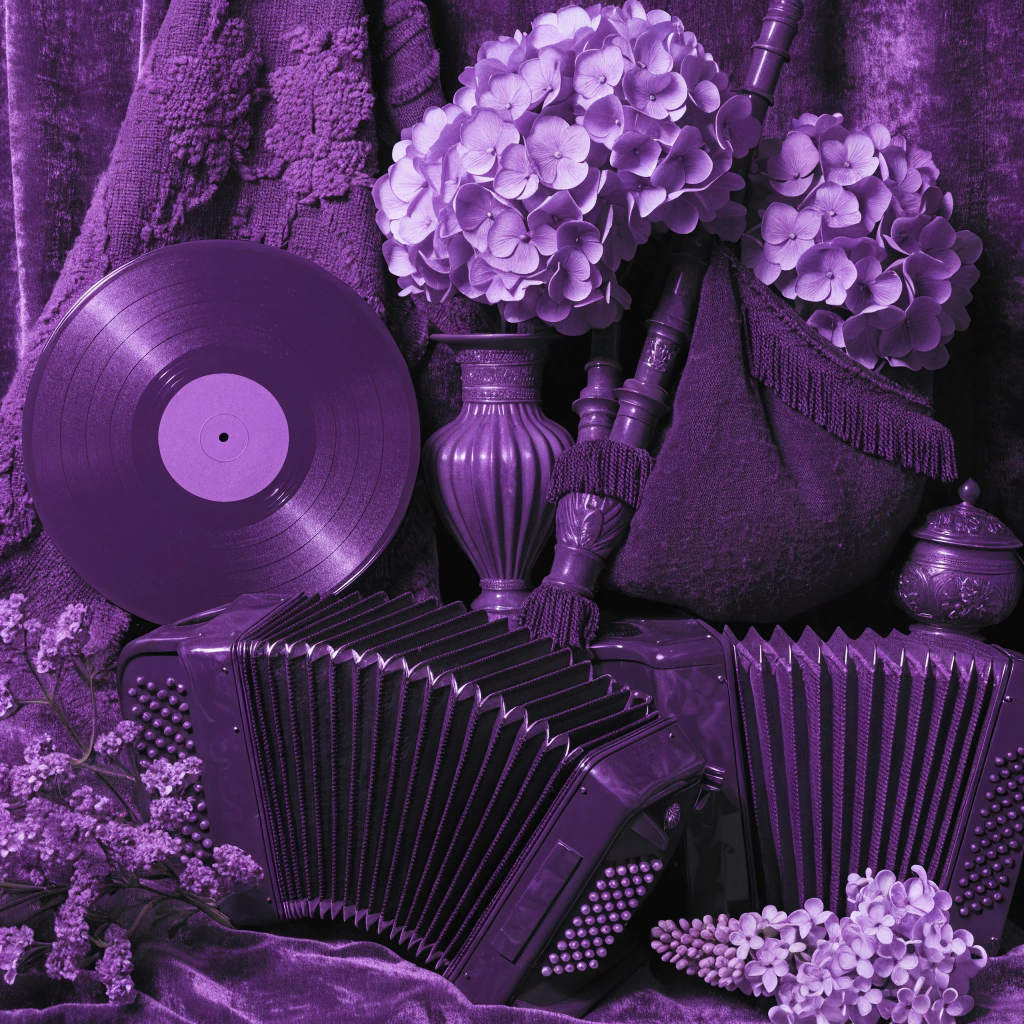
The music is traditional. Musicians play instruments and sing. People dance in big circles or lines. They hold hands and move together. It is very fun.
Everyone can join the party. Children, parents, and grandparents dance together. They eat local food and talk. It is a great way to meet friends. People are very happy at a Fest-Noz.
Point grammaire
Structure: Present Simple (to be)
"It is a very old tradition."
We use 'is' with singular subjects like 'it' to describe facts or states. In this sentence, it describes the age of the tradition.
Structure: Present Simple (plural verbs)
"Musicians play instruments and sing."
For plural subjects like 'musicians', we use the base form of the verb without adding 's'. This describes a regular action.
Teste ta compréhension
10 questions · A1 Débutant · 1 aperçu gratuit
Teste ce que tu as appris dans cet article. Réponds à toutes les questions pour gagner des XP !
Where is the Fest-Noz festival?
Tu veux terminer le quiz ?
9 questions supplémentaires t'attendent. Inscris-toi gratuitement pour débloquer le quiz complet et gagner des XP !
S'inscrire gratuitementTu as dj un compte ? Connexion
Bien joué !
Continue à pratiquer !
Déjà terminé — pas de XP supplémentaire
Inscris-toi pour gagner des XPDétail des questions
Where is the Fest-Noz festival?
Ta réponse:
Bonne réponse: France
People dance alone at a Fest-Noz.
Ta réponse:
Bonne réponse: Faux
What does 'tradition' mean?
Ta réponse:
Bonne réponse: An old custom
People hold _____ and move together.
Ta réponse:
Bonne réponse: hands
Découvrons le Fest-Noz : Une Fête Traditionnelle en Bretagne
Le Fest-Noz est une grande fête populaire qui vient de Bretagne, une région dans l'ouest de la France. Le mot "Fest-Noz" signifie "fête de nuit" en langue bretonne. C'est une tradition très ancienne où les gens se réunissent pour danser ensemble et écouter de la musique traditionnelle.
Avant, les Fest-Noz étaient souvent organisés après les gros travaux à la ferme, comme la récolte. C'était un moment pour se détendre et célébrer avec les voisins. Aujourd'hui, les Fest-Noz sont toujours très populaires. On peut voir des musiciens jouer de la cornemuse et de la bombarde. Les danses sont en chaîne, c'est-à-dire que les danseurs se tiennent la main et forment un cercle ou une ligne.
En 2012, l'UNESCO a reconnu le Fest-Noz comme un patrimoine culturel important. C'est une fête joyeuse et conviviale. Beaucoup de jeunes et de moins jeunes participent. C'est plus qu'une simple danse ; c'est un moment pour partager la culture bretonne et passer un bon moment ensemble. Si vous visitez la Bretagne, vous pouvez peut-être participer à un Fest-Noz ! C'est une expérience unique.
Point grammaire
Structure: Le Passé Composé (avec AVOIR)
"En 2012, l'UNESCO a reconnu le Fest-Noz comme un patrimoine culturel important."
Le passé composé est utilisé pour parler d'actions passées et terminées. On le forme avec l'auxiliaire 'avoir' (j'ai, tu as, il/elle/on a, nous avons, vous avez, ils/elles ont) et le participe passé du verbe.
Structure: Le Comparatif (plus... que)
"C'est plus qu'une simple danse ; c'est un moment pour partager la culture bretonne."
On utilise 'plus... que' pour comparer deux choses et dire que l'une est supérieure à l'autre. 'Plus' est suivi de l'adjectif ou du nom, puis 'que' introduit l'autre élément de comparaison.
Teste ta compréhension
11 questions · A2 mentaire · 1 aperçu gratuit
Teste ce que tu as appris dans cet article. Réponds à toutes les questions pour gagner des XP !
Quelle est l'origine du Fest-Noz ?
Tu veux terminer le quiz ?
10 questions supplémentaires t'attendent. Inscris-toi gratuitement pour débloquer le quiz complet et gagner des XP !
S'inscrire gratuitementTu as dj un compte ? Connexion
Bien joué !
Continue à pratiquer !
Déjà terminé — pas de XP supplémentaire
Inscris-toi pour gagner des XPDétail des questions
Quelle est l'origine du Fest-Noz ?
Ta réponse:
Bonne réponse: Bretagne
Le Fest-Noz est une fête triste.
Ta réponse:
Bonne réponse: Faux
Que signifie 'se réunir' ?
Ta réponse:
Bonne réponse: Venir ensemble
Avant, les Fest-Noz étaient organisés après les gros _____ à la ferme.
Ta réponse:
Bonne réponse: travaux
Qu'est-ce que l'UNESCO a fait pour le Fest-Noz en 2012 ?
Ta réponse:
Bonne réponse: L'a reconnu comme patrimoine
Le Fest-Noz : Une Tradition Bretonne Vivante
Le Fest-Noz, qui signifie littéralement « fête de nuit » en breton, est un rassemblement festif traditionnel qui vient de Bretagne, une région celtique située dans l'ouest de la France. C'est bien plus qu'une simple fête ; c'est un moment important de partage et de convivialité où les gens se retrouvent pour danser et écouter de la musique traditionnelle.
Historiquement, les Fest-Noz étaient souvent liés au calendrier agricole. Après de grands travaux dans les champs, comme les moissons, les habitants des villages se réunissaient pour célébrer la fin des efforts et pour s'entraider. Ces événements permettaient de renforcer les liens sociaux et la cohésion de la communauté. La musique et la danse aidaient à oublier la fatigue et à se préparer pour les travaux futurs.
Aujourd'hui, le Fest-Noz a conservé son esprit d'origine, mais il est devenu un événement culturel populaire ouvert à tous. En 2012, le Fest-Noz a été inscrit par l'UNESCO sur la Liste représentative du patrimoine culturel immatériel de l'humanité. Cette reconnaissance mondiale souligne l'importance de cette pratique pour l'identité bretonne et sa valeur universelle.
Lors d'un Fest-Noz, plusieurs groupes de musiciens jouent des airs traditionnels bretons avec des instruments comme l'accordéon, la bombarde et la cornemuse. Les danseurs, jeunes et moins jeunes, se tiennent la main et forment des chaînes ou des cercles pour exécuter des danses collectives. Il existe de nombreuses danses différentes, comme l'An-Dro ou le Hanter Dro, dont les pas sont souvent simples pour permettre à chacun de participer. Le Fest-Noz est une belle manière de découvrir la culture bretonne, de faire de nouvelles rencontres et de passer un bon moment ensemble.
Point grammaire
Structure: Le Passé Composé avec l'auxiliaire "être"
"En 2012, le Fest-Noz a été inscrit par l'UNESCO sur la Liste représentative du patrimoine culturel immatériel de l'humanité."
Le passé composé est utilisé pour parler d'actions passées et terminées. Lorsque le verbe est à la voix passive (comme "être inscrit"), ou avec certains verbes de mouvement et d'état, on utilise l'auxiliaire "être" et on accorde le participe passé avec le sujet.
Structure: Les Pronoms Relatifs "qui" et "où"
"Le Fest-Noz, qui signifie littéralement « fête de nuit » en breton, est un rassemblement festif traditionnel qui vient de Bretagne, une région celtique située dans l'ouest de la France. C'est un moment important de partage et de convivialité où les gens se retrouvent pour danser et écouter de la musique traditionnelle."
Le pronom relatif "qui" remplace un sujet (une personne ou une chose) et "où" remplace un lieu ou un moment. Ils permettent de relier deux phrases et d'éviter les répétitions, en ajoutant des informations sur un nom déjà mentionné.
Teste ta compréhension
11 questions · B1 Intermédiaire · 1 aperçu gratuit
Teste ce que tu as appris dans cet article. Réponds à toutes les questions pour gagner des XP !
Quel est le sens littéral de "Fest-Noz" en breton ?
Tu veux terminer le quiz ?
10 questions supplémentaires t'attendent. Inscris-toi gratuitement pour débloquer le quiz complet et gagner des XP !
S'inscrire gratuitementTu as dj un compte ? Connexion
Bien joué !
Continue à pratiquer !
Déjà terminé — pas de XP supplémentaire
Inscris-toi pour gagner des XPDétail des questions
Quel est le sens littéral de "Fest-Noz" en breton ?
Ta réponse:
Bonne réponse: Fête de nuit
Le Fest-Noz est une tradition qui vient du sud de la France.
Ta réponse:
Bonne réponse: Faux
Que signifie "cohésion" dans le texte ?
Ta réponse:
Bonne réponse: Le lien fort entre les membres d'un groupe
Historiquement, les Fest-Noz étaient souvent liés au calendrier _____.
Ta réponse:
Bonne réponse: agricole
Quelle organisation a inscrit le Fest-Noz au patrimoine culturel immatériel de l'humanité ?
Ta réponse:
Bonne réponse: L'UNESCO
The Fest-Noz: Brittany's Living Cultural Legacy
The Fest-Noz, which translates to 'night feast' in Breton, represents a unique cultural phenomenon that has flourished in the Celtic region of Brittany in northwestern France. While many traditional gatherings have faded into obscurity, this vibrant celebration continues to thrive, serving as a testament to the resilience of regional identity. In 2012, its significance was formally recognized when it was inscribed on the UNESCO Representative List of the Intangible Cultural Heritage of Humanity. This recognition highlighted not only the artistic value of the event but also its role in fostering social cohesion.
Historically, the Fest-Noz was inextricably linked to the agricultural calendar. In rural communities, it provided a necessary outlet for social interaction after grueling days of communal labor. Farmers would gather to celebrate the completion of a harvest or the construction of a new barn, using dance as a way to flatten the soil while bonding with neighbors. This collective effort fostered a profound sense of solidarity, which remains a cornerstone of the event today. Although the economic landscape of Brittany has undergone significant transformation, the core values of the Fest-Noz—equality and togetherness—have endured.
Musically, the event is characterized by a call-and-response style of singing known as kan ha diskan, accompanied by traditional instruments like the bagpipes and the bombarde. The dancers, often numbering in the hundreds, form long chains or circles, linking fingers to maintain a synchronized rhythm. This physical connection symbolizes the breakdown of social barriers; regardless of one's background or age, everyone is encouraged to participate. Furthermore, the revival of the Fest-Noz in the mid-20th century ensured that these customs were not lost to modernization but were instead adapted for contemporary audiences.
In the present day, the Fest-Noz attracts thousands of enthusiasts annually, ranging from local residents to international tourists. It is no longer merely a relic of the past; rather, it is a dynamic expression of living culture. By participating in these dances, younger generations are able to reconnect with their heritage while contributing to the evolution of the tradition. Ultimately, the Fest-Noz serves as a powerful reminder that cultural heritage is not a static concept, but a living practice that evolves through communal participation and mutual respect.
Point grammaire
Structure: Non-defining Relative Clauses
"The Fest-Noz, which translates to 'night feast' in Breton, represents a unique cultural phenomenon..."
This pattern is used to provide extra information about a noun. It is separated by commas and uses 'which' or 'who', but never 'that'.
Structure: Passive Voice (Past Simple)
"...its significance was formally recognized when it was inscribed on the UNESCO Representative List..."
The passive voice is used here to focus on the action (recognition and inscription) rather than the specific people who performed the action, which is common in formal writing.
Structure: Present Perfect Simple
"Although the economic landscape of Brittany has undergone significant transformation..."
The present perfect is used to describe a change that happened in the past but has a result or relevance in the present.
Teste ta compréhension
11 questions · B2 Intermédiaire supérieur · 1 aperçu gratuit
Teste ce que tu as appris dans cet article. Réponds à toutes les questions pour gagner des XP !
What was the primary historical function of the Fest-Noz in rural communities?
Tu veux terminer le quiz ?
10 questions supplémentaires t'attendent. Inscris-toi gratuitement pour débloquer le quiz complet et gagner des XP !
S'inscrire gratuitementTu as dj un compte ? Connexion
Bien joué !
Continue à pratiquer !
Déjà terminé — pas de XP supplémentaire
Inscris-toi pour gagner des XPDétail des questions
What was the primary historical function of the Fest-Noz in rural communities?
Ta réponse:
Bonne réponse: To provide social interaction after communal labor
The Fest-Noz was added to the UNESCO list in the mid-20th century.
Ta réponse:
Bonne réponse: Faux
Which word describes something that is impossible to separate?
Ta réponse:
Bonne réponse: Inextricably
Dancers in the Fest-Noz maintain a rhythm by linking their _____.
Ta réponse:
Bonne réponse: fingers
What does the text suggest about the current state of the Fest-Noz?
Ta réponse:
Bonne réponse: It is a dynamic, living practice involving all ages.
Resonance and Resilience: The Socio-Cultural Tapestry of the Fest-Noz
Seldom has a regional tradition managed to traverse the boundary between rural archaicism and contemporary relevance as seamlessly as the Breton Fest-Noz. Originating in the agricultural heartlands of Brittany, this 'night feast' has evolved from a utilitarian post-harvest celebration into a cornerstone of French intangible cultural heritage. Inscribed by UNESCO in 2012, the Fest-Noz represents a multifaceted expression of identity, where the rhythmic cadence of traditional music serves as a catalyst for social cohesion.
What defines this gathering is not merely the technicality of the steps but the profound sense of collective belonging it engenders. The dance floor serves as an egalitarian space where social hierarchies are temporarily suspended. Participants, linked by their little fingers, form an unbreakable chain, moving in a synchronized pulse that transcends generational divides. This communal experience is underpinned by 'kan ha diskan,' a call-and-response vocal technique that requires immense stamina and precision.
The revitalization of the Fest-Noz in the late 20th century was not a mere exercise in nostalgia. Rather, it was a conscious effort to reclaim a cultural narrative that had been marginalized by the centralization of French identity. Today, the tradition faces the complexities of modern globalization. The integration of electronic elements and contemporary instrumentation into the repertoire has sparked a nuanced debate regarding authenticity. Critics argue that such modernization risks diluting the archaic essence of the music, while proponents suggest that synthesis is essential for the tradition's continued resilience.
The preservation of these customs requires more than just passive observation; it demands active participation. In an era dominated by digital fragmentation, the Fest-Noz offers a tangible antidote to social isolation. It is through the physical proximity of the dance and the shared vibration of the 'bombarde' that the community reaffirms its existence. Ultimately, the Fest-Noz is a testament to the enduring power of local heritage to adapt, survive, and flourish within a globalized landscape.
Point grammaire
Structure: Negative Inversion
"Seldom has a regional tradition managed to traverse the boundary between rural archaicism and contemporary relevance as seamlessly as the Breton Fest-Noz."
Inversion is used after negative or restrictive adverbs (like 'seldom' or 'rarely') at the start of a sentence for emphasis. The auxiliary verb comes before the subject.
Structure: Cleft Sentences
"What defines this gathering is not merely the technicality of the steps but the profound sense of collective belonging it engenders."
Cleft sentences use 'What' or 'It' to focus on specific information. They are used here to emphasize the emotional and social aspect of the event over the physical mechanics.
Structure: Nominalisation
"The integration of electronic elements and contemporary instrumentation into the repertoire has sparked a nuanced debate regarding authenticity."
Nominalisation turns verbs or adjectives into nouns (e.g., 'integration' from 'integrate'). This makes the writing more formal and allows for more complex, abstract ideas.
Teste ta compréhension
12 questions · C1 Avancé · 1 aperçu gratuit
Teste ce que tu as appris dans cet article. Réponds à toutes les questions pour gagner des XP !
According to the article, how has the Fest-Noz changed over time?
Tu veux terminer le quiz ?
11 questions supplémentaires t'attendent. Inscris-toi gratuitement pour débloquer le quiz complet et gagner des XP !
S'inscrire gratuitementTu as dj un compte ? Connexion
Bien joué !
Continue à pratiquer !
Déjà terminé — pas de XP supplémentaire
Inscris-toi pour gagner des XPDétail des questions
According to the article, how has the Fest-Noz changed over time?
Ta réponse:
Bonne réponse: It evolved from a practical agricultural event to a cultural symbol.
The article suggests that the Fest-Noz reinforces social hierarchies.
Ta réponse:
Bonne réponse: Faux
Which word is synonymous with 'the combination of different elements'?
Ta réponse:
Bonne réponse: Synthesis
The 'kan ha diskan' technique is described as requiring immense _____ and precision.
Ta réponse:
Bonne réponse: stamina
What was the primary motivation behind the revitalization of the Fest-Noz in the late 20th century?
Ta réponse:
Bonne réponse: To reclaim a cultural identity that had been marginalized.
Critics of modernization worry that electronic instruments might weaken the traditional essence of the music.
Ta réponse:
Bonne réponse: Vrai
The Ontological Resonance of the Fest-Noz: A Synthesis of Breton Heritage and Contemporary Social Cohesion
To perceive the Fest-Noz solely through the lens of folkloric preservation is to overlook its dynamic role in the ongoing negotiation of Breton identity. Inscribed upon the UNESCO Representative List of the Intangible Cultural Heritage of Humanity in 2012, this 'night feast' serves as a profound testament to the resilience of regional pluralism in an increasingly homogenized world. Historically, these gatherings were inextricably linked to the exigencies of the agricultural calendar, providing a liminal space where the toil of communal labor was transmuted into the revelry of collective celebration. Were it not for this symbiotic relationship between work and play, the social fabric of rural Brittany might have unraveled under the pressures of modernization. The Fest-Noz was never merely a leisure activity; it was a mechanism of labor-sharing, a 'troc-de-temps' where neighbors assisted one another in the fields before convening for a night of rhythmic solidarity.
The musical architecture of the Fest-Noz is predicated upon the 'Kan ha Diskan'—a call-and-response vocal technique that ensures a continuous, unbroken rhythmic flow. This vocal syncretism, often accompanied by the bombarde and the biniou (a traditional Breton bagpipe), creates an auditory landscape that is both atavistic and avant-garde. It is imperative that the transmission of these choreographic nuances remain unadulterated by the commodification of heritage; yet, paradoxically, the Fest-Noz thrives on its accessibility. Unlike many traditional dances that have been relegated to the stage, the Fest-Noz remains a participatory phenomenon. Participants, linked pinky-to-pinky in an expansive chain, experience a dissolution of the self into the communal ethos. Such is the potency of the collective rhythm that individual ego is subsumed into the communal whole, fostering a sense of egalitarianism that transcends socio-economic boundaries.
While some might argue that the reification of such traditions risks fossilization, the Fest-Noz continues to evolve, incorporating contemporary instruments and motifs without compromising its ontological core. It remains an ephemeral yet enduring manifestation of solidarity, a bulwark against the atomization of modern society. The 1950s revival, spearheaded by figures like Loeiz Ropars, transformed the event from a vestigial rural custom into a vibrant urban movement, proving that cultural heritage is not a static relic but a living dialogue. In the contemporary era, the Fest-Noz stands as a defiant assertion of local particularity, reminding us that even in a globalized age, the human need for communal rhythm and shared space remains an essential facet of our collective existence.
Point grammaire
Structure: Inverted Conditional (Third Conditional)
"Were it not for this symbiotic relationship between work and play, the social fabric of rural Brittany might have unraveled under the pressures of modernization."
This structure replaces 'If it were not for' with a more formal inversion. It is used in academic writing to discuss hypothetical past situations and their potential outcomes.
Structure: Subjunctive Mood with Imperative Adjectives
"It is imperative that the transmission of these choreographic nuances remain unadulterated by the commodification of heritage."
After adjectives like 'imperative', 'essential', or 'crucial', the base form of the verb (remain) is used without 's' even for third-person singular subjects. This conveys a sense of necessity or urgency.
Structure: Fronting with 'Such' for Emphasis
"Such is the potency of the collective rhythm that individual ego is subsumed into the communal whole."
By placing 'Such' at the beginning of the sentence followed by the verb 'to be', the writer emphasizes the degree or intensity of the noun (potency), creating a more rhetorical and dramatic effect.
Teste ta compréhension
12 questions · C2 Maîtrise · 1 aperçu gratuit
Teste ce que tu as appris dans cet article. Réponds à toutes les questions pour gagner des XP !
According to the text, what was the primary historical function of the Fest-Noz beyond celebration?
Tu veux terminer le quiz ?
11 questions supplémentaires t'attendent. Inscris-toi gratuitement pour débloquer le quiz complet et gagner des XP !
S'inscrire gratuitementTu as dj un compte ? Connexion
Bien joué !
Continue à pratiquer !
Déjà terminé — pas de XP supplémentaire
Inscris-toi pour gagner des XPDétail des questions
According to the text, what was the primary historical function of the Fest-Noz beyond celebration?
Ta réponse:
Bonne réponse: A mechanism for communal labor-sharing
The author suggests that the Fest-Noz has become a static relic of the past due to its UNESCO status.
Ta réponse:
Bonne réponse: Faux
What does 'atavistic' mean in the context of the article?
Ta réponse:
Bonne réponse: Relating to ancestral or ancient traits
The musical technique 'Kan ha Diskan' is described as a call-and-_____ vocal style.
Ta réponse:
Bonne réponse: response
What does the author imply by the 'dissolution of the self' during the dance?
Ta réponse:
Bonne réponse: Individual identity is temporarily lost in the collective experience
The Fest-Noz revival in the 1950s helped transition the event from rural areas to urban environments.
Ta réponse:
Bonne réponse: Vrai

