Deutschland
Allemagne
À propos de Allemagne
Located in the heart of Europe, Germany is a federal republic known for its diverse landscapes ranging from the wind-swept North Sea beaches to the snow-capped Bavarian Alps. Its history is marked by its evolution from a collection of medieval states to a unified modern power, fostering a cultural identity defined by a profound legacy in classical music, philosophy, and world-class precision engineering.
En bref
Capitale
Berlin
Population
83,783,942
Région
Europe · Western Europe
Devise
Euro (EUR)
Langues parlées

Allemand
Deutsch
Le savais-tu ?
Germany is home to over 300 different types of bread and more than 1,000 varieties of sausages, reflecting a deep-seated culinary tradition.
Berlin is approximately nine times larger than Paris and actually has more bridges than Venice, with roughly 1,700 spans crossing its various waterways.
The world's first printed book, the Gutenberg Bible, was produced in Mainz by Johannes Gutenberg in the 1450s, sparking a global communication revolution.
Germany features the world's narrowest street, Spreuerhofstraße in the city of Reutlingen, which is only 31 centimeters (about 12 inches) wide at its tightest point.
Monuments célèbres
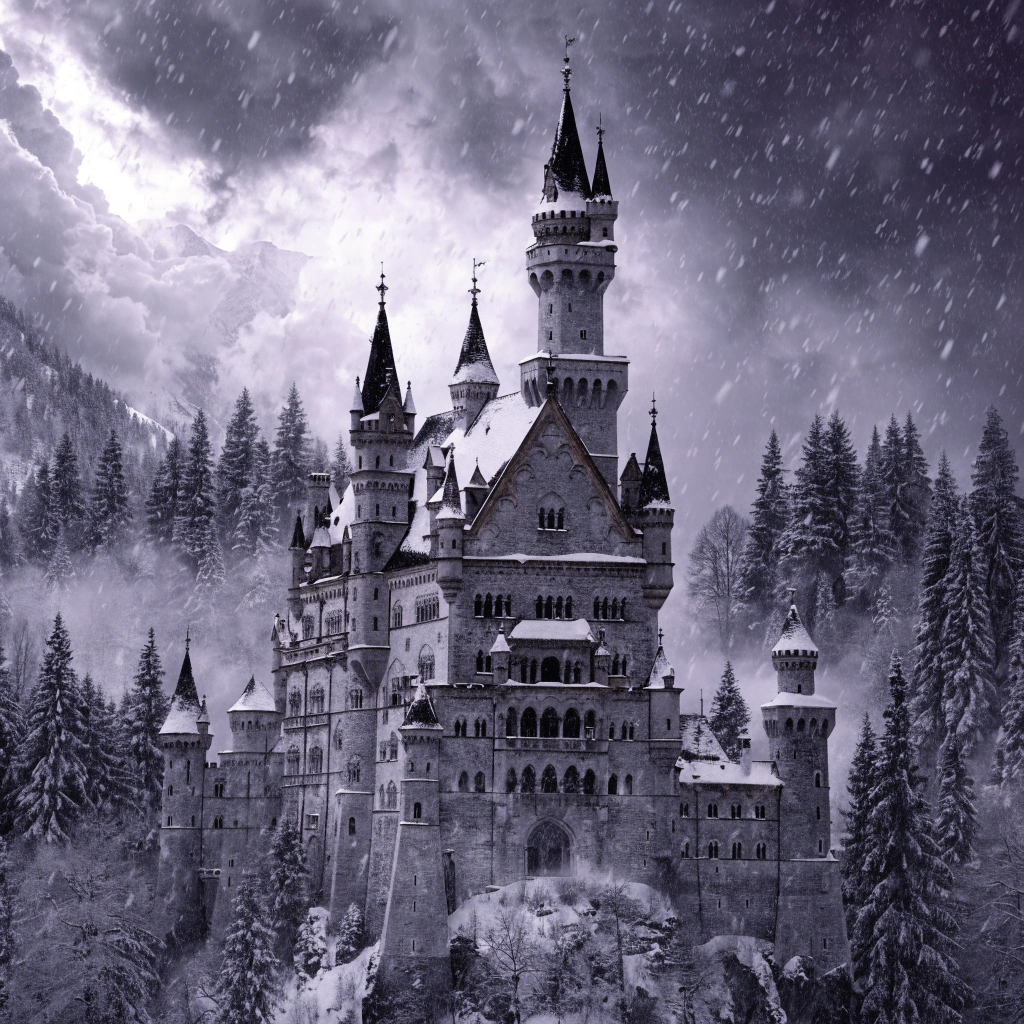
Château de Neuschwanstein
C'est le château de conte de fées par excellence, perché dans les Alpes bavaroises. Le roi Louis II l'a fait construire pour s'y retirer et rendre hommage à Richard Wagner.
Lire la suite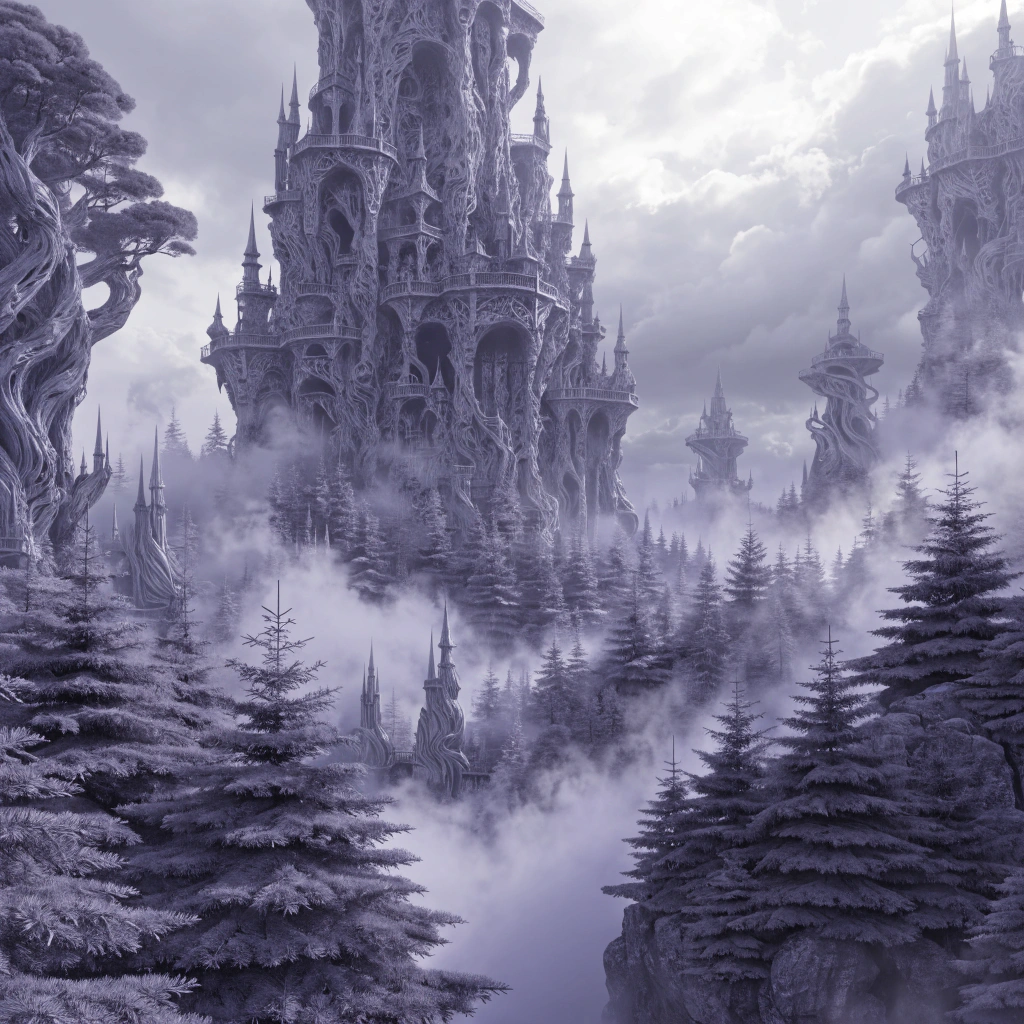
La Forêt-Noire
C'est une immense région montagneuse dans le sud-ouest de l'Allemagne, connue pour ses forêts de conifères super denses, son artisanat traditionnel du bois et son histoire pleine de folklore.
Lire la suite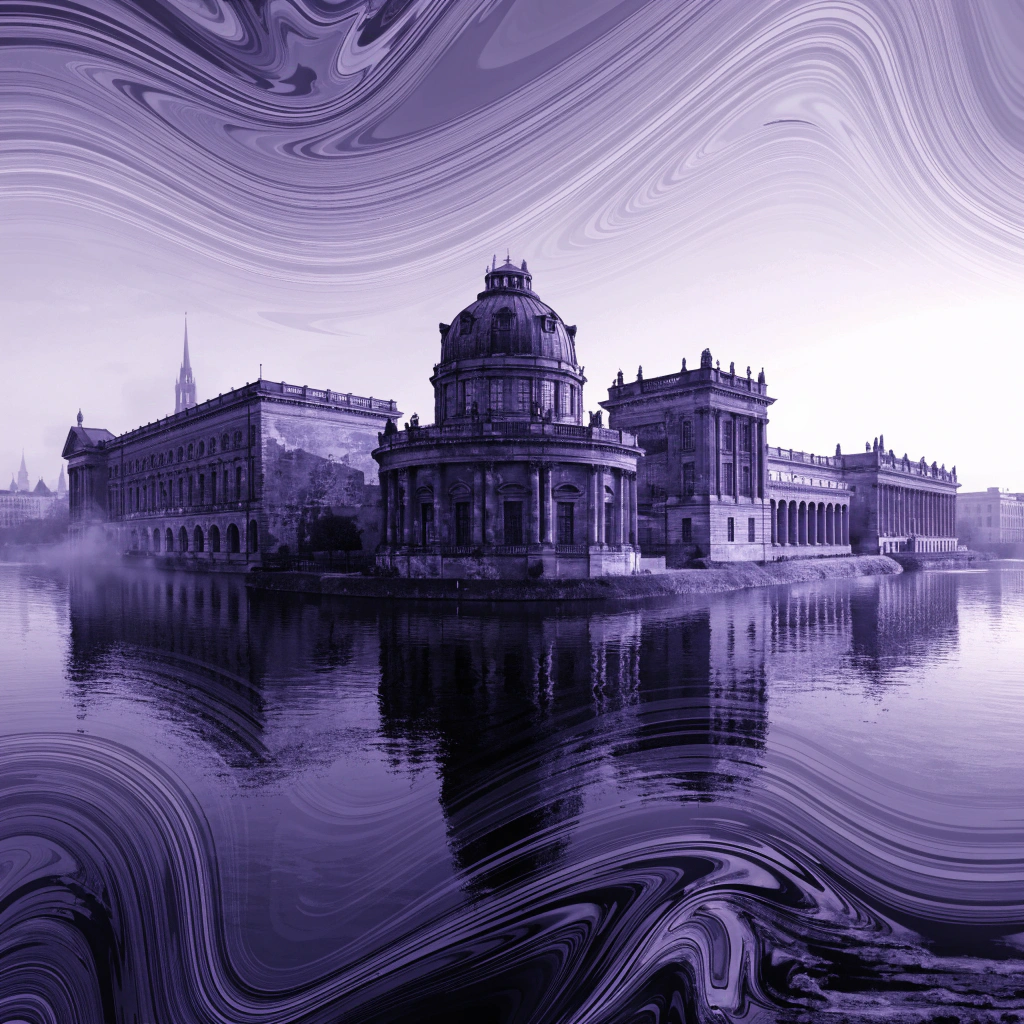
Museum Island
A unique ensemble of five world-renowned museums on an island in Berlin's Spree River, showcasing over 6,000 years of human history.
Lire la suite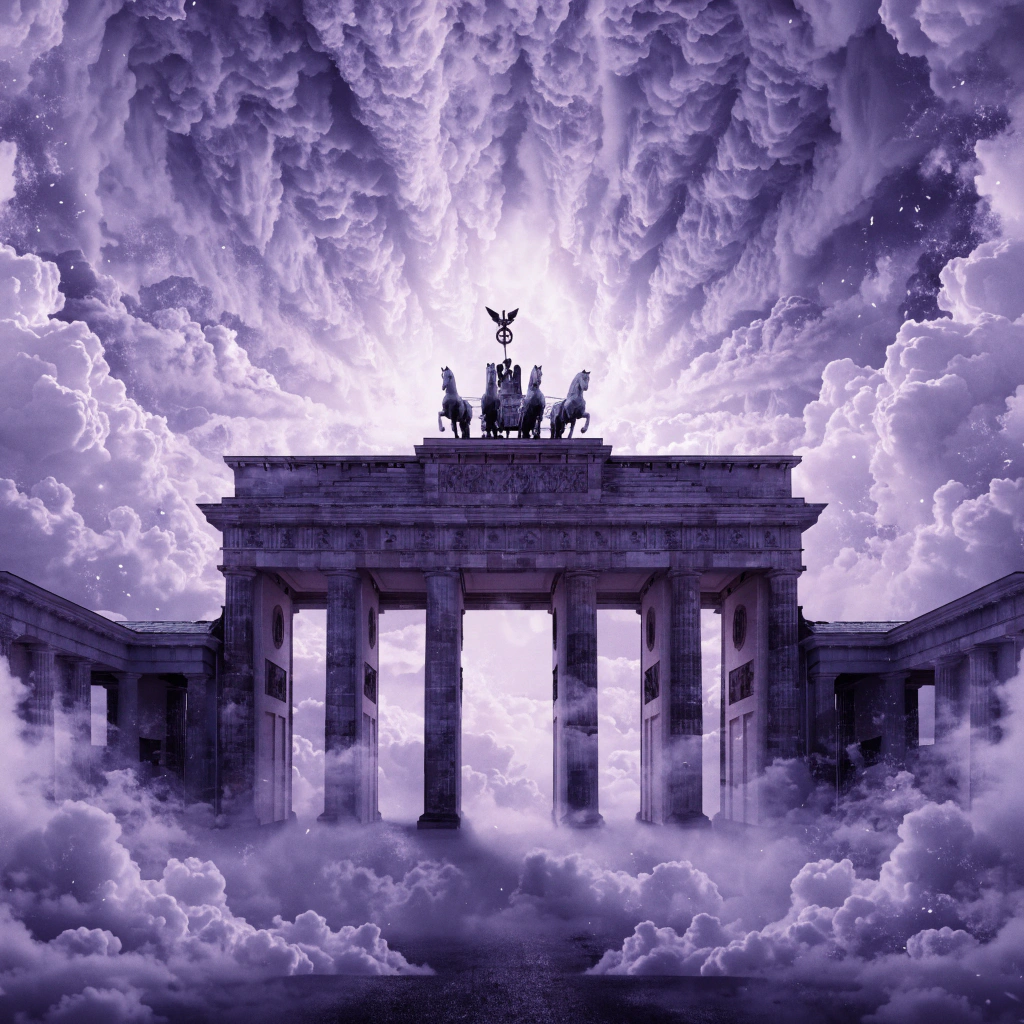
Brandenburg Gate
Berlin’s most famous landmark, a former city gate that has transformed from a symbol of Prussian power to a global icon of unity and freedom.
Lire la suiteCuisine
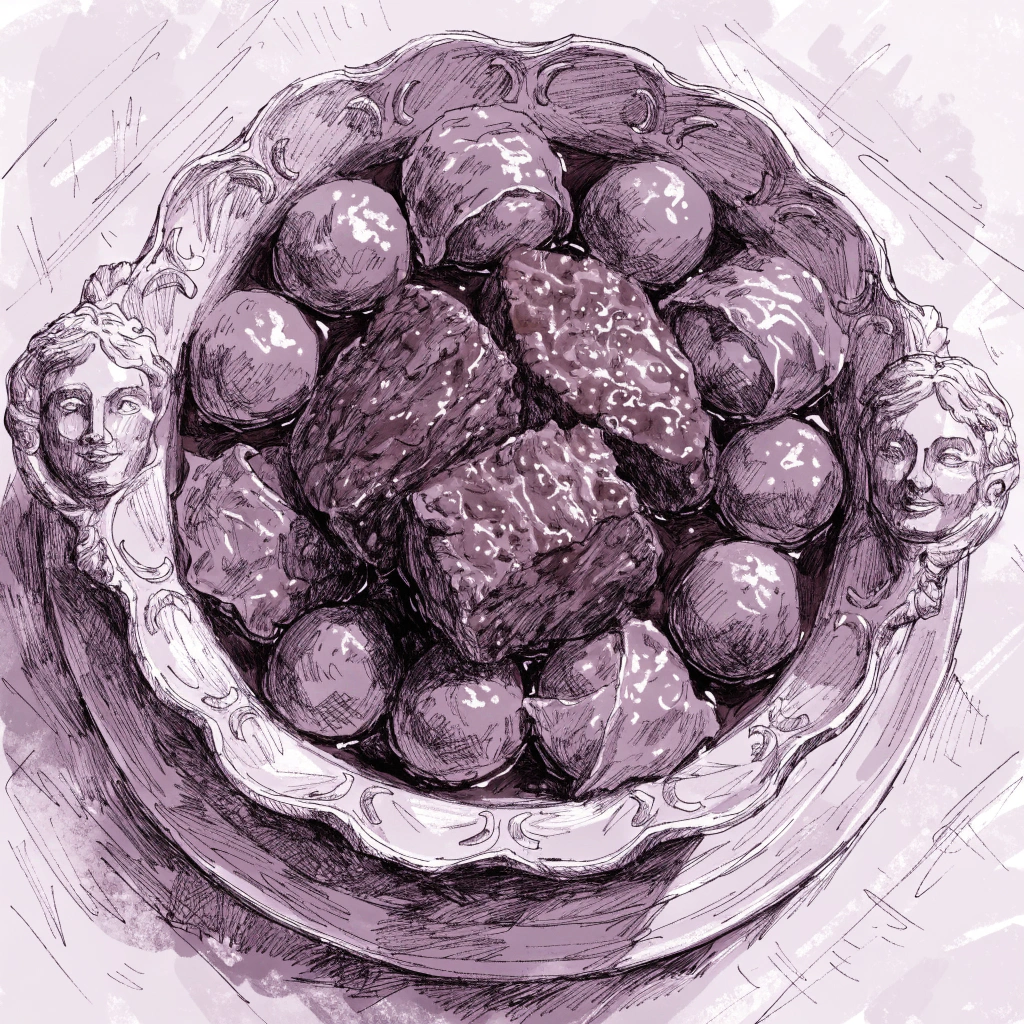
Sauerbraten
A traditional German pot roast of heavily marinated meat, served with rich gravy and dumplings.
Lire la suite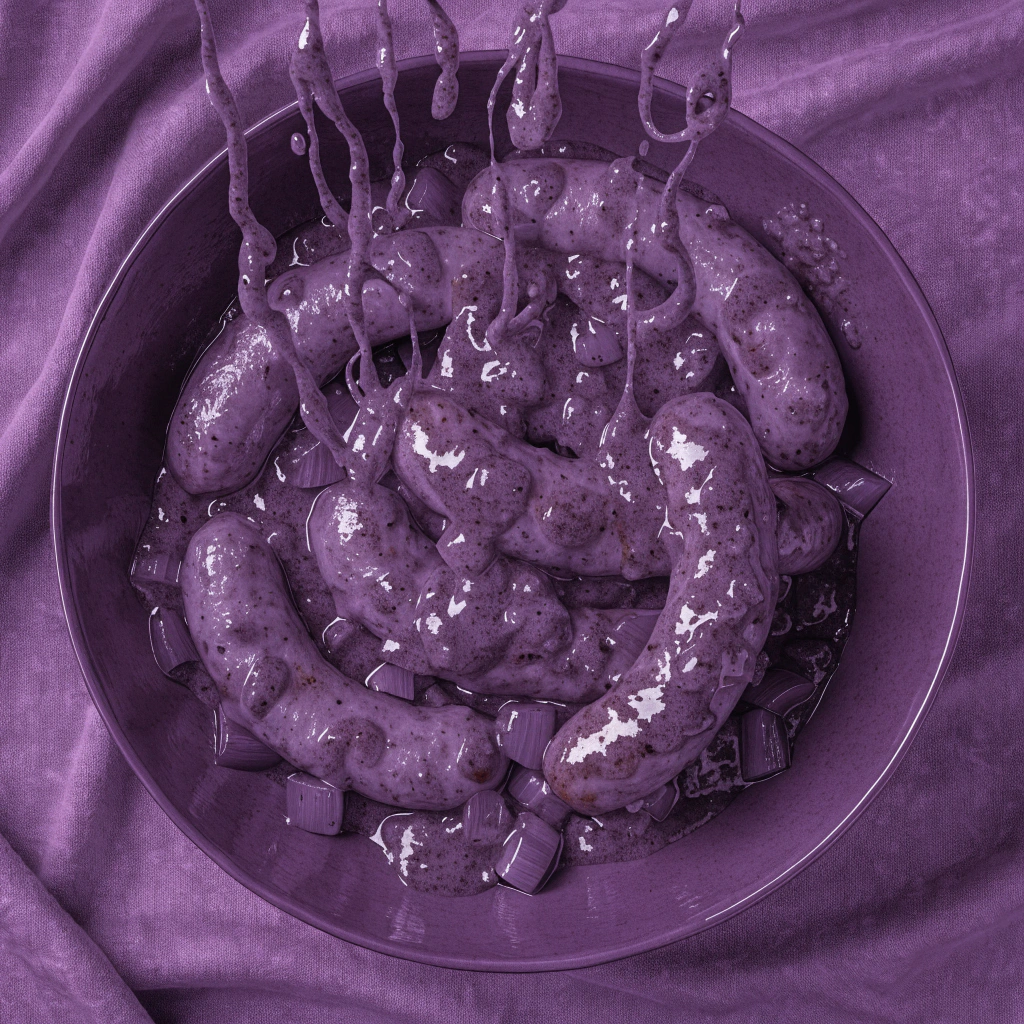
Currywurst
Un incontournable de la street food berlinoise : une saucisse de porc frite nappée d'une sauce ketchup au curry épicée.
Lire la suite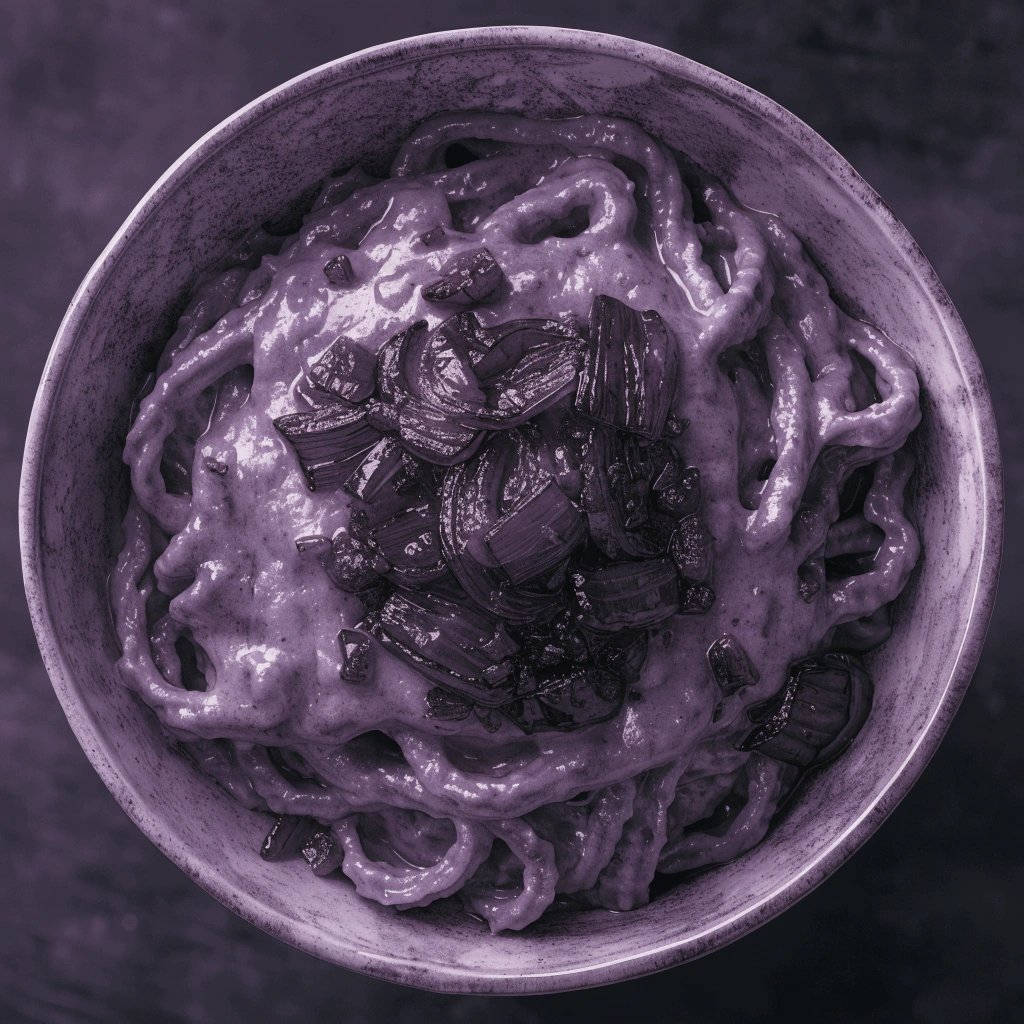
Käsespätzle
A comforting Swabian dish of handmade egg noodles layered with melted cheese and topped with caramelized onions.
Lire la suite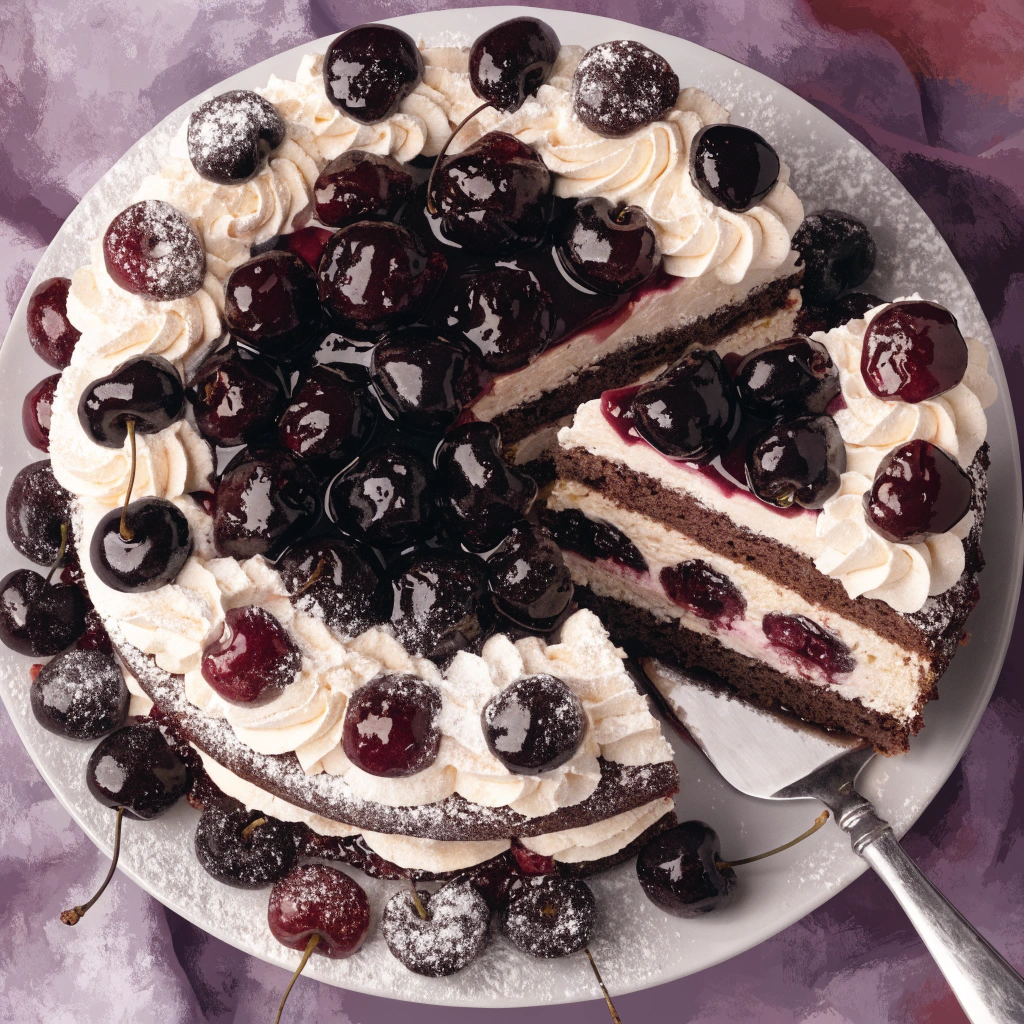
Schwarzwälder Kirschtorte
The legendary Black Forest Cake made with chocolate sponge, whipped cream, cherries, and cherry brandy.
Lire la suiteMusique et arts
Germany possesses a profound cultural legacy that bridges the gap between technical precision and emotional depth, most notably through its world-renowned classical music and innovative design movements. The country's artistic identity is shaped by a commitment to craftsmanship, seen in its pipe organ building and traditional folk arts, alongside a history of avant-garde movements like the Bauhaus and Modern Dance.
Arts traditionnels
Événements et festivals
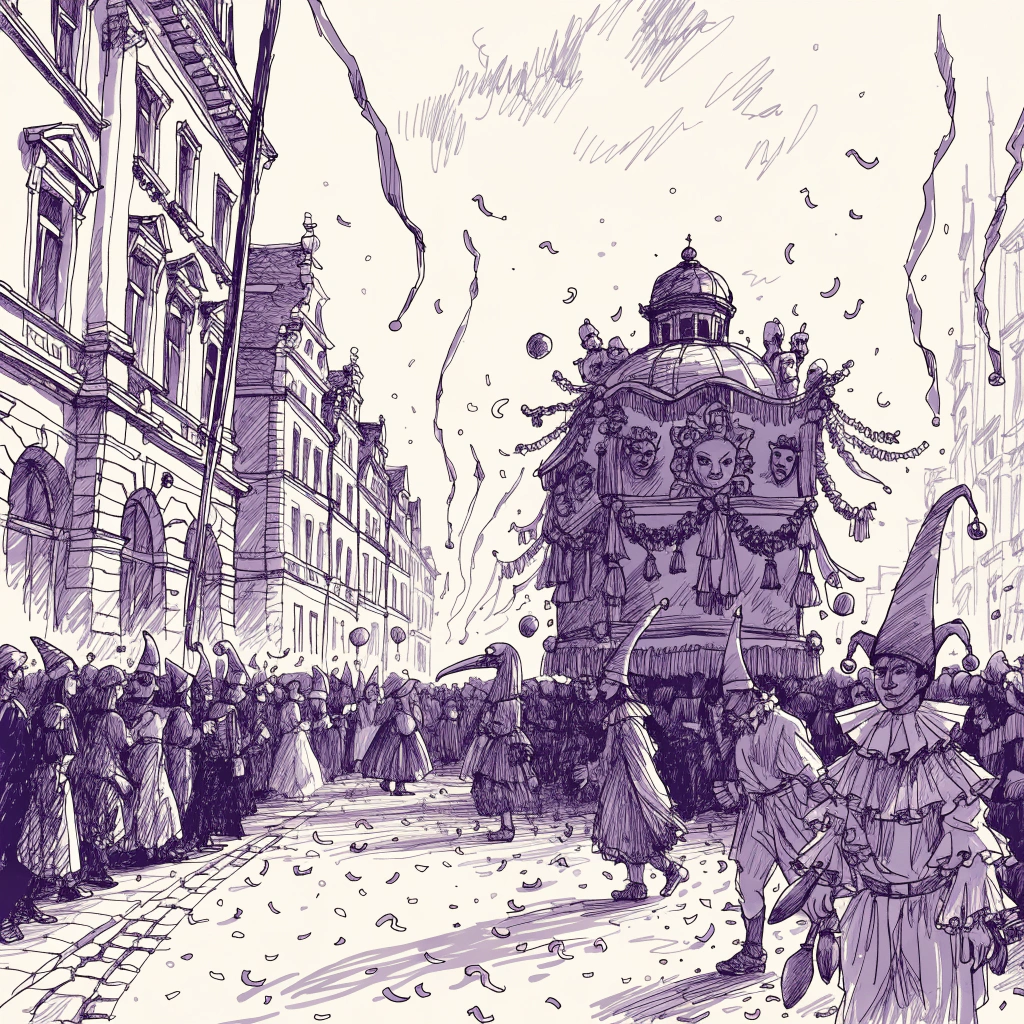
Karneval (Fasching/Fastnacht)
Février (la semaine précédant le mercredi des Cendres)La « cinquième saison » de l'Allemagne, une célébration vibrante avant le Carême remplie de défilés, de costumes et de festivités satiriques.
Lire la suite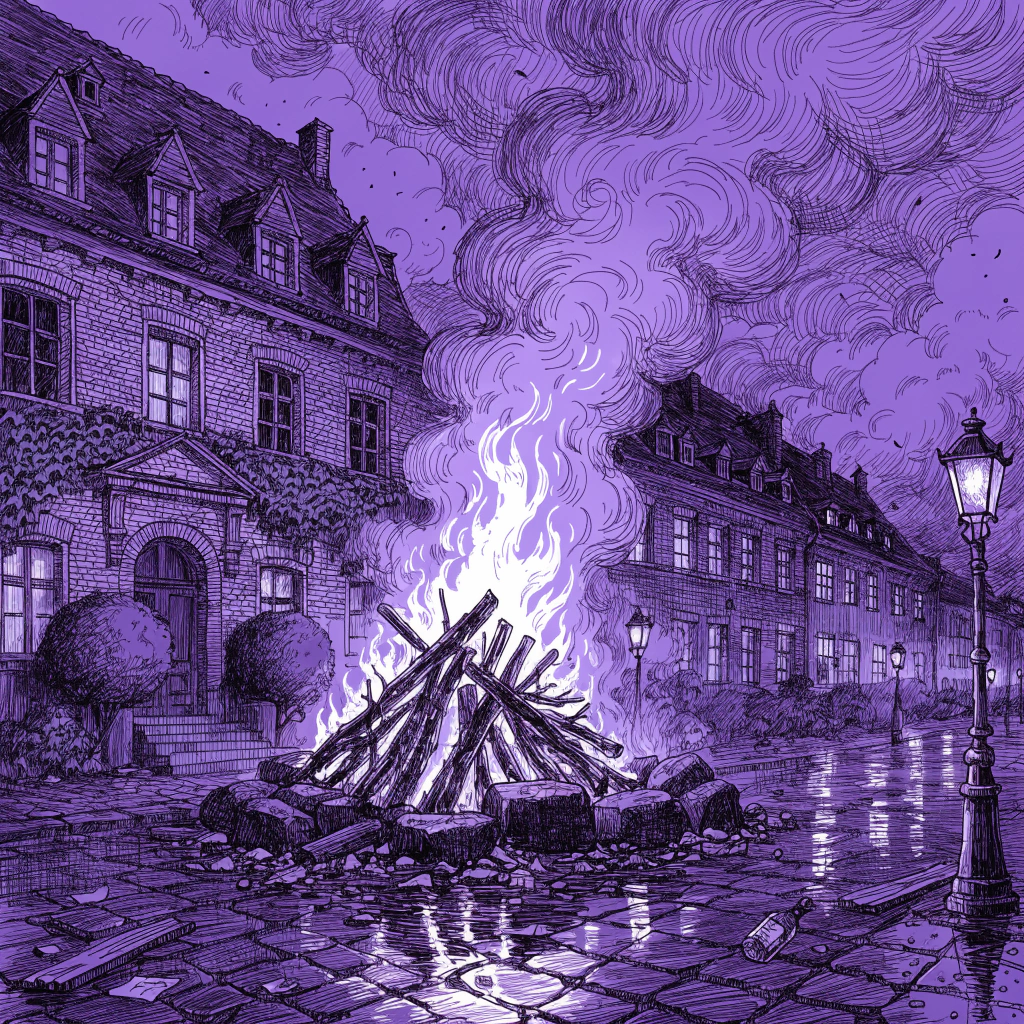
Walpurgisnacht (La Nuit des Sorcières)
30 avril - 1er maiUne nuit traditionnelle de feux de joie et de « danse vers mai » pour fêter l'arrivée du printemps et chasser les mauvais esprits.
Lire la suite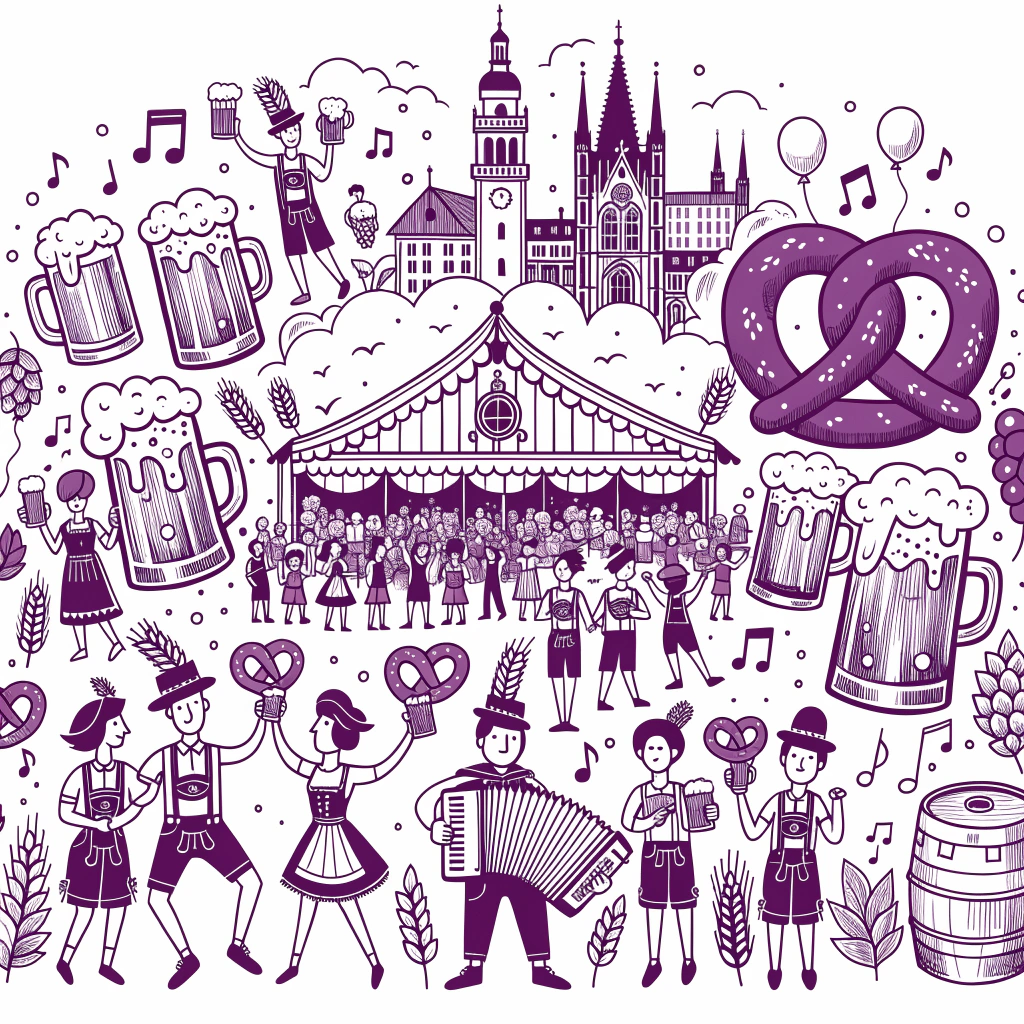
Oktoberfest
Late September - First Sunday in OctoberThe world's largest Volksfest, held in Munich, celebrating Bavarian culture, traditional music, and world-class beer.
Lire la suite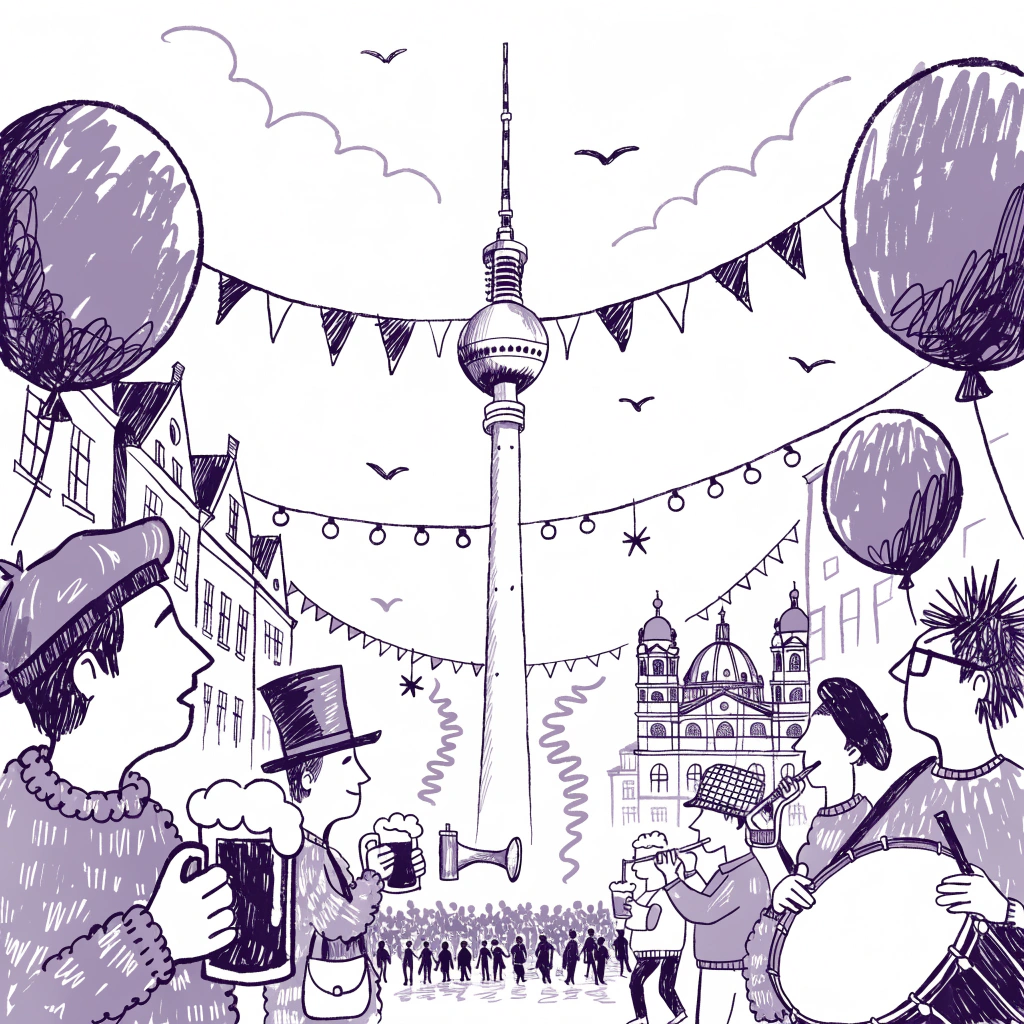
Tag der Deutschen Einheit (German Unity Day)
October 3Germany's national holiday commemorating the official reunification of East and West Germany in 1990.
Lire la suite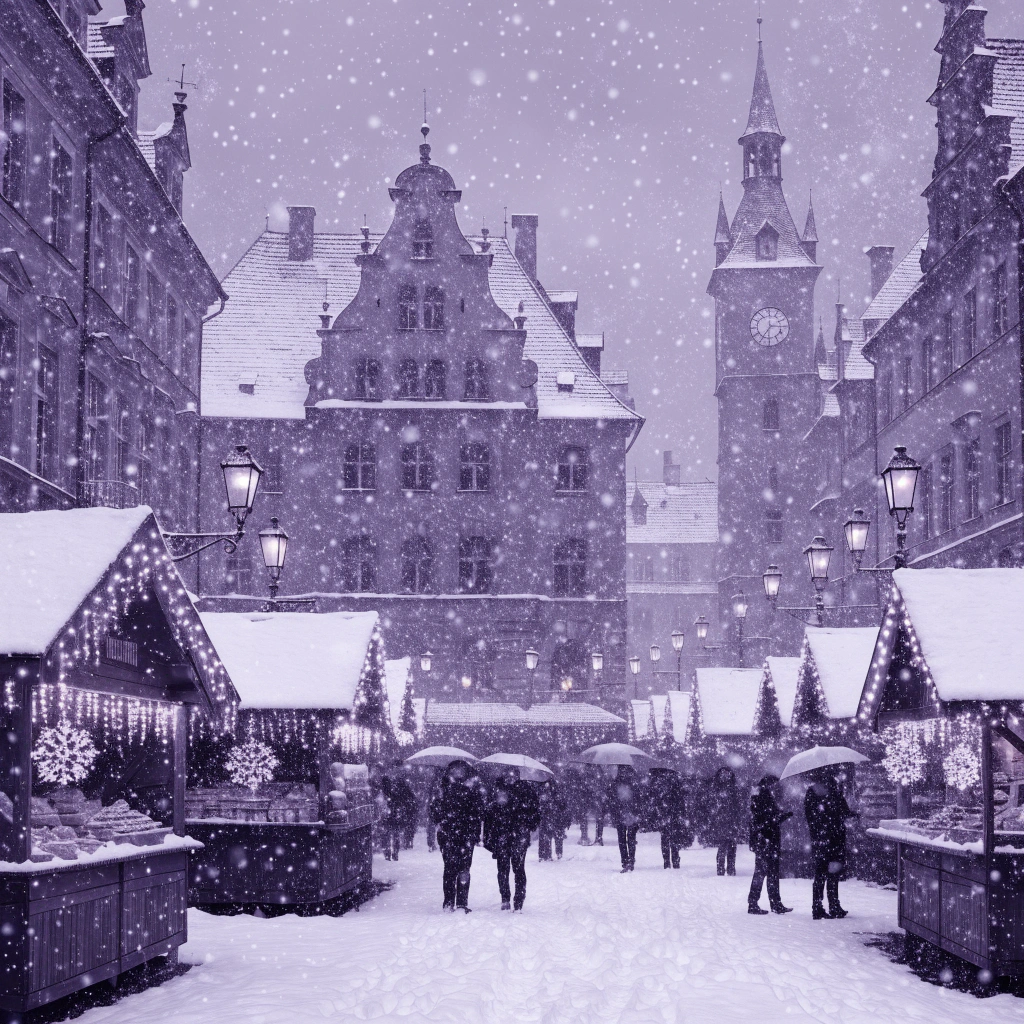
Weihnachtsmärkte (Marchés de Noël)
Fin novembre - 24 décembreLes places historiques à travers l'Allemagne se transforment en paysages hivernaux féeriques avec des stands en bois, des lumières et des douceurs festives.
Lire la suitePhrases de voyage
Hallo
Hello
Guten Tag
Greeting / Good day
Danke
Thank you
Wie geht es Ihnen?
How are you?
Bitte
Please
Entschuldigung
Excuse me / Sorry
Mode de vie et coutumes
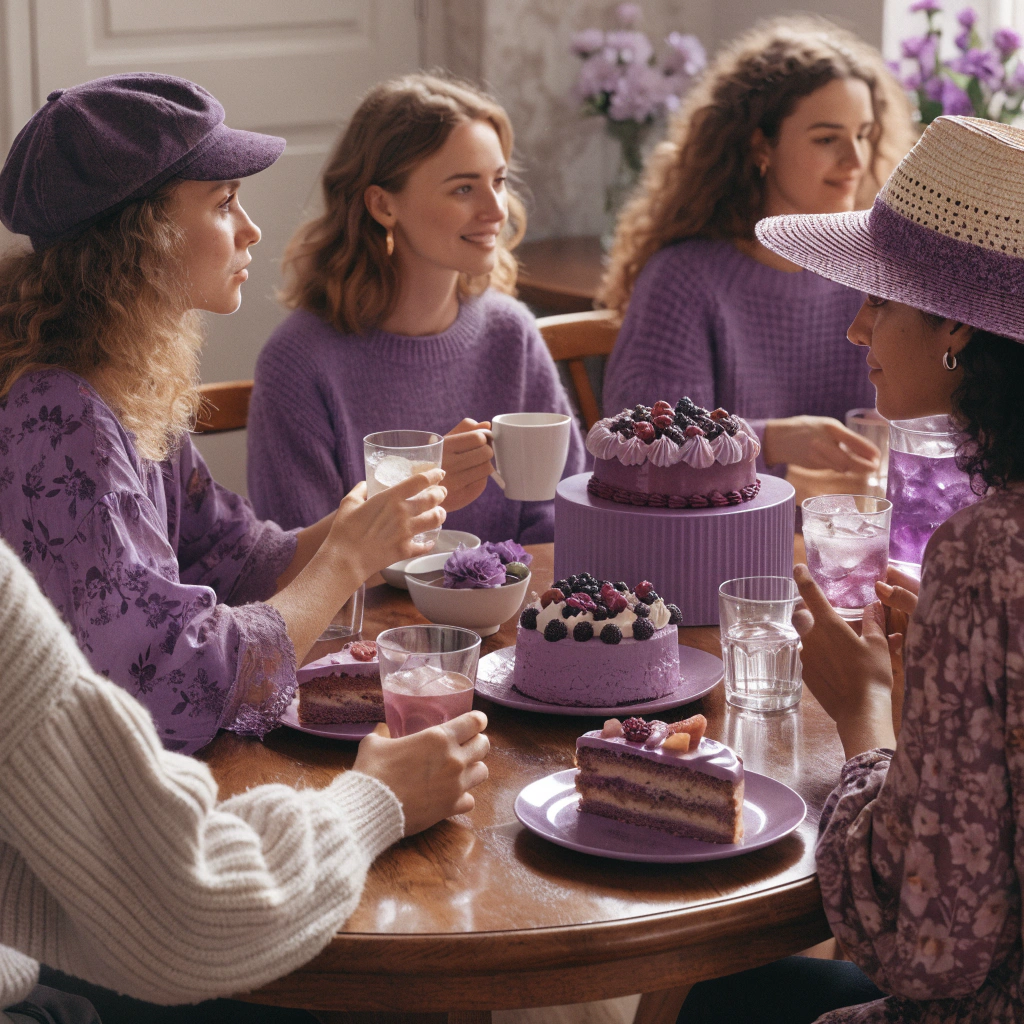
Kaffee und Kuchen
Un rituel de l'après-midi super apprécié où les amis et la famille se retrouvent pour savourer un café et divers gâteaux traditionnels, en mettant l'accent sur les liens sociaux et la détente.
Lire la suite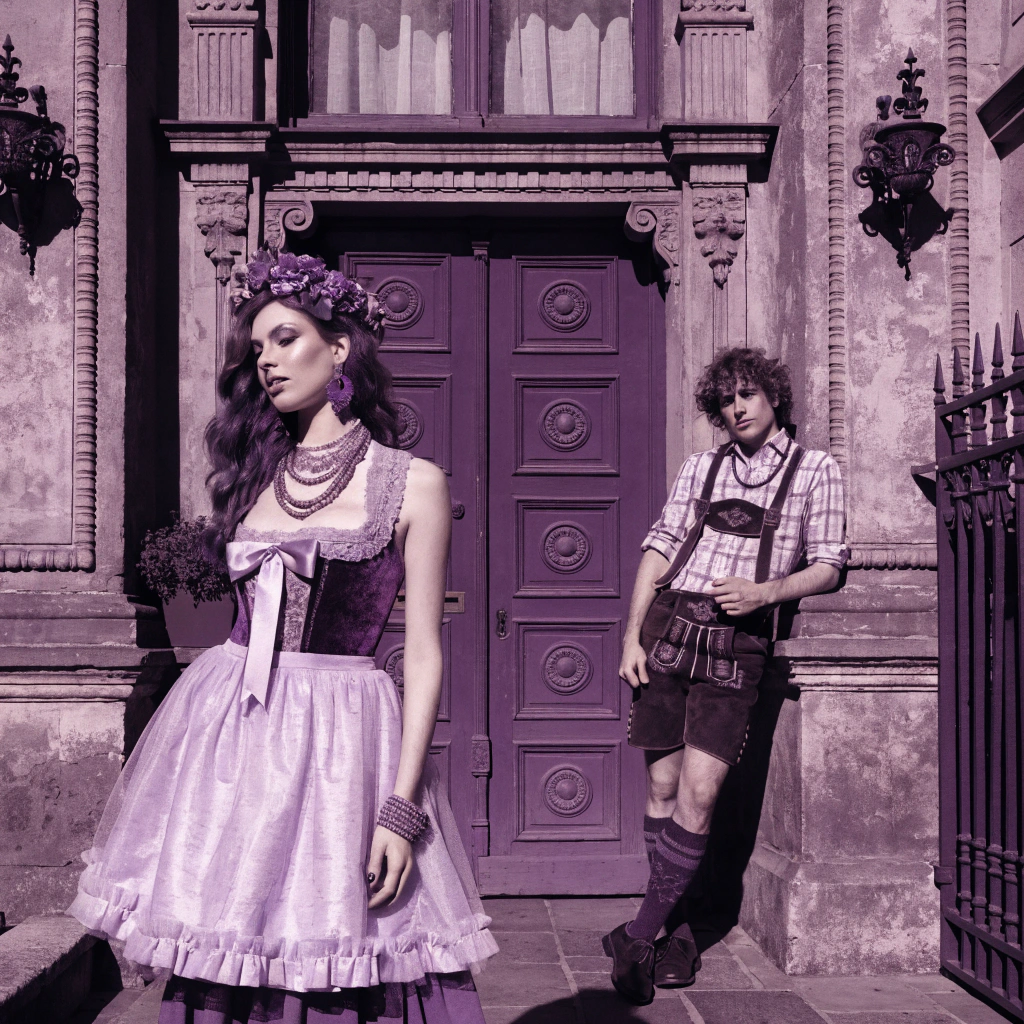
Tracht: Dirndl and Lederhosen
Iconic traditional Alpine garments that have evolved from peasant workwear into symbols of regional identity and festive celebration.
Lire la suite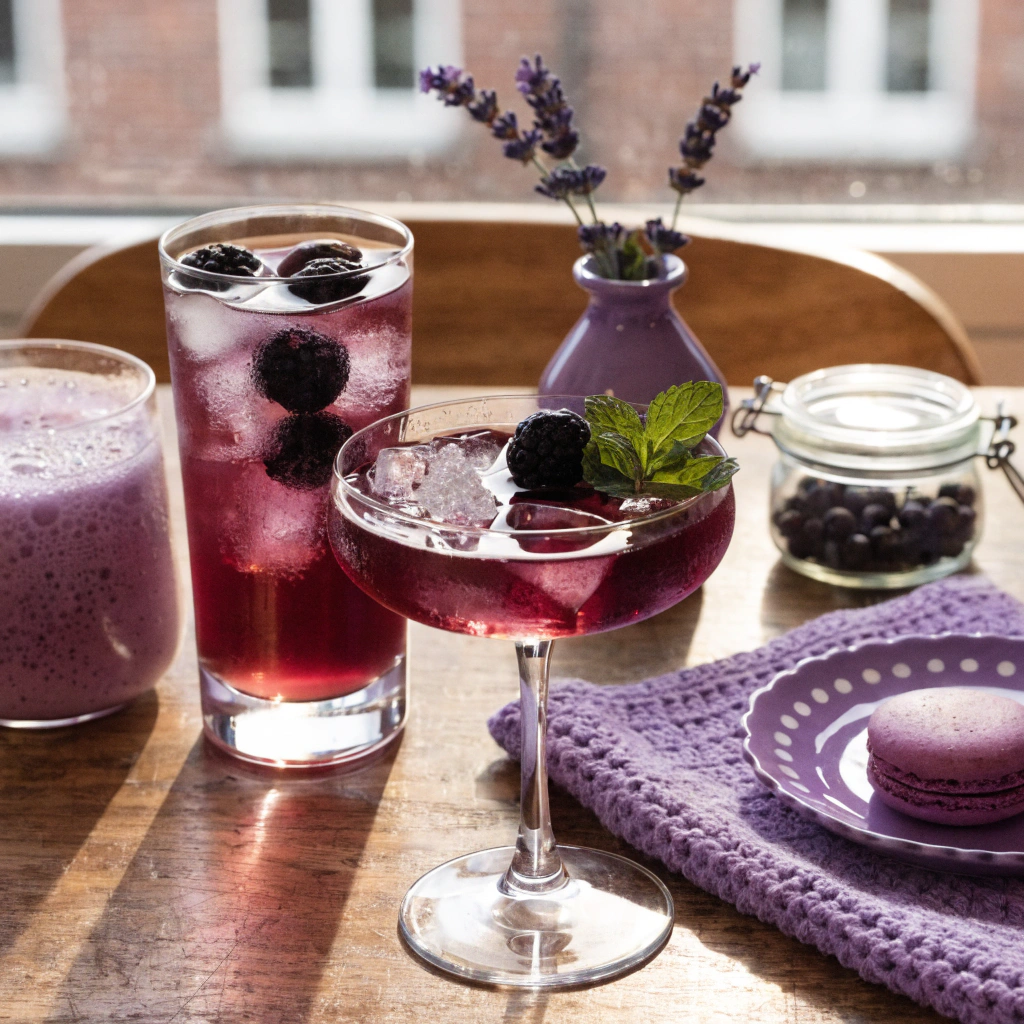
Feierabend
A unique German concept and practice that marks the transition from the workday to leisure time, emphasizing the sanctity of personal rest and social boundaries.
Lire la suiteConseils d'étiquette
Shake hands firmly while making direct eye contact when greeting someone.
Keep your hands in your pockets while talking to someone, as it is seen as disrespectful.
Be strictly punctual for all appointments and social gatherings.
Arrive late, even by a few minutes, without calling ahead to explain.
Address people using 'Sie' and their last name until explicitly invited to use 'Du'.
Use first names immediately with strangers or people in positions of authority.
Maintain eye contact when clinking glasses and saying 'Prost'.
Clink glasses without looking the other person in the eye, as it is considered bad luck.
Explorer plus de pays en Western Europe



Apprends Allemand pour te connecter à Allemagne
Commence à apprendre Allemand avec des vidéos, des exercices et des outils IA sur SubLearn.
Commencer apprendre
