독일 소개
Located in the heart of Europe, Germany is a federal republic known for its diverse landscapes ranging from the wind-swept North Sea beaches to the snow-capped Bavarian Alps. Its history is marked by its evolution from a collection of medieval states to a unified modern power, fostering a cultural identity defined by a profound legacy in classical music, philosophy, and world-class precision engineering.
기본 정보
수도
Berlin
인구
83,783,942
지역
Europe · Western Europe
통화
Euro (EUR)
사용 언어

독일어
Deutsch
알고 계셨나요?
Germany is home to over 300 different types of bread and more than 1,000 varieties of sausages, reflecting a deep-seated culinary tradition.
Berlin is approximately nine times larger than Paris and actually has more bridges than Venice, with roughly 1,700 spans crossing its various waterways.
The world's first printed book, the Gutenberg Bible, was produced in Mainz by Johannes Gutenberg in the 1450s, sparking a global communication revolution.
Germany features the world's narrowest street, Spreuerhofstraße in the city of Reutlingen, which is only 31 centimeters (about 12 inches) wide at its tightest point.
유명 랜드마크
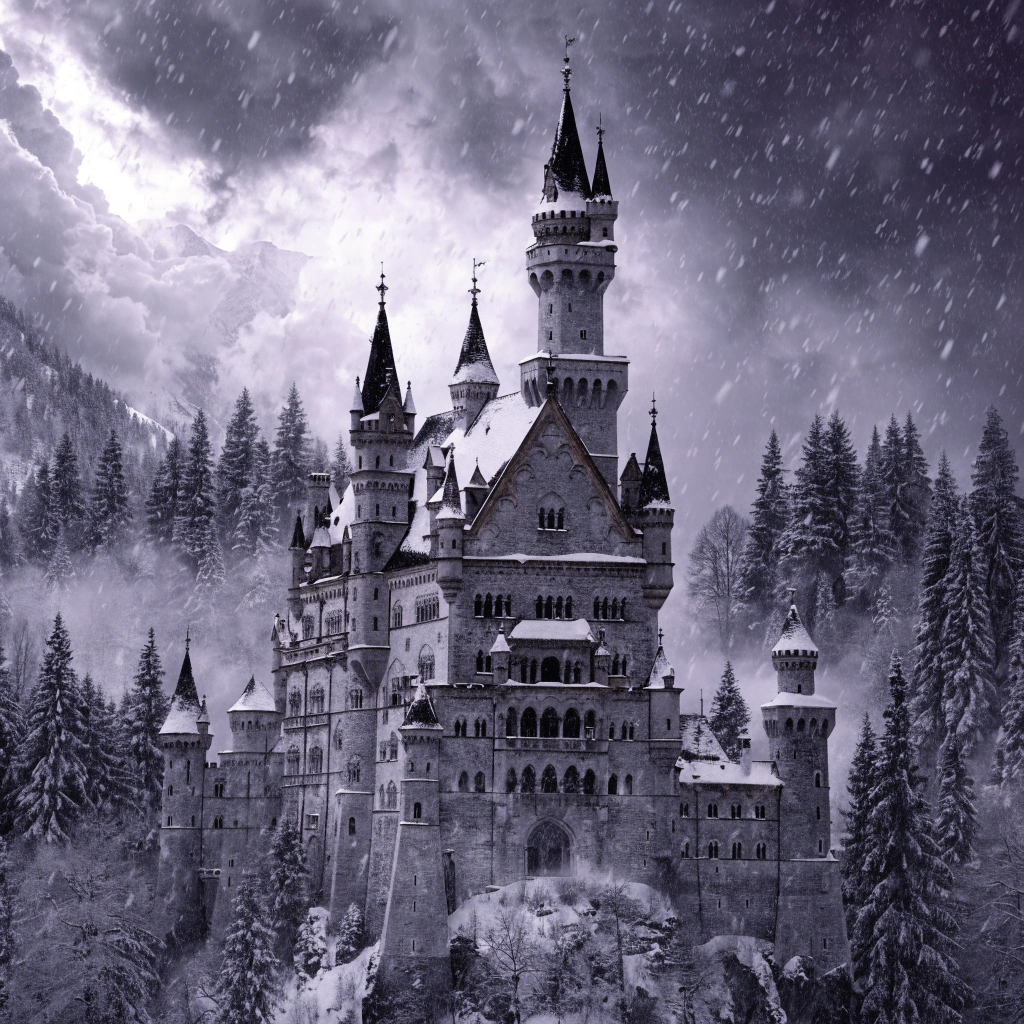
Neuschwanstein Castle
The quintessential fairytale castle perched in the Bavarian Alps, commissioned by King Ludwig II as a retreat and a tribute to Richard Wagner.
더 읽기
The Black Forest
A vast, mountainous region in southwestern Germany known for its dense evergreen canopies, traditional woodcraft, and folkloric history.
더 읽기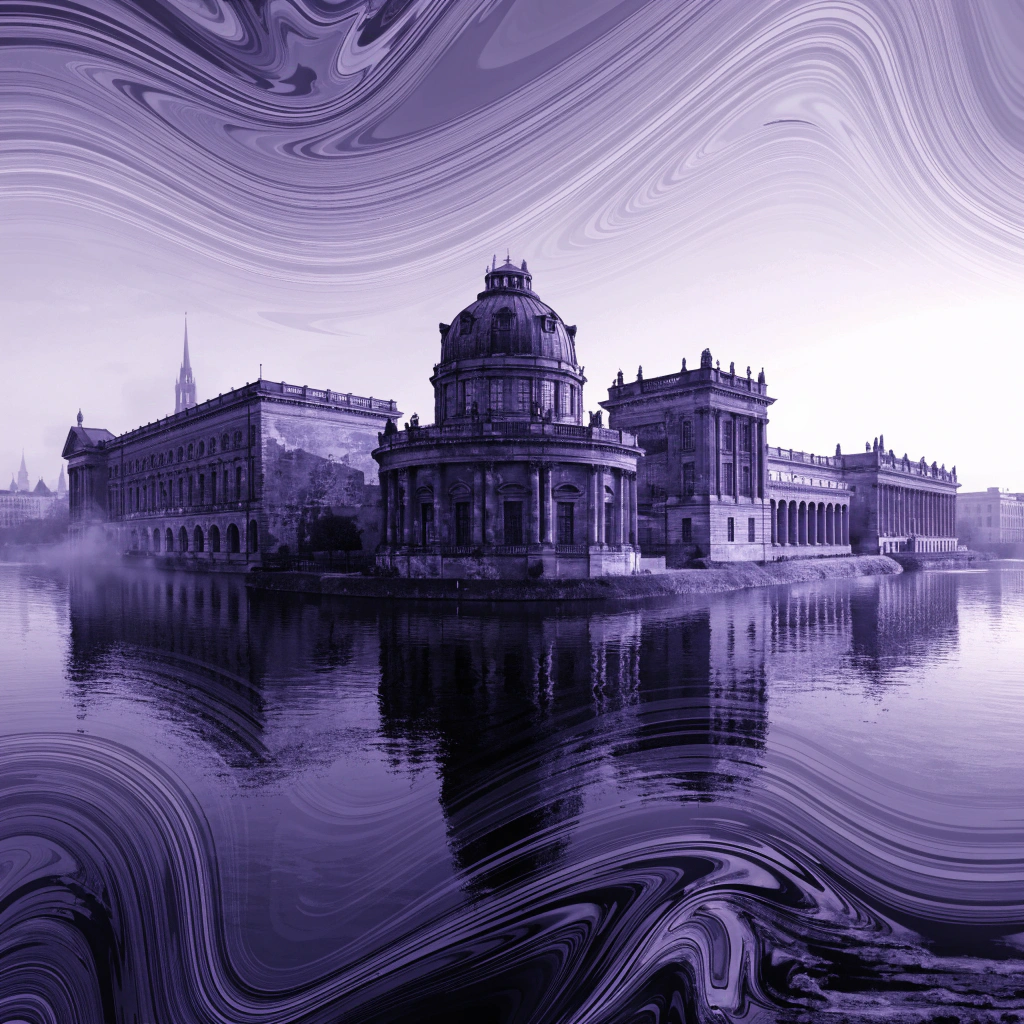
Museum Island
A unique ensemble of five world-renowned museums on an island in Berlin's Spree River, showcasing over 6,000 years of human history.
더 읽기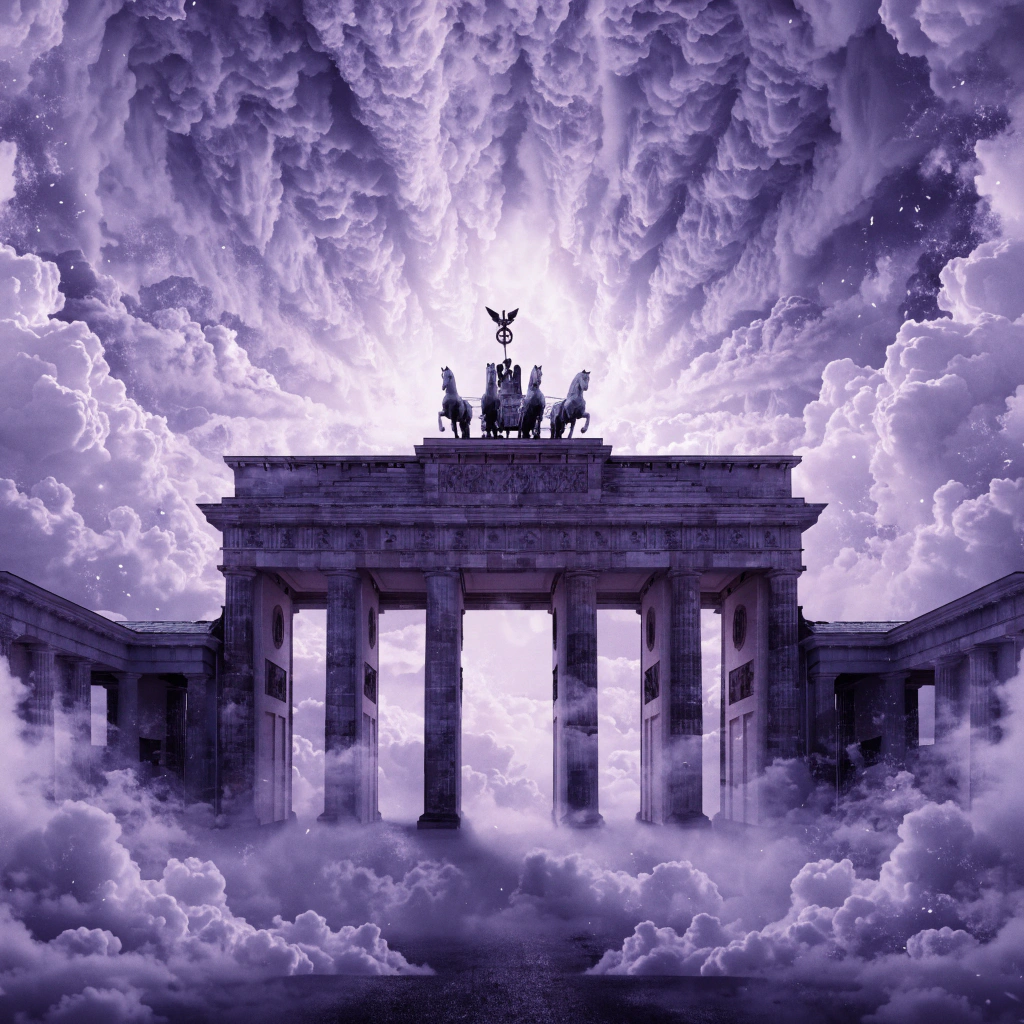
Brandenburg Gate
Berlin’s most famous landmark, a former city gate that has transformed from a symbol of Prussian power to a global icon of unity and freedom.
더 읽기요리
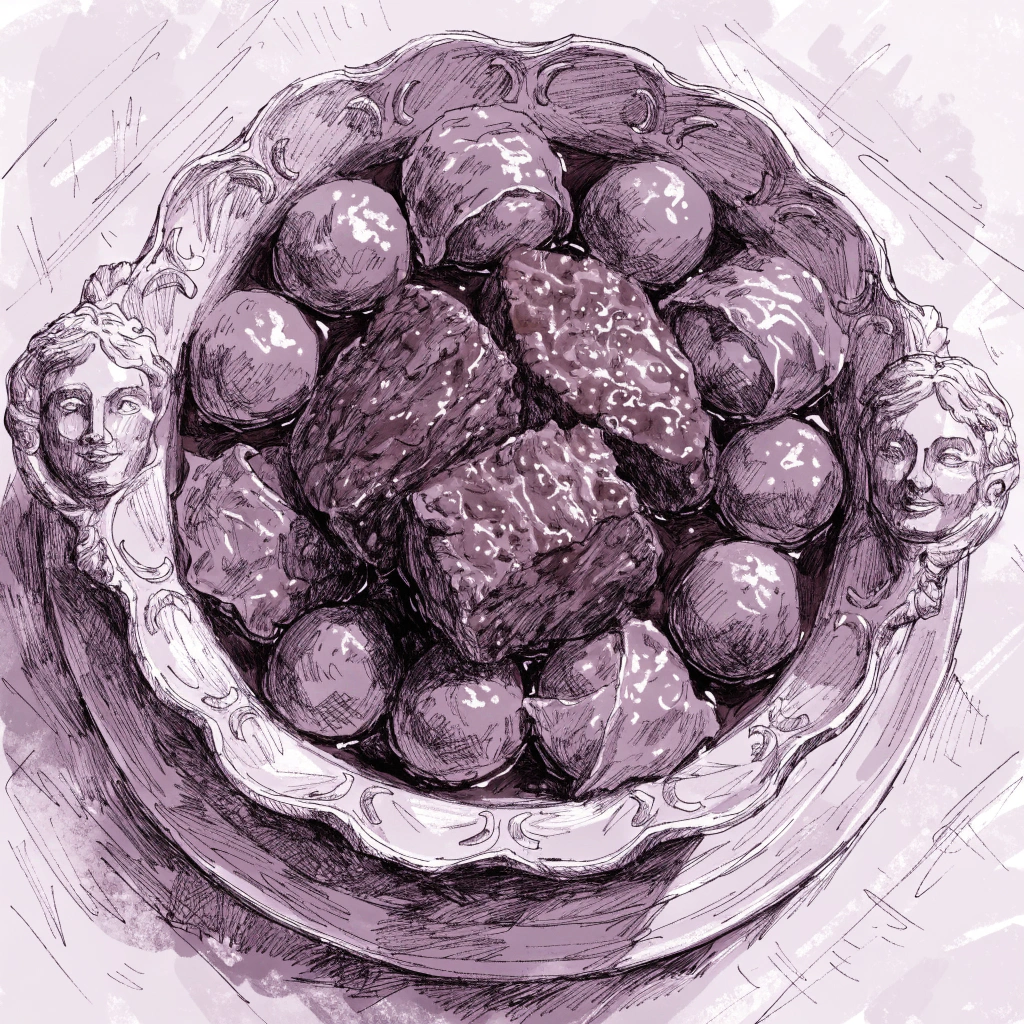
Sauerbraten
A traditional German pot roast of heavily marinated meat, served with rich gravy and dumplings.
더 읽기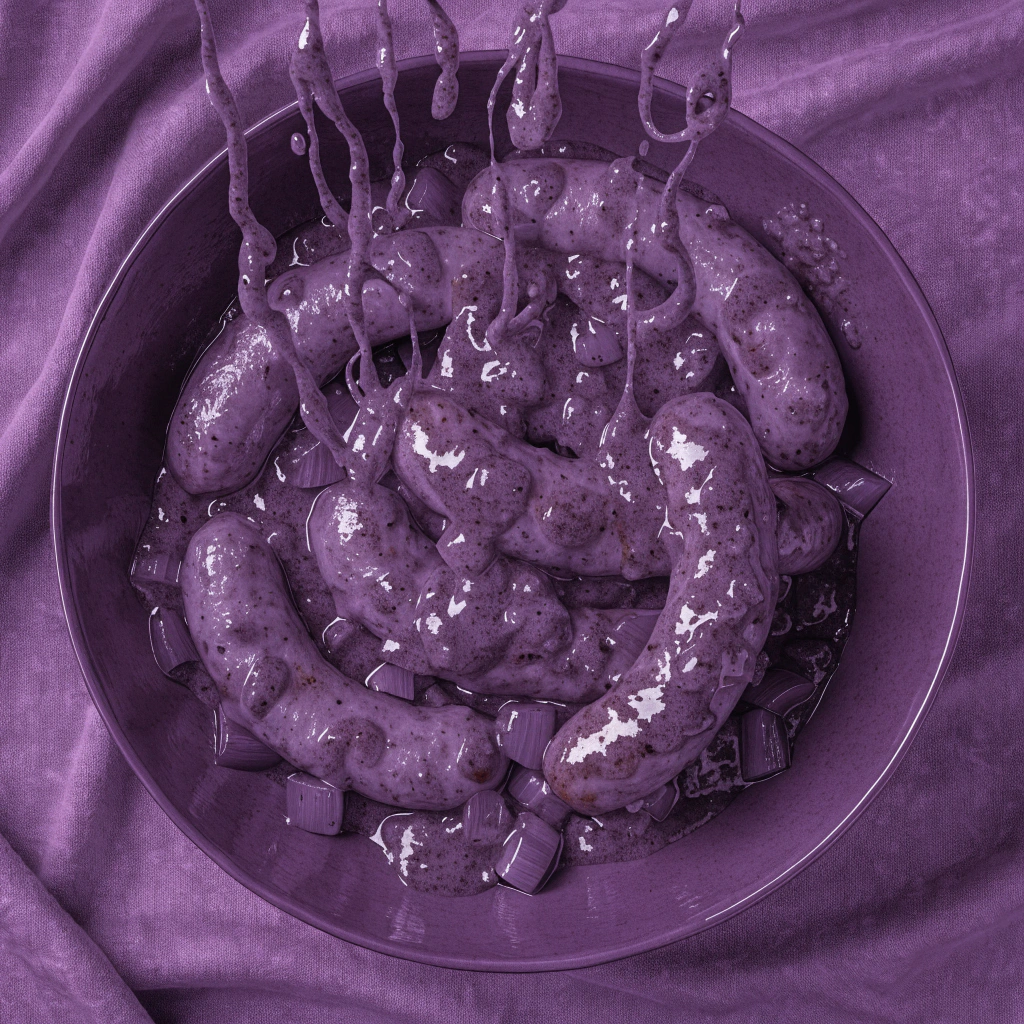
Currywurst
Berlin을 상징하는 길거리 음식으로, 튀긴 돼지고기 소시지에 매콤한 커리 케첩 소스를 얹은 요리예요.
더 읽기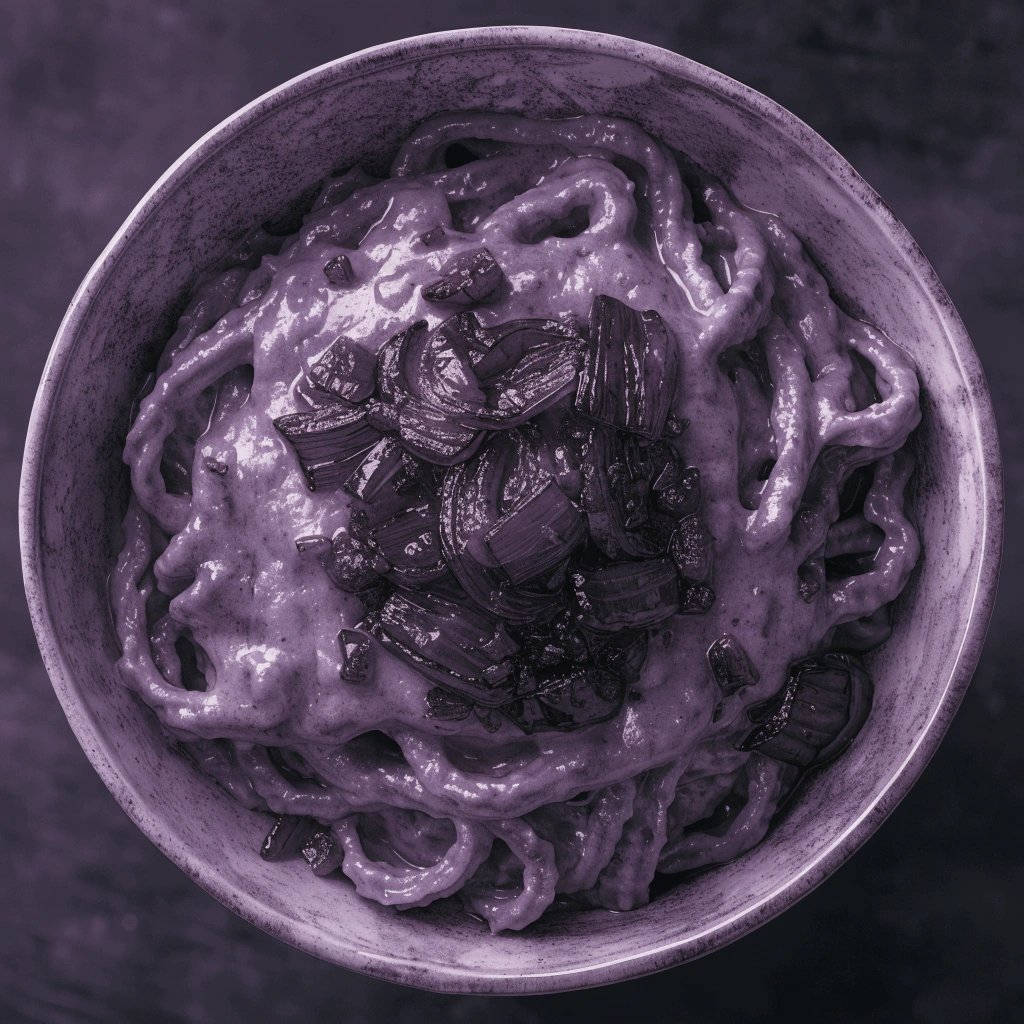
Käsespätzle
A comforting Swabian dish of handmade egg noodles layered with melted cheese and topped with caramelized onions.
더 읽기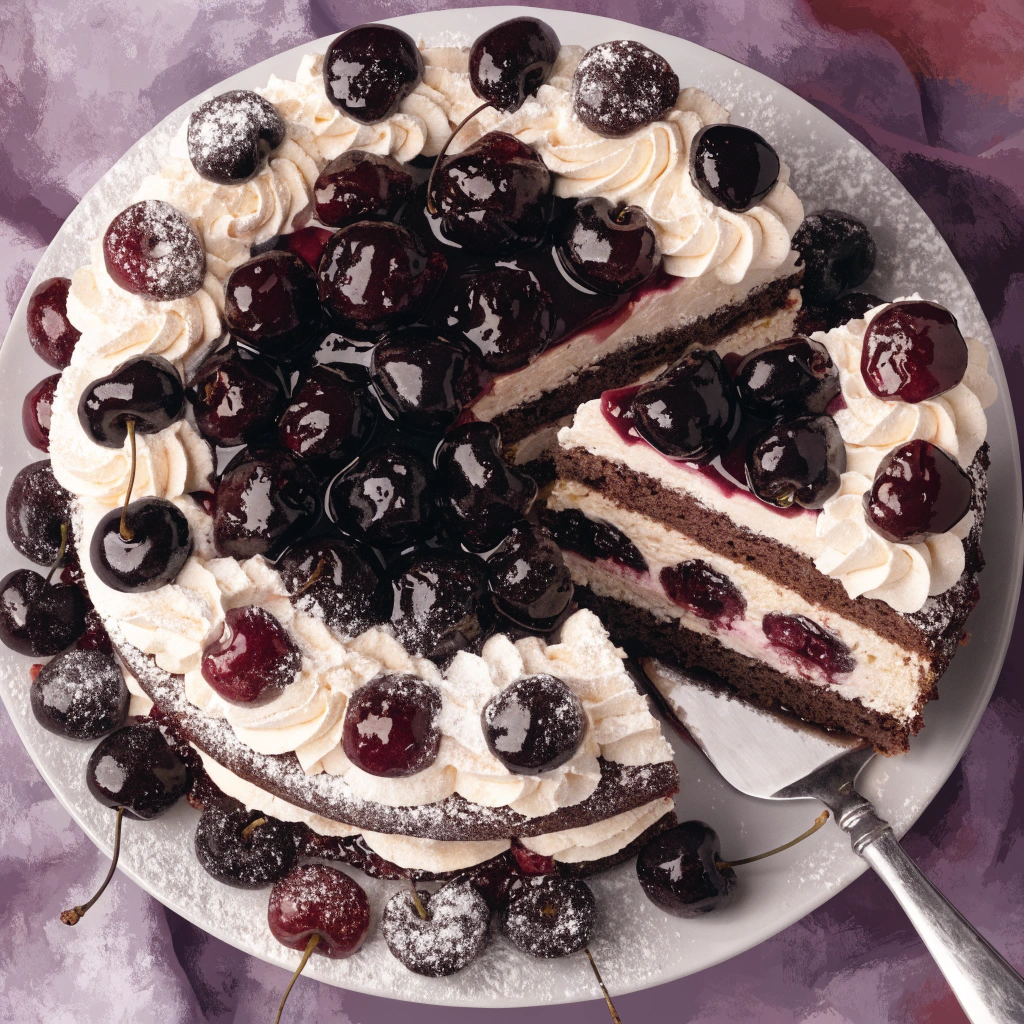
Schwarzwälder Kirschtorte
The legendary Black Forest Cake made with chocolate sponge, whipped cream, cherries, and cherry brandy.
더 읽기음악 및 예술
Germany possesses a profound cultural legacy that bridges the gap between technical precision and emotional depth, most notably through its world-renowned classical music and innovative design movements. The country's artistic identity is shaped by a commitment to craftsmanship, seen in its pipe organ building and traditional folk arts, alongside a history of avant-garde movements like the Bauhaus and Modern Dance.
전통 예술
이벤트 및 축제
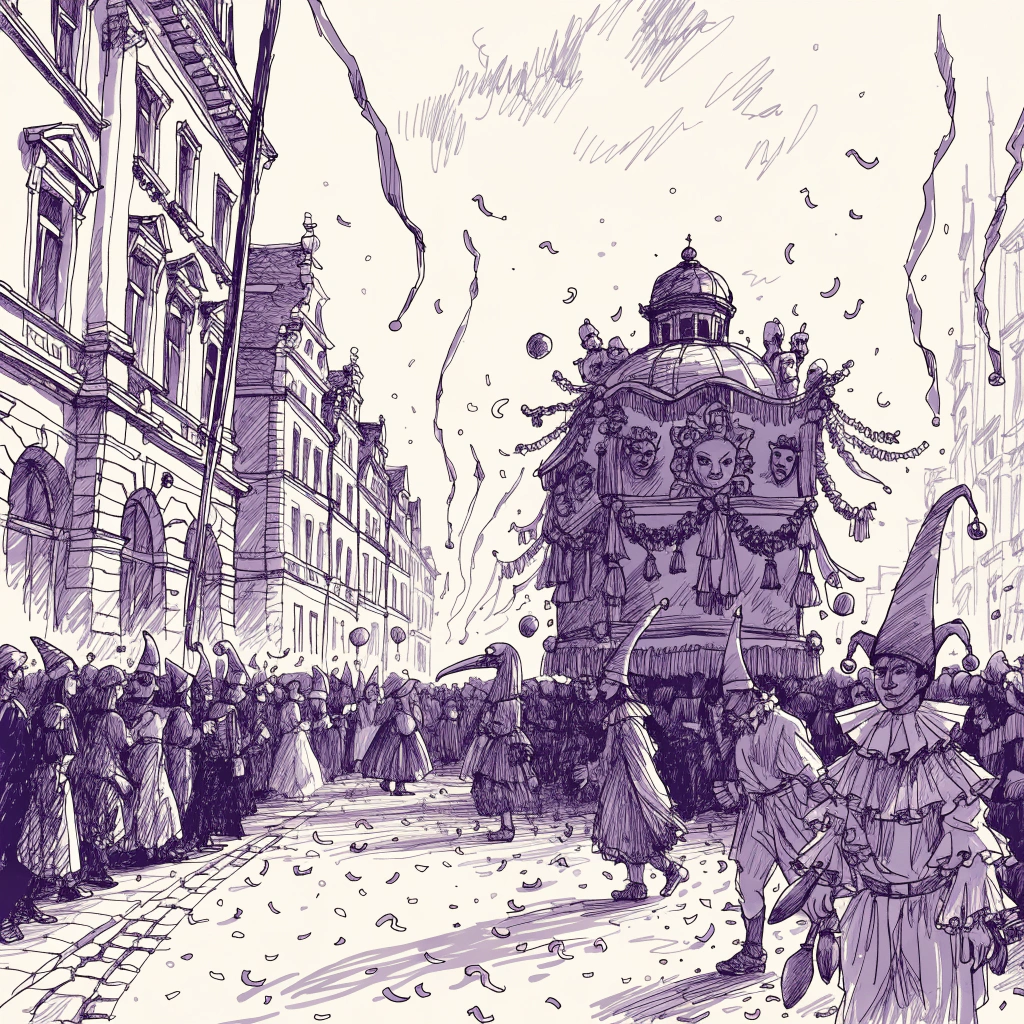
카니발 (Karneval / 파싱 Fasching / 패스트나흐트 Fastnacht)
2월 ('재의 수요일' 직전 일주일)독일의 '제5의 계절'로 불리는, 사순절 전에 열리는 활기찬 축제예요. 퍼레이드, 코스튬, 그리고 풍자적인 행사들로 가득하답니다.
더 읽기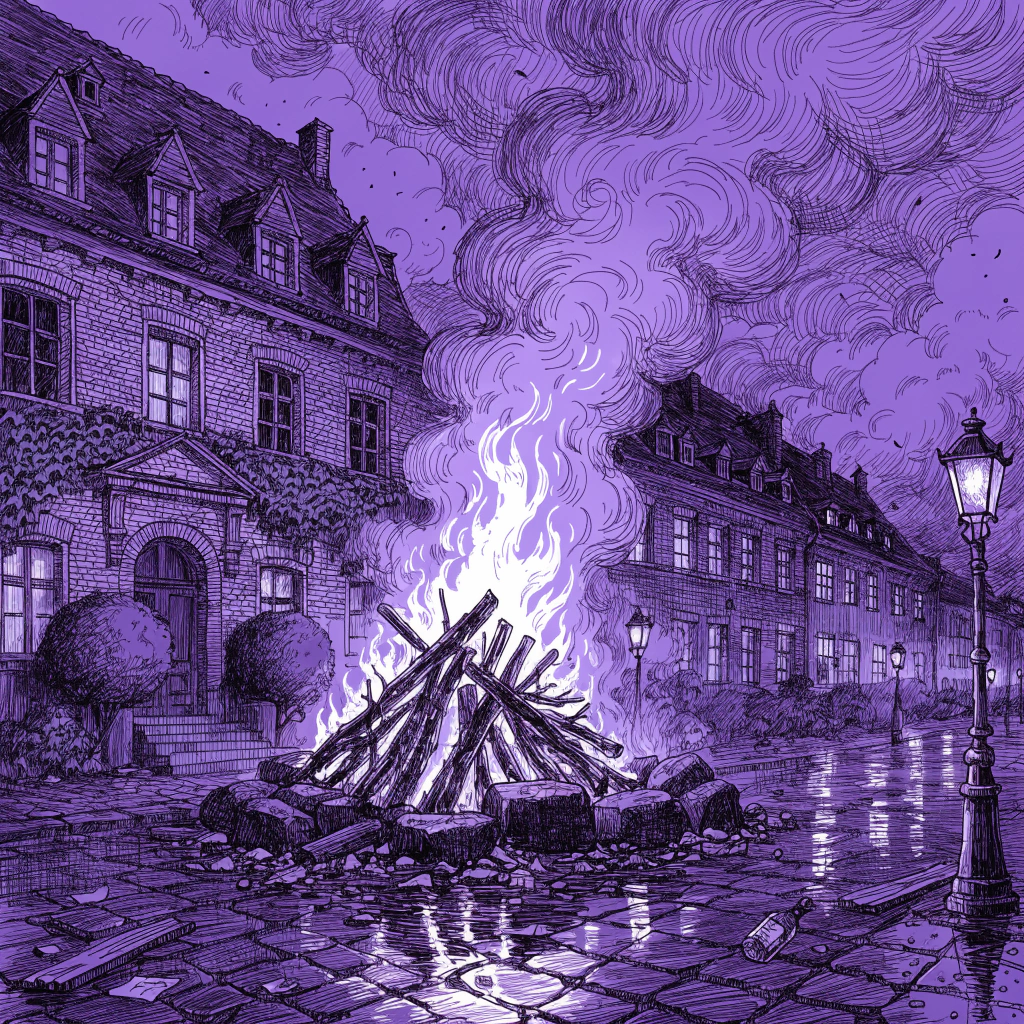
발푸르기스의 밤 (마녀의 밤)
4월 30일 - 5월 1일봄이 온 것을 축하하고 악령을 쫓아내기 위해 모닥불을 피우고 '5월을 맞이하는 춤'을 추는 전통적인 밤이에요.
더 읽기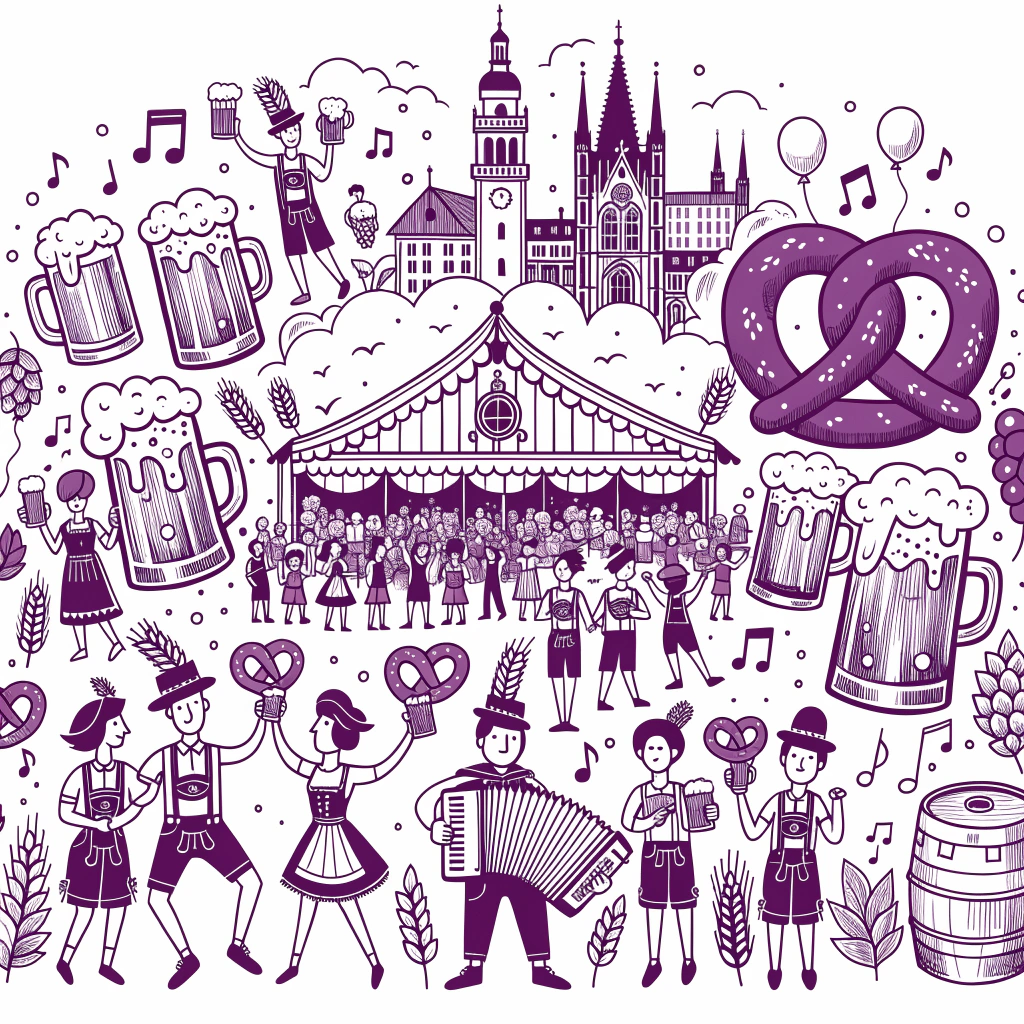
옥토버페스트
9월 말 - 10월 첫째 주 일요일뮌헨에서 열리는 세계 최대의 민속 축제(Volksfest)로, 바이에른 문화와 전통 음악, 그리고 세계적인 수준의 맥주를 기념해요.
더 읽기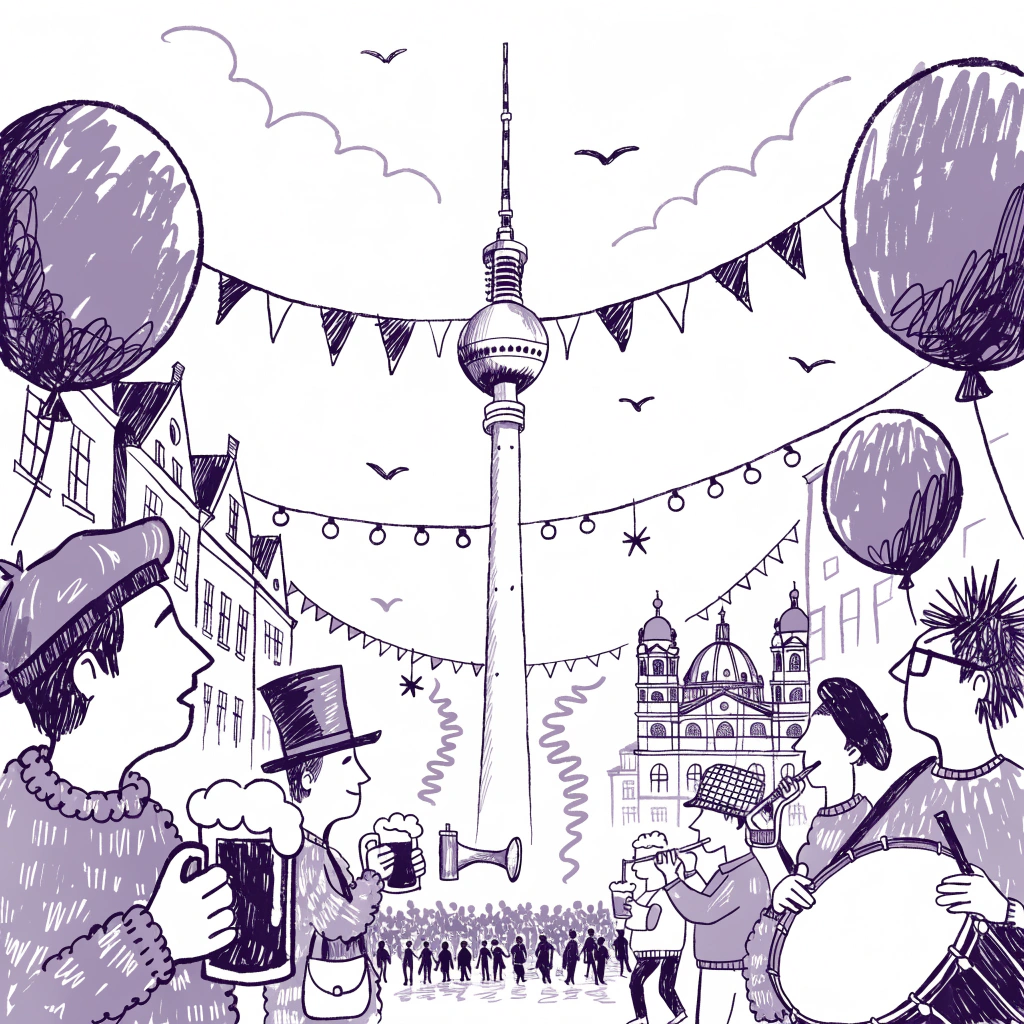
Tag der Deutschen Einheit (German Unity Day)
October 3Germany's national holiday commemorating the official reunification of East and West Germany in 1990.
더 읽기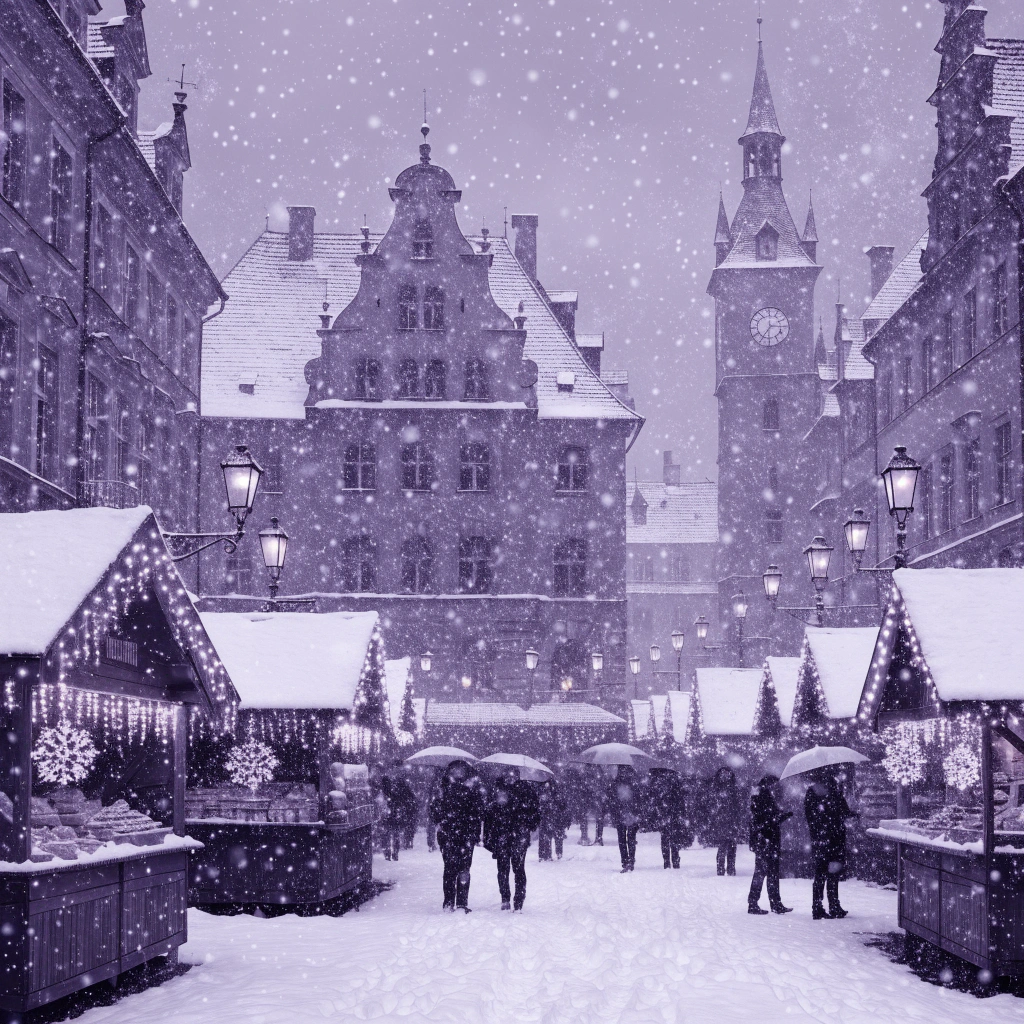
Weihnachtsmärkte (Christmas Markets)
Late November - December 24Historic town squares across Germany transform into magical winter wonderlands with wooden stalls, lights, and festive treats.
더 읽기여행 표현
Hallo
Hello
Guten Tag
Greeting / Good day
Danke
Thank you
Wie geht es Ihnen?
How are you?
Bitte
Please
Entschuldigung
Excuse me / Sorry
생활 방식 및 관습
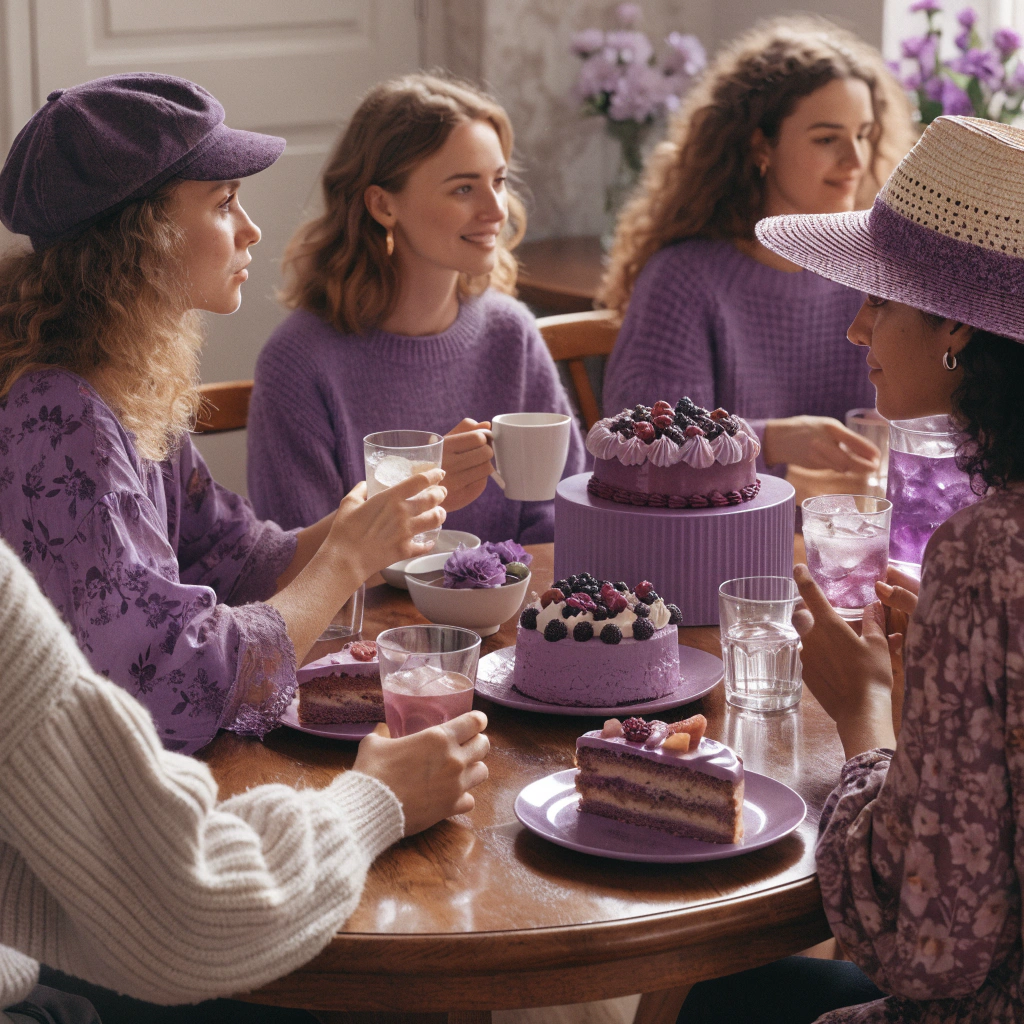
Kaffee und Kuchen
A cherished afternoon ritual where friends and family gather to enjoy coffee and various traditional cakes, emphasizing social connection and leisure.
더 읽기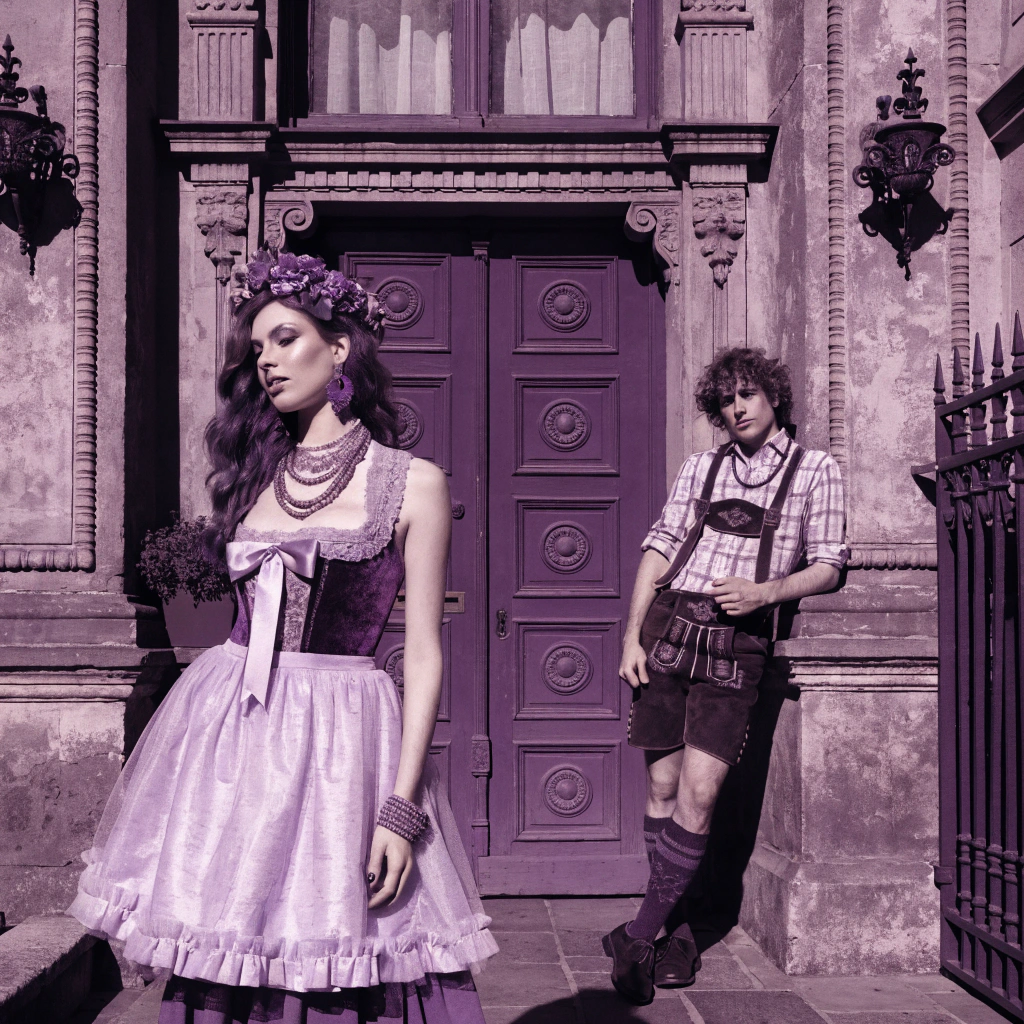
Tracht: Dirndl and Lederhosen
Iconic traditional Alpine garments that have evolved from peasant workwear into symbols of regional identity and festive celebration.
더 읽기
Feierabend
일과 여가 시간을 구분 짓는 독특한 독일의 개념이자 관습으로, 개인의 휴식과 사회적 경계의 신성함을 강조해요.
더 읽기에티켓 팁
Shake hands firmly while making direct eye contact when greeting someone.
Keep your hands in your pockets while talking to someone, as it is seen as disrespectful.
Be strictly punctual for all appointments and social gatherings.
Arrive late, even by a few minutes, without calling ahead to explain.
Address people using 'Sie' and their last name until explicitly invited to use 'Du'.
Use first names immediately with strangers or people in positions of authority.
Maintain eye contact when clinking glasses and saying 'Prost'.
Clink glasses without looking the other person in the eye, as it is considered bad luck.