
프랑스 소개
France, the largest country in Western Europe, is defined by its diverse landscape ranging from the Alpine mountains to the Mediterranean coast. Its history is marked by profound influence as a global center for art, science, and philosophy, particularly during the Enlightenment and the French Revolution. Today, it maintains a powerful cultural identity rooted in its 'art de vivre,' world-class gastronomy, and a deep commitment to its democratic values of liberty, equality, and fraternity.
기본 정보
수도
Paris
인구
65,273,511
지역
Europe · Western Europe
통화
Euro (EUR)
사용 언어

프랑스어
Français
알고 계셨나요?
France is consistently the most visited country in the world, welcoming nearly 90 million international tourists annually to its diverse regions.
There is a national law in France that prohibits supermarkets from throwing away or destroying unsold food, requiring them instead to donate it to charities or food banks.
The Louvre Museum in Paris is so massive that if you spent only 30 seconds looking at every piece of art, it would take you approximately 100 days to see everything.
France produces over 1,600 distinct types of cheese, reflecting the country's deep-rooted regional agricultural traditions and culinary diversity.
유명 랜드마크

Mont Saint-Michel
Normandy 해안의 평지에서 솟아오른 숨 막히게 아름다운 조수 섬이자 중세 수도원이에요.
더 읽기
The Dune of Pilat
Europe에서 가장 높은 모래언덕으로, Atlantic Ocean과 Arcachon Bay의 소나무 숲 사이의 극적인 대조를 보여줘요.
더 읽기
The Palace of Versailles
The opulent former residence of French kings, serving as a symbol of absolute monarchy and a masterpiece of 17th-century art.
더 읽기
Lascaux Caves
Known as the 'Sistine Chapel of Prehistory,' these caves contain some of the world's most famous Upper Paleolithic cave paintings.
더 읽기요리
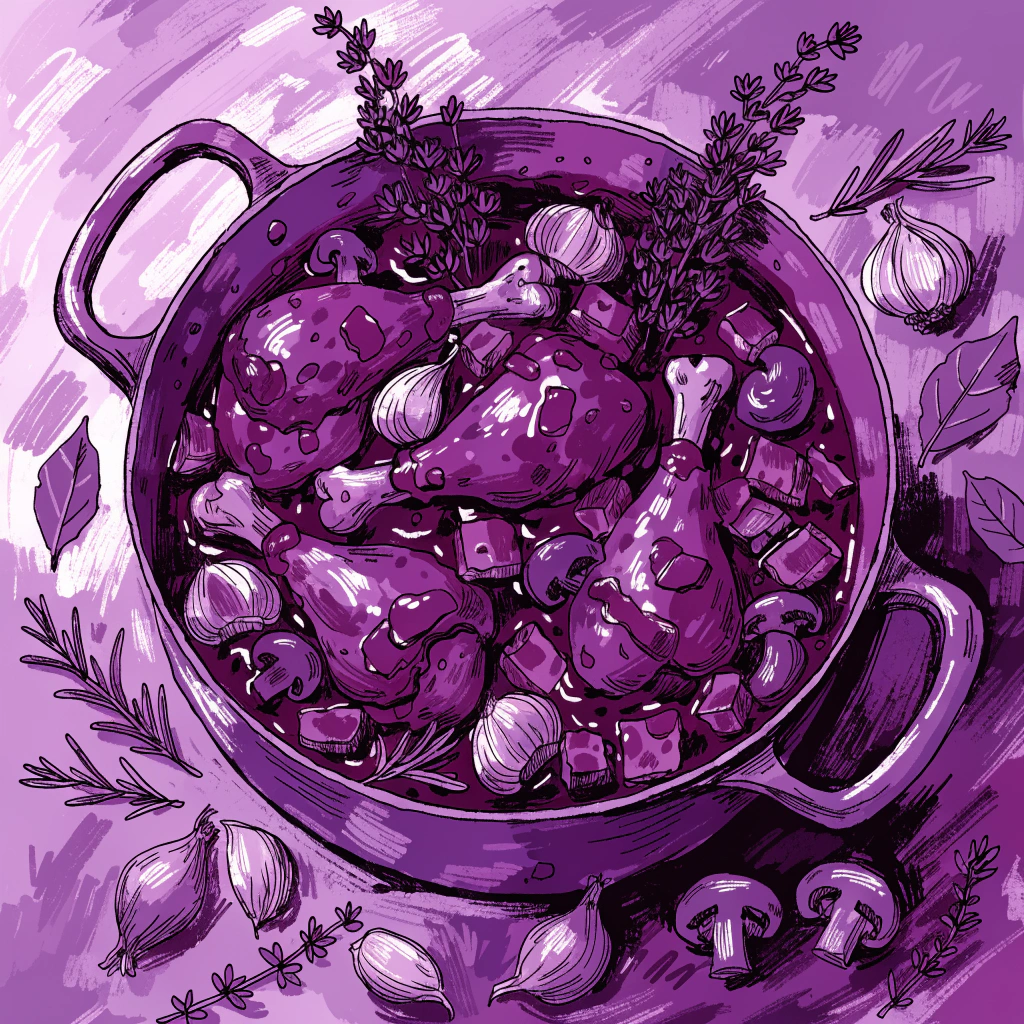
Coq au Vin
A quintessential French stew made of chicken braised with red wine, lardons, mushrooms, and garlic.
더 읽기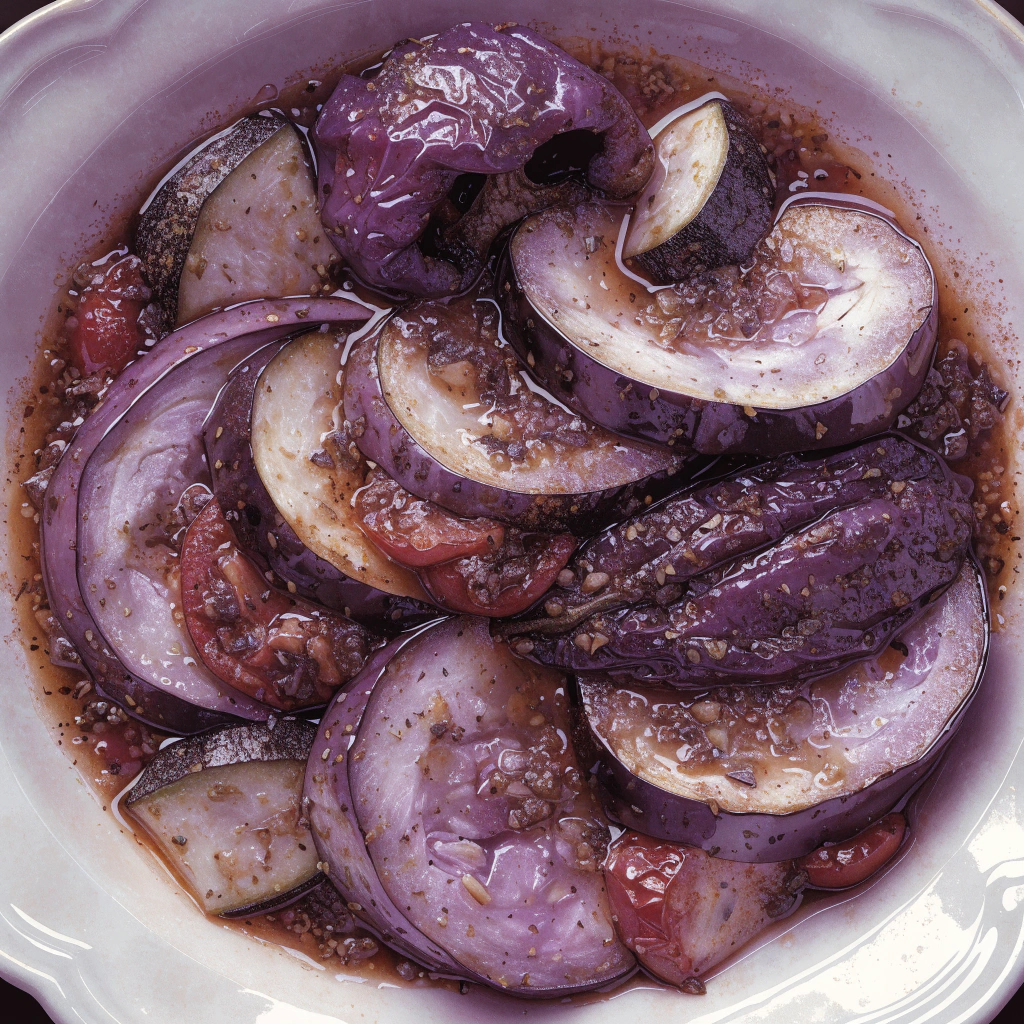
Ratatouille
Nice에서 온 다채로운 Provençal 채소 스튜예요. 가지, 쥬키니, 피망, 그리고 토마토를 Herbes de Provence와 함께 푹 끓여낸 요리랍니다.
더 읽기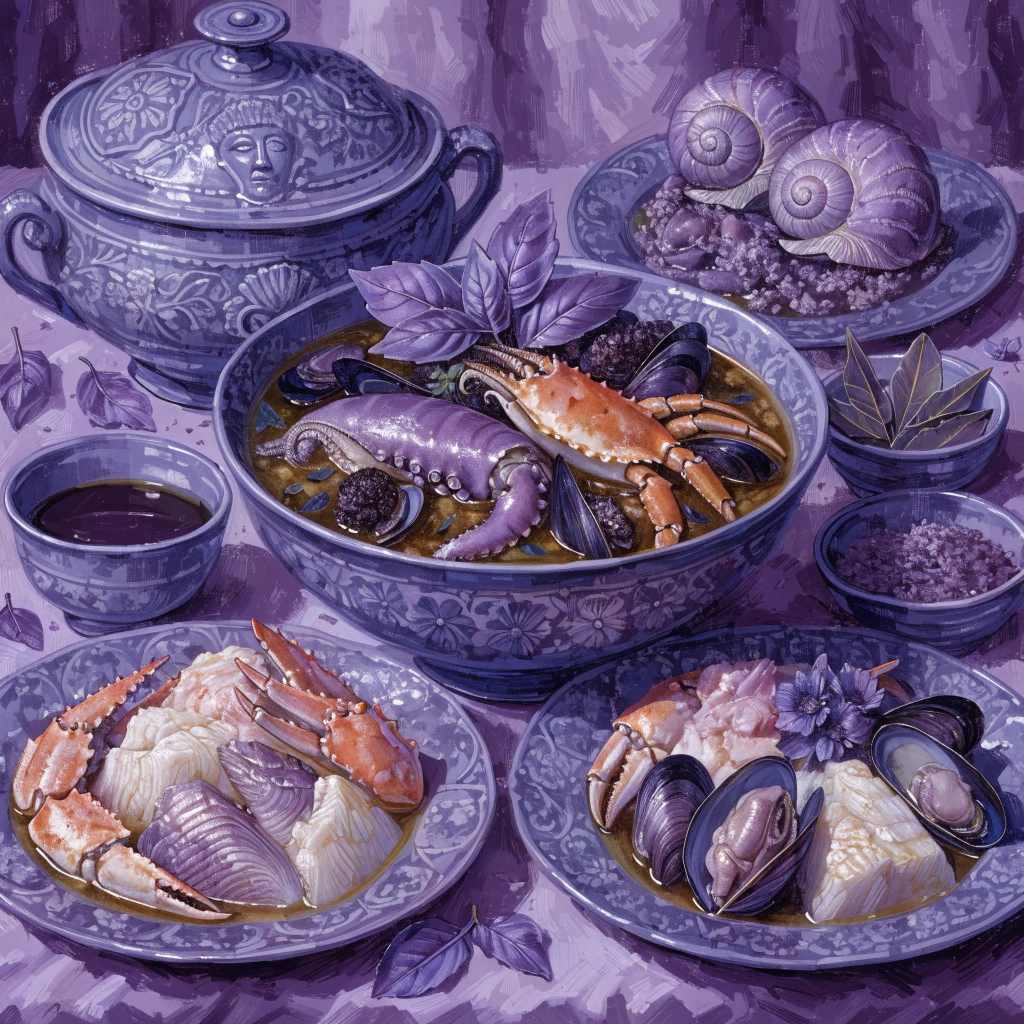
Bouillabaisse
A complex, aromatic seafood soup from Marseille, traditionally served in two parts: the fragrant broth and the cooked fish.
더 읽기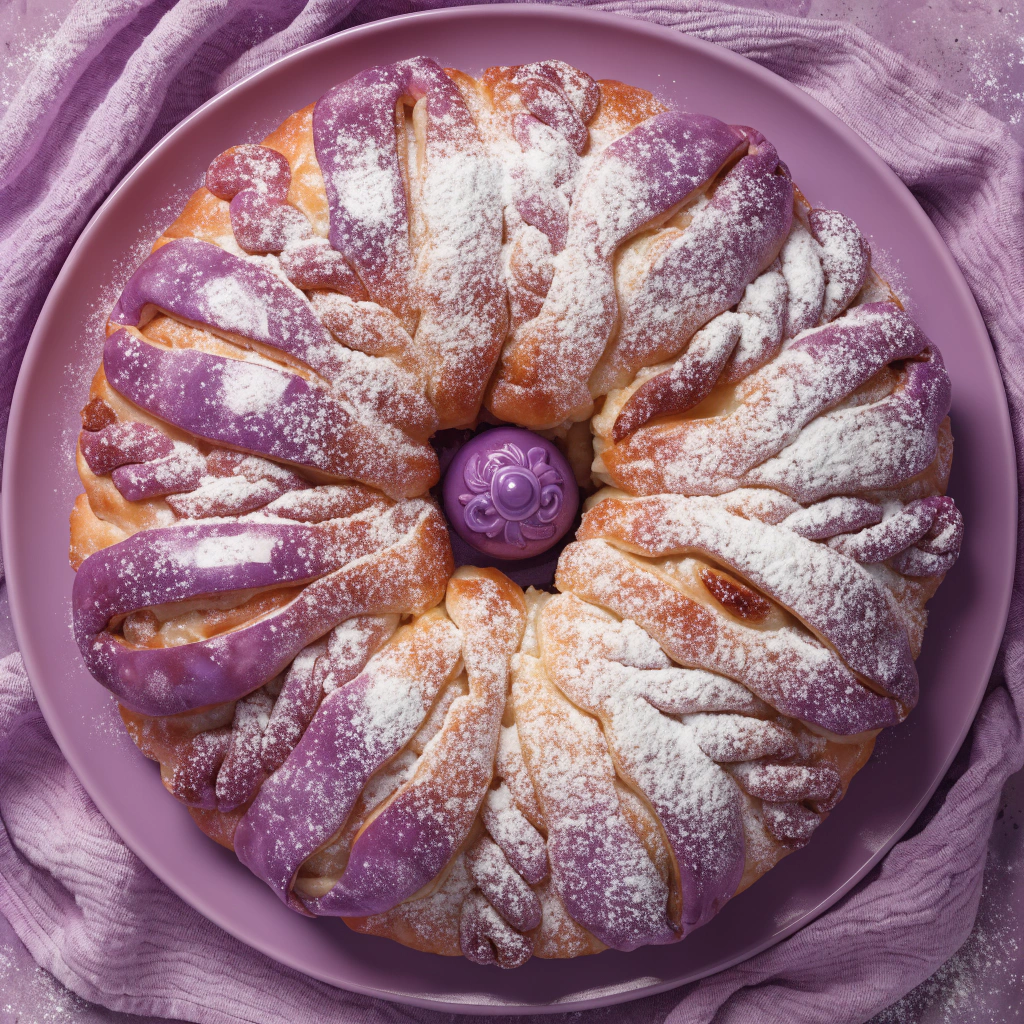
Galette des Rois
A golden puff pastry cake filled with almond frangipane, eaten during Epiphany to celebrate the arrival of the Three Kings.
더 읽기음악 및 예술
France’s artistic landscape is a profound tapestry of classical elegance and avant-garde innovation, ranging from the poetic storytelling of Chanson to the revolutionary brushstrokes of Impressionism. The nation’s traditions are deeply rooted in regional identities, such as the Celtic rhythms of Brittany, while maintaining a global reputation for excellence in fine arts, cinema, and craftsmanship.
전통 예술
이벤트 및 축제

니스 카니발 (Carnaval de Nice)
2월세계에서 가장 유명한 겨울 카니발 중 하나로, 프랑스 리비에라에서 웅장한 꽃 퍼레이드와 풍자적인 장식 수레를 선보입니다.
더 읽기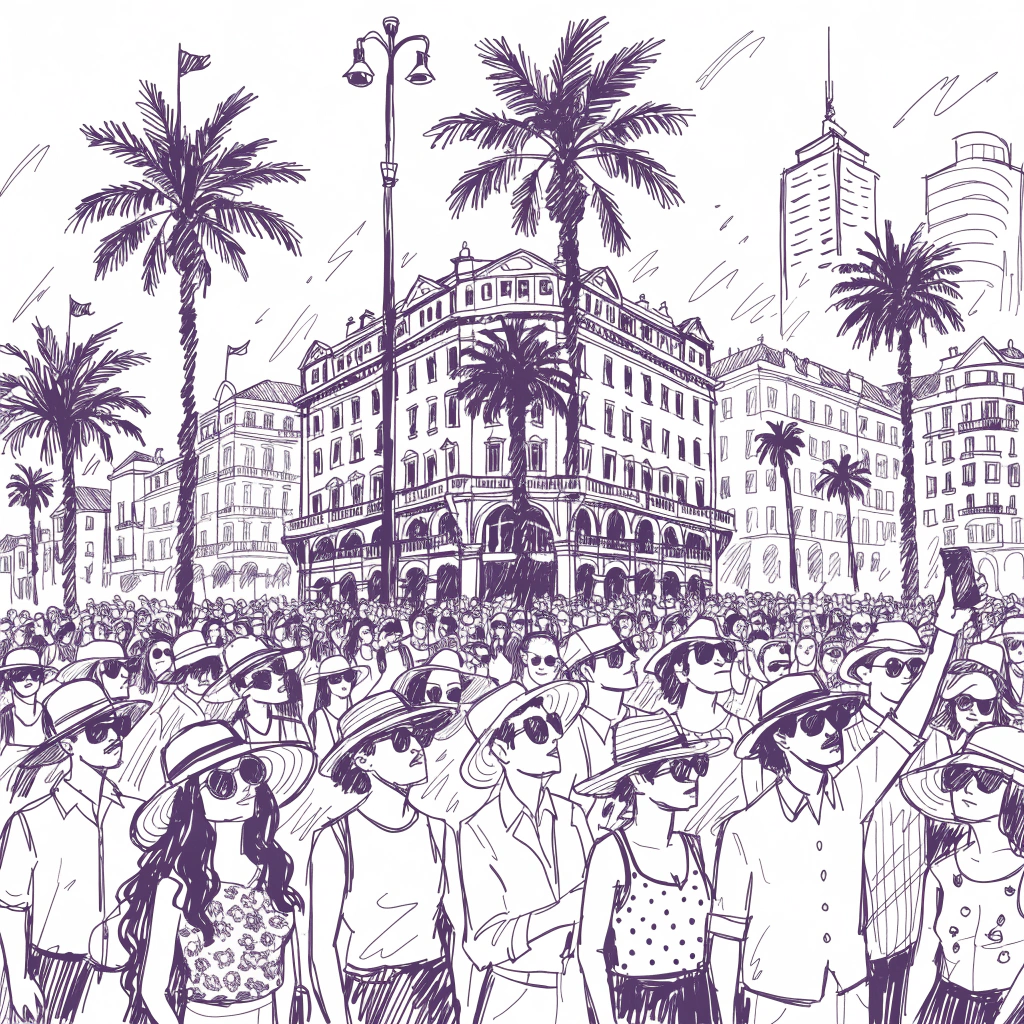
Festival de Cannes
May세계에서 가장 명성 있는 영화제로, 국제적인 영화 스타들과 창작자들이 상징적인 Croisette에 모여요.
더 읽기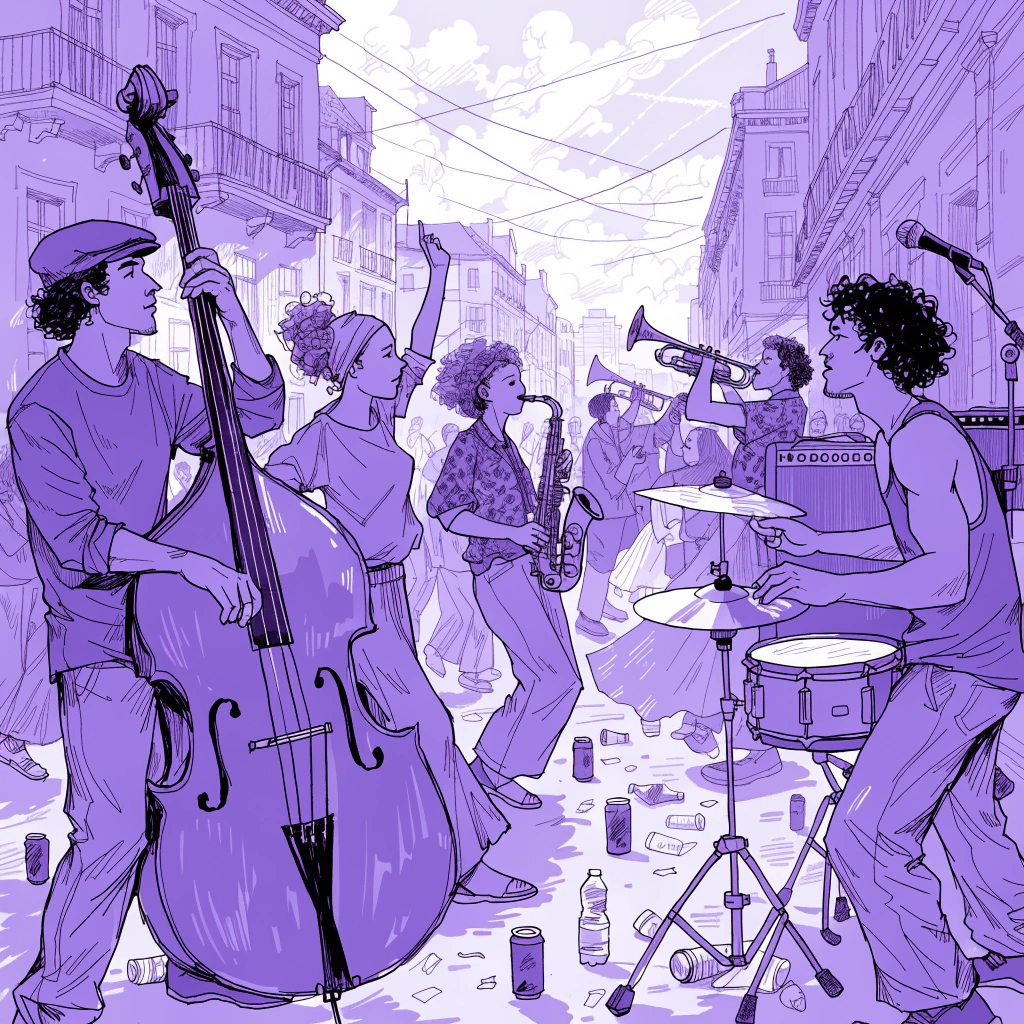
Fête de la Musique
June 21A nationwide celebration where musicians of all genres perform for free in the streets to mark the summer solstice.
더 읽기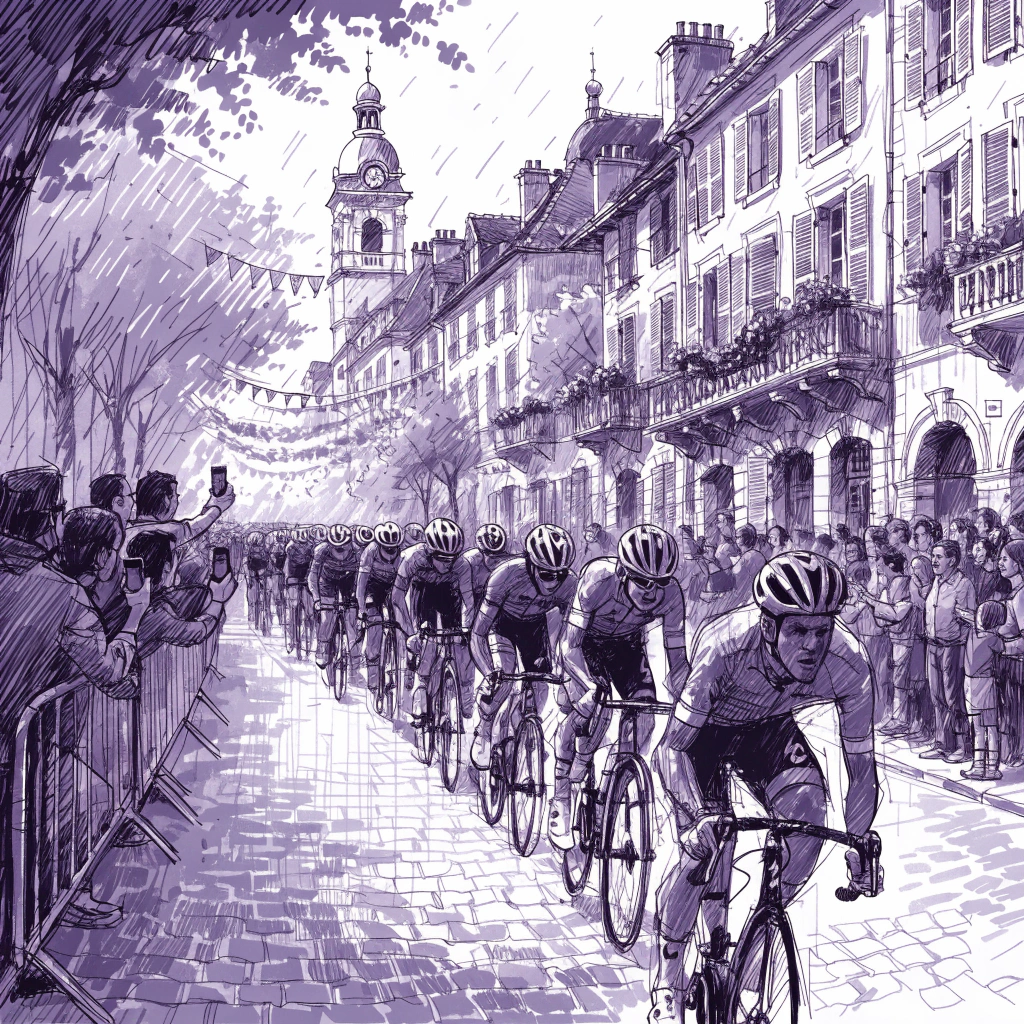
Tour de France
JulyThe world's premier cycling race, a three-week journey showcasing the stunning landscapes and endurance of elite athletes.
더 읽기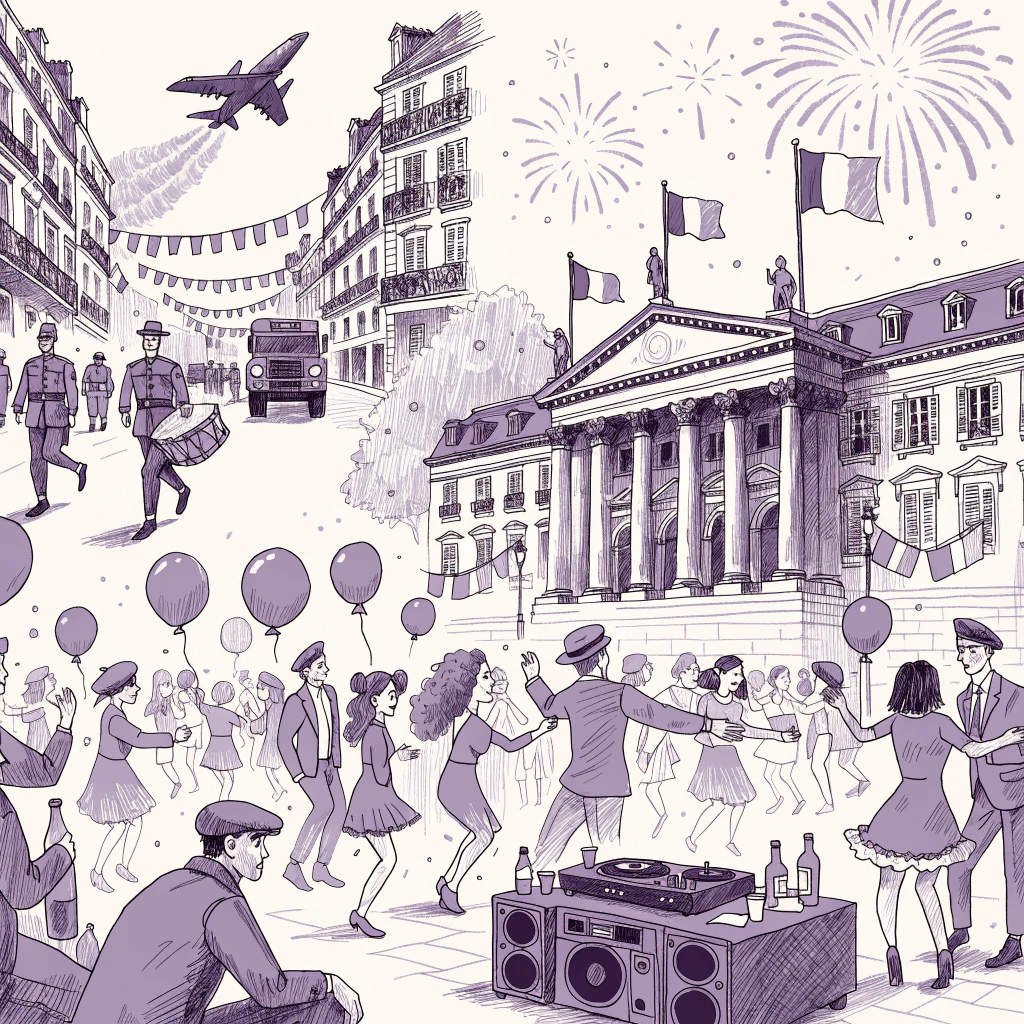
Bastille Day (La Fête Nationale)
7월 14일군사 퍼레이드, 불꽃놀이, 그리고 동네 댄스 파티로 혁명을 기념하는 프랑스의 국경일이에요.
더 읽기여행 표현
Bonjour
Greeting / Good morning
Merci
Thank you
Salut
Hello (informal)
Comment ça va ?
How are you?
S'il vous plaît
Please
Excusez-moi
Excuse me / Sorry
생활 방식 및 관습

La Bise
France 전역에서 사회적 상호작용을 정의하는 전통적인 볼 인사법이에요.
더 읽기
La Marinière
Originally a 19th-century naval uniform, this striped jersey has become the ultimate symbol of French chic and maritime heritage.
더 읽기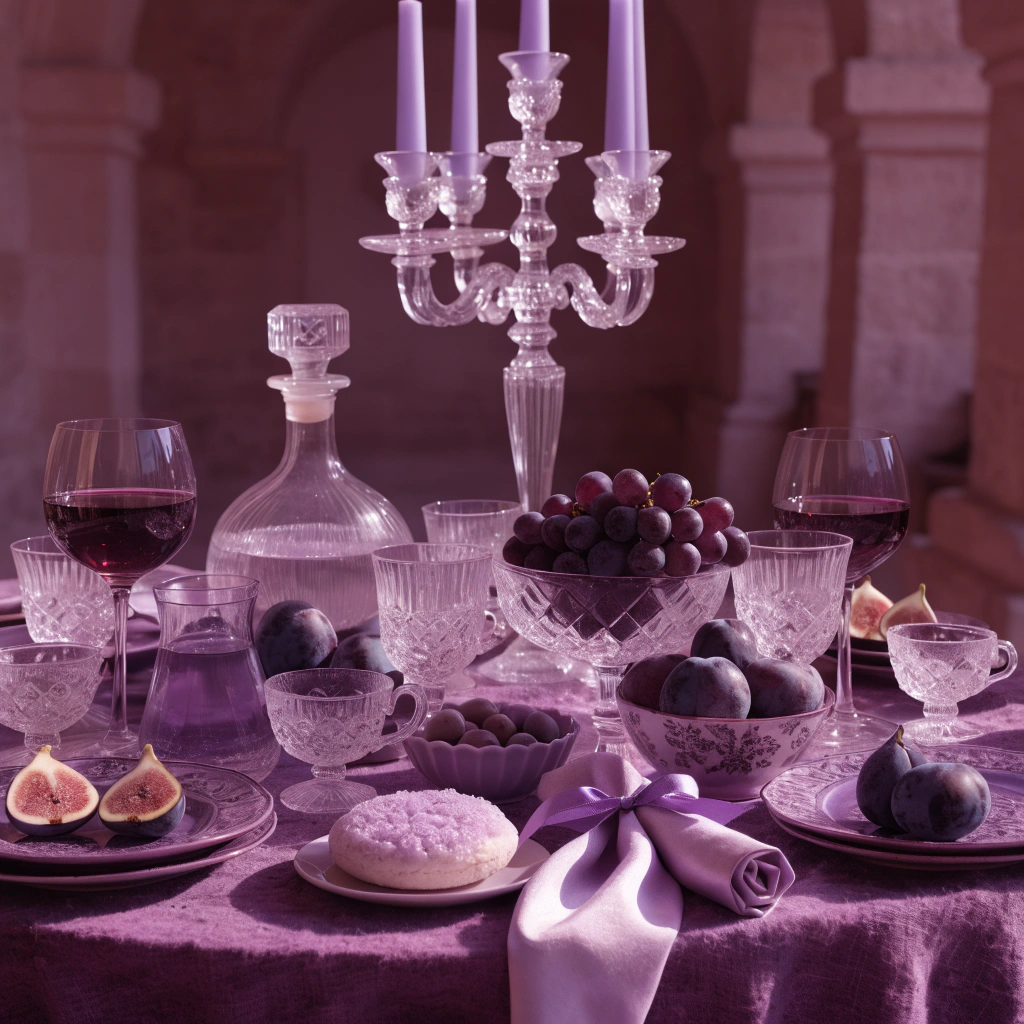
Le Repas Gastronomique
A ritualized social practice emphasizing togetherness, the pleasure of taste, and the balance between human beings and nature's products.
더 읽기에티켓 팁
Greet shopkeepers with 'Bonjour' (Good day) immediately upon entering a store.
Start a conversation or ask for help without first offering a polite greeting.
Keep your voice at a moderate, respectful volume in public spaces like restaurants or trains.
Speak loudly or draw unnecessary attention to yourself in quiet social environments.
Keep both hands visible on the table during a meal, typically with wrists resting on the edge.
Eat with your hands in your lap or place your elbows directly on the table.
Say 'Au revoir' (Goodbye) when departing from a small shop, café, or restaurant.
Leave a business silently without acknowledging the staff or owner.