フランス について
France, the largest country in Western Europe, is defined by its diverse landscape ranging from the Alpine mountains to the Mediterranean coast. Its history is marked by profound influence as a global center for art, science, and philosophy, particularly during the Enlightenment and the French Revolution. Today, it maintains a powerful cultural identity rooted in its 'art de vivre,' world-class gastronomy, and a deep commitment to its democratic values of liberty, equality, and fraternity.
基本情報
首都
Paris
人口
65,273,511
地域
Europe · Western Europe
通貨
Euro (EUR)
使用言語

フランス語
Français
知ってた?
France is consistently the most visited country in the world, welcoming nearly 90 million international tourists annually to its diverse regions.
There is a national law in France that prohibits supermarkets from throwing away or destroying unsold food, requiring them instead to donate it to charities or food banks.
The Louvre Museum in Paris is so massive that if you spent only 30 seconds looking at every piece of art, it would take you approximately 100 days to see everything.
France produces over 1,600 distinct types of cheese, reflecting the country's deep-rooted regional agricultural traditions and culinary diversity.
有名な名所

Mont Saint-Michel
Normandy coastの平原からそびえ立つ、息をのむほど美しい潮の干満によって現れる島と中世の修道院。フランスの歴史が詰まった場所だよ。
続きを読む
The Dune of Pilat
Europeで最も高い砂丘で、Atlantic OceanとArcachon Bayの松林が織りなす劇的なコントラストが楽しめる場所だよ。
続きを読む
The Palace of Versailles
The opulent former residence of French kings, serving as a symbol of absolute monarchy and a masterpiece of 17th-century art.
続きを読む
Lascaux Caves
Known as the 'Sistine Chapel of Prehistory,' these caves contain some of the world's most famous Upper Paleolithic cave paintings.
続きを読む料理
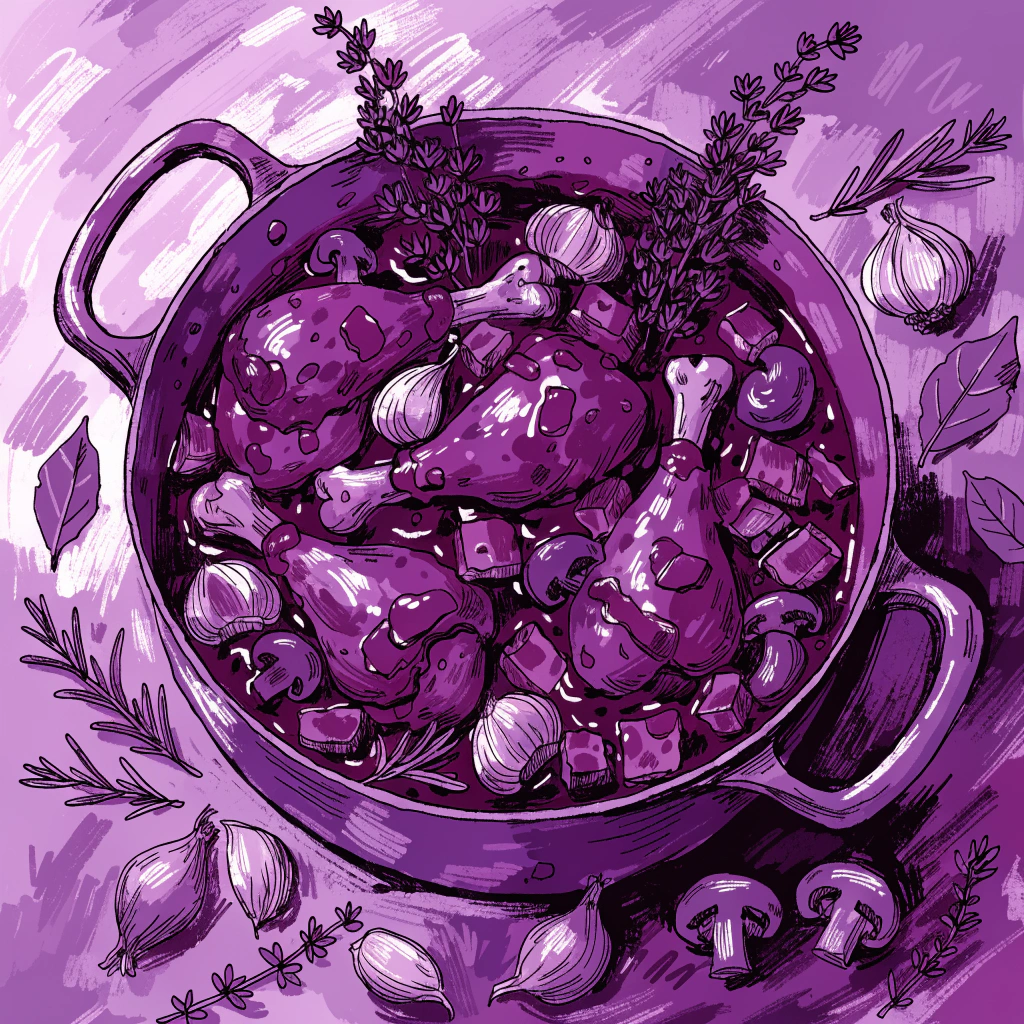
Coq au Vin
A quintessential French stew made of chicken braised with red wine, lardons, mushrooms, and garlic.
続きを読む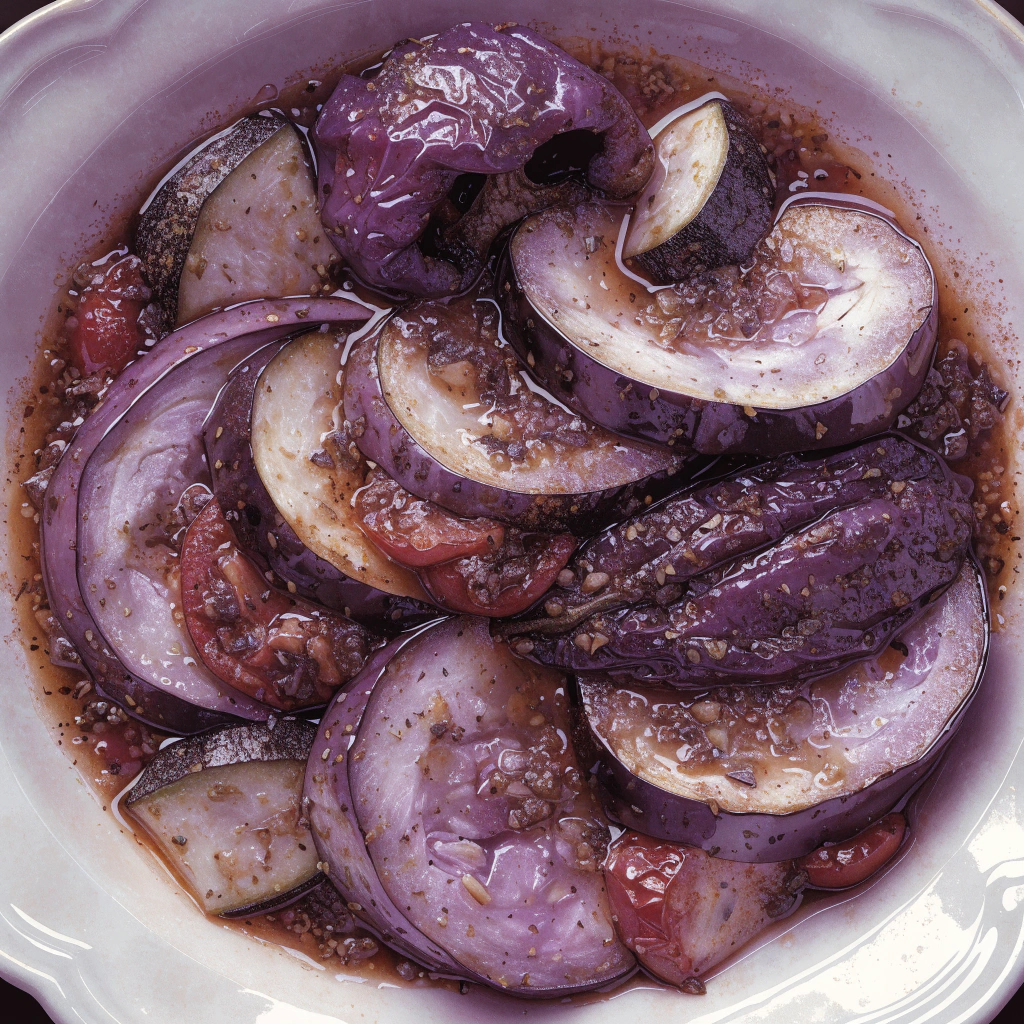
Ratatouille
Niceから生まれた色鮮やかなProvençal風野菜の煮込み。ナス、ズッキーニ、ピーマン、トマトをHerbes de Provenceと一緒にコトコト煮込んで作ります。
続きを読む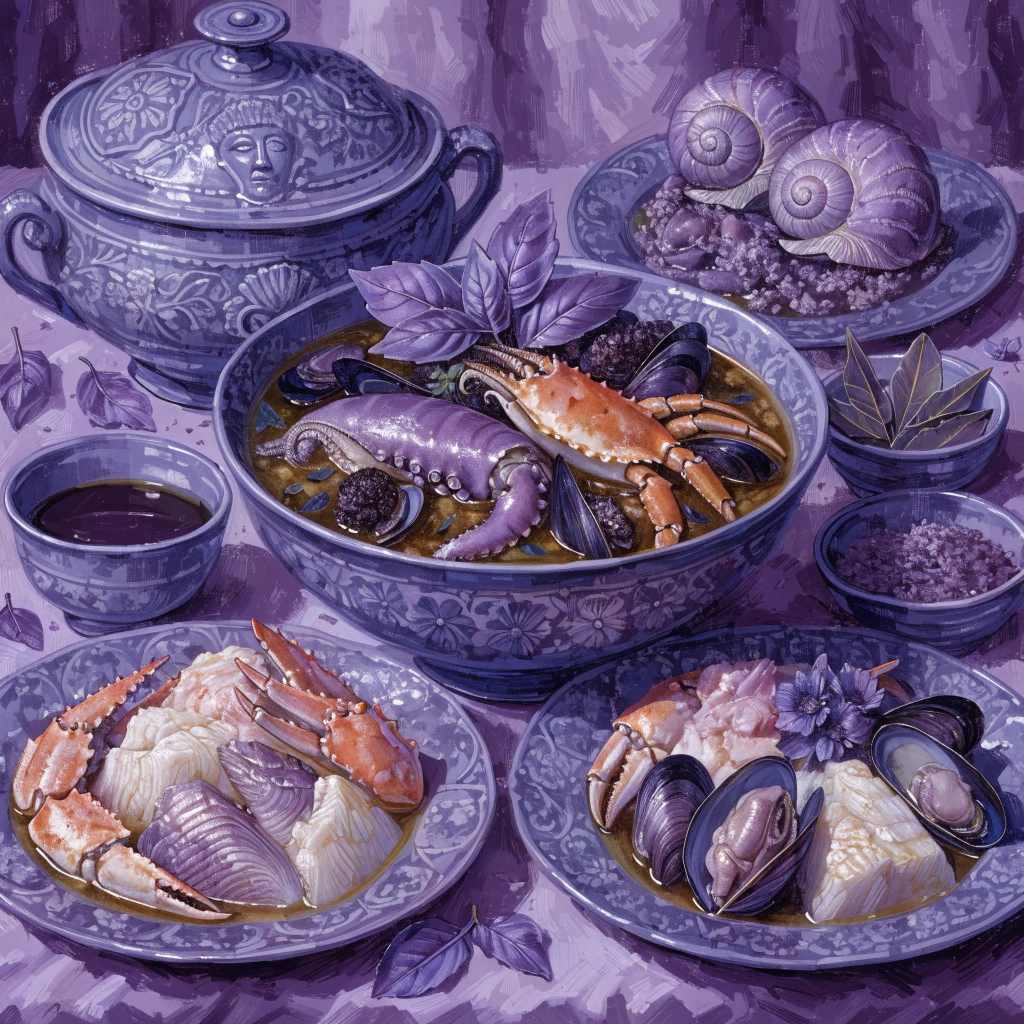
Bouillabaisse
A complex, aromatic seafood soup from Marseille, traditionally served in two parts: the fragrant broth and the cooked fish.
続きを読む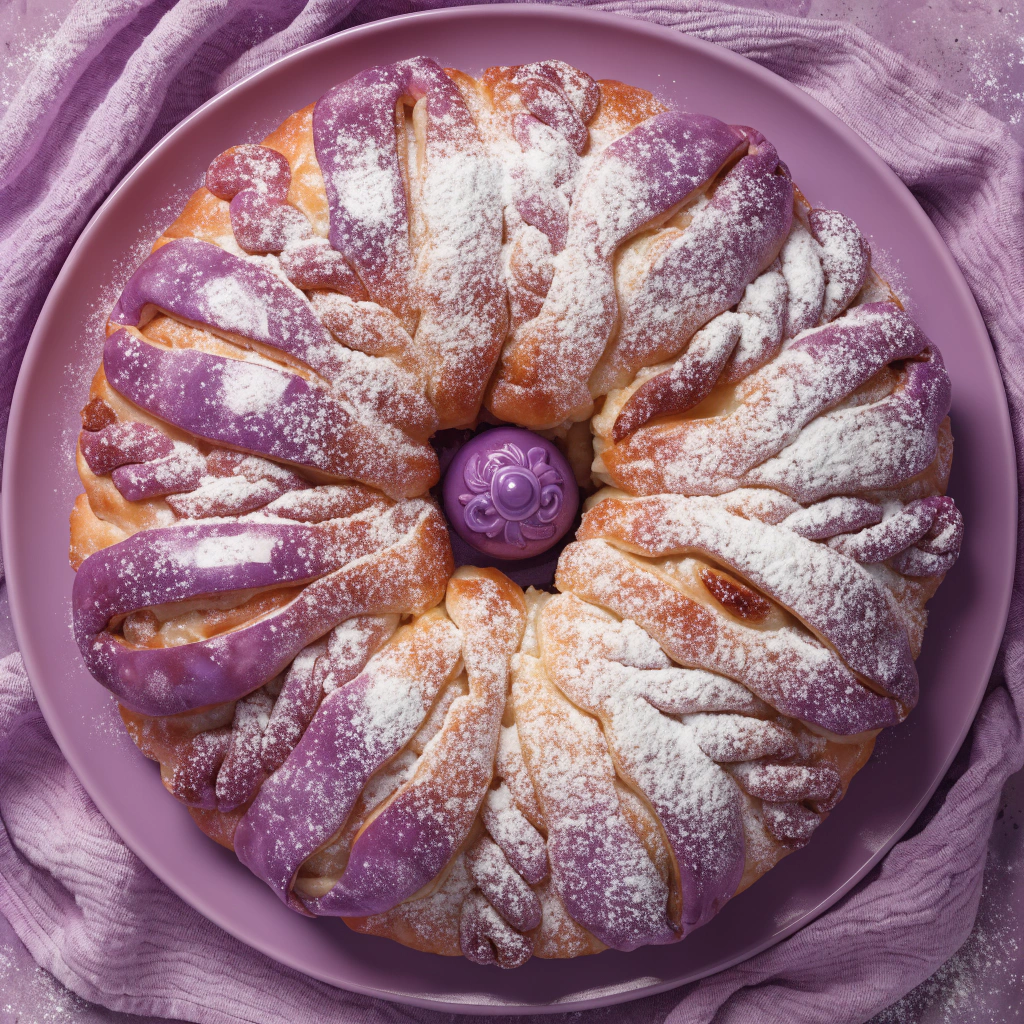
Galette des Rois
A golden puff pastry cake filled with almond frangipane, eaten during Epiphany to celebrate the arrival of the Three Kings.
続きを読む音楽&芸術
France’s artistic landscape is a profound tapestry of classical elegance and avant-garde innovation, ranging from the poetic storytelling of Chanson to the revolutionary brushstrokes of Impressionism. The nation’s traditions are deeply rooted in regional identities, such as the Celtic rhythms of Brittany, while maintaining a global reputation for excellence in fine arts, cinema, and craftsmanship.
伝統芸術
イベント&祭り
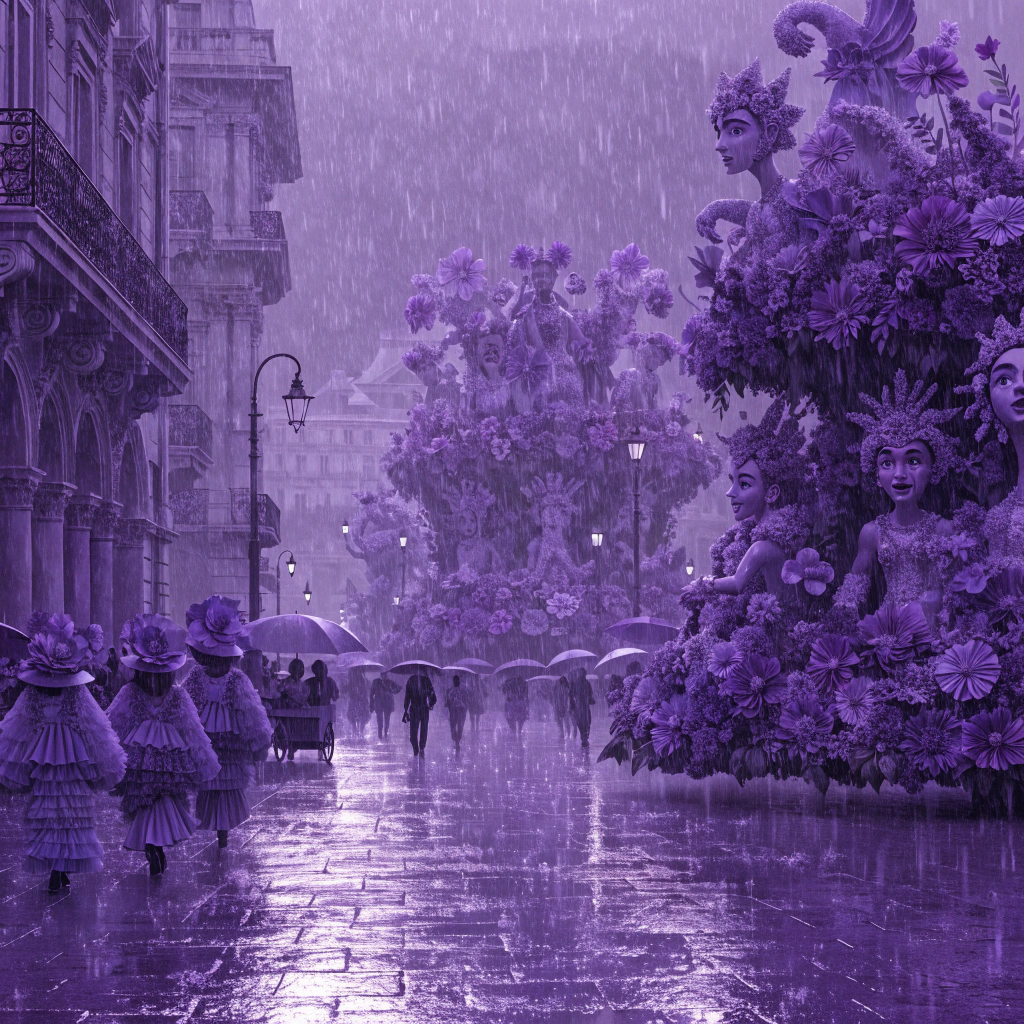
ニースのカーニバル (Carnaval de Nice)
2月世界で最も有名な冬のカーニバルのひとつ。フレンチ・リビエラを舞台に、豪華な花のパレードや風刺の効いた山車が登場します。
続きを読む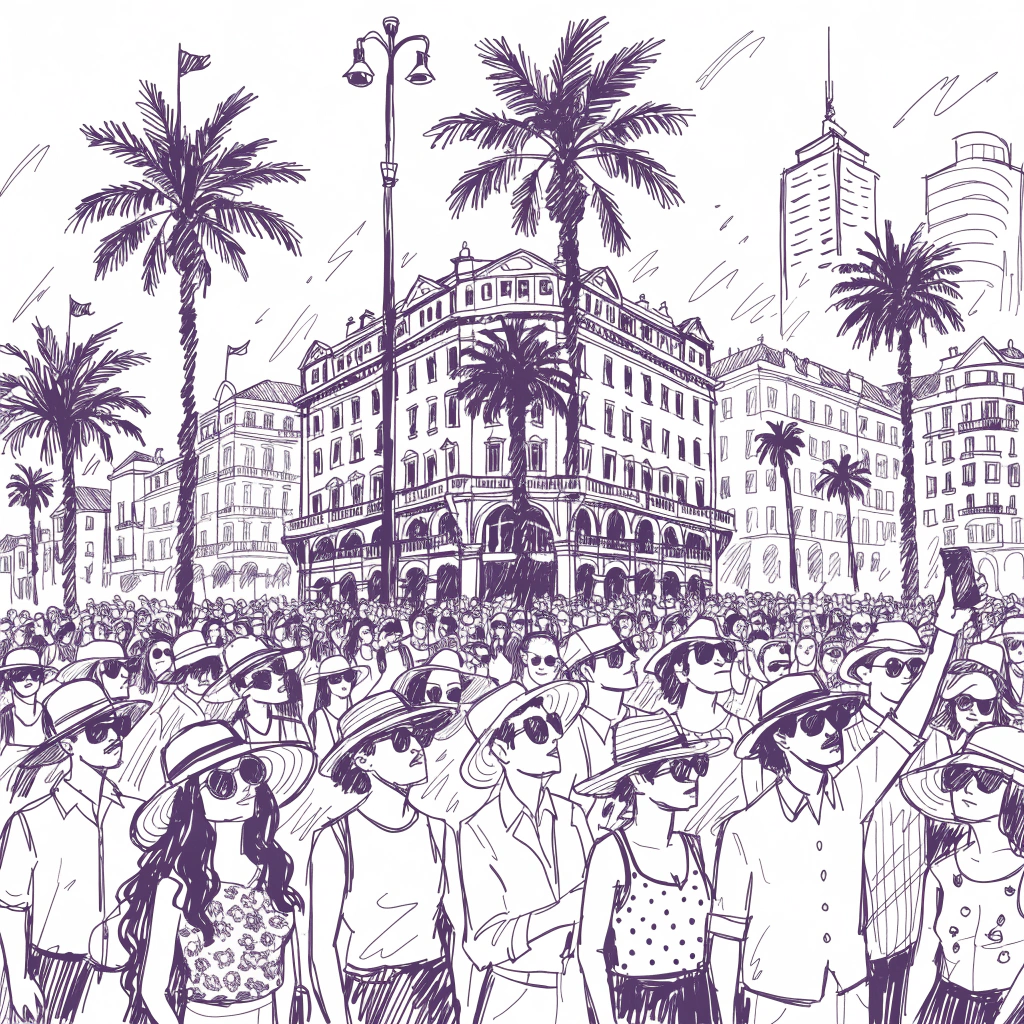
Festival de Cannes
MayThe world's most prestigious film festival, bringing together international cinema stars and creators to the iconic Croisette.
続きを読む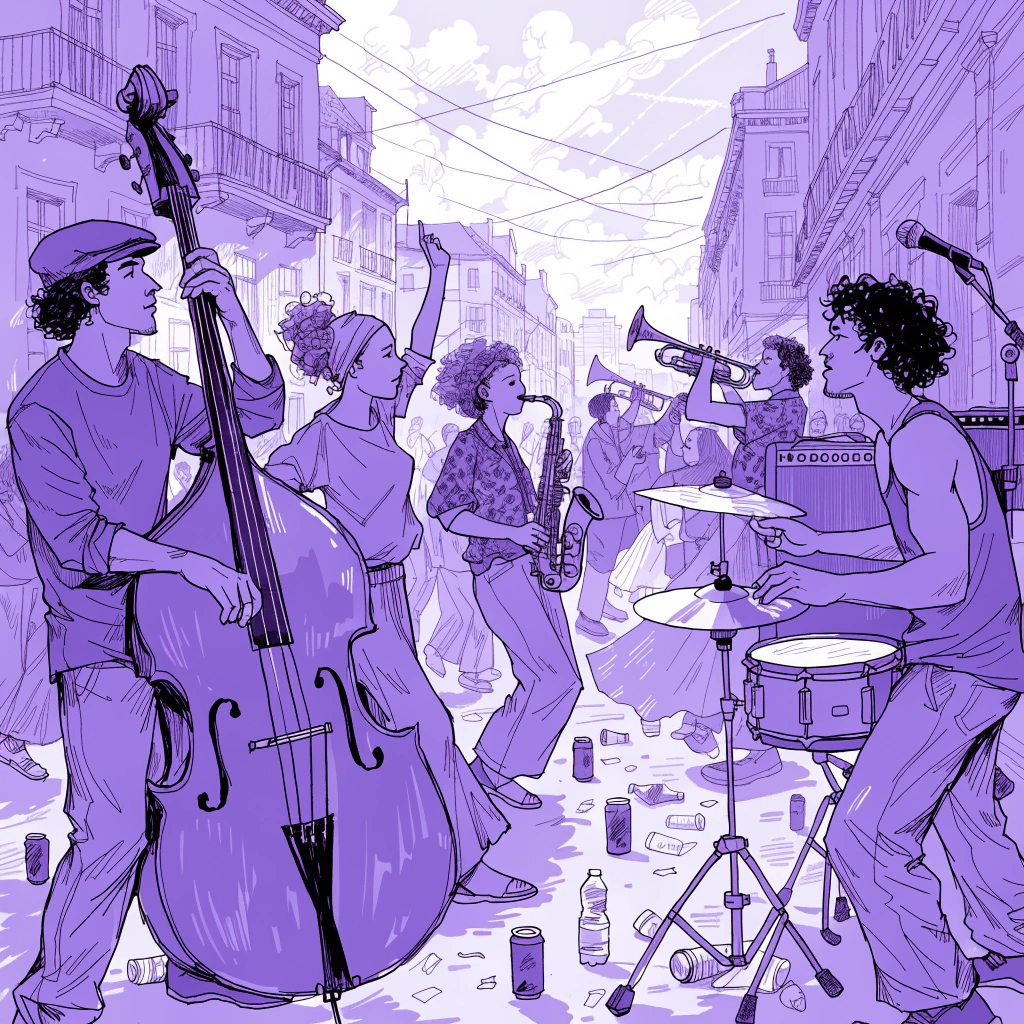
Fête de la Musique
June 21A nationwide celebration where musicians of all genres perform for free in the streets to mark the summer solstice.
続きを読む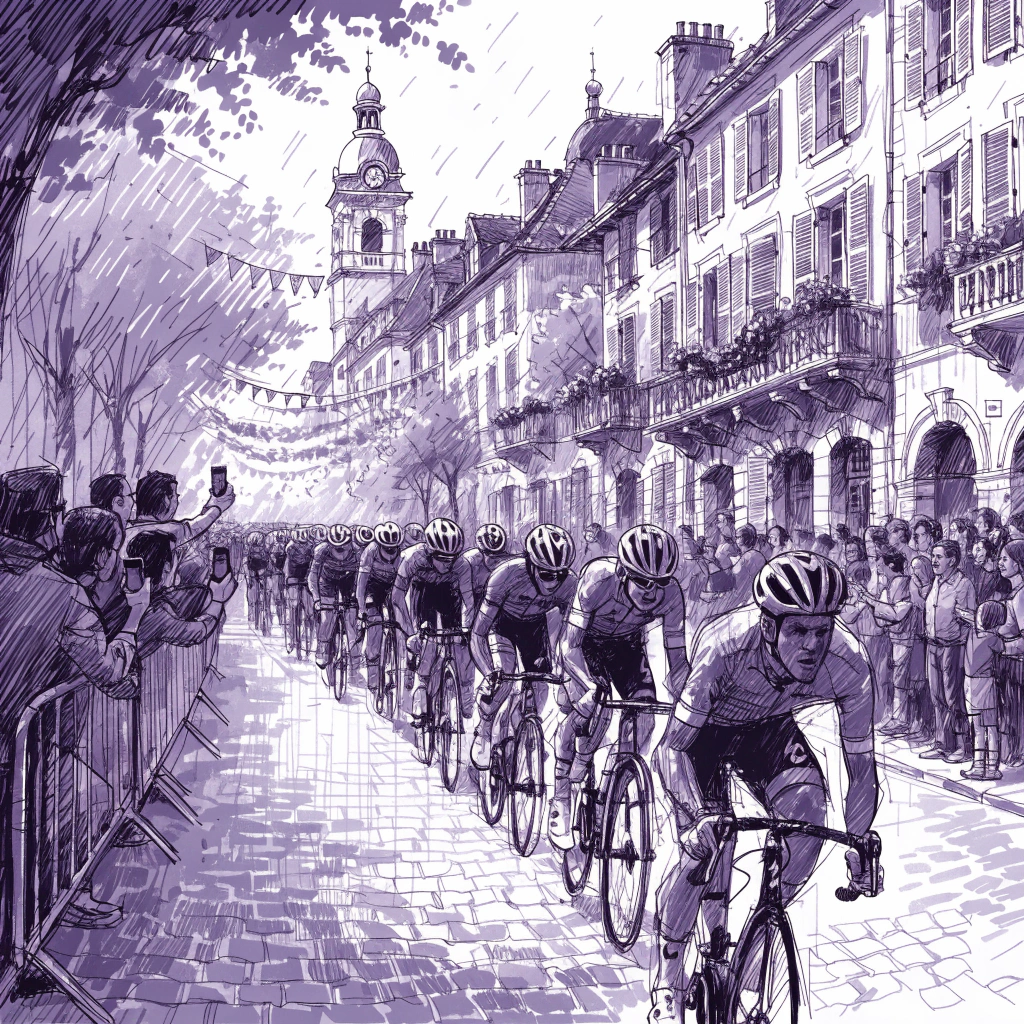
ツール・ド・フランス
7月世界最高峰の自転車レース。エリートアスリートたちの忍耐力と、息をのむような美しい風景を堪能できる3週間の旅だ。
続きを読む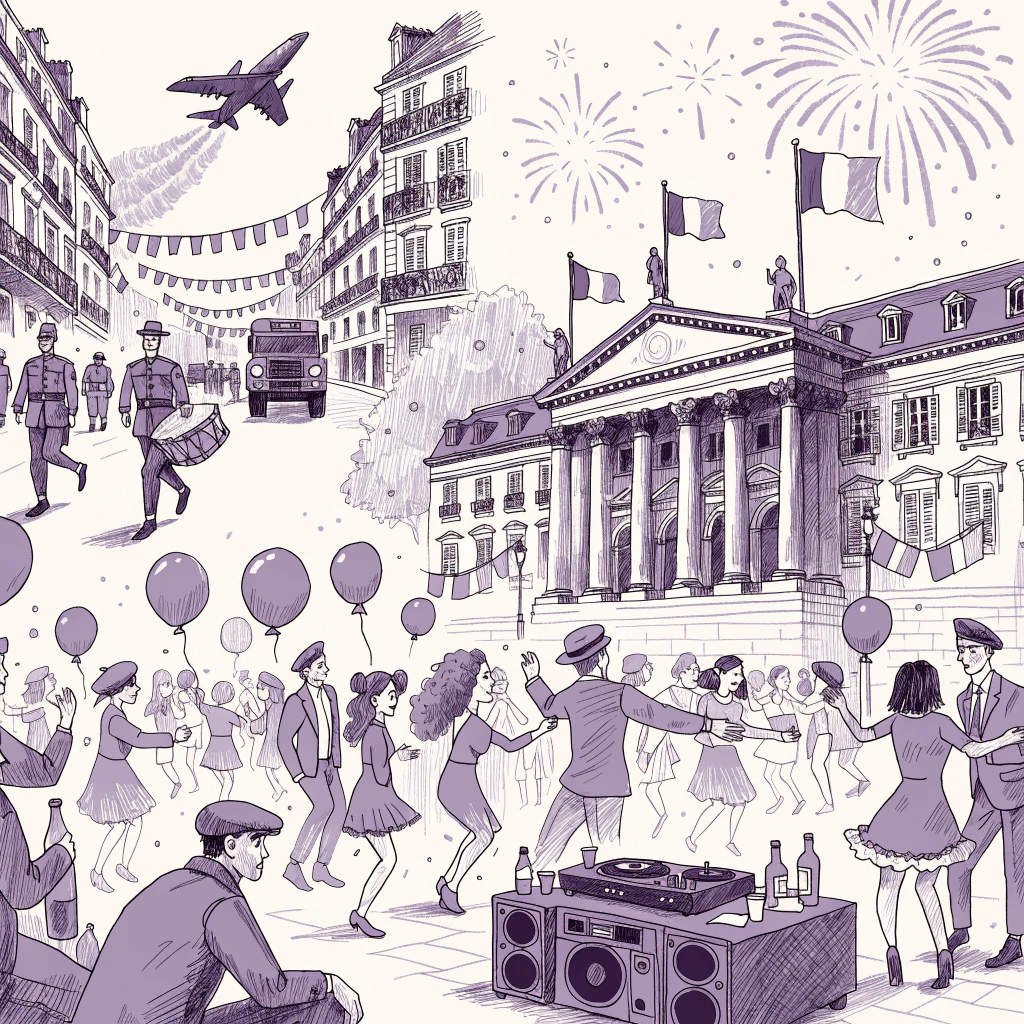
Bastille Day (La Fête Nationale)
July 14The French National Day commemorating the revolution with military parades, fireworks, and community dance parties.
続きを読む旅行フレーズ
Bonjour
Greeting / Good morning
Merci
Thank you
Salut
Hello (informal)
Comment ça va ?
How are you?
S'il vous plaît
Please
Excusez-moi
Excuse me / Sorry
ライフスタイル&習慣

La Bise
フランス全国で社会的な交流を決定づける、伝統的な頬と頬を合わせる挨拶です。
続きを読む
La Marinière
Originally a 19th-century naval uniform, this striped jersey has become the ultimate symbol of French chic and maritime heritage.
続きを読む
Le Repas Gastronomique
A ritualized social practice emphasizing togetherness, the pleasure of taste, and the balance between human beings and nature's products.
続きを読むマナーのヒント
Greet shopkeepers with 'Bonjour' (Good day) immediately upon entering a store.
Start a conversation or ask for help without first offering a polite greeting.
Keep your voice at a moderate, respectful volume in public spaces like restaurants or trains.
Speak loudly or draw unnecessary attention to yourself in quiet social environments.
Keep both hands visible on the table during a meal, typically with wrists resting on the edge.
Eat with your hands in your lap or place your elbows directly on the table.
Say 'Au revoir' (Goodbye) when departing from a small shop, café, or restaurant.
Leave a business silently without acknowledging the staff or owner.