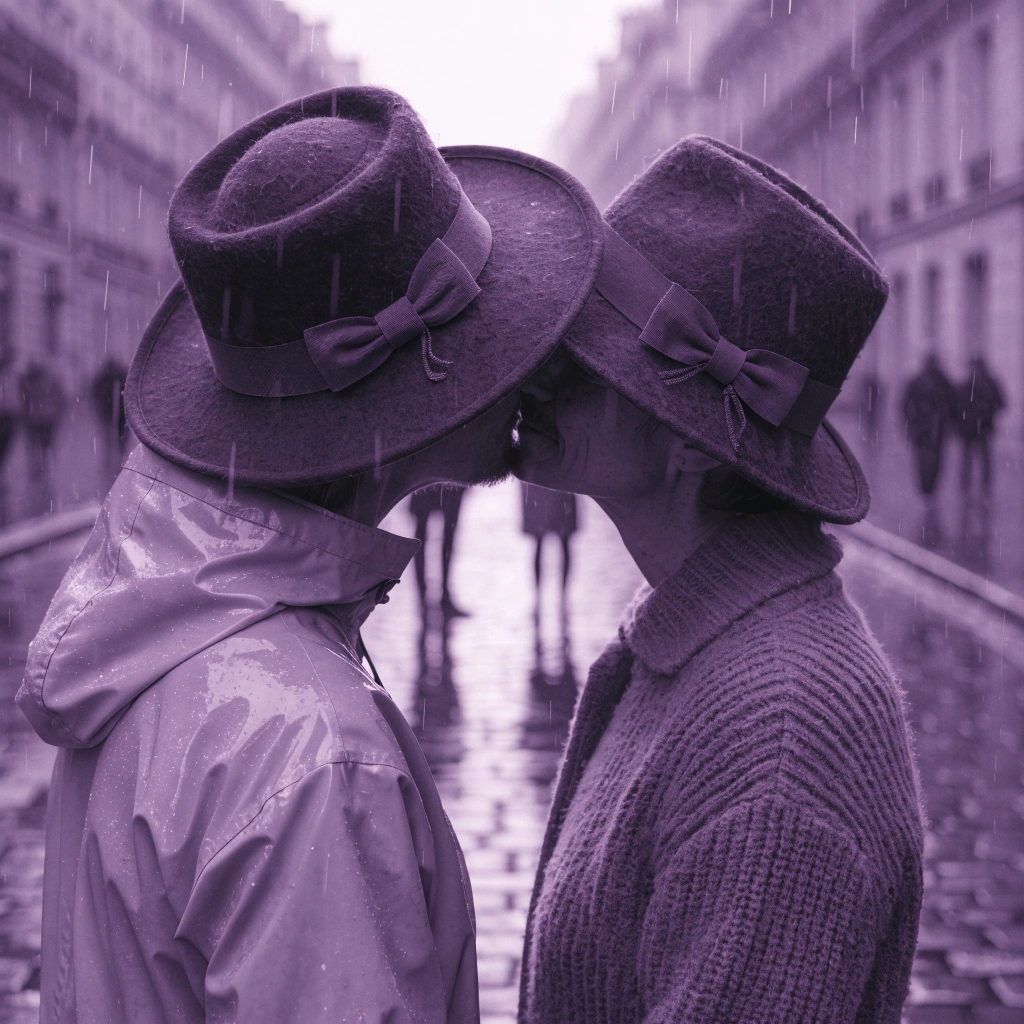
La Bise: A French Greeting
In France, people have a special greeting. It is called "la bise." Friends and family use it. They touch cheeks and make a kissing sound. It is a warm way to say hello.
The rules are different in every city. Sometimes people do two kisses. In other places, they do three or four kisses. It is a friendly tradition.
This greeting is very common. It shows that people are happy to see you. Men, women, and children do "la bise." It is a part of French life.
文法スポットライト
パターン: Present Simple (to be)
"It is a warm way to say hello."
We use the verb 'to be' (am, is, are) to describe facts or states. For singular objects like 'it,' we always use 'is.'
パターン: Present Simple (Plural Subjects)
"Friends and family use it."
We use the present simple for habits. When the subject is plural, like 'friends and family,' we use the base form of the verb without adding an 's'.
理解度をチェック
10 問 · A1 初級 · 無料プレビュー 1回
この記事で学んだことをテストしよう。全問正解してXPを獲得!
What is "la bise"?
問題の内訳
What is "la bise"?
あなたの回答:
正解: A way to say hello
People touch cheeks during "la bise."
あなたの回答:
正解: 正しい
What does "common" mean?
あなたの回答:
正解: Something that happens often
The _____ are different in every city.
あなたの回答:
正解: rules
フランスの「ラ・ビーズ」について知ろう!
フランスには、特別な挨拶があります。それは「ラ・ビーズ」です。人々は、友達や家族に会うとき、この挨拶をします。 ラ・ビーズは、頬と頬を軽く合わせて、キスのような音を出すことです。これは、親しい気持ちや歓迎の気持ちを表します。 でも、ラ・ビーズには少し難しい決まりがあります。例えば、地域によって、キスをする回数が違います。二回することもあれば、三回することも、四回することもあります。 また、誰と挨拶するかによっても、決まりが違います。とても親しい人にはラ・ビーズをしますが、初めて会う人にはあまりしません。 この挨拶は、フランスの文化にとってとても大切です。日本の挨拶とは少し違いますね。でも、フランスの人々にとって、これは大切なコミュニケーションの方法です。
文法スポットライト
パターン: 〜こと
"ラ・ビーズは、頬と頬を軽く合わせて、キスのような音を出すことです。"
動詞の辞書形や名詞句の後に「こと」をつけます。そうすると、その動詞や名詞句を名詞のように使うことができます。「〜は〜ことです」は、何かを定義したり説明したりするときによく使われます。
パターン: 〜によって
"地域によって、キスをする回数が違います。"
「〜によって」は、何かが変わる原因や条件を表すときに使います。名詞の後ろにつけて、「〜が違う」や「〜が変わる」などの文でよく使われます。状況や条件で結果が変わることを示します。
理解度をチェック
11 問 · A2 初級 · 無料プレビュー 1回
この記事で学んだことをテストしよう。全問正解してXPを獲得!
ラ・ビーズはどんな挨拶ですか?
問題の内訳
ラ・ビーズはどんな挨拶ですか?
あなたの回答:
正解: 頬を合わせる挨拶です。
フランスでは、初めて会う人にも必ずラ・ビーズをします。
あなたの回答:
正解: 間違い
「頬」の意味は何ですか?
あなたの回答:
正解: 顔の横の部分
ラ・ビーズは、親しい気持ちや( )の気持ちを表します。
あなたの回答:
正解: 歓迎
ラ・ビーズの回数は、何によって違いますか?
あなたの回答:
正解: 地域によって。
A Kiss on the Cheek: Understanding La Bise in France
Have you ever visited France? If you have, you have probably seen people greeting each other with a kiss on each cheek. This famous tradition is known as "la bise." It is a social gesture that shows warmth and friendship. However, for many foreigners who visit the country, this tradition can be quite confusing because the rules are not always clear.
The practice of la bise involves touching cheeks and making a kissing sound in the air. It is important to remember that it is not a real kiss on the skin. Instead, it is a sign of social inclusion. The number of kisses that are required usually depends on the region where you are staying. In Paris, two kisses are common, but in other parts of France, people might give three or even four. This can lead to some funny moments when people from different cities meet!
This custom has been practiced for centuries. It is believed that the tradition was started by the Romans, who used different types of kisses to show social status. Today, "la bise" is mostly used between friends, family members, or colleagues who know each other well. In formal or professional situations, a handshake is still the standard greeting, although this is slowly changing in some modern workplaces.
If you are invited to a French home, you will notice that "la bise" is a way to make everyone feel welcome. It signals that you are part of the social circle. Even if it feels a bit strange at first, most travelers find that they quickly get used to it. If you are unsure about what to do, just follow the lead of the person who is greeting you. It is a wonderful way to experience the local culture.
文法スポットライト
パターン: Passive Voice
"This famous tradition is known as "la bise.""
The passive voice is used when the focus is on the action rather than the person doing it. It is formed using 'to be' + the past participle.
パターン: Relative Clauses
"...for many foreigners who visit the country, this tradition can be quite confusing."
Relative clauses give more information about a noun. We use 'who' for people and 'which' or 'that' for things.
理解度をチェック
11 問 · B1 中級 · 無料プレビュー 1回
この記事で学んだことをテストしよう。全問正解してXPを獲得!
What does 'la bise' primarily involve?
問題の内訳
What does 'la bise' primarily involve?
あなたの回答:
正解: Touching cheeks and making a sound
La bise is a real kiss directly on the lips.
あなたの回答:
正解: 間違い
What does 'gesture' mean?
あなたの回答:
正解: A movement of the body to express a feeling
The number of kisses usually depends on the _____ where you are staying.
あなたの回答:
正解: region
Where are two kisses common according to the text?
あなたの回答:
正解: Paris
フランスの社交儀礼「ラ・ビーズ」:複雑な慣習を読み解く
フランスの社交儀礼の中でも、特に外国人にとって理解しがたい、そして時に困惑を招くのが「ラ・ビーズ (La Bise)」と呼ばれる挨拶の習慣でしょう。これは、相手の頬に軽く触れ、空中でキスをするような音を立てる行為を指します。一見すると単純な挨拶のように思われがちですが、実際には、温かさや社会的な一体感を示すこの身振りは、地域、社会階層、そして当事者間の親密さの度合いによって大きく異なる、複雑な不文律に支配されています。
「ラ・ビーズ」の起源は、古代ローマの「オスキュルム (osculum)」にまで遡るとされています。これは、様々な社会的地位に応じて異なる意味合いを持つキスであり、挨拶としての役割を担っていました。中世ヨーロッパにおいても、この慣習は形を変えながら存続し、特に貴族階級の間では、忠誠や敬意を示す重要な儀式として行われていました。時代を経て、地域ごとの多様な発展を遂げ、現代の「ラ・ビーズ」へと繋がっているのです。
この慣習を巡る最も一般的な疑問は、「何回キスをするのか」という点です。地域によっては一度、あるいは二度、そして稀に三度や四度といった具合に、回数が異なります。例えば、パリでは一般的に二度ですが、フランス南部では三度が主流である地域も少なくありません。また、性別や関係性も重要な要素です。男性同士では握手が一般的ですが、親しい友人や家族、あるいは特定のビジネスシーンにおいては「ラ・ビーズ」を交わすこともあります。女性同士、または男女間では「ラ・ビーズ」がより頻繁に行われますが、初対面の人に対しては、相手の反応を見極める慎重さが求められます。
「ラ・ビーズ」は単なる挨拶に留まらず、フランス社会における人間関係の深さや、その場に受け入れられているか否かを示す重要な指標となり得ます。この複雑な社交儀礼を理解し、適切に実践することは、フランス文化への深い洞察を得る上で不可欠であると言えましょう。外国人学習者にとっては、最初は戸惑うことも多いかもしれませんが、この慣習の背後にある意味合いを学ぶことで、より豊かな異文化理解へと繋がるはずです。
文法スポットライト
パターン: 〜に加えて
"フランスの社交儀礼の中でも、特に外国人にとって理解しがたい、そして時に困惑を招くのが「ラ・ビーズ (La Bise)」と呼ばれる挨拶の習慣でしょう。"
「〜に加えて」は、ある事柄に別の事柄が追加されることを表す接続表現です。文脈によっては「〜だけでなく」や「〜の上に」といった意味合いで使われ、情報を付加する際に用いられます。この文では、「理解しがたい」という困難さに「困惑を招く」という要素が加わることを示しています。
パターン: 〜とされている
"「ラ・ビーズ」の起源は、古代ローマの「オスキュルム (osculum)」にまで遡るとされています。"
「〜とされている」は、ある事柄が一般的にそうだと考えられている、あるいは広く信じられているという伝聞や一般的な認識を表す表現です。断定を避け、客観的な情報として提示する際に使われます。この文では、「ラ・ビーズ」の起源が古代ローマにあるという説が広く受け入れられていることを示しています。
パターン: 〜といった具合に
"地域によっては一度、あるいは二度、そして稀に三度や四度といった具合に、回数が異なります。"
「〜といった具合に」は、例をいくつか挙げた後、それがどのような状況や様子であるかを説明する際に使われる表現です。「〜というように」や「〜といった形で」という意味に近く、具体例をまとめて示す効果があります。この文では、「ラ・ビーズ」の回数が地域によって異なる具体的な例を列挙し、その多様な状況をまとめて説明しています。
理解度をチェック
10 問 · B2 中上級 · 無料プレビュー 1回
この記事で学んだことをテストしよう。全問正解してXPを獲得!
「ラ・ビーズ」の習慣について、本文で説明されている内容として最も適切なものはどれですか?
問題の内訳
「ラ・ビーズ」の習慣について、本文で説明されている内容として最も適切なものはどれですか?
あなたの回答:
正解: 地域や人間関係によって回数や作法が異なる。
「ラ・ビーズ」の起源は古代ローマの「オスキュルム」にまで遡ると考えられています。
あなたの回答:
正解: 正しい
「不文律」とはどういう意味ですか?
あなたの回答:
正解: 文字には書かれていないが、守られている暗黙のルール
「ラ・ビーズ」は、単なる挨拶に留まらず、フランス社会における人間関係の深さや、その場に受け入れられているか否かを示す重要な_______となり得ます。
あなたの回答:
正解: 指標
フランスの挨拶「ラ・ビーズ」:その複雑な慣習と文化的背景
フランスを訪れる外国人にとって、最も象徴的でありながらも、時に困惑を招く慣習の一つに「ラ・ビーズ」(la bise)が挙げられることでしょう。これは、親しい間柄で交わされる頬と頬を合わせる挨拶であり、多くの場合、唇で空中にキスをするような音を立てることで完結します。単なる挨拶と片付けられないこの行為は、フランス社会における人間関係の深さや温かさを象徴するものに他なりません。しかし、その実践には極めて複雑な不文律が介在しており、地域、社会階層、そして当事者間の親密さの度合いによって、その形態は驚くほど多様な様相を呈します。
「ラ・ビーズ」の起源を辿れば、古代ローマの「オスキュルム」(osculum)に根ざしていると言われており、その歴史的背景は現代のフランス文化に深く息づいています。現代においても、この挨拶は単なる形式的なものではなく、相手への敬意や親愛の情を表す重要なコミュニケーション手段として機能しています。例えば、家族や親しい友人との間では、互いの頬に二度、あるいは三度、時には四度とビーズを交わすのが一般的です。しかし、ビジネスの場や初対面の相手に対しては、握手を用いるのが無難とされており、この使い分けこそが、フランス社会の微妙な人間関係の機微を反映していると言えるでしょう。
最も外国人学習者にとって理解しがたい点の一つが、この「不文律」の存在です。どの頬から始めるのか、何回行うのか、そしてそもそもビーズをすべき状況なのか否かといった判断は、多くの場合、明示的な教えによってではなく、経験や観察を通じて無意識のうちに習得されるものです。例えば、フランス南部ではビーズの回数が多くなる傾向にあり、北部では少ないといった地域差も無視できません。また、男女間、女性同士、男性同士といった組み合わせによっても、その実践方法や期待される行動は異なってくるため、一概に「こうすれば良い」と言い切れるものではありません。
この慣習が持つ社会的な機能は多岐にわたります。一つには、集団内での連帯感を醸成し、仲間意識を強化する役割があります。ビーズを交わすことで、相手との距離が縮まり、心理的な障壁が取り払われる効果も期待できるでしょう。また、子どもたちが大人からビーズを受けることは、彼らが社会の一員として迎え入れられていることを実感する機会となり、社会化の過程においても重要な意味合いを持ちます。
結局のところ、「ラ・ビーズ」は、フランス文化の奥深さを垣間見せる窓のようなものです。その複雑なルールや多様な実践方法は、一見すると外国人にとっては戸惑いの元となるかもしれませんが、その背景にある文化的価値や人間関係の捉え方を理解しようと努めることこそが、フランス社会への真の理解へと繋がる道に他なりません。この挨拶は、単なる身体的な接触を超え、フランス人のアイデンティティの一部を形成していると言っても過言ではないでしょう。
文法スポットライト
パターン: 〜に他ならない
"単なる挨拶と片付けられないこの行為は、フランス社会における人間関係の深さや温かさを象徴するものに他なりません。"
「〜に他ならない」は、「〜であると断言できる」「〜以外の何物でもない」という意味を表し、断定的な結論や強い確信を述べる際に使われます。名詞や名詞句に接続し、「AはBに他ならない」の形で「AはまさにBである」と強調します。
パターン: 〜といったところだろうか
"どの頬から始めるのか、何回行うのか、そしてそもそもビーズをすべき状況なのか否かといった判断は、多くの場合、明示的な教えによってではなく、経験や観察を通じて無意識のうちに習得されるものといったところだろうか。"
「〜といったところだろうか」は、「〜という程度だろう」「〜という感じだろう」といった推量や漠然とした判断を示す表現です。断定を避けつつ、おおよその見当や状況を述べる際に用いられ、話者の控えめな姿勢や曖昧さを表現します。
パターン: 〜ざるを得ない
"フランス南部ではビーズの回数が多くなる傾向にあり、北部では少ないといった地域差も無視できません。"
「〜ざるを得ない」は、「〜しないわけにはいかない」「〜せざるを得ない」という意味で、自分の意思に反して、ある行為をしなければならない状況を表します。動詞の未然形に接続し、客観的な状況や義務感から選択の余地がないことを強調します。
理解度をチェック
12 問 · C1 上級 · 無料プレビュー 1回
この記事で学んだことをテストしよう。全問正解してXPを獲得!
「ラ・ビーズ」とは、主にどのような行為を指しますか?
問題の内訳
「ラ・ビーズ」とは、主にどのような行為を指しますか?
あなたの回答:
正解: 頬と頬を合わせ、空中にキスをするような音を立てる挨拶
「ラ・ビーズ」の起源は、古代ローマの「オスキュルム」に根ざしていると言われています。
あなたの回答:
正解: 正しい
「不文律」の意味として最も適切なものはどれですか?
あなたの回答:
正解: 文字に書かれていないが、社会的に守られている規則
「ラ・ビーズ」の実践には、地域、社会階層、そして当事者間の親密さの度合いによって、その形態は驚くほど多様な______を呈します。
あなたの回答:
正解: 様相
記事によると、ビジネスの場や初対面の相手に対しては、どのような挨拶が無難とされていますか?
あなたの回答:
正解: 握手
「ラ・ビーズ」の回数は、フランス全土で統一されており、地域差はありません。
あなたの回答:
正解: 間違い
The Ritualized Choreography of the Osculum: Deciphering the Socio-Semiotic Tapestry of 'La Bise'
To the uninitiated observer, the French practice of 'la bise' might appear as a mere perfunctory salutation, a fleeting brush of cheeks accompanied by the mimetic sound of a kiss. Yet, to dismiss it as such would be to overlook a profound socio-semiotic tapestry that defines the very essence of Gallic interpersonal relations. This idiosyncratic custom, governed by a labyrinthine set of unwritten protocols, serves as a litmus test for social integration and cultural fluency. Were one to traverse the French hexagonal landscape, one would quickly discern that the bise is far from monolithic; rather, it is a localized phenomenon, subject to the whims of regional tradition and the subtle nuances of social stratification. It is a gesture that demands both physical precision and an intuitive grasp of the prevailing social climate.
Historically, the bise finds its vestigial roots in the Roman 'osculum', a gesture of social recognition that transcended mere affection. Over centuries, it has evolved into a codified ritual that balances the delicate tension between intimacy and formality. In contemporary France, the practice is ubiquitous, yet its execution requires an almost mathematical precision. Not only does the number of kisses fluctuate—ranging from a dual exchange in Paris to a quadruple encounter in parts of the Vendée—but the very cheek upon which the ritual commences is often a source of regional contention. Should one inadvertently miscalculate the appropriate number of contact points, the resulting social dissonance can be palpable, casting a shadow of awkwardness over the nascent interaction.
Furthermore, the bise acts as a mechanism for reinforcing social hierarchies and gender dynamics. While it ostensibly promotes an egalitarian ethos of warmth, its application is frequently mediated by power structures. In professional spheres, the decision to engage in the bise is often the prerogative of the superior, a subtle assertion of dominance or, conversely, a gesture of benevolent inclusion. For the foreign interlocutor, navigating these waters requires a keen perception of the ambivalence inherent in the act—a gesture that is simultaneously inclusive and exclusionary. It is a performance of belonging that requires the participant to be acutely aware of their standing within the group.
The advent of the global pandemic, however, precipitated a seismic shift in this ancestral paradigm. The enforced hiatus of physical contact led many to reflect on the hegemony of the bise, with some advocating for its permanent retirement in favor of more hygienic, or perhaps less intrusive, alternatives. Yet, as the world recalibrates, the resilience of the bise has become evident. It remains a cornerstone of French identity, a defiant reclamation of physical propinquity in an increasingly digitized world. Ultimately, to master the bise is to acknowledge that in France, the air between two cheeks is never truly empty; it is thick with history, status, and the enduring human need for connection.
文法スポットライト
パターン: Inverted Conditionals (Subjunctive)
"Were one to traverse the French hexagonal landscape, one would quickly discern that the bise is far from monolithic."
This structure replaces 'If one were to traverse'. It is used in formal, academic English to express a hypothetical situation in the present or future, adding a scholarly tone.
パターン: Negative Inversion
"Not only does the number of kisses fluctuate—ranging from a dual exchange in Paris to a quadruple encounter in parts of the Vendée—but the very cheek upon which the ritual commences is often a source of regional contention."
When a sentence begins with a negative or restrictive expression like 'Not only', the auxiliary verb comes before the subject. This is used for rhetorical emphasis.
パターン: Inverted First Conditional
"Should one inadvertently miscalculate the appropriate number of contact points, the resulting social dissonance can be palpable."
Using 'Should' instead of 'If' at the beginning of a conditional sentence makes it more formal and suggests a slightly lower degree of probability.
理解度をチェック
12 問 · C2 マスター · 無料プレビュー 1回
この記事で学んだことをテストしよう。全問正解してXPを獲得!
According to the text, what does 'la bise' represent in French society beyond a simple greeting?
問題の内訳
According to the text, what does 'la bise' represent in French society beyond a simple greeting?
あなたの回答:
正解: A complex socio-semiotic indicator of social integration.
The number of kisses involved in 'la bise' is uniform across all regions of France.
あなたの回答:
正解: 間違い
Which word describes something that is arranged into a systematic set of rules?
あなたの回答:
正解: Codified
The bise acts as a mechanism for reinforcing social _____ and gender dynamics.
あなたの回答:
正解: hierarchies
How did the global pandemic affect the perception of 'la bise'?
あなたの回答:
正解: It led to a reflection on its dominance and necessity.
In professional settings, the decision to perform the bise is often controlled by the person in a higher position.
あなたの回答:
正解: 正しい

