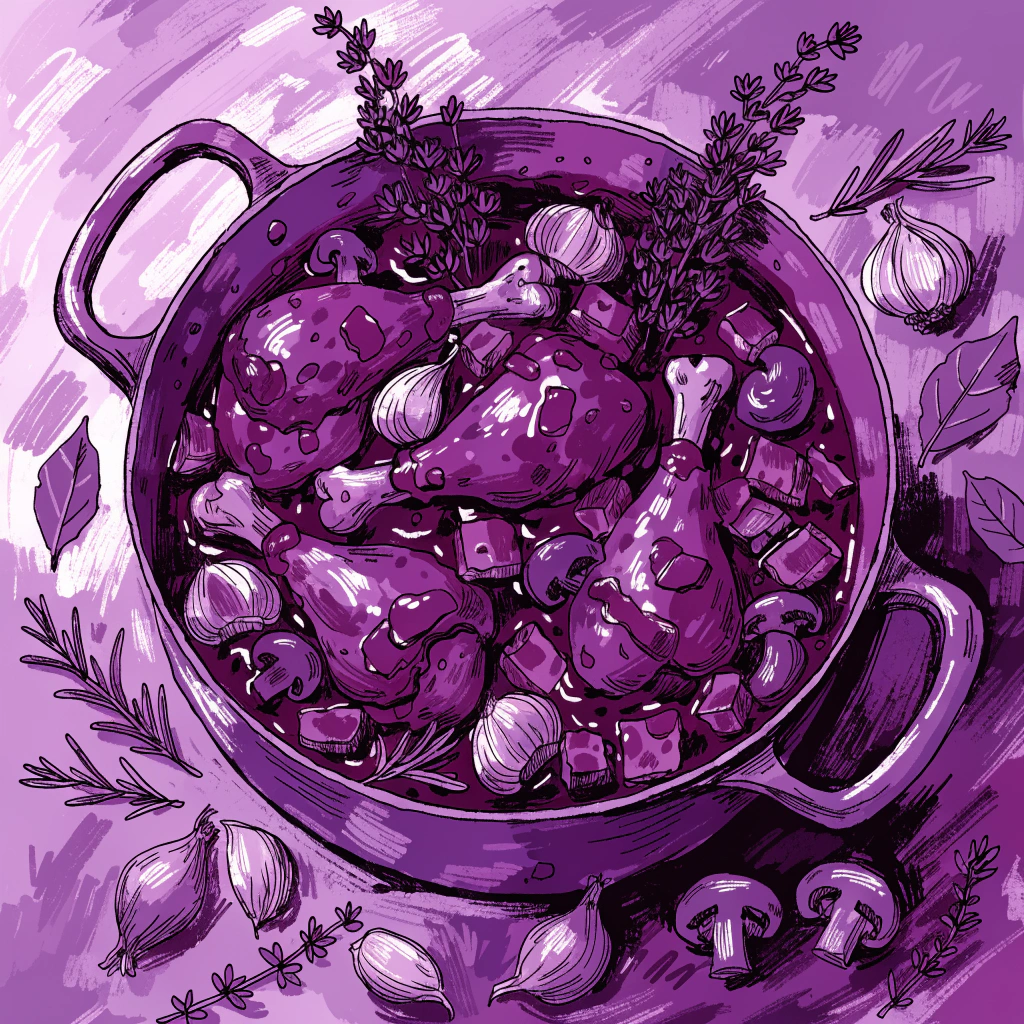
フランスの たべもの:コック・オ・ヴァン
フランスに おいしい りょうり が あります。その なまえは コック・オ・ヴァン です。これは フランスの とても ゆうめいな たべものです。 コック・オ・ヴァンは にわとりと ワインで つくります。たまねぎや きのこなど、やさいも いろいろ はいります。ワインは あかい ワインを つかいます。 むかし、この りょうりは ふるい にわとりで つくりました。ふるい にわとりは かたいです。でも、ゆっくり ワインで にると、おにくが とても やわらかく なります。そして、ワインの あじが して、とても おいしいです。いまも フランスで みんなが この りょうりを すきです。
文法スポットライト
パターン: 〜が あります
"フランスに おいしい りょうり が あります。"
これは どこかに なにかが あることを しめします。「場所 に 物 が あります」の かたちで つかいます。
パターン: 〜で つくります
"コック・オ・ヴァンは にわとりと ワインで つくります。"
これは なにを つかって なにかを つくるかを しめします。「材料 で つくります」の かたちで つかいます。
理解度をチェック
10 問 · A1 初級 · 無料プレビュー 1回
この記事で学んだことをテストしよう。全問正解してXPを獲得!
コック・オ・ヴァンは なんですか?
問題の内訳
コック・オ・ヴァンは なんですか?
あなたの回答:
正解: フランスの りょうり
コック・オ・ヴァンは にわとりと ワインで つくります。
あなたの回答:
正解: 正しい
「ゆうめい」の いみは なんですか?
あなたの回答:
正解: しられて いる
むかし、この りょうりは ふるい _____ で つくりました。
あなたの回答:
正解: にわとり
フランスの美味しい料理:コック・オ・ヴァン
「コック・オ・ヴァン」はフランスのとても有名な料理です。これは鶏肉と赤ワインで作ります。昔、フランスの農家の人たちは、硬い鶏肉を柔らかくするために、長い時間ワインで煮込みました。だから、この料理はとてもおいしくなりました。
コック・オ・ヴァンを作るには、まず鶏肉を切ります。そして、玉ねぎやきのこなどの野菜も準備します。これらの材料を赤ワインと一緒に大きな鍋に入れます。ゆっくりと時間をかけて煮込むと、鶏肉はとても柔らかくなります。ワインの味が鶏肉によく染みて、とても豊かな味になります。
この料理はフランスの田舎の家庭でよく食べられていました。今でも、フランスだけでなく、世界のいろいろな場所で人気があります。作り方は少し時間がかかりますが、とても簡単です。ぜひ、一度食べてみてください。温かくて、体が温まる料理ですよ。
文法スポットライト
パターン: 〜を〜ます (Direct Object Marker)
"まず鶏肉を切ります。"
「〜を〜ます」は、動詞が何に対して行われるかを示します。「を」は目的語を示し、その後にくる動詞(この場合は「切ります」)が目的語(「鶏肉」)に作用することを示します。
パターン: 〜て、〜ます (Connecting Actions/States)
"ワインの味が鶏肉によく染みて、とても豊かな味になります。"
「〜て、〜ます」は、二つの文や行動をつなげるときに使います。前の行動や状態が原因や方法になり、その結果として次の行動や状態が起こることを表します。この文では「染みる」という状態が原因で「豊かな味になる」という結果が生まれています。
理解度をチェック
11 問 · A2 初級 · 無料プレビュー 1回
この記事で学んだことをテストしよう。全問正解してXPを獲得!
コック・オ・ヴァンは何と何で作りますか?
問題の内訳
コック・オ・ヴァンは何と何で作りますか?
あなたの回答:
正解: 鶏肉と赤ワイン
昔、農家の人は硬い鶏肉を柔らかくするためにコック・オ・ヴァンを作りました。
あなたの回答:
正解: 正しい
「農家」の意味は何ですか?
あなたの回答:
正解: 畑で野菜を作ったり、動物を育てたりする人
コック・オ・ヴァンはフランスのとても_____な料理です。
あなたの回答:
正解: 有名な
コック・オ・ヴァンを作る時、鶏肉と他に何を準備しますか?
あなたの回答:
正解: 玉ねぎやきのこなどの野菜
フランスの伝統料理「コック・オ・ヴァン」
フランスには、世界中で愛されているおいしい料理がたくさんありますね。その中でも、「コック・オ・ヴァン」という料理は、フランスの田舎の伝統的な味を教えてくれます。この料理の名前は「ワインの中の雄鶏」という意味で、昔からフランスの家庭で作られてきました。
コック・オ・ヴァンは、鶏肉を赤ワイン、玉ねぎ、キノコなどと一緒にゆっくりと煮込んで作られます。もともとは、年をとって肉が硬くなった雄鶏をおいしく食べるための工夫として考えられました。赤ワインで長く煮込むことで、硬い鶏肉がとても柔らかくなり、深い味わいになります。この料理は、寒い冬の日や、家族や友人と一緒に食事をする特別な時にぴったりです。
今では、雄鶏だけでなく、普通の鶏肉も使って作られることが多く、レストランだけでなく、一般の家庭でもよく食べられています。時間がかかりますが、作り方はそれほど難しくありません。材料を鍋に入れて、じっくりと火にかけるだけです。煮込む間に、ワインの香りが部屋いっぱいに広がり、食欲をそそられます。
この料理は、フランスの食文化の豊かさを示しています。シンプルな材料が、時間と少しの工夫によって、素晴らしい一品に変わるのです。ぜひ一度、この温かいフランスの味を試してみてください。きっと、その深いおいしさに感動するでしょう。
文法スポットライト
パターン: 〜てきました (Present Perfect / Continuous action from past)
"昔からフランスの家庭で作られてきました。"
この「〜てきました」は、過去から現在まで、ある状態や行動が続いてきたことを表します。ここでは、「昔からずっと作られ続けてきた」という意味になります。動詞のて形に「きました」をつけます。
パターン: 〜によって (Passive Agent / Means)
"シンプルな材料が、時間と少しの工夫によって、素晴らしい一品に変わるのです。"
「〜によって」は、ある行動や変化が何(誰)によって引き起こされたかを示すときに使われます。ここでは、「時間と工夫」が材料を素晴らしい料理に変える原因であることを示しています。受身文でよく使われます。
理解度をチェック
11 問 · B1 中級 · 無料プレビュー 1回
この記事で学んだことをテストしよう。全問正解してXPを獲得!
「コック・オ・ヴァン」は、どこの国の伝統的な料理ですか?
問題の内訳
「コック・オ・ヴァン」は、どこの国の伝統的な料理ですか?
あなたの回答:
正解: フランス
「コック・オ・ヴァン」という名前は、「ワインの中の猫」という意味です。
あなたの回答:
正解: 間違い
「工夫」という言葉の意味として正しいものはどれですか?
あなたの回答:
正解: 物事をより良くするために、色々な方法を考えること
コック・オ・ヴァンは、鶏肉を赤ワイン、玉ねぎ、キノコなどと一緒にゆっくりと_____作られます。
あなたの回答:
正解: 煮込んで
コック・オ・ヴァンは、もともとどのような目的で考えられましたか?
あなたの回答:
正解: 硬くなった雄鶏の肉をおいしく食べるため
The Gastronomic Evolution of Coq au Vin: From Peasant Fare to National Treasure
Coq au Vin represents the quintessential intersection of French rustic traditions and sophisticated culinary artistry. While it is now celebrated in high-end establishments worldwide, its origins were far more humble, rooted deeply in the necessity of peasant life. Historically, French farmers sought a practical solution for utilizing older roosters that were no longer productive. These birds possessed tough, lean meat that would have been virtually inedible if prepared through standard roasting methods. Consequently, a slow-cooking technique was developed to transform this challenging ingredient into a tender masterpiece through the patient process of braising. This method must have originated from a need to avoid waste while providing a hearty meal for the family.
The fundamental chemistry of Coq au Vin relies on the interaction between the meat and acidic red wine. By submerging the rooster in a wine-based marinade and cooking it slowly over a low flame, the connective tissues are gradually broken down. This transformation is not merely about texture; the wine, typically a robust Burgundy, infuses the meat with a deep, complex flavor profile. Traditional recipes also incorporate lardons, mushrooms, and pearl onions, which further enrich the sauce. Furthermore, the addition of a 'bouquet garni'—a bundle of herbs—ensures that the aroma is as enticing as the taste. This combination of ingredients reflects the local resources available to rural families, demonstrating how environmental constraints can inspire culinary innovation.
In the modern era, Coq au Vin has undergone a significant evolution. Although contemporary chefs often substitute the traditional rooster with younger chickens to reduce cooking time, the core principles of the dish remain unchanged. It serves as a testament to the French heritage of 'terroir'—the idea that food should reflect the specific land and climate from which it comes. Moreover, the dish highlights the importance of patience in gastronomy. In a world increasingly dominated by fast food, the slow, deliberate preparation required for Coq au Vin acts as a cultural anchor.
Ultimately, the enduring popularity of Coq au Vin lies in its ability to bridge the gap between the past and the present. It is a dish that demands respect for the ingredient and a sophisticated understanding of chemical transformations. Whether served in a modest village kitchen or a Michelin-starred restaurant in Paris, it remains a powerful symbol of how simple beginnings can lead to a sophisticated culinary legacy. Analyzing its history allows us to appreciate not just the flavor, but the ingenuity of generations who mastered the art of slow cooking.
文法スポットライト
パターン: Passive Voice
"the connective tissues are gradually broken down."
The passive voice is used here to focus on the action being performed on the tissues rather than who is performing the action. It is formed using the verb 'to be' plus the past participle.
パターン: Third Conditional (Hypothetical Past)
"These birds... would have been virtually inedible if prepared through standard roasting methods."
This structure describes a hypothetical situation in the past and its imaginary result. It uses 'would have + past participle' in the main clause and 'if + past perfect' in the conditional clause.
パターン: Modal Verbs for Deduction
"This method must have originated from a need to avoid waste."
The modal 'must have' followed by a past participle is used to express a strong belief or a logical deduction about a past event based on evidence.
理解度をチェック
11 問 · B2 中上級 · 無料プレビュー 1回
この記事で学んだことをテストしよう。全問正解してXPを獲得!
What was the primary historical reason for using red wine in this dish?
問題の内訳
What was the primary historical reason for using red wine in this dish?
あなたの回答:
正解: To tenderize the tough meat of old roosters
Coq au Vin was originally created as a luxury meal for the French aristocracy.
あなたの回答:
正解: 間違い
Which word describes a dish that is culturally inherited and valued?
あなたの回答:
正解: Heritage
The process of _____ involves cooking the meat slowly in a liquid over a low flame.
あなたの回答:
正解: braising
What does the term 'terroir' refer to in the context of the article?
あなたの回答:
正解: The idea that food reflects its land and climate
Gastronomic Alchemy: The Socio-Cultural Evolution of Coq au Vin
Seldom has a dish so perfectly encapsulated the rustic ingenuity of French culinary heritage as Coq au Vin. While contemporary diners might perceive it as a mainstay of sophisticated bistros, its origins are firmly rooted in the pragmatic constraints of peasant life. It was the necessity of tenderizing the sinewy flesh of an aged rooster that birthed the technique of slow-braising in red wine. This gastronomic alchemy, whereby a tough, seemingly inedible bird is transformed into a succulent masterpiece, epitomizes the French ability to elevate the mundane to the sublime.
The historical significance of Coq au Vin lies in its role as a solution to waste. In agrarian societies, an old rooster was a liability—too tough for roasting and no longer useful for breeding. However, through the amalgamation of local wine, lardons, and aromatic vegetables, rural cooks discovered that the slow degradation of connective tissue yields a depth of flavor that is truly unparalleled. What started as a survival strategy eventually underwent a process of refinement, finding its way into the repertoire of legendary chefs like Auguste Escoffier.
Central to the dish's allure is the chemical interplay between the acidity of the wine and the proteins of the meat. The wine acts not merely as a flavoring agent but as a catalyst for tenderization. As the liquid simmers, the harsh tannins mellow, creating a complex, velvety sauce that binds the ingredients together. This transformation is a testament to the fact that time, rather than luxury, is often the most critical ingredient in traditional cooking.
In the modern era, Coq au Vin has faced a resurgence in popularity, albeit with certain adaptations. While the quintessential recipe demands a rooster, the ubiquitous availability of younger chickens has altered the dish's texture. Nevertheless, the soul of the recipe remains unchanged. It serves as a reminder of a time when the rhythm of the kitchen was dictated by the seasons and the available livestock.
Furthermore, the dish invites a critical analysis of how national identity is constructed through food. Coq au Vin is more than a meal; it is a cultural narrative. It represents the triumph of patience over poverty and the democratization of flavor. To consume it is to engage with centuries of tradition, recognizing that the most palatable experiences often emerge from the most challenging circumstances. Ultimately, the enduring legacy of Coq au Vin proves that culinary excellence is not the exclusive domain of the wealthy, but rather the result of a profound understanding of one's environment.
文法スポットライト
パターン: Inversion with negative adverbials
"Seldom has a dish so perfectly encapsulated the rustic ingenuity of French culinary heritage as Coq au Vin."
When a sentence starts with a negative adverbial like 'seldom' or 'never', the auxiliary verb and the subject swap places to add emphasis and formal tone.
パターン: Cleft Sentences
"It was the necessity of tenderizing the sinewy flesh of an aged rooster that birthed the technique of slow-braising in red wine."
Cleft sentences use the structure 'It is/was... that' to focus on a specific piece of information, in this case, the reason for the technique's creation.
パターン: Nominalisation
"The slow degradation of connective tissue yields a depth of flavor that is truly unparalleled."
This involves turning verbs (degrade) into nouns (degradation) to make the text more concise, abstract, and formal, which is typical of academic or advanced English.
理解度をチェック
12 問 · C1 上級 · 無料プレビュー 1回
この記事で学んだことをテストしよう。全問正解してXPを獲得!
What was the primary historical reason for the creation of Coq au Vin?
問題の内訳
What was the primary historical reason for the creation of Coq au Vin?
あなたの回答:
正解: To make tough, old roosters edible through slow cooking
The text suggests that modern Coq au Vin is identical in texture to the original peasant version.
あなたの回答:
正解: 間違い
What does 'epitomize' mean in the context of the article?
あなたの回答:
正解: To serve as a perfect example of something
The wine acts not merely as a flavoring agent but as a _____ for tenderization.
あなたの回答:
正解: catalyst
According to the article, what is often the most critical ingredient in traditional cooking?
あなたの回答:
正解: Time
The acidity of the wine is responsible for the chemical breakdown of the meat's proteins.
あなたの回答:
正解: 正しい
Gastronomic Metamorphosis: The Dialectics of Coq au Vin in French Culinary Heritage
The culinary landscape of France is often perceived as a monolithic entity of refinement; however, it is arguably best epitomized by the rustic resilience of Coq au Vin. This quintessential dish serves as a profound testament to the ingenuity of the French peasantry, who sought to transmute the most recalcitrant of ingredients into a gastronomic masterpiece. Historically, the dish was predicated upon the necessity of utilizing the 'coq'—an aged rooster whose tenacious muscle fibers and abundant connective tissue rendered it unsuitable for conventional roasting. Were it not for the slow, methodical application of heat within an acidic medium, such a specimen would have remained an exercise in masticatory frustration.
At the heart of Coq au Vin lies the chemical metamorphosis facilitated by braising. This technique, characterized by searing the meat before simmering it in a lid-covered vessel with liquid, is not merely a method of cooking but an act of culinary alchemy. The collagen, which provides the rooster its structural rigidity, undergoes a denaturation process, eventually dissolving into gelatin. This transition imbues the sauce with a luxurious, velvety viscosity that synthetic thickeners could never replicate. Furthermore, the choice of wine is paramount. While modern iterations may employ various vintages, the traditional Burgundian approach insists upon a robust red, rich in tannins and acidity. These organoleptic properties are essential for cutting through the richness of the lardons and the earthy depth of the mushrooms, creating a nuanced symbiosis of flavors.
The aromatic profile of the dish is further augmented by the 'bouquet garni', a bundle of herbs that imparts a subtle, herbaceous complexity. This addition is not merely decorative; the volatile oils within the thyme and bay leaves interact with the wine's tannins, mitigating their astringency while enhancing the overall aromatic depth. This chemical interplay is a hallmark of culinary mastery, where the chef must anticipate the evolution of flavors over several hours of simmering. The gradual reduction of the braising liquid concentrates these elements, resulting in a sauce that is both intellectually stimulating and viscerally satisfying.
The regionality of the dish further complicates its narrative. While Burgundy claims the definitive version, variations such as Coq au Riesling from Alsace demonstrate the adaptability of the terroir concept. In Alsace, the use of a dry white wine shifts the profile from the heavy, blood-red depths of the central plains to a brighter, more floral expression. This divergence highlights how local agriculture dictates culinary evolution. One might argue that the hegemony of Coq au Vin in the global epicurean consciousness is a result of its successful migration from the farmhouse to the Parisian bistro. It represents a bridge between the 'cuisine du terroir'—a cooking style deeply rooted in the specific geography and soil of a region—and the sophisticated expectations of haute cuisine.
Sociologically, the dish encapsulates a transition in French identity. The inclusion of the pearl onions and button mushrooms reflects a refined balance that elevates the dish beyond its utilitarian origins. Rarely has a dish so effectively captured the duality of the French identity: a fierce adherence to tradition coupled with an unyielding pursuit of aesthetic and sensory perfection. In contemporary gastronomic discourse, Coq au Vin is often subjected to academic hedging. Some purists maintain that the absence of authentic rooster blood as a thickening agent—a practice largely abandoned for sanitary reasons—renders modern versions mere approximations. Nevertheless, the dish remains a cornerstone of French heritage. It challenges the chef to master the variables of time and temperature, demanding a patience that is increasingly rare in the fast-paced modern world. Ultimately, Coq au Vin is not merely a recipe; it is a cultural artifact that narrates the story of survival, innovation, and the eventual triumph of flavor over adversity.
文法スポットライト
パターン: Inversion with Negative/Restrictive Adverbs
"Rarely has a dish so effectively captured the duality of the French identity."
When a sentence begins with a negative or restrictive adverb like 'rarely', 'seldom', or 'never', the subject and auxiliary verb are inverted to add emphasis and formal weight. This is a common feature of high-level academic and literary English.
パターン: Inverted Second/Third Conditional (Subjunctive)
"Were it not for the slow, methodical application of heat within an acidic medium, such a specimen would have remained an exercise in masticatory frustration."
The phrase 'Were it not for' is a formal alternative to 'If it were not for'. It uses the subjunctive 'were' and inversion to create a more sophisticated hypothetical statement about a necessary condition.
パターン: Academic Hedging with Modals
"One might argue that the hegemony of Coq au Vin in the global epicurean consciousness is a result of its successful migration from the farmhouse to the Parisian bistro."
The use of 'one might argue' instead of 'I think' or 'it is' allows the writer to present a claim tentatively. This academic hedging is essential for C2 writing to acknowledge that other interpretations may exist.
理解度をチェック
12 問 · C2 マスター · 無料プレビュー 1回
この記事で学んだことをテストしよう。全問正解してXPを獲得!
What was the primary historical reason for braising the 'coq'?
問題の内訳
What was the primary historical reason for braising the 'coq'?
あなたの回答:
正解: To break down tough connective tissues
The article suggests that using synthetic thickeners is the traditional way to achieve the sauce's viscosity.
あなたの回答:
正解: 間違い
What does 'organoleptic' mean?
あなたの回答:
正解: Relating to sensory properties of food
The collagen eventually dissolves into _____, providing the sauce with its characteristic viscosity.
あなたの回答:
正解: gelatin
How does the 'Coq au Riesling' variant differ from the Burgundian version?
あなたの回答:
正解: It employs white wine instead of red
The use of rooster blood as a thickener is still widely practiced in modern restaurants for sanitary reasons.
あなたの回答:
正解: 間違い

