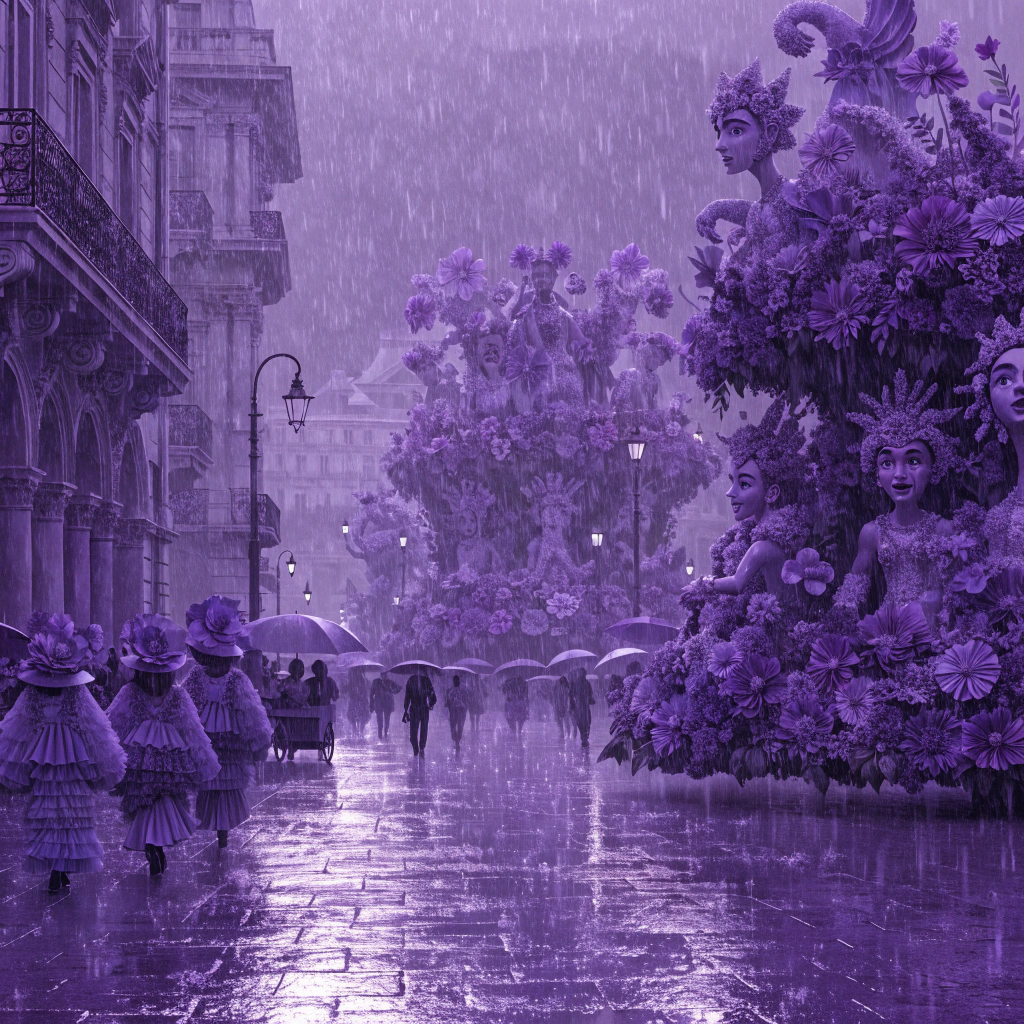
니스 카니발: 즐거운 프랑스 축제
니스 카니발은 프랑스에 있어요. 프랑스의 니스 도시에서 매년 2월에 이 축제를 해요. 이것은 아주 큰 축제예요. 많은 사람들이 전 세계에서 니스에 와요.
카니발은 색깔이 아주 많아요. 예쁜 꽃도 많이 볼 수 있어요. 사람들은 특별한 옷을 입고 노래하고 춤을 춰요. 모두 함께 즐거운 시간을 보내요.
이 축제는 아주 오래된 역사도 있어요. 니스 카니발은 모두에게 즐거움을 줘요. 정말 재미있는 축제예요!
문법 스포트라이트
패턴: 은/는 (Topic Marker)
"니스 카니발은 프랑스에 있어요."
이것은 문장에서 무엇에 대해 이야기하는지 알려주는 표시예요. 명사 뒤에 붙어서 문장의 주제를 나타내요. 받침이 없으면 '는', 받침이 있으면 '은'을 사용해요.
패턴: ~어요/아요 (Present Tense Informal Polite Ending)
"이 축제를 해요."
이것은 동사나 형용사 뒤에 붙어서 현재 시제를 나타내는 가장 일반적인 존댓말이에요. 동사나 형용사의 마지막 모음에 따라 '아요'나 '어요'를 사용해요. '하'로 끝나면 '해요'가 돼요.
이해도를 테스트하세요
10 질문 · A1 초급 · 무료 미리보기 1회
이 기사에서 배운 내용을 테스트하세요. 모든 질문에 답하여 XP를 획득하세요!
니스 카니발은 어디에 있어요?
문제별 결과
니스 카니발은 어디에 있어요?
내 답변:
정답: 프랑스
니스 카니발은 작은 축제예요.
내 답변:
정답: 거짓
'축제'는 무슨 뜻이에요?
내 답변:
정답: 사람들이 함께 즐기는 특별한 행사
니스 카니발은 아주 ____ 축제예요.
내 답변:
정답: 큰
프랑스 니스 카니발: 즐거운 겨울 축제!
프랑스 남쪽에 아름다운 도시, 니스(Nice)가 있습니다. 매년 2월, 이 도시는 아주 특별한 축제를 엽니다. 바로 '니스 카니발'입니다. 이 축제는 프랑스에서 가장 큰 카니발 중 하나입니다. 전 세계에서 많은 사람들이 이 축제를 보기 위해 니스에 옵니다. 매년 백만 명이 넘는 사람들이 방문합니다. 니스는 이 기간 동안 매우 활기차고 즐거운 분위기가 됩니다.
니스 카니발은 아주 오래된 역사를 가지고 있습니다. 처음 기록된 것은 1294년입니다. 그때부터 사람들은 니스에서 즐거운 시간을 보냈습니다. 오늘날 카니발은 화려한 색깔과 재미있는 퍼레이드로 아주 유명합니다. 특별히 만든 큰 인형들이 거리를 걷습니다. 음악도 크게 울리고, 사람들은 예쁜 옷을 입고 춤을 춥니다. 밤에는 아름다운 불꽃놀이도 볼 수 있습니다. 니스 카니발은 겨울에 프랑스를 방문하는 사람들에게 잊지 못할 추억을 선물합니다. 정말 멋지고 신나는 축제입니다!
문법 스포트라이트
패턴: -입니다/-ㅂ니다 (Imnida/Mnida)
"프랑스 남쪽에 아름다운 도시, 니스(Nice)가 있습니다."
명사 뒤에 '입니다'를 붙여 문장을 끝냅니다. 동사나 형용사 뒤에는 '-ㅂ니다/-습니다'를 사용합니다. 이 표현은 공식적이거나 정중하게 말할 때 사용합니다.
패턴: -기 위해 (gi wihae)
"많은 사람들이 이 축제를 보기 위해 니스에 옵니다."
동사 뒤에 '-기 위해'를 붙여 어떤 행동의 목적을 나타냅니다. '무엇을 하려고' 또는 '무엇을 할 목적으로'라는 의미입니다. 예를 들어, '공부하기 위해 도서관에 가요'처럼 씁니다.
이해도를 테스트하세요
11 질문 · A2 초등급 · 무료 미리보기 1회
이 기사에서 배운 내용을 테스트하세요. 모든 질문에 답하여 XP를 획득하세요!
니스 카니발은 보통 언제 열립니까?
문제별 결과
니스 카니발은 보통 언제 열립니까?
내 답변:
정답: 2월
니스 카니발은 프랑스에서 가장 작은 축제입니다.
내 답변:
정답: 거짓
'방문하다'는 무슨 뜻입니까?
내 답변:
정답: 찾아가다
니스 카니발은 아주 오래된 ______를 가지고 있습니다.
내 답변:
정답: 역사를
밤에는 아름다운 ______도 볼 수 있습니다.
내 답변:
정답: 불꽃놀이
The Magic of the Nice Carnival: France's Winter Festival
Every February, the beautiful city of Nice transforms into a spectacular world of color, music, and joy. The "Carnaval de Nice" is recognized as the most important winter event on the French Riviera. It has been celebrated for centuries, with the first historical records dating back to 1294. Since those early days, the festival has grown into one of the most prestigious carnivals in the world, attracting more than a million international visitors every year.
The celebration is primarily divided into two main parades. First, there is the "Carnival Parade," which features giant floats that are decorated with incredible, colorful sculptures. These floats, which are often taller than local buildings, move slowly through the streets while professional dancers and talented musicians perform. The second event is the famous "Flower Parade," or Bataille de Fleurs. During this parade, thousands of fresh, locally grown flowers are thrown from the floats into the excited crowd. This tradition, which started in 1876, originally began as a way to celebrate the local floral industry and the arrival of spring.
In recent years, the carnival has embraced modern technology and creative themes. Each year, a new theme is chosen, such as "King of Cinema" or "King of the Oceans." Professional artists spend many months preparing the magnificent costumes and the complex moving parts for the floats. Visitors have often described the atmosphere as electric because the energy of the performers is truly contagious. If you have never visited Nice during the winter season, you should definitely experience this incredible explosion of creativity. It is a magical time when the whole city comes together to celebrate life, art, and the unique history of the Mediterranean.
문법 스포트라이트
패턴: 수동태
"During this parade, thousands of fresh, locally grown flowers are thrown from the floats into the excited crowd."
수동태는 누가 행동을 하는지보다 그 행동 자체가 더 중요할 때 사용해요. 'be' 동사(are)와 주요 동사의 과거분사(thrown)를 결합해서 만들어요.
패턴: 관계절
"First, there is the 'Carnival Parade,' which features giant floats that are decorated with incredible, colorful sculptures."
관계절은 새로운 문장을 시작하지 않고도 명사에 대해 더 자세한 정보를 줄 수 있어요. 사물에는 'which'를 쓰고, 'that'은 사물과 사람 모두에 더 자세한 설명을 덧붙일 때 사용할 수 있어요.
이해도를 테스트하세요
11 질문 · B1 중급 · 무료 미리보기 1회
이 기사에서 배운 내용을 테스트하세요. 모든 질문에 답하여 XP를 획득하세요!
니스 카니발에 대한 최초의 역사적 기록은 언제 쓰였나요?
문제별 결과
니스 카니발에 대한 최초의 역사적 기록은 언제 쓰였나요?
내 답변:
정답: 1294년
꽃의 퍼레이드는 원래 지역 꽃 산업을 기념하기 위해 만들어졌나요?
내 답변:
정답: 참
기사에서 'spectacular'라는 단어는 어떤 의미인가요?
내 답변:
정답: 매우 인상적이고 아름다운
이 축제에는 매년 _____ 명 이상의 전 세계 관광객들이 찾아와요.
내 답변:
정답: million
지역 건물보다 더 큰 거대 조각품이 등장하는 퍼레이드는 무엇인가요?
내 답변:
정답: 카니발 퍼레이드
지중해의 화려한 축제: 니스의 카니발
프랑스 남부 지중해 연안에 위치한 아름다운 도시 니스는 매년 2월, 세계에서 가장 화려하고 유서 깊은 축제 중 하나인 '카니발 드 니스(Carnaval de Nice)'로 변모합니다. 이 축제는 단순히 지역 행사를 넘어, 프랑스에서 가장 큰 카니발이자 세계적으로도 명성이 높은 행사로, 매년 백만 명 이상의 방문객을 끌어모으며 도시 전체를 들썩이게 합니다.
니스의 카니발 역사는 매우 깊습니다. 최초의 기록은 1294년으로 거슬러 올라가며, 당시 니스를 방문했던 프로방스의 샤를 2세 공작이 '즐거운 카니발'을 언급한 것이 시초로 알려져 있습니다. 중세 시대부터 이어져 온 이 전통은 19세기 말에 이르러 현대적인 형태를 갖추기 시작했습니다. 특히 1873년, 알렉시스 모차르(Alexis Mossa)가 주도하여 퍼레이드와 꽃마차 행렬 등 오늘날 우리가 아는 카니발의 틀을 마련했습니다. 그는 '카니발 위원회'를 조직하여 체계적인 축제 운영의 기틀을 다졌습니다.
현대의 니스의 카니발은 약 2주 동안 다채로운 행사로 가득 채워집니다. 가장 상징적인 행사는 '카니발 퍼레이드(Corso Carnavalesque)'와 '꽃들의 전쟁(Bataille de Fleurs)'입니다. 카니발 퍼레이드에서는 거대한 인형과 장식으로 꾸며진 행렬이 니스의 중심가를 가득 메우며, 풍자와 해학이 넘치는 작품들이 관람객들의 시선을 사로잡습니다. 특히 그해의 주제에 맞춰 제작되는 왕 인형은 축제의 하이라이트입니다. 이와 더불어, 우아하고 향기로운 '꽃들의 전쟁'은 수십만 송이의 꽃을 관객들에게 던지는 독특한 방식으로 진행되어, 아름다움과 즐거움을 동시에 선사합니다.
니스의 카니발은 단순한 볼거리를 넘어, 니스의 문화와 예술적 역량을 전 세계에 알리는 중요한 매개체 역할을 합니다. 축제 기간 동안 도시는 활기찬 에너지로 가득 차며, 방문객들은 지중해의 따뜻한 햇살 아래에서 프랑스 문화의 정수를 경험할 수 있습니다. 수백 년의 역사를 자랑하며 끊임없이 진화해 온 니스의 카니발은 앞으로도 전 세계인에게 잊지 못할 추억을 선사할 것입니다.
문법 스포트라이트
패턴: A뿐만 아니라 B도
"이 축제는 단순히 지역 행사를 넘어, 프랑스에서 가장 큰 카니발이자 세계적으로도 명성이 높은 행사로, 매년 백만 명 이상의 방문객을 끌어모으며 도시 전체를 들썩이게 합니다."
이 표현은 'A뿐만 아니라 B도 그러하다'는 의미로, 두 가지 이상의 사실이나 대상을 나열하며 강조할 때 사용됩니다. 앞선 내용에 더해 뒤의 내용까지 포함한다는 의미를 가집니다.
패턴: ~에 따르면
"최초의 기록은 1294년으로 거슬러 올라가며, 당시 니스를 방문했던 프로방스의 샤를 2세 공작이 '즐거운 카니발'을 언급한 것이 시초로 알려져 있습니다."
이 문법은 '어떤 정보의 출처나 기준에 의하면'이라는 뜻을 나타냅니다. 주로 뉴스나 보고서, 역사적 사실 등을 인용할 때 사용되며, 객관적인 정보를 전달하는 데 유용합니다.
패턴: ~로 알려져 있다
"최초의 기록은 1294년으로 거슬러 올라가며, 당시 니스를 방문했던 프로방스의 샤를 2세 공작이 '즐거운 카니발'을 언급한 것이 시초로 알려져 있습니다."
이 문법은 '어떤 사실이나 사람이 ~라고 일반적으로 알려져 있다'는 의미를 나타냅니다. 특정 정보가 대중에게 널리 인지되어 있음을 표현할 때 사용하며, 수동적인 의미를 가집니다.
이해도를 테스트하세요
11 질문 · B2 중상급 · 무료 미리보기 1회
이 기사에서 배운 내용을 테스트하세요. 모든 질문에 답하여 XP를 획득하세요!
니스의 카니발은 주로 언제 열리나요?
문제별 결과
니스의 카니발은 주로 언제 열리나요?
내 답변:
정답: 2월
니스의 카니발은 프랑스에서 가장 큰 카니발이 아닙니다.
내 답변:
정답: 거짓
'명성'의 의미는 무엇인가요?
내 답변:
정답: 널리 알려진 좋은 평판
니스의 카니발은 약 2주 동안 _______ 행사로 가득 채워집니다.
내 답변:
정답: 다채로운
니스의 카니발에서 꽃을 관객들에게 던지는 행사의 이름은 무엇인가요?
내 답변:
정답: 꽃들의 전쟁
The Ephemeral Grandeur of the Carnaval de Nice: A Bastion of Provençal Tradition
Set against the azure backdrop of the Mediterranean, the Carnaval de Nice stands as a testament to the enduring power of public spectacle. Seldom does one encounter such a harmonious blend of historical reverence and contemporary irreverence. Since its inception in the late 13th century—specifically mentioned in records dating back to 1294—the event has undergone a profound metamorphosis, evolving from a medieval frolic into a global powerhouse of cultural tourism. It is the meticulous craftsmanship of the 'Ymagiers' that breathes life into the towering papier-mâché leviathans that traverse the Promenade des Anglais each February.
Central to the festivities is the 'Bataille de Fleurs' (Battle of Flowers). What defines this event is the juxtaposition of horticultural elegance and competitive spirit. Not until the first flower is hurled do the spectators truly grasp the vibrancy of the local flora. This tradition, inaugurated in 1876, serves as a poignant reminder of the region’s agricultural heritage, where mimosa, lilies, and daisies take center stage. The sheer scale of the production requires months of preparation, reflecting a level of dedication that borders on the obsessive.
Furthermore, the satirical edge of the main parade offers a biting critique of global politics, proving that beneath the layers of glitter and paint lies a sophisticated commentary on the human condition. Each year, 'Sa Majesté Carnaval' presides over the city, embodying a specific theme that often lampoons current events or societal trends. Critics might argue that the commercialization of the carnival has diluted its authenticity. However, the preservation of the 'Carnavalier' craft suggests otherwise. This hereditary vocation requires a synthesis of engineering and artistry that remains unparalleled in the modern age.
The economic windfall for the Côte d'Azur is undeniable, yet the true value lies in the collective effervescence that permeates the streets. In an increasingly digital world, the visceral impact of thousands of performers and the heady scent of fresh blossoms provide a grounding experience. Moreover, the integration of sustainable practices in recent years demonstrates an awareness of the ecological footprint of such grand-scale events. From the recycling of float materials to the widespread use of biodegradable confetti, the carnival is reinventing itself for the 21st century.
The culmination of the event occurs on the final night, when the King is traditionally burned on a pyre at sea. This ritualistic ending symbolizes renewal and the casting away of winter's hardships. Ultimately, the Carnaval de Nice is more than a mere parade; it is a kaleidoscopic celebration of resilience and creativity, ensuring that the spirit of Nice continues to shine through the winter gloom, attracting millions who seek a brief, ephemeral escape from the mundane.
문법 스포트라이트
패턴: Negative Inversion
"Seldom does one encounter such a harmonious blend of historical reverence and contemporary irreverence."
Inversion is used after negative or restrictive adverbs (like 'seldom', 'never', 'hardly') at the start of a sentence for emphasis. The auxiliary verb ('does') precedes the subject ('one').
패턴: Cleft Sentences
"It is the meticulous craftsmanship of the 'Ymagiers' that breathes life into the towering papier-mâché leviathans."
Cleft sentences (It + be + subject + that/who) are used to focus on a specific part of the information. Here, it emphasizes the craftsmen as the primary cause of the spectacle.
패턴: Nominalization
"The integration of sustainable practices in recent years demonstrates an awareness of the ecological footprint."
Nominalization involves turning verbs (integrate) into nouns (integration). This is a hallmark of C1/C2 writing, making the text more formal, concise, and academically sophisticated.
이해도를 테스트하세요
12 질문 · C1 고급 · 무료 미리보기 1회
이 기사에서 배운 내용을 테스트하세요. 모든 질문에 답하여 XP를 획득하세요!
When was the first recorded mention of a 'joyous carnival' in Nice?
문제별 결과
When was the first recorded mention of a 'joyous carnival' in Nice?
내 답변:
정답: 1294
The Battle of Flowers was introduced in the late 13th century.
내 답변:
정답: 거짓
What does the word 'Juxtaposition' mean in the context of the article?
내 답변:
정답: Placing contrasting elements together
The event known as the _____ de Fleurs involves hurling local flora at the crowd.
내 답변:
정답: Bataille
How does the carnival traditionally conclude on the final night?
내 답변:
정답: By burning the King on a pyre
The article suggests that commercialization has completely destroyed the authenticity of the carnival.
내 답변:
정답: 거짓
The Niçois Palimpsest: Allegory, Subversion, and Spectacle in the Carnaval de Nice
The Carnaval de Nice, a kaleidoscopic manifestation of exuberant pageantry, stands as a sophisticated nexus where historical continuity and contemporary artistic expression converge. Far from being a mere parochial indulgence, this Mediterranean festivities' trajectory—from its 1294 inception under Charles d'Anjou to its current iteration—mirrors the profound socio-political metamorphosis of the region. In the Middle Ages, the carnival was characterized by unbridled, often chaotic bacchanalia, providing a temporary suspension of social hierarchies and a vital vent for communal irreverence. However, the late 19th-century systematic institutionalization of the event transformed it into a meticulously choreographed municipal spectacle, designed primarily to entice the European aristocracy during the burgeoning winter resort era. This shift necessitated a transition from spontaneous revelry to a structured display of civic pride and artistic artifice.
Central to this grand artifice is the 'Ymagier'—the master craftsman whose creative ingenuity dictates the aesthetic and allegorical direction of the floats. These artisans utilize the grotesque and the parodic to construct towering structures that are as much a medium for caustic social commentary as they are a testament to technical virtuosity. They employ materials ranging from traditional papier-mâché to advanced composite resins, ensuring that each figure possesses a lifelike, albeit exaggerated, quality. Were one to scrutinize the thematic choices of the 'King of the Carnival' across recent decades, one would discern a sharp reflection of the global zeitgeist. Each year, the chosen theme serves as a thematic lens through which the year’s political triumphs and follies are refracted. The King’s effigy, far from being a static monument, acts as a vessel for the collective anxieties and aspirations of the populace, allowing for a public, ritualized grappling with the complexities of the modern world.
The festival's structure is defined by a compelling duality: the 'Corso Carnavalesque' and the 'Bataille des Fleurs'. While the former is steeped in the subversive tradition of political satire and caricature, the latter—held along the iconic Promenade des Anglais—offers an ethereal contrast. This floral pageant, where thousands of locally grown lilies, mimosas, and carnations are showered upon the spectators, pays homage to the floricultural heritage of the Côte d'Azur. It is this tension between the rugged irreverence of the satirical floats and the refined ostentation of the floral processions that best encapsulates the Niçois identity. The juxtaposition of the two events suggests a city that is simultaneously comfortable with its rough, plebeian roots and its later role as a sanctuary for the elite.
Critics of the modern carnival frequently lament the perceived dilution of its authentic spirit, suggesting that the pressures of globalization have rendered it a homogenized product of the tourism industry. They argue that the bacchanalian vestiges of the past, once visceral and unpredictable, have been sanitized for mass consumption and the safety requirements of a global audience. Yet, such a reductionist view ignores the resilience of the local community’s engagement and the artistic subversion that still simmers beneath the surface. The festival remains a living organism, a ritualistic space where the ephemeral nature of power is celebrated through the climactic burning of the King. This symbolic immolation on the final night serves a dual purpose: it marks the ritualistic cleansing of the city and the inevitable conclusion of a period of sanctioned lawlessness before the austerity of Lent begins to exert its influence.
Moreover, the logistical complexity of the Carnaval de Nice is staggering, involving thousands of participants and a synchronization that rivals theatrical productions of the highest order. The integration of modern technology—including sophisticated lighting systems and soundscapes—has bolstered the sensory impact of the parades, yet the core remains tethered to traditional craftsmanship. It is imperative that the artistic integrity of the 'Ymagiers' be preserved, lest the event lose the distinctiveness that separates it from other global festivals. In conclusion, the Carnaval de Nice is not merely a transient burst of color but a profound cultural inquiry into the human need for spectacle, satire, and renewal. It manages to balance the weight of its medieval vestiges with the demands of a modern audience without succumbing entirely to commercial vacuity. Whether viewed through the lens of political subversion or as an exercise in sheer aesthetic ostentation, the carnival continues to be a vital cornerstone of French cultural life, reminding us that even in an increasingly digital age, the visceral power of the physical pageant remains unparalleled.
문법 스포트라이트
패턴: 도치된 조건문
"Were one to scrutinize the thematic choices of the 'King of the Carnival' across recent decades, one would discern a sharp reflection of the global zeitgeist."
'if' 절('If one were to...')을 대신하는 공식적인 구조예요. 학술적이거나 문학적인 문맥에서 세련된 어조로 상황을 가정할 때 사용돼요.
패턴: 가정법
"It is imperative that the artistic integrity of the 'Ymagiers' be preserved, lest the event lose the distinctiveness that separates it from other global festivals."
필요성(필수적인, 중요한 등)을 나타내는 표현 뒤에 주어에 상관없이 동사의 원형('be')을 써요. 요구 사항이나 강한 권고를 표현할 때 사용해요.
패턴: 학술적 격식을 위한 명사화
"However, the late 19th-century systematic institutionalization of the event transformed it into a meticulously choreographed municipal spectacle."
동사를 명사로 바꾸어(institutionalize -> institutionalization) 더 추상적이고 분석적인 어조를 만들어요. C2 수준에서 흔히 볼 수 있는 기법이죠.
이해도를 테스트하세요
12 질문 · C2 마스터 · 무료 미리보기 1회
이 기사에서 배운 내용을 테스트하세요. 모든 질문에 답하여 XP를 획득하세요!
19세기 후반 카니발의 공식적인 제도화를 이끈 주요 동력은 무엇이었나요?
문제별 결과
19세기 후반 카니발의 공식적인 제도화를 이끈 주요 동력은 무엇이었나요?
내 답변:
정답: 겨울 휴양지에 부유한 유럽 귀족들을 유치하려는 목적
'이마지에(Ymagier)'는 사회정치적 비판은 피하고 오로지 장식 수레의 물리적 제작에만 집중하는 역할이에요.
내 답변:
정답: 거짓
극도로 섬세하고 물리적 세계에 존재하기에는 너무 완벽해 보이는 것을 묘사하기에 가장 적절한 단어는 무엇인가요?
내 답변:
정답: 천상의(Ethereal)
마지막 밤에 행해지는 국왕의 의식적인 _____은 도시의 정화를 상징해요.
내 답변:
정답: burning
'꽃의 전쟁(Bataille des Fleurs)'은 구체적으로 무엇에 경의를 표하나요?
내 답변:
정답: 지역의 풍부한 화훼 유산
카니발 국왕의 연간 테마는 현재의 세계적인 시대정신을 투영하는 렌즈로 사용돼요.
내 답변:
정답: 참

