










aurelius en 30 secondes
- Aurelius is the name of the famous Roman Emperor Marcus Aurelius, who ruled from 161 to 180 AD and is a key figure in Stoic philosophy.
- He is best known for his personal journals, 'Meditations,' which offer timeless advice on maintaining mental peace, integrity, and a sense of duty during hardship.
- The name is derived from the Latin word for 'gold' and is used today to symbolize wisdom, resilience, and the ideal of the philosopher-king.
- In historical and academic contexts, Aurelius represents the end of the Pax Romana and the peak of Roman intellectual and ethical development.
The term Aurelius is a significant proper noun in Western history, primarily identifying Marcus Aurelius, the Roman Emperor who served as the final ruler in the line of the 'Five Good Emperors.' When people use this name today, they are rarely referring to a contemporary individual; instead, they are invoking the legacy of a man who bridged the gap between absolute political power and profound philosophical humility. The name itself is derived from the Latin word 'aurum,' meaning gold, which originally denoted a family of high status and 'golden' character. In modern discourse, Aurelius is synonymous with Stoicism, resilience, and the internal struggle to remain virtuous despite external pressures.
- Historical Identity
- Marcus Aurelius was not just a monarch but a dedicated student of the Stoic school of philosophy. His reign was characterized by constant warfare and the Antonine Plague, yet he is remembered for his calm and rational approach to leadership.
When studying the history of the Roman Empire, one cannot overlook the profound impact of aurelius on the development of Western ethical thought.
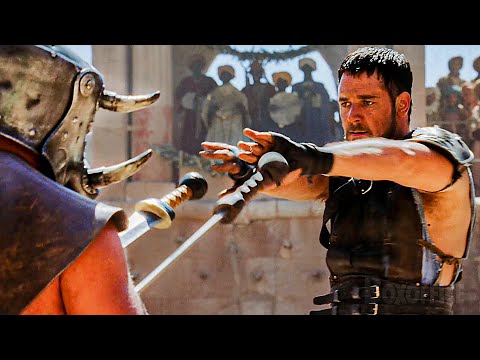
In academic and philosophical circles, the name is frequently used as a shorthand for his seminal work, 'Meditations.' If a professor says, 'We must look to Aurelius for guidance on emotional regulation,' they are referring to the specific Stoic techniques he documented for his own self-improvement. The name carries a weight of authority and intellectual rigor. It is used in discussions regarding leadership, where the 'philosopher-king' ideal is analyzed. Beyond history, the name appears in literature and film—most notably in 'Gladiator'—to represent an era of lost Roman dignity and the transition from a stable empire to one of chaos.
- Philosophical Association
- The name is inextricably linked to the concept of 'ataraxia' or tranquility. To speak of Aurelius is to speak of the ability to distinguish between what we can control and what we cannot.
Culturally, Aurelius serves as a bridge between the ancient world and modern self-help. His writings are often quoted in business seminars and psychological therapy sessions to illustrate the power of perspective. The name is also used in naming conventions for institutions or software that aim to project a sense of stability, wisdom, and 'golden' quality. It is a name that commands respect and suggests a deep, contemplative nature. Whether discussed in a university lecture or a personal development podcast, the name evokes a sense of timeless wisdom that transcends the centuries since his death in 180 AD.
The principles laid out by aurelius provide a blueprint for maintaining personal integrity in a world that often feels out of control.
- Symbolic Usage
- In modern branding, the name is often chosen to evoke a sense of heritage and high-level intellectualism, often appearing in the titles of law firms or investment groups.
Many people find solace in the words of aurelius during times of intense personal grief or professional failure.
The statue of aurelius on the Capitoline Hill is one of the few surviving bronze equestrian statues from antiquity.
In the movie, the aging aurelius expresses his desire to return Rome to a republic before his death.
Using the name Aurelius correctly requires an understanding of its role as a proper noun that usually refers to a specific historical figure. In most contexts, it functions as the subject or object of a sentence describing historical events, philosophical ideas, or literary references. Because it is a name, it is always capitalized. When referring to his writings, it is common to use the possessive form, 'Aurelius's' or 'Aurelius'.' For example, 'Aurelius's Meditations is a cornerstone of Stoic literature.' This usage highlights his authorship and the personal nature of his philosophical reflections.
- Grammatical Function
- As a proper noun, it does not typically take an article (a, an, the) unless you are referring to a specific representation, such as 'The Aurelius I know from history books is quite different from the one in the movie.'
Historians often debate the military strategies employed by aurelius during the Marcomannic Wars.
In descriptive writing, Aurelius can be used to set a scene or establish a theme of wisdom. You might write, 'He approached the crisis with the calm of an Aurelius,' using the name as a metonym for Stoic composure. This is a more advanced literary device where the name represents the qualities associated with the person. In academic writing, the name is often paired with dates or titles to provide clarity, such as 'The Emperor Marcus Aurelius (r. 161–180).' This ensures that the reader distinguishes him from other members of the Aurelian dynasty or other Romans with similar names.
- Contextual Nuance
- When using the name in a philosophical context, it is often linked with other Stoics like Seneca or Epictetus to show a lineage of thought.
Furthermore, the name can appear in sentences discussing art and archaeology. 'The bronze statue of Aurelius is a masterpiece of Roman portraiture.' Here, the name identifies the subject of the artwork. In casual conversation, if someone says, 'I'm reading Aurelius,' it is understood through context that they are reading his book 'Meditations.' This elliptical usage is common among students and enthusiasts of philosophy. It treats the author's name as the title of the work itself, a common practice for classic texts.
To understand the decline of the Roman Empire, one must first understand the era of aurelius.
- Syntactic Variety
- The name can be used in appositive phrases, such as 'Marcus, the son of Aurelius,' or as a modifier in 'the Aurelian period.'
The legacy of aurelius is often contrasted with the erratic behavior of his son, Commodus.
If aurelius were alive today, he might be surprised by the digital popularity of his private journals.
The name aurelius evokes a sense of ancient duty and the burden of leadership.
You will encounter the name Aurelius in several distinct environments, most notably within the realm of higher education. In history departments, it is a staple of Roman history courses, where students analyze the transition from the Pax Romana to the more turbulent periods of the late second century. In philosophy departments, the name is central to any curriculum covering Hellenistic and Roman philosophy. Professors will lecture on 'Aurelius and the Stoic Tradition,' focusing on his unique perspective as a ruler-philosopher who had to apply abstract virtues to the messy reality of imperial governance.
- Educational Settings
- In university seminars, the name is often used to discuss the intersection of ethics and politics, specifically how Aurelius managed the moral dilemmas of power.
During the lecture on Stoicism, the professor cited aurelius as the ultimate example of a leader who prioritized duty over personal desire.
Beyond the classroom, the name has found a massive audience in the modern 'Stoic revival' movement. You will hear it frequently on popular podcasts like 'The Daily Stoic' or in YouTube videos dedicated to mental health and productivity. Influencers and authors use the name to lend historical weight to their advice on resilience and mindfulness. In these contexts, Aurelius is treated as a timeless mentor whose 2,000-year-old advice is still applicable to modern stressors like social media anxiety or workplace burnout. This 'pop-philosophy' usage has made the name recognizable even to those who have never formally studied history.
- Media and Pop Culture
- The name appears in major Hollywood films, historical novels, and even video games that feature Roman settings, often representing the 'wise old king' archetype.
In the legal and corporate worlds, the name is sometimes used in the titles of firms or funds. This is a deliberate choice to project 'Aurelian' values: stability, integrity, and a 'golden' standard of service. You might hear a financial analyst mention 'Aurelius Capital' or a law student reference a case involving an entity with the name. In these instances, the name is being used for its brand value, leveraging the historical prestige of the Roman name to create an image of trustworthiness and long-term vision. It is a name that signals a commitment to excellence and a respect for tradition.
The podcast host began the episode by reading a quote from aurelius about the importance of starting the day with a clear mind.
- Artistic References
- Art historians use the name when discussing the transition from idealized classical sculpture to the more expressive and 'psychological' portraits of the Aurelian era.
I first heard the name aurelius in a documentary about the greatest leaders of the ancient world.
The tour guide pointed out the intricate carvings on the Column of aurelius in the center of the piazza.
In the business seminar, the speaker used aurelius as an example of how to lead with empathy and strength.
One of the most frequent mistakes people make with the name Aurelius is confusing him with other Roman emperors who shared similar names or lived in the same era. For instance, many beginners confuse Marcus Aurelius with Aurelian (Lucius Domitius Aurelianus), who ruled about a century later. While both were significant leaders, Aurelian was primarily a military restorer of the empire, whereas Marcus Aurelius is celebrated for his philosophical depth. Another common error is misidentifying him as the 'first' Stoic; in reality, he was a late Stoic, following centuries of development by Greek thinkers like Zeno and Chrysippus.
- Historical Confusion
- Avoid assuming all 'Aurelian' references point to Marcus. The Aurelian Wall in Rome, for example, was built by Emperor Aurelian, not Marcus Aurelius.
It is a mistake to credit aurelius with the construction of the Aurelian Walls; that was a different emperor entirely.
Pronunciation is another area where mistakes occur. Non-native speakers often struggle with the 'au' diphthong, sometimes pronouncing it like 'ow' (as in 'how') instead of 'aw' (as in 'law'). Additionally, the 'e' in the middle should be a clear 'ee' sound, not a short 'eh.' Mispronouncing the name can lead to confusion in academic settings. Furthermore, people often misinterpret his book 'Meditations' as a formal philosophical treatise intended for publication. In fact, it was a private diary (originally titled 'To Himself'), and reading it as a polished public work can lead to a misunderstanding of its repetitive and personal nature.
- Interpretive Errors
- Don't mistake his Stoicism for emotionlessness. Aurelius wrote about feeling deep emotions but choosing not to be governed by them.
Finally, a common mistake in modern pop culture is taking his quotes out of context. Because Aurelius was an absolute monarch, his advice on 'accepting one's lot in life' was written from a position of extreme privilege and power. Applying his words to modern social justice or economic struggles without acknowledging this context can lead to 'toxic positivity' or the dismissal of legitimate grievances. Users should be careful to use his name and ideas as a tool for personal mental resilience rather than a universal solution for societal problems. Misusing his name in this way can alienate audiences who are aware of the historical nuances of his reign.
Many people mispronounce aurelius by stressing the wrong syllable, which can make it hard for others to understand who they mean.
- Spelling and Suffixes
- Ensure you use the '-us' ending for the person; the '-an' ending usually refers to the era or the later emperor.
It is an error to think aurelius lived a life of leisure; he spent most of his reign in military camps.
Students often misattribute quotes from Seneca to aurelius because their Stoic themes are so similar.
Do not confuse the reign of aurelius with the earlier, more peaceful reign of Antoninus Pius.
When discussing the figure of Aurelius, there are several alternatives and related terms that can provide more variety or specificity to your language. The most common alternative is to use his full name, Marcus Aurelius, or his full imperial title, Marcus Aurelius Antoninus. In philosophical contexts, he is frequently referred to as 'The Stoic Emperor.' This title emphasizes his unique position as a monarch who practiced a philosophy often associated with self-denial and humility. Another common epithet is 'The Philosopher-King,' a term originally coined by Plato in 'The Republic' to describe the ideal ruler, which many historians believe Aurelius embodied more than any other historical figure.
- Philosophical Synonyms
- 'The Stoic' – While broad, in the context of Roman history, this often points directly to Aurelius.
- Historical Synonyms
- 'The Last of the Five Good Emperors' – This phrase places him within his specific dynastic and historical success.
Instead of repeating the name, the author referred to aurelius as the 'Philosopher-King' throughout the chapter.
If you are looking for words that capture the essence of his character rather than his name, you might use adjectives like 'Stoic,' 'equanimous,' 'dutiful,' or 'ascetic.' A 'Stoic' person is someone who can endure pain or hardship without showing their feelings or complaining, which is the primary trait associated with Aurelius. 'Equanimity' refers to mental calmness and composure, especially in a difficult situation—a hallmark of his 'Meditations.' Using these terms can help you describe someone who acts 'like Aurelius' without using the proper noun itself. In a more academic sense, you might use the term 'Antonine' to refer to the period or the style of art and governance associated with his family.
- Comparison: Aurelius vs. Seneca
- Aurelius was an emperor and a practitioner; Seneca was a statesman and a prolific writer. Aurelius is often seen as more 'pure' in his Stoicism because his writings were private.
- Comparison: Aurelius vs. Epictetus
- Epictetus was a former slave, while Aurelius was an emperor. They represent the two extremes of the social spectrum united by the same philosophy.
In literature, the name Aurelius might be replaced by 'Marcus' in more intimate or narrative-driven accounts. However, 'Aurelius' remains the standard for formal, historical, and philosophical reference. When comparing him to other leaders, terms like 'enlightened despot' or 'moral exemplar' are often used. While 'enlightened despot' is more commonly applied to 18th-century rulers like Frederick the Great, it is frequently used retrospectively for Aurelius to highlight the paradox of his absolute power and his commitment to reason and justice. Choosing the right alternative depends on whether you want to emphasize his power, his philosophy, or his historical period.
The scholar compared the writings of aurelius to those of Epictetus to show the universality of Stoic thought.
- Related Terms
- Pax Romana, Meditations, Marcomannic Wars, Stoicism, Nerva-Antonine Dynasty.
To many, aurelius is the personification of the ideal that power does not necessarily corrupt.
The term 'Aurelian' is often used to describe the specific aesthetic of late second-century Roman art.
By studying aurelius, we gain insight into the mind of a man who ruled the known world while remaining humble.
How Formal Is It?
Le savais-tu ?
Marcus Aurelius was not born with the name Aurelius; he was born Marcus Annius Verus. He was given the name Aurelius after being adopted by Emperor Antoninus Pius as part of the succession plan. The name became so prestigious that many later emperors adopted it to claim a connection to his 'golden' legacy.
Guide de prononciation
- Pronouncing 'au' like 'ow' (as in 'ouch').
- Stress on the first syllable: AW-ree-lee-us.
- Pronouncing the 'e' as a short 'eh' instead of 'ee'.
- Ending the name with a 'sh' sound instead of 'us'.
- Confusing the pronunciation with 'Aurelian' (aw-REE-lee-an).
Niveau de difficulté
The name itself is easy, but the texts associated with it can be linguistically dense.
Requires correct capitalization and possessive forms.
The 'au' diphthong and syllable stress can be tricky for some learners.
Usually clear in context, but can be confused with 'Aurelian'.
Quoi apprendre ensuite
Prérequis
Apprends ensuite
Avancé
Grammaire à connaître
Possessive of names ending in 's'
Aurelius's book or Aurelius' book are both acceptable.
Capitalization of Proper Nouns
Always capitalize Aurelius, even when used as an adjective (Aurelian).
Articles with Proper Nouns
Do not use 'the' before Aurelius unless referring to a specific statue or representation.
Latin Suffixes in English
The '-us' suffix is retained in English for many Roman names like Aurelius.
Appositive Phrases
Marcus, the son of Aurelius, was a different kind of ruler.
Exemples par niveau
Aurelius was a famous king of Rome.
Aurelius était un roi célèbre de Rome.
Proper noun used as the subject.
I like to read about Aurelius.
J'aime lire sur Aurelius.
Proper noun as the object of a preposition.
Aurelius had a very big empire.
Aurelius avait un très grand empire.
Simple past tense with a proper noun.
The name Aurelius means gold.
Le nom Aurelius signifie or.
Defining a proper noun's meaning.
Aurelius was a very wise man.
Aurelius était un homme très sage.
Adjective 'wise' modifying the subject.
Did Aurelius live in Italy?
Est-ce qu'Aurelius vivait en Italie ?
Interrogative sentence with a proper noun.
Aurelius wrote a book for himself.
Aurelius a écrit un livre pour lui-même.
Subject-verb-object structure.
We see a statue of Aurelius.
Nous voyons une statue d'Aurelius.
Proper noun in a prepositional phrase.
Marcus Aurelius was an emperor and a philosopher.
Marcus Aurelius était un empereur et un philosophe.
Compound predicate with a proper noun subject.
People still study the ideas of Aurelius today.
Les gens étudient encore les idées d'Aurelius aujourd'hui.
Present simple tense for habitual action.
Aurelius wanted to be a good person every day.
Aurelius voulait être une bonne personne chaque jour.
Infinitive phrase following the verb 'wanted'.
His book helps us understand how Aurelius thought.
Son livre nous aide à comprendre comment Aurelius pensait.
Noun clause 'how Aurelius thought'.
Aurelius was the last of the five good emperors.
Aurelius était le dernier des cinq bons empereurs.
Ordinal number and prepositional phrase.
Many statues of Aurelius are in museums.
De nombreuses statues d'Aurelius se trouvent dans les musées.
Plural subject with a prepositional phrase.
Aurelius had to go to war many times.
Aurelius a dû faire la guerre plusieurs fois.
Modal 'had to' expressing necessity.
I learned about Aurelius in my history class.
J'ai appris l'existence d'Aurelius dans mon cours d'histoire.
Past simple with a prepositional phrase.
Aurelius practiced Stoicism to stay calm during difficult times.
Aurelius pratiquait le stoïcisme pour rester calme pendant les moments difficiles.
Purpose clause starting with 'to stay'.
The 'Meditations' of Aurelius were never meant to be published.
Les 'Méditations' d'Aurelius n'ont jamais été destinées à être publiées.
Passive voice 'were never meant'.
Aurelius believed that we should focus on what we can control.
Aurelius croyait que nous devrions nous concentrer sur ce que nous pouvons contrôler.
That-clause acting as the object of 'believed'.
Even though he was powerful, Aurelius remained humble.
Même s'il était puissant, Aurelius est resté humble.
Concessive clause starting with 'Even though'.
The reign of Aurelius was marked by both war and plague.
Le règne d'Aurelius a été marqué par la guerre et la peste.
Passive voice with 'by' agent.
Historians often compare Aurelius to other great leaders.
Les historiens comparent souvent Aurelius à d'autres grands dirigeants.
Adverb of frequency 'often' before the verb.
Aurelius is a symbol of the 'philosopher-king' ideal.
Aurelius est un symbole de l'idéal du 'roi-philosophe'.
Proper noun as a subject complement.
If you read Aurelius, you will find a lot of wisdom.
Si vous lisez Aurelius, vous trouverez beaucoup de sagesse.
First conditional sentence.
Aurelius's philosophy emphasizes the importance of living in accordance with nature.
La philosophie d'Aurelius souligne l'importance de vivre en accord avec la nature.
Possessive form of the proper noun.
The legacy of Aurelius continues to inspire modern leaders and thinkers.
L'héritage d'Aurelius continue d'inspirer les dirigeants et les penseurs modernes.
Present simple for a continuing state.
Aurelius struggled to balance his duties as emperor with his personal beliefs.
Aurelius a lutté pour équilibrer ses devoirs d'empereur avec ses convictions personnelles.
Infinitive of purpose 'to balance'.
The writings of Aurelius provide a unique perspective on the Roman soul.
Les écrits d'Aurelius offrent une perspective unique sur l'âme romaine.
Collective noun 'writings' followed by a prepositional phrase.
Aurelius was forced to spend much of his later life on the military frontier.
Aurelius a été contraint de passer une grande partie de sa vie ultérieure sur la frontière militaire.
Passive voice with 'forced to'.
By studying Aurelius, one can learn the value of emotional resilience.
En étudiant Aurelius, on peut apprendre la valeur de la résilience émotionnelle.
Gerund phrase 'By studying Aurelius'.
Aurelius is often cited as a model for ethical governance.
Aurelius est souvent cité comme un modèle de gouvernance éthique.
Present passive with an adverb of frequency.
The transition from Aurelius to Commodus marked a turning point in history.
La transition d'Aurelius à Commode a marqué un tournant dans l'histoire.
Prepositional phrases 'from... to...'.
The introspective nature of Aurelius's 'Meditations' distinguishes it from other Stoic texts.
La nature introspective des 'Méditations' d'Aurelius le distingue des autres textes stoïciens.
Complex subject with a possessive proper noun.
Aurelius's reign was a constant battle against the encroaching forces of decay.
Le règne d'Aurelius fut une bataille constante contre les forces envahissantes du déclin.
Metaphorical use of 'battle' and 'decay'.
Scholars debate whether Aurelius's Stoicism was a comfort or a burden to him.
Les érudits débattent pour savoir si le stoïcisme d'Aurelius était un réconfort ou un fardeau pour lui.
Noun clause 'whether... or...'.
The Aurelian era is frequently scrutinized for its socio-economic instability.
L'ère aurélienne est fréquemment scrutée pour son instabilité socio-économique.
Adjectival form 'Aurelian' derived from the name.
Aurelius exemplified the tension between individual agency and cosmic determinism.
Aurelius a illustré la tension entre l'action individuelle et le déterminisme cosmique.
Abstract nouns 'agency' and 'determinism'.
The reception of Aurelius in the Enlightenment highlights his enduring appeal.
La réception d'Aurelius au Siècle des Lumières souligne son attrait durable.
Complex noun phrase as the subject.
Aurelius's commitment to justice was often tested by the pragmatism of imperial rule.
L'engagement d'Aurelius envers la justice était souvent mis à l'épreuve par le pragmatisme du pouvoir impérial.
Passive voice with 'tested by'.
In his journals, Aurelius repeatedly reminds himself of the transience of fame.
Dans ses journaux, Aurelius se rappelle à plusieurs reprises le caractère éphémère de la renommée.
Reflexive verb 'reminds himself'.
The historiographical portrayal of Aurelius as the 'philosopher-king' has been subject to rigorous revisionism.
La représentation historiographique d'Aurelius en tant que 'roi-philosophe' a fait l'objet d'un révisionnisme rigoureux.
Complex passive structure with 'has been subject to'.
Aurelius's 'Meditations' serves as a profound exercise in spiritual discipline and cognitive reframing.
Les 'Méditations' d'Aurelius servent d'exercice profond de discipline spirituelle et de recadrage cognitif.
Subject-verb agreement with a book title.
The linguistic nuances of Aurelius's Greek prose reveal a mind deeply immersed in Hellenistic thought.
Les nuances linguistiques de la prose grecque d'Aurelius révèlent un esprit profondément immergé dans la pensée hellénistique.
Plural subject 'nuances' with a singular possessive.
Aurelius's tragic flaw, according to some, was his inability to transcend dynastic loyalty for the good of the state.
Le défaut tragique d'Aurelius, selon certains, était son incapacité à transcender la loyauté dynastique pour le bien de l'État.
Parenthetical phrase 'according to some'.
The convergence of Stoic ethics and imperial administration in Aurelius represents a unique historical anomaly.
La convergence de l'éthique stoïcienne et de l'administration impériale chez Aurelius représente une anomalie historique unique.
Abstract subject 'convergence' with a singular verb.
Aurelius's reflections on the 'cosmopolis' challenge modern conceptions of national identity.
Les réflexions d'Aurelius sur la 'cosmopolis' remettent en question les conceptions modernes de l'identité nationale.
Present simple verb 'challenge' with a plural subject.
The equestrian statue of Aurelius survived the Middle Ages only because it was misidentified as Constantine.
La statue équestre d'Aurelius n'a survécu au Moyen Âge que parce qu'elle a été identifiée à tort comme étant Constantin.
Conjunction 'because' introducing a causal clause.
Aurelius's ontological commitment to the 'logos' provided him with a framework for enduring immense personal loss.
L'engagement ontologique d'Aurelius envers le 'logos' lui a fourni un cadre pour endurer d'immenses pertes personnelles.
Gerund phrase 'enduring immense personal loss'.
Collocations courantes
Phrases Courantes
— Used to introduce a quote or idea from his writings. It attributes a specific Stoic thought to him.
According to Aurelius, we should not worry about things we cannot change.
— Refers to a mindset of calm, duty, and resilience. It suggests acting in a way he would approve of.
She handled the corporate merger in the spirit of Aurelius.
— A specific type of composure that is deep and philosophical. It implies a person is unshakeable.
He maintained an Aurelian calm even as the stock market crashed.
— A shorthand for reading his book 'Meditations.' It is common among philosophy students.
I've been reading Aurelius lately to help with my stress.
— Refers to the late second century AD in Rome. It marks a specific historical period.
The age of Aurelius was a time of transition for the empire.
— Another way to refer to 'Meditations.' It emphasizes the personal nature of the work.
Aurelius's journal was never meant for our eyes.
— A comparison used to describe someone who is wise and powerful. It is a high compliment.
The new CEO leads like Marcus Aurelius.
— Refers to his family or the line of emperors he belonged to. It is used in genealogy or history.
The Aurelian line ended with the death of his son.
— The specific brand of Stoicism practiced by him. It is often seen as more practical and less dogmatic.
The Stoicism of Aurelius is very accessible to modern readers.
— The long-term impact of his life and thoughts. It covers both history and philosophy.
Aurelius's legacy is found in every bookstore in the world.
Souvent confondu avec
A later Roman emperor (270-275 AD) known for building the Aurelian Walls. He was a soldier, not a philosopher.
The adoptive father of Marcus Aurelius. He was the emperor before Marcus.
The son of Marcus Aurelius. He is famous for being a bad emperor and is the villain in 'Gladiator'.
Expressions idiomatiques
— To be extremely patient and calm in the face of constant annoyance or trouble.
Dealing with those customers requires the patience of Aurelius.
Informal/Literary— A person who is showing both leadership skills and great wisdom or intellectual depth.
The young politician is being hailed as a philosopher-king in the making.
Journalistic— Completely unemotional and focused on duty during a crisis.
She remained as stoic as Aurelius throughout the entire trial.
Descriptive— A play on the name's meaning (gold), referring to a leader who brings a 'golden age' or prosperity.
The manager seems to have the golden touch of Aurelius when it comes to team morale.
Metaphorical— Engaging in deep self-reflection or keeping a diary for personal growth.
He spent the weekend writing his own Meditations in the mountains.
Modern/Self-help— To have complete control over one's thoughts and reactions.
Before you can lead others, you must rule your own mind like Aurelius.
Philosophical— The heavy responsibility of leadership combined with a desire for a simple, quiet life.
Being the head of the family felt like an Aurelian burden to him.
Literary— A phrase describing a rapid decline from greatness to chaos or incompetence.
The company's transition from the founder to his son was a move from Aurelius to Commodus.
Business/Historical— The act of looking honestly at one's own flaws and trying to fix them.
He looked into Aurelius's mirror and realized he needed to change his attitude.
Poetic— The highest possible standard of integrity and intellectual honesty.
We must hold our leaders to the Aurelian standard.
FormalFacile à confondre
Similar spelling and both are Roman emperors.
Aurelius is the philosopher-king of the 2nd century; Aurelian is the 'Restorer of the World' from the 3rd century.
I am reading Aurelius, but I am visiting the Aurelian Walls.
Both are very famous Roman emperors starting with 'Au'.
Augustus was the first emperor; Aurelius was much later and more focused on philosophy.
Augustus founded the empire, while Aurelius tried to save its soul.
Both are famous ancient philosophers starting with 'A'.
Aristotle was a Greek scientist and teacher; Aurelius was a Roman emperor and Stoic.
Aristotle taught Alexander the Great, but Aurelius taught himself.
The female version of the name.
Aurelia is a woman's name (like Julius Caesar's mother); Aurelius is the male form.
Aurelia was a common name for women in the Aurelian family.
People often use the name and the philosophy interchangeably.
Aurelius is the person; Stoic is the adjective describing his belief system.
Aurelius was a Stoic, but not all Stoics were Aurelius.
Structures de phrases
[Name] was a [Noun].
Aurelius was a king.
[Name] wrote [Book].
Aurelius wrote Meditations.
[Name] believed that [Clause].
Aurelius believed that we should be kind.
The [Noun] of [Name] is [Adjective].
The legacy of Aurelius is profound.
Despite [Noun], [Name] [Verb].
Despite the wars, Aurelius remained a philosopher.
[Name]'s [Noun] reflects [Noun].
Aurelius's prose reflects his inner turmoil.
The [Noun] between [Noun] and [Noun] in [Name]...
The tension between duty and desire in Aurelius is fascinating.
By [Gerund] [Name], one [Verb]...
By analyzing Aurelius, one uncovers the roots of Roman ethics.
Famille de mots
Noms
Adjectifs
Apparenté
Comment l'utiliser
Common in history, philosophy, and self-help; rare in daily casual conversation.
-
Marcus Aurelius was a Greek philosopher.
→
Marcus Aurelius was a Roman emperor who wrote in Greek.
While he wrote his philosophy in Greek (the language of scholars), he was a Roman citizen and the leader of the Roman Empire.
-
The Aurelian Walls were built by Marcus Aurelius.
→
The Aurelian Walls were built by Emperor Aurelian.
This is a very common historical error. Aurelian ruled much later (270-275 AD) and built the walls to protect Rome from invasions.
-
Aurelius's Meditations is a book of stories.
→
Aurelius's Meditations is a book of philosophical reflections.
There are no stories or plot in 'Meditations.' It is a series of short paragraphs and notes on how to live a Stoic life.
-
Pronouncing it 'Ow-rel-yus'.
→
Pronouncing it 'Aw-ree-lee-us'.
The 'au' should sound like the 'au' in 'audience' or 'autumn,' not like the 'ou' in 'house.'
-
Using 'Aurelius' to refer to his son Commodus.
→
Using 'Aurelius' only for Marcus or the family name.
While Commodus was part of the Aurelian family, he is almost never called 'Aurelius' in modern English; he is always called 'Commodus.'
Astuces
Use for Stoic Contexts
When you want to sound more intellectual or philosophical, use 'Aurelius' instead of just saying 'that Roman guy.' It immediately signals that you are familiar with Stoic thought.
The 'us' Ending
Remember that most Roman male names end in '-us.' If you write 'Aurelius,' you are referring to the man. If you write 'Aurelia,' you are referring to a woman.
The Five Good Emperors
If you are taking a history test, remember that Aurelius is the *last* of the five. This is a common fact that helps place him in the timeline of Roman decline.
Stress the 'REE'
To sound like a native speaker, make sure the 'REE' sound in the middle is the strongest part of the word. aw-REE-lee-us.
Start with 'Meditations'
If you want to understand the word 'Aurelius' deeply, read just five pages of his 'Meditations.' You will immediately see why his name is so respected.
Aurelian vs. Aurelius
Use 'Aurelian' as an adjective (e.g., 'Aurelian wisdom') and 'Aurelius' as the noun. This makes your writing more professional.
Movie Reference
If you've seen the movie 'Gladiator,' the old emperor at the beginning is Marcus Aurelius. This is a great mental image to help you remember him.
The Gold Connection
Link the name to 'Au' (the chemical symbol for gold). It helps you remember both the name and its meaning: golden.
Possessive Forms
Both 'Aurelius's' and 'Aurelius'' are correct. Choose one and be consistent throughout your piece of writing.
The Sage Archetype
Think of Aurelius as the 'Sage' archetype. He represents the peak of human wisdom combined with the peak of human power.
Mémorise-le
Moyen mnémotechnique
Think of 'Aura' + 'Lius'. He had a golden 'Aura' because his name means gold, and he was a 'Lius' (leader) who was serious about philosophy.
Association visuelle
Imagine a Roman emperor made of solid gold sitting on a throne, but instead of a sword, he is holding a book and looking very peaceful.
Word Web
Défi
Try to use the name 'Aurelius' in three different contexts today: once about history, once about philosophy, and once as a compliment for someone's calm behavior.
Origine du mot
The name 'Aurelius' is a Roman nomen (family name) derived from the Latin word 'aureus,' which means 'golden.' It was the name of a prominent plebeian gens (the Gens Aurelia) that rose to great power in the Roman Republic and Empire. The name was likely originally given to someone with golden hair or a 'golden' personality.
Sens originel : Golden or of the color of gold.
Italic -> Latin -> Romance influences.Contexte culturel
There are no major sensitivities, but when discussing him, it is important to acknowledge that he lived in a slave-owning society and led military campaigns, which some modern readers may find at odds with his peaceful philosophy.
In the English-speaking world, Aurelius is primarily known through the 17th-century translations of his work, which influenced the development of English moral philosophy.
Pratique dans la vie réelle
Contextes réels
History Class
- The Five Good Emperors
- The Marcomannic Wars
- The Antonine Plague
- The end of the Pax Romana
Philosophy Discussion
- Stoic principles
- Internal vs external control
- Living in accordance with nature
- The rational mind
Leadership Seminar
- The philosopher-king
- Leading by example
- Duty over desire
- Ethical governance
Art History
- Equestrian statue
- Roman portraiture
- Bronze casting
- Aurelian relief
Self-Help/Productivity
- Morning routine
- Mental resilience
- Journaling for growth
- Focusing on the present
Amorces de conversation
"Have you ever read any of the 'Meditations' by Marcus Aurelius?"
"Do you think the 'philosopher-king' ideal of Aurelius is possible in modern politics?"
"What do you think Aurelius would say about our modern obsession with social media?"
"Did you know that the name Aurelius actually means 'golden' in Latin?"
"Which do you find more interesting: Aurelius the emperor or Aurelius the philosopher?"
Sujets d'écriture
Aurelius wrote his journals to himself. If you were writing to your future self today, what Stoic advice would you give?
Reflect on a time you maintained an 'Aurelian calm' during a difficult situation. How did it help you?
Aurelius believed in doing one's duty. What do you consider your most important duty right now?
If you could ask Marcus Aurelius one question about leadership, what would it be and why?
How does the idea of 'transience' mentioned by Aurelius change the way you look at your current problems?
Questions fréquentes
10 questionsMarcus Aurelius was a Roman Emperor who ruled from 161 to 180 AD. He is famous for being a 'philosopher-king' and the author of 'Meditations,' a book of Stoic philosophy. He was the last of the 'Five Good Emperors' who presided over the peak of the Roman Empire.
The name is derived from the Latin word 'aureus,' which means 'golden.' It was a common family name in ancient Rome, signifying wealth, status, or a 'golden' character. Today, it is mostly associated with Marcus Aurelius.
'Meditations' is a collection of personal writings by Marcus Aurelius. He wrote them as a private diary to remind himself of Stoic principles and how to live a virtuous life. It was never intended for publication but has become one of the most influential books in history.
In ancient Rome, it was a 'nomen,' which is similar to a modern last name or family name. His full name was Marcus Aurelius Antoninus. Today, it is occasionally used as a first or middle name in English-speaking countries.
Most historians consider him one of the best Roman emperors because he was dedicated to his duty, fair in his judgments, and personally humble. However, his reign was difficult due to constant wars and a major plague.
In English, it is typically pronounced 'aw-REE-lee-us.' The stress is on the second syllable. Some people may pronounce the first syllable more like 'ow,' but 'aw' is the standard academic and formal pronunciation.
The term comes from Plato's idea that the best ruler would be someone who loves wisdom (a philosopher). Marcus Aurelius is the most famous historical example of someone who actually held supreme power while being deeply committed to philosophical study.
After his death, his son Commodus became emperor. Commodus was a very poor leader, and his reign is often seen as the beginning of the long decline of the Roman Empire. This contrast makes Aurelius's reign seem even more 'golden' by comparison.
Yes, very much so. Many people today use the Stoic ideas of Marcus Aurelius to deal with stress, anxiety, and the challenges of modern life. His focus on what we can control versus what we cannot is a core part of many modern therapies.
The most famous statue is the bronze equestrian statue on the Capitoline Hill in Rome. A copy stands in the center of the piazza, while the original is kept inside the Capitoline Museums to protect it from the elements.
Teste-toi 180 questions
Write a short paragraph (3-4 sentences) explaining who Marcus Aurelius was.
Well written! Good try! Check the sample answer below.
How can the ideas of Aurelius help someone who is feeling stressed today?
Well written! Good try! Check the sample answer below.
Compare the reign of Aurelius with that of his son, Commodus.
Well written! Good try! Check the sample answer below.
Explain the significance of the name 'Aurelius' and its etymology.
Well written! Good try! Check the sample answer below.
Describe the 'philosopher-king' ideal and how Aurelius embodied it.
Well written! Good try! Check the sample answer below.
Write a letter from Aurelius to a modern leader giving advice on duty.
Well written! Good try! Check the sample answer below.
What is the 'Antonine Plague' and how did it affect Aurelius's reign?
Well written! Good try! Check the sample answer below.
Analyze a quote from 'Meditations' and explain its meaning in your own words.
Well written! Good try! Check the sample answer below.
Why did Aurelius write his thoughts in Greek instead of Latin?
Well written! Good try! Check the sample answer below.
Discuss the impact of Aurelius on the modern Stoicism movement.
Well written! Good try! Check the sample answer below.
How does Aurelius's view of 'the common good' differ from modern political views?
Well written! Good try! Check the sample answer below.
Write a dialogue between Aurelius and a common Roman citizen.
Well written! Good try! Check the sample answer below.
Describe the equestrian statue of Aurelius and its history.
Well written! Good try! Check the sample answer below.
What are the 'Marcomannic Wars' and what was Aurelius's role in them?
Well written! Good try! Check the sample answer below.
Explain the concept of 'Ataraxia' in the context of Aurelius's life.
Well written! Good try! Check the sample answer below.
How did Aurelius's adoption by Antoninus Pius shape his future?
Well written! Good try! Check the sample answer below.
Summarize the main principles of Stoicism as practiced by Aurelius.
Well written! Good try! Check the sample answer below.
Why is Aurelius called the 'last of the Five Good Emperors'?
Well written! Good try! Check the sample answer below.
Discuss the portrayal of Aurelius in modern film and media.
Well written! Good try! Check the sample answer below.
What is the 'Aurelian' standard of integrity in leadership?
Well written! Good try! Check the sample answer below.
Pronounce the name 'Aurelius' correctly, stressing the second syllable.
Read this aloud:
Tu as dit :
Speech recognition is not supported in your browser. Try Chrome or Edge.
Describe Marcus Aurelius in your own words to a partner.
Read this aloud:
Tu as dit :
Speech recognition is not supported in your browser. Try Chrome or Edge.
Explain one Stoic idea from Aurelius that you find interesting.
Read this aloud:
Tu as dit :
Speech recognition is not supported in your browser. Try Chrome or Edge.
Discuss why Aurelius is called the 'Philosopher-King'.
Read this aloud:
Tu as dit :
Speech recognition is not supported in your browser. Try Chrome or Edge.
Debate whether it is possible for a modern leader to be like Aurelius.
Read this aloud:
Tu as dit :
Speech recognition is not supported in your browser. Try Chrome or Edge.
Give a short presentation on the 'Meditations' of Aurelius.
Read this aloud:
Tu as dit :
Speech recognition is not supported in your browser. Try Chrome or Edge.
Explain the difference between Aurelius and his son Commodus.
Read this aloud:
Tu as dit :
Speech recognition is not supported in your browser. Try Chrome or Edge.
Talk about the historical context of the Roman Empire during Aurelius's reign.
Read this aloud:
Tu as dit :
Speech recognition is not supported in your browser. Try Chrome or Edge.
Discuss the importance of the name 'Aurelius' in Western culture.
Read this aloud:
Tu as dit :
Speech recognition is not supported in your browser. Try Chrome or Edge.
Read a quote from Aurelius aloud with proper emphasis and emotion.
Read this aloud:
Tu as dit :
Speech recognition is not supported in your browser. Try Chrome or Edge.
Explain the etymology of the name Aurelius to a beginner learner.
Read this aloud:
Tu as dit :
Speech recognition is not supported in your browser. Try Chrome or Edge.
Discuss the impact of the Antonine Plague on the Roman Empire.
Read this aloud:
Tu as dit :
Speech recognition is not supported in your browser. Try Chrome or Edge.
Talk about the equestrian statue of Aurelius and its artistic value.
Read this aloud:
Tu as dit :
Speech recognition is not supported in your browser. Try Chrome or Edge.
Explain the concept of 'Logos' as understood by Aurelius.
Read this aloud:
Tu as dit :
Speech recognition is not supported in your browser. Try Chrome or Edge.
Describe the Marcomannic Wars and Aurelius's military leadership.
Read this aloud:
Tu as dit :
Speech recognition is not supported in your browser. Try Chrome or Edge.
Discuss the transition from the Pax Romana to the era of Aurelius.
Read this aloud:
Tu as dit :
Speech recognition is not supported in your browser. Try Chrome or Edge.
Talk about how Aurelius's ideas are used in modern therapy.
Read this aloud:
Tu as dit :
Speech recognition is not supported in your browser. Try Chrome or Edge.
Explain why Aurelius wrote his journals to himself.
Read this aloud:
Tu as dit :
Speech recognition is not supported in your browser. Try Chrome or Edge.
Discuss the role of adoption in the Nerva-Antonine dynasty.
Read this aloud:
Tu as dit :
Speech recognition is not supported in your browser. Try Chrome or Edge.
Summarize the legacy of Aurelius in one minute.
Read this aloud:
Tu as dit :
Speech recognition is not supported in your browser. Try Chrome or Edge.
Listen to a short clip about Roman history. Identify when the name 'Aurelius' is mentioned.
Listen to a description of an emperor. Is the speaker describing Aurelius or Nero?
Listen to a quote from 'Meditations'. What is the main advice being given?
Listen to a lecture on Stoicism. How does the professor link Aurelius to the philosophy?
Listen to a discussion about Roman art. What does the speaker say about the statue of Aurelius?
Listen to a podcast about leadership. How is Aurelius used as an example?
Listen to a historical debate. What are the two views on Aurelius's succession choice?
Listen to a reading of 'Meditations' in Greek. Can you hear the name 'Aurelius'?
Listen to a tour guide in Rome. Which monuments are associated with Aurelius?
Listen to a summary of the Antonine Plague. How many people did it kill according to the speaker?
Listen to a comparison of Aurelius and Seneca. What is the main difference mentioned?
Listen to a story about Aurelius's childhood. Who was his main teacher?
Listen to a talk on the meaning of 'Aurelius'. What Latin word does it come from?
Listen to a description of the Marcomannic Wars. Where did they take place?
Listen to a modern philosopher talk about Aurelius. Why is he still relevant?
Summarize the main takeaway of Aurelius's life in one sentence.
Well written! Good try! Check the sample answer below.
/ 180 correct
Perfect score!
Summary
The name Aurelius primarily refers to Marcus Aurelius, a Roman emperor whose life and writings exemplify the Stoic ideal of remaining virtuous and calm in the face of absolute power and immense personal and political challenges. Example: 'In times of crisis, many look to Aurelius for guidance on how to lead with a clear mind.'
- Aurelius is the name of the famous Roman Emperor Marcus Aurelius, who ruled from 161 to 180 AD and is a key figure in Stoic philosophy.
- He is best known for his personal journals, 'Meditations,' which offer timeless advice on maintaining mental peace, integrity, and a sense of duty during hardship.
- The name is derived from the Latin word for 'gold' and is used today to symbolize wisdom, resilience, and the ideal of the philosopher-king.
- In historical and academic contexts, Aurelius represents the end of the Pax Romana and the peak of Roman intellectual and ethical development.
Use for Stoic Contexts
When you want to sound more intellectual or philosophical, use 'Aurelius' instead of just saying 'that Roman guy.' It immediately signals that you are familiar with Stoic thought.
The 'us' Ending
Remember that most Roman male names end in '-us.' If you write 'Aurelius,' you are referring to the man. If you write 'Aurelia,' you are referring to a woman.
The Five Good Emperors
If you are taking a history test, remember that Aurelius is the *last* of the five. This is a common fact that helps place him in the timeline of Roman decline.
Stress the 'REE'
To sound like a native speaker, make sure the 'REE' sound in the middle is the strongest part of the word. aw-REE-lee-us.

![The Best Scenes of Historical Drama Movies (part 1) [HD]](https://sublearn.com/storage/thumbnails/7jbO8ToJTko.jpg)

