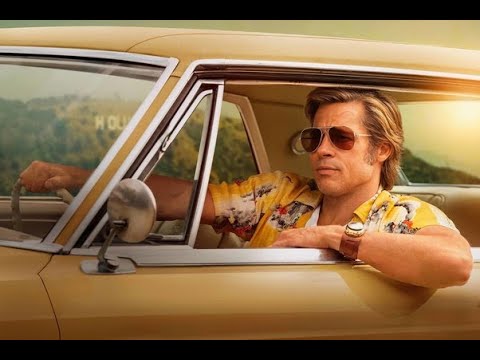
stuntman en 30 secondes
- A stuntman is a professional who performs dangerous physical feats in movies and TV, acting as a substitute for the main actors to ensure safety.
- They are highly trained in various disciplines like martial arts, precision driving, and gymnastics to execute complex action sequences with minimal risk.
- The role requires physical bravery, technical skill, and the ability to mimic an actor's movements while remaining anonymous to the viewing audience.
- In modern professional settings, the term 'stunt performer' is often preferred to be gender-neutral, though 'stuntman' remains the most common traditional term.
A stuntman is a highly specialized professional who executes dangerous, physically demanding, or technically complex actions in the world of film, television, and live performance. While the leading actors provide the emotional core and the recognizable face of a production, the stuntman provides the physical prowess required for high-octane sequences. This role is not merely about being a 'daredevil'; it is a disciplined craft that involves a profound understanding of physics, body mechanics, and safety protocols. A stuntman might be called upon to simulate a high-speed car crash, endure a controlled fire sequence, or perform a precision fall from a multi-story building. The primary goal of a stuntman is to create a realistic sense of peril for the audience while maintaining an environment of absolute safety for the crew. In the modern era, the term is often used interchangeably with 'stunt performer' to be more inclusive of all genders, though 'stuntman' remains a common legacy term in the industry. People use this word most frequently when discussing the 'behind-the-scenes' aspects of action movies or when praising the physical realism of a particular scene. It is a word that carries connotations of bravery, physical fitness, and technical expertise.
- Professional Context
- In the film industry, a stuntman is hired specifically to replace an actor during scenes that carry a high risk of injury. This is often a requirement of production insurance.
The veteran stuntman spent three weeks rehearsing the rooftop chase to ensure every jump was perfectly timed for the camera.
The evolution of the stuntman has mirrored the evolution of cinema itself. In the silent film era, performers like Buster Keaton and Harold Lloyd were their own stuntmen, performing life-threatening feats without the benefit of modern safety equipment. As the industry matured and insurance became a standard part of production, the role of the dedicated stuntman became essential. Today, a stuntman is often a master of multiple disciplines, including martial arts, gymnastics, scuba diving, and precision driving. They work under the direction of a stunt coordinator, who designs the action sequences. The use of the word 'stuntman' also implies a level of anonymity; the best stuntmen are those whose work is so seamless that the audience believes the lead actor actually performed the feat. This invisibility is a point of professional pride. When you hear people talk about a 'stuntman,' they are usually referring to the hidden labor that makes cinematic magic possible. It is a career built on the paradox of being both extraordinary and unnoticed.
- Physical Requirements
- A stuntman must maintain peak physical condition, often training daily in various combat sports and agility drills to prevent injury during repetitive takes.
Even with a broken rib, the stuntman insisted on finishing the sequence to keep the production on schedule.
Beyond the physical, the word 'stuntman' also evokes a specific lifestyle. It is a life of travel, long hours on set, and constant physical risk. Many stuntmen come from backgrounds in competitive sports or the military, bringing a high level of discipline to their work. The term is also used metaphorically in some contexts to describe someone who takes unnecessary risks in their personal or professional life, though this is less common than its literal meaning. In common parlance, if someone says, 'I'm not a stuntman,' they usually mean they are unwilling to perform a dangerous or difficult task. The word serves as a benchmark for physical courage and specialized skill. As digital technology advances, some feared the role of the stuntman would disappear, replaced by CGI. However, the industry has found that 'practical' stunts—those performed by a real human being—carry a weight and realism that computers cannot yet fully replicate. Thus, the stuntman remains a vital, albeit often hidden, pillar of the entertainment industry.
The director preferred using a stuntman for the explosion scene because digital effects lacked the authentic reaction of a human body to the blast wave.
- Safety and Coordination
- The stuntman works in close tandem with the special effects team to ensure that pyrotechnics and mechanical rigs are perfectly synchronized with human movement.
To be a successful stuntman, one must master the art of falling without looking like they are trying to land safely.
Using the word stuntman correctly involves understanding its grammatical role as a countable noun and its specific occupational context. In a sentence, it typically functions as the subject or the object, often modified by adjectives that describe the level of experience or the specific type of stunt being performed. For example, you might refer to a 'seasoned stuntman' or a 'motorcycle stuntman.' Because the word is gender-specific, it is important to use it when referring specifically to a male performer, or to use 'stuntwoman' or 'stunt performer' when the gender is different or unknown. In formal writing, such as a film review or a technical article, the word is used to highlight the physical production values of a work. In casual conversation, it might be used to describe someone who is being particularly reckless. When constructing sentences, it is common to pair 'stuntman' with verbs of action like 'perform,' 'execute,' 'rehearse,' or 'double.' The phrase 'to double for' is particularly important, as it describes the primary function of the stuntman: replacing the lead actor in dangerous shots.
- As a Subject
- The stuntman leaped from the third-story window just as the building exploded behind him.
Every stuntman on the set had to sign a comprehensive liability waiver before filming the high-speed chase.
When discussing the career or the person behind the mask, the word 'stuntman' often takes on a more personal tone. You might talk about the 'life of a stuntman' or the 'training of a stuntman.' In these cases, the word represents the entire profession and the sacrifices associated with it. It is also useful to use the word in the plural form, 'stuntmen,' when referring to the entire team responsible for an action sequence. For instance, 'The stuntmen coordinated their movements with the pyrotechnics team to ensure a safe blast.' In more complex sentence structures, 'stuntman' can be part of a compound noun or a possessive phrase, such as 'the stuntman's union' or 'stuntman equipment.' Understanding the nuances of these placements allows for more precise communication about the film industry. Additionally, the word can be used in comparative structures, such as 'He is more of a stuntman than an actor,' which implies that a performer's skills lie more in physical feats than in dramatic interpretation. This distinction is often made in critiques of action stars who perform their own stunts.
- As an Object
- The director hired a professional stuntman to handle the underwater fight scene.
It is difficult to distinguish the actor from his stuntman when they are both wearing the same tactical gear.
Furthermore, the word 'stuntman' is frequently used in the context of 'doubling.' A sentence like 'He acted as a stuntman for the lead actor' explains the relationship between the two performers. In modern English, you might also see the word used in the context of social media or YouTube, where individuals perform 'stunts' for views. In these cases, 'stuntman' might be used more loosely to describe anyone performing a dangerous feat for an audience, regardless of whether they are a trained professional in the film industry. However, to maintain clarity, it is best to reserve the term for those who are professionally trained. When writing about the history of cinema, you might use the word to describe the pioneers of the field, such as 'The early Hollywood stuntman faced incredible risks without the safety nets we have today.' This usage highlights the historical evolution of the role. Whether used in a technical, historical, or casual context, 'stuntman' remains a powerful word that immediately communicates a sense of action and physical risk.
The stuntman's precision was vital to the success of the one-take action sequence.
- In a List
- The crew consisted of a director, a cinematographer, a lead actor, and a veteran stuntman.
After years of working as a stuntman, he decided to open his own training academy for aspiring performers.
The word stuntman is most commonly heard in environments related to the entertainment industry, but its reach extends into broader cultural conversations about risk and physical achievement. On a movie set, you will hear the term used by directors, producers, and crew members as they coordinate the day's filming schedule. 'Is the stuntman ready for the car roll?' or 'We need the stuntman in makeup to match the lead's beard' are typical phrases. In this environment, the word is a functional job title, much like 'electrician' or 'cameraman.' Outside of the set, you will frequently encounter the word in 'making-of' documentaries and behind-the-scenes features. Fans of action cinema often discuss the work of specific stuntmen, and the word is a staple of film criticism when evaluating the authenticity of an action sequence. If a critic says, 'The stuntman's work was top-notch,' they are praising the physical execution of the film's most exciting moments. You will also hear the word in news reports when a stunt goes wrong, unfortunately, as the high-risk nature of the job occasionally leads to high-profile accidents that make national headlines.
- In Media Interviews
- Actors often mention their stuntmen during talk show interviews to give credit for the difficult work that makes them look like heroes on screen.
'I couldn't have done that scene without my stuntman,' the actor admitted during the film's premiere.
Another common place to hear the word is in the context of extreme sports and live entertainment. Shows like 'Nitro Circus' or traditional circuses often feature performers who are referred to as stuntmen. In these live settings, the word takes on a more 'showman' quality, emphasizing the spectacle and the immediate danger of the performance. You might hear an announcer shout, 'Ladies and gentlemen, watch as our fearless stuntman attempts the impossible!' This usage leans into the historical roots of the word, where stuntmen were often traveling performers who did 'stunts' to draw a crowd. In a more modern, digital context, you will hear the word on platforms like YouTube and TikTok. Content creators who perform dangerous challenges or physical feats often refer to themselves or their friends as stuntmen, sometimes ironically and sometimes with a genuine desire to break into the professional industry. However, within the professional community, there is often a distinction made between these 'amateur stuntmen' and those who have undergone rigorous professional training and belong to industry unions.
- In Film Credits
- If you watch the credits at the end of a movie, you will see a long list of stuntmen and stuntwomen under the 'Stunts' department.
The documentary explored the lives of Hollywood's most famous stuntmen, revealing the toll the job takes on their bodies.
Finally, the word appears in academic and historical discussions about the evolution of labor and safety in the arts. Historians might discuss how the 'stuntman' emerged as a distinct profession in response to the increasing complexity of narrative cinema. In these contexts, the word is used to analyze the intersection of art, technology, and physical labor. You might also hear it in legal or insurance-related discussions, where the 'stuntman' is a specific category of employee with unique risk profiles and insurance requirements. Even in everyday life, if someone does something physically impressive or risky, a friend might jokingly say, 'Who do you think you are, a stuntman?' This shows how deeply the word has permeated the common consciousness as a shorthand for physical risk-taking. Whether it's in the high-stakes environment of a Hollywood blockbuster or a casual joke among friends, the word 'stuntman' consistently evokes images of action, danger, and specialized skill.
The stuntman union fought for better safety regulations after a series of accidents on set.
- In Sports Commentary
- Commentators sometimes use the term to describe a player who makes a particularly acrobatic or risky play, comparing them to a professional stuntman.
'He's a real-life stuntman,' the narrator exclaimed as the biker cleared the 50-foot gap.
One of the most frequent mistakes people make with the word stuntman is using it as a generic term for anyone who appears in an action scene. It is important to distinguish between an 'actor' and a 'stuntman.' While some actors, like Tom Cruise or Jackie Chan, are famous for performing their own stunts, they are still primarily actors. A stuntman is a specific professional hired to perform the physical feats that the actor cannot or should not do. Another common error is the misuse of gendered language. In modern English, calling a woman a 'stuntman' is technically incorrect and can be seen as insensitive or outdated. The correct terms are 'stuntwoman' or the gender-neutral 'stunt performer.' When writing or speaking, it is best to be specific about the person's gender or use the inclusive term if you are referring to the profession as a whole. Additionally, people often confuse a 'stuntman' with a 'body double' or a 'stand-in.' While they all 'double' for the lead actor, their roles are different. A stand-in is used for lighting and camera setups, a body double is used for non-dangerous shots (like a close-up of hands), and a stuntman is used specifically for dangerous action.
- Confusing Roles
- Don't call a 'stand-in' a 'stuntman.' A stand-in doesn't perform stunts; they just help the camera crew prepare the shot.
Incorrect: 'The stuntman stood still for an hour while they adjusted the lights.' (Correct: stand-in)
Spelling and pluralization also present common pitfalls. Because 'stuntman' is a compound word, its plural is 'stuntmen,' not 'stuntmans.' This follows the standard English rule for words ending in '-man.' Some learners also struggle with the pronunciation, often putting the stress on the wrong syllable. The primary stress should be on the first syllable: STUNT-man. Another mistake is assuming that a stuntman's job is purely physical and requires no 'acting.' In reality, a stuntman must be able to mimic the movements and physical mannerisms of the actor they are doubling. If the actor has a specific way of running or falling, the stuntman must replicate it perfectly to maintain the illusion. Failing to acknowledge this 'physical acting' component is a common oversight when people discuss the profession. Furthermore, people sometimes use 'stuntman' to describe someone who does something 'stunted' (meaning slowed in growth), which is a completely unrelated word. 'Stunt' as a verb meaning to perform a feat is different from 'stunt' meaning to hinder growth.
- Gender Neutrality
- In professional settings, use 'stunt performer' to avoid making assumptions about the person's gender.
Incorrect: 'She is a famous stuntman.' (Correct: stuntwoman or stunt performer)
Finally, there is a misconception that stuntmen are 'reckless' or 'crazy.' This is a mistake in understanding the nature of the job. A professional stuntman is the opposite of reckless; they are experts in risk mitigation. Using the word to describe someone who takes foolish, unplanned risks is a common colloquialism, but it misrepresents the actual profession. In a professional context, a stuntman who takes unplanned risks would likely be fired for being unsafe. When using the word, it is helpful to keep this distinction in mind: a stuntman is a professional who manages danger, not someone who ignores it. By avoiding these common mistakes—confusing roles, using incorrect gendered terms, misspelling the plural, and mischaracterizing the nature of the work—you can use the word 'stuntman' with greater accuracy and respect for the profession it describes.
The stuntman's job is to make the impossible look easy, not to actually get hurt.
- Pluralization Error
- Incorrect: 'The movie used ten stuntmans.' (Correct: stuntmen)
Many people think being a stuntman is just about being brave, but it's really about being prepared.
While stuntman is a very specific term, there are several related words that are often used in similar contexts. Understanding the differences between these terms can help you be more precise in your descriptions. The most common alternative is 'stunt performer,' which is the industry-standard gender-neutral term. Another related term is 'stunt double.' While a stuntman is the person, 'stunt double' describes their specific role in relation to an actor. A stuntman might be a 'stunt double' for several different actors throughout their career. Another term you might encounter is 'daredevil.' While a stuntman is a trained professional working in a controlled environment, a daredevil is someone who performs dangerous feats, often for public spectacle or personal thrill, without the same level of professional infrastructure. Think of Evel Knievel as a daredevil and the person who jumps off a building in a Marvel movie as a stuntman. There is also the 'acrobat,' who performs feats of balance and agility, usually in a circus or gymnastic setting. While many stuntmen have acrobatic skills, their work is focused on cinematic storytelling rather than pure physical display.
- Stuntman vs. Stunt Double
- A stuntman is the professional; a stunt double is the role they play when they are specifically replacing an actor for a scene.
The stuntman acted as a stunt double for the lead actor in all the fighting sequences.
Another interesting comparison is with the 'body double.' As mentioned before, a body double is used for shots where the actor's face isn't visible, but the scene isn't necessarily dangerous. For example, if a script requires a close-up of a character playing the piano, but the actor cannot play, a 'body double' with piano skills would be used. A stuntman, by contrast, is specifically for 'stunts'—actions that involve risk. Then there is the 'stand-in,' who is used purely for technical reasons like setting up lighting and camera angles. They don't need to look like the actor as much as they need to be the same height and skin tone for the light meter. In the world of live performance, you might hear the term 'utility performer,' which refers to someone who can do a bit of everything, including minor stunts. In the military or police world, someone who performs dangerous tasks might be called a 'specialist' or an 'operator,' but 'stuntman' is strictly reserved for the world of entertainment. Understanding these distinctions helps clarify that a stuntman's role is a unique blend of physical risk, cinematic technique, and professional doubling.
- Stuntman vs. Daredevil
- Daredevils often perform in front of live crowds; stuntmen perform in front of cameras with safety teams standing by.
While he was called a stuntman by the press, his behavior was more like that of a reckless daredevil.
Finally, we can look at terms like 'action performer' or 'motion capture artist.' An action performer is a broader term that can include actors who do their own fighting. A motion capture artist (or mo-cap artist) is someone who performs movements that are recorded by sensors and turned into digital characters, like Gollum in 'Lord of the Rings.' Many stuntmen now work as mo-cap artists because their physical control is perfect for creating digital action. However, the word 'stuntman' still carries a specific weight, implying 'practical' or 'real-world' action. When you use the word 'stuntman,' you are highlighting the human element of a dangerous feat. Whether you choose 'stunt performer' for inclusivity, 'stunt double' for role specificity, or 'daredevil' for a more chaotic context, knowing these alternatives allows you to navigate the world of action and performance with linguistic precision. Each word carries its own history and set of expectations, but 'stuntman' remains the most iconic and widely recognized term for this unique and dangerous profession.
The stuntman's expertise in martial arts made him the perfect choice for the mo-cap fight scene.
- Stuntman vs. Acrobat
- Acrobats focus on the beauty and form of movement; stuntmen focus on the impact and realism of a dangerous action.
He started his career as a circus stuntman before moving into Hollywood film production.
How Formal Is It?
Le savais-tu ?
The first professional stuntmen were often former circus performers or 'human flies' who climbed buildings for publicity in the early 1900s.
Guide de prononciation
- Stressing the second syllable (stunt-MAN).
- Pronouncing 'stunt' like 'stand'.
- Making the 't' in 'stunt' too soft or silent.
- Confusing the plural 'stuntmen' with 'stuntmans'.
- Pronouncing 'man' as 'min' (stunt-min).
Niveau de difficulté
Easy to recognize in context, though 'stunt' has multiple meanings.
Must remember the irregular plural 'stuntmen'.
Clear pronunciation, but watch the stress on the first syllable.
Commonly used in media and easy to hear.
Quoi apprendre ensuite
Prérequis
Apprends ensuite
Avancé
Grammaire à connaître
Irregular Plurals of Compound Nouns
One stuntman, two stuntmen.
Prepositions for Occupations
He works *as* a stuntman.
Possessive Nouns
The stuntman's gear was expensive.
Compound Noun Formation
Stunt + Man = Stuntman.
Relative Clauses with 'Who'
The stuntman who did the jump is famous.
Exemples par niveau
The stuntman is very brave.
Le cascadeur est très courageux.
Subject + Verb + Adjective
He is a famous stuntman.
C'est un cascadeur célèbre.
Use of 'a' before a profession.
The stuntman jumps from the car.
Le cascadeur saute de la voiture.
Present simple for a regular action.
I see the stuntman on TV.
Je vois le cascadeur à la télé.
Direct object placement.
Is he a stuntman?
Est-il cascadeur ?
Question form with 'is'.
The stuntman wears a helmet.
Le cascadeur porte un casque.
Third person singular 's'.
The stuntman is strong.
Le cascadeur est fort.
Simple descriptive sentence.
Look at that stuntman!
Regarde ce cascadeur !
Imperative sentence.
The stuntman performed a dangerous jump.
Le cascadeur a effectué un saut dangereux.
Past simple of 'perform'.
He works as a stuntman in Hollywood.
Il travaille comme cascadeur à Hollywood.
Preposition 'as' for jobs.
The actor has a professional stuntman.
L'acteur a un cascadeur professionnel.
Possessive 'has'.
The stuntman fell into the water.
Le cascadeur est tombé dans l'eau.
Past tense of 'fall'.
Do you want to be a stuntman?
Veux-tu être cascadeur ?
Question with 'do'.
The stuntman practiced for many hours.
Le cascadeur s'est entraîné pendant de nombreuses heures.
Duration with 'for'.
He is the best stuntman in the movie.
C'est le meilleur cascadeur du film.
Superlative 'the best'.
The stuntman's job is very exciting.
Le métier de cascadeur est très excitant.
Possessive 's.
The stuntman doubled for the lead actor during the fight.
Le cascadeur a doublé l'acteur principal pendant le combat.
Phrasal verb 'double for'.
A stuntman must be careful to avoid injuries.
Un cascadeur doit faire attention pour éviter les blessures.
Modal verb 'must' for obligation.
The director hired a veteran stuntman for the scene.
Le réalisateur a engagé un cascadeur chevronné pour la scène.
Adjective 'veteran' modifying the noun.
Even though it was risky, the stuntman stayed calm.
Même si c'était risqué, le cascadeur est resté calme.
Conjunction 'even though'.
The stuntman's career lasted for twenty years.
La carrière du cascadeur a duré vingt ans.
Past simple 'lasted'.
They are looking for a stuntman who can drive a motorcycle.
Ils cherchent un cascadeur qui sait conduire une moto.
Relative clause with 'who'.
The stuntman prepared the equipment before the jump.
Le cascadeur a préparé l'équipement avant le saut.
Preposition 'before'.
Being a stuntman requires a lot of physical training.
Être cascadeur demande beaucoup d'entraînement physique.
Gerund 'being' as a subject.
The stuntman coordinated with the pyrotechnics team for the explosion.
Le cascadeur s'est coordonné avec l'équipe de pyrotechnie pour l'explosion.
Verb 'coordinate with'.
Insurance companies often require a stuntman for dangerous shots.
Les compagnies d'assurance exigent souvent un cascadeur pour les prises de vue dangereuses.
Adverb 'often' placement.
The stuntman's precision was essential for the car chase.
La précision du cascadeur était essentielle pour la course-poursuite.
Abstract noun 'precision'.
He transitioned from a stuntman to a successful director.
Il est passé de cascadeur à réalisateur à succès.
Prepositional phrase 'from... to...'.
The stuntman wore hidden padding to protect his joints.
Le cascadeur portait des protections cachées pour protéger ses articulations.
Adjective 'hidden' modifying 'padding'.
Without the stuntman, the action sequence would have been impossible.
Sans le cascadeur, la séquence d'action aurait été impossible.
Conditional 'would have been'.
The stuntman's union provides health benefits for its members.
Le syndicat des cascadeurs offre des prestations de santé à ses membres.
Possessive 's on a collective noun.
He was injured while working as a stuntman on a low-budget film.
Il a été blessé alors qu'il travaillait comme cascadeur sur un film à petit budget.
Passive voice 'was injured'.
The stuntman's anonymity is often a prerequisite for the role.
L'anonymat du cascadeur est souvent une condition préalable au rôle.
Advanced vocabulary 'anonymity' and 'prerequisite'.
The film industry is debating whether to create an Oscar for best stuntman.
L'industrie du cinéma débat de la création d'un Oscar pour le meilleur cascadeur.
Indirect question with 'whether'.
A veteran stuntman possesses an intuitive grasp of spatial awareness.
Un cascadeur chevronné possède une compréhension intuitive de la conscience spatiale.
Complex noun phrase 'intuitive grasp of spatial awareness'.
The stuntman's performance was so seamless that the audience was fooled.
La performance du cascadeur était si fluide que le public a été dupé.
Result clause 'so... that'.
The precarious nature of the stuntman's vocation necessitates high insurance premiums.
La nature précaire de la vocation de cascadeur nécessite des primes d'assurance élevées.
Formal verb 'necessitates'.
The stuntman meticulously rehearsed the fall to ensure a cinematic impact.
Le cascadeur a méticuleusement répété la chute pour assurer un impact cinématographique.
Adverb 'meticulously' modifying 'rehearsed'.
Despite the rise of CGI, the demand for a skilled stuntman remains high.
Malgré l'essor des images de synthèse, la demande de cascadeurs qualifiés reste élevée.
Contrastive preposition 'despite'.
The stuntman's ability to replicate the actor's gait was uncanny.
La capacité du cascadeur à reproduire la démarche de l'acteur était troublante.
Adjective 'uncanny'.
The stuntman serves as a silent surrogate for the leading man's physical vulnerability.
Le cascadeur sert de substitut silencieux à la vulnérabilité physique du premier rôle.
Metaphorical use of 'surrogate'.
The ontological distinction between the actor and the stuntman blurs during the final edit.
La distinction ontologique entre l'acteur et le cascadeur s'estompe lors du montage final.
Philosophical vocabulary 'ontological'.
A stuntman's career is often a testament to the enduring appeal of practical effects.
La carrière d'un cascadeur est souvent un témoignage de l'attrait durable des effets spéciaux réels.
Noun phrase 'testament to'.
The stuntman's expertise in risk mitigation is frequently undervalued by the general public.
L'expertise du cascadeur en matière d'atténuation des risques est fréquemment sous-estimée par le grand public.
Passive voice with 'undervalued'.
The stuntman's body becomes a canvas upon which the director paints high-stakes drama.
Le corps du cascadeur devient une toile sur laquelle le réalisateur peint un drame à enjeux élevés.
Relative clause 'upon which'.
The inherent danger of the stuntman's craft is mitigated by rigorous adherence to safety protocols.
Le danger inhérent au métier de cascadeur est atténué par une adhésion rigoureuse aux protocoles de sécurité.
Formal structure 'adherence to'.
The stuntman's role is a paradoxical blend of extreme visibility and complete anonymity.
Le rôle du cascadeur est un mélange paradoxal de visibilité extrême et d'anonymat complet.
Adjective 'paradoxical'.
The evolution of the stuntman mirrors the broader technological shifts within the film industry.
L'évolution du cascadeur reflète les changements technologiques plus larges au sein de l'industrie cinématographique.
Verb 'mirrors' for comparison.
Collocations courantes
Phrases Courantes
— To perform the role of a stuntman for a specific project.
He had to act as a stuntman when the original performer got sick.
— To employ a professional for dangerous scenes.
The production decided to hire a stuntman for the cliff jump.
— To have the career of a stuntman.
She has been working as a stuntman for over a decade.
— To be the specific double for a famous person.
He was the stuntman for Brad Pitt in that movie.
— A place where people learn the skills of the trade.
He enrolled in a stuntman school to learn how to fall safely.
— The gear used to stay safe during a stunt.
The stuntman equipment includes pads and harnesses.
— The lifelong path of working in stunts.
A stuntman career can be physically punishing.
— The mention of a stuntman's name in the film's ending.
He finally got his first stuntman credit on a major film.
— A part of a movie where a stuntman is primarily used.
The explosion was the most difficult stuntman scene in the movie.
— A person who is a stuntman in reality, not just playing one.
He is a real-life stuntman who does his own repairs.
Souvent confondu avec
A stand-in replaces the actor for lighting/camera setup, not for action.
A body double is used for non-dangerous shots where the face is hidden.
A daredevil takes risks for thrills; a stuntman is a trained professional.
Expressions idiomatiques
— To do something silly, dangerous, or deceptive to get attention.
Don't pull a stunt like that again; you could have been hurt.
informal— Someone who always takes the blame or the hard work for another person.
I feel like his stunt double for life, always cleaning up his messes.
slang/metaphorical— In a position where one is likely to be criticized or physically hurt, like a stuntman.
As the manager, she is always in the line of fire.
neutral— To accept failure or blame, often for someone else (similar to a stuntman falling).
He was willing to take a fall for the team.
informal— A way to wish a performer good luck (though literal for a stuntman!).
Go out there and break a leg!
neutral— Taking unnecessary risks (a literal part of a stuntman's job).
Investing all your money in that stock is playing with fire.
informal— A very difficult or dangerous situation that requires great skill.
Balancing the budget was a real high-wire act.
neutral— To go through a lot of effort or difficulty to achieve something.
I had to jump through hoops to get this permit.
informal— To fail spectacularly.
His first business attempt really crashed and burned.
informal— To do something very dangerous.
He risked life and limb to save the cat from the tree.
neutralFacile à confondre
Same root word 'stunt'.
'Stunted' means prevented from growing; 'stuntman' refers to a performer.
The plant's growth was stunted by the cold.
Similar suffix '-man'.
A frontman is a lead singer; a stuntman is an action performer.
The frontman of the band sang the hit song.
Both are film crew roles.
A cameraman operates the camera; a stuntman is in front of it.
The cameraman captured the stuntman's jump.
Both do physical tricks.
Acrobats focus on gymnastic beauty; stuntmen focus on cinematic danger.
The acrobat performed in the circus ring.
A stuntman is a type of double.
'Double' is a broad category; 'stuntman' is specifically for dangerous action.
He was the actor's double for the walking scenes.
Structures de phrases
He is a [job].
He is a stuntman.
The [job] [verb]ed.
The stuntman jumped.
He works as a [job] for [company/person].
He works as a stuntman for Marvel.
The [job]'s [noun] was [adjective].
The stuntman's performance was incredible.
Despite the [noun], the [job] [verb]ed.
Despite the danger, the stuntman remained calm.
The [noun] of the [job] [verb]s the [noun].
The anonymity of the stuntman preserves the illusion.
A [job] who can [verb] is [adjective].
A stuntman who can drive is valuable.
It is [adjective] to [verb] as a [job].
It is difficult to work as a stuntman.
Famille de mots
Noms
Verbes
Adjectifs
Apparenté
Comment l'utiliser
Common in entertainment contexts; rare in daily office life.
-
Using 'stuntman' for a woman.
→
stuntwoman or stunt performer
English has gender-specific terms for this role, though 'performer' is the safest choice.
-
Saying 'stuntmans' as the plural.
→
stuntmen
Like 'man/men', this compound word follows the irregular plural rule.
-
Confusing a stuntman with a stand-in.
→
stuntman (for action), stand-in (for lighting)
A stand-in does not do dangerous work; they only help the camera crew.
-
Pronouncing it as 'stunt-MAN'.
→
STUNT-man
The stress should be on the first syllable in English compound nouns of this type.
-
Thinking a stuntman is just a 'reckless person'.
→
a trained professional
A professional stuntman is highly calculated and safety-oriented, not reckless.
Astuces
Use the Plural Correctly
Always remember that the plural of stuntman is stuntmen. This is a common mistake for English learners who might try to say 'stuntmans'.
Stuntman vs. Daredevil
Use 'stuntman' for a professional in a movie and 'daredevil' for someone doing dangerous things for fun or a live audience.
Industry Standard
In a professional film environment, try using 'stunt performer' as it is the more modern and inclusive term used by production companies.
Preposition Choice
When talking about who they are replacing, use the preposition 'for'. Example: 'He was the stuntman for the lead actor.'
First Syllable Stress
Make sure to emphasize the 'STUNT' part of the word. If you emphasize 'man', it sounds unnatural to native speakers.
Descriptive Adjectives
Enhance your writing by using adjectives like 'veteran,' 'fearless,' 'seasoned,' or 'skilled' when describing a stuntman.
Acknowledge the Work
In film reviews, mentioning the stuntman's work shows a deeper understanding of how movies are actually made.
Not Just Bravery
Remember that a stuntman's job is about safety and calculation, not just being 'crazy' or 'reckless.' Use words like 'precision' and 'coordination'.
Context Clues
If you hear the word 'double' in a movie interview, the speaker is almost certainly referring to their stuntman.
Visual Link
Associate the word with the image of a 'stunt car.' A stuntman is the person inside that car.
Mémorise-le
Moyen mnémotechnique
A STUNTman does a STUNT, man! Think of a man doing a 'stunning' feat.
Association visuelle
Imagine a man in a leather jacket jumping a motorcycle over a wall with a 'STUNT' sign on it.
Word Web
Défi
Try to use 'stuntman' in a sentence about your favorite action movie without using the word 'actor'.
Origine du mot
The word 'stunt' appeared in the late 19th century, possibly from the dialectal 'stunt' meaning 'short' or 'stubborn.' It evolved to mean a 'feat' or 'performance' in college athletics and later in the film industry. 'Man' was added to denote the practitioner.
Sens originel : A short, spectacular performance or feat of skill.
Germanic (English origin)Contexte culturel
Be aware that 'stunt performer' is the preferred inclusive term in professional environments today.
The term is iconic in US and UK film history, often associated with 'cowboy' culture in early Westerns.
Pratique dans la vie réelle
Contextes réels
Film Set
- Clear the set for the stuntman.
- Check the stuntman's harness.
- The stuntman is ready.
- Action!
Interviews
- My stuntman did the hard work.
- I have a great stuntman.
- He's been my stuntman for years.
- Credit to the stuntman.
News/Accidents
- A stuntman was injured.
- Safety investigation on set.
- The stuntman is recovering.
- High-risk maneuver.
Extreme Sports
- Professional stuntman attempt.
- World record stunt.
- Fearless performance.
- Live stunt show.
Career Advice
- How to become a stuntman.
- Stuntman training academy.
- Join the stuntman union.
- Physical requirements.
Amorces de conversation
"Do you think stuntmen should get their own category at the Oscars?"
"Which actor do you know that performs their own stunts instead of using a stuntman?"
"Would you ever consider a career as a stuntman if you were physically fit enough?"
"What is the most impressive feat you've ever seen a stuntman perform in a movie?"
"How do you think technology like CGI is changing the job of a traditional stuntman?"
Sujets d'écriture
Imagine you are a stuntman on a big Hollywood set. Describe your typical morning before a big jump.
Write about the importance of the 'unseen' workers in the movie industry, focusing on the stuntman.
If you had to be a stuntman for one day, what kind of stunt would you want to perform and why?
Discuss the ethical implications of asking a stuntman to perform a task that is extremely dangerous.
Compare the role of a stuntman in the 1920s to a stuntman in the 2020s. What has changed?
Questions fréquentes
10 questionsA stuntman is the person's profession, while a 'stunt double' is the specific role they play when they are replacing a particular actor in a scene. A stuntman can be a stunt double for many different actors.
While the goal is absolute safety, the high-risk nature of the job means injuries can happen. However, professional stuntmen are experts at minimizing risk through training and equipment.
Most stuntmen have backgrounds in sports, martial arts, or gymnastics. They usually attend specialized stunt schools and then work their way up by networking and joining a union.
Technically, no. 'Stuntman' refers to a male. 'Stuntwoman' is for a female, and 'stunt performer' is the preferred gender-neutral term in the industry.
Currently, there is no specific Oscar category for stunt work, although many in the industry are campaigning for one to be created to recognize their contribution.
A stunt coordinator is the person who designs and manages the action sequences, hiring the stuntmen and ensuring all safety protocols are followed.
Yes, some actors like Jackie Chan or Tom Cruise are famous for doing their own stunts, but they usually still work with a team of professional stuntmen for safety.
They use stuntmen to protect the lead actors from injury, which would stop the production, and to ensure that the most difficult actions look as realistic as possible.
They need training in falls, fight choreography, precision driving, wire-work, and often specialized skills like scuba diving or fire safety.
No, while CGI is used more often, directors still prefer 'practical' stunts because they look more authentic and provide a better physical reaction for the camera.
Teste-toi 180 questions
Describe the job of a stuntman in three sentences.
Well written! Good try! Check the sample answer below.
Why is the word 'stuntman' being replaced by 'stunt performer'?
Well written! Good try! Check the sample answer below.
What are the risks of being a stuntman?
Well written! Good try! Check the sample answer below.
How does a stuntman prepare for a scene?
Well written! Good try! Check the sample answer below.
Write a short dialogue between a director and a stuntman.
Well written! Good try! Check the sample answer below.
Discuss the importance of anonymity for a stuntman.
Well written! Good try! Check the sample answer below.
What skills does a modern stuntman need?
Well written! Good try! Check the sample answer below.
Compare a stuntman to a daredevil.
Well written! Good try! Check the sample answer below.
Why should stuntmen have their own Oscar category?
Well written! Good try! Check the sample answer below.
Describe a famous stuntman you know about.
Well written! Good try! Check the sample answer below.
What is a 'stunt double' and how is it used?
Well written! Good try! Check the sample answer below.
How has technology changed the stuntman's job?
Well written! Good try! Check the sample answer below.
Write a sentence using 'stuntman' and 'precision'.
Well written! Good try! Check the sample answer below.
What does 'pull a stunt' mean?
Well written! Good try! Check the sample answer below.
Describe the physical training of a stuntman.
Well written! Good try! Check the sample answer below.
Why is the stuntman's union important?
Well written! Good try! Check the sample answer below.
Explain the term 'second unit' in relation to stuntmen.
Well written! Good try! Check the sample answer below.
What is the most dangerous stunt a stuntman can do?
Well written! Good try! Check the sample answer below.
How does a stuntman match an actor's appearance?
Well written! Good try! Check the sample answer below.
Write a paragraph about a stuntman's legacy.
Well written! Good try! Check the sample answer below.
Pronounce 'stuntman' correctly.
Read this aloud:
Tu as dit :
Speech recognition is not supported in your browser. Try Chrome or Edge.
Explain what a stuntman does in your own words.
Read this aloud:
Tu as dit :
Speech recognition is not supported in your browser. Try Chrome or Edge.
Tell a short story about a stuntman's day.
Read this aloud:
Tu as dit :
Speech recognition is not supported in your browser. Try Chrome or Edge.
Discuss the pros and cons of being a stuntman.
Read this aloud:
Tu as dit :
Speech recognition is not supported in your browser. Try Chrome or Edge.
How would you feel if you were a stuntman for a day?
Read this aloud:
Tu as dit :
Speech recognition is not supported in your browser. Try Chrome or Edge.
Why is safety so important for a stuntman?
Read this aloud:
Tu as dit :
Speech recognition is not supported in your browser. Try Chrome or Edge.
What is your favorite movie stunt?
Read this aloud:
Tu as dit :
Speech recognition is not supported in your browser. Try Chrome or Edge.
Should stuntmen be famous?
Read this aloud:
Tu as dit :
Speech recognition is not supported in your browser. Try Chrome or Edge.
Describe a stuntman's equipment.
Read this aloud:
Tu as dit :
Speech recognition is not supported in your browser. Try Chrome or Edge.
How does a stuntman stay in shape?
Read this aloud:
Tu as dit :
Speech recognition is not supported in your browser. Try Chrome or Edge.
Is being a stuntman a 'real' job?
Read this aloud:
Tu as dit :
Speech recognition is not supported in your browser. Try Chrome or Edge.
What is the difference between a stuntman and a daredevil?
Read this aloud:
Tu as dit :
Speech recognition is not supported in your browser. Try Chrome or Edge.
Would you let your child be a stuntman?
Read this aloud:
Tu as dit :
Speech recognition is not supported in your browser. Try Chrome or Edge.
What is a stunt coordinator's role?
Read this aloud:
Tu as dit :
Speech recognition is not supported in your browser. Try Chrome or Edge.
Talk about the history of stuntmen.
Read this aloud:
Tu as dit :
Speech recognition is not supported in your browser. Try Chrome or Edge.
How do stuntmen match the actor's look?
Read this aloud:
Tu as dit :
Speech recognition is not supported in your browser. Try Chrome or Edge.
What is the 'stuntman's union'?
Read this aloud:
Tu as dit :
Speech recognition is not supported in your browser. Try Chrome or Edge.
Can CGI replace stuntmen?
Read this aloud:
Tu as dit :
Speech recognition is not supported in your browser. Try Chrome or Edge.
What is the most impressive stunt you've seen?
Read this aloud:
Tu as dit :
Speech recognition is not supported in your browser. Try Chrome or Edge.
Summarize the importance of stuntmen.
Read this aloud:
Tu as dit :
Speech recognition is not supported in your browser. Try Chrome or Edge.
Listen for the word 'stuntman' in an action movie trailer.
Identify the syllable stress in 'stuntman'.
Listen to an interview with an actor. Do they mention their stuntman?
What does the speaker mean by 'pulling a stunt'?
Listen for the plural 'stuntmen' in a documentary.
How does the speaker describe the stuntman's fall?
Listen for the word 'coordinator' after 'stunt'.
Does the speaker sound worried about the stuntman?
Identify the word 'stuntwoman' in a clip.
What is the 'stuntman's double' referring to in the audio?
Listen for the mention of 'harnesses'.
Is the word 'stuntman' used as a joke in the clip?
Listen for the word 'union' in relation to stunts.
How many times is 'stuntman' said in the video?
What is the tone of the 'stuntman' narrator?
/ 180 correct
Perfect score!
Summary
A stuntman is the 'physical hero' behind the scenes, ensuring that high-risk action looks real without endangering the lead cast. Example: 'The stuntman's perfect execution of the car roll made the scene legendary.'
- A stuntman is a professional who performs dangerous physical feats in movies and TV, acting as a substitute for the main actors to ensure safety.
- They are highly trained in various disciplines like martial arts, precision driving, and gymnastics to execute complex action sequences with minimal risk.
- The role requires physical bravery, technical skill, and the ability to mimic an actor's movements while remaining anonymous to the viewing audience.
- In modern professional settings, the term 'stunt performer' is often preferred to be gender-neutral, though 'stuntman' remains the most common traditional term.
Use the Plural Correctly
Always remember that the plural of stuntman is stuntmen. This is a common mistake for English learners who might try to say 'stuntmans'.
Stuntman vs. Daredevil
Use 'stuntman' for a professional in a movie and 'daredevil' for someone doing dangerous things for fun or a live audience.
Industry Standard
In a professional film environment, try using 'stunt performer' as it is the more modern and inclusive term used by production companies.
Preposition Choice
When talking about who they are replacing, use the preposition 'for'. Example: 'He was the stuntman for the lead actor.'