









swamp en 30 secondes
- A swamp is a wet, forested land area covered by shallow water.
- It is defined by its trees, unlike a marsh which has grass.
- Swamps are vital for the environment, acting as water filters and flood buffers.
- The word is often used figuratively to mean being overwhelmed or stuck.
A swamp is a fascinating and complex ecosystem that exists at the intersection of land and water. To understand a swamp, imagine a forest that has been partially submerged under a shallow layer of slow-moving or stagnant water. Unlike a lake, which is mostly open water, or a marsh, which is dominated by grasses and reeds, a swamp is defined by its woody vegetation. It is a place where trees like the bald cypress, water tupelo, or various types of mangroves have adapted to grow directly out of the water. The ground in a swamp is rarely solid; it is usually composed of thick, dark mud and layers of decaying organic matter known as peat. This environment is incredibly humid and often smells of damp earth and moss. People use the word 'swamp' most frequently when describing these specific natural landscapes, particularly in regions like the southeastern United States (the Everglades or the Okefenokee) or tropical areas like the Amazon basin. However, the term also carries a heavy metaphorical weight. In a figurative sense, a swamp represents a situation that is difficult to navigate, messy, or overwhelming. When someone says they are 'swamped,' they are drawing a direct parallel to the physical experience of being stuck in deep, thick mud where every step requires immense effort. This dual nature of the word—both a literal biological powerhouse and a symbol of being bogged down—makes it a staple of both scientific and everyday English.
- Ecological Definition
- A wetland dominated by woody plants, characterized by saturated soils during the growing season and standing water for certain periods of the year.
The sunlight struggled to penetrate the thick canopy of the swamp, casting long, eerie shadows over the dark water.
The biodiversity within a swamp is staggering. Because it provides both water and shelter, it serves as a nursery for countless species. You will find amphibians like bullfrogs and salamanders, reptiles like alligators and water snakes, and a vast array of bird life, including herons and egrets. The water in a swamp is often tea-colored due to the tannins leaching from the fallen leaves and wood. This acidity and low oxygen level in the water create a unique chemical environment that slows down decay, sometimes preserving things for centuries. In modern conversation, you might hear the word used in political contexts, such as the phrase 'drain the swamp,' which suggests removing perceived corruption or complicated bureaucracy. This usage relies on the historical view of swamps as unproductive, dangerous, or 'unclean' places that needed to be cleared for progress. Today, however, environmentalists emphasize the importance of swamps as natural water filters and carbon sinks, shifting the cultural narrative from one of fear to one of conservation. Whether you are talking about the literal muck of a bayou or the metaphorical muck of a busy work week, the word 'swamp' perfectly captures the essence of being surrounded by something deep, dark, and difficult to move through.
We took a flat-bottomed boat deep into the swamp to see the ancient cypress trees.
- Cultural Connotation
- Often associated with mystery, danger, or the 'unknown' in folklore and horror movies.
Legend says a strange creature lives in the heart of the misty swamp.
In terms of geography, swamps are found on every continent except Antarctica. They are most common in low-lying areas near rivers or coasts where drainage is poor. The Great Dismal Swamp in Virginia and North Carolina, for instance, was once a massive wilderness that provided refuge for people escaping slavery. This historical context adds another layer of meaning to the word, representing both a barrier to travel and a place of hidden safety. When using the word, consider the sensory details: the humidity, the buzzing of mosquitoes, the croaking of frogs, and the stillness of the water. These elements are what make a swamp a 'swamp' rather than just a wet field. If you are writing a story, using the word 'swamp' immediately sets a mood of dampness and potential peril. In a professional setting, avoid using the noun 'swamp' to describe your work unless you are being very informal; instead, use the verb form 'swamped' to indicate you have too much to do. Understanding the nuances of this word allows you to describe both the physical world and your internal state of being overwhelmed with precision and vividness.
The heavy rains turned the backyard into a literal swamp.
- Synonym Note
- 'Wetland' is the scientific umbrella term, while 'swamp' is a specific type of wetland with trees.
The humidity in the swamp was so thick it felt like walking through a warm blanket.
Using the word 'swamp' correctly requires an understanding of its role as a noun and its common associations. Most often, 'swamp' functions as the subject or object of a sentence describing a location. For example, 'The swamp is home to many rare birds.' Here, it is a clear, physical place. When you want to describe the characteristics of a swamp, you might use adjectives like 'murky,' 'dense,' 'impenetrable,' or 'teeming.' A sentence like 'We waded through the murky swamp' provides a vivid image of the difficulty of movement. It is also common to see 'swamp' used in prepositional phrases, such as 'in the swamp' or 'across the swamp.' Because swamps are often perceived as vast and confusing, they are frequently used in narratives to create a sense of being lost. 'They lost their way in the vast cedar swamp' is a classic example of this usage. You can also use 'swamp' as a modifier in compound nouns, such as 'swamp gas,' 'swamp fever,' or 'swamp land.' These terms specify things that originate from or are found within that environment.
- Physical Description
- Use 'swamp' to describe a specific geographic area characterized by water and trees.
The hikers had to be careful not to sink into the soft mud of the swamp.
Beyond the literal noun, the word 'swamp' appears in many idiomatic and figurative structures. While the noun itself refers to the place, the related verb 'to swamp' is incredibly common in everyday English. If you say, 'The boat was swamped by a large wave,' you mean it was filled with water and overwhelmed. This leads to the very common passive construction: 'I am swamped with work.' In this context, 'swamped' means you have so much to do that you feel like you are sinking, much like someone caught in a literal swamp. When using the noun figuratively, it often appears in political or organizational contexts. For instance, 'The new regulations created a bureaucratic swamp.' This implies that the rules are so complex and messy that progress is impossible. In these cases, 'swamp' acts as a powerful metaphor for inefficiency and stagnation. It is important to note that 'swamp' is a countable noun, so you can talk about 'a swamp,' 'the swamp,' or 'many swamps.' However, when talking about the general environment, people often use it in the singular: 'The beauty of the swamp is often overlooked.'
The environmental group is working to protect the local swamp from development.
- Figurative Usage
- Use 'swamp' to describe a situation that is messy, slow, or difficult to escape.
The legal case became a swamp of conflicting evidence and endless delays.
In creative writing, 'swamp' is a word that carries significant atmospheric weight. You can use it to ground a scene in a specific sensory reality. 'The air in the swamp was thick with the scent of jasmine and decay' uses the noun to anchor multiple sensory details. You can also use it to describe a person's surroundings in a way that reflects their internal state. A character who feels trapped might find themselves literally or figuratively in a swamp. Furthermore, 'swamp' can be used as an attributive noun, acting like an adjective to describe other things. Examples include 'swamp water' (water from a swamp), 'swamp creatures' (animals living in a swamp), or 'swamp land' (land that is mostly swamp). In all these uses, the core idea remains the same: a place where land and water are inextricably mixed, creating a unique, often challenging environment. By mastering these different sentence patterns, you can use 'swamp' to describe everything from a literal nature preserve to a metaphorical mess of paperwork.
The project was a swamp of technical problems that no one knew how to fix.
- Common Collocations
- Commonly paired with: cypress, mangrove, cedar, murky, vast, deep, tropical.
The ancient swamp felt like a place where time had stood still.
You will encounter the word 'swamp' in a surprising variety of contexts, ranging from scientific documentaries to political rallies and popular entertainment. In the realm of natural history and science, 'swamp' is a standard term used by ecologists and geographers. If you watch a documentary on National Geographic or the BBC about the Florida Everglades or the wetlands of Southeast Asia, you will hear the word used frequently to describe these vital habitats. Scientists discuss the 'swamp's role' in carbon sequestration, flood mitigation, and biodiversity. In these contexts, the word is used with respect and precision, highlighting the ecological importance of these areas. You might also hear it in local news reports during hurricane season or heavy rains, where 'swampy conditions' or 'flooded swamps' are mentioned in relation to rising water levels. In these instances, the word is literal and descriptive, focusing on the physical state of the land.
- Media & Entertainment
- Frequently used in movies, books, and TV shows to set a mysterious or southern atmosphere.
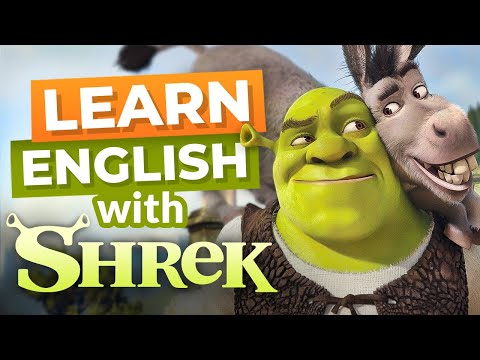
In the movie 'Shrek,' the main character is very protective of his swamp.
In the political arena, 'swamp' has become a highly charged and frequently used metaphor. The phrase 'drain the swamp' has been used by various politicians to promise a cleanup of government corruption, lobbying, and bureaucracy. In this context, the 'swamp' represents the complicated, murky, and often hidden world of political influence. When you hear this on the news or in a speech, the speaker is using the word to evoke a sense of something that is messy and needs to be cleared away for the sake of transparency and efficiency. This metaphorical use is very common in political commentary and op-ed pieces. Similarly, in business and project management, you might hear someone say a project is 'stuck in a swamp' or that they are 'swamped with emails.' Here, the word is used to convey a sense of being overwhelmed by a high volume of tasks or complex problems that are difficult to resolve. It is a very common way to express stress or a heavy workload in a professional but informal setting.
The politician promised to 'drain the swamp' and bring new life to the capital.
- Everyday Conversation
- Used to describe messy backyards, humid weather, or a heavy workload.
'I'd love to help you, but I'm absolutely swamped right now,' she said.
Pop culture is another place where the word 'swamp' is ubiquitous. From the 'Swamp Thing' in DC Comics to the 'Swamp People' reality TV show, the word is used to evoke a specific rugged, mysterious, and sometimes dangerous lifestyle. In music, particularly in genres like 'swamp rock' or 'swamp blues,' the word refers to a sound that is gritty, rhythmic, and rooted in the culture of the American South. You might also hear it in travel vlogs or outdoor adventure videos where people explore wetlands by kayak or airboat. In these cases, the word is used to describe an exciting and exotic destination. Finally, in casual conversation, you might hear someone describe a very humid day by saying, 'It feels like a swamp out here.' This uses the word to describe the physical sensation of heavy, moisture-laden air. Whether it's in a scientific journal, a political debate, or a casual chat about the weather, the word 'swamp' is a versatile term that helps people describe environments and situations that are thick, complex, and all-encompassing.
The air was so humid it felt like we were breathing in the swamp itself.
- Regional Usage
- In Louisiana, you might hear 'bayou' used interchangeably with 'swamp' in casual speech.
The music had that classic swamp blues sound—slow, heavy, and soulful.
One of the most frequent mistakes learners make is confusing 'swamp' with other types of wetlands, such as 'marsh,' 'bog,' or 'fen.' While they all involve water and land, they are not interchangeable in a scientific or precise descriptive context. The key distinguishing feature of a swamp is the presence of trees. If you describe a vast field of tall grass in water as a 'swamp,' a native speaker or a scientist might correct you, as that is technically a marsh. Similarly, a 'bog' is usually characterized by acidic peat and moss, often in cooler climates, and doesn't necessarily have the large trees associated with a swamp. Using the wrong term can lead to a less accurate mental image for your listener. Another common mistake is related to the spelling and pronunciation. Some learners might confuse 'swamp' with 'swampy' (the adjective) or 'swamped' (the past participle/verb). While they are related, they function differently in a sentence. You cannot say 'I am in a swamped'; you must say 'I am in a swamp.'
- Marsh vs. Swamp
- A marsh has grasses; a swamp has trees. Don't call a grassy wetland a swamp.
Incorrect: We saw many tall grasses in the swamp. (Correct: marsh)
Another mistake occurs in the figurative use of the word. Some people might use 'swamp' to describe any difficult situation, but it specifically implies a situation that is slow, messy, and overwhelming. For example, if you are very busy with quick, easy tasks, you might not be 'swamped' in the traditional sense; 'swamped' usually implies that the tasks are heavy and difficult to move through. Additionally, learners sometimes struggle with the countability of the noun. 'Swamp' is a countable noun, so you should use an article ('a swamp') or make it plural ('swamps'). Saying 'There is much swamp in this area' sounds unnatural; instead, say 'There is a lot of swampland' or 'There are many swamps.' Furthermore, be careful with the pronunciation of the 'a' in swamp. It is not a short 'a' like in 'cat,' but a rounded 'o' sound like in 'stop' or 'want.' Mispronouncing this can make the word difficult for native speakers to recognize immediately.
Incorrect: I have much swamp near my house. (Correct: a swamp / swampland)
- Pronunciation Trap
- The 'a' sounds like 'o'. Pronounce it like 'swomp', not 'swamp' (rhyming with lamp).
Incorrect: The boat was swamp by the wave. (Correct: swamped)
Finally, avoid using 'swamp' in a way that suggests it is just 'dirty water.' A swamp is a complex biological system, not just a mess. In environmental contexts, calling a protected wetland a 'swamp' can sometimes carry a negative connotation if not used carefully, as historically swamps were seen as places to be drained and 'improved.' However, in modern English, the term is increasingly used with a sense of ecological value. Another subtle mistake is using 'swamp' when you mean 'quagmire.' While a quagmire is a type of soft, boggy land that yields underfoot, 'swamp' is a broader term for the whole ecosystem. In figurative language, 'quagmire' is often used for a difficult political situation, while 'swamp' is used for a messy, corrupt one. Understanding these subtle differences will help you sound more like a native speaker and ensure your descriptions are as accurate as possible. By paying attention to these common pitfalls, you can use the word 'swamp' with confidence in both its literal and metaphorical senses.
Incorrect: It is a swamp day. (Correct: swampy day)
- Word Form Confusion
- Swamp (Noun: The place) vs. Swampy (Adjective: The quality) vs. Swamped (Adjective: The feeling of being busy).
The swamp water was still and dark.
When you want to describe a wet, low-lying area, 'swamp' is just one of many options. Choosing the right word depends on the specific characteristics of the land and the tone you want to set. The most common alternative is 'marsh.' As mentioned before, the primary difference is the vegetation: marshes have grasses, while swamps have trees. If you are describing a coastal area with tall reeds and no trees, 'marsh' is the better choice. Another similar word is 'bog.' Bogs are typically found in colder climates and are characterized by thick layers of peat and acidic water. They often feel 'spongy' to walk on. 'Fen' is another scientific term for a type of wetland that is less acidic than a bog and usually fed by groundwater. While these terms are specific in ecology, in casual conversation, people might use 'wetland' as a general, all-encompassing term that covers all of these types of land. 'Wetland' sounds more scientific and is often used in the context of conservation and environmental protection.
- Swamp vs. Marsh
- Swamp: Has trees (e.g., Cypress). Marsh: Has grasses and reeds. Both are very wet.
The swamp was filled with ancient trees, unlike the grassy marsh nearby.
In certain regions, you might hear more localized terms. In the southern United States, 'bayou' is a common word. A bayou is specifically a slow-moving creek or a swampy outlet of a lake or river. It carries a very specific cultural connotation of Louisiana and the Gulf Coast. 'Everglades' is a proper noun referring to the massive tropical wetlands in Florida, but it is sometimes used as a shorthand for that type of environment. In the UK, you might hear 'moor' or 'mire.' A 'mire' is a general term for wet, boggy ground, while a 'moor' is an open area of hills covered with heather and often containing boggy patches. If you are looking for a more literary or dramatic word, 'quagmire' or 'morass' are excellent choices. A 'quagmire' is literally soft, boggy land that yields underfoot, but it is almost always used figuratively to describe a complex or difficult situation that is hard to get out of. 'Morass' is similar, often used to describe a complicated mass or a confusing situation, like 'a morass of details.'
The explorers were trapped in a swamp of their own making.
- Swamp vs. Bog
- Swamp: Fed by river or lake water. Bog: Fed by rainwater, very acidic, lots of moss.
The swamp ecosystem is vital for filtering pollutants from the river.
When talking about the feeling of being in such a place, you might use adjectives like 'soggy,' 'waterlogged,' 'marshy,' or 'miry.' 'Soggy' is a great, everyday word for anything that is unpleasantly wet, like 'soggy ground' or even 'soggy bread.' 'Waterlogged' implies that something is so full of water it can't hold any more, which is exactly what happens to the soil in a swamp. If you want to describe the smell, 'musty' or 'earthy' are common choices. For the atmosphere, 'humid,' 'muggy,' or 'stifling' work well. In figurative language, if you want to avoid 'swamped,' you could say you are 'inundated,' 'overwhelmed,' 'flooded,' or 'buried.' 'Inundated' is a slightly more formal way to say you have too much of something, like being 'inundated with requests.' 'Flooded' is very common for things like 'flooded with emails.' By understanding these alternatives, you can choose the word that best fits your context, whether you are writing a scientific report, a gothic novel, or just telling a friend about your busy day.
The project became a swamp of bureaucracy and red tape.
- Figurative Alternatives
- Quagmire: A difficult situation. Morass: A confusing mass. Inundated: Overwhelmed.
The swamp was a maze of waterways and hidden islands.
How Formal Is It?
Le savais-tu ?
The word 'swamp' was rarely used in England before the 1600s. It became much more popular in American English because the early settlers encountered so many large wetlands that didn't fit the British descriptions of 'marshes' or 'moors'.
Guide de prononciation
- Pronouncing the 'a' like in 'cat' (sw-amp).
- Adding an extra syllable (swamp-ee) when you mean the noun.
- Confusing the 'w' sound with a 'v' sound.
- Forgetting the 'p' sound at the end.
- Pronouncing it like 'swamp' (rhyming with camp).
Niveau de difficulté
The word is short and easy to recognize in text. Most A1 learners will see it in nature books.
Spelling is easy, but using it figuratively or in compound words requires more practice.
The pronunciation of the 'a' as an 'o' sound can be tricky for some learners.
It is a distinct-sounding word that is usually clear in conversation.
Quoi apprendre ensuite
Prérequis
Apprends ensuite
Avancé
Grammaire à connaître
Passive Voice with 'Swamped'
I am swamped (by work). The 'by' phrase is often omitted.
Articles with Geographic Features
We use 'the' for specific swamps like 'The Everglades'.
Compound Nouns
Swamp + Water = Swampwater. The two nouns combine to create a specific meaning.
Adjective Formation
Adding '-y' to 'swamp' makes it an adjective: swampy.
Prepositions of Place
Use 'in' for being inside the area, 'through' for moving from one side to the other.
Exemples par niveau
The swamp is very wet.
Le marais est très humide.
Simple subject + verb + adjective.
I see a big alligator in the swamp.
Je vois un gros alligator dans le marais.
Use of 'in' to show location.
The trees grow in the swamp.
Les arbres poussent dans le marais.
Present simple for a fact.
Do not walk in the swamp.
Ne marche pas dans le marais.
Imperative form for a warning.
The swamp has many frogs.
Le marais a beaucoup de grenouilles.
Subject + has + object.
Is the swamp near your house?
Le marais est-il près de chez toi ?
Question form with 'is'.
The water in the swamp is dark.
L'eau du marais est sombre.
Noun phrase as subject.
We saw a bird in the swamp.
Nous avons vu un oiseau dans le marais.
Past simple of 'see'.
We took a boat to explore the swamp.
Nous avons pris un bateau pour explorer le marais.
Infinitive of purpose: 'to explore'.
The swamp is a home for many animals.
Le marais est une maison pour beaucoup d'animaux.
Noun + for + noun.
It is difficult to walk through the swamp.
Il est difficile de marcher à travers le marais.
It is + adjective + to + verb.
The swamp protects the city from floods.
Le marais protège la ville des inondations.
Verb 'protects' + from.
I am swamped with my school work.
Je suis débordé par mes devoirs.
Figurative use of 'swamped'.
The air in the swamp is very humid.
L'air dans le marais est très humide.
Adjective 'humid' describing air.
Many tall trees grow in the muddy swamp.
Beaucoup de grands arbres poussent dans le marais boueux.
Adjective 'muddy' before the noun.
The swamp is beautiful in the morning.
Le marais est beau le matin.
Prepositional phrase 'in the morning'.
The tour guide explained how the swamp filters the water.
Le guide a expliqué comment le marais filtre l'eau.
Indirect question with 'how'.
If we don't protect the swamp, the animals will lose their homes.
Si nous ne protégeons pas le marais, les animaux perdront leur maison.
First conditional: If + present, will + verb.
The swamp was drained many years ago to build a farm.
Le marais a été drainé il y a de nombreuses années pour construire une ferme.
Passive voice: 'was drained'.
You can hear the sounds of insects coming from the swamp.
On peut entendre les bruits des insectes venant du marais.
Present participle 'coming' as an adjective phrase.
The path through the swamp was covered in moss.
Le chemin à travers le marais était couvert de mousse.
Prepositional phrase 'through the swamp'.
I've been swamped with emails since I got back from vacation.
J'ai été submergé d'e-mails depuis mon retour de vacances.
Present perfect passive.
The swamp provides a unique habitat for rare species.
Le marais offre un habitat unique pour des espèces rares.
Verb 'provides' + object.
We were warned about the dangers of getting lost in the swamp.
On nous a prévenus des dangers de se perdre dans le marais.
Gerund 'getting lost' after a preposition.
The government is investing in the restoration of the local swamp.
Le gouvernement investit dans la restauration du marais local.
Present continuous for ongoing action.
The swamp acts as a natural buffer against rising sea levels.
Le marais agit comme un tampon naturel contre la montée du niveau de la mer.
Verb 'acts as' + noun phrase.
The project was a swamp of technical difficulties from the start.
Le projet était un bourbier de difficultés techniques dès le début.
Metaphorical use of 'swamp'.
Mangrove swamps are essential for protecting tropical coastlines.
Les marais de mangroves sont essentiels pour protéger les côtes tropicales.
Gerund 'protecting' as object of preposition.
The humidity in the swamp was almost unbearable during the summer.
L'humidité dans le marais était presque insupportable pendant l'été.
Adverb 'almost' modifying 'unbearable'.
The swamp is characterized by its slow-moving, nutrient-rich water.
Le marais se caractérise par son eau à mouvement lent et riche en nutriments.
Passive construction 'is characterized by'.
He felt like he was sinking into a swamp of his own lies.
Il avait l'impression de s'enfoncer dans un marais de ses propres mensonges.
Simile using 'like' and a metaphor.
The biodiversity found in the swamp is among the highest in the world.
La biodiversité trouvée dans le marais est parmi les plus élevées au monde.
Reduced relative clause 'found in the swamp'.
The intricate ecosystem of the swamp is highly sensitive to pollution.
L'écosystème complexe du marais est très sensible à la pollution.
Adverb 'highly' modifying 'sensitive'.
Draining the swamp led to an unexpected increase in local temperatures.
Le drainage du marais a entraîné une augmentation inattendue des températures locales.
Gerund 'Draining' as the subject.
The novel uses the swamp as a metaphor for the protagonist's inner turmoil.
Le roman utilise le marais comme métaphore du trouble intérieur du protagoniste.
Verb 'uses' + object + as + noun.
The swamp's anaerobic conditions facilitate the preservation of organic matter.
Les conditions anaérobies du marais facilitent la préservation de la matière organique.
Possessive 'swamp's'.
The political rhetoric about 'draining the swamp' resonated with many voters.
La rhétorique politique sur le fait de 'vider le marais' a trouvé un écho auprès de nombreux électeurs.
Prepositional phrase 'about draining the swamp'.
The swamp serves as a critical carbon sink, mitigating the effects of climate change.
Le marais sert de puits de carbone critique, atténuant les effets du changement climatique.
Present participle 'mitigating' for result.
The explorers waded through the swamp, oblivious to the dangers beneath the surface.
Les explorateurs ont pataugé dans le marais, inconscients des dangers sous la surface.
Adjective phrase 'oblivious to...'.
The swamp's unique flora has adapted to survive in waterlogged soil.
La flore unique du marais s'est adaptée pour survivre dans un sol gorgé d'eau.
Present perfect 'has adapted'.
The environmental impact of encroaching development on the swamp is catastrophic.
L'impact environnemental du développement empiétant sur le marais est catastrophique.
Complex subject with 'encroaching' as a participle.
The swamp's hydrological cycle is intricately linked to the health of the entire watershed.
Le cycle hydrologique du marais est étroitement lié à la santé de l'ensemble du bassin versant.
Passive voice with 'intricately linked'.
The film's cinematography captures the swamp's ethereal and haunting beauty.
La cinématographie du film capture la beauté éthérée et envoûtante du marais.
Compound adjectives 'ethereal and haunting'.
The swamp acts as a biological filter, sequestering heavy metals and other toxins.
Le marais agit comme un filtre biologique, séquestrant les métaux lourds et autres toxines.
Participial phrase 'sequestering heavy metals'.
The legal battle became a swamp of procedural delays and jurisdictional disputes.
La bataille juridique est devenue un bourbier de retards de procédure et de conflits de compétence.
Metaphorical extension of 'swamp'.
The swamp's peat deposits provide a chronological record of regional climate shifts.
Les dépôts de tourbe du marais fournissent un enregistrement chronologique des changements climatiques régionaux.
Noun phrase 'chronological record'.
The restoration of the swamp is a testament to the efficacy of nature-based solutions.
La restauration du marais est un témoignage de l'efficacité des solutions fondées sur la nature.
Prepositional phrase 'to the efficacy of'.
The swamp's dense canopy creates a microclimate that supports specialized avian species.
La canopée dense du marais crée un microclimat qui soutient des espèces aviaires spécialisées.
Relative clause 'that supports...'.
Collocations courantes
Phrases Courantes
— To have a very large amount of work to do. It means you feel overwhelmed.
I can't go to the party; I'm swamped with work.
— To be in a situation where progress is very slow or impossible. It can be literal or figurative.
The negotiations are stuck in a swamp of details.
— To remove corruption or inefficient people from a system. Often used in politics.
The new manager wants to drain the swamp and start fresh.
— An old term for diseases like malaria that were common in wet areas. Now used mostly historically.
Many workers on the canal died of swamp fever.
— A mysterious or monstrous creature from a swamp. Also a famous comic book character.
He looked like a swamp thing after falling in the mud.
— Returning to a difficult or messy situation. Often used jokingly.
Vacation is over, so it's back to the swamp of the office.
— Land that is very wet and soft. Used to describe physical terrain.
The car got stuck on the swampy ground.
— Being in a very isolated or difficult place. Can be used for emphasis.
They built their house in the middle of a swamp.
— Humid, thick air characteristic of wetlands. Used in descriptive writing.
The swamp air was heavy with the smell of moss.
— A situation with too many rules and slow processes. A common metaphor.
Getting a permit was a swamp of bureaucracy.
Souvent confondu avec
A marsh has grass; a swamp has trees. This is the most common confusion.
A bog is acidic and has moss; a swamp is usually fed by river water and has trees.
A puddle is a tiny bit of water; a swamp is a large ecosystem.
Expressions idiomatiques
— Completely overwhelmed by something, usually work or requests. It is a very common idiom.
I'm absolutely swamped this week.
Informal/Neutral— To eliminate corruption or entrenched problems in an organization. It is a powerful political metaphor.
The voters want someone who will drain the swamp.
Political/Formal— To be stuck in a difficult situation that is hard to escape. It emphasizes the lack of progress.
The project is mired in a swamp of legal issues.
Literary/Formal— A situation where someone owes a lot of money and cannot easily pay it back. It suggests being 'underwater'.
The company is sinking into a swamp of debt.
Financial/Informal— To be confused or unable to find a solution to a problem. It can be literal or metaphorical.
Without a plan, we are just lost in the swamp.
Neutral— A situation where there is so much dishonesty that the truth is hard to find. It is a dramatic metaphor.
The investigation revealed a swamp of lies.
Literary/Journalistic— Feeling many different, confusing, and overwhelming feelings at once. It suggests a lack of clarity.
She was struggling through a swamp of emotions after the breakup.
Literary/Informal— A person who lives in or is very familiar with swampy areas. Sometimes used as a mild insult or a rugged self-description.
He's a real swamp rat; he knows every inch of these woods.
Informal/Slang— A humorous or derogatory term for a drink that looks murky or tastes bad. It is very informal.
What is this? It tastes like swamp juice!
Informal/Slang— An ironic way to say that something is very confusing or not clear at all. It is a play on 'clear as crystal'.
His explanation was about as clear as swamp water.
Informal/HumorousFacile à confondre
Both are wet areas of land.
The main difference is the type of plants. Marshes have soft-stemmed plants like grasses. Swamps have woody plants like trees and shrubs.
The birds hide in the marsh grass, but the monkeys live in the swamp trees.
Both are wetlands with soft ground.
Bogs get their water from rain and are very acidic, which means they have lots of moss. Swamps get water from rivers or lakes and are less acidic.
The bog is full of peat moss, while the swamp is full of cypress trees.
Both are types of wetlands.
Fens are fed by groundwater and are less acidic than bogs. They usually have more diverse plant life than bogs but fewer trees than swamps.
The fen is a rare type of wetland that supports many different flowers.
Both refer to soft, wet ground.
A quagmire is specifically land that yields underfoot. In figurative use, a quagmire is a difficult situation, while a swamp is a messy or corrupt one.
The army was stuck in a literal quagmire, and the government was in a political swamp.
Both are associated with wet areas in the US South.
A bayou is a slow-moving stream or a marshy outlet of a river. A swamp is the larger forested area around it.
We paddled our canoe down the bayou and into the deep swamp.
Structures de phrases
The [noun] is [adjective].
The swamp is wet.
There is a [noun] in the [noun].
There is a frog in the swamp.
I am [adjective] with [noun].
I am swamped with homework.
The [noun] acts as a [noun].
The swamp acts as a filter.
[Gerund] the [noun] led to [noun].
Draining the swamp led to flooding.
The [noun]'s [noun] is [adverb] [adjective].
The swamp's beauty is hauntingly ethereal.
I like the [noun].
I like the swamp.
We should [verb] the [noun].
We should protect the swamp.
Famille de mots
Noms
Verbes
Adjectifs
Apparenté
Comment l'utiliser
Common in both literal (nature) and figurative (work/politics) contexts.
-
Calling a grassy area a swamp.
→
Calling it a marsh.
Swamps must have trees. If it only has grass, it is a marsh. This is a common mistake even for native speakers!
-
Saying 'I am swamp.'
→
Saying 'I am swamped.'
You need the '-ed' at the end to turn the word into an adjective that describes how you feel (busy).
-
Pronouncing 'swamp' like 'stamp'.
→
Pronouncing it like 'stomp'.
The 'a' in swamp is a rounded sound, not a flat one. It sounds like an 'o'.
-
Using 'much swamp' to describe an area.
→
Using 'a lot of swampland' or 'many swamps'.
Swamp is a countable noun, so you cannot use 'much' with it in this way.
-
Confusing 'swamp' with 'swan'.
→
Using 'swamp' for the land and 'swan' for the bird.
They look similar, but a swan is a white bird and a swamp is a wet forest. Don't mix them up!
Astuces
Use 'Swamped' for Work
If you have too many emails or tasks, say 'I'm swamped.' It's a very natural and common way to express that you are busy.
Look for Trees
If you are trying to decide if a place is a swamp or a marsh, look at the plants. Trees mean it's a swamp; grass means it's a marsh.
The 'O' Sound
Remember that 'swamp' rhymes with 'stomp.' The 'a' is a bit of a trick! Practice saying 'The swamp is a romp' to get the vowel right.
Atmospheric Adjectives
When writing about a swamp, use words like 'murky,' 'humid,' 'dense,' and 'still' to help your reader feel the environment.
Call it a Wetland
In a science class or a formal report, use the word 'wetland' or 'forested wetland' to sound more professional.
Bureaucratic Swamp
Use 'swamp' to describe a situation that is slow and confusing, like trying to get a passport or a complicated legal case.
Don't Forget the 'P'
The word ends in a 'p' sound. Make sure you close your lips at the end of the word to say it correctly.
Respect the Swamp
Remember that swamps are not 'wastelands.' They protect our homes from floods and clean our water. Use the word with respect!
Count Your Swamps
Remember that 'swamp' is countable. You can say 'one swamp' or 'two swamps.' Don't say 'much swamp.'
Regional Words
If you are in the US South, you might hear 'bayou.' It's okay to use 'swamp' too, but 'bayou' sounds more local.
Mémorise-le
Moyen mnémotechnique
Think of a 'SWAMP' as 'Still Water And Many Plants'. The 'S' is for Still, 'W' for Water, 'A' for And, 'M' for Many, and 'P' for Plants.
Association visuelle
Imagine a tree wearing rain boots. This helps you remember that a swamp is a forest (trees) that is always standing in water (boots).
Word Web
Défi
Try to write three sentences using 'swamp' as a noun, 'swampy' as an adjective, and 'swamped' as a verb. This will help you master the whole word family.
Origine du mot
The word 'swamp' entered the English language in the early 17th century. It is believed to have originated from a Low German or Middle Dutch word 'swamp' or 'swampen', which meant a sponge or a marshy place. This reflects the spongy, water-absorbent nature of the land. Interestingly, the word was not common in British English until it was adopted in the American colonies to describe the vast wetlands found there.
Sens originel : A sponge or a boggy, spongy place.
GermanicContexte culturel
Be aware that 'swamp' can sometimes have a negative connotation (dirty, messy). When talking to environmentalists, use 'wetland' to show respect for the ecosystem.
In the US, 'the swamp' is a common nickname for Washington D.C., based on the (incorrect) myth that the city was built on a literal swamp.
Pratique dans la vie réelle
Contextes réels
Nature and Environment
- Protect the swamp
- Swamp ecosystem
- Wetland conservation
- Wildlife in the swamp
Work and Productivity
- I'm swamped
- Swamped with requests
- Buried in work
- Overwhelmed by tasks
Politics
- Drain the swamp
- Bureaucratic swamp
- Political corruption
- Clear the muck
Travel and Adventure
- Swamp tour
- Airboat ride
- Exploring the bayou
- Lost in the wetlands
Weather
- Swampy air
- Humid as a swamp
- Muggy weather
- Sticky heat
Amorces de conversation
"Have you ever visited a real swamp? What was it like?"
"Why do you think swamps are important for the environment?"
"When was the last time you felt 'swamped' with work or school?"
"Do you think 'draining the swamp' is a good metaphor for fixing problems?"
"What kind of animals would you expect to see if you went on a swamp tour?"
Sujets d'écriture
Imagine you are lost in a mysterious swamp. Describe what you see, hear, and smell in at least five sentences.
Write about a time you were swamped with responsibilities. How did you handle the situation?
Do you think it is more important to protect swamps or to use the land for building houses? Explain your opinion.
Describe the difference between a swamp and a forest to someone who has never seen either.
Write a short story about a creature that lives in a hidden swamp at the edge of a city.
Questions fréquentes
10 questionsNo, they are different. A swamp is a wetland dominated by trees, while a marsh is a wetland dominated by grasses and reeds. If you see trees in the water, it is a swamp. If you see only grass, it is a marsh.
It is an idiom that means you are very busy or overwhelmed with work. It is like being stuck in a literal swamp where you cannot move quickly because there is too much around you. People use this a lot in offices and schools.
They can be if you are not prepared. Swamps have soft mud that you can sink into, and they are home to animals like alligators and snakes. However, they are also beautiful and very important for nature. It is best to visit them with a guide.
The Pantanal in South America is often considered the world's largest tropical wetland area, which includes many swamps. In the US, the Everglades is the most famous swampy region.
They use it as a metaphor. In the past, people drained swamps to get rid of mosquitoes and create 'useful' land. Politicians use the phrase to mean they want to get rid of 'dirty' or 'corrupt' parts of the government.
Yes! Some trees, like the Bald Cypress and Mangroves, have special roots that allow them to breathe and stay stable even when they are covered in water. These are the trees you find in a swamp.
It is a mixture of gases (mostly methane) produced by decaying plants at the bottom of a swamp. Sometimes it can catch fire or create strange lights, which has led to many ghost stories and UFO myths.
No, it is a neutral noun. However, because swamps were historically seen as messy or diseased, the word can sometimes have a negative feeling. Environmentalists often prefer the word 'wetland' because it sounds more positive and scientific.
In both British and American English, the 'a' sounds more like an 'o'. It rhymes with 'romp' or 'stomp'. Do not pronounce it like 'lamp'.
Many animals! You can find alligators, crocodiles, turtles, frogs, snakes, herons, egrets, and many types of insects and fish. Swamps are some of the most diverse places on Earth.
Teste-toi 200 questions
Write a sentence about an animal in a swamp.
Well written! Good try! Check the sample answer below.
Describe the air in a swamp using two adjectives.
Well written! Good try! Check the sample answer below.
Use the idiom 'swamped' in a sentence about your day.
Well written! Good try! Check the sample answer below.
Explain why swamps are important for flood control.
Well written! Good try! Check the sample answer below.
Write a short story opening set in a misty swamp.
Well written! Good try! Check the sample answer below.
Compare a swamp and a marsh in two sentences.
Well written! Good try! Check the sample answer below.
What does 'drain the swamp' mean to you? Write 3 sentences.
Well written! Good try! Check the sample answer below.
Describe a swamp tour experience.
Well written! Good try! Check the sample answer below.
Write a sentence using 'swampy' to describe a backyard.
Well written! Good try! Check the sample answer below.
Explain the ecological role of a mangrove swamp.
Well written! Good try! Check the sample answer below.
Write a dialogue where someone says they are swamped.
Well written! Good try! Check the sample answer below.
Describe the sounds you might hear in a swamp.
Well written! Good try! Check the sample answer below.
Write a sentence about the historical view of swamps.
Well written! Good try! Check the sample answer below.
Use 'swamp' as a metaphor for a difficult project.
Well written! Good try! Check the sample answer below.
Write a warning sign for a swamp.
Well written! Good try! Check the sample answer below.
Describe the color of swamp water and why it is that color.
Well written! Good try! Check the sample answer below.
Write a sentence about a bird in a swamp.
Well written! Good try! Check the sample answer below.
Use 'swampy' to describe a feeling.
Well written! Good try! Check the sample answer below.
Explain the difference between a bog and a swamp.
Well written! Good try! Check the sample answer below.
Write a sentence about the biodiversity of a swamp.
Well written! Good try! Check the sample answer below.
Pronounce the word 'swamp' correctly.
Read this aloud:
Tu as dit :
Speech recognition is not supported in your browser. Try Chrome or Edge.
Say 'I am swamped with work' with natural intonation.
Read this aloud:
Tu as dit :
Speech recognition is not supported in your browser. Try Chrome or Edge.
Describe a swamp in three words.
Read this aloud:
Tu as dit :
Speech recognition is not supported in your browser. Try Chrome or Edge.
Explain the difference between a swamp and a marsh aloud.
Read this aloud:
Tu as dit :
Speech recognition is not supported in your browser. Try Chrome or Edge.
Tell a short story about an alligator in a swamp.
Read this aloud:
Tu as dit :
Speech recognition is not supported in your browser. Try Chrome or Edge.
Discuss why swamps are important for the environment.
Read this aloud:
Tu as dit :
Speech recognition is not supported in your browser. Try Chrome or Edge.
Use 'swampy' to describe a place you have visited.
Read this aloud:
Tu as dit :
Speech recognition is not supported in your browser. Try Chrome or Edge.
Debate: Should we drain swamps for housing? Give one reason.
Read this aloud:
Tu as dit :
Speech recognition is not supported in your browser. Try Chrome or Edge.
Describe the atmosphere of a swamp in a movie.
Read this aloud:
Tu as dit :
Speech recognition is not supported in your browser. Try Chrome or Edge.
Say 'The swamp water was murky' three times fast.
Read this aloud:
Tu as dit :
Speech recognition is not supported in your browser. Try Chrome or Edge.
Explain the metaphor 'drain the swamp'.
Read this aloud:
Tu as dit :
Speech recognition is not supported in your browser. Try Chrome or Edge.
What animals would you be afraid of in a swamp?
Read this aloud:
Tu as dit :
Speech recognition is not supported in your browser. Try Chrome or Edge.
How would you feel if you were lost in a swamp?
Read this aloud:
Tu as dit :
Speech recognition is not supported in your browser. Try Chrome or Edge.
Describe the smell of a swamp.
Read this aloud:
Tu as dit :
Speech recognition is not supported in your browser. Try Chrome or Edge.
Talk about a time you were swamped with tasks.
Read this aloud:
Tu as dit :
Speech recognition is not supported in your browser. Try Chrome or Edge.
What is the best way to travel through a swamp?
Read this aloud:
Tu as dit :
Speech recognition is not supported in your browser. Try Chrome or Edge.
Why are some people afraid of swamps?
Read this aloud:
Tu as dit :
Speech recognition is not supported in your browser. Try Chrome or Edge.
Describe the plants you see in a swamp.
Read this aloud:
Tu as dit :
Speech recognition is not supported in your browser. Try Chrome or Edge.
Is 'swamp' a positive or negative word to you?
Read this aloud:
Tu as dit :
Speech recognition is not supported in your browser. Try Chrome or Edge.
Summarize the importance of swamps in one minute.
Read this aloud:
Tu as dit :
Speech recognition is not supported in your browser. Try Chrome or Edge.
Listen to the sentence: 'The boat was swamped by a large wave.' What happened to the boat?
Listen: 'I'm swamped.' Does the speaker have a lot of free time?
Listen: 'We saw a cypress in the swamp.' What did they see?
Listen: 'The swamp air was muggy.' How was the air?
Listen: 'Drain the swamp!' Is this about nature or politics?
Listen: 'The swamp is a nursery for fish.' What does nursery mean here?
Listen: 'The ground was swampy.' Was the ground dry?
Listen: 'Beware of the swamp.' Is this a warning?
Listen: 'The swamp water is tea-colored.' What color is the water?
Listen: 'Mangroves grow in swamps.' What grows there?
Listen: 'The swamp was impenetrable.' Could they go through it?
Listen: 'We took an airboat.' Where were they likely going?
Listen: 'The swamp is a carbon sink.' What does it store?
Listen: 'Frogs croak in the swamp.' What sound do frogs make?
Listen: 'The swamp was eerie.' How did it feel?
/ 200 correct
Perfect score!
Summary
A swamp is a unique wetland characterized by trees growing in water. It is ecologically important for biodiversity and flood protection. Example: 'The boat moved slowly through the dark, mysterious swamp.'
- A swamp is a wet, forested land area covered by shallow water.
- It is defined by its trees, unlike a marsh which has grass.
- Swamps are vital for the environment, acting as water filters and flood buffers.
- The word is often used figuratively to mean being overwhelmed or stuck.
Use 'Swamped' for Work
If you have too many emails or tasks, say 'I'm swamped.' It's a very natural and common way to express that you are busy.
Look for Trees
If you are trying to decide if a place is a swamp or a marsh, look at the plants. Trees mean it's a swamp; grass means it's a marsh.
The 'O' Sound
Remember that 'swamp' rhymes with 'stomp.' The 'a' is a bit of a trick! Practice saying 'The swamp is a romp' to get the vowel right.
Atmospheric Adjectives
When writing about a swamp, use words like 'murky,' 'humid,' 'dense,' and 'still' to help your reader feel the environment.
Exemple
The children saw a large green frog in the swamp.
Contenu associé
Grammaire lie
Expressions liées
Plus de mots sur nature
algae
A1Les algues sont des organismes simples vivant dans l'eau qui utilisent la lumière du soleil pour se nourrir.
amphibian
A1Un amphibien est un animal qui vit à la fois dans l'eau et sur terre.
asteroid
A1Un astéroïde est une petite planète rocheuse qui orbite autour du Soleil. La plupart d'entre eux se trouvent dans la ceinture d'astéroïdes entre Mars et Jupiter.
astronomy
A1L'astronomie est l'étude scientifique des astres et de l'univers.
atmospheric pressure
A1Atmospheric pressure is the weight of the air in the sky pressing down on the Earth. It changes depending on the weather and how high you are above the sea.
bear
A2Un ours est un grand mammifère à fourrure épaisse.
camel
A2Un chameau est un grand animal avec une ou deux bosses sur le dos.
camouflage
A1Le camouflage est une technique pour se fondre dans le décor. En ressemblant à ce qui nous entoure, on devient beaucoup plus difficile à repérer.
canopy
A1Un dais ou une marquise. La canopée d'une forêt est la couche supérieure des arbres.
canyon
A1Un canyon est une vallée profonde avec des parois très abruptes. Il est souvent formé par une rivière qui coule au fond.

