インドのおいしい食べ物:マサラドーサ
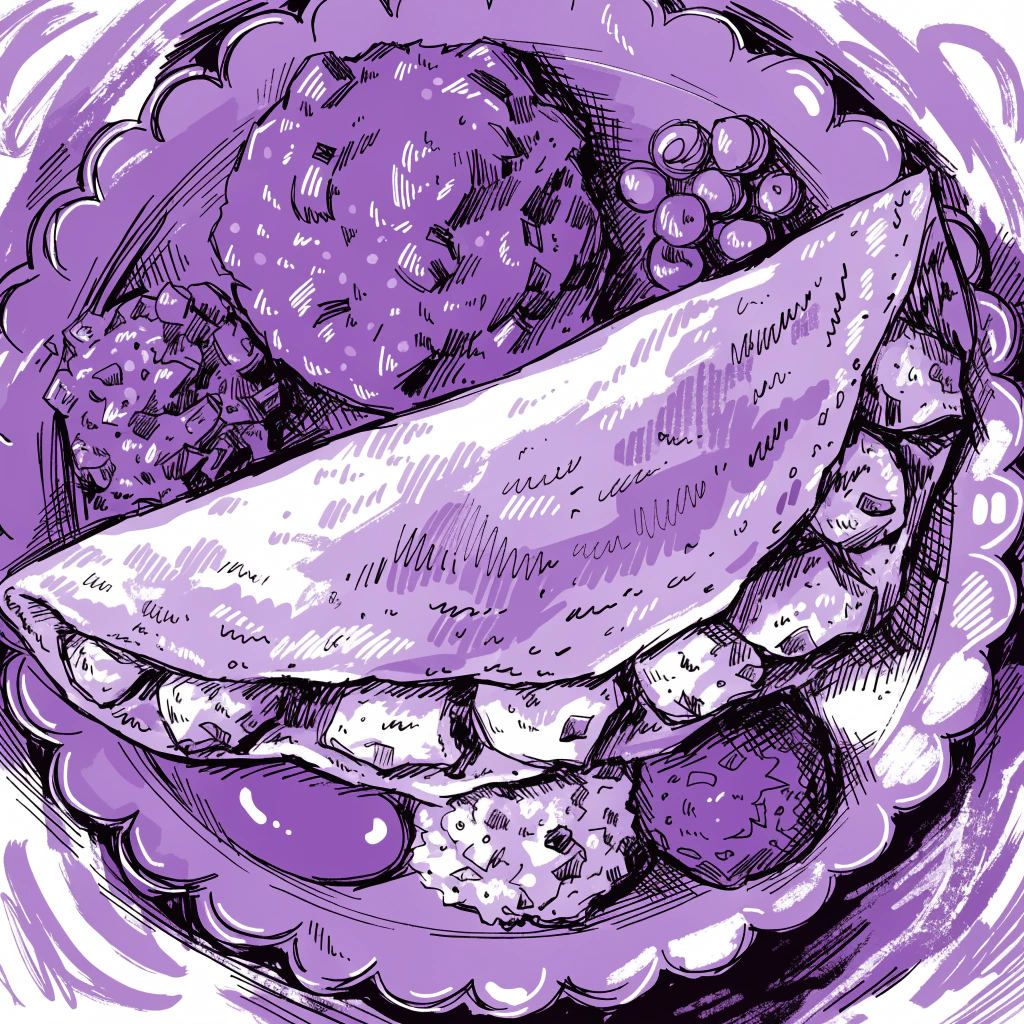
これはインドの食べ物です。名前は「マサラドーサ」です。マサラドーサはインドでとても人気があります。たくさんの人が好きです。
マサラドーサは、お米と豆から作ります。薄くて、丸い形です。クレープに似ています。中には、じゃがいもが入っています。じゃがいもは少し辛い味です。とてもおいしいです。
インドでは、朝ごはんや昼ごはんによく食べます。ぜひ、一度食べてみてください。
文法スポットライト
パターン: 名詞は名詞です (Noun wa Noun desu)
"これはインドの食べ物です。"
「〜は〜です」は、何が何かを説明するときに使います。例えば、「これはペンです」のように使います。この文では、「これ」が「インドの食べ物」であることを示しています。
パターン: 〜と〜 (〜 to 〜)
"お米と豆から作ります。"
「〜と〜」は、二つ以上のものを一緒に言うときに使います。英語の「and」と同じような意味です。この文では、「お米」と「豆」の両方を使って作ることがわかります。
理解度をチェック
10 問 · A1 初級 · 無料プレビュー 1回
この記事で学んだことをテストしよう。全問正解してXPを獲得!
マサラドーサはどこの国の食べ物ですか?
問題の内訳
マサラドーサはどこの国の食べ物ですか?
あなたの回答:
正解: インド
マサラドーサはパンです。
あなたの回答:
正解: 間違い
「人気があります」の意味は何ですか?
あなたの回答:
正解: たくさんの人が好きです
マサラドーサは、お米と(___)から作ります。
あなたの回答:
正解: 豆
The Magic of the Masala Dosa
The Masala Dosa is a very famous food from South India. It is a thin and crispy pancake. People make the batter with rice and black lentils. They leave the batter for many hours before cooking. This makes the dosa taste a little sour and very good.
The dosa started in a small town called Udupi in Karnataka. At first, it was a simple, plain pancake. However, cooks wanted to make it a bigger meal. They added a special potato filling with many spices. This new version became the "Masala Dosa."
Today, the Masala Dosa is more popular than many other snacks in India. It is a favorite meal for millions of people. You can find it in small street stalls and big restaurants. People eat it for breakfast, lunch, or dinner. It is very healthy because it has natural ingredients. Many people around the world love it because it is delicious and crunchy. It is one of the best foods to try when you visit India.
文法スポットライト
パターン: Comparative Adjectives
"Today, the Masala Dosa is more popular than many other snacks in India."
We use 'more' + adjective + 'than' to compare two things. For long adjectives like 'popular', we use this structure instead of adding -er.
パターン: Past Simple (Regular Verbs)
"The dosa started in a small town called Udupi in Karnataka."
We use the past simple to talk about completed actions in the past. To form regular verbs, we add -ed to the base form of the verb.
理解度をチェック
11 問 · A2 初級 · 無料プレビュー 1回
この記事で学んだことをテストしよう。全問正解してXPを獲得!
Where did the Masala Dosa come from originally?
問題の内訳
Where did the Masala Dosa come from originally?
あなたの回答:
正解: South India
The Masala Dosa is a thick and soft type of bread.
あなたの回答:
正解: 間違い
What does 'delicious' mean?
あなたの回答:
正解: Tastes very good
The Masala Dosa is a thin and _____ pancake.
あなたの回答:
正解: crispy
Why is the Masala Dosa considered healthy?
あなたの回答:
正解: It has natural ingredients
The Magic of Masala Dosa: India's Favorite Breakfast
Have you ever tasted a dish that is both crispy and soft at the same time? If not, you must try the Masala Dosa. This famous South Indian meal has become popular all over the world because of its unique flavor and healthy ingredients. It is traditionally eaten for breakfast, but many people enjoy it for lunch or dinner too.
The dosa has been part of Indian culture for centuries. It originated in the town of Udupi, which is located in the state of Karnataka. Originally, it was just a plain crepe made from a fermented batter of rice and lentils. However, the 'masala' version was later invented by local chefs who wanted to create a more filling meal. They added a delicious potato mixture, which is seasoned with mustard seeds, onions, and turmeric.
The process of making a dosa is quite special. First, the rice and lentils are soaked and ground into a smooth paste. This batter is left overnight so that it can ferment. Then, the thin crepe is cooked on a hot griddle until it becomes golden brown. It is usually served with coconut chutney and sambar, which is a spicy vegetable soup.
Today, Masala Dosa is recognized as one of the most delicious foods globally. It has been adapted in many different ways, but the traditional recipe remains the most loved. Whether you are visiting a busy street market or a fancy restaurant, this dish offers a wonderful taste of India’s rich culinary history. It is a meal that has been enjoyed by millions of people, and its popularity continues to grow every day.
文法スポットライト
パターン: Present Perfect Tense
"This famous South Indian meal has become popular all over the world."
The present perfect (have/has + past participle) is used here to describe an action that started in the past and continues to be true now.
パターン: Passive Voice
"It is traditionally eaten for breakfast."
The passive voice (is/are + past participle) is used when the focus is on the action or the object rather than the person doing the action.
理解度をチェック
11 問 · B1 中級 · 無料プレビュー 1回
この記事で学んだことをテストしよう。全問正解してXPを獲得!
Where did the Masala Dosa originate?
問題の内訳
Where did the Masala Dosa originate?
あなたの回答:
正解: Udupi
The dosa batter is made from rice and lentils.
あなたの回答:
正解: 正しい
What does 'filling' mean in the context of food?
あなたの回答:
正解: Making you feel full
The dosa batter is left overnight so that it can _____.
あなたの回答:
正解: ferment
What is sambar?
あなたの回答:
正解: A spicy vegetable soup
The Masala Dosa: A Journey from Temple Tradition to Global Gastronomy
The Masala Dosa, a quintessential element of South Indian culinary heritage, has successfully transcended its regional origins to become a global gastronomic phenomenon. While many perceive it simply as a savory crepe, the dish represents a sophisticated balance of tradition, innovation, and nutritional science. Historically, the dosa is believed to have originated in the temple town of Udupi, located in the state of Karnataka. Initially, it was served as a plain, fermented crepe made from a batter of rice and black lentils. However, the introduction of the 'masala'—a spiced potato filling—is widely regarded as a clever culinary innovation by local cooks who sought to provide a more substantial and satisfying meal for pilgrims.
From a technical perspective, the preparation of the Masala Dosa is an intricate process that relies heavily on the biochemical process of fermentation. The batter must be left to ferment for several hours, which not only enhances the flavor profile by introducing a characteristic tanginess but also significantly improves the nutritional availability of B vitamins. Consequently, the dosa is often praised by health enthusiasts for being gluten-free and rich in probiotics. Furthermore, the texture of the dosa is a subject of much analysis among food critics; a perfect specimen must achieve a delicate equilibrium between a crisp, golden-brown exterior and a soft, supple interior.
In addition to its physical attributes, the Masala Dosa serves as a fascinating case study in cultural adaptation. As the dish migrated from South India to the bustling metropolitan hubs of the north and eventually to international capitals like London and New York, it underwent various transformations. Nevertheless, the core identity of the dish remains rooted in its humble beginnings. The versatility of the dosa has allowed it to remain relevant in an era of rapidly changing dietary trends. Not only is it a staple breakfast item for millions, but it has also gained recognition as one of the world's most delicious and accessible street foods.
Ultimately, the enduring popularity of the Masala Dosa can be attributed to its ability to satisfy diverse palates while maintaining its cultural integrity. Whether enjoyed in a traditional tiffin center or a high-end international restaurant, the dish continues to provide a sensory experience that is both comforting and complex. As global interest in plant-based and fermented foods continues to rise, the Masala Dosa is likely to maintain its status as a premier example of Indian culinary excellence.
文法スポットライト
パターン: Passive Voice for Historical Context
"Historically, the dosa is believed to have originated in the temple town of Udupi..."
This structure uses the passive 'is believed' followed by a perfect infinitive 'to have originated'. It is used to report historical theories or common beliefs when the exact source is unknown or less important than the action.
パターン: Negative Inversion for Emphasis
"Not only is it a staple breakfast item for millions, but it has also gained recognition..."
Inversion occurs when 'Not only' starts a sentence, requiring the auxiliary verb 'is' to come before the subject 'it'. This structure is used in formal writing to emphasize that two related facts are true.
パターン: Present Perfect for Continued Relevance
"...the dish has successfully transcended its regional origins to become a global gastronomic phenomenon."
The present perfect 'has transcended' connects a past action (the spread of the dish) to its current state (being a global phenomenon). It emphasizes the result of the action in the present time.
理解度をチェック
11 問 · B2 中上級 · 無料プレビュー 1回
この記事で学んだことをテストしよう。全問正解してXPを獲得!
According to the article, what was the original form of the dosa before the 'masala' was added?
問題の内訳
According to the article, what was the original form of the dosa before the 'masala' was added?
あなたの回答:
正解: A plain, fermented crepe
The fermentation process decreases the nutritional value of the dosa.
あなたの回答:
正解: 間違い
Which word best describes the 'balance' between the crisp exterior and soft interior of a dosa?
あなたの回答:
正解: Equilibrium
The addition of spiced potatoes was a clever _____ by cooks to make the meal more substantial.
あなたの回答:
正解: innovation
Why is the Masala Dosa popular among health enthusiasts?
あなたの回答:
正解: It is gluten-free and rich in probiotics
The Gastronomic Evolution of the Masala Dosa: From Temple Town to Global Icon
Seldom does a dish achieve such global ubiquity while maintaining its cultural integrity as effectively as the Masala Dosa. This South Indian culinary marvel, characterized by its crisp exterior and savory filling, represents a sophisticated convergence of history, nutrition, and technique. While many perceive it simply as a breakfast staple, a nuanced analysis reveals it to be a masterclass in culinary innovation. It was within the sacred temple town of Udupi, Karnataka, that the dosa began its journey as a humble, plain crepe. Originally composed of a meticulously fermented batter of rice and black lentils, the dish served as a primary source of sustenance for pilgrims. However, the proliferation of the 'masala' variant—the inclusion of a spiced potato filling—marked a pivotal shift in its gastronomic status.
It was the ingenuity of Udupi cooks that transformed the simple crepe into a more substantial meal. Legend suggests that the addition of onions and potatoes was a clever tactic to bypass strict dietary restrictions while providing a more satiating experience for diners. This innovation highlights the adaptability of Indian cuisine, where traditional heritage meets practical necessity. The technical complexity of the Masala Dosa lies in its fermentation process. The biochemical transformation that occurs during the overnight soaking and grinding of the grains not only enhances the flavor profile with a distinct tanginess but also significantly improves the bioavailability of nutrients. For the health-conscious modern consumer, this ancient technique offers a probiotic-rich alternative to processed foods, bridging the gap between traditional wisdom and contemporary wellness trends.
Moreover, the global proliferation of the Masala Dosa across international borders is a testament to its universal appeal. Whether served in a rustic roadside stall in Chennai or a high-end gastronomic establishment in London, the dish retains its core identity. The contrast between the brittle, golden-brown crust and the soft, aromatic potato filling creates a sensory experience that transcends linguistic and cultural barriers. In an era where culinary globalization often leads to the homogenization of flavors, the Masala Dosa stands as a resilient emblem of South Indian heritage. Ultimately, the dish is not merely a meal; it is a sophisticated expression of a culture that values patience in preparation and boldness in flavor. Its journey from the kitchens of Udupi to the menus of the world reflects the broader narrative of Indian culinary influence—one that continues to captivate the global palate through its nuanced complexity and enduring charm.
文法スポットライト
パターン: Negative Inversion
"Seldom does a dish achieve such global ubiquity while maintaining its cultural integrity."
Used for emphasis by placing a negative or restrictive adverb at the beginning of the sentence, followed by auxiliary verb + subject.
パターン: Cleft Sentences
"It was within the sacred temple town of Udupi, Karnataka, that the dosa began its journey."
A construction used to focus on a specific part of the sentence (the location in this case) using the 'It is/was... that' structure.
パターン: Nominalisation
"The global proliferation of the Masala Dosa across international borders is a testament to its universal appeal."
Turning verbs (proliferate) into nouns (proliferation) to create a more formal, academic, and concise tone suitable for C1 level writing.
理解度をチェック
12 問 · C1 上級 · 無料プレビュー 1回
この記事で学んだことをテストしよう。全問正解してXPを獲得!
What was the primary reason for adding the 'masala' filling to the traditional dosa?
問題の内訳
What was the primary reason for adding the 'masala' filling to the traditional dosa?
あなたの回答:
正解: To provide a more substantial and satiating meal
The article suggests that fermentation decreases the nutritional value of the dosa.
あなたの回答:
正解: 間違い
What does 'ingenuity' refer to in the context of the Udupi cooks?
あなたの回答:
正解: Their cleverness and original thinking
The dish represents a sophisticated _____ of history, nutrition, and technique.
あなたの回答:
正解: convergence
According to the text, how does the Masala Dosa relate to modern wellness trends?
あなたの回答:
正解: Its fermentation process offers probiotic benefits
The Masala Dosa has lost its core identity due to culinary globalization.
あなたの回答:
正解: 間違い
The Gastronomic Palimpsest: A Socio-Technical Analysis of the Masala Dosa
The Masala Dosa, often relegated to the simplistic category of 'street food' by the uninitiated, represents a sophisticated synthesis of ancient fermentation techniques and innovative culinary pragmatism. Originating in the temple town of Udupi in Karnataka, this dish serves as a gastronomic quintessence of South Indian heritage. Were one to scrutinize the historical records of Udupi, one would find the genesis of this culinary marvel in the simple, unadorned crepe made from a fermented batter of rice and black lentils. However, the transition from the plain dosa to the 'masala' variant—featuring a spiced potato compendium—is widely conjectured to have been a tactical pivot by local cooks seeking to provide a more substantial meal for an burgeoning urban population. This evolution illustrates a broader paradigm shift in Indian dietary habits, where traditional staples are repurposed to meet modern caloric demands without sacrificing cultural authenticity.
From a biochemical perspective, the dosa is a triumph of enzymatic degradation. The fermentation process, a delicate interplay of lactobacilli and wild yeasts, is the cornerstone of the dish's distinct organoleptic profile. It is imperative that the batter remain undisturbed for a duration sufficient to allow microbial proliferation, as this duration dictates the eventual acidity and porosity of the crepe. Should the fermentation process be truncated, the resultant crepe inevitably lacks its characteristic tang and structural integrity. When the batter is finally spread upon a searing griddle, the Maillard reaction facilitates a complex browning process, creating a textural juxtaposition between the crisp exterior and the supple interior. This interplay of textures is not merely an aesthetic choice but a fundamental aspect of the dosa’s appeal, engaging the palate in a multifaceted sensory experience.
Furthermore, the masala filling—a melange of tempered potatoes, onions, and mustard seeds—acts as a counterpoint to the fermented base. The inclusion of this filling is not merely additive; it is transformative. It is widely conjectured that this innovation was born of a pragmatic need to utilize leftover ingredients while simultaneously enhancing the dish's nutritional density. Today, the ubiquity of the Masala Dosa across the globe serves as a testament to its universal appeal. It has transcended its regional origins to become a global symbol of Indian culinary ingenuity. The dish’s proclivity for adaptation has led to numerous iterations, yet the foundational principles of its construction remain sacrosanct. Scholars of food history might argue that the dosa is a living document—a palimpsest onto which centuries of trade, migration, and local innovation have been inscribed.
In conclusion, the Masala Dosa is far more than a mere breakfast staple; it is an analytical lens through which one can observe the intersection of tradition and modernity. Its survival and subsequent global dominance are predicated on its ability to balance rigorous traditional techniques with a pragmatic openness to change. As we consume this dish, we are not merely ingesting nutrients; we are participating in a historical continuum that celebrates the resilience and creativity of South Indian culture. The Masala Dosa remains a paragon of culinary excellence, a dish whose complexity belies its humble appearance, and whose flavors continue to resonate across diverse cultural landscapes.
文法スポットライト
パターン: Inverted Conditional (Should/Were)
"Were one to scrutinize the historical records of Udupi, one would find the genesis of this culinary marvel."
This formal structure replaces 'if' with an inverted word order to express a hypothetical situation in the present or future. It is a hallmark of C2 academic writing.
パターン: Present Subjunctive
"It is imperative that the batter remain undisturbed for a duration sufficient to allow microbial proliferation."
Used after adjectives like 'imperative' or 'essential', the base form of the verb (remain) is used regardless of the subject. It expresses necessity or importance.
パターン: Passive Hedging with 'It'
"It is widely conjectured that the addition of the potato filling was a tactical pivot."
This structure avoids direct attribution of a claim, creating an academic distance and acknowledging that the information is based on consensus rather than absolute proof.
理解度をチェック
12 問 · C2 マスター · 無料プレビュー 1回
この記事で学んだことをテストしよう。全問正解してXPを獲得!
What does the author suggest about the origin of the 'masala' filling?
問題の内訳
What does the author suggest about the origin of the 'masala' filling?
あなたの回答:
正解: It was a practical adaptation to make the meal more filling.
The fermentation process is only responsible for the texture of the dosa, not its flavor.
あなたの回答:
正解: 間違い
What does 'organoleptic' refer to in the context of the article?
あなたの回答:
正解: The sensory experience involving taste and smell.
The author describes the Masala Dosa as a _____ of South Indian heritage.
あなたの回答:
正解: quintessence
What is the primary role of the Maillard reaction described in the text?
あなたの回答:
正解: To create the specific browning and crispness of the crepe.
The article posits that the Masala Dosa's global success is due to its refusal to adapt to modern tastes.
あなたの回答:
正解: 間違い
マサラドーサ!おいしいインドの食べ物
これ、マサラドーサです。 インドの食べ物です。とてもおいしいです。
ドーサはパンです。じゃがいもがあります。スパイスもあります。これはインドの朝ごはんです。インドで人気です。はい、おいしいです。
文法スポットライト
パターン: 名詞+です
"これ、マサラドーサです。"
「です」は、文の終わりにつけます。前の言葉を説明します。例えば、「~は~です」という形です。「です」は、丁寧な言い方です。
理解度をチェック
9 問 · A0 プレビギナー · 無料プレビュー 1回
この記事で学んだことをテストしよう。全問正解してXPを獲得!
問題の内訳
マサラドーサは、何ですか?
あなたの回答:
正解: 食べ物
マサラドーサは、おいしいです。
あなたの回答:
正解: 正しい
「インド」の意味は何ですか?
あなたの回答:
正解: 国

