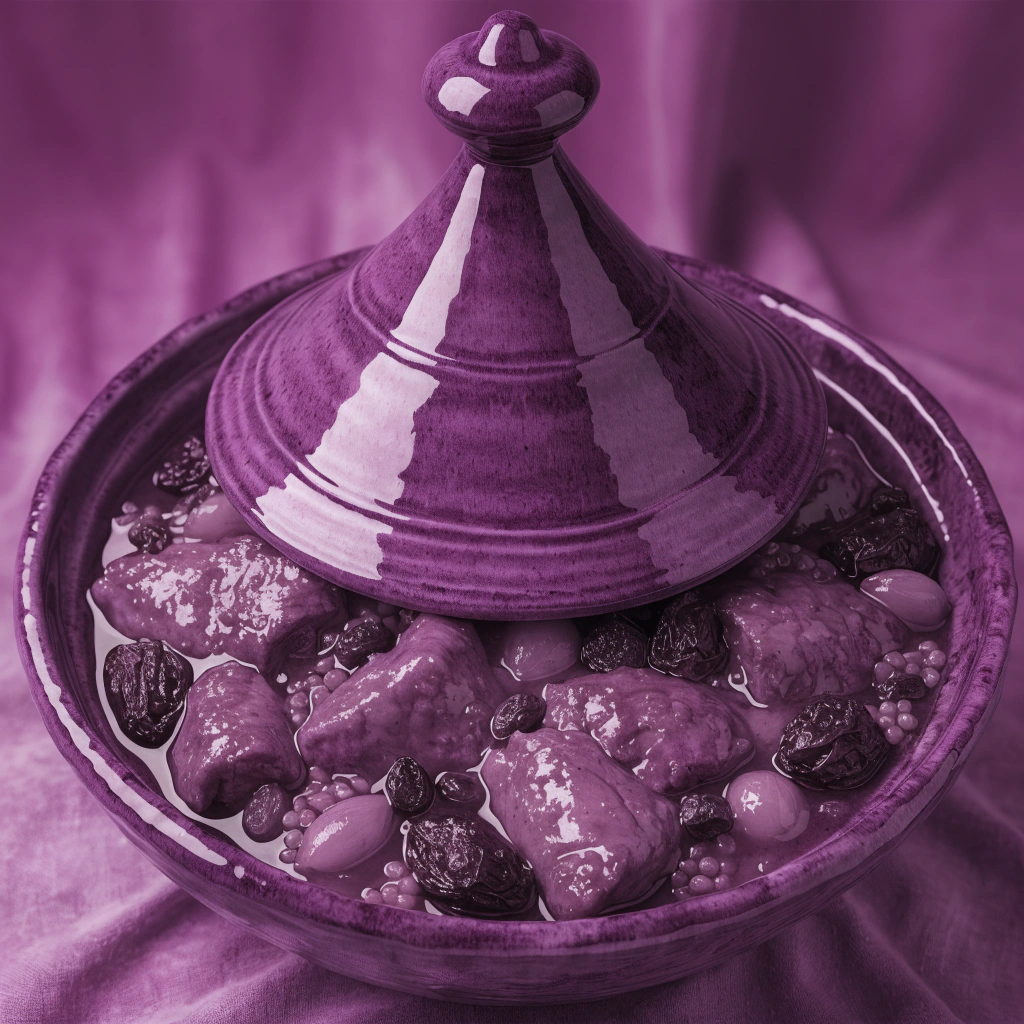
モロッコの有名な料理:タジン
モロッコはとても素敵な国です。 モロッコに「タジン」という有名な料理があります。 タジンはモロッコでよく食べます。 これはおいしい食べ物です。 タジンは特別な鍋(なべ)で作ります。 この鍋も「タジン」と呼びます。 鍋は丸い形です。そして、上は三角(さんかく)の形です。 この特別な鍋は、料理をゆっくり作ります。 だから、食べ物はとてもやわらかくて、おいしくなります。 タジンはモロッコの古い歴史(れきし)と文化(ぶんか)です。 モロッコへ行って、ぜひタジンを食べてください。
文法スポットライト
パターン: 〜という
"モロッコに「タジン」という有名な料理があります。"
これは、名前(なまえ)を紹介(しょうかい)するときに使います。「AというB」は「Aという名前のB」という意味です。
パターン: 〜て、〜
"モロッコへ行って、ぜひタジンを食べてください。"
動詞(どうし)を順番(じゅんばん)に並(なら)べるときに使います。「て形」でつなげます。
理解度をチェック
10 問 · A1 初級 · 無料プレビュー 1回
この記事で学んだことをテストしよう。全問正解してXPを獲得!
記事(きじ)によると、「タジン」は何ですか?
問題の内訳
記事(きじ)によると、「タジン」は何ですか?
あなたの回答:
正解: モロッコの有名な料理と鍋
タジンの鍋は四角い(しかくい)形です。
あなたの回答:
正解: 間違い
「おいしい」はどんな意味ですか?
あなたの回答:
正解: Good taste; delicious
タジンは特別な____で作ります。
あなたの回答:
正解: 鍋
The Magic of the Moroccan Tagine
Tagine is the most famous food in Morocco. When you visit a Moroccan home, you often see a beautiful clay pot on the table. This pot is called a tagine. It has two parts: a flat bottom and a tall lid. The lid looks like a cone.
In the past, Berber people invented this pot because they lived in dry places. The cone shape is very clever. It catches the steam and turns it back into water. This makes the meat softer than other cooking methods. Moroccan cooks use many ingredients like lamb, chicken, or vegetables. They also add sweet fruits like apricots and many spices.
Cooking a tagine is slow, but the taste is delicious. Families usually sit together and eat from the same pot with bread. People love tagine because it is healthy and traditional. It is more than just a meal; it is a symbol of Moroccan culture.
文法スポットライト
パターン: Comparatives
"This makes the meat softer than other cooking methods."
We use 'adjective + er' followed by 'than' to compare two things. In this sentence, it compares tagine meat to meat cooked in other ways.
パターン: Past Simple
"Berber people invented this pot because they lived in dry places."
We use the past simple to talk about finished actions in the past. For regular verbs like 'invent' and 'live', we add '-ed' or '-d'.
理解度をチェック
11 問 · A2 初級 · 無料プレビュー 1回
この記事で学んだことをテストしよう。全問正解してXPを獲得!
What shape is the tagine lid?
問題の内訳
What shape is the tagine lid?
あなたの回答:
正解: Cone
The word 'tagine' refers to both the pot and the food.
あなたの回答:
正解: 正しい
What does 'ingredients' mean?
あなたの回答:
正解: The items used to make a meal
Families usually sit together and eat from the same pot with _____.
あなたの回答:
正解: bread
Why is the cone shape clever?
あなたの回答:
正解: It catches steam to save water
The Magic of the Moroccan Tagine
Morocco is a country that is famous for its incredible food, and the most iconic dish is the tagine. For centuries, this meal has been prepared by families across North Africa. Interestingly, the word 'tagine' refers to both the delicious stew and the unique earthenware pot in which it is cooked.
The pot consists of two parts: a flat base and a tall, cone-shaped lid. This design is very smart because the steam is trapped inside during the cooking process. As the steam rises, it hits the cool top of the cone and falls back down as water. This keeps the meat and vegetables moist and tender. Because of this slow-cooking method, very little water is needed, which was important in dry regions.
Many different ingredients can be added to the pot. Usually, lamb or chicken is cooked with a variety of spices, such as ginger, cumin, and saffron. Sometimes, dried fruits like apricots or prunes are included to create a savory flavor. These ingredients are often topped with olives or preserved lemons.
In Morocco, sharing a tagine is a social event. The pot is placed in the center of the table, and it is usually eaten with fresh bread instead of forks. This traditional dish has been enjoyed for generations, and it remains a symbol of Moroccan hospitality. If you have never tried it, you should definitely experience this wonderful part of Mediterranean culture.
文法スポットライト
パターン: Passive Voice
"The pot is placed in the center of the table."
We use the passive voice (be + past participle) when the action is more important than who is doing it. In this case, the focus is on the location of the pot.
パターン: Relative Clauses
"the word 'tagine' refers to both the delicious stew and the unique earthenware pot in which it is cooked."
Relative clauses provide more information about a noun. Here, the clause 'in which it is cooked' describes the specific use of the pot.
理解度をチェック
11 問 · B1 中級 · 無料プレビュー 1回
この記事で学んだことをテストしよう。全問正解してXPを獲得!
What does the word 'tagine' describe in Morocco?
問題の内訳
What does the word 'tagine' describe in Morocco?
あなたの回答:
正解: Both the stew and the cooking vessel
The cone-shaped lid is designed to let steam escape quickly.
あなたの回答:
正解: 間違い
What does 'savory' mean?
あなたの回答:
正解: Salty or spicy flavor
The tagine is a symbol of Moroccan _____, showing how they welcome guests.
あなたの回答:
正解: hospitality
According to the text, why is the tagine design useful for dry regions?
あなたの回答:
正解: It uses very little water
The Art of the Tagine: A Masterpiece of Moroccan Culinary Engineering
The tagine serves as a profound emblem of Moroccan heritage, illustrating a sophisticated fusion of indigenous Berber techniques and subsequent external influences. Essentially, the term denotes both the slow-cooked savory stew and the distinctive earthenware vessel utilized for its preparation. This vessel, which is characterized by its shallow base and iconic conical lid, represents an ingenious solution to cooking in arid climates where water conservation is considered paramount. The design allows for a unique thermal cycle that has remained virtually unchanged for centuries.
As the ingredients simmer over a gentle flame, the unique shape of the lid facilitates a continuous cycle of condensation. Steam rises, cools at the top of the cone, and eventually trickles back down onto the food, ensuring that the moisture is retained. Consequently, even the toughest cuts of meat are transformed into succulent delicacies through this prolonged thermal process. This method of slow cooking allows the complex spices—ranging from aromatic saffron to earthy cumin—to penetrate deep into the ingredients, creating a depth of flavor that is difficult to replicate with modern pressure cookers.
Furthermore, the preparation of a tagine is rarely a solitary endeavor; rather, it reflects a communal philosophy. Traditionally, the dish is placed in the center of the table, inviting participants to share from the same pot using pieces of crusty bread. This practice reinforces social cohesion and underscores the importance of hospitality in Moroccan society. While modern culinary trends often favor speed and efficiency, the enduring popularity of the tagine suggests a collective appreciation for patience and tradition. It is a ritual that demands time, a commodity that is often undervalued in the contemporary world.
In contemporary Morocco, the tagine has evolved beyond its humble origins. While the classic combinations—such as lamb with prunes or chicken with preserved lemons—remain staples, modern chefs are increasingly experimenting with innovative ingredients. Nevertheless, the fundamental principles of slow cooking and earthenware heat distribution remain untouched. Ultimately, the tagine is not merely a meal; it is a testament to the resilience of a culture that values the preservation of its culinary roots amidst a rapidly changing world. By analyzing the tagine, one gains insight into how a simple cooking method can embody the history and soul of a nation.
文法スポットライト
パターン: Passive Voice for Formal Description
"This vessel... is characterized by its shallow base and iconic conical lid."
The passive voice (be + past participle) is used here to focus on the object being described rather than the person who made it. This is common in formal and academic writing.
パターン: Present Participle Clauses
"Traditionally, the dish is placed in the center of the table, inviting participants to share from the same pot."
The participle clause 'inviting participants...' adds extra information to the main clause. It describes the result or a simultaneous action of placing the dish in the center.
パターン: Causal Connectors
"Consequently, even the toughest cuts of meat are transformed into succulent delicacies."
Connectors like 'Consequently' are used to link ideas by showing cause and effect. It introduces a logical result of the steam cycle mentioned in the previous sentence.
理解度をチェック
11 問 · B2 中上級 · 無料プレビュー 1回
この記事で学んだことをテストしよう。全問正解してXPを獲得!
What is the primary function of the conical lid on a tagine vessel?
問題の内訳
What is the primary function of the conical lid on a tagine vessel?
あなたの回答:
正解: To recycle moisture through condensation
The term 'tagine' refers exclusively to the ceramic pot and not the food itself.
あなたの回答:
正解: 間違い
What does the word 'paramount' mean in the context of the article?
あなたの回答:
正解: Extremely important
The slow cooking process ensures that even tough meat becomes _____ and tender.
あなたの回答:
正解: succulent
What does the communal eating style of the tagine represent in Moroccan culture?
あなたの回答:
正解: Social cohesion and hospitality
The Alchemical Conicality: Deciphering the Cultural and Gastronomic Significance of the Moroccan Tagine
Seldom does a single object bridge the chasm between prehistoric utility and modern gastronomic refinement as effectively as the Moroccan tagine. To the uninitiated, the tagine might appear to be merely a slow-cooked stew, yet it represents a profound synthesis of Morocco's multifaceted history. The name itself is a linguistic duality, referring both to the succulent, aromatic dish and the specific earthenware vessel essential to its preparation.
It is the ingenious design of the tagine vessel that serves as a testament to ancient Berber engineering. Comprising a shallow, circular base and a distinctive, conical lid, the apparatus facilitates a unique microclimate. As heat rises from the charcoal embers, the conical lid traps steam, which then cools and trickles back down the sides. This continuous cycle of condensation ensures that the meat remains tender while the flavors are concentrated into a rich, complex sauce. Never has the preservation of moisture been so vital as in the arid landscapes where this vessel originated.
Beyond its functional efficacy, the tagine embodies a cultural paradox: it is simultaneously humble and regal. While its origins are rooted in the nomadic lifestyle of the Berbers, the dish underwent a significant evolution following the Arab conquest and the subsequent influx of Andalusian influences. This historical stratification introduced the sophisticated use of spices—saffron, ginger, and cumin—and the daring juxtaposition of sweet and savory, such as lamb paired with prunes and almonds. Such culinary alchemy transformed a basic survival meal into a sophisticated art form.
Furthermore, the communal consumption of the tagine reflects the deeply ingrained social fabric of Moroccan society. Rarely is a tagine eaten in isolation; rather, it is placed at the center of the table, inviting participants to break bread together. This act of sharing is not merely a logistical necessity but a symbolic reinforcement of kinship and hospitality. The resilience of this tradition in the face of globalized fast-food culture highlights the enduring power of slow-living philosophies.
In contemporary discourse, the tagine serves as a lens through which we can analyze the broader implications of cultural heritage. The commercialization of the vessel for the tourism industry has led to a proliferation of decorative, lead-glazed pots that are unsuitable for cooking, creating a tension between aesthetic representation and authentic utility. Nevertheless, the authentic, unglazed earthenware tagine remains the quintessential tool for those seeking the true depth of Moroccan cuisine. Ultimately, the tagine is not just a meal; it is a narrative of adaptation, a vessel of history, and a masterpiece of culinary ingenuity.
文法スポットライト
パターン: Inversion
"Seldom does a single object bridge the chasm between prehistoric utility and modern gastronomic refinement..."
Inversion is used with negative or restrictive adverbs (like 'seldom') at the start of a sentence for emphasis. The auxiliary verb comes before the subject.
パターン: Cleft Sentences
"It is the ingenious design of the tagine vessel that serves as a testament to ancient Berber engineering."
Cleft sentences focus on specific information by dividing a clause into two parts. 'It is' + [emphasized part] + 'that' is a common structure for highlighting the subject.
パターン: Nominalisation
"The commercialization of the vessel for the tourism industry has led to a proliferation of decorative pots..."
Nominalisation involves turning verbs or adjectives into nouns (e.g., 'commercialize' to 'commercialization'). This is common in formal C1 writing to express complex ideas concisely.
理解度をチェック
12 問 · C1 上級 · 無料プレビュー 1回
この記事で学んだことをテストしよう。全問正解してXPを獲得!
What is the primary function of the tagine's conical lid?
問題の内訳
What is the primary function of the tagine's conical lid?
あなたの回答:
正解: To trap steam and return moisture to the dish
The word 'tagine' refers exclusively to the ceramic pot and not the food inside.
あなたの回答:
正解: 間違い
What does the word 'alchemy' mean in the context of the article?
あなたの回答:
正解: A magical transformation of simple ingredients into art
Never has the _____ of moisture been so vital as in the arid landscapes where this vessel originated.
あなたの回答:
正解: preservation
According to the text, what influence introduced the combination of sweet and savory flavors?
あなたの回答:
正解: Arab and Andalusian influences
Communal eating of the tagine is described as a symbolic reinforcement of kinship.
あなたの回答:
正解: 正しい
The Alchemical Symbiosis of Clay and Condiment: A Socio-Gastronomic Analysis of the Moroccan Tagine
In the grand tapestry of global gastronomy, few vessels command as much reverence as the Moroccan tagine. Seldom does a culinary implement so perfectly encapsulate the soul of a nation as this iconic earthenware implement. Characterized by its distinctive conical lid, the tagine serves as both the primordial crucible of creation and the venerable vessel of presentation. To understand the tagine is to delve into a historical synthesis where the nomadic pragmatism of the indigenous Berbers meets the sophisticated spice routes of the Arab world.
The engineering of the tagine is nothing short of ingenious, representing a masterclass in thermodynamics. The tall, tapering lid acts as a natural chimney that promotes a specific thermic circulation. As steam rises from the simmering ingredients, it encounters the cooler upper reaches of the cone, condenses, and trickles back down the interior walls. This self-basting mechanism is critical in the arid regions of North Africa, where water has historically been a precious commodity. By minimizing moisture loss, the tagine allows for the preparation of tough cuts of meat, transforming them into succulent morsels that disintegrate at the mere touch of a piece of khobz.
The linguistic duality of the term 'tagine'—denoting both the object and the stew—underscores the inextricable link between the medium and the message. It is often posited by culinary historians that the tagine is a living palimpsest, bearing the traces of every civilization that has left its mark on the Maghreb. The juxtaposition of sweet and savory—a hallmark of Moroccan cuisine—suggests an Andalusian influence, while the intricate use of spices like ras el hanout reflects a deep-seated connection to the trans-Saharan trade. Were one to scrutinize the vessel’s architecture, one would find a design optimized for the slow-cooking paradigm that reflects a broader societal ethos of patience.
It is imperative that the heat remain tempered, lest the delicate balance of spices be compromised by an aggressive flame. This slow-cooking process is not merely a technical requirement but a cultural statement. The tagine is inherently egalitarian; unlike the individualized plating common in Western fine dining, it is placed at the center of the table, inviting a communal engagement. It is essential that participants respect the unspoken etiquette of the shared dish, consuming only what is directly in front of them. This practice reinforces a sense of collective identity and mutual respect. Should one observe the steam rising as the lid is lifted, one witnesses a moment of shared anticipation that is as much about social cohesion as it is about nutrition.
The ubiquity of the tagine across Morocco’s diverse topography—from the lamb and prune combinations of the interior plains to the piscatorial delights of the Atlantic coast—serves as a cartographic representation of the nation’s heritage. In the contemporary era, the tagine remains a resilient icon. While modern pressure cookers may offer speed, they fail to replicate the subtle chemical transformations that occur during the hours of gentle heat within the clay. The tagine demands a temporal sacrifice, a rejection of the 'fast food' culture in favor of a more contemplative approach to sustenance. It is a venerable reminder that the finest things in life require time, patience, and a respect for the elemental forces of earth, water, and fire.
文法スポットライト
パターン: Negative Inversion
"Seldom does a culinary implement so perfectly encapsulate the soul of a nation as this iconic earthenware implement."
When using restrictive adverbs like 'seldom', 'never', or 'rarely' at the start of a sentence for emphasis, the auxiliary verb and subject are inverted.
パターン: Inverted Conditional
"Were one to scrutinize the vessel’s architecture, one would find a design optimized for the slow-cooking paradigm."
This is a formal alternative to 'If one were to...'. It uses inversion of 'were' and the subject to express a hypothetical situation in the present or future.
パターン: Subjunctive Mood
"It is imperative that the heat remain tempered, lest the delicate balance of spices be compromised by an aggressive flame."
The base form 'remain' (instead of 'remains') is used after adjectives of necessity. 'Lest' is followed by the subjunctive 'be compromised' to indicate a negative purpose or fear.
理解度をチェック
12 問 · C2 マスター · 無料プレビュー 1回
この記事で学んだことをテストしよう。全問正解してXPを獲得!
What is the primary thermodynamic benefit of the tagine's conical lid?
問題の内訳
What is the primary thermodynamic benefit of the tagine's conical lid?
あなたの回答:
正解: It facilitates a cycle of condensation that preserves moisture.
The term 'tagine' refers exclusively to the clay vessel and not the food inside.
あなたの回答:
正解: 間違い
What does the word 'palimpsest' imply about the tagine in the context of the article?
あなたの回答:
正解: It is a cultural artifact containing layers of historical influence.
The author suggests that the tagine is inherently _____, as it is typically served as a shared dish in the center of the table.
あなたの回答:
正解: egalitarian
Why was the tagine's moisture-retention design historically significant in North Africa?
あなたの回答:
正解: Because water was often a scarce resource.
According to the article, regional variations of the tagine reflect Morocco's diverse geography.
あなたの回答:
正解: 正しい
タジン: モロッコ の たべもの
これは タジン です。モロッコ の たべもの です。とても おいしい です。 タジン は なべ です。おおきい なべ です。この なべ は とても いい です。 あつい たべもの が あります。タジン は モロッコ の なまえ です。これ は とても ゆうめい です。みんな タジン が すき です。
文法スポットライト
パターン: 「Noun + です」
"「これは タジン です。」"
「です」は ぶん の おわり に つかいます。もの や ことを せつめい します。ていねい な はなし かた です。
理解度をチェック
9 問 · A0 プレビギナー · 無料プレビュー 1回
この記事で学んだことをテストしよう。全問正解してXPを獲得!
タジン は どんな もの です か。
問題の内訳
タジン は どんな もの です か。
あなたの回答:
正解: たべもの
タジン は おいしくない です。
あなたの回答:
正解: 間違い
「なべ」は どんな いみ です か。
あなたの回答:
正解: どうぐ

