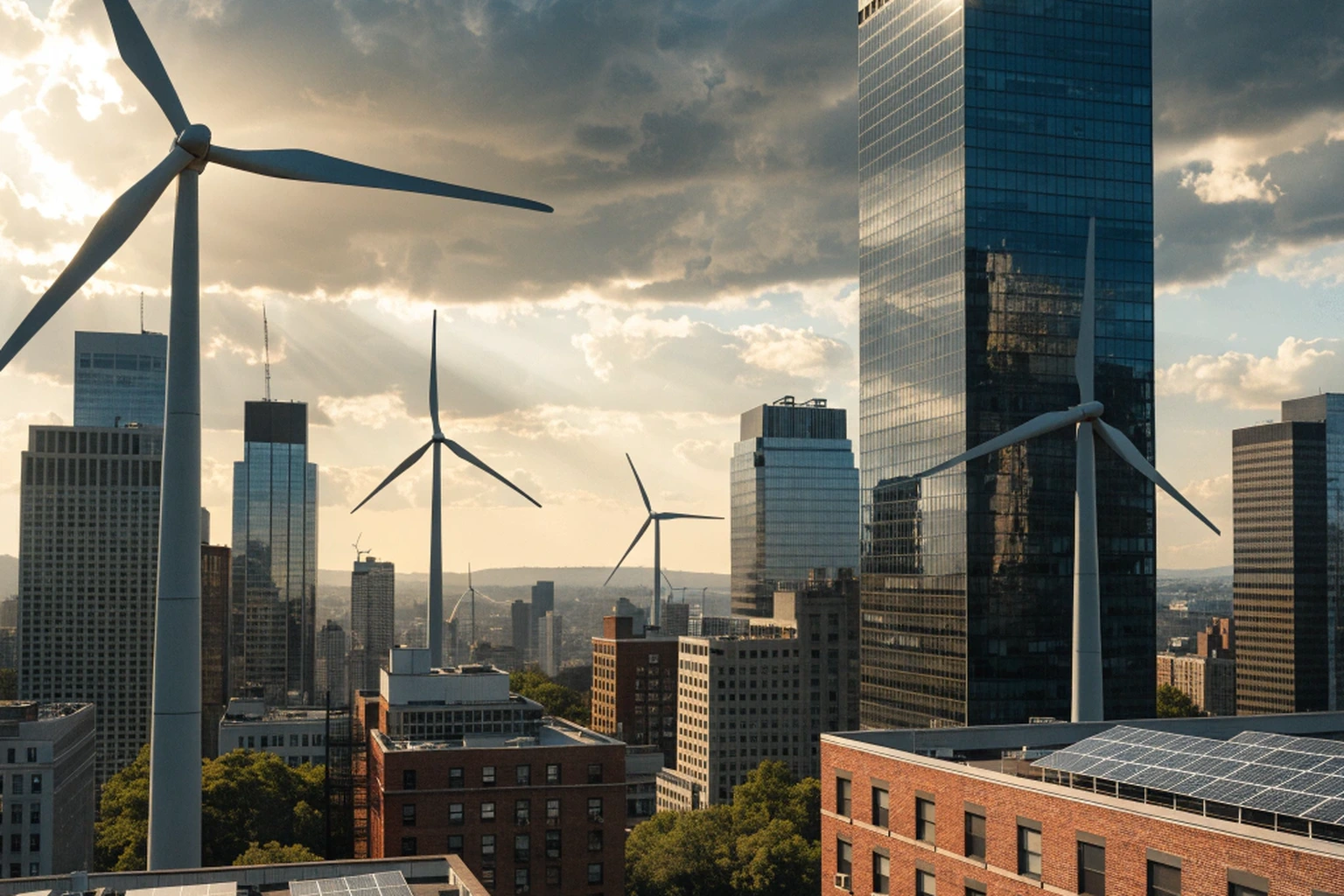
New Energy in the USA
The United States is changing. People use new energy now. This energy comes from the sun and the wind. It is clean energy. Solar power is very popular. Large panels catch the sun. Wind power is also important. Large fans make electricity. These new jobs help the economy. Many workers have new jobs in green energy. They build big machines. This is good for the earth. The air is clean and the future is bright. Many people are happy with this change.
文法スポットライト
パターン: Present Simple (to be)
"Solar power is very popular."
We use 'is' for singular subjects to describe a state or a fact. It is the most common verb in English to give information.
パターン: Present Simple (Action Verbs)
"They build big machines."
For plural subjects like 'they', we use the base form of the verb. This pattern describes regular activities or general truths.
理解度をチェック
10 問 · A1 初級 · 無料プレビュー 1回
この記事で学んだことをテストしよう。全問正解してXPを獲得!
Where does the new energy come from?
問題の内訳
Where does the new energy come from?
あなたの回答:
正解: The sun and the wind
The article says that new energy is dirty.
あなたの回答:
正解: 間違い
What does 'earth' mean?
あなたの回答:
正解: Our world and planet
Large fans make _____.
あなたの回答:
正解: electricity
アメリカの新しいエネルギー:クリーンな未来へ
アメリカは今、とても大きな変化の中にいます。昔は、石炭や石油のような「化石燃料」をたくさん使っていました。しかし、今は「再生可能エネルギー」へと変わっています。再生可能エネルギーは、風の力や太陽の光を使う、地球に優しいエネルギーです。
この変化の理由はいくつかあります。まず、風力発電や太陽光発電の技術がとても良くなりました。だから、これらのエネルギーを作る費用が、前よりずっと安くなりました。また、アメリカの政府も、地球をきれいに保つために、この変化を積極的に助けています。政府は、もっとクリーンなエネルギーを使いたいと考えています。
この変化は、アメリカの経済にも良い影響を与えています。新しい種類の工場がたくさん作られ、そこで働く新しい仕事もたくさん生まれています。例えば、太陽光パネルを作る会社や、風力タービンを建設する会社などです。これは「グリーン経済」と呼ばれ、国の大きな成長になっています。アメリカは、もっと良い、きれいな未来のために、この変化を進めています。
文法スポットライト
パターン: 〜ています (〜te imasu)
"しかし、今は「再生可能エネルギー」へと変わっています。"
動詞の「て形」に「います」をつけると、今、その行動が続いていることや、状態が変化していることを表します。この記事では、アメリカのエネルギーが「変化している」という状況を説明しています。
パターン: 〜より (〜yori)
"これらのエネルギーを作る費用が、前よりずっと安くなりました。"
「AはBより〜です」は、AとBを比べて、Aの方が〜だということを言いたいときに使います。この記事では、エネルギーを作る費用が「以前と比べて安い」ということを示しています。
理解度をチェック
11 問 · A2 初級 · 無料プレビュー 1回
この記事で学んだことをテストしよう。全問正解してXPを獲得!
アメリカは、昔、どんなエネルギーをたくさん使っていましたか?
問題の内訳
アメリカは、昔、どんなエネルギーをたくさん使っていましたか?
あなたの回答:
正解: 化石燃料
風力発電や太陽光発電の技術は、前より良くなりました。
あなたの回答:
正解: 正しい
「再生可能エネルギー」とは、どんなエネルギーですか?
あなたの回答:
正解: 風や太陽の光を使うエネルギー
アメリカの(___)も、地球をきれいに保つために、この変化を助けています。
あなたの回答:
正解: 政府
「グリーン経済」は、アメリカの何に良い影響を与えていますか?
あなたの回答:
正解: 経済
アメリカの再生可能エネルギーへの移行:新しい時代の始まり
アメリカでは今、大きな変化が起きています。それは、エネルギーの作り方が変わることです。今まで、アメリカは石油や石炭などの化石燃料をたくさん使ってきました。しかし、地球温暖化の問題や、新しい技術の進歩によって、この状況は変わりつつあります。
最近、太陽光発電や風力発電のような再生可能エネルギーの技術がとても進歩しました。これらのエネルギーは、環境に優しく、コストも安くなってきたので、多くの場所で使われるようになっています。政府も、この変化を後押ししています。例えば、新しい法律が作られ、再生可能エネルギーを使う企業には支援が提供されています。
このエネルギーの変化は、「グリーン経済」と呼ばれています。これは、環境に良い産業が成長し、新しい仕事がたくさん生まれることを意味します。例えば、太陽光パネルを作る工場や、風力発電所を建設する会社で働く人が増えています。これは、アメリカ経済にとって、とても大切な新しい動きです。
これからも、アメリカは再生可能エネルギーの導入をさらに進めていくでしょう。新しい技術の開発や、人々の意識の変化によって、よりクリーンで持続可能な社会が作られることが期待されています。
文法スポットライト
パターン: 〜てきました / 〜ていくでしょう
"今まで、アメリカは石油や石炭などの化石燃料をたくさん使ってきました。"
「〜てきました」は、過去から現在まで続いてきた変化や状態を表します。一方、「〜ていくでしょう」は、これから未来に向かって変化が進むことを予測する時に使います。
パターン: 〜によって
"新しい技術の進歩によって、この状況は変わりつつあります。"
「〜によって」は、あることが起こる原因や手段を表す時に使います。「〜が原因で」や「〜を使って」という意味になります。
理解度をチェック
11 問 · B1 中級 · 無料プレビュー 1回
この記事で学んだことをテストしよう。全問正解してXPを獲得!
アメリカで今、何が大きく変わっていますか。
問題の内訳
アメリカで今、何が大きく変わっていますか。
あなたの回答:
正解: エネルギーの作り方
太陽光発電や風力発電は、環境に優しく、コストも安くなっています。
あなたの回答:
正解: 正しい
「化石燃料」は何を意味しますか。
あなたの回答:
正解: 石油や石炭のようなエネルギー
政府は、再生可能エネルギーを使う企業を( )しています。
あなたの回答:
正解: 後押し
「地球温暖化の問題や、新しい技術の進歩によって、この状況は変わりつつあります。」この文の「〜によって」は何を示していますか。
あなたの回答:
正解: 原因や手段
米国における再生可能エネルギーへの移行:その現状と展望
現在、米国は歴史上最も重要な経済変革の一つ、すなわち化石燃料依存型経済から再生可能エネルギーを基盤とする経済への移行の真只中にあります。この変革は、単なるエネルギー源の転換に留まらず、国家経済の根幹を揺るがす大規模な構造転換と捉えられています。その背景には、目覚ましい技術革新、風力発電や太陽光発電といった主要な再生可能エネルギーの発電コストの劇的な低下、そして地球温暖化対策としての脱炭素化を目指す連邦政府の積極的な政策支援があります。
かつてニッチな分野と見なされていた「グリーン経済」は、今や米国の主要な産業推進力へと発展を遂げています。製造業における新たな工場の設立、研究開発分野での投資拡大、そして再生可能エネルギー設備の設置・保守といった多岐にわたる分野で、既に数十万もの新規雇用を創出しています。このような雇用創出は、特に伝統的な産業が衰退しつつある地域において、地域経済の活性化に大きく貢献し、新たなビジネスチャンスを生み出す源泉となっています。
特に、広大な土地を利用した大規模な風力発電所や、住宅・商業施設に設置される太陽光発電施設が米国内各地で急速に拡大しており、その発電能力は飛躍的に向上しています。加えて、電力の安定供給を実現するためのエネルギー貯蔵技術、例えば大容量バッテリーや水素貯蔵システムなどの進化も目覚ましく、再生可能エネルギーの不安定性という長年の課題を克服しつつあります。これらの技術革新は、エネルギー供給の多様化を促すのみならず、国のエネルギー安全保障を強化する上でも極めて重要な役割を担っています。
インフレ削減法(IRA)に代表される連邦政府の政策は、再生可能エネルギープロジェクトに対する税額控除や補助金といった強力なインセンティブを提供し、民間部門からの大規模な投資を促進しています。しかしながら、このエネルギー移行には、老朽化した既存の送電網の近代化、グローバルなサプライチェーンにおける安定性の確保、そして化石燃料産業から再生可能エネルギー産業への労働者の公正な移行の支援といった、数多くの課題が依然として存在します。これらの複雑な課題を解決するためには、政府機関、民間企業、そして地域社会の間の緊密な連携と継続的な努力が不可欠です。
米国が現在直面しているこの大規模なエネルギー転換は、単なる技術的な進歩に留まらず、社会構造、経済システム、そして環境全体にわたる広範な影響を及ぼしています。持続可能な未来を築くためのこの野心的な取り組みは、世界中の他の国々、特に発展途上国にとって、再生可能エネルギー導入のモデルケースとして重要な示唆を与えるものとなるでしょう。脱炭素社会の実現に向けた米国の歩みは、今後も国際社会から多大な関心と注目を集め続けることになります。
文法スポットライト
パターン: 〜に留まらず
"この変革は、単なるエネルギー源の転換に留まらず、国家経済の根幹を揺るがす大規模な構造転換と捉えられています。"
「〜に留まらず」は、「〜だけでなく、さらに広い範囲や他の事柄にも及ぶ」という意味を表します。動詞の辞書形や名詞に接続し、ある事柄が限定的ではないことを強調する際に使われます。
パターン: 〜を背景に
"その背景には、目覚ましい技術革新、風力発電や太陽光発電といった主要な再生可能エネルギーの発電コストの劇的な低下、そして地球温暖化対策としての脱炭素化を目指す連邦政府の積極的な政策支援があります。"
「〜を背景に」は、「〜という状況や事実を原因・理由として、ある事柄が起こる」ことを示します。名詞に接続し、その後の出来事の原因や根拠となる状況を説明する際に用いられます。
パターン: 〜のみならず
"これらの技術革新は、エネルギー供給の多様化を促すのみならず、国のエネルギー安全保障を強化する上でも極めて重要な役割を担っています。"
「〜のみならず」は、「〜だけでなく、さらに別の事柄も同様である」という意味を表す表現で、「〜に留まらず」と似ています。名詞や動詞の辞書形、形容詞などに接続し、並列の関係を強調します。
理解度をチェック
11 問 · B2 中上級 · 無料プレビュー 1回
この記事で学んだことをテストしよう。全問正解してXPを獲得!
この記事の主な目的は何ですか?
問題の内訳
この記事の主な目的は何ですか?
あなたの回答:
正解: 米国の再生可能エネルギーへの移行の現状と課題を分析すること
かつてニッチな分野と見なされていた「グリーン経済」は、今や米国の主要な産業推進力へと発展を遂げています。
あなたの回答:
正解: 正しい
「創出」の意味に最も近いものはどれですか?
あなたの回答:
正解: 新しいものを生み出すこと
米国は化石燃料依存型経済から再生可能エネルギーを( )とする経済への移行の真只中にあります。
あなたの回答:
正解: 基盤
米国のエネルギー転換を推進する主な要因として、記事で挙げられていないものはどれですか?
あなたの回答:
正解: 他国からのエネルギー輸入量の増加
The Great Decarbonization: Navigating the United States' Energy Metamorphosis
Rarely has the American industrial landscape witnessed such a profound upheaval as that currently precipitated by the transition toward renewable energy. Long tethered to the volatility of fossil fuel markets, the United States is now navigating a paradigm shift that transcends mere environmental stewardship. This metamorphosis, driven by a convergence of technological breakthroughs and aggressive fiscal policy, is fundamentally reconfiguring the nation’s economic DNA.
What has catalyzed this accelerated shift is not merely environmental altruism, but a cold, hard economic reality. The plummeting costs of photovoltaic technology and wind turbine manufacturing have rendered renewable energy the most cost-effective option in many regions. Consequently, the Green Economy has ceased to be a niche sector, evolving instead into a primary engine of industrial growth. The subsidization provided by landmark legislation, such as the Inflation Reduction Act, has further bolstered investor confidence, leading to the creation of hundreds of thousands of manufacturing jobs.
However, the path to total decarbonization is fraught with logistical complexities. Central to this challenge is the fragility of the existing electrical grid, which was designed for centralized, predictable power generation. The integration of intermittent energy sources, such as solar and wind, necessitates a radical overhaul of energy storage and transmission infrastructure. Without the widespread implementation of advanced battery systems and long-distance high-voltage lines, the ubiquity of green energy will remain a tantalizing but unreachable goal.
Moreover, the transition is not occurring in a socio-political vacuum. While some regions embrace the influx of green investment, others face the prohibitive social costs of decommissioning legacy coal and gas plants. The displacement of workers in traditional energy sectors poses a significant hurdle, requiring nuanced policy interventions to ensure a 'just transition.' It is the delicate balance between economic pragmatism and social equity that will ultimately determine the success of this endeavor.
Furthermore, the geopolitical implications of this shift are profound. By reducing its reliance on foreign oil, the United States aims to enhance its energy resilience and national security. Yet, this creates a new dependency on the rare earth minerals essential for renewable technologies—minerals often sourced from geopolitical rivals. This irony underscores the complexity of modern energy sovereignty. In conclusion, the renewable energy transition in the United States represents more than a technological upgrade; it is a holistic reimagining of how a global superpower fuels its future.
文法スポットライト
パターン: Negative Inversion
"Rarely has the American industrial landscape witnessed such a profound upheaval..."
Inversion is used after negative or restrictive adverbs like 'rarely' or 'seldom' to add emphasis. The auxiliary verb comes before the subject.
パターン: Pseudo-cleft Sentence
"What has catalyzed this accelerated shift is not merely environmental altruism..."
Cleft sentences focus on specific information. Here, the 'What' clause acts as the subject to emphasize the cause of the shift.
パターン: Nominalization
"Without the widespread implementation of advanced battery systems..."
Using nouns like 'implementation' instead of verbs like 'implementing' creates a more formal, academic tone suitable for C1 analysis.
理解度をチェック
12 問 · C1 上級 · 無料プレビュー 1回
この記事で学んだことをテストしよう。全問正解してXPを獲得!
What is the primary factor driving the renewable energy transition according to the text?
問題の内訳
What is the primary factor driving the renewable energy transition according to the text?
あなたの回答:
正解: Economic cost-effectiveness and policy
The current electrical grid was originally designed to handle intermittent energy sources.
あなたの回答:
正解: 間違い
Which word describes the irregular nature of wind and solar energy?
あなたの回答:
正解: Intermittent
The transition is not occurring in a socio-political ____.
あなたの回答:
正解: vacuum
What is the 'irony' mentioned regarding energy sovereignty?
あなたの回答:
正解: Reducing oil reliance creates a new dependency on rare minerals.
The 'Green Economy' is still considered a niche sector in the United States.
あなたの回答:
正解: 間違い
The Great Decarbonization: Navigating the Socio-Economic Metamorphosis of the American Energy Landscape
The United States currently finds itself at a pivotal juncture, navigating an epochal transition from a carbon-intensive industrial model to a burgeoning 'Green Economy'. This metamorphosis, while ostensibly driven by ecological imperatives, is equally a product of pragmatic economic recalibration. The shift from a fossil-fuel-based hegemony to one powered by renewables represents one of the most significant structural transformations in the nation's history. Central to this evolution is the confluence of rapid technological breakthroughs and aggressive federal policy, most notably the Inflation Reduction Act, which has acted as a catalyst for unprecedented investment in sustainable infrastructure.
Were the nation to ignore the burgeoning demand for sustainable infrastructure, it would risk losing its competitive edge in the global market. The transition is not merely a substitution of energy sources but a wholesale reimagining of industrial production. One could posit that the decline of the coal industry is less a result of regulatory overreach and more a consequence of the inexorable march of market forces; as the levelized cost of solar and wind energy continues to plummet, the economic viability of traditional hydrocarbons faces an existential threat. It is imperative that the federal government continue to provide the impetus for this shift, lest the momentum be squandered in the face of political vacillation.
Furthermore, the labor market is undergoing a profound recalibration. While the specter of industrial obsolescence looms over traditional fossil-fuel hubs, the renewable sector is creating hundreds of thousands of jobs in manufacturing, installation, and research. However, this transition is not without its dialectical tensions. There is a palpable anxiety in regions long dependent on the extraction industry, where the promise of a 'just transition' remains more theoretical than realized. For the nascent green sector to achieve true hegemony, it must address the socio-economic disparities that threaten to undermine public consensus.
Not only does this transition offer a pathway to carbon neutrality, but it also provides a framework for a renewed American industrialism. The reshoring of supply chains for critical minerals and the domestic manufacturing of photovoltaic cells suggest a move toward strategic autonomy. Nevertheless, scholarly analysis suggests that the path ahead is fraught with logistical complexities, from the modernization of an aging electrical grid to the streamlining of permitting processes. It is essential that the workforce be adequately retrained to inhabit these new roles, as the complexity of modern energy systems requires a level of technical proficiency that far exceeds that of previous generations.
Ultimately, the success of the renewable energy transition in the United States will be judged by its ability to synthesize economic growth with environmental stewardship. The transition is an inexorable reality, yet its final form remains a subject of intense debate. Whether the U.S. can maintain its status as a global leader depends on its capacity to navigate these turbulent waters with both foresight and fortitude. The 'Green Economy' is no longer a niche sector; it is the cornerstone of a future that demands both innovation and equity. As the nation pivots, the discourse must shift from whether the transition should occur to how it can be most effectively and equitably managed.
文法スポットライト
パターン: Inverted Conditionals
"Were the nation to ignore the burgeoning demand for sustainable infrastructure, it would risk losing its competitive edge."
In formal C2 English, 'were' can be used to replace 'if' in hypothetical conditions. This inversion of the subject and verb adds a layer of formality and theoretical weight to the statement.
パターン: The Subjunctive Mood
"It is essential that the workforce be adequately retrained to inhabit these new roles."
The subjunctive 'be' is used after adjectives of necessity (essential, imperative, crucial). This is a hallmark of formal academic and analytical prose, indicating a requirement or strong recommendation.
パターン: Negative Inversion
"Not only does this transition offer a pathway to carbon neutrality, but it also provides a framework for a renewed American industrialism."
Beginning a sentence with 'Not only' requires an inversion of the subject and auxiliary verb (does this transition offer). This rhetorical device is used to emphasize the dual importance of the points being made.
理解度をチェック
12 問 · C2 マスター · 無料プレビュー 1回
この記事で学んだことをテストしよう。全問正解してXPを獲得!
What does the author suggest is the primary driver behind the energy transition besides ecology?
問題の内訳
What does the author suggest is the primary driver behind the energy transition besides ecology?
あなたの回答:
正解: Pragmatic economic recalibration
The author argues that the decline of the coal industry is primarily due to excessive government regulation.
あなたの回答:
正解: 間違い
Which word describes something that is impossible to stop?
あなたの回答:
正解: Inexorable
The author notes that there is a _____ anxiety in regions dependent on extraction industries.
あなたの回答:
正解: palpable
What logistical complexity is specifically mentioned as a hurdle for the energy transition?
あなたの回答:
正解: Modernization of the aging electrical grid
The text suggests that the 'Green Economy' has moved beyond being a niche sector.
あなたの回答:
正解: 正しい

