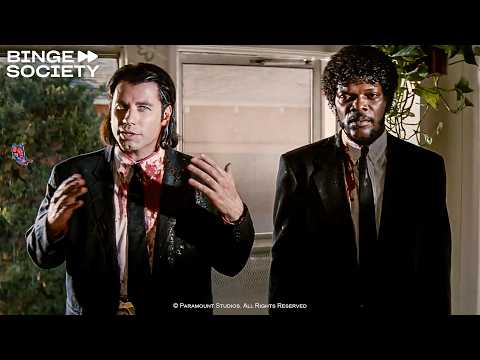
s*** 30秒で
- A formal set of matching clothes (jacket and trousers/skirt).
- To be convenient or appropriate for someone's schedule or needs.
- To look attractive or complementary on a person's physical appearance.
- One of the four groups of cards in a deck (hearts, diamonds, etc.).
The word suit is a versatile cornerstone of the English language, functioning both as a noun and a verb. As a noun, it primarily refers to a set of garments made from the same cloth, typically consisting of a jacket and trousers or a skirt. This attire is the global standard for formal business, legal proceedings, and celebratory events like weddings. However, the noun extends far beyond the closet; in the world of card games, a suit refers to any of the four sets (hearts, diamonds, clubs, spades) that make up a deck. In a legal context, a suit (or lawsuit) is a claim or complaint brought before a court of law. As a verb, to suit means to be convenient for someone, to meet their requirements, or to enhance someone's appearance. When we say a color suits you, we are complimenting how it complements your features. When we ask if a time suits you, we are inquiring about your schedule's compatibility.
- The Professional Noun
- Refers to the traditional three-piece or two-piece ensemble worn in corporate or formal settings. It symbolizes authority, professionalism, and often, a specific social status. In modern slang, 'suits' can pejoratively refer to high-level executives who are perceived as out of touch with everyday workers.
He decided to wear his best navy suit for the interview to make a strong first impression.
The verb form is equally essential. It describes the state of being appropriate or acceptable. If a plan 'suits' everyone, it means there are no conflicts. This usage is highly common in collaborative environments where scheduling is paramount. Furthermore, in fashion, 'to suit' describes the aesthetic harmony between a garment and the wearer. It is a subjective measure of how well a style or color aligns with a person's physical characteristics. The flexibility of the word allows it to bridge the gap between physical objects (clothing) and abstract concepts (convenience and law).
- The Legal Dimension
- In legal terminology, a suit is a process by which a person or entity seeks a judicial remedy. It is short for 'lawsuit.' This usage stems from the idea of 'following' a grievance through the court system.
The company faced a massive class-action suit following the data breach.
In social settings, 'suit' appears in card games. Each deck has four suits. This usage is vital for anyone learning the cultural nuances of Western games. Understanding which suit is 'trump' or 'lead' is fundamental to games like Bridge or Poker. The word's journey from the French 'suite' (meaning a following or a sequence) explains why it applies to both a sequence of clothes and a sequence of cards. This historical thread connects all its modern meanings, from the courtroom to the tailor's shop.
- The Aesthetic Verb
- When a style or behavior is appropriate for a specific person or situation. 'That hairstyle really suits your face shape' or 'The quiet life in the country suits her perfectly.'
Bright colors really suit your personality; you should wear them more often.
If you don't want to go to the party, then suit yourself, but you'll miss out on the fun.
The tailor took several measurements to ensure the suit would fit perfectly.
Using suit correctly requires identifying whether it is acting as a noun or a verb in your sentence. As a noun, it follows standard English grammar for countable nouns. You can have one suit, two suits, or a collection of suits. When referring to clothing, it often takes adjectives like 'tailored,' 'pinstriped,' 'formal,' or 'business.' For example, 'She wore a tailored suit to the board meeting.' In this context, the suit is a singular object. When referring to cards, you might say, 'Spades is the highest suit in this game.' Here, 'suit' categorizes a group of cards. In legal contexts, 'suit' is often preceded by 'civil' or 'criminal,' as in 'The civil suit lasted for three years.'
- Noun Usage Patterns
- Commonly paired with verbs like 'wear,' 'buy,' 'tailor,' 'file,' or 'win.' Example: 'He filed a suit against his former employer.' Or: 'I need to buy a new suit for the wedding.'
The lawyer argued that the suit was without merit and should be dismissed.
As a verb, 'suit' is typically transitive, meaning it requires a direct object. You don't just 'suit'; you suit *someone* or *something*. For instance, 'The schedule suits me.' In this sentence, 'me' is the object being suited. A common mistake is to confuse 'suit' with 'fit.' While 'fit' refers to physical size and dimensions, 'suit' refers to style, color, or convenience. If a jacket is the right size, it fits you. If the jacket makes you look handsome, it suits you. This distinction is crucial for clear communication in fashion and daily life.
- Verb Conjugation
- Present: suit/suits. Past: suited. Present Participle: suiting. Example: 'The dark lighting was suiting the mysterious mood of the film.'
We need to find a solution that suits the needs of all stakeholders involved.
Another important pattern is the use of 'suit' in the phrase 'suit yourself.' This is an imperative phrase. It functions as a complete thought. If someone offers a suggestion and you reject it, they might say 'Suit yourself' to indicate they are leaving the decision to you, often with a hint of indifference. Additionally, the phrase 'to be suited to' or 'to be suited for' is used to describe someone's compatibility with a job or role. 'He is well suited for a career in teaching' implies he has the necessary temperament and skills.
- The 'Suited To' Construction
- Used to describe inherent fitness for a purpose. 'This soil is perfectly suited to growing grapes.' It acts almost like an adjective in this passive-style construction.
Not everyone is suited to working in such a high-pressure environment.
The new software suits our current workflow much better than the old version.
The defendant wore a conservative suit to appear more sympathetic to the jury.
The word suit is omnipresent in various professional and social spheres. In a corporate office, you will hear it used to describe the dress code. Managers might say, 'We have a client meeting tomorrow, so please wear a suit.' Alternatively, in the breakroom, you might hear employees complaining about 'the suits' from the head office, referring to executives who make decisions without understanding the ground-level work. This metaphorical use of the noun is a staple of office culture and workplace dramas. In these contexts, the word carries weight regarding hierarchy and formality.
- In the Courtroom
- Legal professionals use 'suit' as a shorthand for litigation. You'll hear phrases like 'filing a suit,' 'settling a suit,' or 'bringing suit against.' It is the formal way to describe a legal battle between two parties.
The news reported that the environmental group had filed a suit against the oil company.
In social planning, the verb form is the star. When friends or colleagues are trying to find a time to meet, 'suit' is the go-to verb. 'Does 7:00 PM suit you?' or 'That doesn't really suit my schedule' are phrases you will hear daily. It is a polite, non-confrontational way to discuss availability. Similarly, in retail and fashion, shop assistants will often tell customers, 'That color really suits you,' as a way to encourage a purchase. It is a standard piece of vocabulary in the service industry, used to provide positive reinforcement to clients.
- In the Media
- TV shows like 'Suits' (the legal drama) play on the double meaning of the word—referring both to the expensive clothing the lawyers wear and the legal cases they handle. This dual meaning is a common trope in English-language storytelling.
The headline read: 'Tech Giant Wins Multi-Million Dollar Suit Over Patent Infringement.'
You will also encounter 'suit' in idiomatic expressions. 'Follow suit' is a very common phrase meaning to do the same thing as someone else. You might hear a news anchor say, 'After the first bank raised interest rates, other banks were quick to follow suit.' This comes from card games where players must play a card of the same suit as the lead card. Understanding this origin helps learners remember the meaning of the idiom. In everyday conversation, 'suit yourself' is used when someone gives up trying to convince another person, signaling the end of a negotiation.
- In Personal Relationships
- When discussing lifestyle choices, people say things like 'The city life doesn't suit me.' This expresses a lack of harmony between one's personality and their environment.
I tried yoga, but it just didn't suit me; I prefer more intense workouts.
The tailor suggested a charcoal grey suit as it is the most versatile option for a young professional.
If you want to leave early, suit yourself, but you'll miss the dessert.
One of the most frequent errors English learners make is confusing suit with fit. While both words are used when talking about clothes, they describe different things. 'Fit' is about size and shape. If a pair of trousers is too small, they don't fit. 'Suit' is about style, color, and how something looks on a person. If a pair of trousers is the right size but looks ugly on you, they don't suit you. Remember: 'Fit' is for the body; 'Suit' is for the beauty. Using 'fit' when you mean 'suit' can lead to confusion, especially in a shopping context where you might be trying to express that a garment doesn't look good, even if it is the correct size.
- Suit vs. Suite
- This is a classic spelling and pronunciation trap. A 'suit' /suːt/ is clothing. A 'suite' /swiːt/ is a set of rooms (like a hotel suite) or a set of software programs. They are pronounced completely differently, despite their similar spelling.
Incorrect: We stayed in a luxury suit at the Hilton. Correct: We stayed in a luxury suite at the Hilton.
Another common mistake involves the word 'match.' While 'suit' describes how a garment looks on a person, 'match' describes how two garments look together. If your tie and your shirt are both the same shade of blue, they match. They don't 'suit' each other in the technical sense of the word. You would say, 'Your tie matches your shirt,' and 'That blue color suits you.' Mixing these up can make your descriptions of fashion sound awkward. Additionally, learners often struggle with the preposition used with the verb 'suit.' Unlike 'fit' or 'match,' 'suit' does not usually require a preposition when used as a direct verb. You say 'This suits me,' not 'This suits to me.'
- Suit vs. Become
- In older English or very formal literature, you might see 'become' used like 'suit' (e.g., 'That hat becomes you'). However, in modern English, 'suit' is the standard. Using 'become' in this way today sounds very dated.
Incorrect: I am suiting for the job. Correct: I am suited for the job.
The phrase 'suit yourself' is often misused by learners who think it is a neutral way to say 'as you wish.' In reality, it often carries a tone of mild annoyance or resignation. If you use it with a boss or a stranger, it might come across as rude. It is best reserved for friends or family when you are tired of arguing about a choice. For a more polite alternative, use 'As you wish' or 'Whatever you prefer.' Finally, when using 'suit' in the legal sense, remember that the verb is usually 'to sue' or 'to file a suit.' You don't 'suit someone' in court; you 'sue' them. 'Suit' is the noun for the action itself.
- The 'Suits' Plural Trap
- When referring to the people (executives), 'suits' is always plural. You wouldn't call one executive 'a suit' unless you were being very specific and informal. Usually, it's 'The suits are coming for a visit.'
Incorrect: The blue suit fits your eyes. Correct: The blue suit suits your eyes (or matches your eyes).
The suit of cards he was holding was all diamonds, giving him a flush.
Does this arrangement suit your requirements for the project?
To truly master the word suit, it helps to understand its synonyms and how they differ in nuance. When using 'suit' as a noun for clothing, alternatives include 'outfit,' 'ensemble,' or 'costume.' An 'outfit' is more general and can be casual (e.g., a gym outfit). An 'ensemble' is a more sophisticated, fashion-forward term often used by stylists. A 'costume' is specifically for acting or themed parties. 'Suit' remains the most specific term for the formal jacket-and-trousers combination. In a legal context, 'lawsuit,' 'case,' 'action,' and 'litigation' are all close synonyms. 'Lawsuit' is the most common for general use, while 'litigation' is more formal and technical.
- Verb Alternatives: Convenience
- Instead of 'suit,' you could use 'accommodate,' 'fit in with,' or 'be convenient for.' Example: 'We can accommodate your request' or 'Does that fit in with your plans?' 'Suit' is often the most concise and natural choice in conversation.
The new schedule was designed to suit (accommodate) the needs of working parents.
When using 'suit' to mean 'look good on,' synonyms include 'flatter,' 'complement,' or 'become.' 'Flatter' is a strong word often used in fashion to say that a garment makes someone look better than usual (e.g., 'That dress really flatters your figure'). 'Complement' is used when two things work well together (e.g., 'The tie complements your eyes'). As mentioned before, 'become' is quite archaic. For the noun meaning 'a set of cards,' there is no direct synonym; 'suit' is the technical term. However, you might refer to a 'color' in some specific card games, though this is less precise.
- Synonym Comparison: Legal Terms
- Suit: General term for a legal claim.
- Litigation: The entire process of taking legal action.
- Case: A specific instance of a legal dispute.
The lawyer decided to drop the suit after new evidence came to light.
In terms of 'suitability' or 'being suited for,' you might use 'appropriate,' 'fitting,' 'apt,' or 'tailor-made.' If a person is 'tailor-made' for a job, it means they are a perfect fit, much like a suit that has been specifically sewn for their body. 'Apt' is often used for descriptions (e.g., 'an apt description'). 'Appropriate' is a more formal, neutral word used in professional settings to describe behavior or choices. Choosing between these depends on the level of formality you wish to convey. 'Suit' remains the most versatile, moving easily between casual and formal registers.
- Phrasal Alternatives
- Instead of 'follow suit,' you could say 'copy,' 'imitate,' or 'follow the example of.' However, 'follow suit' is a very common idiom that sounds more natural in many contexts.
When the leader resigned, several other board members followed suit.
This particular model of car is well suited to city driving due to its small size.
He wore a three-piece suit to the gala, looking every bit the gentleman.
How Formal Is It?
豆知識
The reason we call cards 'suits' is because they follow a sequence or set. The reason we 'sue' someone in a 'suit' is because we are 'following' them to court to get justice.
発音ガイド
- Pronouncing the 'i' (e.g., /su-it/).
- Confusing it with 'suite' (/swiːt/).
- Making the 'u' sound too short.
- Adding an extra syllable.
- Pronouncing it like 'shoot'.
難易度
Easy to recognize in most texts, though legal meanings can be tricky.
Spelling is often confused with 'suite'.
Very common in daily conversation for scheduling.
Clear pronunciation, but must be distinguished from 'suite'.
次に学ぶべきこと
前提知識
次に学ぶ
上級
知っておくべき文法
Transitive Verbs
The verb 'suit' takes a direct object: 'The plan suits *me*.'
Adjective formation
Adding '-able' to 'suit' creates 'suitable' (appropriate).
Passive Voice with 'Suited'
He is suited *to* the job (using the past participle as an adjective).
Countable Nouns
I have two suits (requires 's' for plural).
Stative Verbs
When meaning 'to look good,' it is often stative: 'It suits you' (not usually 'It is suiting you').
レベル別の例文
He wears a black suit to work.
Il porte un costume noir au travail.
Noun: singular countable.
I need a new suit for the wedding.
J'ai besoin d'un nouveau costume pour le mariage.
Noun: used with 'for' to show purpose.
Is that a blue suit?
Est-ce un costume bleu ?
Question form with 'is'.
She has a beautiful suit.
Elle a un beau tailleur.
Noun: 'suit' can refer to women's matching sets too.
The suit is very expensive.
Le costume est très cher.
Subject of the sentence.
My father wears a suit on Sundays.
Mon père porte un costume le dimanche.
Present simple for habits.
Look at his tie and suit.
Regarde sa cravate et son costume.
Compound object.
He has three suits.
Il a trois costumes.
Plural form 'suits'.
That color really suits you.
Cette couleur te va vraiment bien.
Verb: meaning 'to look good on'.
Does 3 o'clock suit you?
Est-ce que 15h vous convient ?
Verb: meaning 'to be convenient'.
This time doesn't suit me.
Ce moment ne me convient pas.
Negative verb form.
Pick a card from any suit.
Choisissez une carte de n'importe quelle couleur.
Noun: referring to card categories.
He looks good in a suit.
Il est beau en costume.
Prepositional phrase 'in a suit'.
The job suits his skills.
Le travail convient à ses compétences.
Verb: meaning 'to be appropriate for'.
Which suit do you prefer, the grey or the black?
Quel costume préfères-tu, le gris ou le noir ?
Using 'which' to choose between nouns.
It suits her to live in the city.
Vivre en ville lui convient.
Introductory 'it' with the verb 'suit'.
If you want to go alone, suit yourself.
Si tu veux y aller seul, fais comme tu veux.
Idiom: 'suit yourself' (often slightly dismissive).
When the first store closed, the others followed suit.
Quand le premier magasin a fermé, les autres ont fait de même.
Idiom: 'follow suit'.
He filed a suit against the company.
Il a intenté un procès contre l'entreprise.
Noun: legal meaning.
This software is not suited for older computers.
Ce logiciel n'est pas adapté aux vieux ordinateurs.
Passive construction: 'be suited for'.
A dark suit is appropriate for a funeral.
Un costume sombre est approprié pour un enterrement.
Adjective + Noun.
The tailor made a suit to my exact measurements.
Le tailleur a fait un costume à mes mesures exactes.
Noun: referring to bespoke clothing.
Does this plan suit everyone's needs?
Ce plan convient-il aux besoins de tout le monde ?
Verb: transitive with a complex object.
He is well suited to a career in medicine.
Il est bien fait pour une carrière en médecine.
Adverb + Participle.
The 'suits' in the head office decided to cut the budget.
Les 'costumes' du siège ont décidé de réduire le budget.
Noun: informal/pejorative for executives.
She is bringing a civil suit for damages.
Elle intente une action au civil pour obtenir des dommages et intérêts.
Noun: specific legal terminology.
His quiet demeanor suits his profession as a librarian.
Son comportement calme convient à sa profession de bibliothécaire.
Verb: describing character compatibility.
The climate here doesn't suit tropical plants.
Le climat ici ne convient pas aux plantes tropicales.
Verb: describing environmental compatibility.
They won the suit after a long legal battle.
Ils ont gagné le procès après une longue bataille juridique.
Noun: object of the verb 'win'.
Public speaking is not really my strong suit.
Parler en public n'est pas vraiment mon fort.
Idiom: 'strong suit'.
The hotel offers a bridal suit for newlyweds.
L'hôtel propose un costume de mariée... (Wait, this is a common error example!)
Note: This is often confused with 'suite'.
We must find a date that suits all parties involved.
Nous devons trouver une date qui convienne à toutes les parties concernées.
Verb: used in a relative clause.
The punishment should be tailored to suit the crime.
La punition devrait être adaptée au crime.
Infinitive of purpose.
He was wearing a pinstriped suit that screamed 'Wall Street'.
Il portait un costume à fines rayures qui criait 'Wall Street'.
Descriptive noun phrase.
The candidate's experience is perfectly suited to the demands of the role.
L'expérience du candidat est parfaitement adaptée aux exigences du poste.
Adverbial modification of the participle.
The plaintiff withdrew the suit after an out-of-court settlement.
Le plaignant a retiré sa plainte après un règlement à l'amiable.
Formal legal vocabulary.
The architect designed the house to suit the sloping terrain.
L'architecte a conçu la maison pour qu'elle s'adapte au terrain en pente.
Verb: meaning 'to adapt to'.
Diplomacy is a field where discretion is a necessary suit.
La diplomatie est un domaine où la discrétion est un atout nécessaire.
Metaphorical use of 'suit' (rare/literary).
The company was hit with a class-action suit by its former employees.
L'entreprise a été frappée par un recours collectif de la part de ses anciens employés.
Compound noun: 'class-action suit'.
His dry wit suits the cynical tone of the novel.
Son humour pince-sans-rire convient au ton cynique du roman.
Verb: describing artistic harmony.
The inherent flexibility of the law allows it to be adapted to suit changing social norms.
La flexibilité inhérente de la loi lui permet d'être adaptée pour répondre à l'évolution des normes sociales.
Passive infinitive followed by an infinitive of purpose.
The protagonist’s tragic flaw was his inability to suit his actions to his lofty ideals.
Le défaut tragique du protagoniste était son incapacité à accorder ses actes à ses idéaux élevés.
Verb: meaning 'to align' or 'to match'.
The litigation was not merely a suit for money, but a quest for historical justice.
Le litige n'était pas seulement un procès pour de l'argent, mais une quête de justice historique.
Contrastive sentence structure.
In the game of high-stakes politics, one must know when to lead with a different suit.
Dans le jeu de la politique de haut niveau, il faut savoir quand changer de tactique.
Extended metaphor from card games.
The bespoke suit was a masterpiece of sartorial elegance, crafted with obsessive attention to detail.
Le costume sur mesure était un chef-d'œuvre d'élégance vestimentaire, réalisé avec une attention obsessionnelle aux détails.
High-level descriptive adjectives.
Whether the proposed merger will suit the long-term interests of the shareholders remains to be seen.
Reste à savoir si la fusion proposée servira les intérêts à long terme des actionnaires.
Noun clause as subject.
He pursued his suit with a tenacity that bordered on the fanatical.
Il a poursuivi sa requête avec une ténacité qui frisait le fanatisme.
Noun: meaning 'petition' or 'request' (archaic/literary).
The landscape was bleak, a setting that suited his melancholic disposition perfectly.
Le paysage était morne, un cadre qui convenait parfaitement à son tempérament mélancolique.
Relative clause with 'that'.
よく使う組み合わせ
よく使うフレーズ
— To be perfectly appropriate or convenient for someone. It emphasizes total satisfaction.
This new job suits me down to the ground.
— A humorous way to say someone is completely naked. It is informal.
He was caught in his birthday suit when the fire alarm went off.
— To do the same thing that someone else has just done. Often used in business.
When the CEO resigned, the CFO followed suit.
— A phrase used to tell someone to do what they want, often when you disagree.
You don't want to come? Fine, suit yourself.
— A particular skill or ability that someone is very good at. Originates from cards.
Cooking is definitely her strong suit.
— To start a legal process against someone. Very formal legal language.
They intend to bring suit against the manufacturer.
— To have the right qualities for a particular task or situation.
She is well suited to the role of a teacher.
— To iron a suit to remove wrinkles. Common in dry cleaning.
I need to have my suit pressed before the interview.
— The full set of metal protection worn by knights in the past.
The museum has a famous suit of armor on display.
— A one-piece garment that covers the arms and legs, often used for work or fashion.
The mechanic wore a blue jump suit.
よく混同される語
Pronounced 'sweet', means a set of rooms or software.
Refers to physical size, whereas 'suit' refers to style/convenience.
Refers to two things being the same, whereas 'suit' is about looking good on a person.
慣用句と表現
— To do the same thing as someone else has done. Derived from card games.
When the neighbors painted their house white, we followed suit.
neutral— A person's greatest strength or talent.
Singing is her strong suit, but she can't dance.
neutral— Do whatever you want (often used when the speaker is slightly annoyed).
If you want to walk in the rain, suit yourself.
informal— Naked; wearing no clothes at all.
The toddler was running around the garden in his birthday suit.
informal/humorous— To be exactly right for someone's needs or personality.
Working from home suits her down to the ground.
informal— A person in a position of authority who lacks substance or real ability.
The new manager is just an empty suit; he has no idea what he's doing.
slang/pejorative— To be working in a high-level corporate job.
He's been in a suit since he graduated from business school.
informal— In cards, the suit that is played first in a round.
You must play the lead suit if you have it.
technical— One of the four sets (hearts, diamonds, clubs, spades).
Which suit is trump in this game?
neutral— A claim or dispute brought to a law court for adjudication.
They filed a multi-million dollar lawsuit.
formal間違えやすい
Both are used for clothes.
Fit is about the physical dimensions (size). Suit is about the aesthetic (how it looks) or the appropriateness.
The shoes fit me, but they don't suit my style.
Similar spelling.
Suite is a set of rooms or software and sounds like 'sweet'. Suit is clothing or a verb and sounds like 'boot'.
We booked a suite, and I packed my suit.
Both involve things going together.
Match means two things are identical or very similar. Suit means one thing looks good on another or is convenient.
Your socks match, and that tie suits you.
Old-fashioned synonym.
Become is rarely used this way now. Suit is the modern standard for 'looking good on'.
That dress suits you (Modern) vs. That dress becomes you (Archaic).
Related legal meaning.
Sue is the verb (to take to court). Suit is the noun (the case itself).
I will sue them by filing a suit.
文型パターン
I have a [color] suit.
I have a black suit.
Does [time] suit you?
Does Monday suit you?
It suits [someone] to [verb].
It suits him to work late.
[Something] is suited for [purpose].
This car is suited for long trips.
To tailor [something] to suit [needs].
We tailored the course to suit the students.
To pursue a suit with [adverb].
She pursued her suit with great vigor.
If [condition], then follow suit.
If they lower prices, we must follow suit.
That [clothing] suits you.
That hat suits you.
語族
名詞
動詞
形容詞
関連
使い方
Very high in both business and daily social planning.
-
Using 'suit' for size.
→
Use 'fit' for size.
If the pants are too long, they don't fit. If they are ugly, they don't suit you.
-
Pronouncing 'suit' like 'suite'.
→
Suit rhymes with boot; Suite rhymes with sweet.
Confusing these two can lead to misunderstandings about hotel rooms vs. clothes.
-
Adding 'to' after the verb suit.
→
Does this time suit you?
'Suit' is a transitive verb and doesn't need 'to'.
-
Spelling it 'sute'.
→
Suit.
The 'i' is silent but necessary for correct spelling.
-
Using 'suit' to mean 'sue' (verb).
→
I am going to sue them.
'Suit' is the noun for the legal case; 'sue' is the action verb.
ヒント
Direct Object
Remember that 'suit' is a transitive verb. It needs an object. 'That suits me' is correct. 'That suits' is incomplete.
Suit vs Fit
Use 'fit' for size (too big/small) and 'suit' for style and color (looks good/bad).
Polite Scheduling
Using 'Does that suit you?' is a very professional way to check someone's availability.
The 'I' in Suit
Don't forget the 'i'. Think of a suit as something you wear 'In' public.
Follow Suit
Use 'follow suit' when you see a pattern of behavior being repeated by others.
Lawsuit vs Suit
In casual news, 'lawsuit' is more common. In technical legal talk, 'suit' is often used alone.
Long U
Make sure the 'u' sound is long, like 'moon'. This helps distinguish it from other words.
Bespoke
If a suit is made specifically for you, it is called a 'bespoke' suit. This is a high-level vocabulary word.
Suit Yourself
Be careful with 'suit yourself'; it can sound dismissive or rude in a professional setting.
Card Suits
Learning the names of the four suits is essential for playing many Western card games.
暗記しよう
記憶術
S-U-I-T: Smart Uniform In Town. A suit makes you look smart and uniform.
視覚的連想
Imagine a businessman in a sharp navy suit holding a deck of cards (the suits) while standing in a courtroom (a lawsuit).
Word Web
チャレンジ
Try to use the word 'suit' as a noun and a verb in the same sentence. For example: 'I hope this suit suits me for the interview.'
語源
Derived from the Old French word 'suite', which means 'a following' or 'a sequence'. This comes from the Latin 'sequi', meaning 'to follow'.
元の意味: Originally, it referred to a group of followers or attendants (a 'suite'). Later, it came to mean a set of matching clothes that 'follow' each other in style.
Indo-European -> Italic -> Romance -> French -> English.文化的な背景
Be careful using 'the suits' to refer to people, as it can be seen as insulting or reductive.
In the UK, 'bespoke suits' from Savile Row are world-famous for their quality.
実生活で練習する
実際の使用場面
Job Interview
- Wear a suit
- Look professional
- Suit the company culture
- Tailored suit
Scheduling a Meeting
- Does this time suit you?
- Suit your schedule
- Whatever suits you best
- Find a suiting time
Legal Proceedings
- File a suit
- Win a suit
- Civil suit
- Bring a suit
Playing Cards
- What's the trump suit?
- Follow suit
- Four suits in a deck
- Change the suit
Fashion Advice
- That suits you
- It doesn't suit your skin tone
- Find a style that suits
- Well-suited outfit
会話のきっかけ
"Does this time suit you for our next meeting, or should we look for another slot?"
"Do you think wearing a suit is still necessary in modern office environments?"
"What kind of style do you think suits your personality the best?"
"Have you ever had to file a suit or deal with any legal matters?"
"Which suit of cards do you think is the luckiest in a game of poker?"
日記のテーマ
Describe a time when you wore a suit. How did it make you feel about yourself?
Think about your daily routine. Does it really suit your long-term goals and health?
Write about a person you know who is perfectly suited for their job. Why are they so good at it?
If you could design a suit of armor for yourself, what features would it have?
Reflect on a time you had to 'follow suit' even though you didn't want to. What happened?
よくある質問
10 問Yes, absolutely. A woman's suit usually consists of a jacket and either a matching skirt or matching trousers. It is a standard term for professional female attire.
It can be. It often implies that the speaker has given up trying to help or convince you. Use it carefully, mainly with people you know well.
The four suits are Hearts, Diamonds, Clubs, and Spades. Each suit has 13 cards in a standard deck.
It is a legal case where a large group of people collectively bring a claim to court against a single defendant, often a large company.
As a noun for clothing, yes, it usually implies formality. However, as a verb, it can be used in very casual contexts like 'That hat suits you!'
Suit rhymes with 'boot' (/suːt/). Suite rhymes with 'sweet' (/swiːt/). They are never interchangeable in pronunciation.
No, you should say 'This time suits me.' The verb 'suit' does not take the preposition 'to' in this context.
It means one company does what another has done, such as lowering prices or launching a similar product after seeing a competitor's success.
It is a metaphor for your best skill. If you are great at math, you can say 'Math is my strong suit.'
Yes. You can say 'I have one suit' or 'I have many suits.' In the legal sense, it is also countable: 'They filed three suits.'
自分をテスト 200 問
Write a sentence using 'suit' as a noun for clothing.
Well written! Good try! Check the sample answer below.
Write a sentence using 'suit' as a verb for convenience.
Well written! Good try! Check the sample answer below.
Explain the difference between 'fit' and 'suit' in two sentences.
Well written! Good try! Check the sample answer below.
Use the idiom 'follow suit' in a sentence about business.
Well written! Good try! Check the sample answer below.
Write a formal email sentence asking if a meeting time is convenient using 'suit'.
Well written! Good try! Check the sample answer below.
Describe a 'strong suit' you have and why.
Well written! Good try! Check the sample answer below.
Write a short story (3 sentences) about someone buying a suit.
Well written! Good try! Check the sample answer below.
Use 'bespoke suit' in a sentence about a wealthy person.
Well written! Good try! Check the sample answer below.
Write a sentence about a 'lawsuit' using the word 'suit'.
Well written! Good try! Check the sample answer below.
Describe what you would wear to a job interview using the word 'suit'.
Well written! Good try! Check the sample answer below.
Write a sentence using 'suit yourself' in a dialogue.
Well written! Good try! Check the sample answer below.
Explain why a certain color suits you.
Well written! Good try! Check the sample answer below.
Write a sentence about card games using the word 'suit'.
Well written! Good try! Check the sample answer below.
Use 'well-suited' to describe a couple.
Well written! Good try! Check the sample answer below.
Write a sentence about a knight's 'suit of armor'.
Well written! Good try! Check the sample answer below.
Use 'suit' to describe how a new policy affects a community.
Well written! Good try! Check the sample answer below.
Write a sentence using 'unsuitable' for a movie rating.
Well written! Good try! Check the sample answer below.
Describe a 'tracksuit' and when you wear it.
Well written! Good try! Check the sample answer below.
Use 'suit' in the passive voice.
Well written! Good try! Check the sample answer below.
Write a sentence using 'suit' to mean 'to adapt'.
Well written! Good try! Check the sample answer below.
Pronounce 'suit' correctly.
Read this aloud:
あなたの回答:
Speech recognition is not supported in your browser. Try Chrome or Edge.
Ask a friend if 7 PM suits them for dinner.
Read this aloud:
あなたの回答:
Speech recognition is not supported in your browser. Try Chrome or Edge.
Compliment someone on their clothes using 'suit'.
Read this aloud:
あなたの回答:
Speech recognition is not supported in your browser. Try Chrome or Edge.
Explain what a 'strong suit' is to a partner.
Read this aloud:
あなたの回答:
Speech recognition is not supported in your browser. Try Chrome or Edge.
Tell someone 'suit yourself' in a roleplay.
Read this aloud:
あなたの回答:
Speech recognition is not supported in your browser. Try Chrome or Edge.
Describe your favorite suit or formal outfit.
Read this aloud:
あなたの回答:
Speech recognition is not supported in your browser. Try Chrome or Edge.
Discuss if suits are still important in business today.
Read this aloud:
あなたの回答:
Speech recognition is not supported in your browser. Try Chrome or Edge.
Explain the four suits of cards.
Read this aloud:
あなたの回答:
Speech recognition is not supported in your browser. Try Chrome or Edge.
Roleplay a lawyer talking about a 'suit'.
Read this aloud:
あなたの回答:
Speech recognition is not supported in your browser. Try Chrome or Edge.
Talk about a time you had to 'follow suit'.
Read this aloud:
あなたの回答:
Speech recognition is not supported in your browser. Try Chrome or Edge.
Pronounce 'suit' and 'suite' to show the difference.
Read this aloud:
あなたの回答:
Speech recognition is not supported in your browser. Try Chrome or Edge.
Ask a tailor for a new suit.
Read this aloud:
あなたの回答:
Speech recognition is not supported in your browser. Try Chrome or Edge.
Describe a 'tracksuit' vs a 'business suit'.
Read this aloud:
あなたの回答:
Speech recognition is not supported in your browser. Try Chrome or Edge.
Explain why a certain career suits you.
Read this aloud:
あなたの回答:
Speech recognition is not supported in your browser. Try Chrome or Edge.
Use 'suitable' in a sentence about a gift.
Read this aloud:
あなたの回答:
Speech recognition is not supported in your browser. Try Chrome or Edge.
Discuss the 'suits' in a big company.
Read this aloud:
あなたの回答:
Speech recognition is not supported in your browser. Try Chrome or Edge.
Talk about a 'lawsuit' you heard about in the news.
Read this aloud:
あなたの回答:
Speech recognition is not supported in your browser. Try Chrome or Edge.
Say 'That color really suits you' with good intonation.
Read this aloud:
あなたの回答:
Speech recognition is not supported in your browser. Try Chrome or Edge.
Describe a 'suit of armor'.
Read this aloud:
あなたの回答:
Speech recognition is not supported in your browser. Try Chrome or Edge.
Explain 'birthday suit' to a friend.
Read this aloud:
あなたの回答:
Speech recognition is not supported in your browser. Try Chrome or Edge.
Listen to the sentence: 'Does that suit you?' What is the speaker asking?
Identify the word 'suit' in a recording about a wedding.
Listen for the difference between 'suit' and 'suite' in a hotel check-in dialogue.
What suit of cards is mentioned in this Poker story?
Listen to a news report about a 'civil suit'. What happened?
Does the speaker sound happy when they say 'Suit yourself'?
Listen for 'follow suit' in a business podcast.
What color suit is the man wearing in the description?
Is the job 'suitable' according to the speaker?
Listen for the 'i' sound in 'suit'. Is it there?
What is the 'strong suit' of the candidate in the interview?
Listen to a description of a 'tracksuit'.
How many suits does the man have in the story?
Is the 'suit' a legal case or clothing in this context?
Listen for the word 'bespoke'.
/ 200 correct
Perfect score!
Summary
The word 'suit' bridges the gap between physical appearance and practical convenience. Whether you are wearing a suit to an interview or finding a time that suits your boss, the core idea is 'appropriateness' and 'matching.'
- A formal set of matching clothes (jacket and trousers/skirt).
- To be convenient or appropriate for someone's schedule or needs.
- To look attractive or complementary on a person's physical appearance.
- One of the four groups of cards in a deck (hearts, diamonds, etc.).
Direct Object
Remember that 'suit' is a transitive verb. It needs an object. 'That suits me' is correct. 'That suits' is incomplete.
Suit vs Fit
Use 'fit' for size (too big/small) and 'suit' for style and color (looks good/bad).
Polite Scheduling
Using 'Does that suit you?' is a very professional way to check someone's availability.
The 'I' in Suit
Don't forget the 'i'. Think of a suit as something you wear 'In' public.